15 Big Plot Holes Nobody Actually Cares About

Plot holes tend to be the reason movies are ruined for a lot of viewers, reducing a masterpiece to dust in their eyes. However, certain films are so good, so groundbreaking in their premise, that we allow them to make some ‘mistakes’ in the name of filmmaking. After all, to err is human.
Pointing plot holes remains, as we know, incredibly entertaining, but this selection isn’t meant to criticize. We point at these movies with the utmost affection, signaling that not everything needs to be raised to the ultimate standards; it’s ok to make mistakes, as long as there is passion at work.
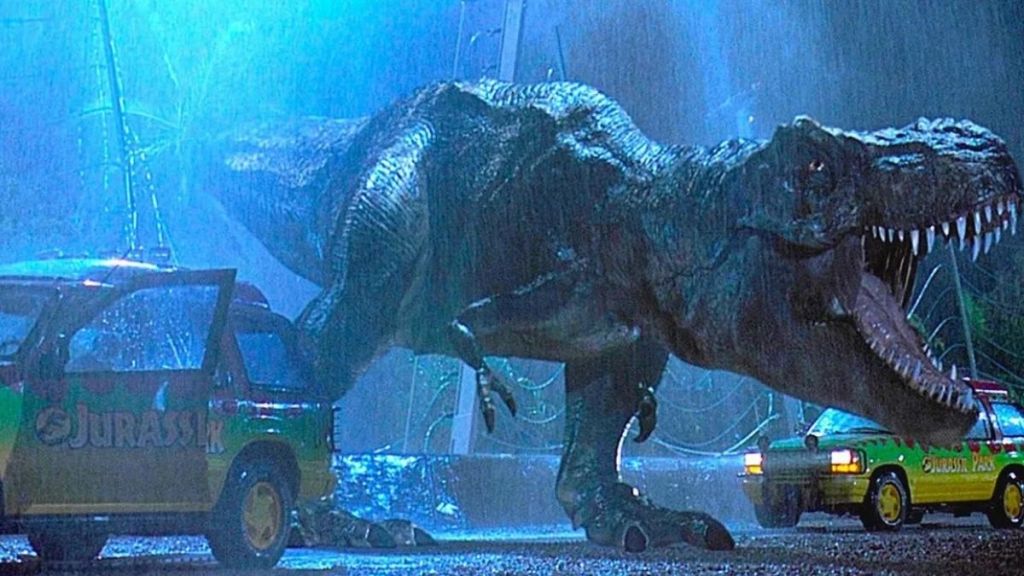
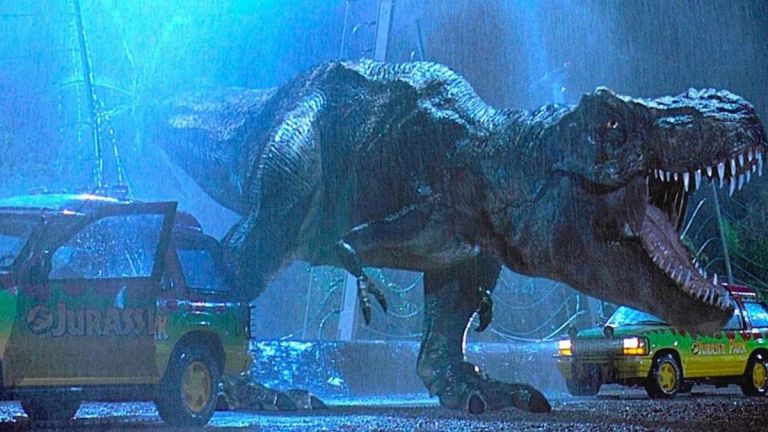
Jurassic Park, The Sneaky T-Rex
The T-Rex is established as thunderously loud, yet somehow appears silently inside the visitor center during the climax. It contradicts earlier scenes, but the moment is so iconic that most viewers never question how it got there.
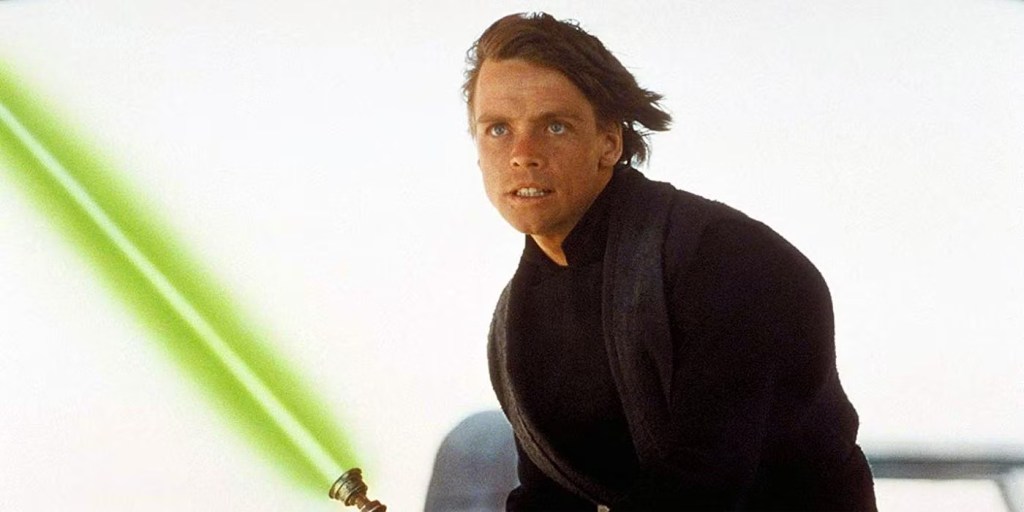
Star Wars: A New Hope, The Death Star Weakness
A galaxy-destroying superweapon has a tiny, exploitable flaw that can destroy it entirely. It’s often cited as too convenient, yet the tension of the trench run makes audiences accept it without much resistance.
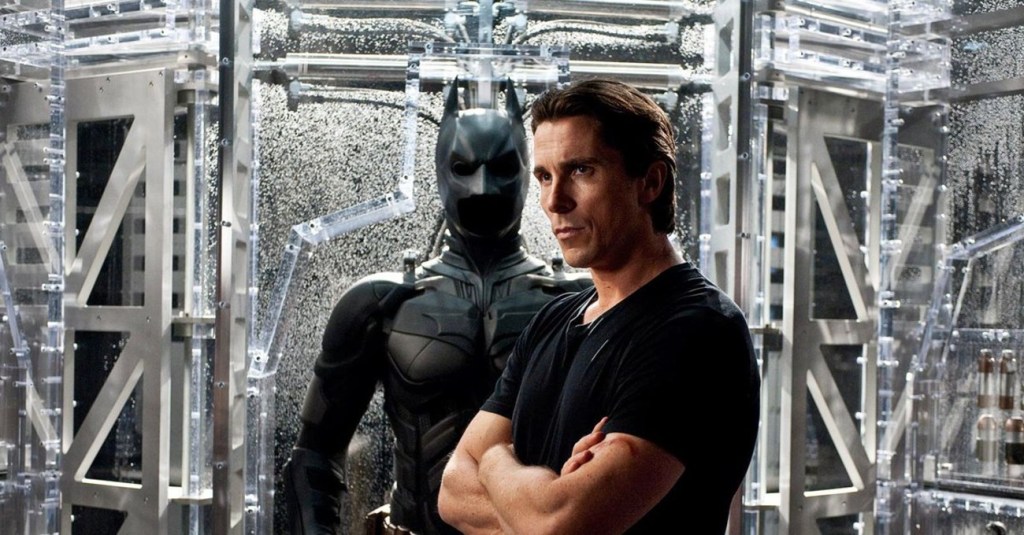
The Dark Knight Rises, Bruce Wayne’s Return
After being stranded far from Gotham with no resources, Bruce somehow returns to the city unnoticed. The logistics are never explained, but the film’s momentum makes it easy to overlook.
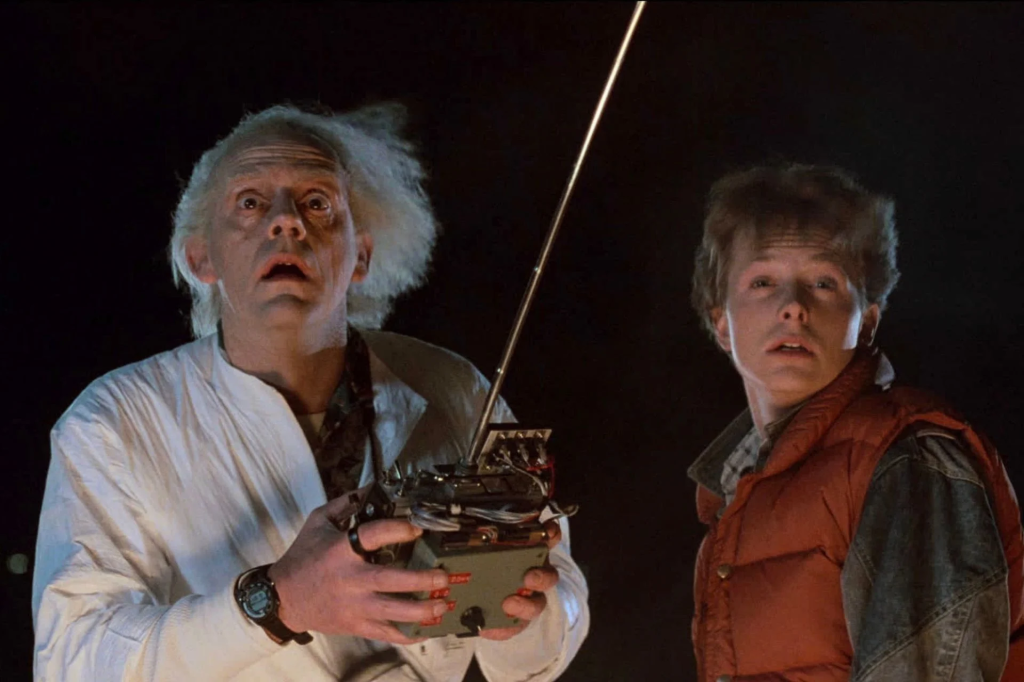
Back to the Future, The Parents Problem
Marty’s parents don’t recognize their son as the exact same person they met in 1955. It’s a logical inconsistency, but the emotional payoff of the story outweighs the need for a strict explanation.
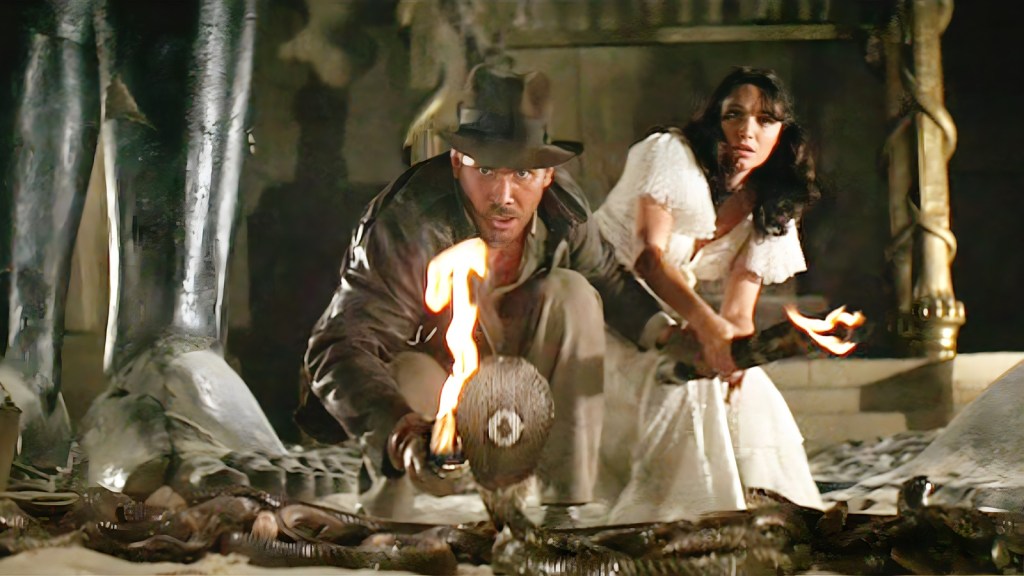
Indiana Jones and the Raiders of the Lost Ark, Indy’s Impact
A common argument suggests the outcome would be the same without Indiana Jones. While debatable, the film’s focus on his character arc makes the supposed plot hole largely irrelevant to viewers.
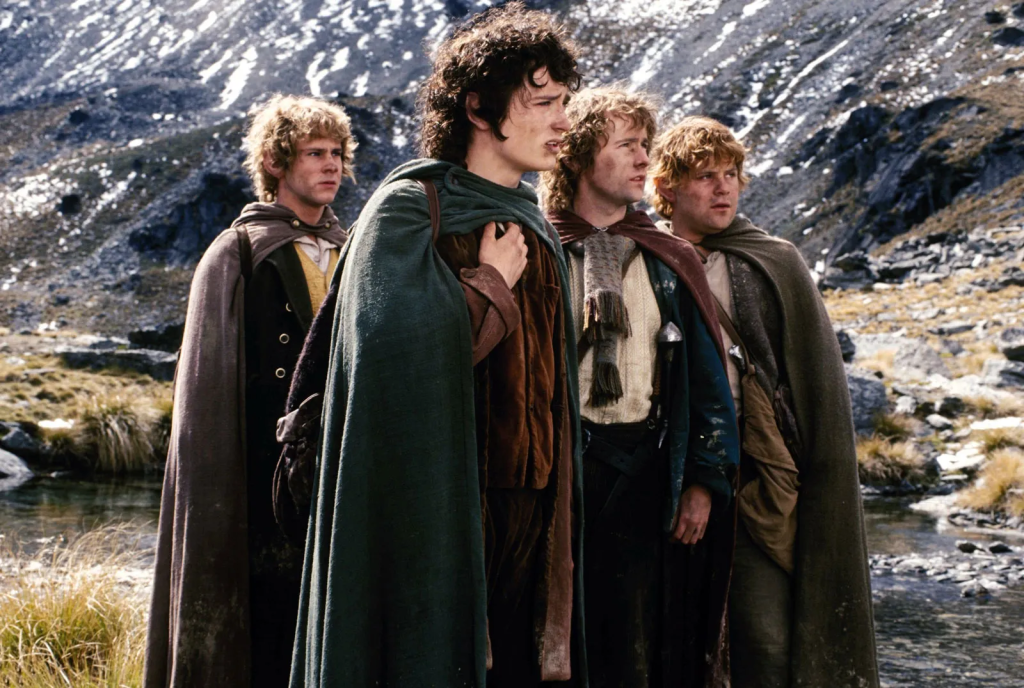
The Lord of the Rings: The Return of the King, Why Not Use the Eagles?
If the eagles could fly to Mordor at the end, why not use them from the start? The question persists, but fans generally accept the narrative necessity of the long journey.
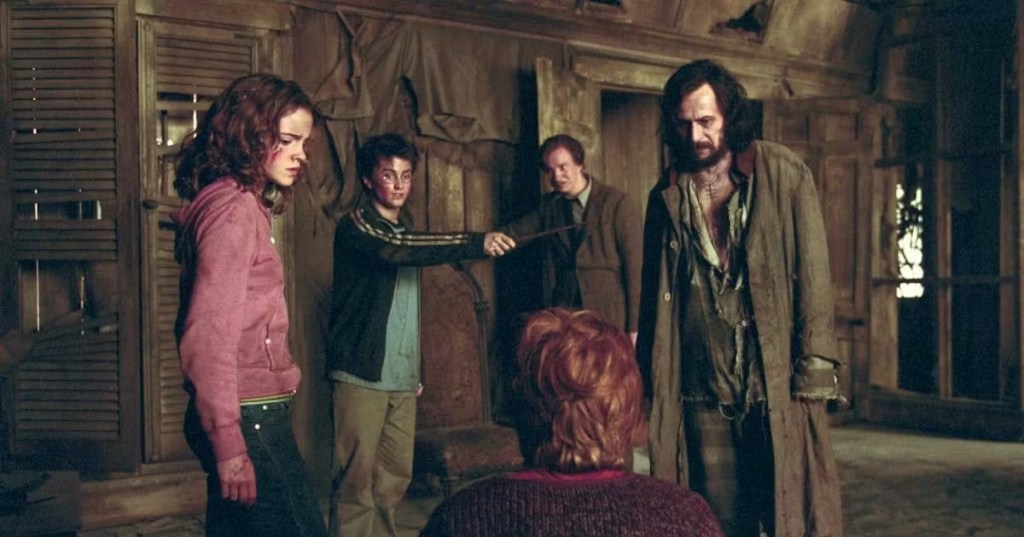
Harry Potter and the Prisoner of Azkaban, Time-Turner Logic
The Time-Turner raises major questions about why it isn’t used more often to solve problems. The film never fully addresses this, but the emotional story keeps audiences invested regardless.
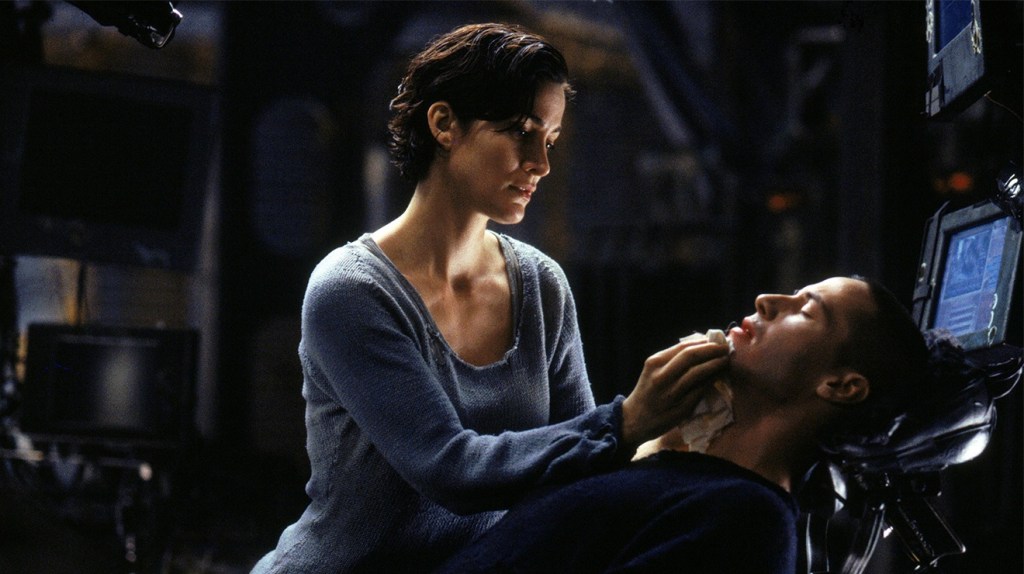
The Matrix, Human Batteries
Using humans as an energy source doesn’t make much scientific sense, yet it’s the core premise of the story. The concept is so compelling visually and thematically that viewers accept it anyway.
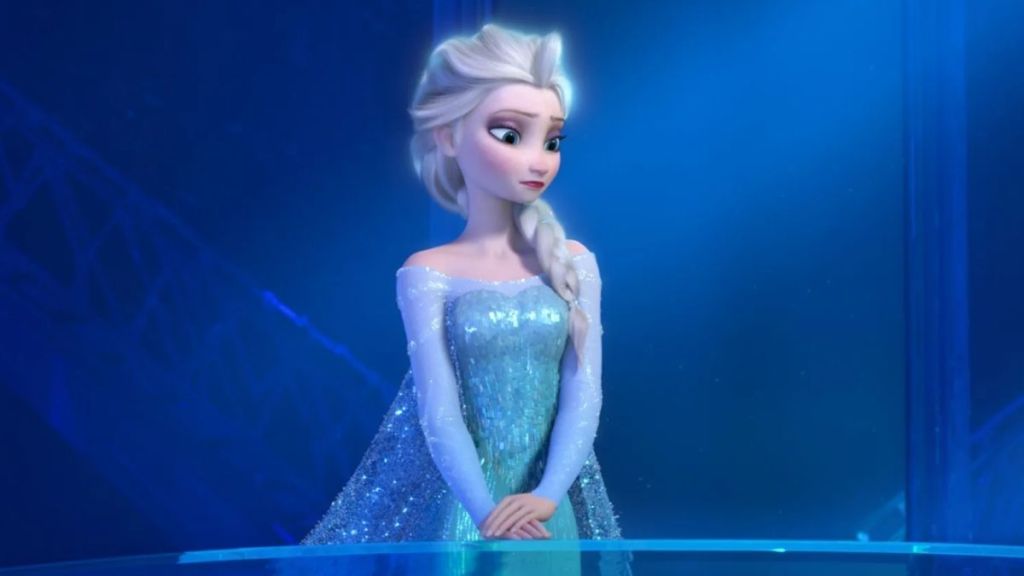
Frozen, Elsa’s Powers
Elsa’s abilities are powerful enough to solve many problems instantly, yet she often doesn’t use them that way. The inconsistency is noticeable, but the emotional narrative takes priority.
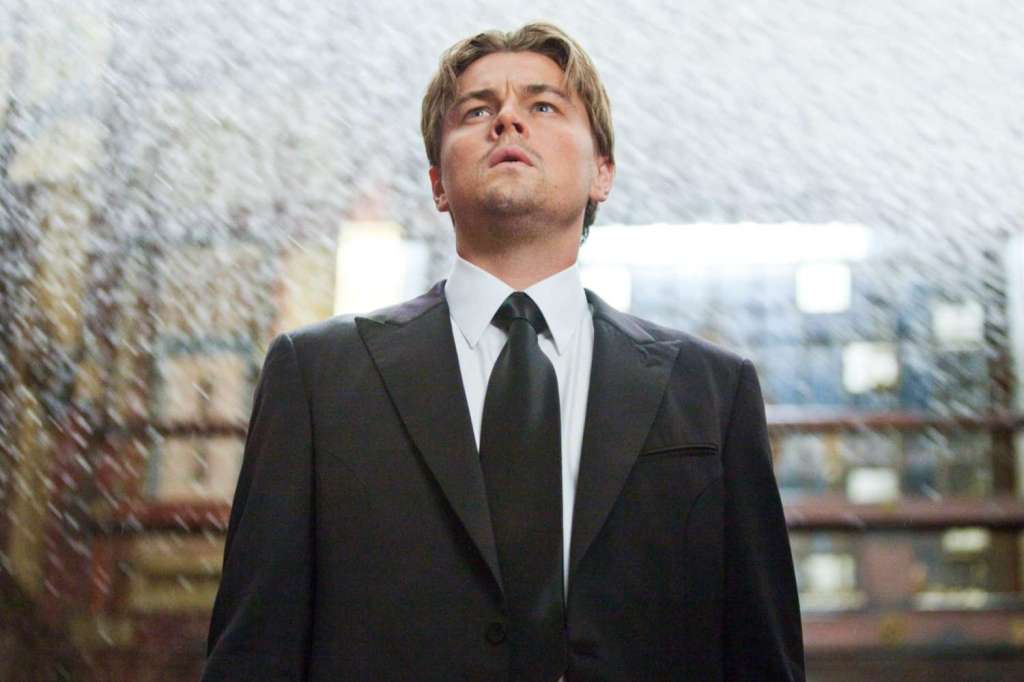
Inception, Dream Rules Flexibility
The mechanics of dreams shift depending on the needs of the scene, leading to inconsistencies in how the world works. Despite this, the film’s engagement and spectacle overshadow the gaps.
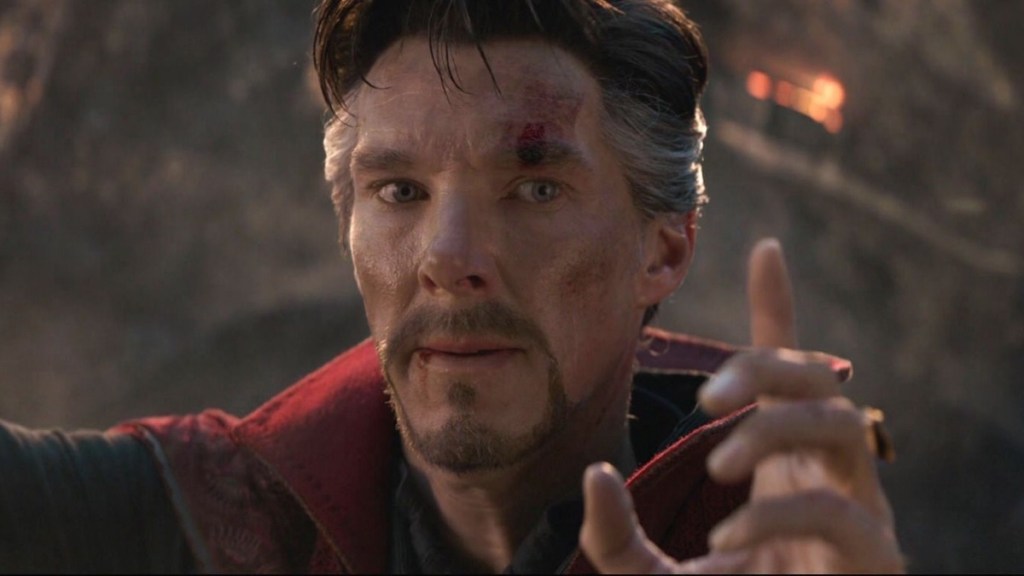
Avengers: Endgame, Time Travel Rules
The film establishes specific rules for time travel, then bends them for dramatic moments. It’s internally inconsistent at times, but audiences accept it for the payoff and character moments.
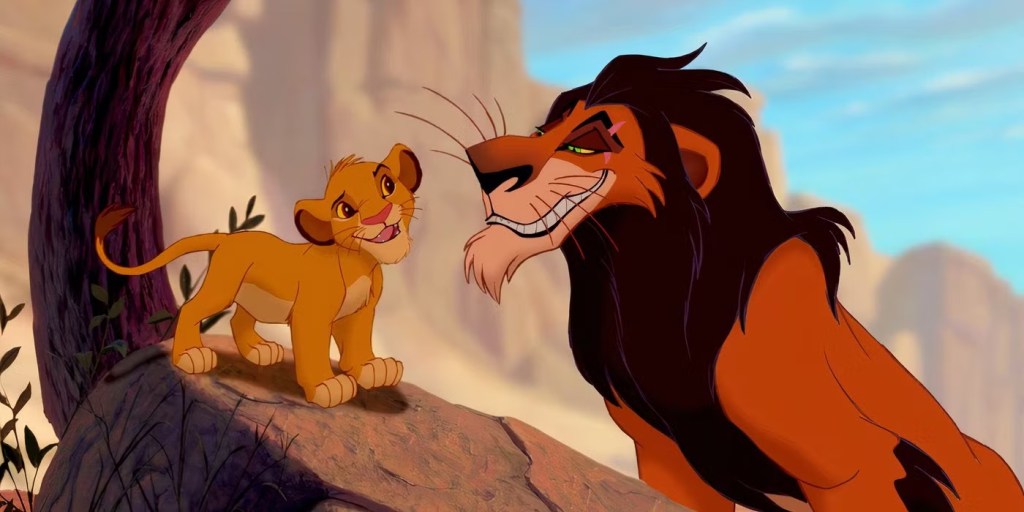
The Lion King, Scar’s Plan
Scar’s takeover relies on a very specific chain of events going perfectly. The coincidence-heavy plan works because the story is emotionally driven rather than logically airtight.
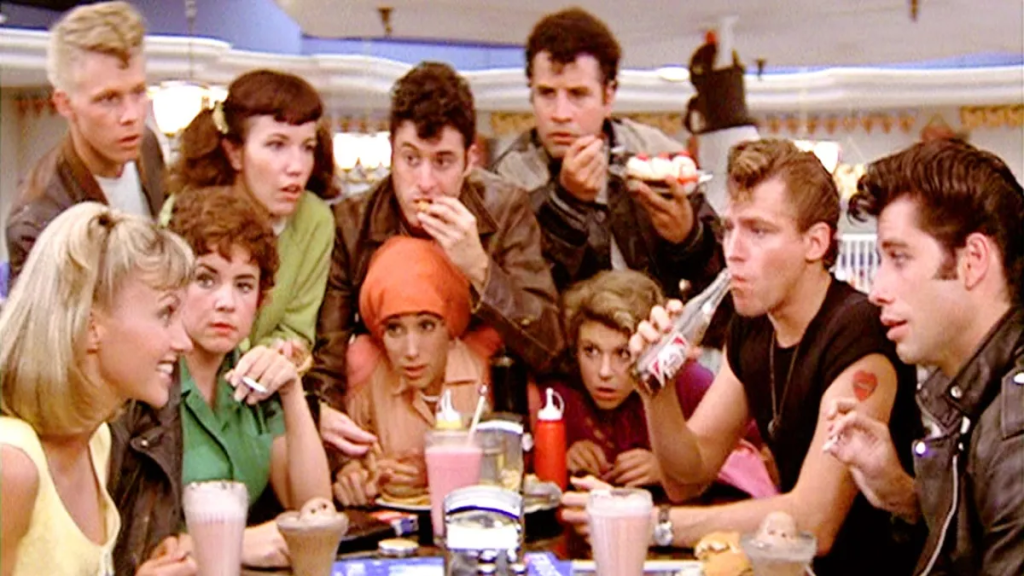
Grease, The Flying Car
The film ends with a car literally flying into the sky with no explanation. It breaks the grounded reality of the story, but the musical tone makes it feel acceptable.
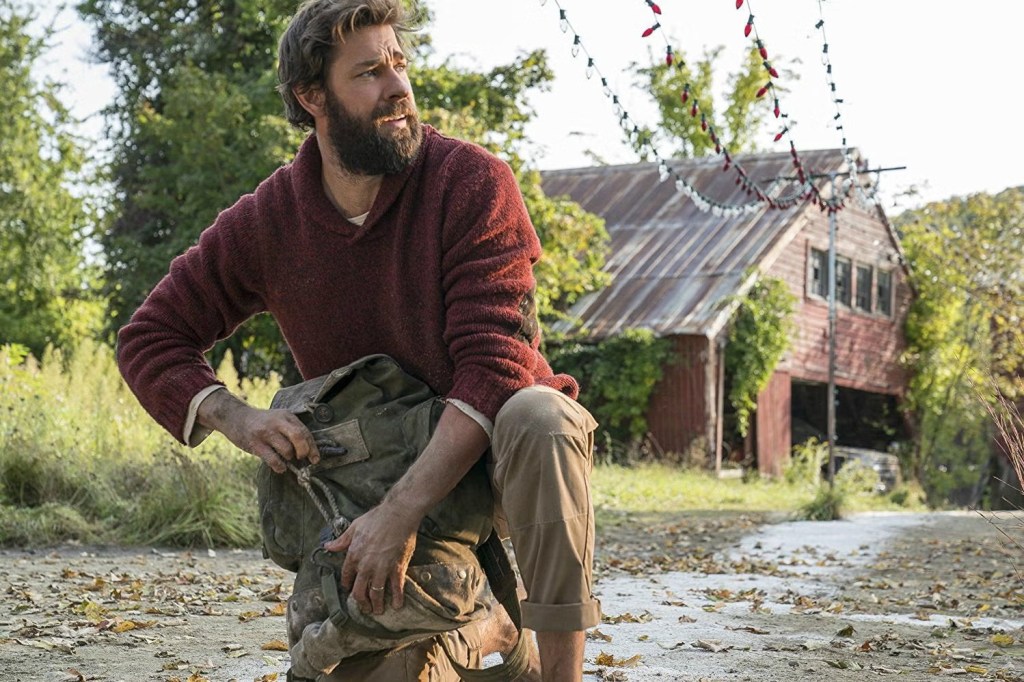
A Quiet Place, Sound Rules
The creatures react to sound, yet certain noises go unnoticed while others trigger attacks. The inconsistency exists, but the tension-driven storytelling makes it easy to forgive.
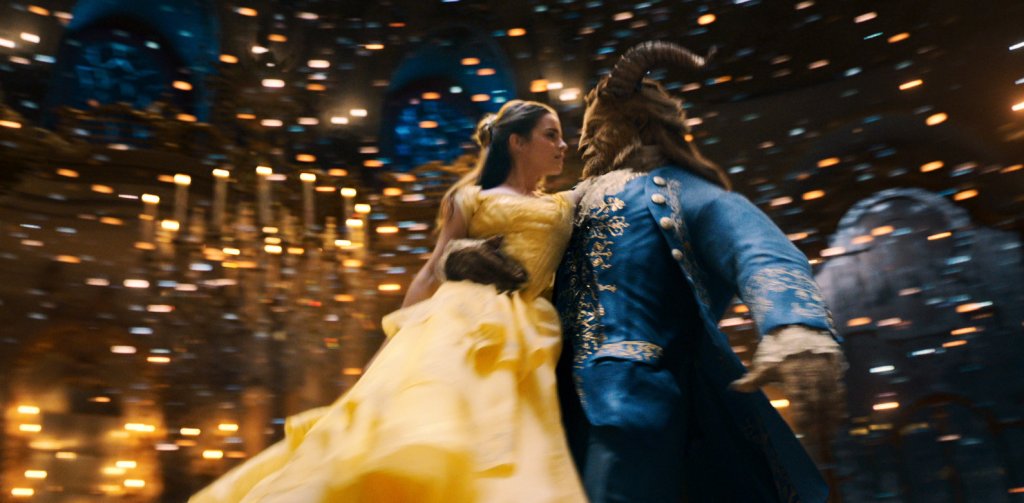
Beauty and the Beast, Timeline Confusion
Dialogue suggests the curse lasted ten years, conflicting with the prince’s age in other scenes. The inconsistency is noticeable but minor enough that it doesn’t affect the story.