15 “True Stories” That Really Didn’t Need Their Own Movies


Not every true story is built for the big screen. While Hollywood often draws from real events to build its movies, some stories end up feeling stretched, overdramatized, or simply too small in scope to justify a full-length film. In these cases, the “based on a true story” label feels more like a cash grab. Here are fifteen “true stories” that, for many viewers, didn’t warrant feature films despite the real events behind them.

Sully
The “Miracle on the Hudson” is a brief event, and the film expands heavily into investigation drama to fill its runtime.

The Blind Side
The real-life story is compelling, but the film simplifies events heavily, leading some to argue the dramatization outweighed the actual depth of the story.
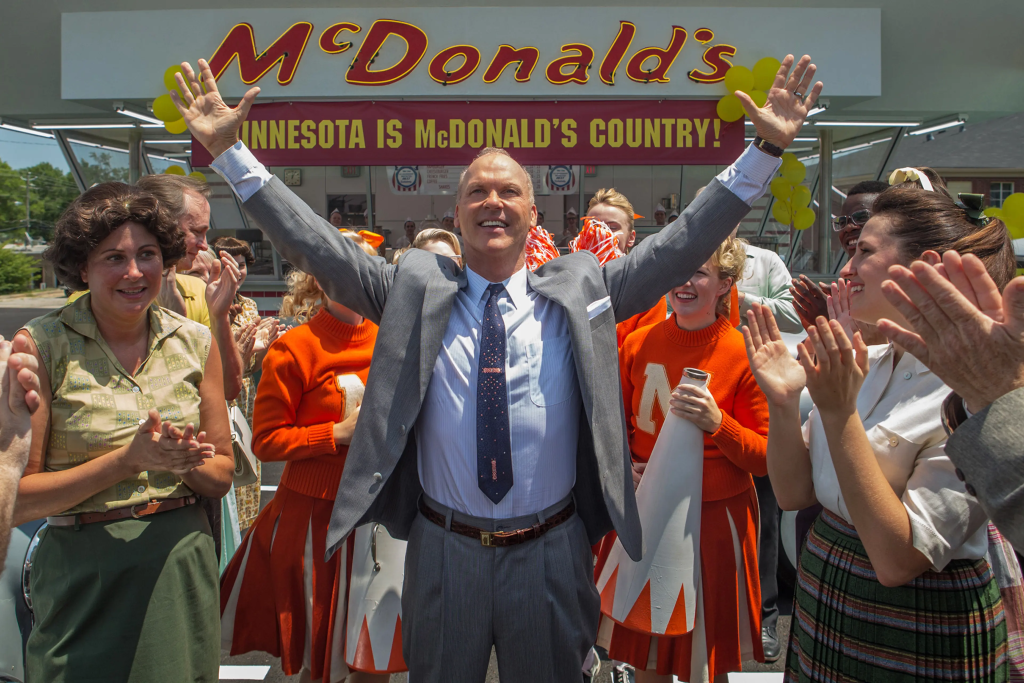
The Founder
The story of McDonald’s expansion is interesting, but many viewers felt it turned a relatively straightforward business takeover into a stretched-out character drama that didn’t fully justify its runtime.
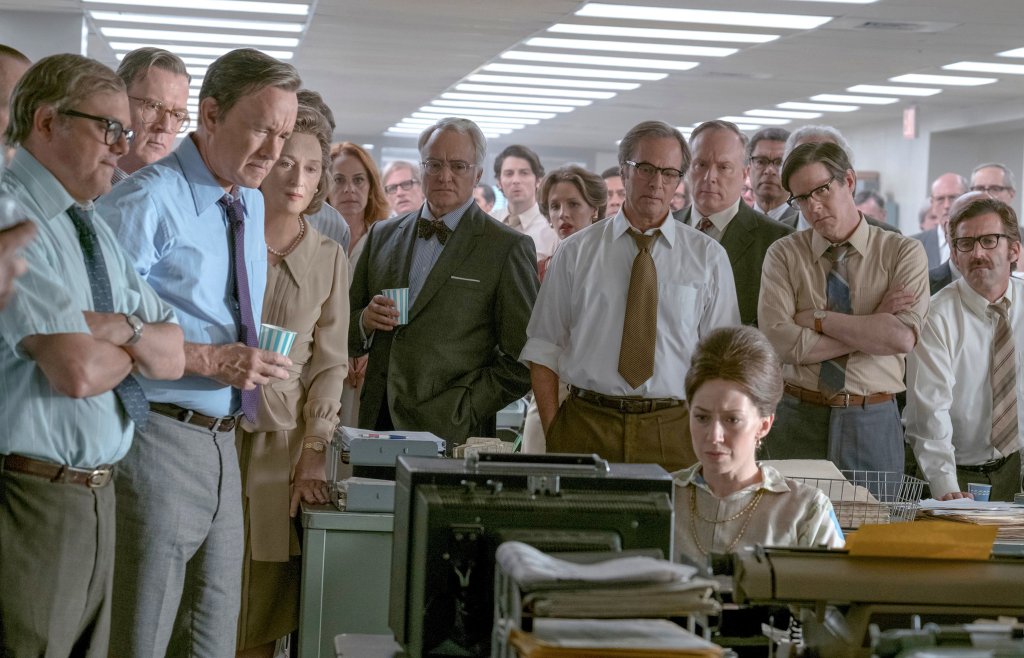
The Post
The Pentagon Papers story is historically important, but the film condenses relatively short legal and editorial developments into a full dramatic feature.
The Terminal
Inspired by a real case of a man stuck in an airport, the premise is intriguing but arguably limited for a full dramatic structure.
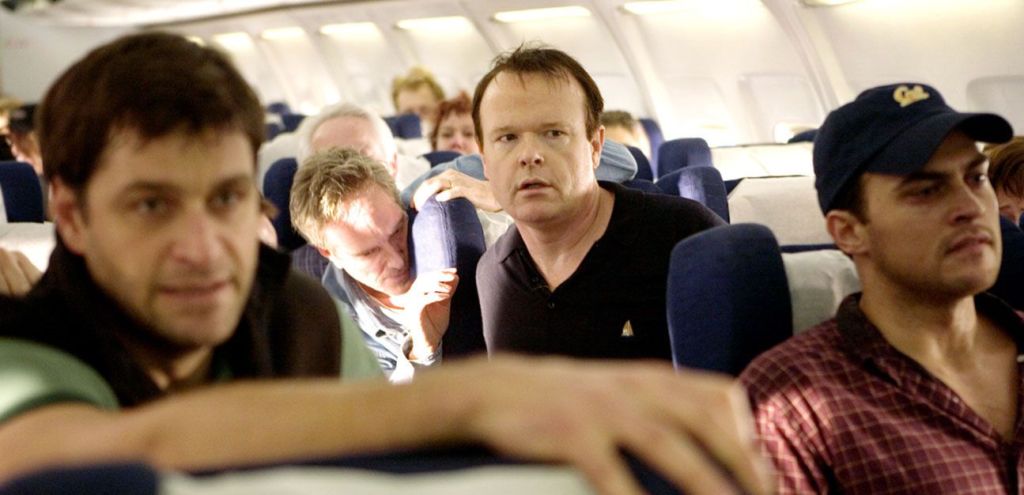
United 93
A real-time retelling of a single event, the film’s minimalist scope left some questioning whether a full theatrical release was the right format.

127 Hours
While visually powerful, the core story is essentially one man trapped in one location, which some viewers felt was stretched thin for feature-length pacing.
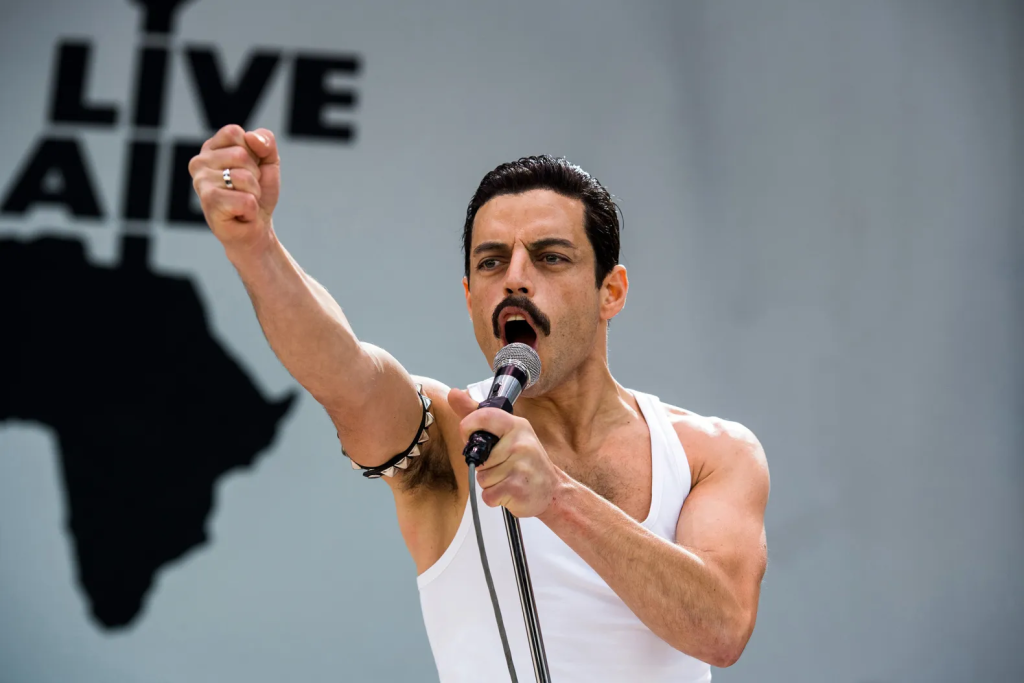
Bohemian Rhapsody
The life of Queen and Freddie Mercury is legendary, but the film was criticized for simplifying timelines and events into a more conventional narrative arc.
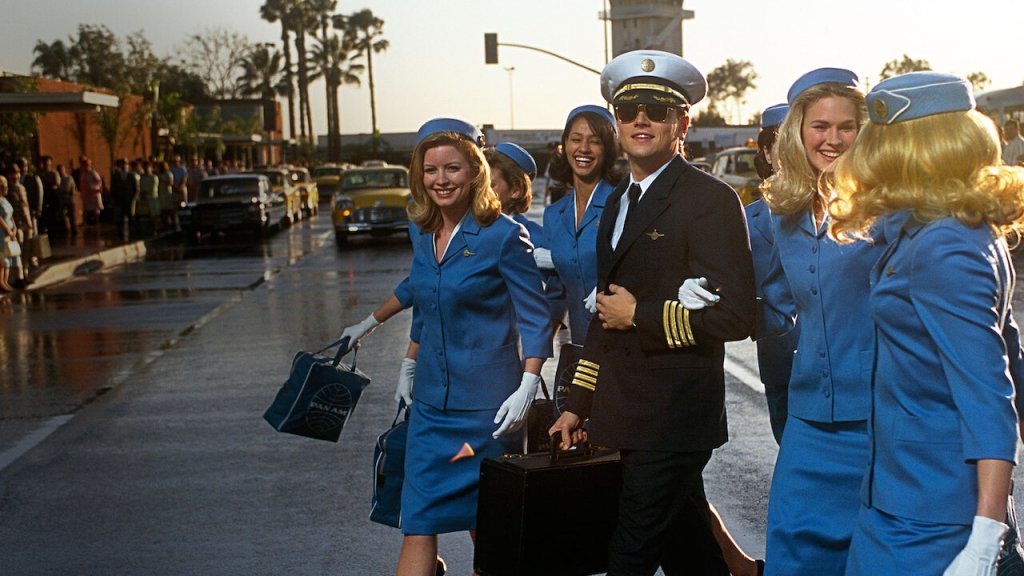
Catch Me If You Can
Frank Abagnale’s real-life story is fascinating, but some argue the film stretches episodic events into a more cinematic arc than necessary.

Cocaine Bear
Loosely inspired by a bizarre real incident, the actual story is far smaller and less eventful than the exaggerated horror-comedy adaptation suggests.

Everest
Based on real climbing tragedies, the film covers a known outcome, with critics noting that its structure feels more like extended reenactment than narrative exploration.
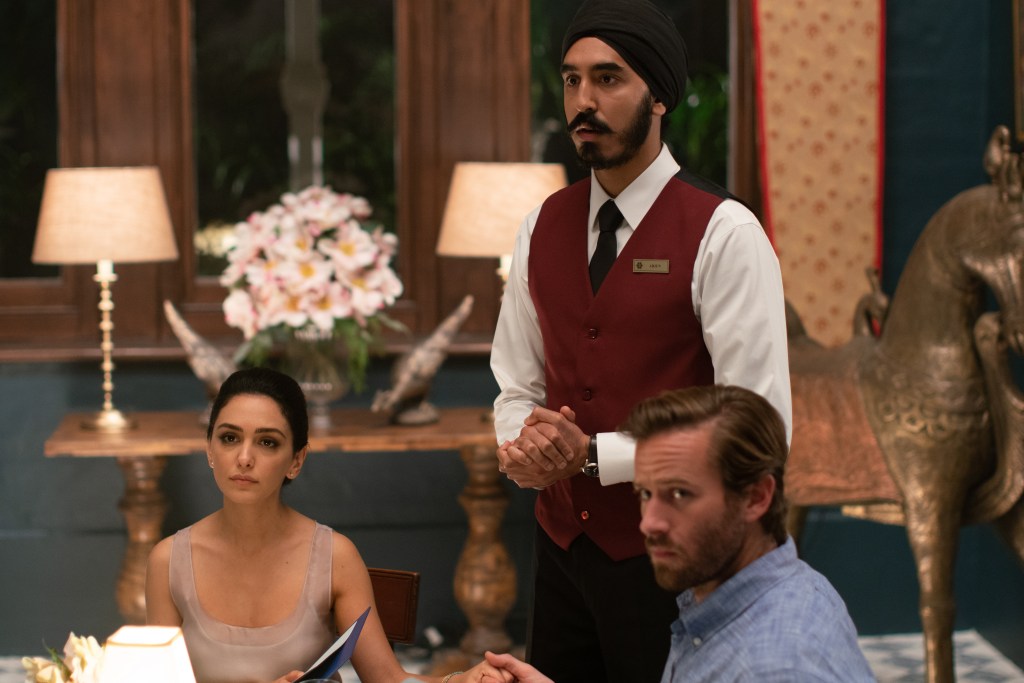
Hotel Mumbai
Based on the 2008 attacks, it presents intense events, but some critics felt the film focused too narrowly on individual perspectives rather than broader context.

Joy
Based on the life of inventor Joy Mangano, the film was criticized for turning a fairly standard entrepreneurial success story into an uneven biopic.
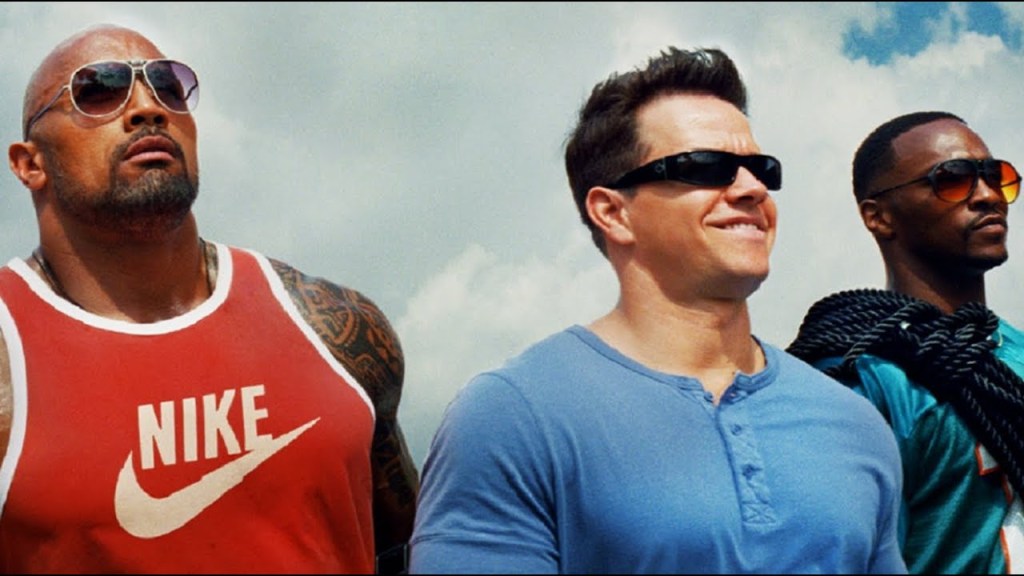
Pain & Gain
The true crime story is unusual, but the film amplifies its tone to the point where it feels exaggerated beyond the source material.

Snowden
The story of Edward Snowden is significant, but the film structure relies heavily on procedural retelling rather than deeper narrative complexity.