18 Movies That Were Totally Failed By Their Marketing


A great movie still needs the right audience, and that usually starts with how it’s sold. When marketing misses the mark, even strong films can struggle to find their footing. Misleading trailers, unclear messaging, or campaigns that fail to highlight what makes a movie special can all work against it before it even hits theaters.
In some cases, audiences walk in expecting a completely different experience, while in others, they don’t show up at all. These are the films where the problem wasn’t necessarily what was on screen, but how it was presented, proving that marketing can make or break a release.
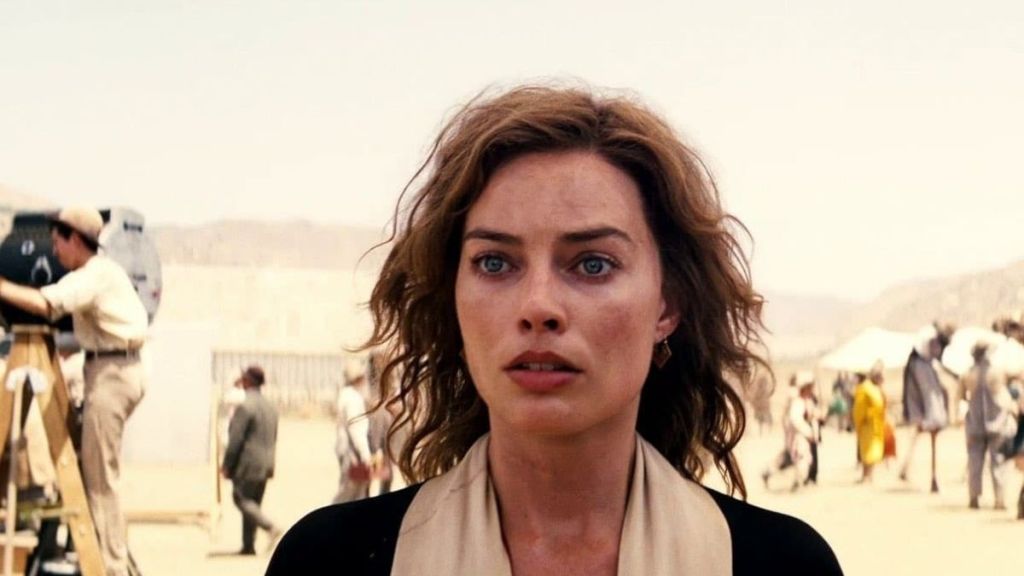
Babylon
Despite strong talent and ambition, marketing struggled to clearly define the film’s tone and appeal. Trailers emphasized chaos and excess without a clear narrative hook, leaving audiences unsure what kind of movie it actually was.
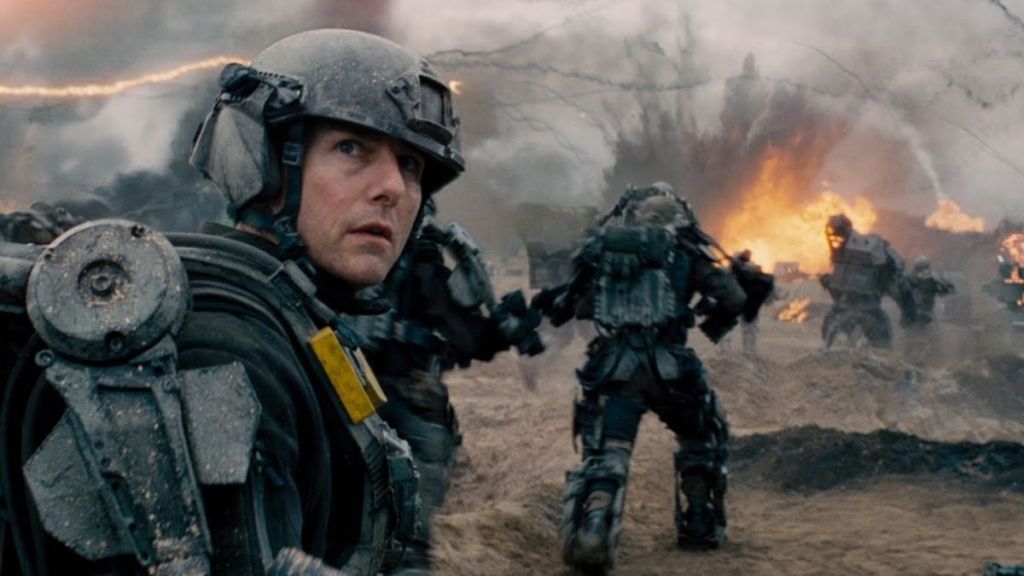
Edge of Tomorrow
Confusing marketing, including multiple titles like “Live Die Repeat,” made the premise hard to grasp. Many viewers didn’t understand the time-loop concept, contributing to a weak box office despite strong reviews.

Jennifer’s Body
Marketed as a straightforward horror film focused on Megan Fox, the campaign ignored its satirical tone, attracting the wrong audience and leading to poor initial reception.

John Carter
Marketing failed to explain the story or source material, and the generic title didn’t help. Audiences had little idea what the film was about, hurting interest despite its scale and budget.
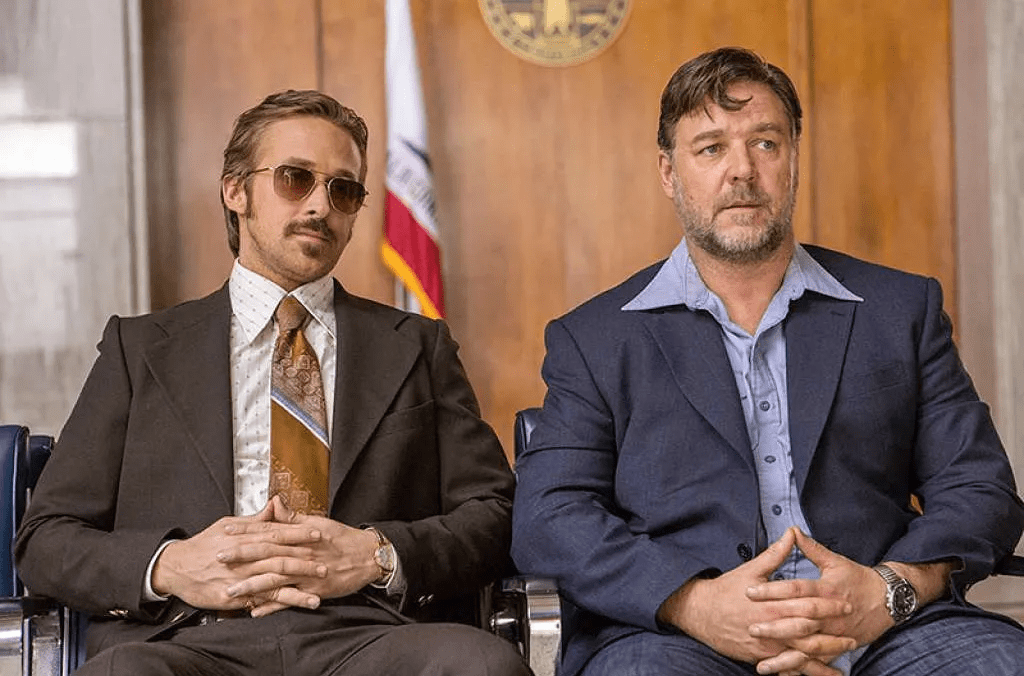
The Nice Guys
The film’s sharp humor and tone weren’t clearly conveyed in trailers, which undersold its appeal. It struggled to find an audience despite strong reviews and performances.
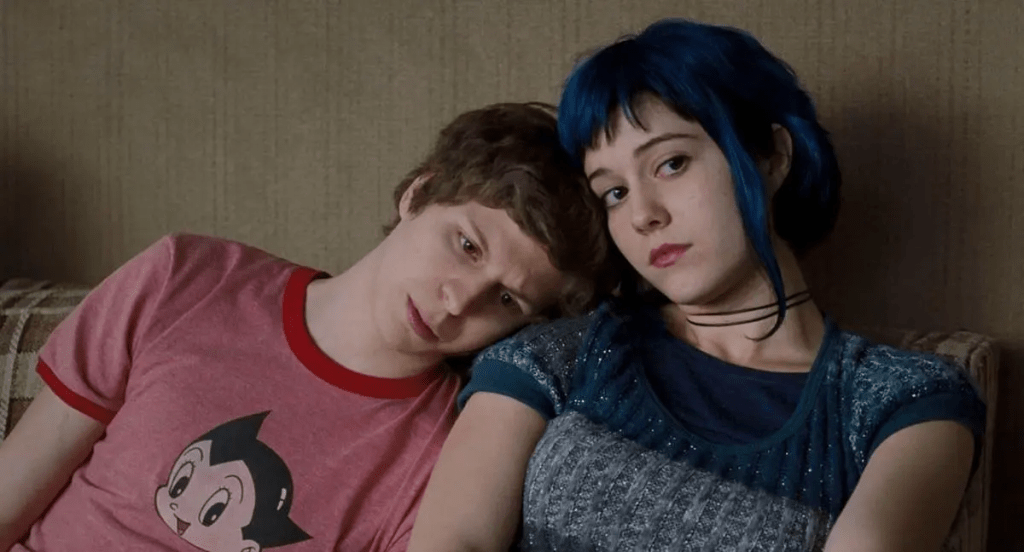
Scott Pilgrim vs. the World
The marketing didn’t clearly communicate the film’s unique blend of gaming, romance, and comedy, leaving mainstream audiences unsure what to expect.
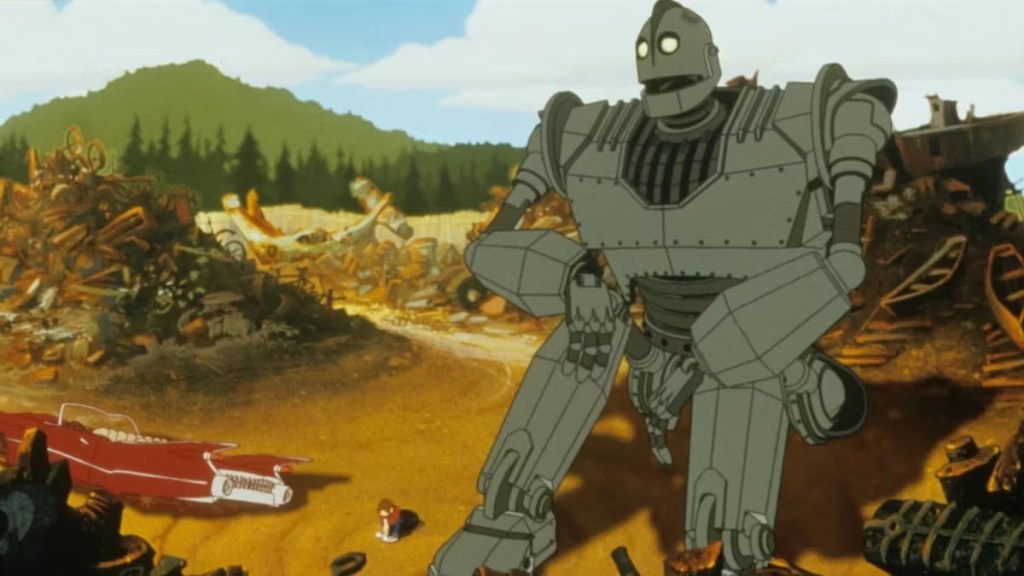
The Iron Giant
Warner Bros. gave the film minimal promotion, resulting in low awareness at release. It later became beloved through home video, but its theatrical run suffered heavily.
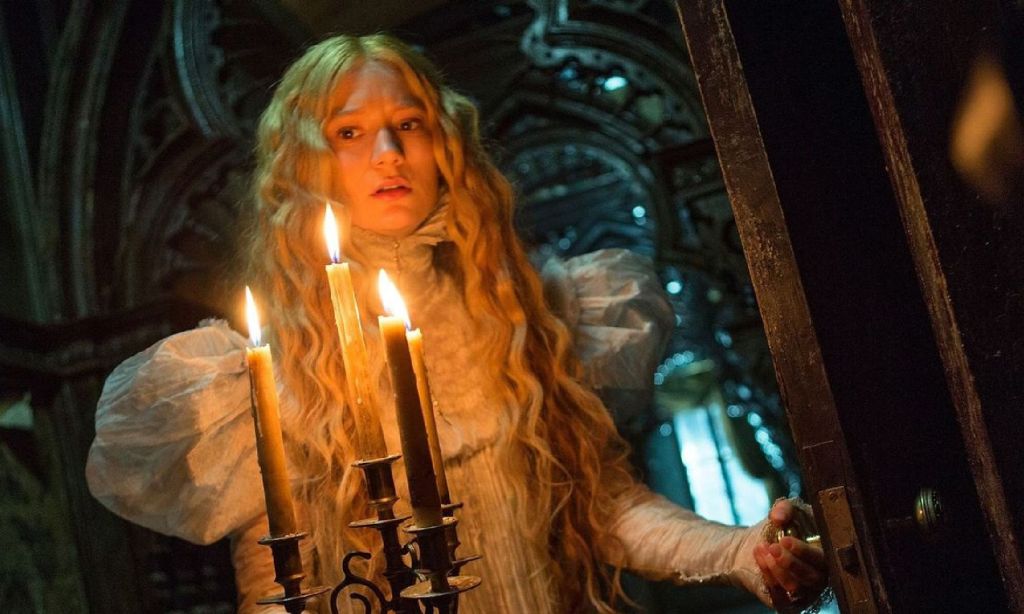
Crimson Peak
Marketed as a horror film, it was actually a gothic romance. The mismatch led to disappointed audiences and poor word of mouth.

Drive
Trailers suggested a high-octane action film, but the movie was slower and more atmospheric. This disconnect led to audience frustration and even complaints.
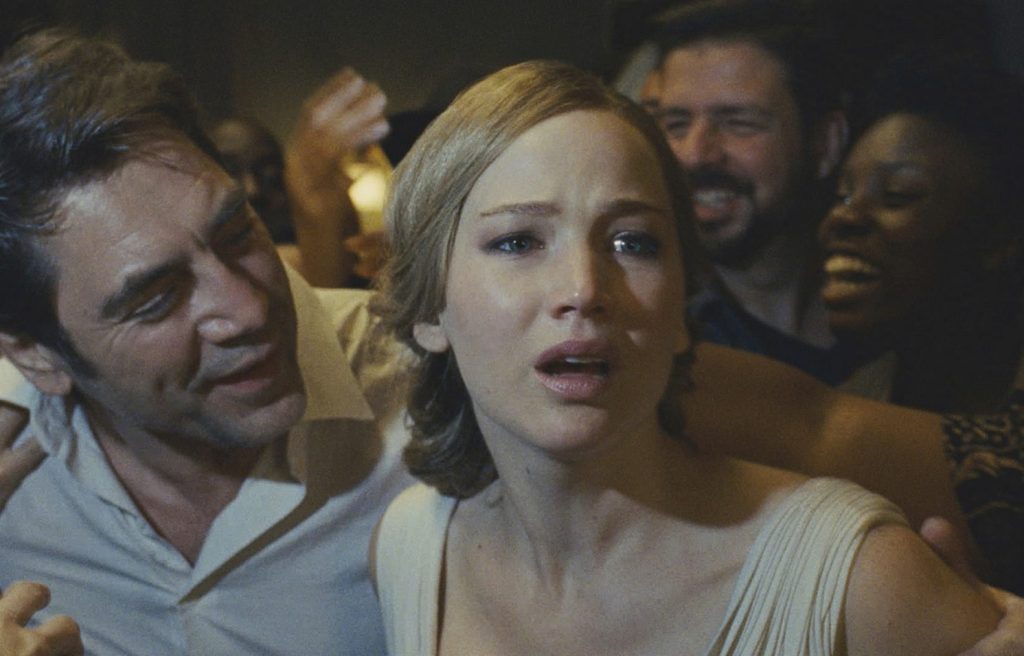
Mother!
The marketing didn’t prepare audiences for its surreal and symbolic nature, leading to confusion and strong negative reactions upon release.
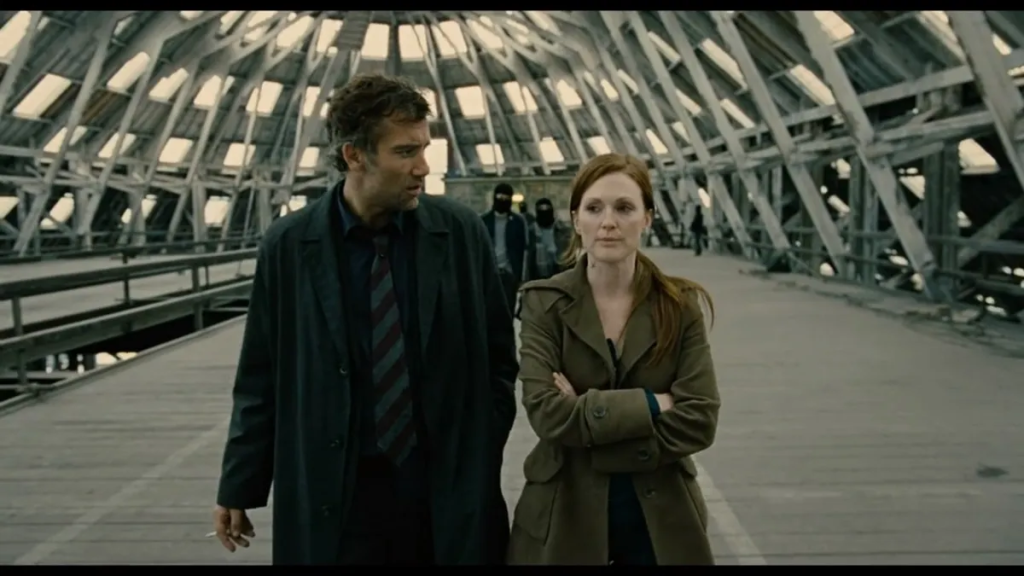
Children of Men
Despite critical acclaim, the marketing struggled to communicate its premise and urgency, resulting in a disappointing box office performance.
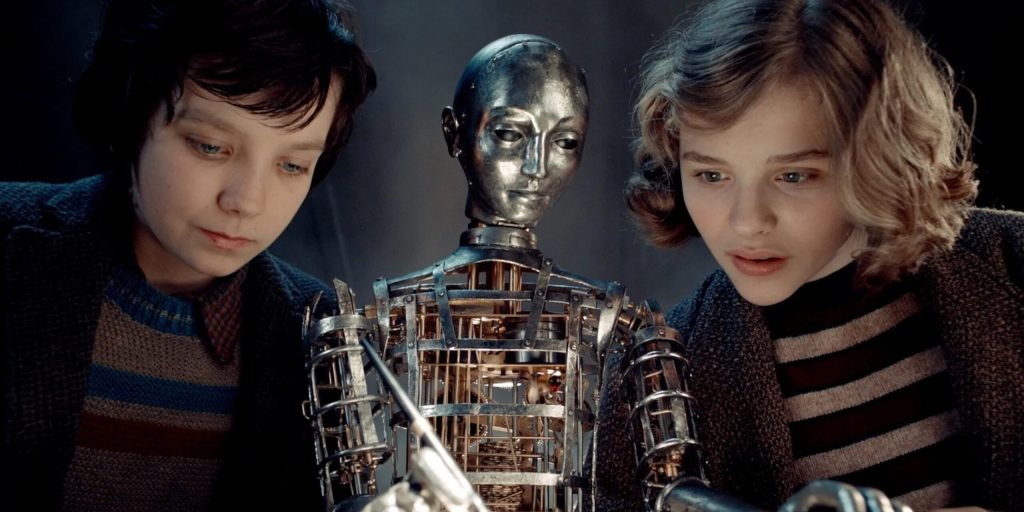
Hugo
Trailers focused on adventure elements, while the film was more about film history and nostalgia, creating a mismatch with audience expectations.
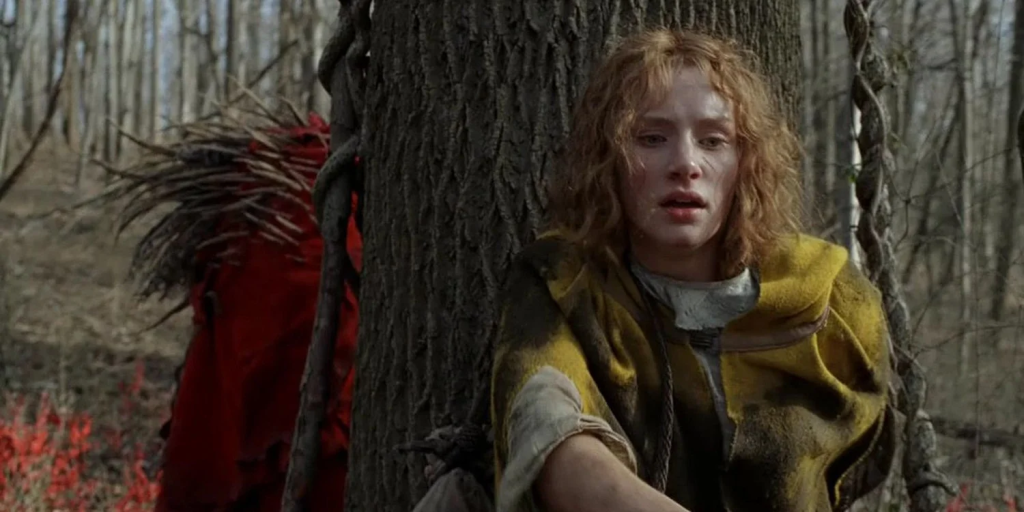
The Village
Marketed as a horror film, it leaned more into drama and suspense, leading to backlash from audiences expecting a different experience.
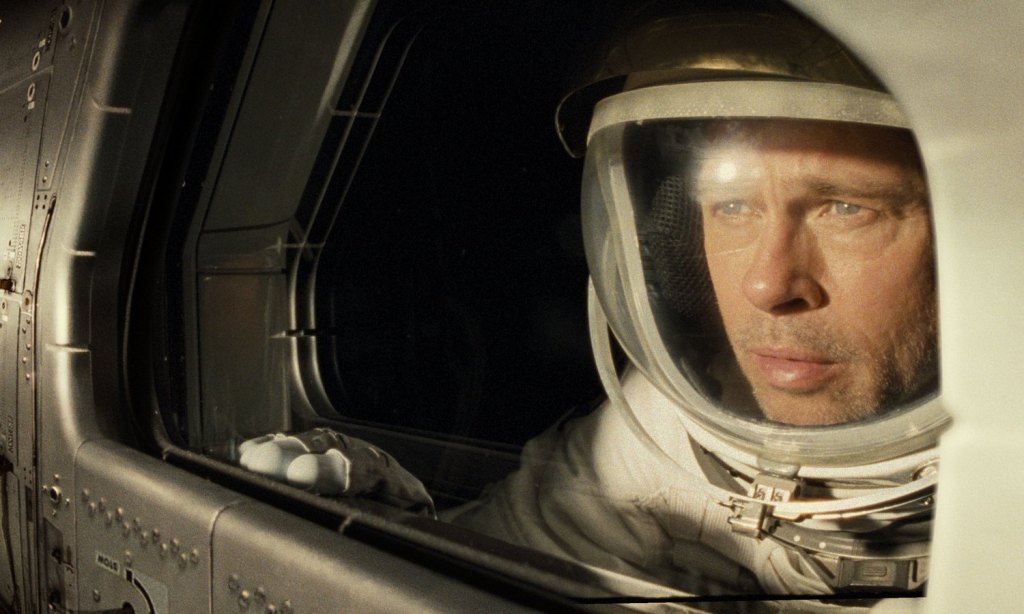
Ad Astra
Promoted as a space action film, it was actually a slow, introspective drama, which disappointed viewers expecting something more conventional.
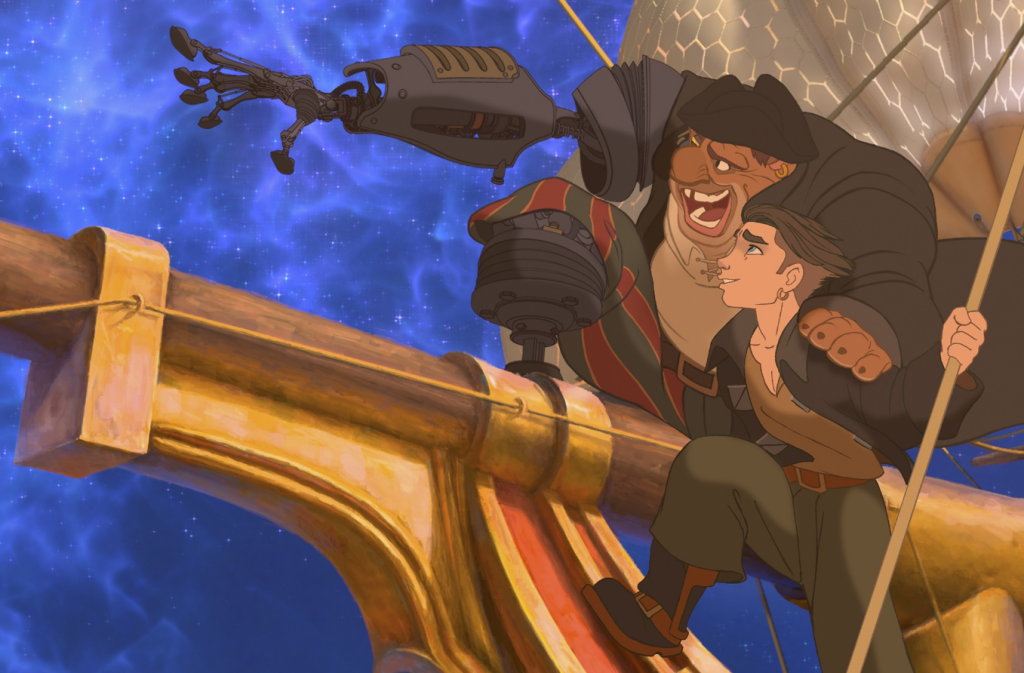
Treasure Planet
Disney struggled to market its sci-fi take on a classic story, leading to low audience interest despite strong creative elements.
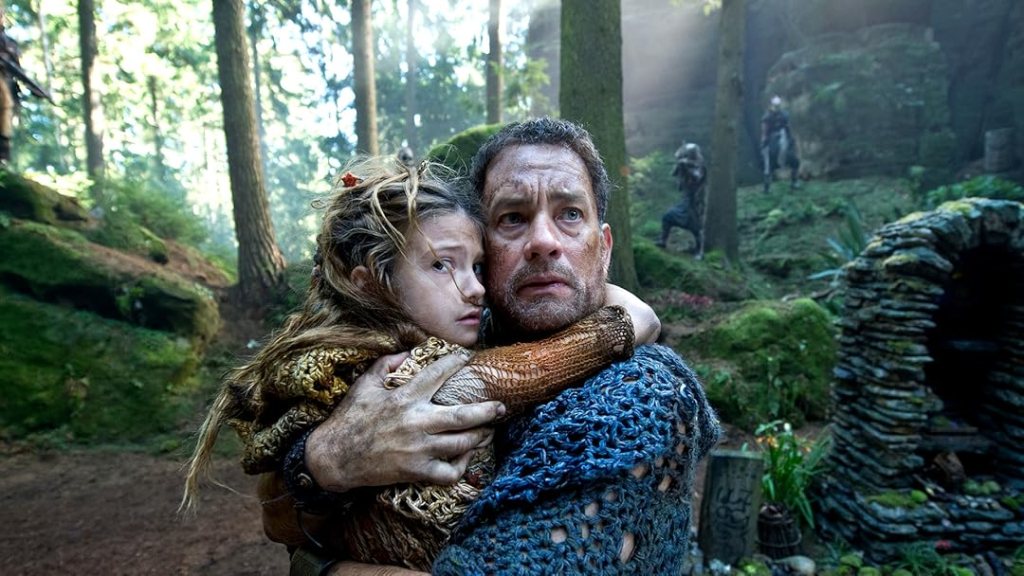
Cloud Atlas
Its complex, multi-narrative structure was difficult to explain in marketing, leaving audiences confused about the film’s concept.
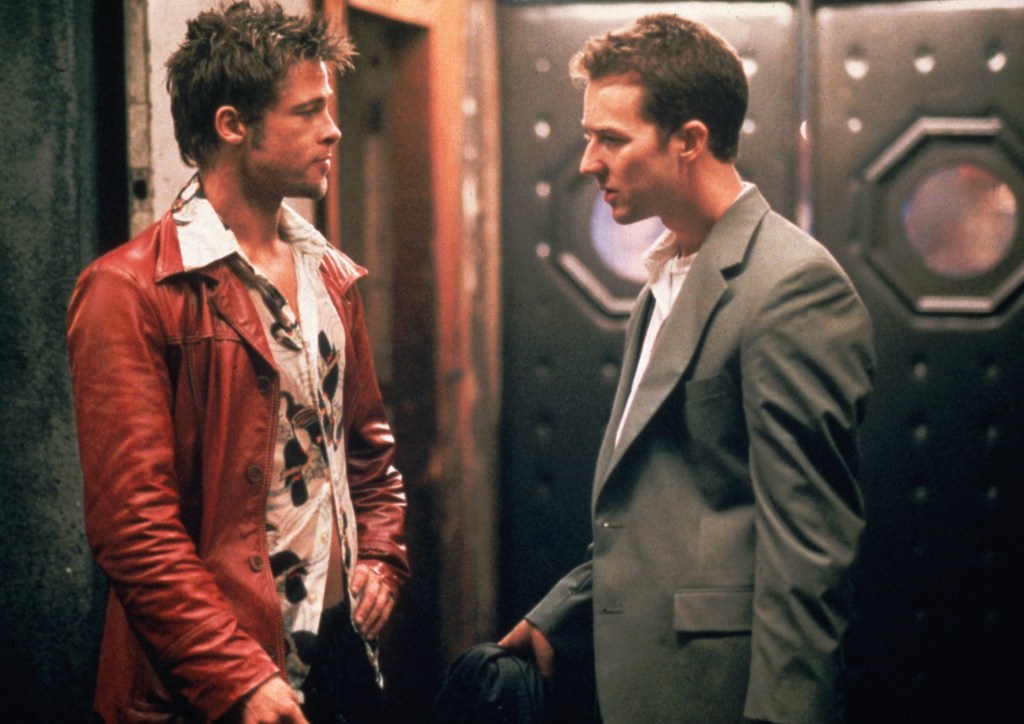
Fight Club
Marketing emphasized violence and masculinity, missing the film’s satirical core, which contributed to its underperformance at release.
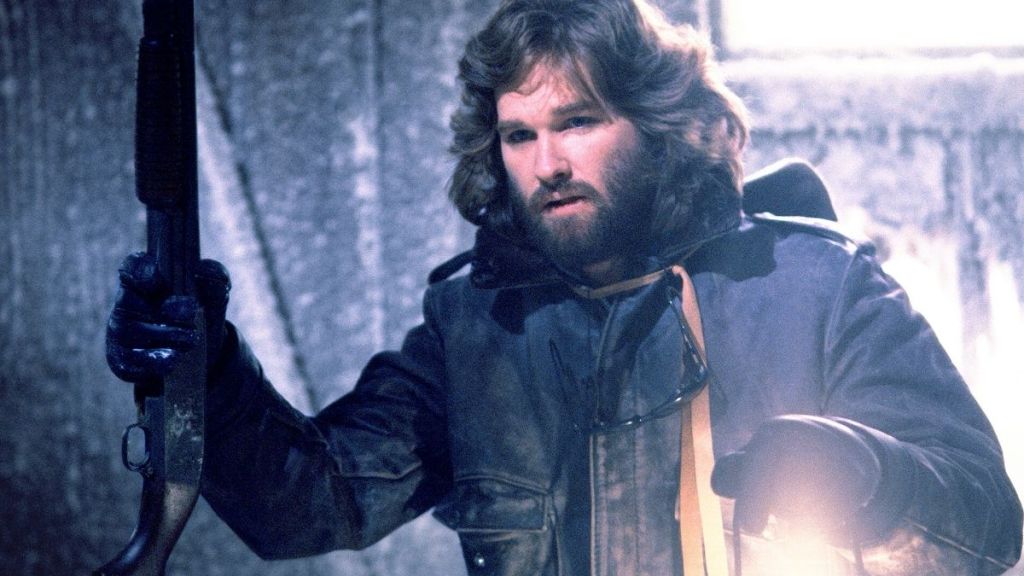
The Thing
Released with unclear positioning and competing against E.T., its marketing failed to properly sell its tone and appeal.