15 Historical Inaccuracies Famous Movies Didn’t Bother to Correct

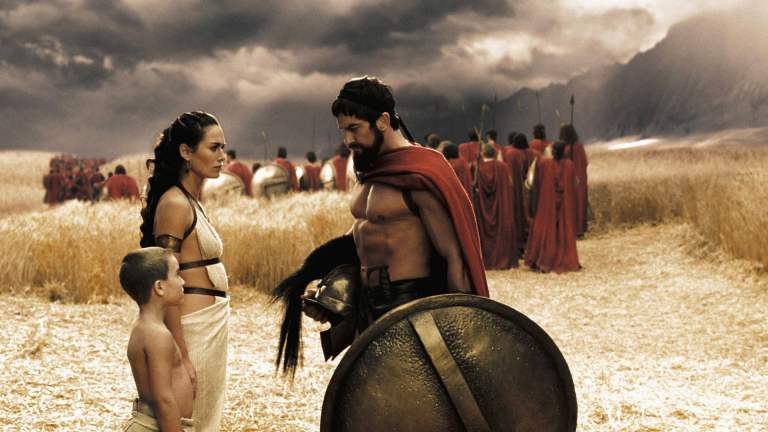
Movies based on historical events bring with them an expectation of accuracy, but that expectation doesn’t always survive its trip to the big screen. Filmmakers frequently change timelines, invent characters, or alter details to make the story more dramatic or easier to follow. These are fifteen historical inaccuracies in famous movies that slipped into the final cut and were never corrected, even though the real history tells a very different story.
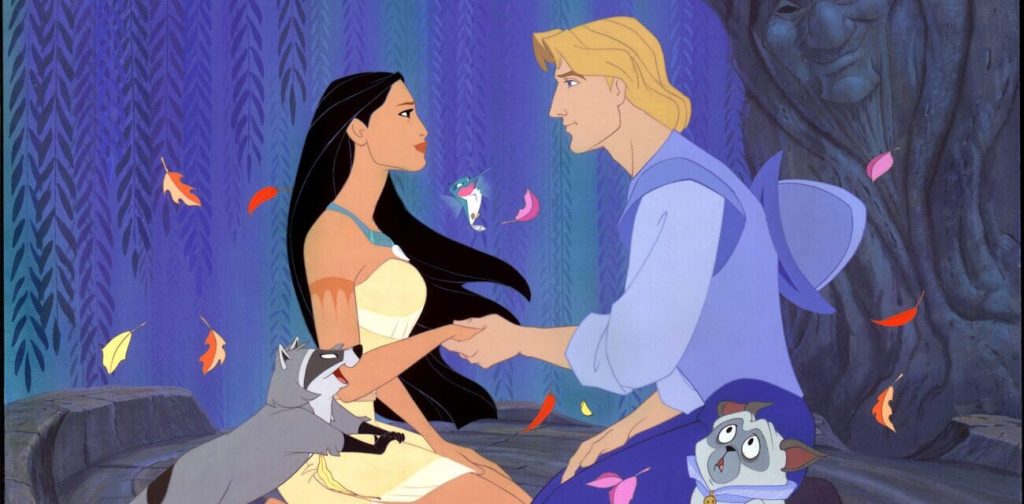
Pocahontas (1995) – The Romance
The film centers on a romantic relationship between Pocahontas and John Smith. Historically, Pocahontas was around 10 or 11 years old when Smith arrived in Virginia.
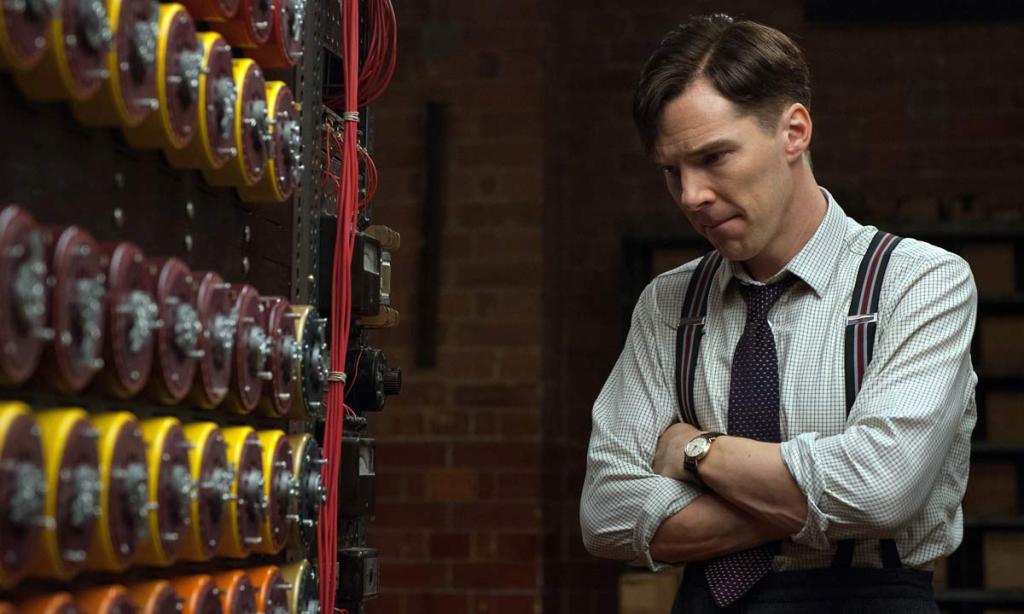
The Imitation Game (2014) – Alan Turing’s Personality
The film portrays Alan Turing as socially hostile and disliked by his team. Historical accounts show he was eccentric but generally respected and collaborated well with colleagues.
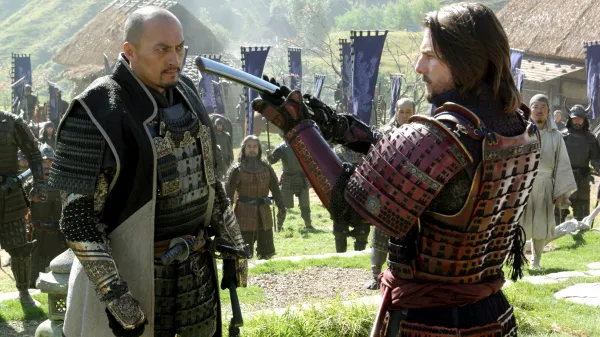
The Last Samurai (2003) – The American Savior Narrative
The film suggests an American soldier played a key role in the samurai rebellion. The real Satsuma Rebellion was led entirely by Japanese figures without a foreign hero.
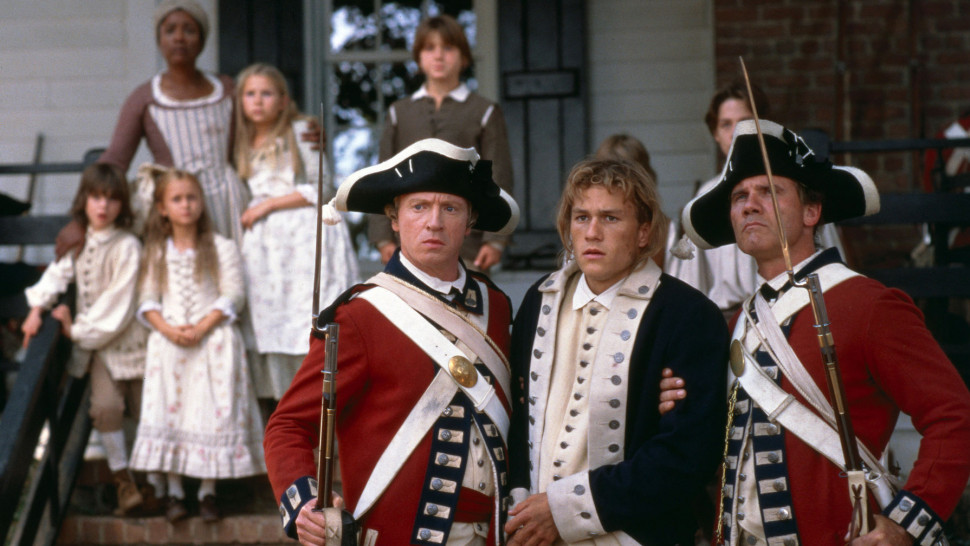
The Patriot (2000) – British War Crimes
The film portrays British troops burning civilians alive inside a church. While atrocities happened during the war, there is no historical record of British forces committing that specific event.
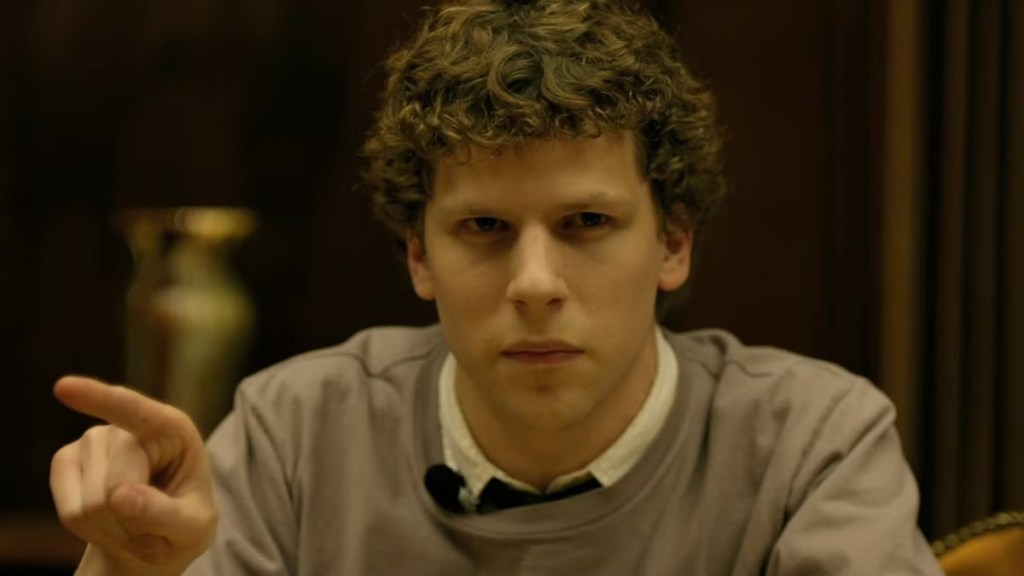
The Social Network (2010) – Mark Zuckerberg’s Motivation
The movie frames Facebook as being created largely out of revenge after a breakup. While dramatic, the platform’s real development involved far more complex motivations and collaboration.
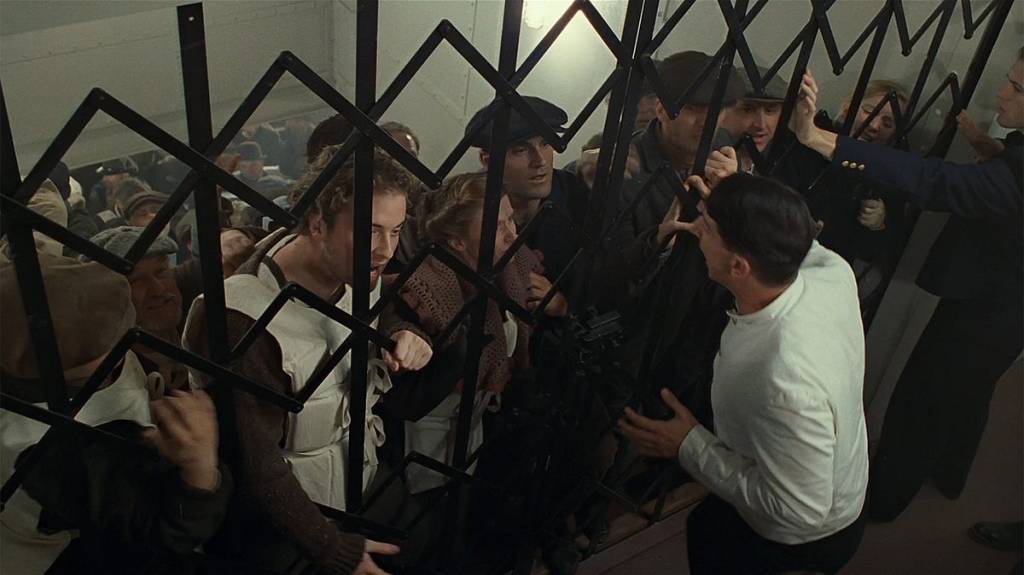
Titanic (1997) – Locked Third-Class Passengers
The movie suggests third-class passengers were locked behind gates during the sinking. Historically, while barriers existed for immigration rules, there’s little evidence that people were intentionally locked below deck during the disaster.
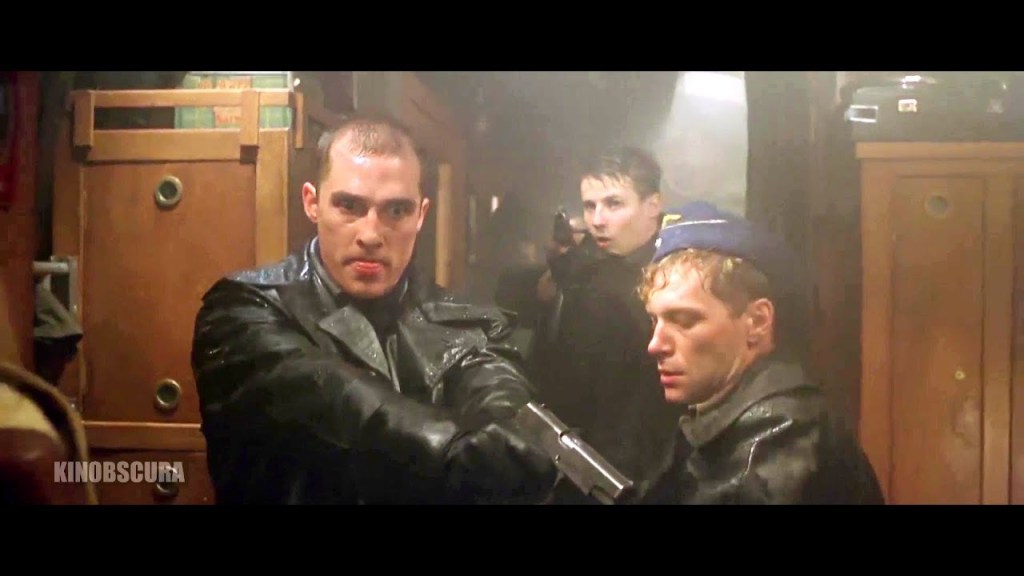
U-571 (2000) – Capturing the Enigma Machine
The movie depicts American sailors capturing a German Enigma machine during WWII. Historically, the first successful capture was carried out by the British Royal Navy years earlier.
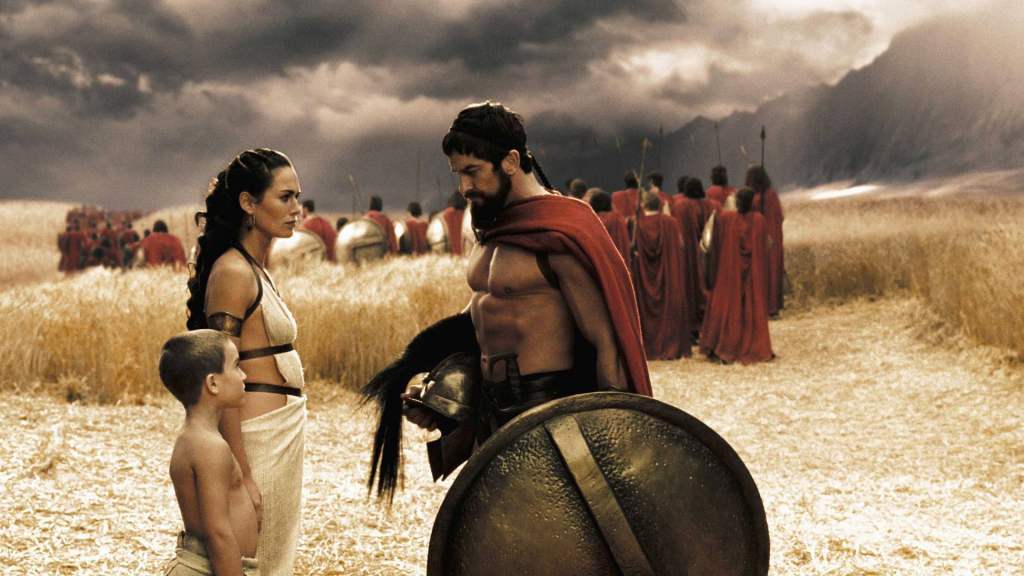
300 (2006) – The Persian Army
The Persian forces are shown as monstrous, masked warriors. In reality they were a disciplined and diverse army that looked far more like typical soldiers of the era.
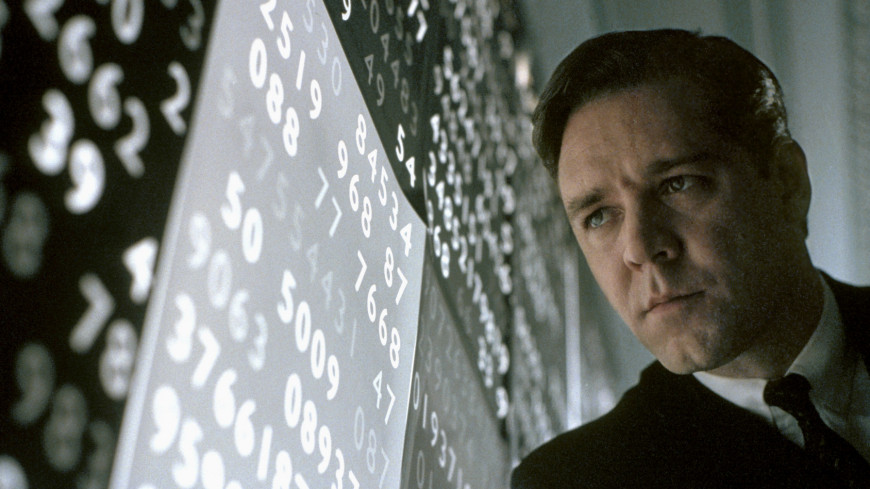
A Beautiful Mind (2001) – John Nash’s Hallucinations
The film portrays Nash as seeing elaborate imaginary people. In reality, his schizophrenia mainly involved auditory hallucinations and paranoid thoughts.
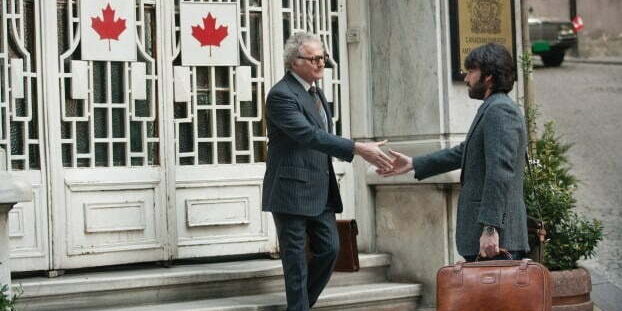
Argo (2012) – Canada’s Role Minimized
The movie gives most of the credit for rescuing the hostages to the CIA. In reality, Canadian diplomats played the central role in hiding and protecting the Americans.
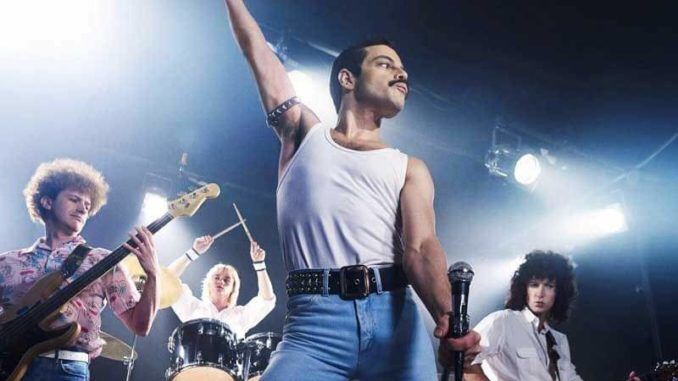
Bohemian Rhapsody (2018) – Freddie Mercury’s Timeline
The movie shows Mercury revealing his HIV diagnosis before Queen’s Live Aid performance. In reality, he was diagnosed several years after that concert.
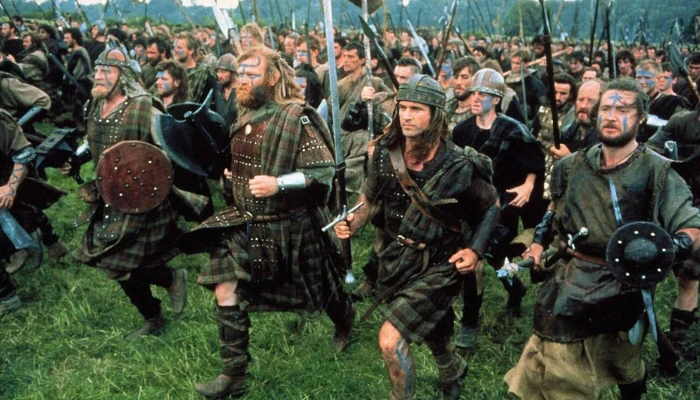
Braveheart (1995) – Kilts in the 13th Century
The Scottish warriors in the film famously wear kilts, but those garments didn’t appear in Scotland until centuries later. In William Wallace’s time, Highlanders wore completely different clothing.
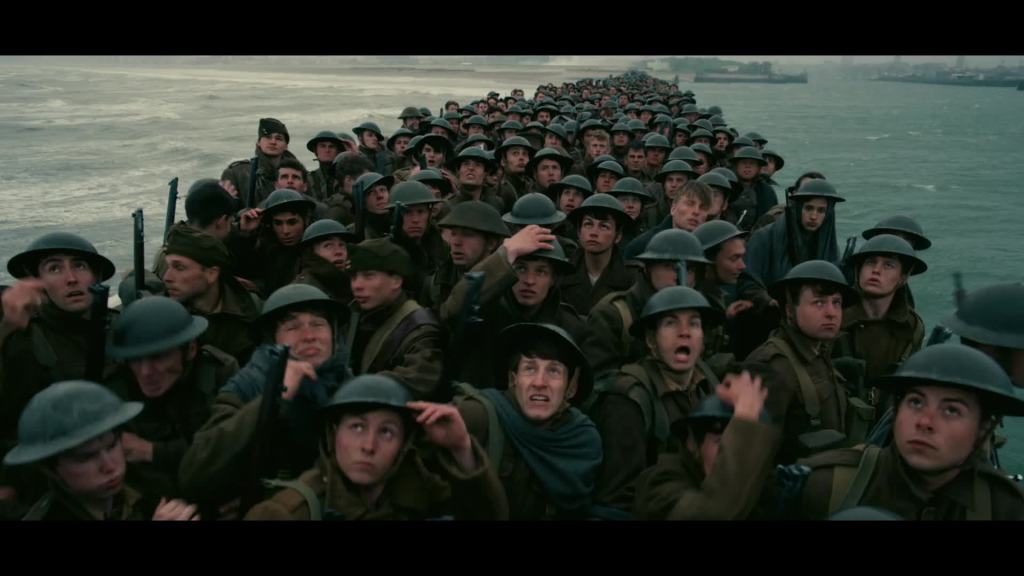
Dunkirk (2017) – The Role of French Troops
The film focuses primarily on British soldiers and civilian boats. In reality, thousands of French soldiers fought and held defensive lines to allow the evacuation to succeed.
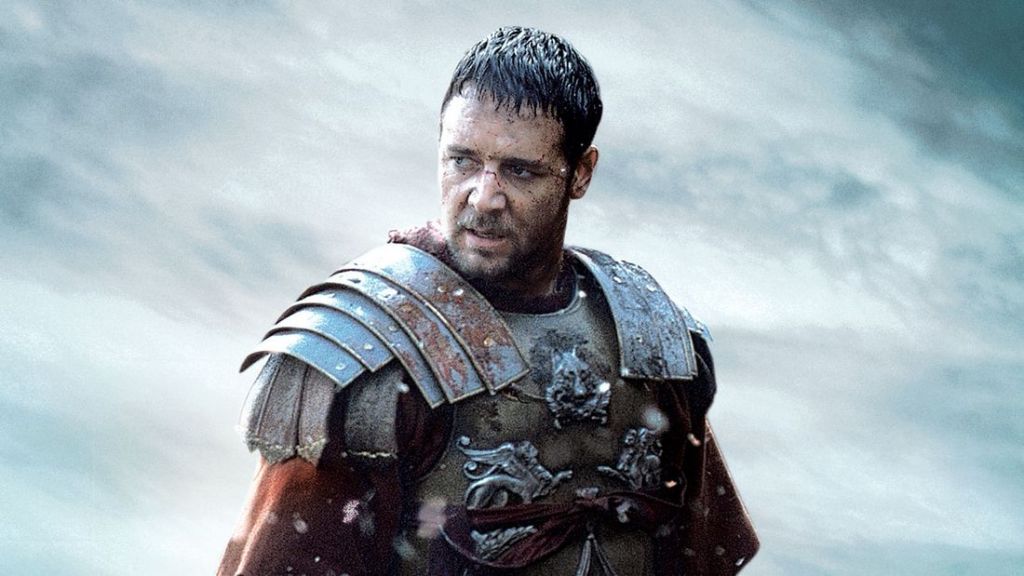
Gladiator (2000) – Commodus and the Arena
The film shows Emperor Commodus dying in the Colosseum during a gladiator fight. In reality, he was assassinated in his bath by a wrestler hired as a hitman.
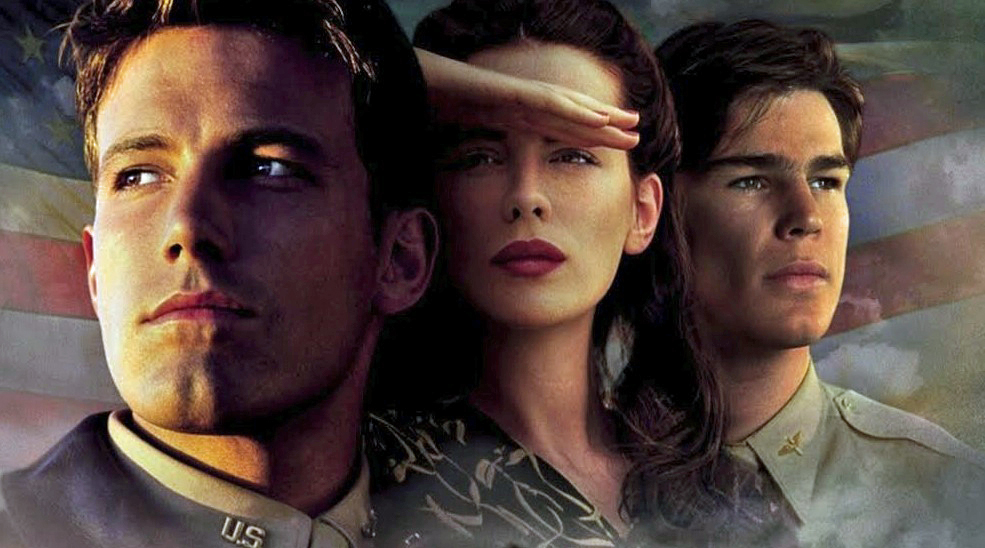
Pearl Harbor (2001) – The Love Triangle During the Attack
The movie inserts a fictional romantic drama directly into the historical event. The main characters and many of the heroic moments shown during the attack are completely invented.