15 Optimistic Facts to Put a Smile On Your Face

It’s easy to get caught up in everything going wrong and forget that the world is also full of wonderful little things. There are animals doing surprisingly adorable things, scientific discoveries that sound almost impossible, and everyday moments that remind us how fascinating life can be. Some facts are genuinely heartwarming, others are simply amusing, but all of them offer a pretty good reason to take a break and smile. And who knows? You might even learn something new that makes your next conversation a little more interesting. Sometimes, a small dose of good news is exactly what we need.
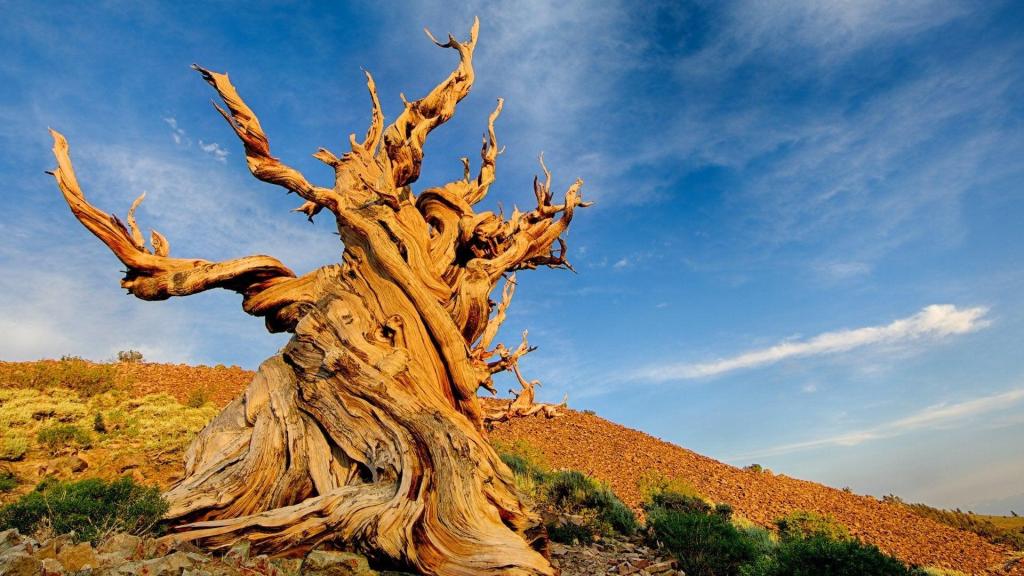
The World’s Oldest Known Living Tree Is Thousands of Years Old
Some bristlecone pines in California have been alive for more than 4,000 years. These trees have survived countless droughts, freezing winters, and harsh conditions, quietly growing in places where most other plants struggle to survive.
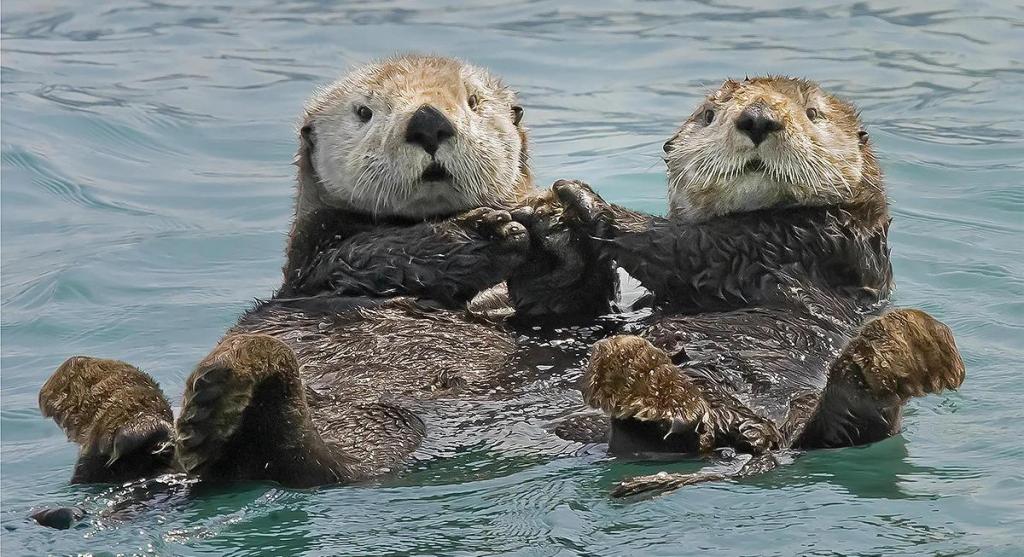
Sea Otters Hold Hands While Sleeping
Sea otters sometimes hold paws while resting in the water to avoid drifting away from each other. They can also wrap themselves in kelp to stay anchored while they sleep, which is arguably one of the cutest survival strategies in the animal kingdom.
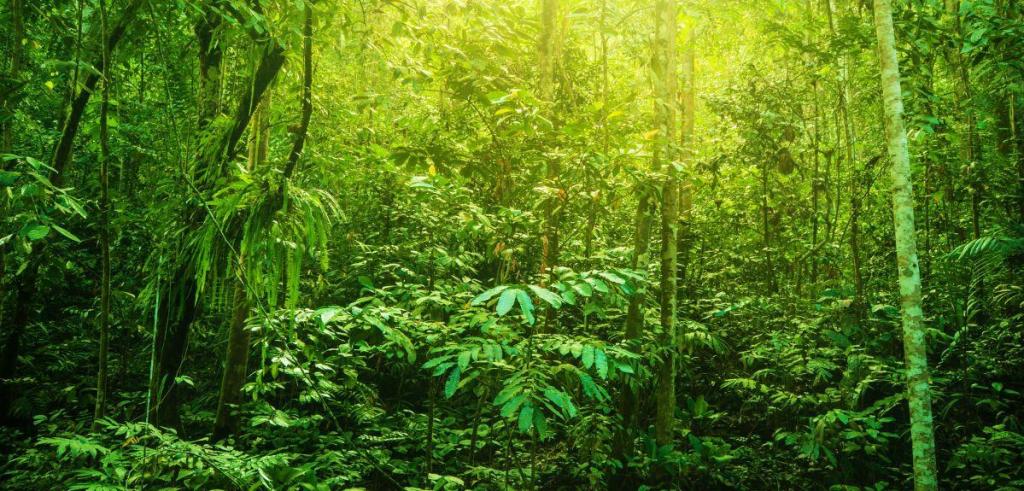
Some Forests Can Recover Remarkably Quickly
A study of tropical forests in Ecuador found that around 90% of their original plant species diversity could return within 30 years of natural regeneration. Birds, monkeys, bats, and other animals help make this possible by spreading seeds throughout recovering areas.

There Are More Than 400 Different Dog Breeds
The world has hundreds of recognized dog breeds, each with its own appearance, personality traits, and history. From tiny Chihuahuas to enormous Great Danes, dogs have developed an incredible range of characteristics while remaining one of humanity’s oldest animal companions.
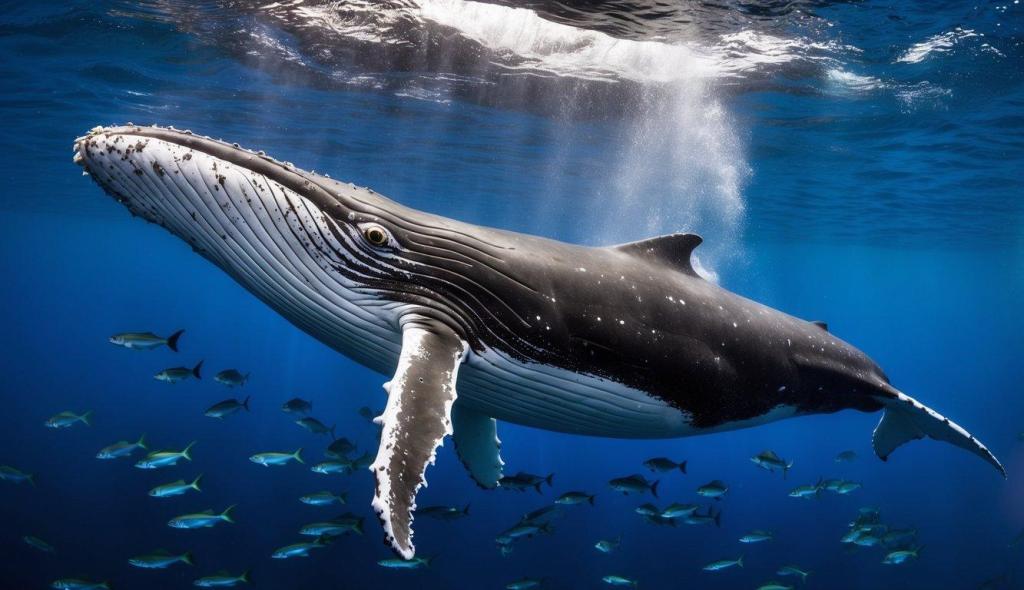
Humpback Whales Have Been Helping Other Animals
Humpback whales have been observed intervening in attacks by killer whales, sometimes protecting seals and other marine animals. Researchers have documented multiple instances of this behavior, suggesting that these enormous creatures occasionally display surprisingly unexpected protective instincts.
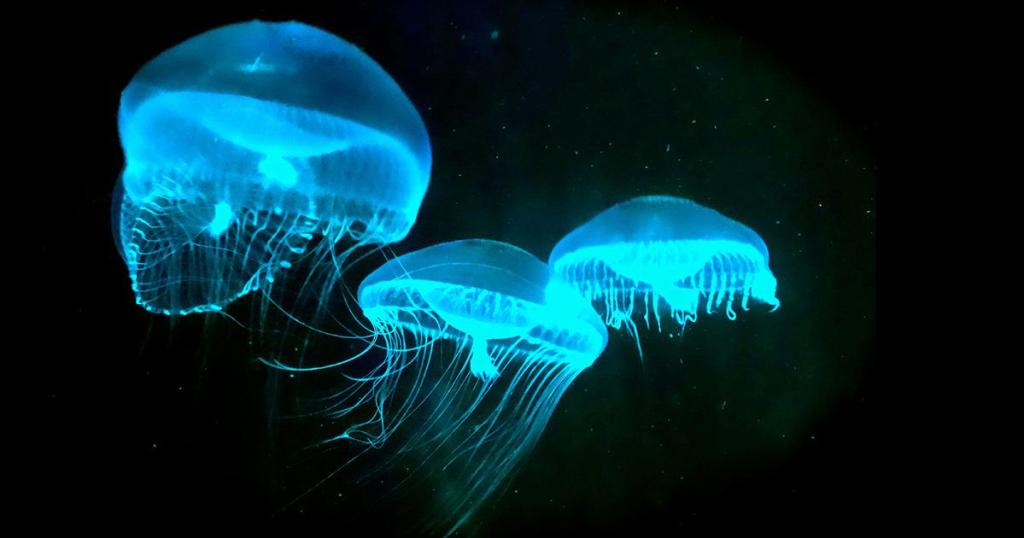
The Ocean Is Full of Animals That Can Produce Their Own Light
Bioluminescence allows living organisms to create light through chemical reactions inside their bodies. It’s surprisingly common in the ocean, where scientists estimate that more than 75% of animals living in the open water column produce their own light. Some use it to attract prey, communicate, or escape predators.
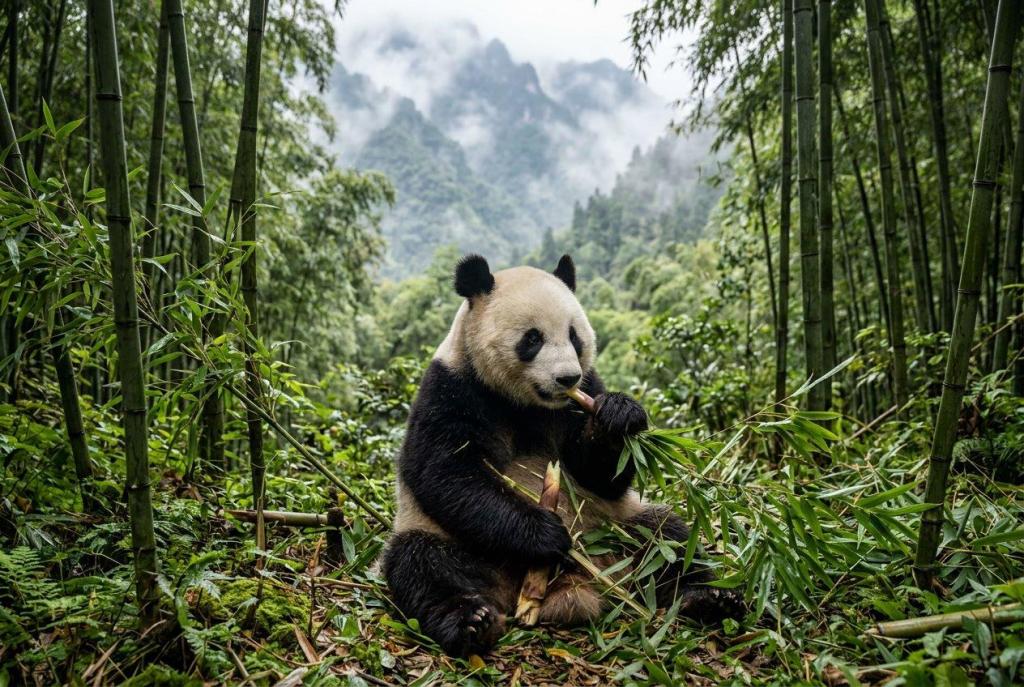
Giant Pandas Are No Longer Classified as Endangered
After decades of conservation efforts, giant pandas were reclassified from endangered to vulnerable in 2016. Habitat protection, breeding programs, and long-term conservation work helped their wild population recover, making them one of the most recognizable success stories in wildlife protection.
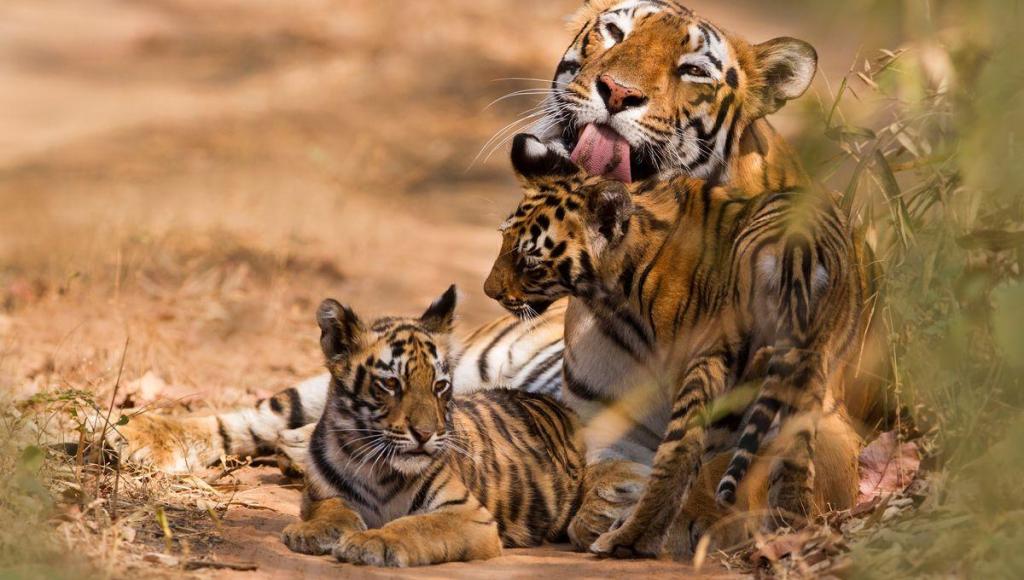
A Single Tiger Has Helped Grow a Whole Family in the Wild
In Thailand, a tigress named Mae Kaew has successfully raised three litters totaling nine cubs since establishing her territory in 2021. One of her daughters has also become a mother, giving conservationists another encouraging sign of tiger recovery in the region.
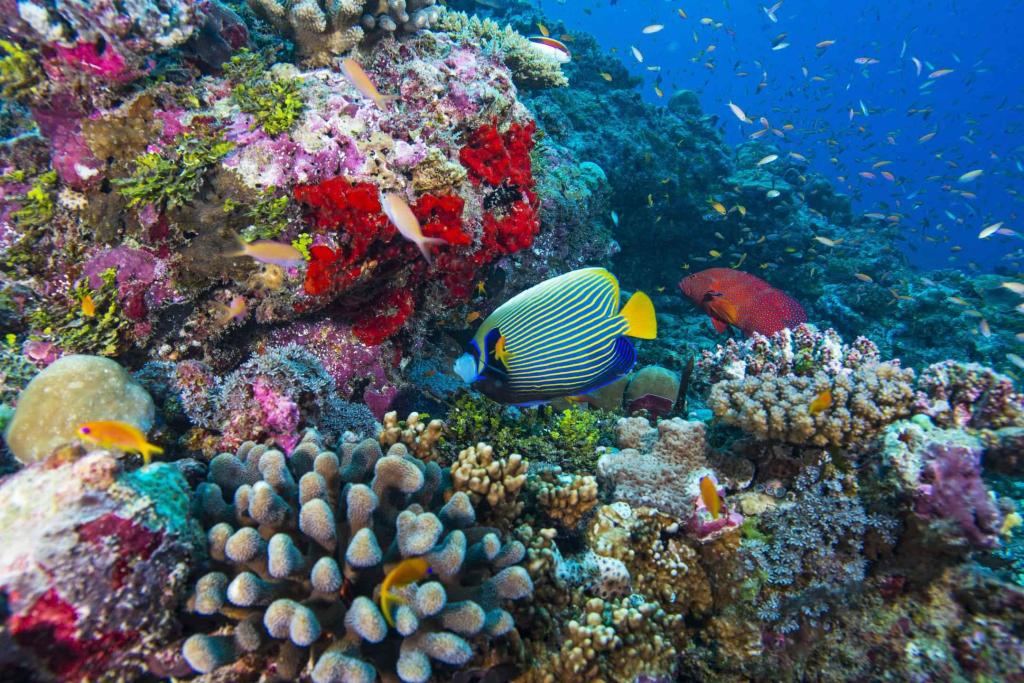
Coral Reefs Are Built by Tiny Animals
Those enormous, colorful underwater structures are created by tiny animals called coral polyps. They build limestone skeletons over generations, forming some of the largest structures of biological origin on Earth and providing habitats for thousands of marine species.
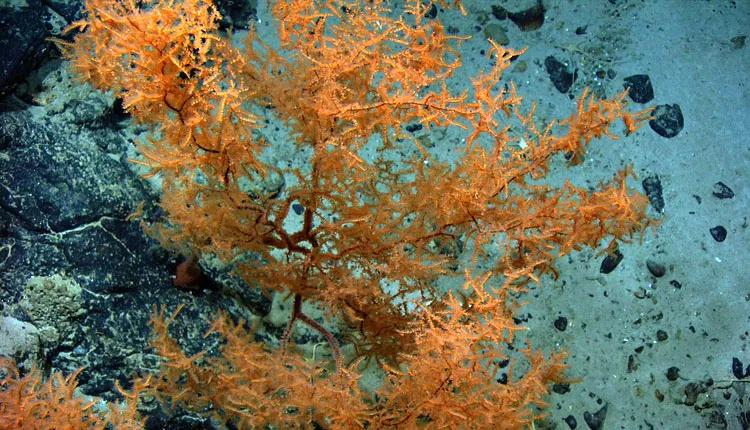
Some Deep-Sea Corals Can Live for Thousands of Years
Certain deep-sea coral colonies can survive for thousands of years, making them among the oldest known colonial organisms. These remarkable animals grow incredibly slowly in the darkness of the ocean, quietly building structures that can outlast entire human civilizations.
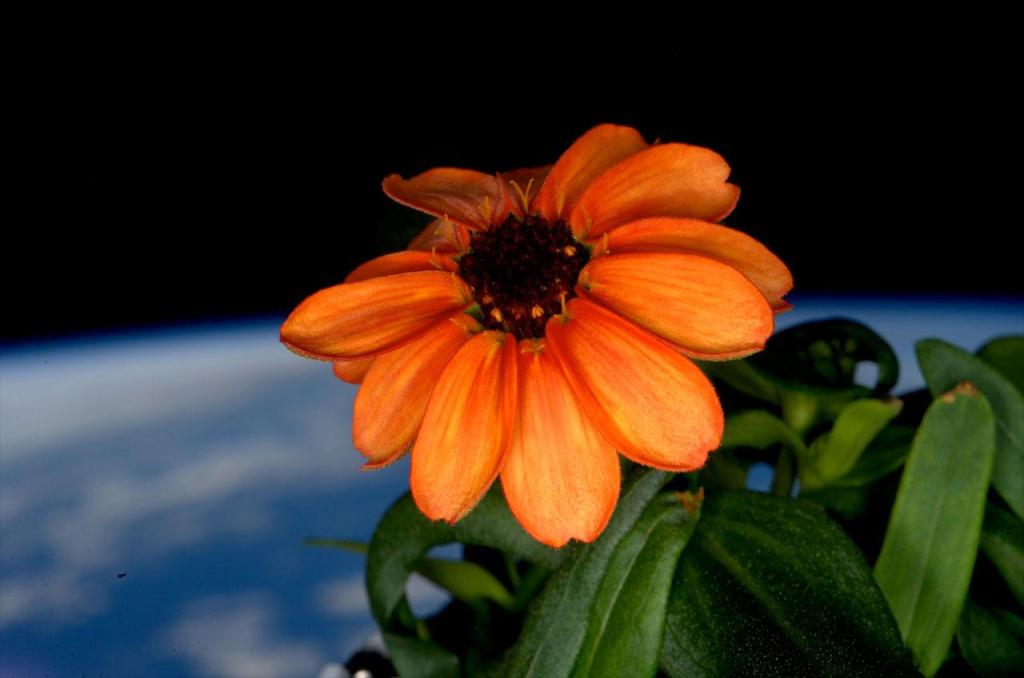
The First Flower Grown in Space Was a Zinnia
In January 2016, astronaut Scott Kelly shared photographs of a blooming zinnia grown aboard the International Space Station. The plant had struggled with mold and other growing problems, but Kelly helped nurse it back to health until it finally flowered in orbit.
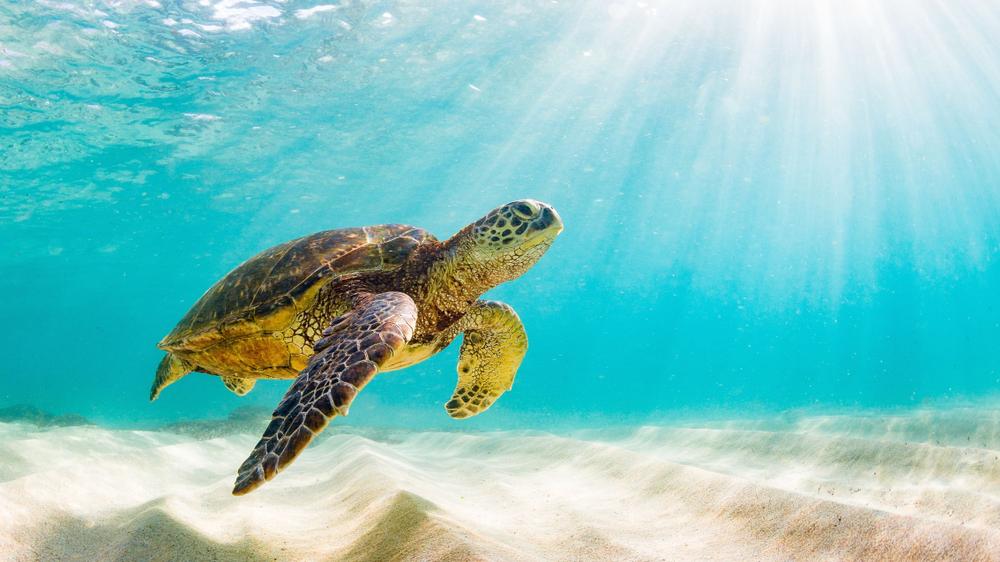
Some Endangered Species Are Actually Making a Comeback
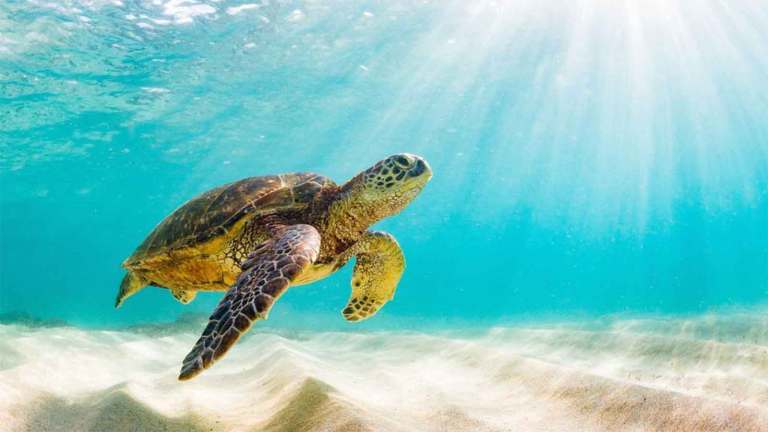
Green sea turtles in parts of the Eastern Pacific have experienced an impressive recovery thanks to decades of protecting their nesting beaches. At Mexico’s Colola Beach, the number of nesting females increased from just 250 in 1985 to nearly 10,000 during the entire 2020 nesting season
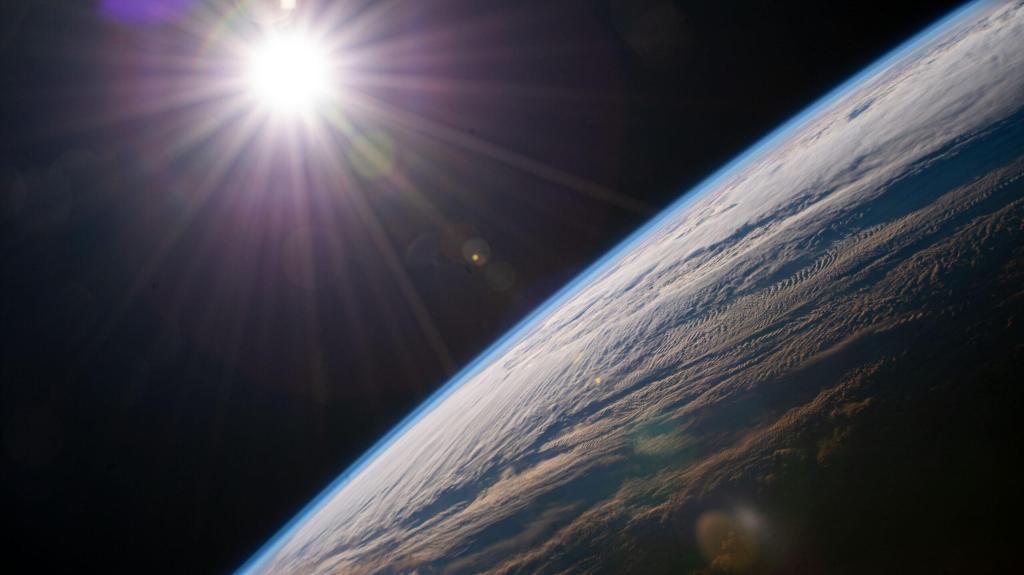
Sunlight Takes Just Over Eight Minutes to Reach Earth
Every time you feel the warmth of the Sun, you’re experiencing light that left our nearest star approximately eight minutes and 20 seconds earlier. It’s a lovely reminder that even something as familiar as a sunny afternoon involves an extraordinary journey across space.

Wildlife Bridges Are Helping Animals Cross Busy Highways
A massive wildlife crossing being built over a California freeway is designed to give animals a safe passage between habitats separated by traffic. Cameras have already recorded coyotes, birds, bees, and spiders using the area, with hopes that mountain lions will eventually follow.
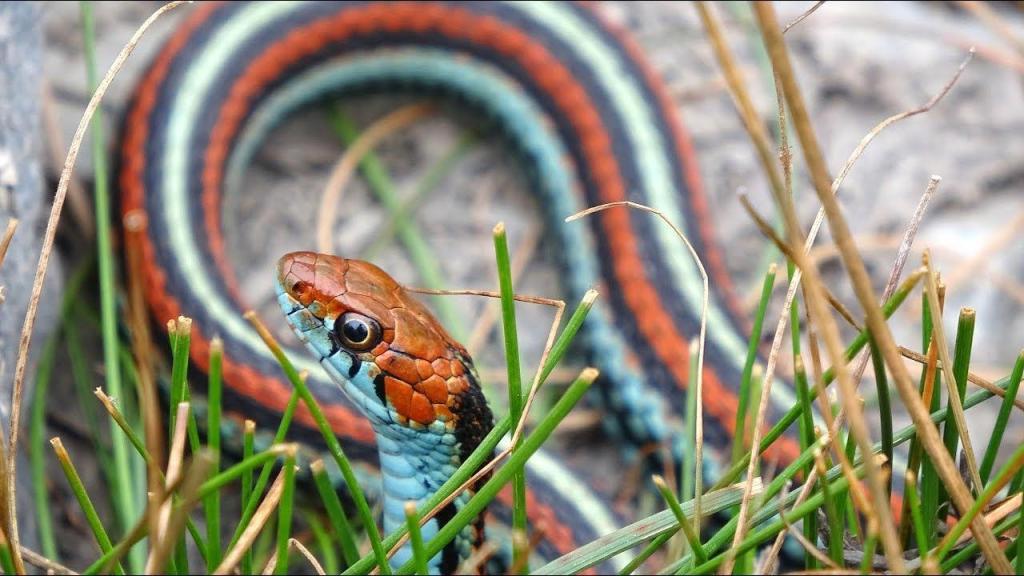
A Rare Snake Species Just Got 62 New Members Released Into the Wild
In November 2026, conservationists released 62 zoo-raised San Francisco garter snakes into their natural habitat. The species has been endangered since 1967, and this release represents an important step in a long-term effort to rebuild its wild population.