15 Fun Science Facts We’ll Just Have to Accept at Face Value Because We’re Not Checking Their Work

Science has a wonderful habit of telling us things that sound completely made up. Apparently, some animals have multiple hearts, certain planets can’t figure out how long a day should last, and there’s a creature out there producing perfectly respectable little cubes of poop. The strange part is that researchers have actually spent time studying all of this, using equipment and calculations most of us wouldn’t know what to do with. We’re happy to appreciate their dedication, but we’re probably not going to repeat the experiments ourselves. Luckily, the results are entertaining enough without a laboratory. These bizarre science facts are backed by research, even if they sound suspiciously like someone was having a laugh.
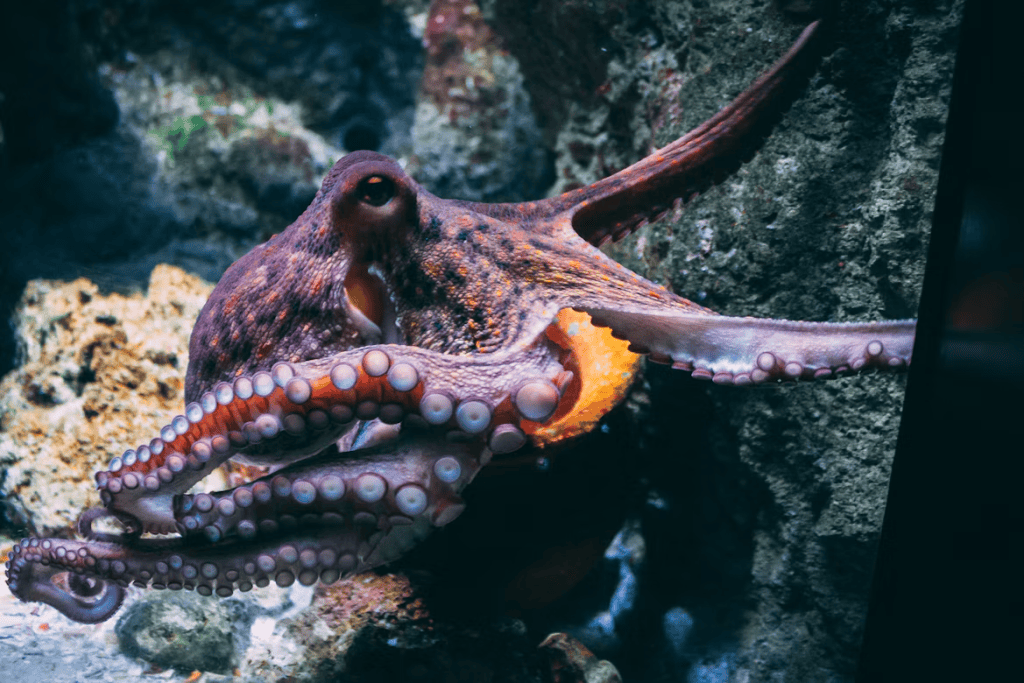
Octopuses Have Three Hearts
An octopus has two hearts that pump blood through its gills and a third that circulates it through the body, which sounds like excessive plumbing.
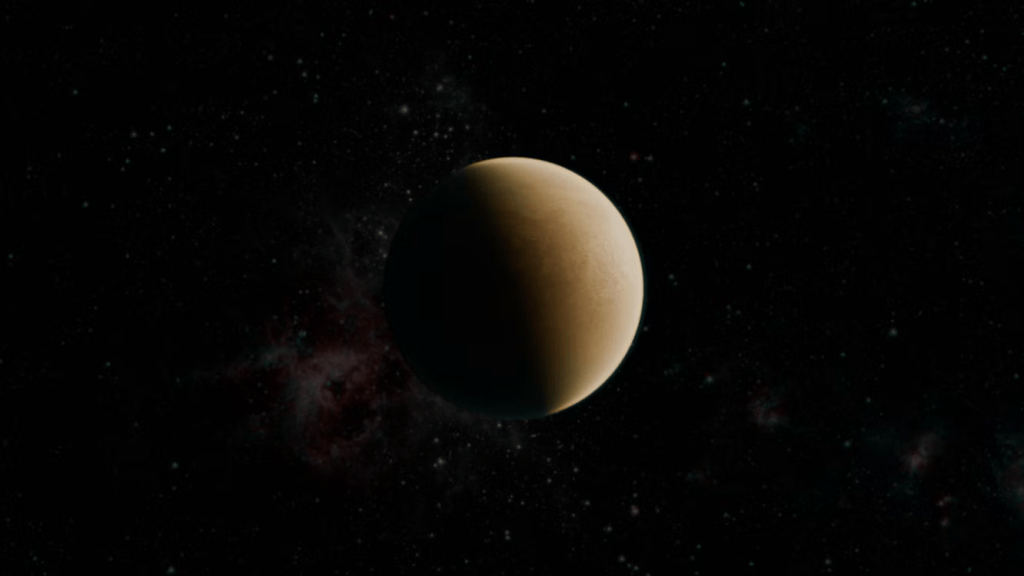
A Day on Venus Lasts Longer Than a Year
Venus takes 243 Earth days to complete one rotation but only 225 to orbit the Sun, giving the planet a rather confusing calendar.
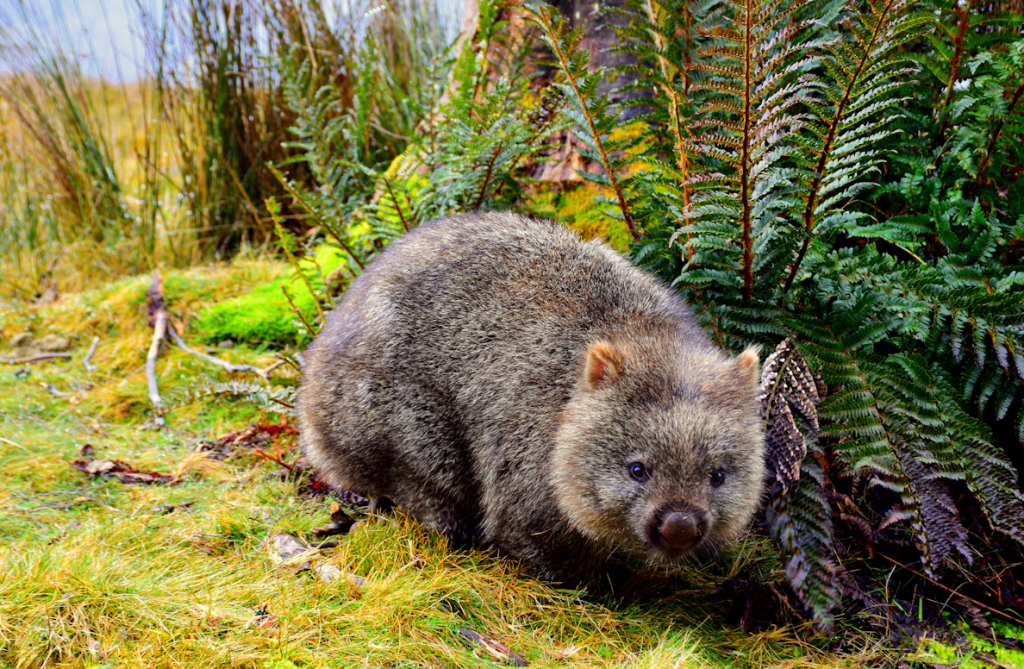
Wombats Produce Cube-Shaped Poop
Wombats have intestines with sections that stretch differently, allowing them to produce cube-shaped droppings that are particularly useful for marking territory without rolling away.
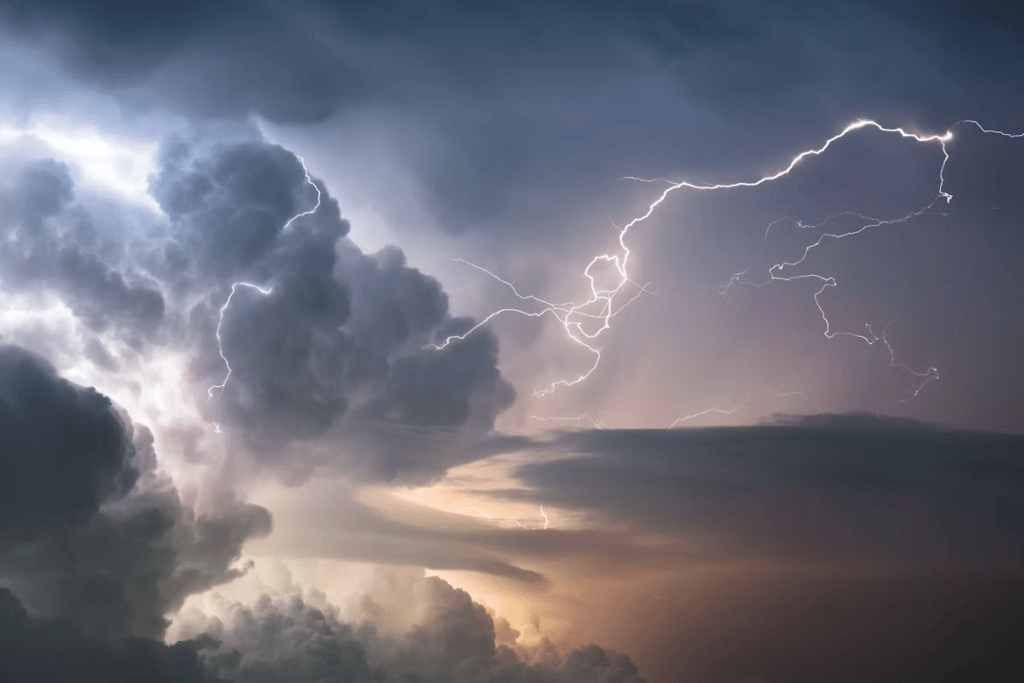
Lightning Is Hotter Than the Sun’s Surface
A lightning bolt can heat the surrounding air to around 50,000 degrees Fahrenheit, roughly five times the temperature of the Sun’s surface.
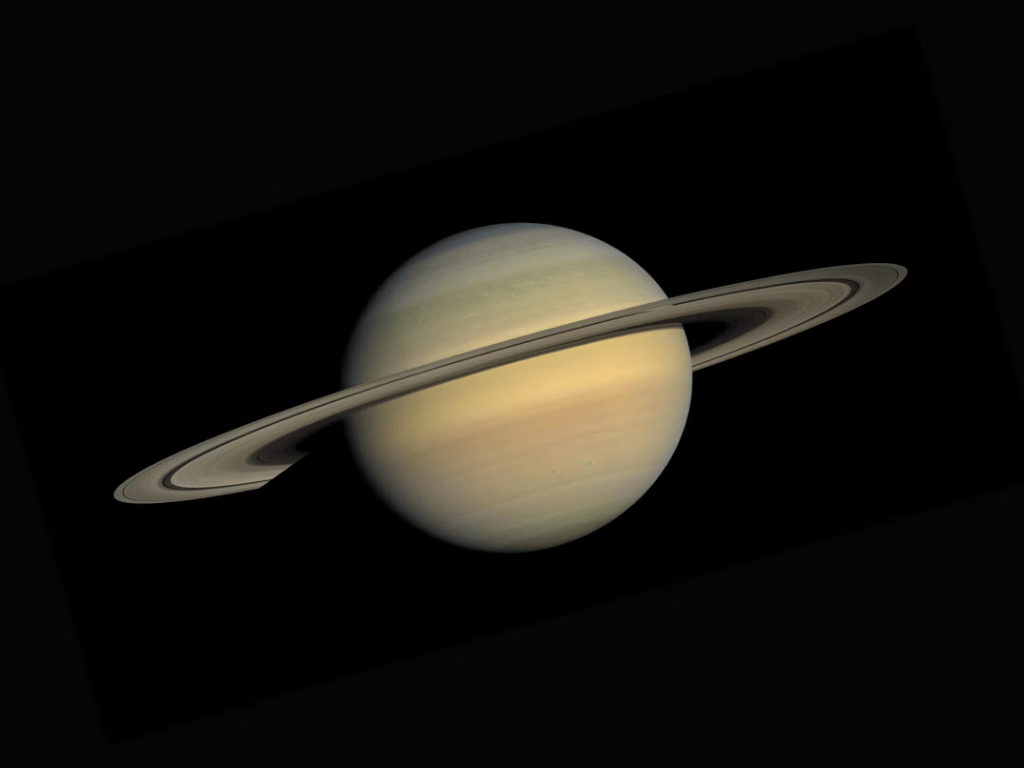
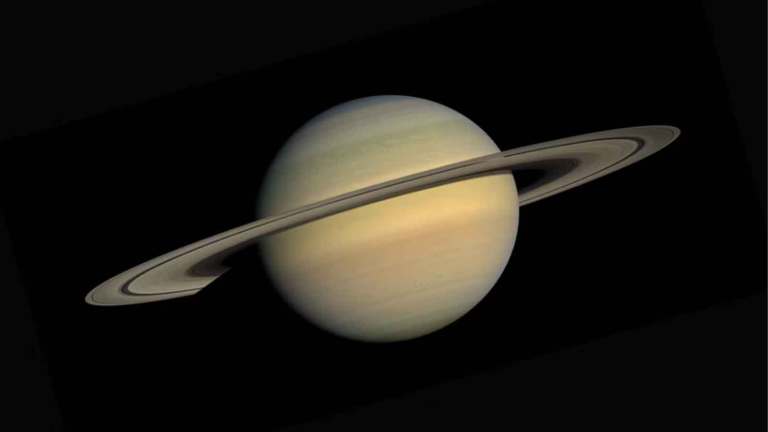
Saturn Could Float in Water
Saturn’s average density is lower than water’s, meaning the enormous gas giant could theoretically float if somebody could find a bathtub large enough.
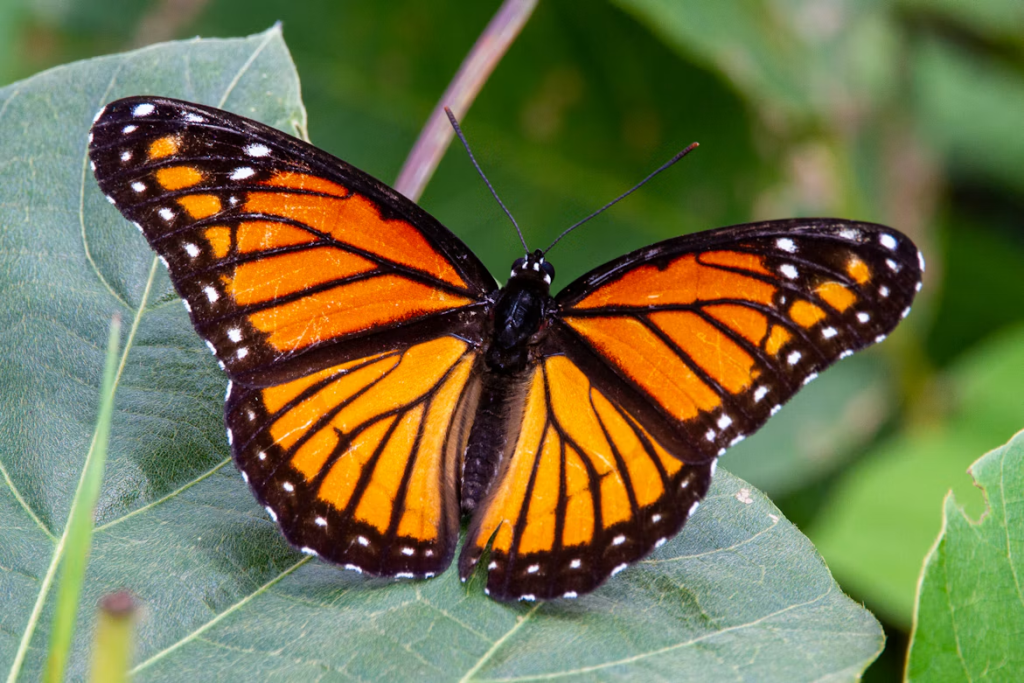
Butterflies Taste Things With Their Feet
Butterflies have taste receptors on their feet, allowing them to test plants simply by landing on them, which makes choosing lunch considerably more convenient.
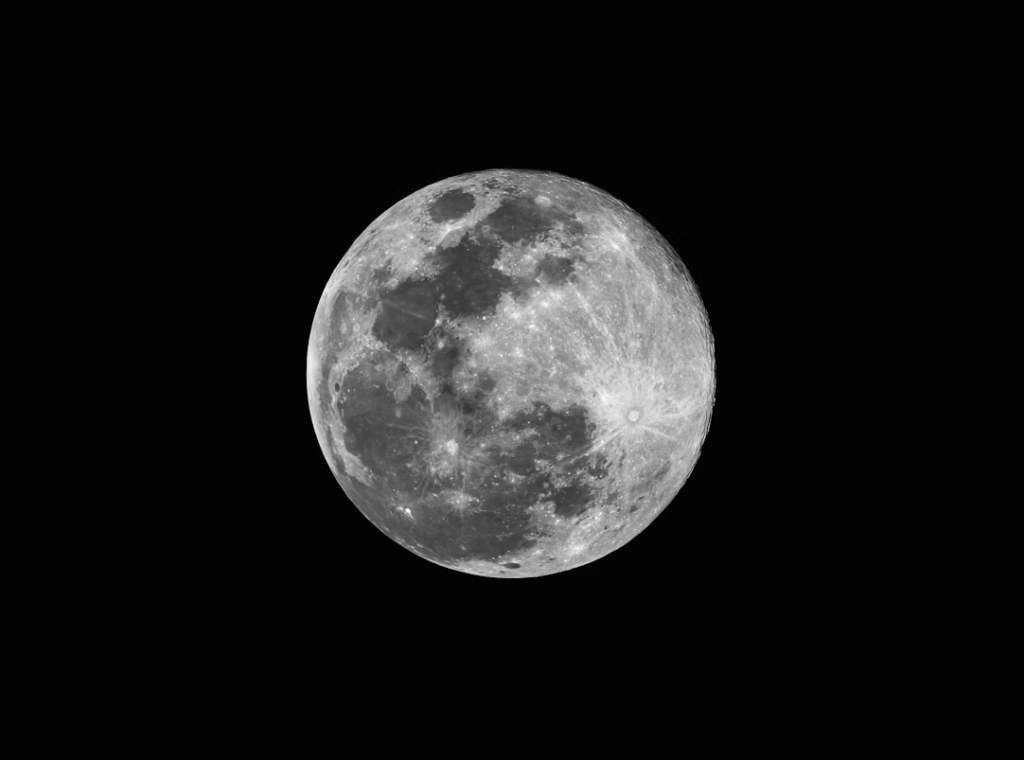
The Moon Is Slowly Leaving Us
The Moon moves approximately 1.5 inches farther from Earth every year, thanks to gravitational interactions involving our planet’s rotation and ocean tides.
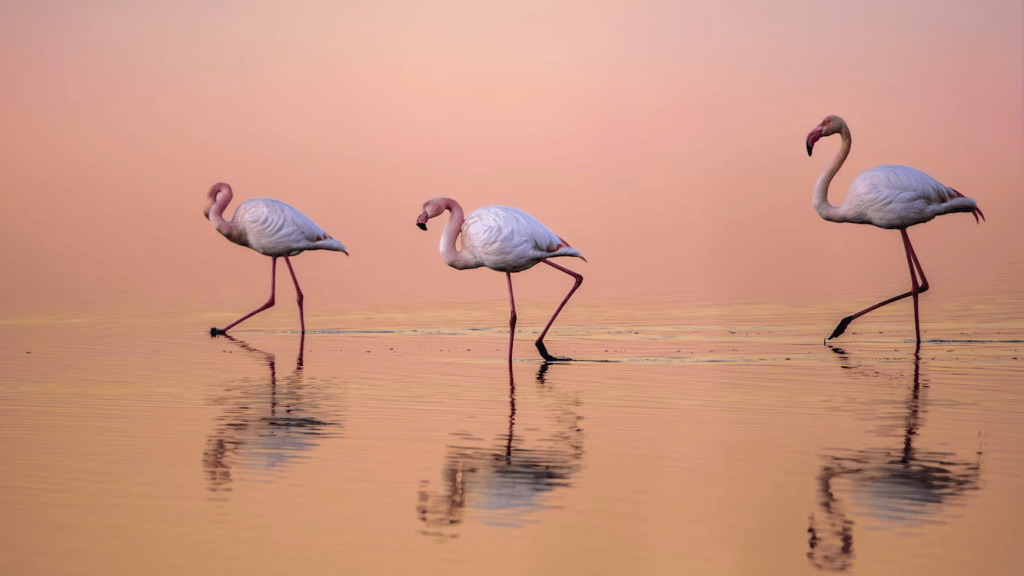
Flamingos Aren’t Born Pink
Baby flamingos hatch with pale feathers and gradually develop their famous pink coloring from pigments found in the algae and small crustaceans they eat.
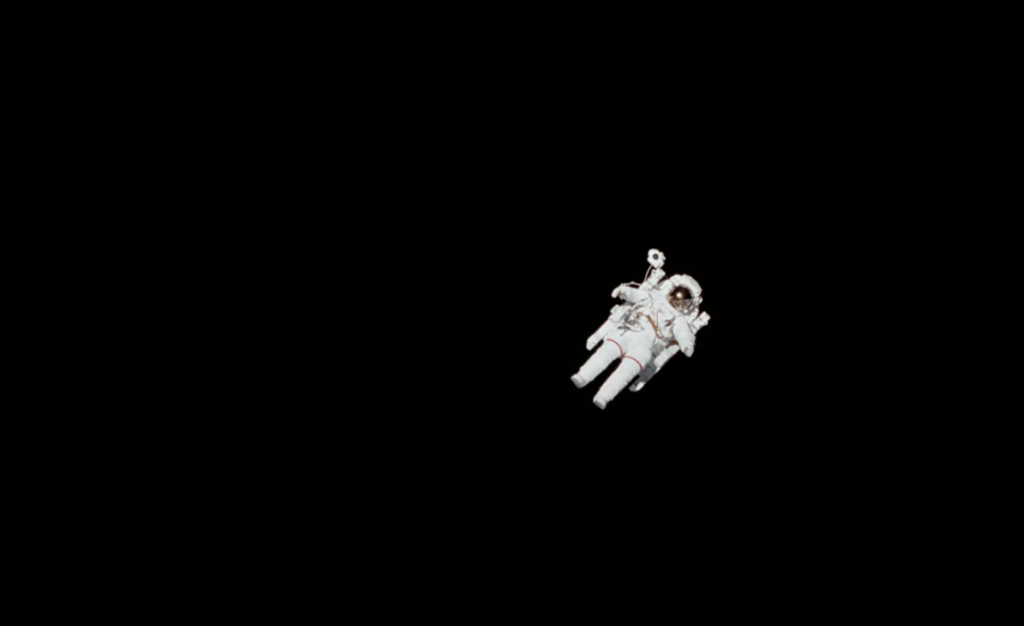
Astronauts Actually Get Taller in Space
Without Earth’s gravity compressing their spines, astronauts can temporarily grow up to three percent taller in space before returning to their usual height back home.

Antarctica Is the World’s Largest Desert
Despite all that ice, Antarctica qualifies as a desert because it receives very little precipitation, making it considerably larger than the Sahara.
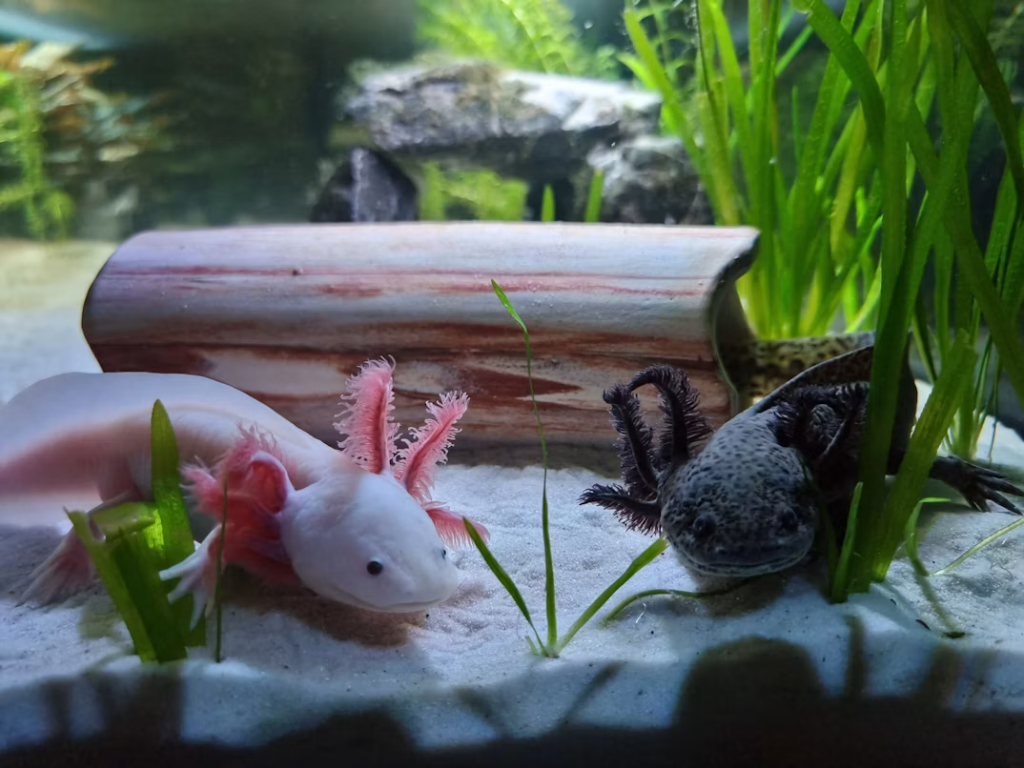
Axolotls Can Regrow Entire Limbs
These permanently youthful-looking salamanders can regenerate missing legs, tails, and certain other body parts, a talent researchers are studying for possible medical applications.
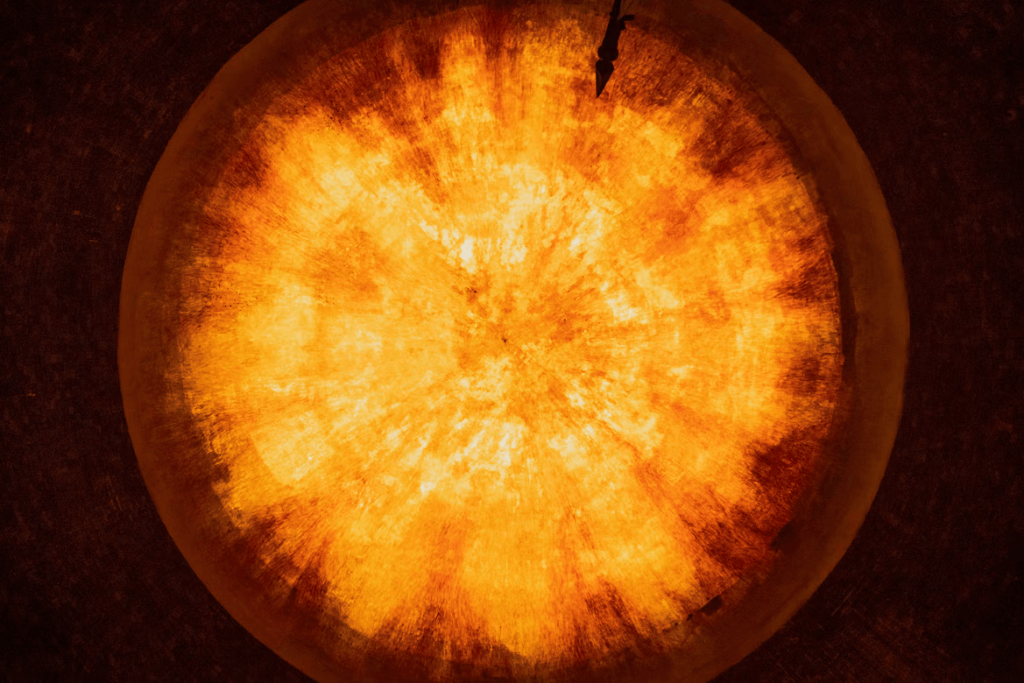
A Teaspoon of Neutron Star Material Weighs Millions of Tons
According to the U.S. Department of Energy, a teaspoon of material from an incredibly dense neutron star would weigh approximately 10 million tons.
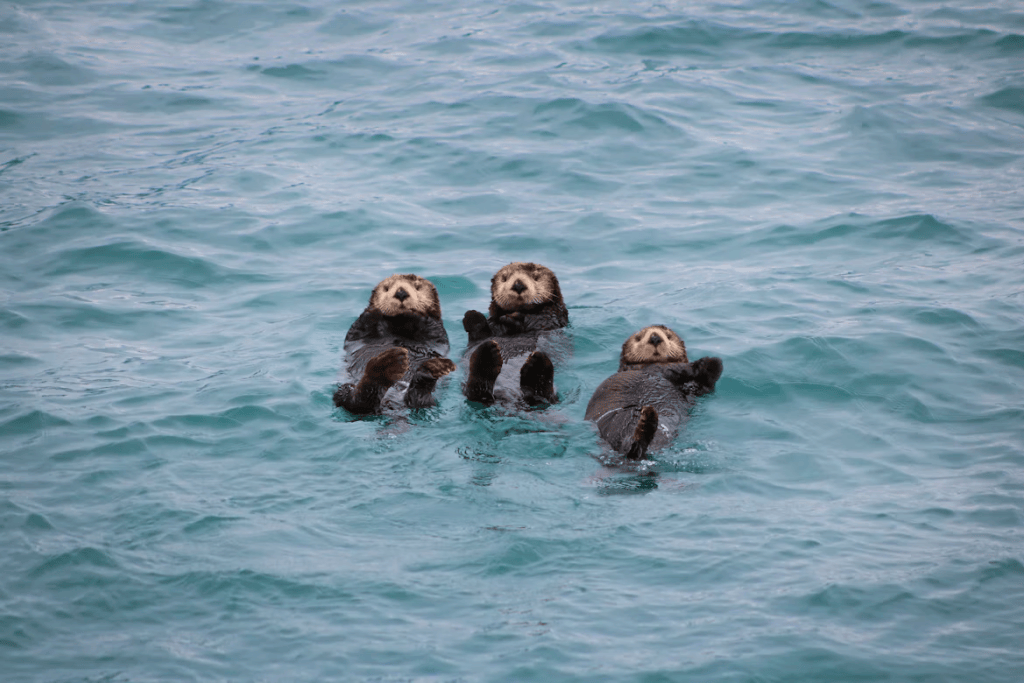
Sea Otters Sometimes Hold Hands While Sleeping
Some sea otters have been observed holding paws while resting in the water, although the adorable behavior isn’t nearly as common as internet photos suggest.
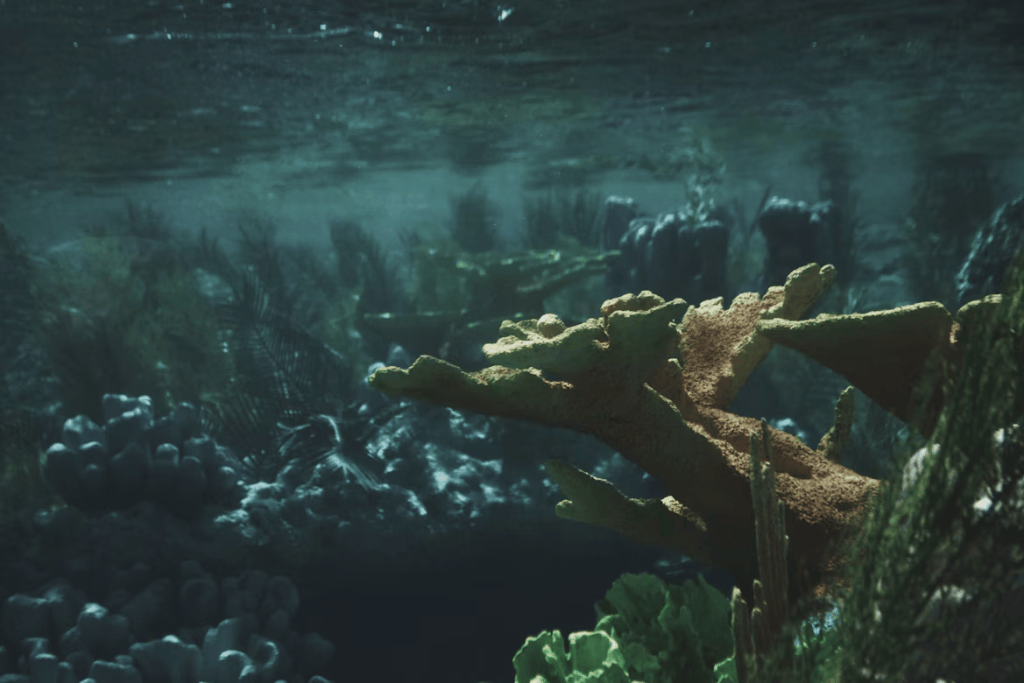
Most of the Deep Ocean Floor Has Never Been Seen
Scientists have directly observed less than 0.001 percent of the deep ocean seafloor, leaving an astonishing amount of Earth’s underwater terrain unseen.
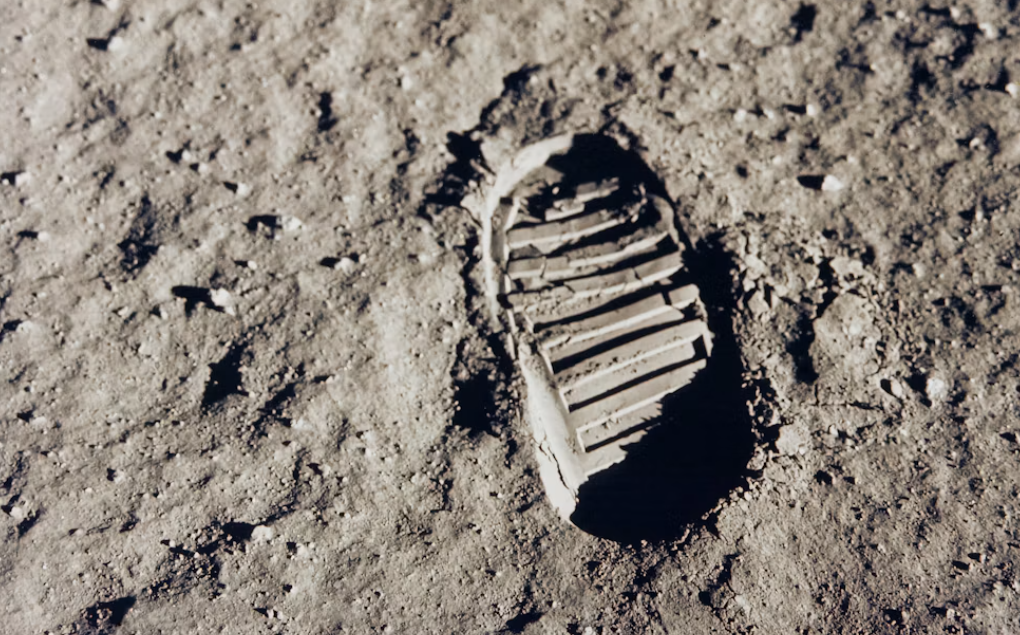
Footprints on the Moon Can Last for Ages
With almost no atmosphere, wind, or weather to disturb the surface, astronauts’ footprints can persist on the Moon for extremely long periods.