15 Moments Where John Williams Was at His Best

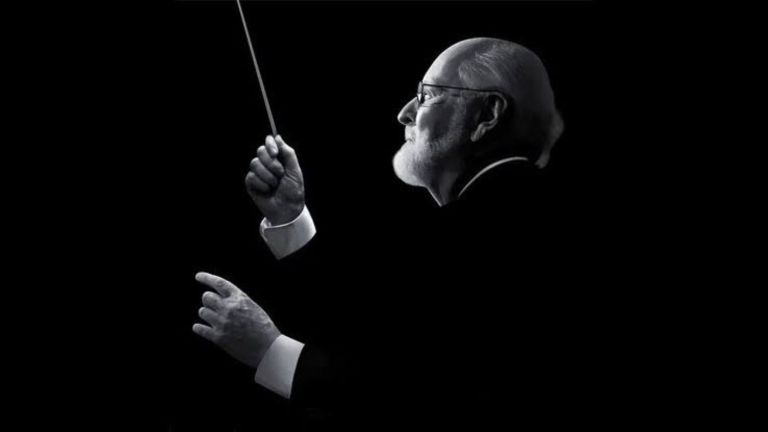
A great film score can make a scene unforgettable, and few composers understood that better than John Williams. Across decades of cinema, his music has announced heroes, given monsters a presence before they appear, and made quiet emotional moments hit even harder. Some of his best work is instantly recognizable after just a few notes, while other pieces reveal their brilliance when you remember exactly what was happening on screen. His career is packed with musical choices that changed the way audiences experience movies, and these moments show just how much a composer can bring to a great story.
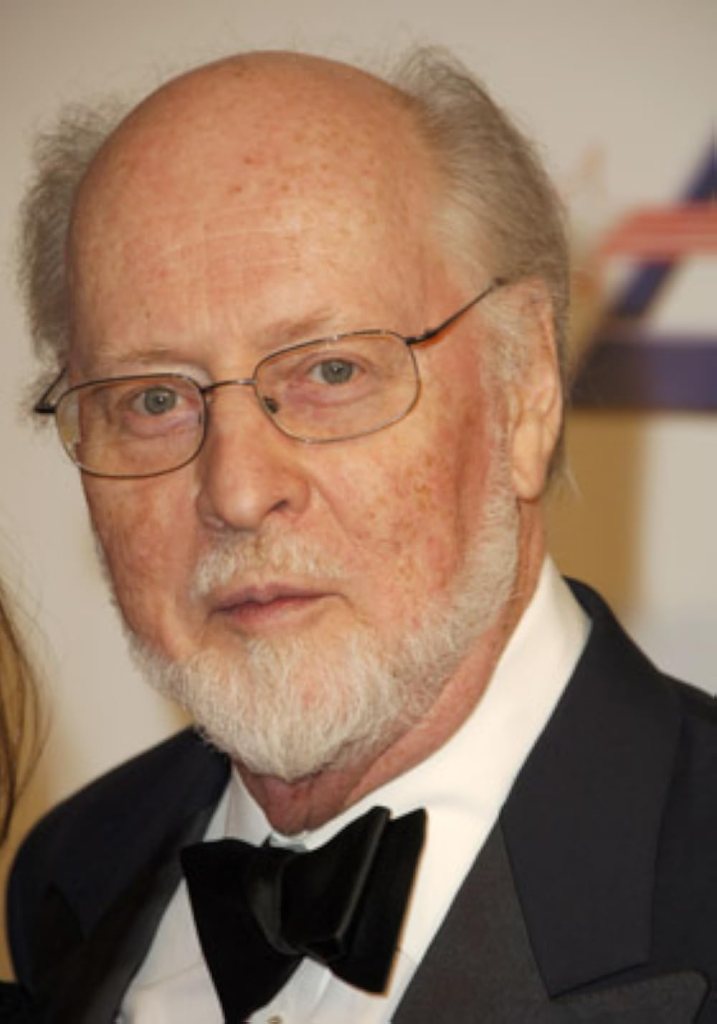
The First Appearance of the Shark in Jaws (1975)
The two-note theme that plays during the underwater attacks turned an almost invisible shark into one of cinema’s most terrifying villains, with Williams gradually increasing the tension through rhythm, volume, and orchestration.
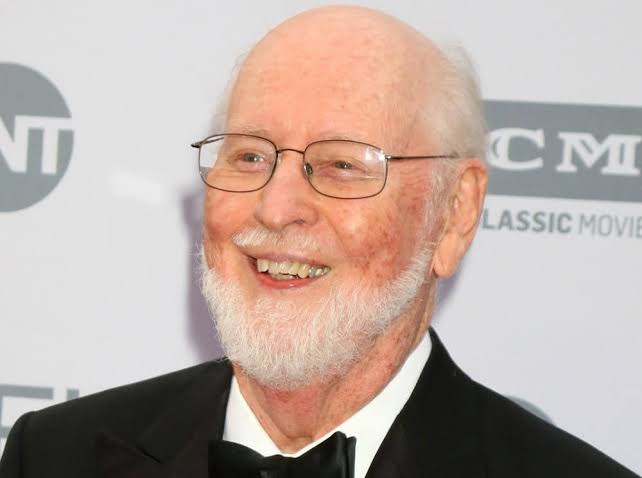
The Opening Crawl of Star Wars: A New Hope (1977)
The moment the iconic orchestral fanfare explodes alongside the opening crawl is one of the greatest introductions in movie history, immediately establishing the scale and adventurous spirit of the galaxy.
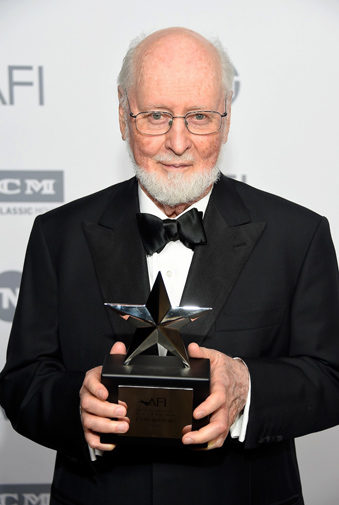
The Binary Sunset in Star Wars: A New Hope (1977)
As Luke Skywalker watches the twin suns set over Tatooine, Williams introduces the Force Theme with a beautiful, restrained melody that captures the character’s longing for a bigger life.
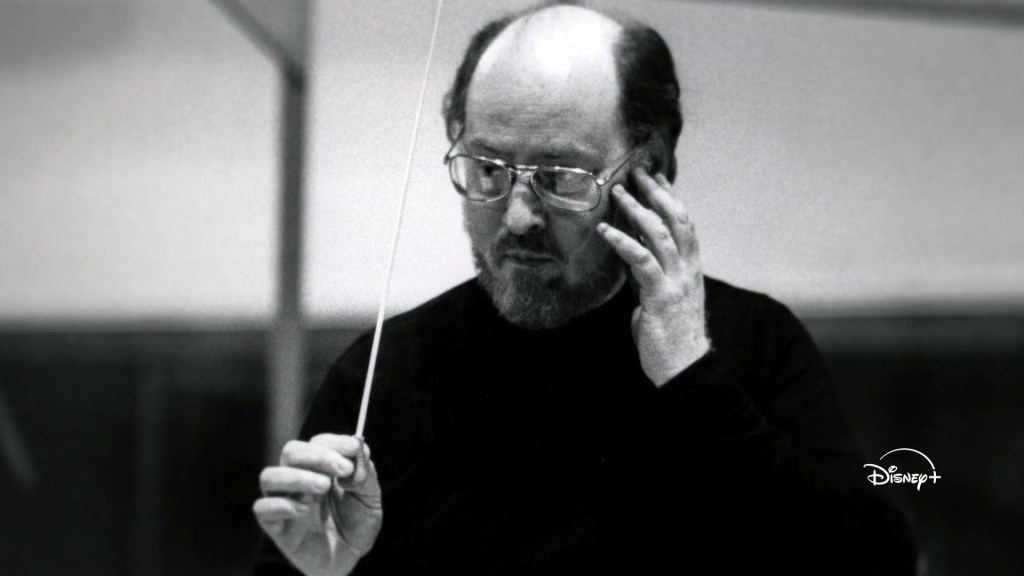
Darth Vader’s Introduction in Star Wars: The Empire Strikes Back (1980)
The Imperial March makes its unforgettable entrance as the Empire takes control of the screen, giving Darth Vader a musical identity that would become one of the most recognizable villain themes ever written.
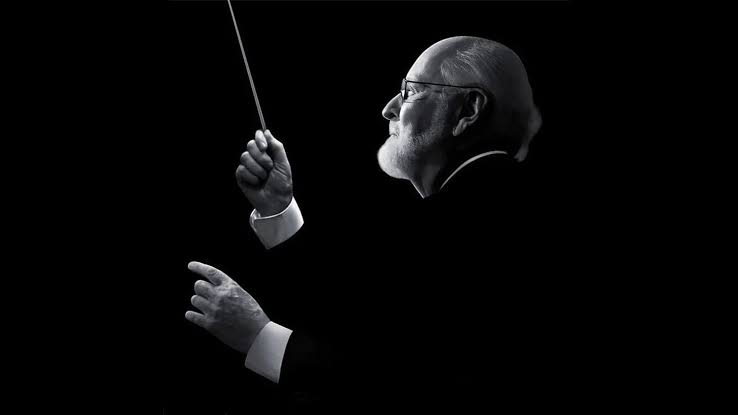
The Alien Communication Scene in Close Encounters of the Third Kind (1977)
Williams created a five-note musical phrase that becomes the language used to communicate with the visiting spacecraft, turning a simple sequence of notes into one of the film’s most important plot devices.
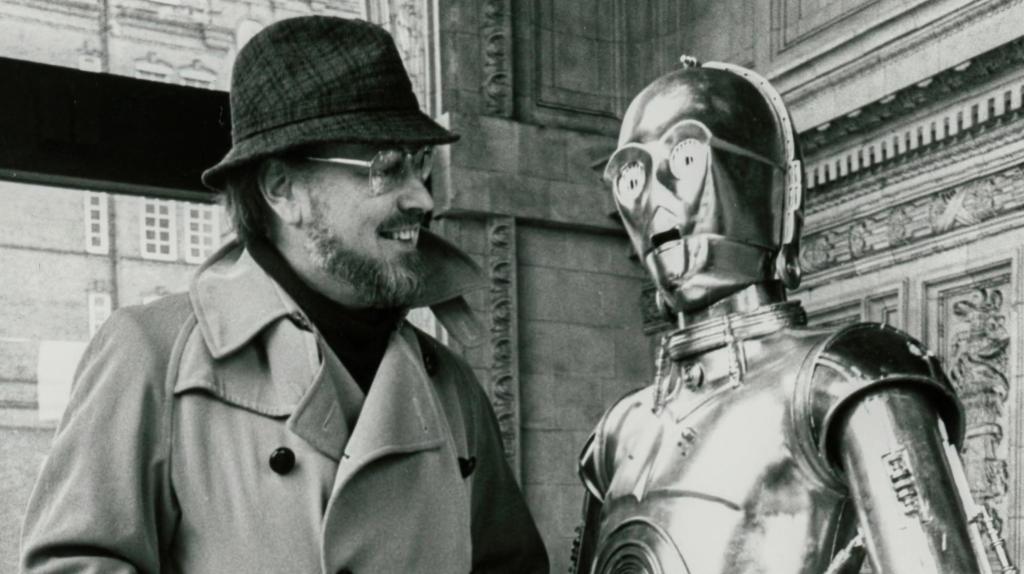
Superman Takes Flight in Superman (1978)
The soaring main theme accompanies Christopher Reeve’s first flights as the Man of Steel, delivering a powerful combination of brass, percussion, and orchestral grandeur that helped define the sound of superhero movies.
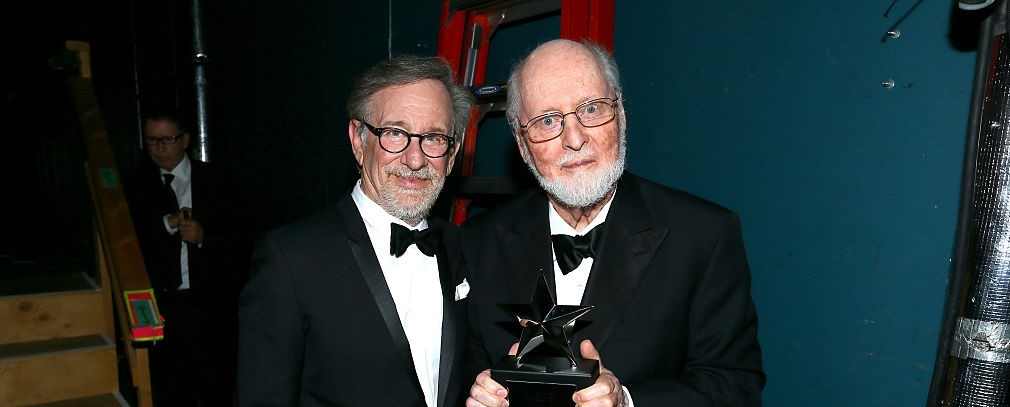
The Raiders March in Raiders of the Lost Ark (1981)
Indiana Jones gets one of the greatest character themes ever composed, with its energetic brass melody perfectly matching the adventurous personality of Harrison Ford’s legendary archaeologist.
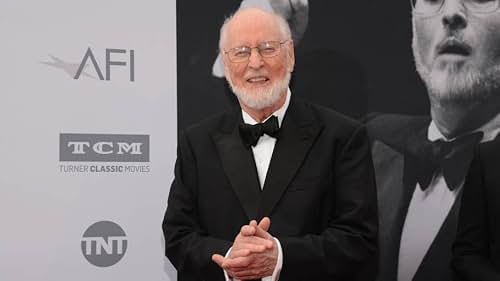
The Bicycle Flight in E.T. the Extra-Terrestrial (1982)
When Elliott and E.T. fly across the moon on their bicycle, Williams delivers an enormous orchestral crescendo that became so important to the sequence that Steven Spielberg actually edited the scene to follow the music.
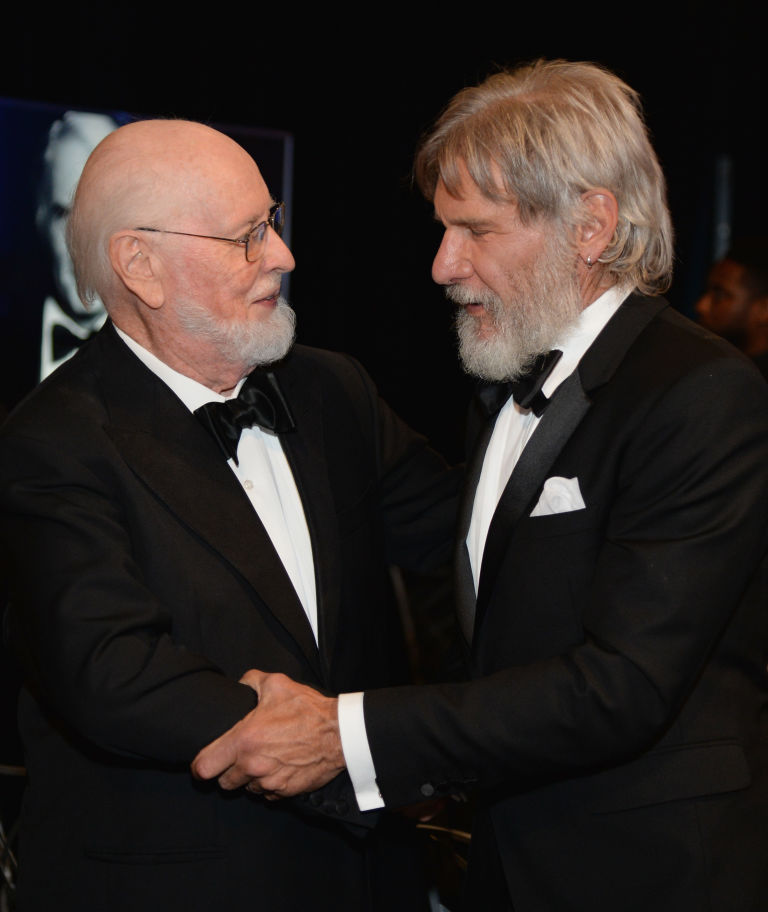
The First Dinosaur Reveal in Jurassic Park (1993)
As Dr. Grant, Dr. Sattler, and Dr. Malcolm see a living Brachiosaurus for the first time, Williams introduces one of his most beautiful themes, capturing the sheer wonder of seeing something nobody thought possible.
The Main Violin Theme in Schindler’s List (1993)
Performed by violinist Itzhak Perlman, the haunting main theme gives the film an extraordinary emotional depth, with its delicate melody becoming one of the most moving pieces Williams ever composed.
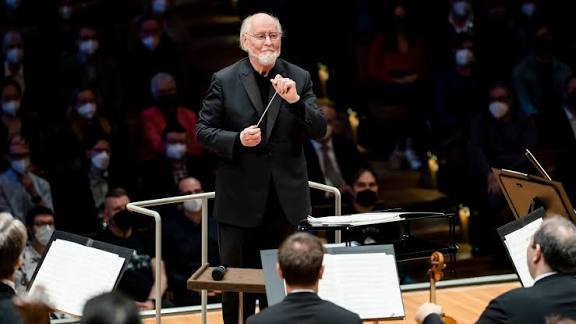
Somewhere in My Memory in Home Alone (1990)
The combination of children’s choir, bells, and warm orchestration gives Kevin’s Christmas story its own musical identity, especially during the quieter moments when he begins to miss his family.
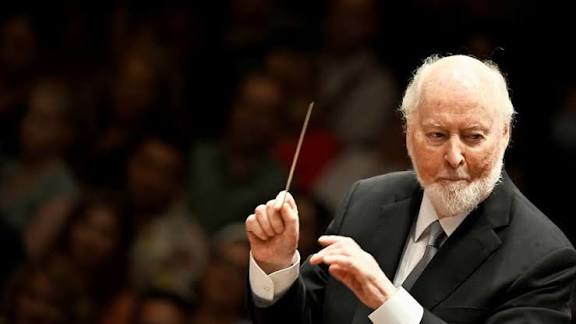
Hedwig’s Theme in Harry Potter and the Sorcerer’s Stone (2001)
That opening celesta melody became the musical signature of the entire Harry Potter franchise, introducing a magical atmosphere that audiences would immediately associate with Hogwarts and the wizarding world.
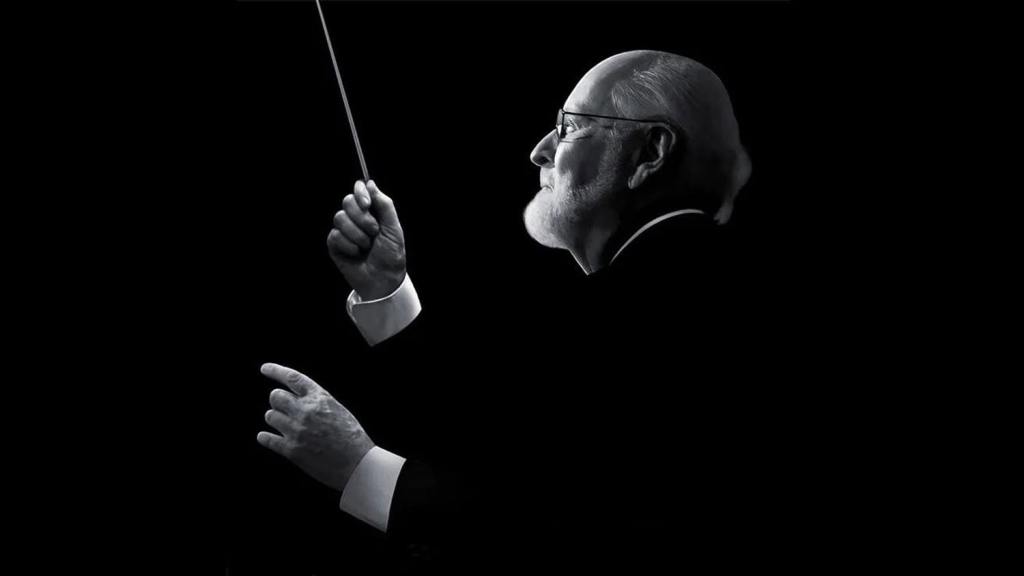
Duel of the Fates in Star Wars: The Phantom Menace (1999)
The combination of a massive orchestra and an intense choral performance makes the lightsaber battle between Qui-Gon Jinn, Obi-Wan Kenobi, and Darth Maul feel like an ancient myth unfolding on screen.
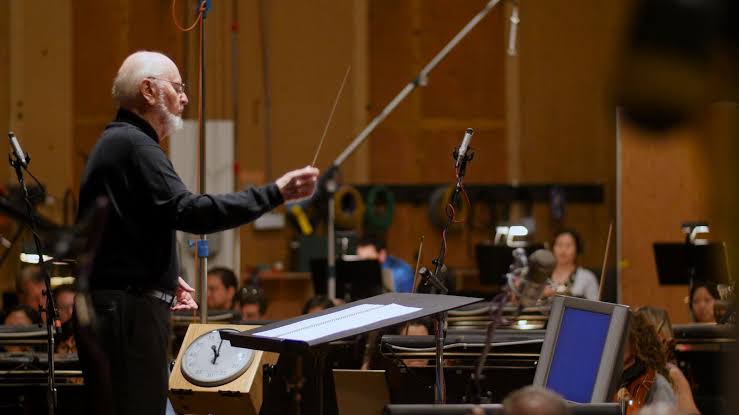
Hymn to the Fallen in Saving Private Ryan (1998)
Williams saves one of the score’s most powerful musical moments for the closing credits, where a solemn orchestral tribute honors the soldiers who lost their lives during World War II.
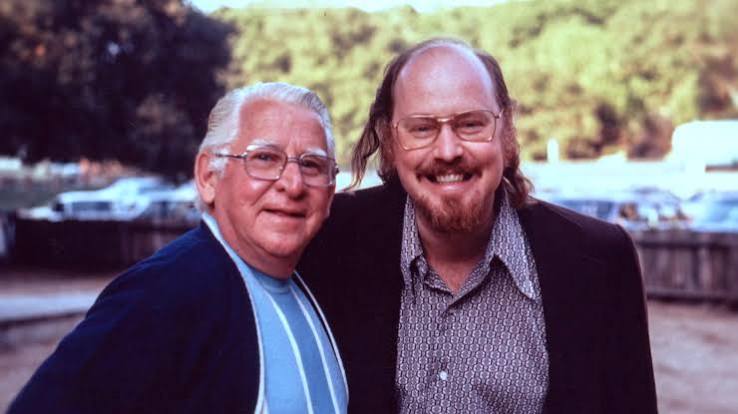
Flight to Neverland in Hook (1991)
The moment Peter Pan rediscovers his ability to fly is accompanied by a sweeping orchestral theme that captures the excitement, innocence, and sense of adventure at the heart of Spielberg’s version of Neverland.