15 of the Greatest Mysteries We’ve Finally Solved

For a long time, nobody knew where Richard III was buried, what caused the strange sounds recorded deep in the Pacific, or how enormous rocks managed to move across the desert without anyone touching them. Some answers arrived through DNA testing, others through years of research, and a few came from discoveries nobody expected to make. The wreck of the Titanic, for example, spent more than seven decades hidden beneath the Atlantic before researchers finally located it. Other mysteries required scientists to reconsider ideas that had been accepted for generations. Here are 15 mysteries that kept people guessing until someone figured out what was really going on.
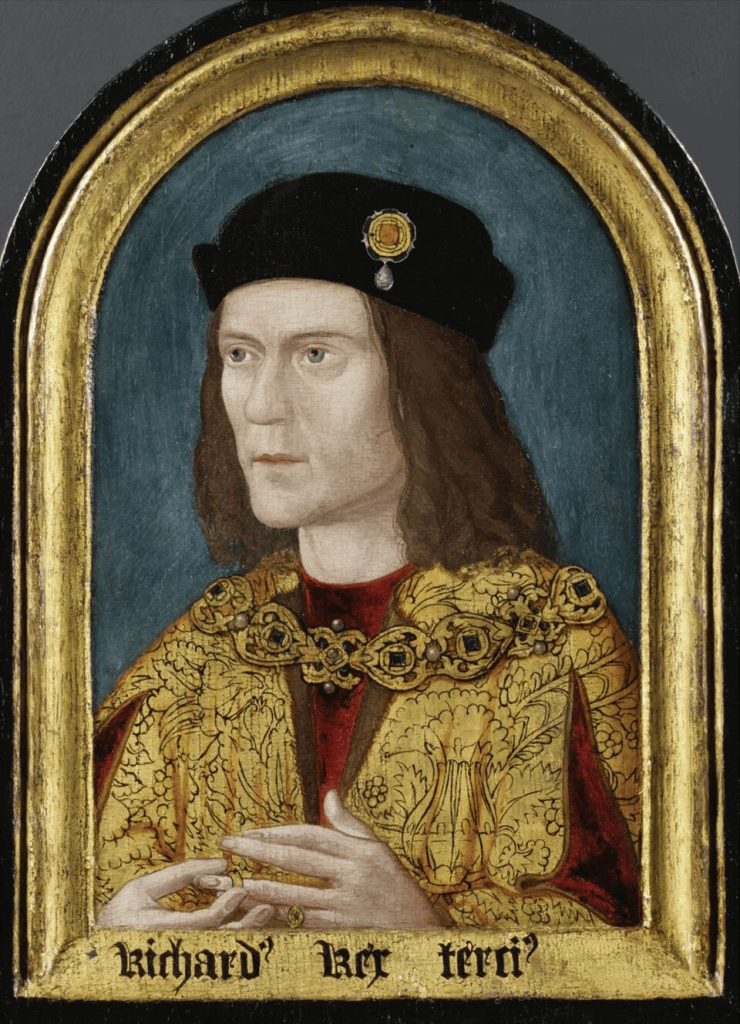
Richard III Was Under a Parking Lot
Archaeologists found Richard III’s remains beneath a parking lot in Leicester in 2012, more than 500 years after his death. DNA testing later confirmed the skeleton belonged to the king.
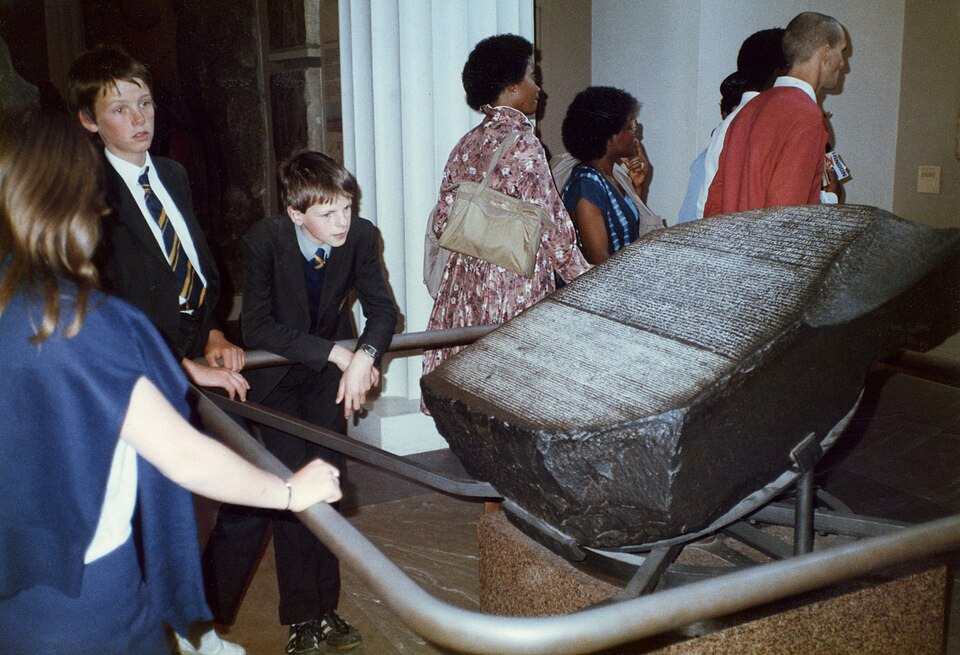
The Rosetta Stone Cracked the Code
The Rosetta Stone contained the same decree in three scripts, allowing Jean-François Champollion to make his breakthrough in deciphering ancient Egyptian hieroglyphs in 1822.
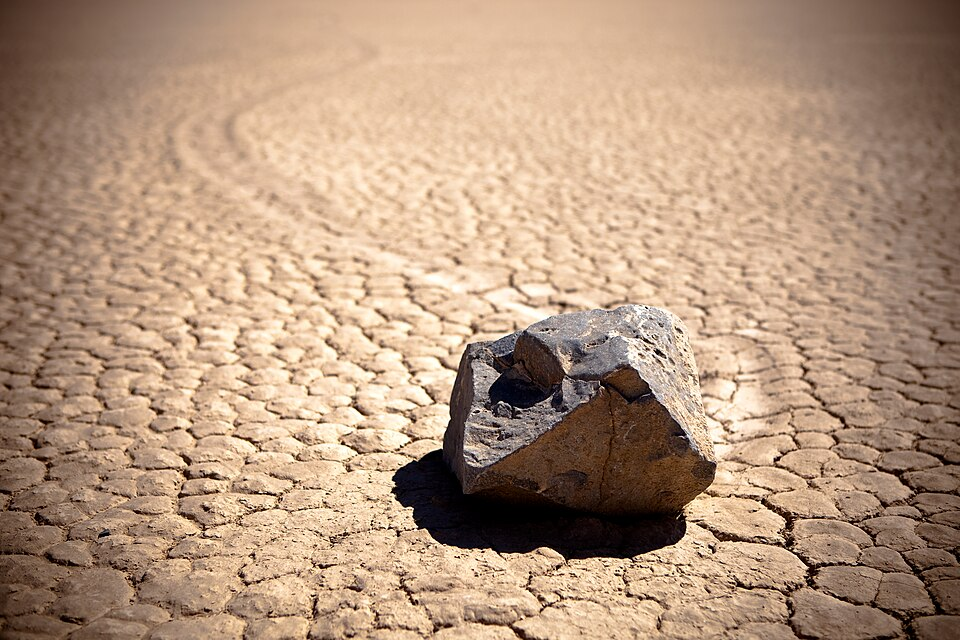
Death Valley’s Rocks Finally Moved on Camera
Researchers watched rocks slide across Death Valley’s Racetrack Playa in 2013, discovering that thin sheets of ice, pushed by wind, were responsible for their mysterious tracks.
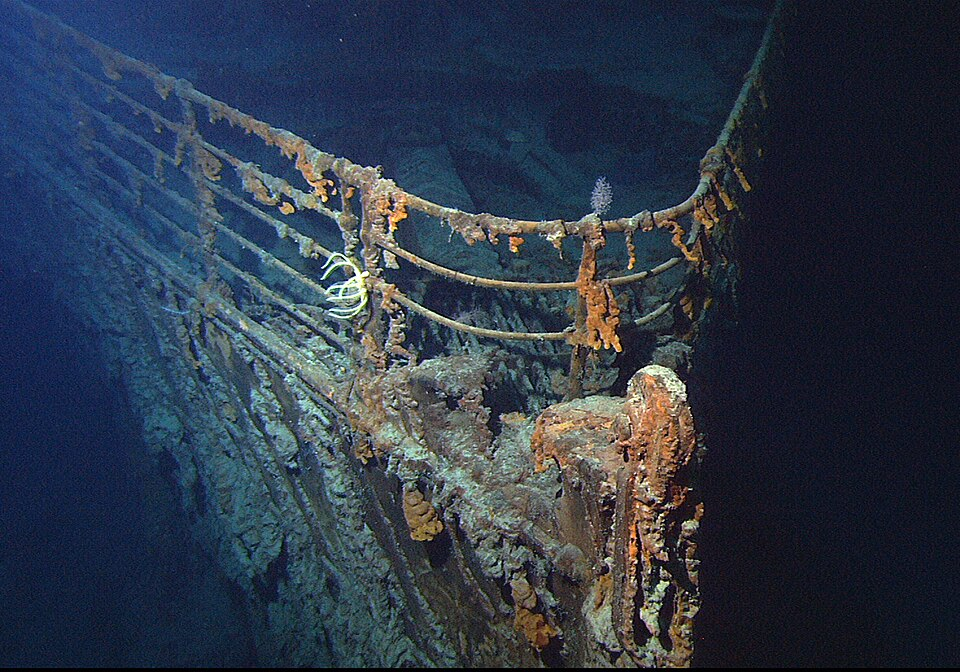
The Titanic Was Found in 1985
A French-American expedition located the wreck of the Titanic in September 1985, nearly 13,000 feet below the Atlantic’s surface and 73 years after the ship sank.

DNA Identified the Golden State Killer
Investigators used genetic genealogy to identify Joseph James DeAngelo in 2018, finally connecting a suspect to the crimes attributed to the Golden State Killer.
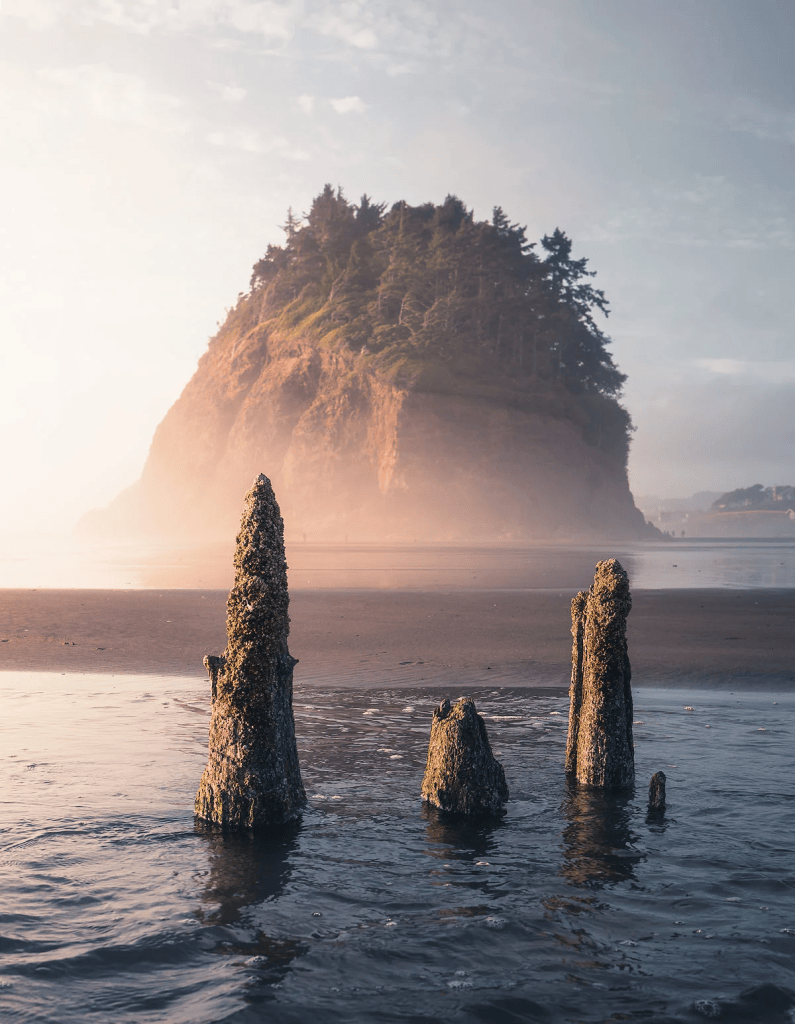
Japan’s Mystery Tsunami Came From America
Japanese records described a tsunami that struck in 1700 without a local earthquake. Researchers later traced it to a massive earthquake along North America’s Cascadia subduction zone.

The Continents Really Do Move
Evidence from ocean-floor mapping and magnetic patterns helped establish plate tectonics in the 1960s, explaining why continents shift and why some coastlines seem to fit together.
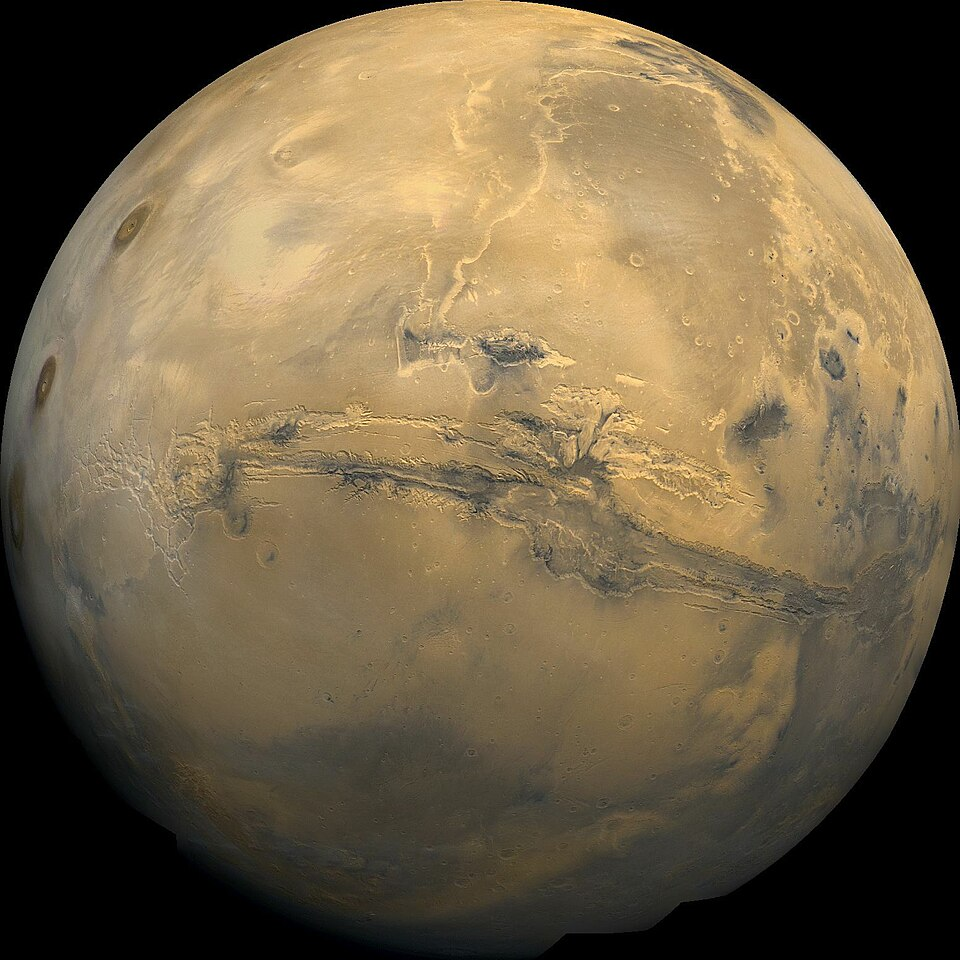
Why Mars Appears to Move Backward
Mars sometimes seems to reverse direction in the night sky because Earth overtakes it while traveling around the Sun, an apparent motion explained by heliocentric astronomy.
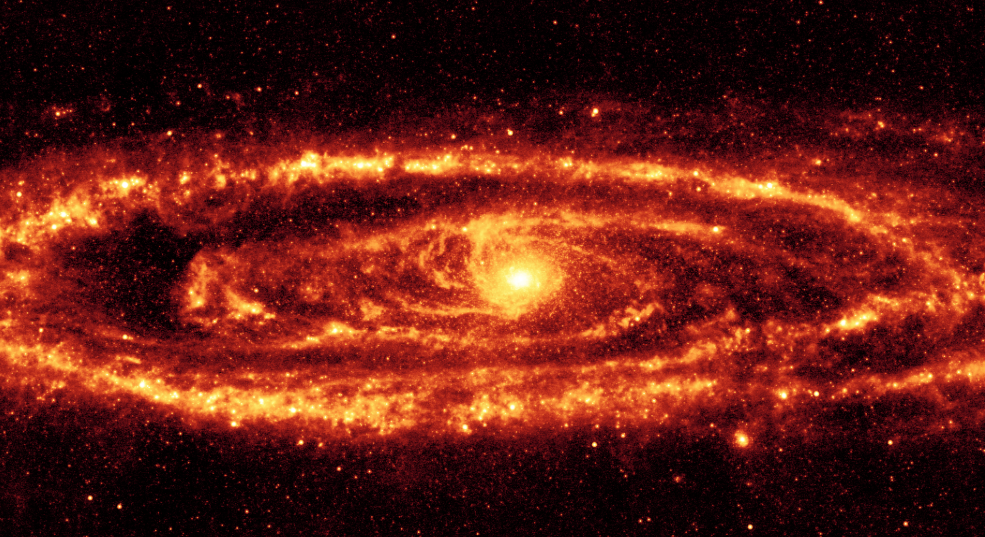
Andromeda Wasn’t Just a Cloud
In 1923, Edwin Hubble identified a Cepheid variable star in Andromeda, providing evidence that the object was another galaxy far beyond the Milky Way.
Tunguska’s Explosion Came From Space
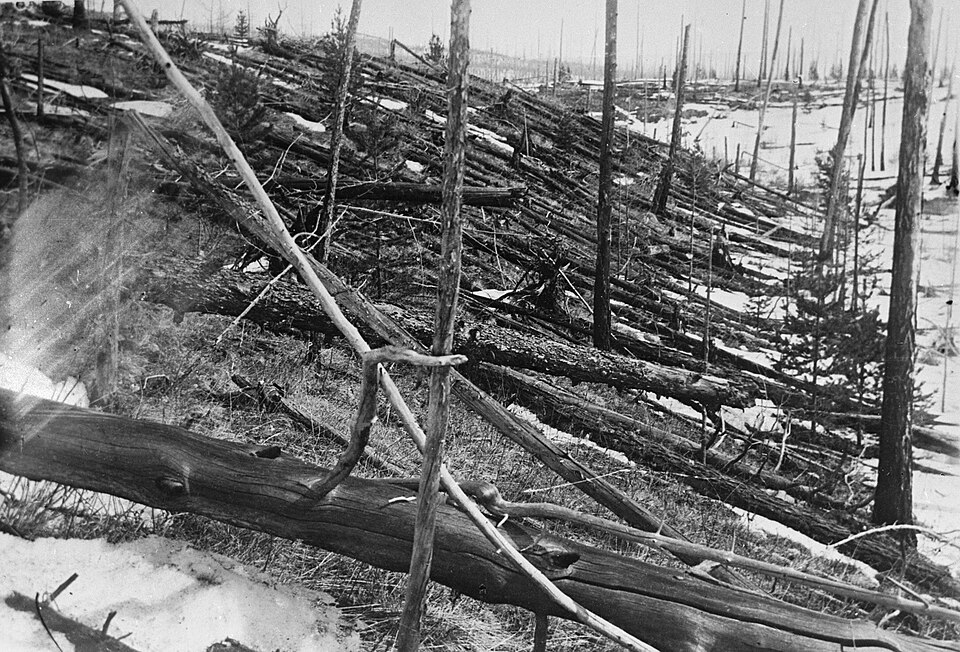
The enormous explosion over Siberia in 1908 flattened a vast area of forest without leaving a clear impact crater. Scientists generally attribute it to an asteroid exploding in the atmosphere.
Forrest Fenn’s Treasure Was Finally Found
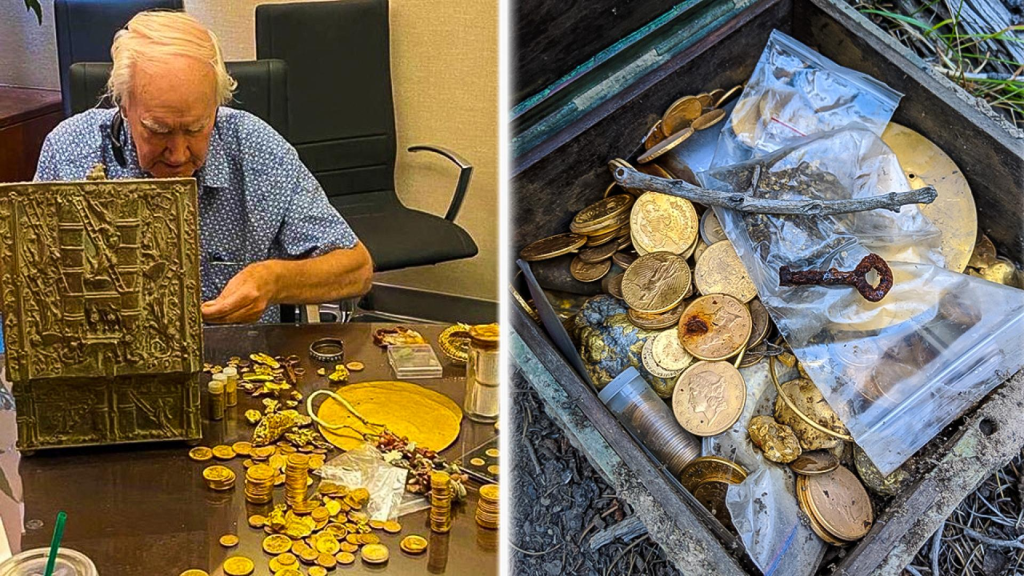
Jack Stuef discovered Forrest Fenn’s hidden treasure chest in Wyoming in 2020, ten years after Fenn published the poem that launched the search.
The Bloop Wasn’t a Sea Monster
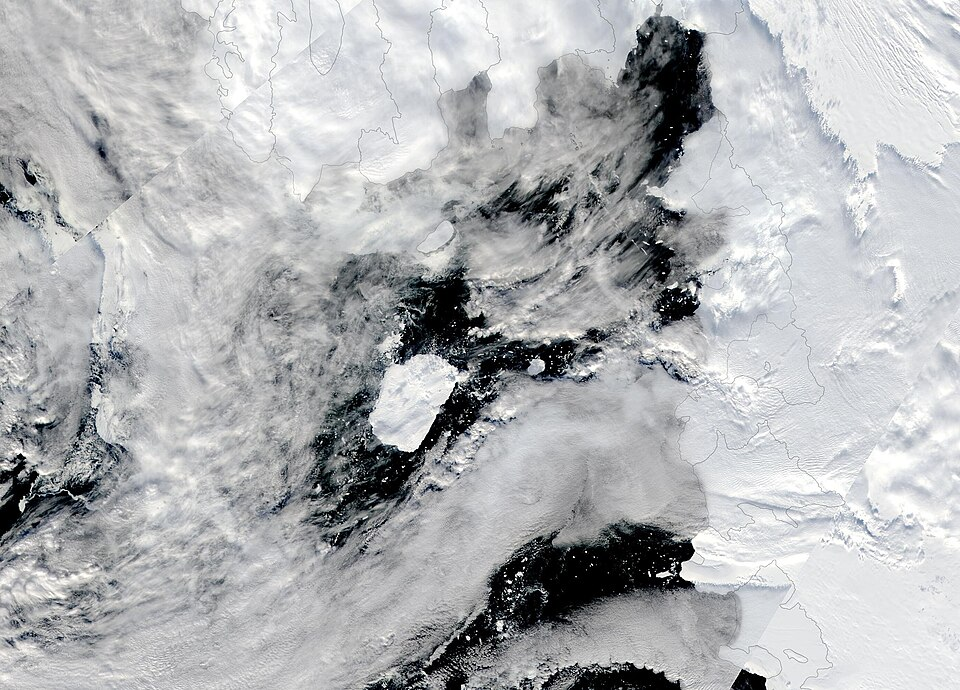
NOAA recorded an unusually powerful underwater sound in the Pacific in 1997. Scientists later identified Antarctic ice cracking and breaking apart as the likely source.
An Asteroid Helped Wipe Out the Dinosaurs
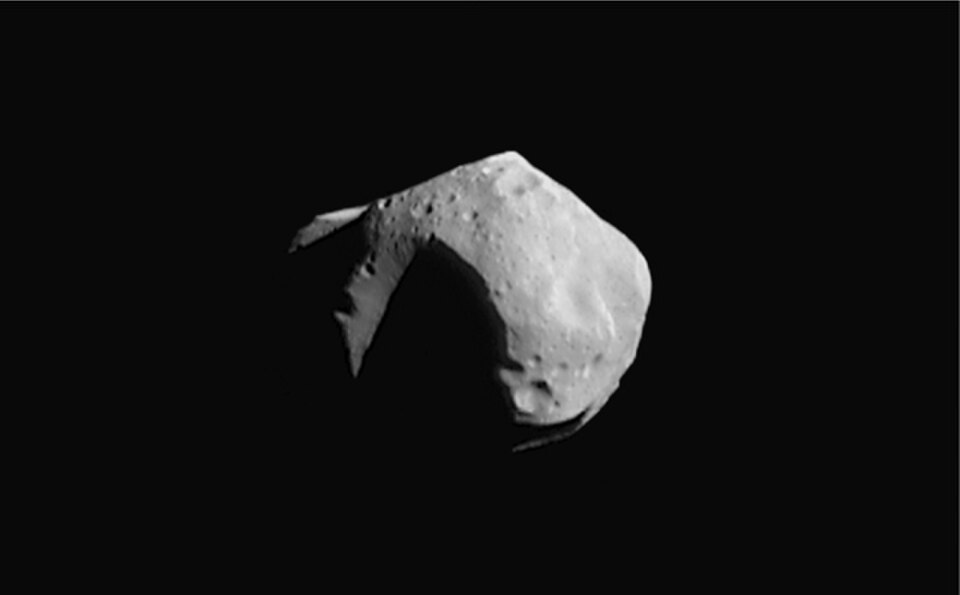
Scientists linked the extinction of non-avian dinosaurs around 66 million years ago to an asteroid impact near Mexico’s Yucatán Peninsula, where the Chicxulub crater was discovered.
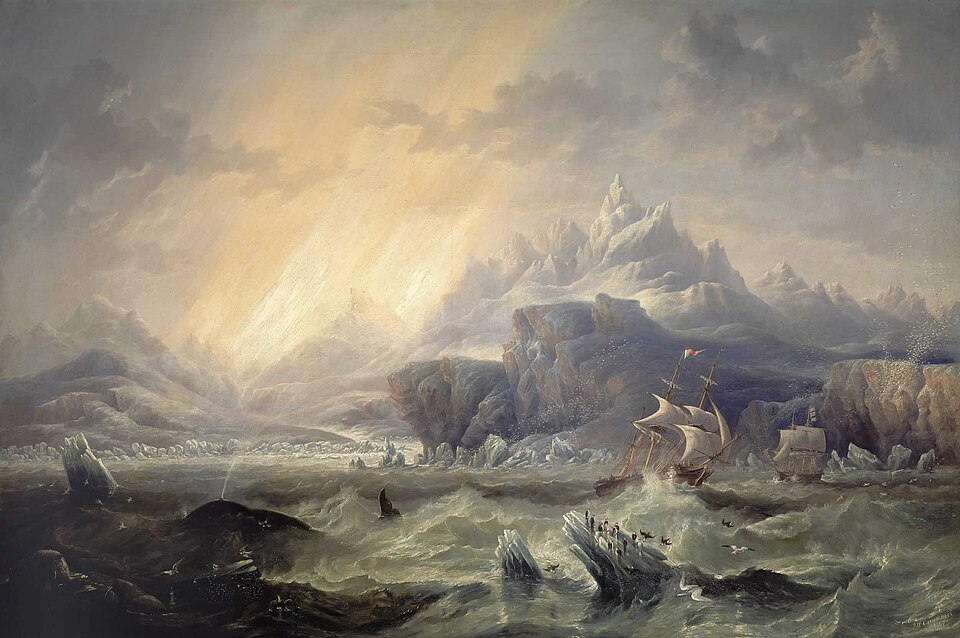
Franklin’s Lost Ships Were Found
HMS Erebus was located in 2014, followed by HMS Terror in 2016. The discoveries came more than 160 years after the Franklin expedition vanished in the Arctic.
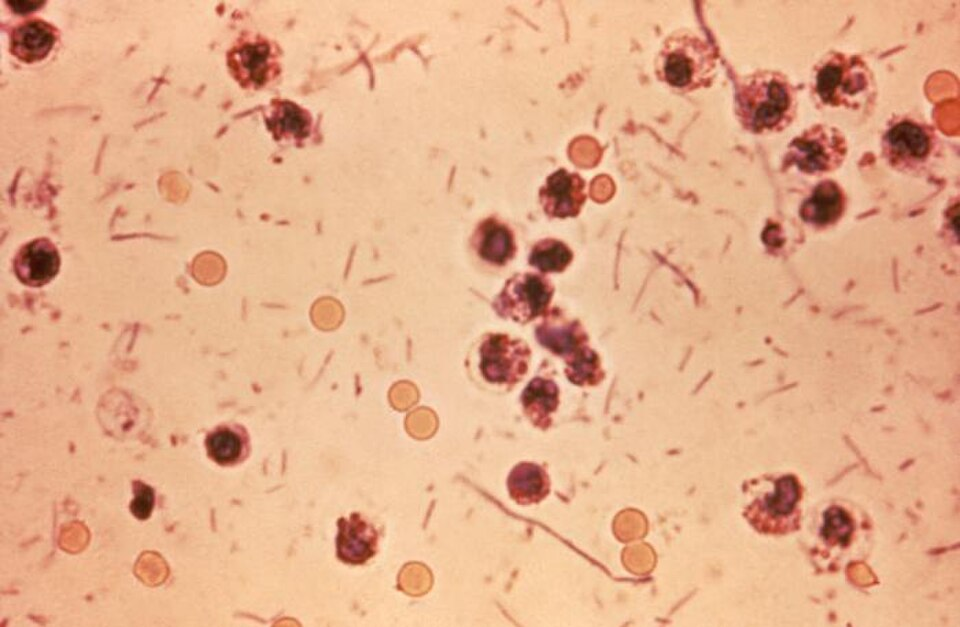
Germs Explained Many Mysterious Diseases
Nineteenth-century researchers, including Louis Pasteur and Robert Koch, demonstrated how microorganisms cause infectious diseases, replacing older explanations that blamed illness on bad air.