15 Everyday Things With Surprisingly Dark Origins

Plenty of things we use, eat, or see every day have histories that most people would never guess. Some started as medical treatments with questionable methods, others were connected to dangerous working conditions, and a few became popular despite having genuinely disturbing beginnings. Over time, their original purpose or history got buried under marketing, convenience, and everyday habits. It’s easy to forget that familiar products and traditions weren’t always as harmless as they seem today. Once you learn where some of them came from, you might find yourself looking at ordinary objects in a completely different way.
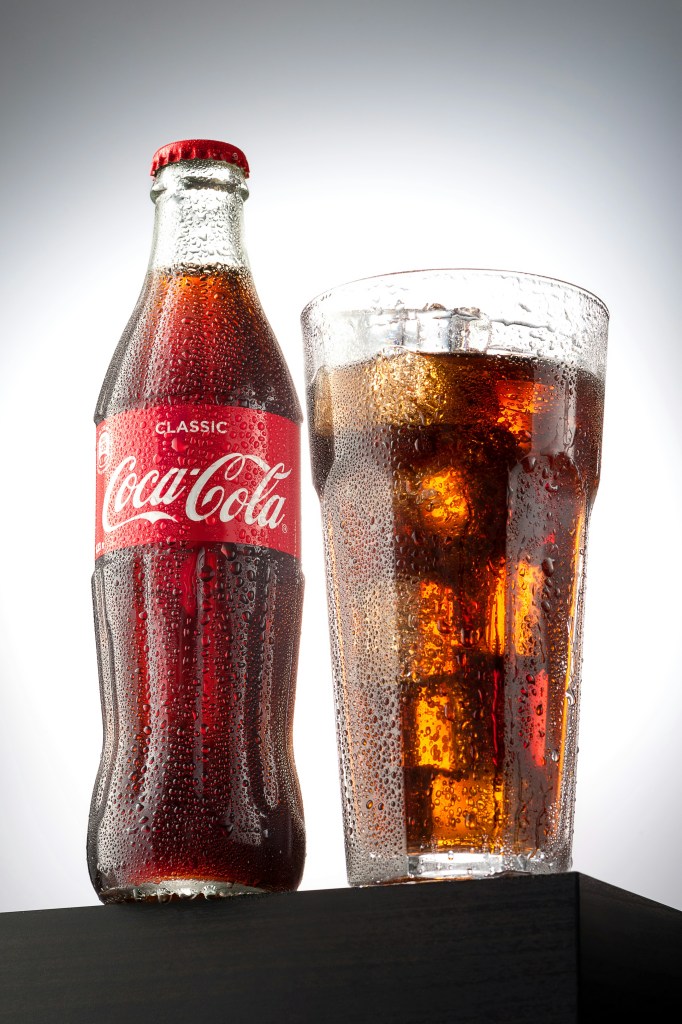
Coca-Cola Was Originally Marketed as Medicine
Created by pharmacist John Pemberton in 1886, Coca-Cola was initially marketed as a medicinal tonic containing coca leaf extracts, which included cocaine at the time.

Lobotomies Were Once Considered a Medical Breakthrough
During the 20th century, doctors performed lobotomies on thousands of psychiatric patients, sometimes using an ice pick-like instrument inserted through the eye socket to destroy brain tissue.
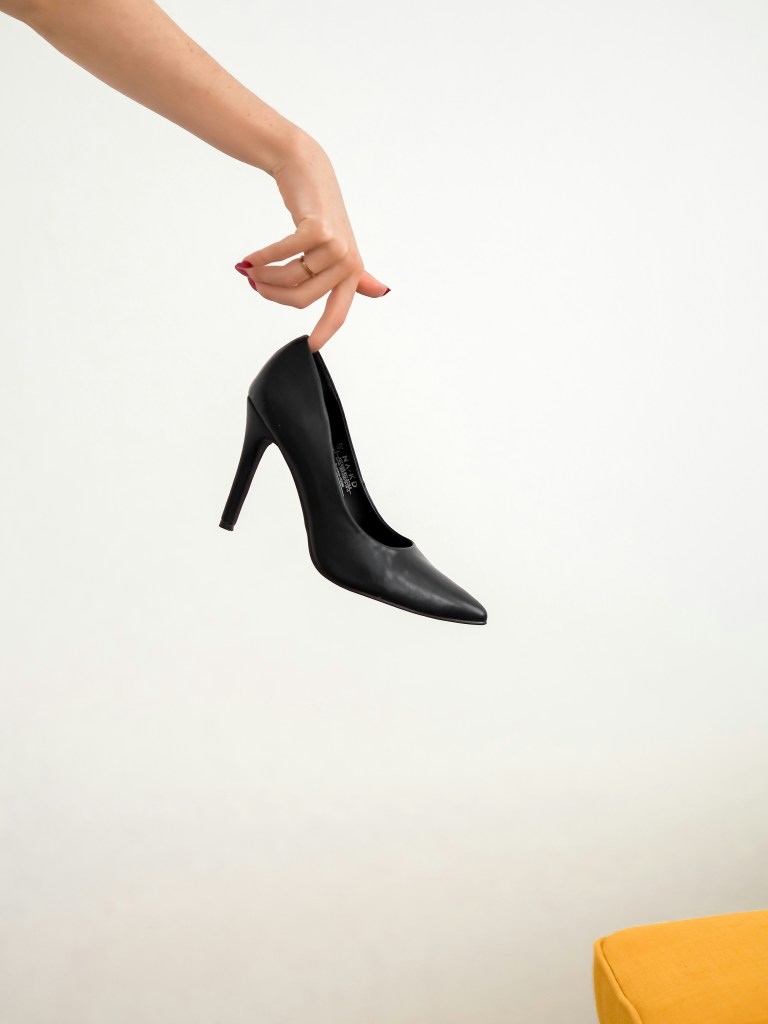
High Heels Were Originally Designed for Men
High heels became popular among Persian cavalrymen because they helped riders keep their feet in stirrups while riding horses.

The First Alarm Clocks Could Only Ring at 4 AM
In 1787, American inventor Levi Hutchins created an alarm clock that could only ring at 4 AM, the time he needed to wake up for work.
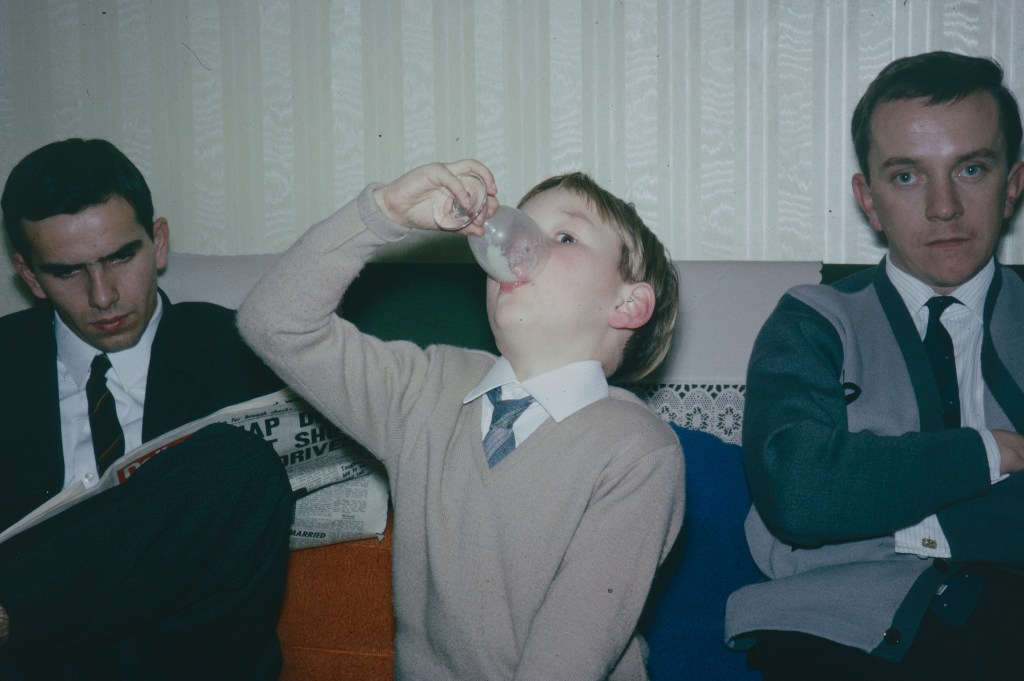
Children’s Cough Syrup Once Contained Heroin
In the late 19th century, Bayer marketed heroin as a cough suppressant and sold it as an ingredient in medicines intended for adults and children.

Radium Was Once Used in Beauty Products
During the early 20th century, some beauty products advertised radium as a rejuvenating ingredient, despite the serious health risks associated with radiation exposure.
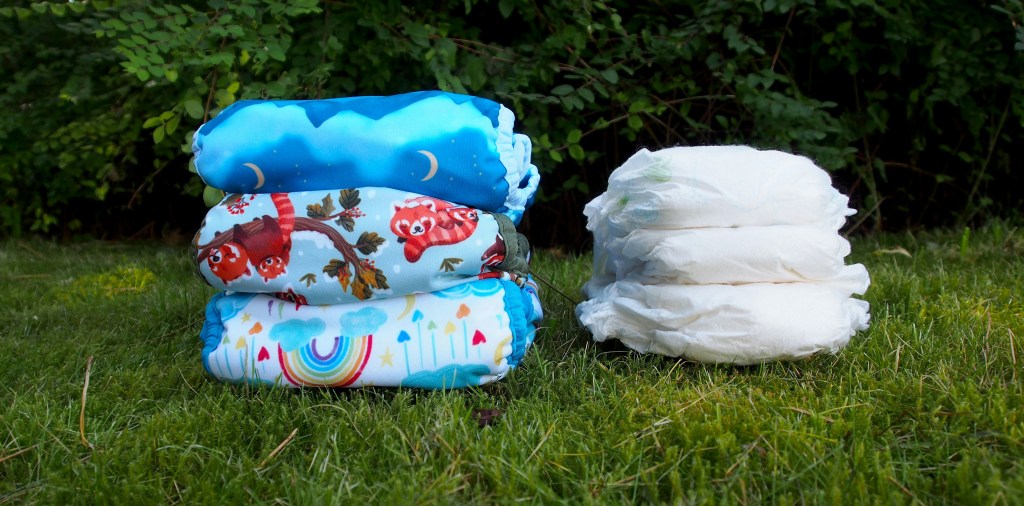
The First Disposable Diapers Were Made During Wartime Shortages
Swedish engineer Pauliström developed an early disposable diaper using paper pulp during the 1940s, partly because wartime shortages made traditional cloth diapers harder to manage.

Wallpaper Once Contained Arsenic
During the Victorian era, fashionable green wallpaper sometimes contained arsenic-based pigments that could release toxic particles into homes.

The First Vending Machines Sold Holy Water
In ancient Alexandria, an inventor named Hero designed a coin-operated machine that dispensed measured amounts of holy water inside temples.
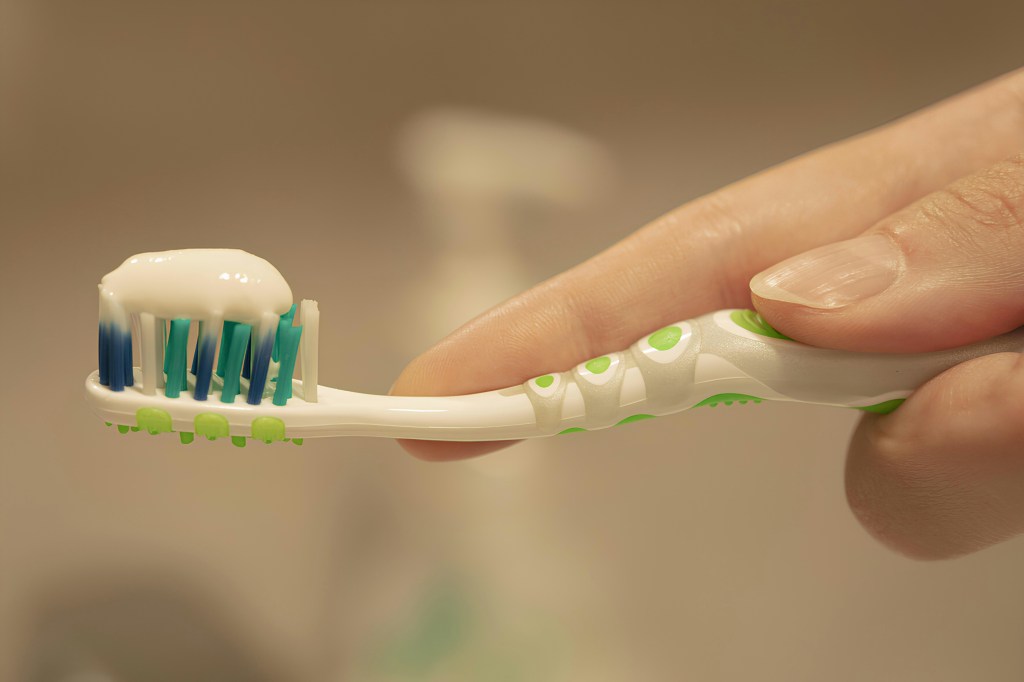
Toothpaste Once Contained Radioactive Ingredients
A German toothpaste called Doramad was advertised in the 1940s as containing radioactive thorium, which its makers claimed would benefit teeth and gums.

The First Modern Traffic Lights Were Dangerous
One of the earliest electric traffic signals, installed in Cleveland in 1914, required a police officer to manually switch between red and green lights, while an audible buzzer warned drivers about changes.
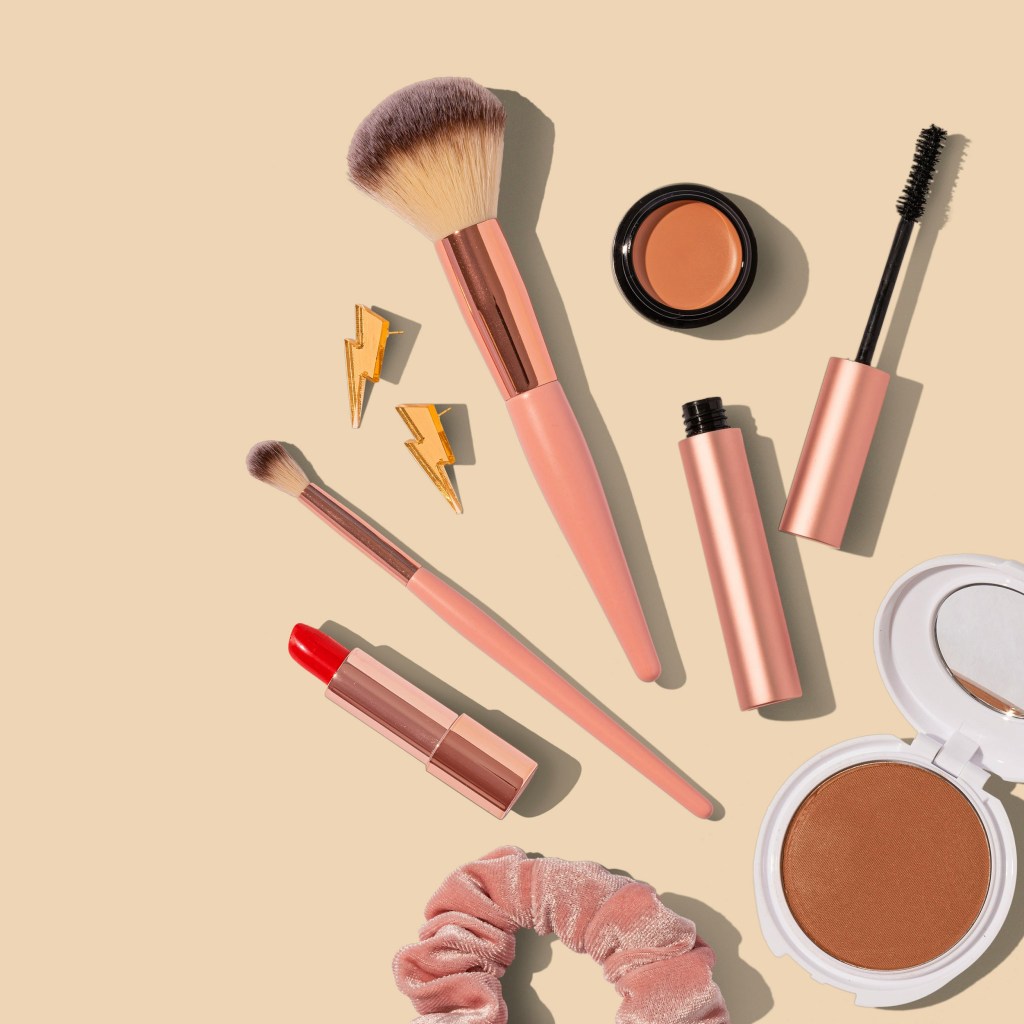
Lead Was Once a Common Ingredient in Makeup
For centuries, European women used white lead face powders to achieve pale complexions, despite the substance being highly toxic and capable of causing severe poisoning.

The Original Barbie Was Inspired by an Adult Comic Character
Before Barbie appeared in 1959, Mattel co-founder Ruth Handler discovered the German Bild Lilli doll, which was based on an adult comic strip character originally created for a newspaper.

Margarine Was Invented as a Cheap Butter Substitute for the French Army
French Emperor Napoleon III offered a prize for an affordable butter alternative to feed soldiers and poorer citizens, leading chemist Hippolyte Mège-Mouriès to invent margarine in 1869.

The First Modern Cigarette Ads Targeted Women With Dangerous Beauty Claims
In the 1920s and 1930s, cigarette companies promoted smoking to women as a way to control weight, using slogans such as Lucky Strike’s famous “Reach for a Lucky instead of a sweet.”