15 Historical Facts You May Have Rather Not Heard

History is often presented as a parade of great leaders and all kinds of heroic achievements. The past, however, also contains practices that are disturbing precisely because they were once considered normal or even medically beneficial. If only they had known.
Since knowing is learning, we’ve brought you several facts from throughout history, so you know the lessons we had to learn to get here. These historical episodes are reminders that progress has not always been painless, or even a straight line. We need to remember our past to move towards the future.

Victorian Diet Pills Contained Tapeworms
In the late nineteenth and early twentieth centuries, tapeworms were promoted as a supposed weight-loss solution. The idea was simple: swallow a parasite, let it consume some of your food, and (apparently) lose weight without dieting.
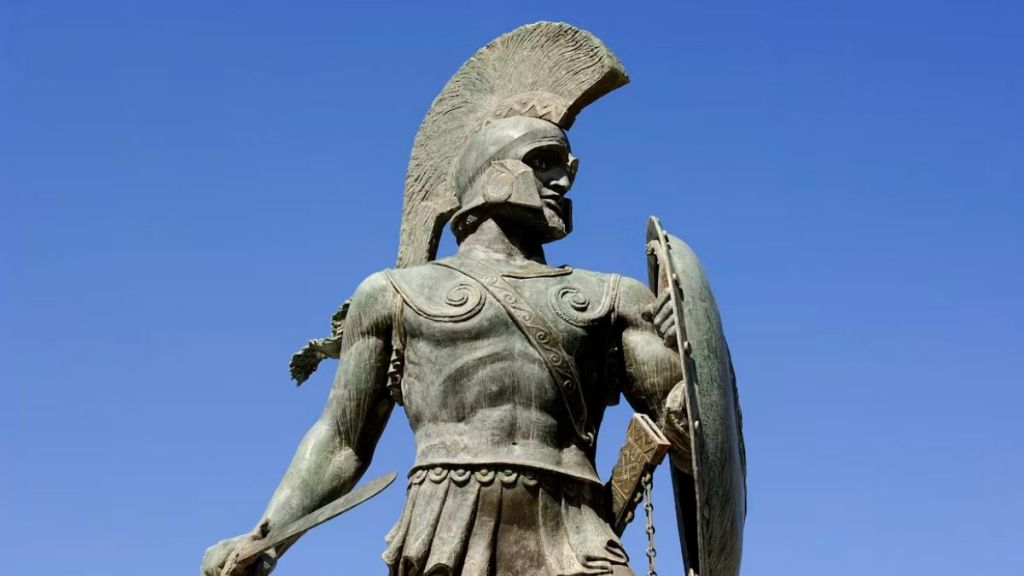
Romans Shared a Communal Toilet Sponge
Some ancient Roman public toilets used a sponge attached to a stick, called a tersorium, for cleaning. Historical accounts suggest it could be shared between users, although exactly how widespread this practice was remains debated.
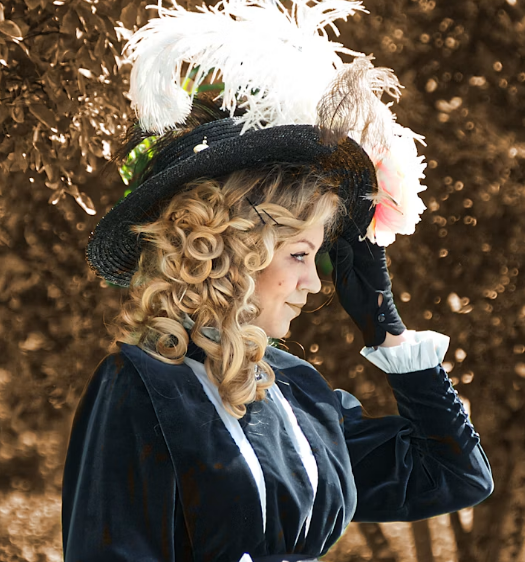
Elaborate Wigs Were Lice Havens
Eighteenth-century fashion demanded enormous, elaborate hairstyles and wigs, often built up with padding, powder, and grease. These elaborate creations were difficult to clean and could become breeding grounds for lice and other parasites.

Safety Coffins Came With Emergency Bells
During the Victorian era, fears of being buried alive inspired inventors to design safety coffins. Some included mechanisms allowing someone mistakenly pronounced dead to ring a bell above ground and alert potential rescuers.

Baby Soothing Syrups Contained Morphine
Victorian parents could buy soothing syrups intended to calm crying or teething babies. Some contained opiates such as morphine, making them dangerously addictive and capable of causing fatal overdoses in the very children they were supposed to comfort.

Lobotomies Were Performed Through the Eye Sockets
Some lobotomies involved inserting a sharp instrument through a patient’s eye socket and into the brain. Popularized by physician Walter Freeman, the transorbital procedure could be performed rapidly, with devastating consequences for many patients.
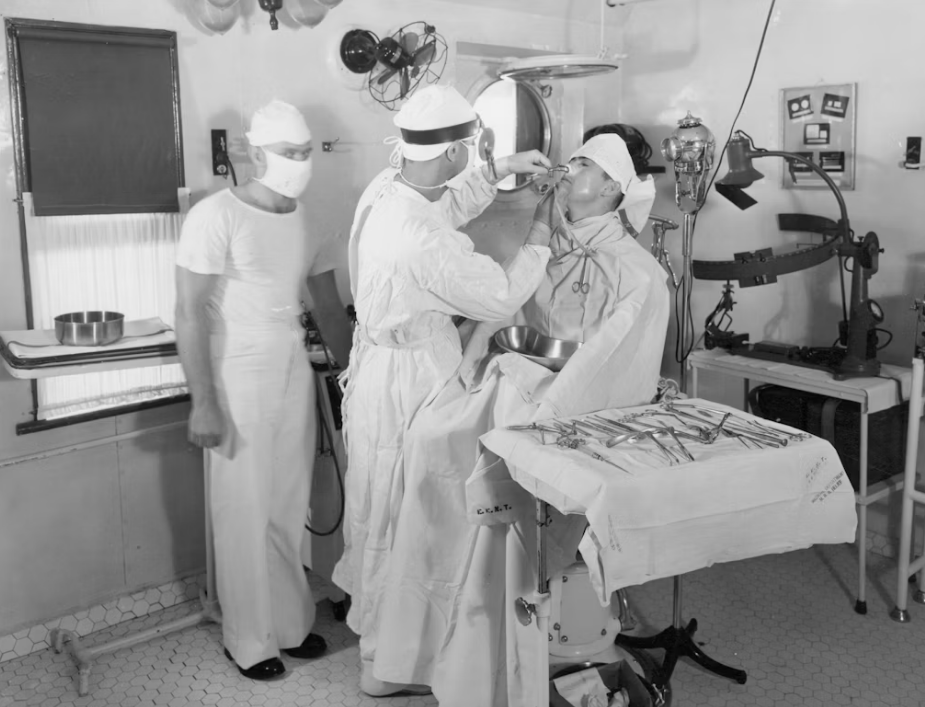
Surgeons Wore Bloodstained Coats as Badges of Honor
Before modern antiseptic practices, some surgeons wore heavily stained operating coats, and the accumulated blood was treated as a sign of experience. Cleanliness was not yet the priority it would eventually become.
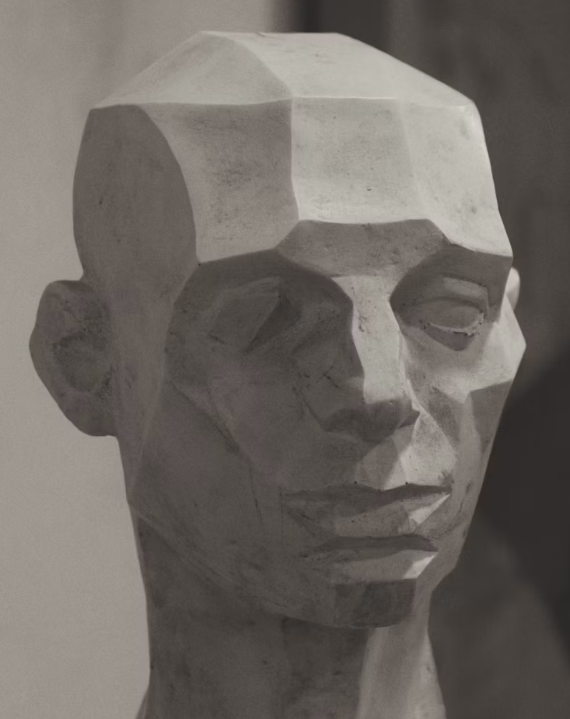
Phrenologists Blamed Criminality on Skull Shape
In the nineteenth century, phrenologists claimed that personality and mental abilities could be determined by feeling the bumps and contours of someone’s skull. Some even used these measurements to argue that certain people were naturally predisposed to crime.

Night Soil Collectors Handled Human Waste
Before modern sewer systems, workers known as night soil men collected human excrement from household privies and cesspits. They often performed the unpleasant work manually, transporting the waste away for disposal or use as fertilizer.
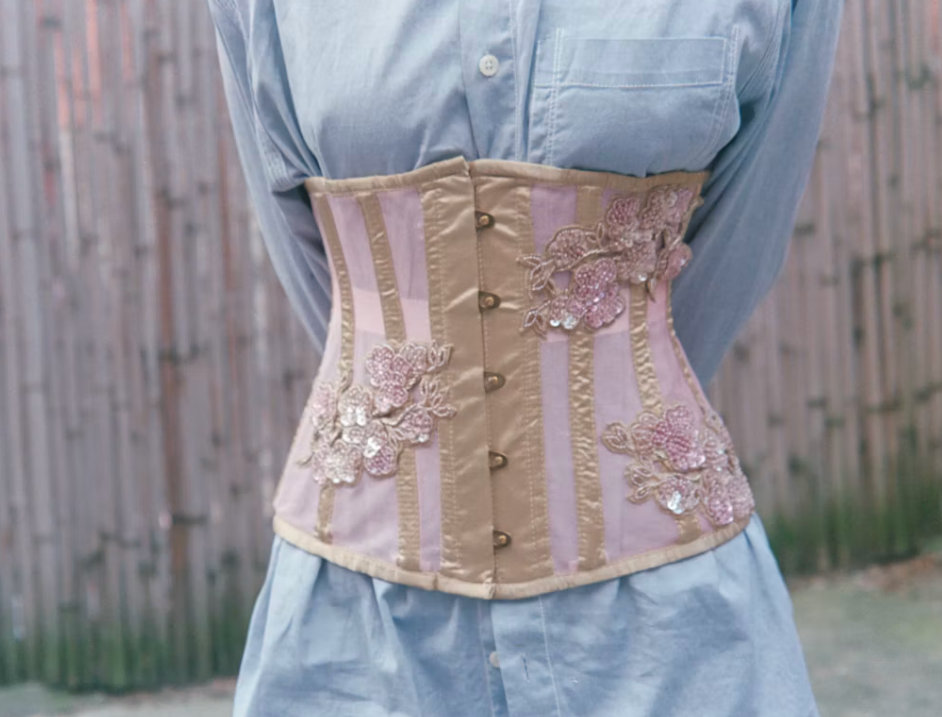
Tight Corsets Could Deform the Rib Cage
Extreme tight-lacing could compress the torso and, over time, deform the rib cage. Although popular claims about corsets permanently rearranging every internal organ are exaggerated, the physical consequences of prolonged compression were real.
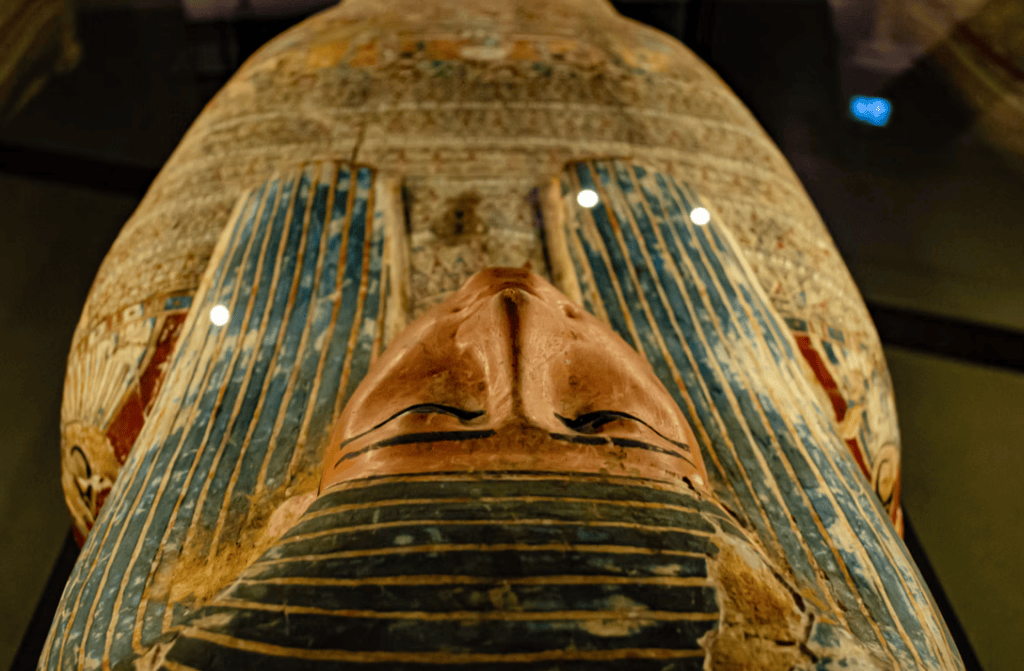
Female Mummies Were Sometimes Embalmed Later
Herodotus claimed that wealthy Egyptian women were kept for several days before embalming because of fears that embalmers might abuse their bodies. Scholars caution that his explanation may be exaggerated, although the fact that it feels plausible gives reason for pause.
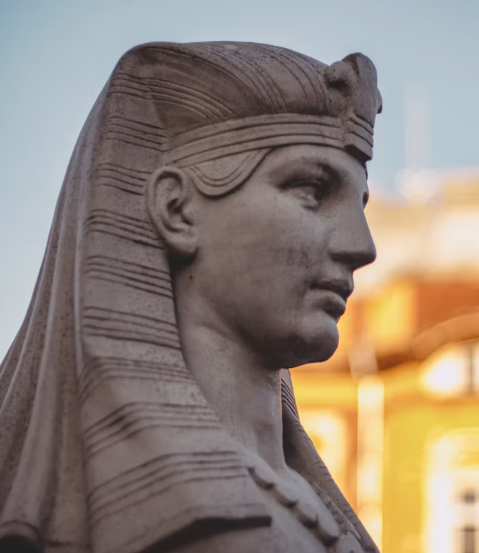
Cleopatra Came From a Dynasty of Incestuous Marriages
Cleopatra VII belonged to the Ptolemaic dynasty, whose rulers repeatedly married siblings and close relatives to preserve their royal lineage. Her exact ancestry is uncertain, but generations of family intermarriage shaped the dynasty she inherited.

Three Sailors Survived Pearl Harbor, Then Died Trapped
Three sailors aboard the USS West Virginia survived its sinking at Pearl Harbor and remained trapped for sixteen days. Salvage crews later found their bodies, alongside a calendar marking the days they had endured before running out of air.

Little Albert Was Taught to Fear Furry Animals
In a notorious 1920 experiment, psychologist John B. Watson and his assistant conditioned an infant known as Little Albert to fear a white rat by pairing it with a frightening noise. His fear reportedly spread to other furry objects, and he was never formally desensitized.
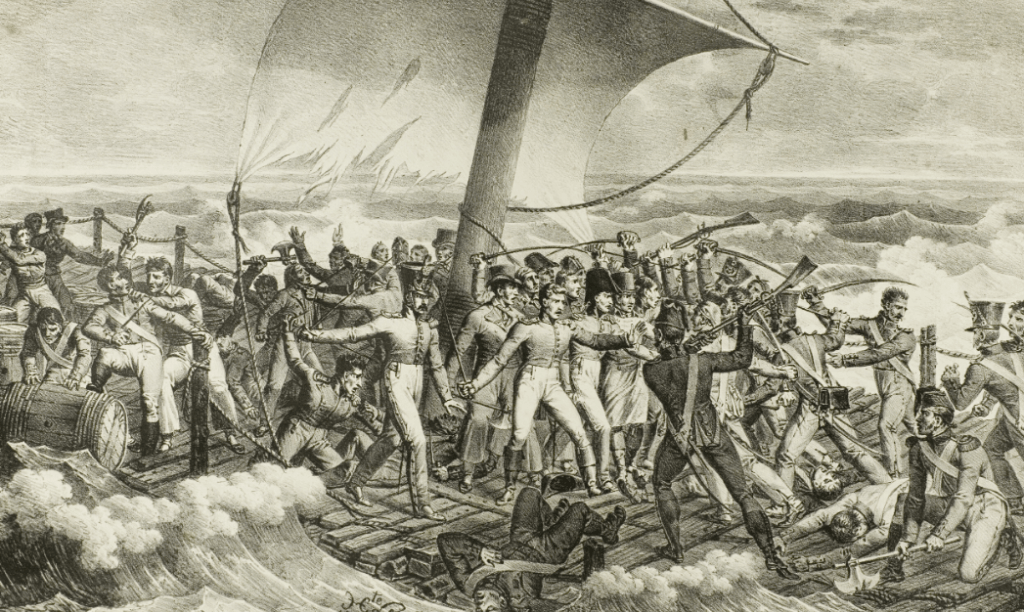
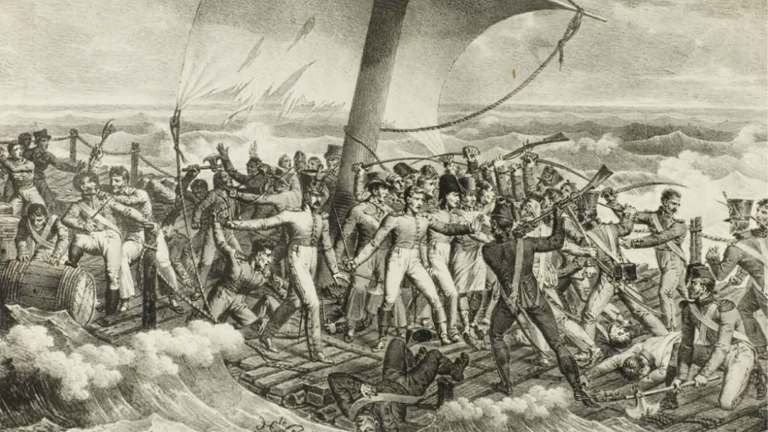
The Survivors of the Medusa Were Abandoned at Sea
In 1816, the French frigate Medusa ran aground off Senegal. Its captain and other passengers escaped in lifeboats, abandoning 147 people on a makeshift raft. After thirteen days adrift, only fifteen remained alive, and their accounts exposed an extraordinary act of official cowardice.