The Strangest Differences Between the Branches of Christianity

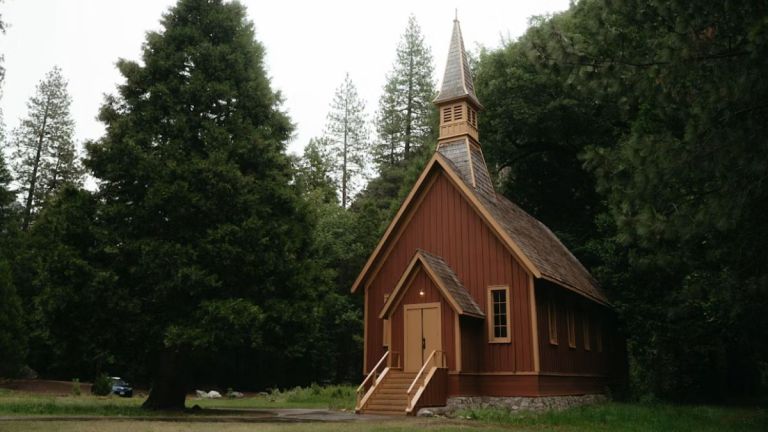
Christianity includes a wide number of traditions that share a belief in Jesus in common, and differ greatly beyond that point. The way they worship and even their interpretations of the scripture vary greatly, with each believing their faith to be the real way to follow God’s teachings.
Even familiar practices like baptism and communion can mean very different things across denominations. These distinctions developed over centuries of debate, reform, and cultural change. Here are some of the most distinctive differences between Christian traditions, including several practices that may surprise people outside them.
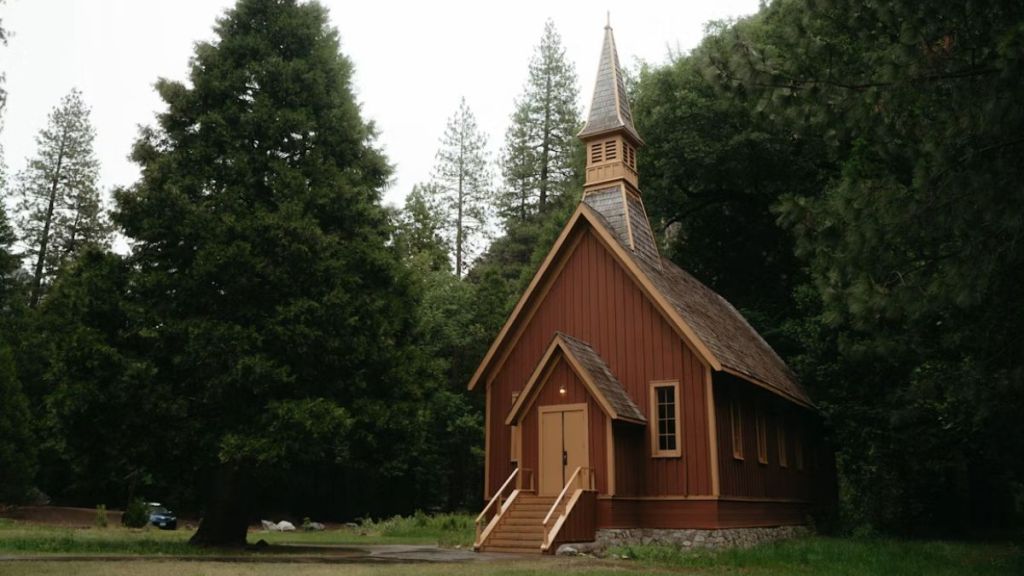
Catholicism, The Belief in Purgatory
The Catholic Church teaches that some people who die in God’s grace undergo purification before entering heaven. This state, called purgatory, is not considered a second chance at salvation, rather a final purification for those destined for heaven.
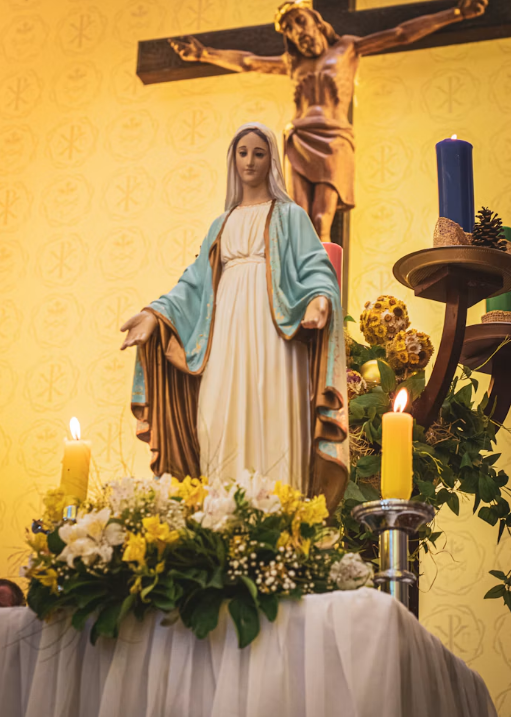
Eastern Orthodoxy, Venerating Icons
Eastern Orthodox worshippers use religious icons depicting Jesus, Mary, and saints. They may bow before or kiss these images as acts of veneration, distinguishing the honor given to the image from worship, which belongs to God alone.
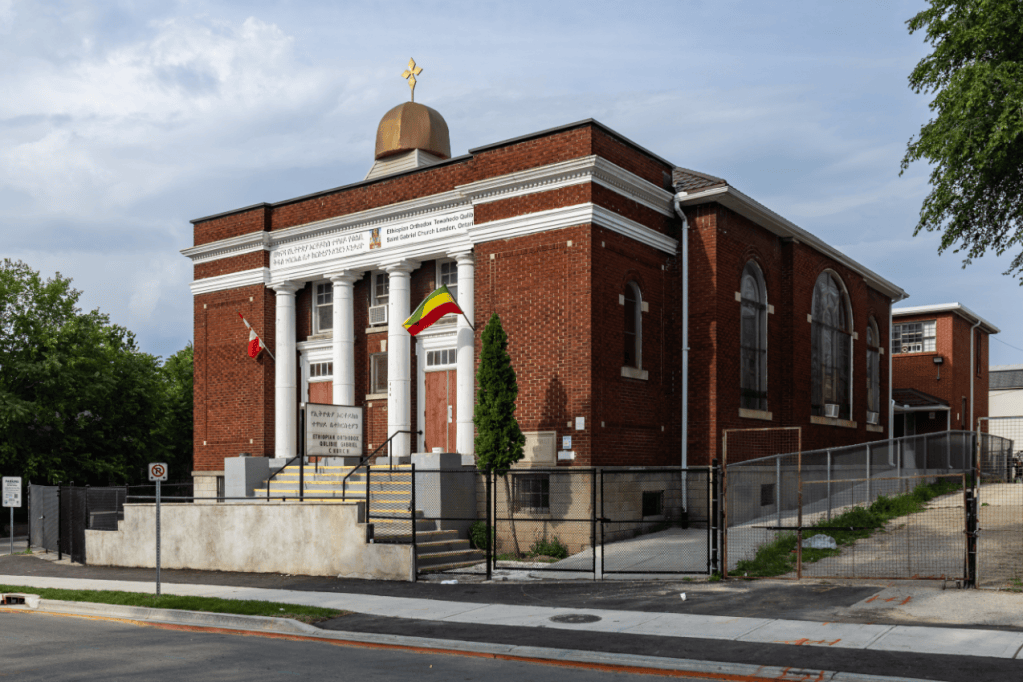
Ethiopian Orthodox Tewahedo, A Larger Biblical Canon
The Ethiopian Orthodox Tewahedo Church recognizes a broader biblical canon than most Western churches, including the Book of Enoch. This ancient Jewish work, which describes heavenly visions and rebellious angels, is excluded by most Christian traditions.
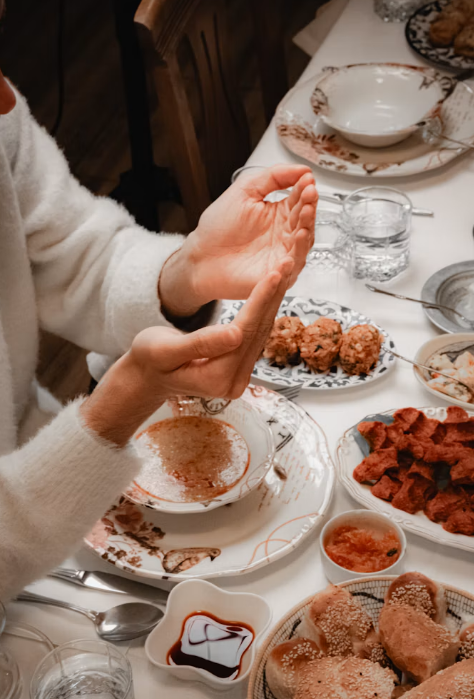
Coptic Orthodox, Extensive Fasting Rules
Coptic Orthodox Christians observe numerous fasting periods throughout the year, including the Great Lent before Easter. Fasting often means abstaining from meat, dairy, and other animal products, although the exact observance can vary between individuals and circumstances.
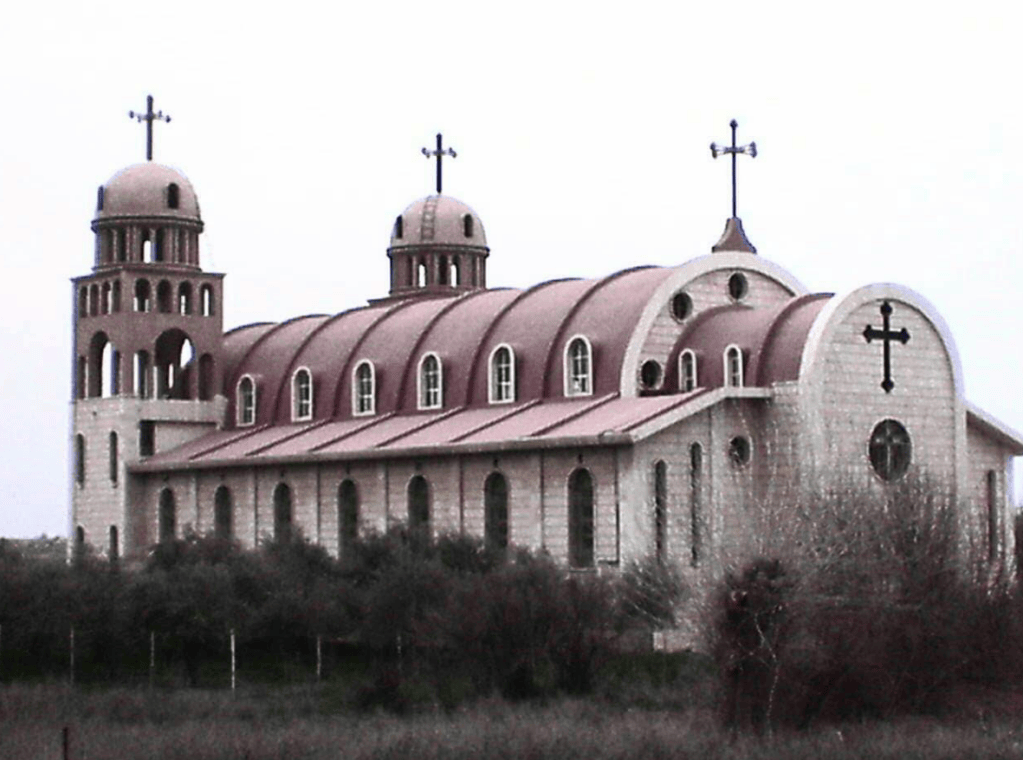
Assyrian Church of the East, An Ancient Eucharistic Liturgy
The Assyrian Church of the East preserves the ancient Liturgy of Addai and Mari. Its traditional form is notable because it lacks the explicit institutional narrative recounting Jesus’ words at the Last Supper found in many other Eucharistic prayers.
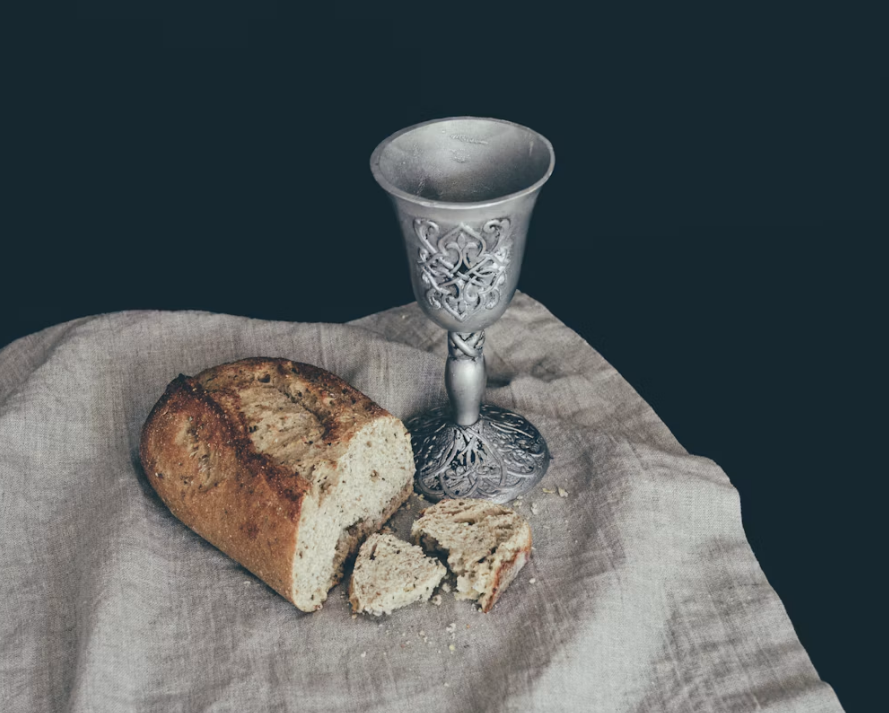
Lutheranism, Christ’s Real Presence in Communion
Lutherans teach that Christ’s body and blood are truly present in the Lord’s Supper, received alongside the bread and wine. This differs from traditions that understand communion primarily as a symbolic remembrance of Jesus’ death.
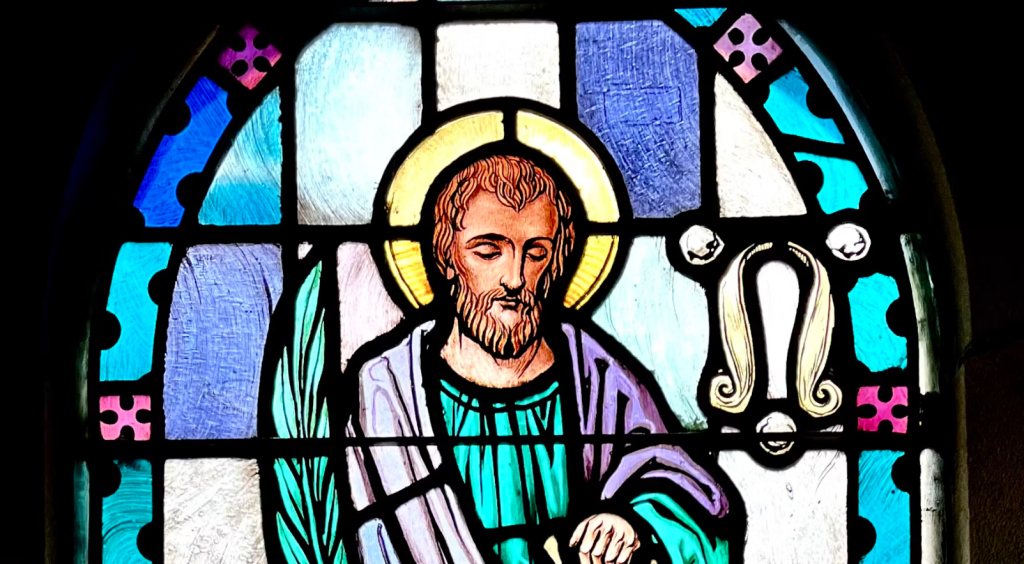
Anglicanism, A Tradition Between Catholicism and Protestantism
Anglican Christianity emerged from England’s break with Rome but retained bishops, formal liturgy, and many older church traditions. Its churches span a broad theological range, with differing views on communion, authority, and how tradition relates to scripture.

Baptists, Baptism Requires a Personal Profession of Faith
Baptist churches generally reject infant baptism, teaching that baptism should follow a person’s conscious profession of faith. Baptism is commonly performed by fully immersing the believer in water, symbolizing their identification with Jesus’ death, burial, and resurrection.
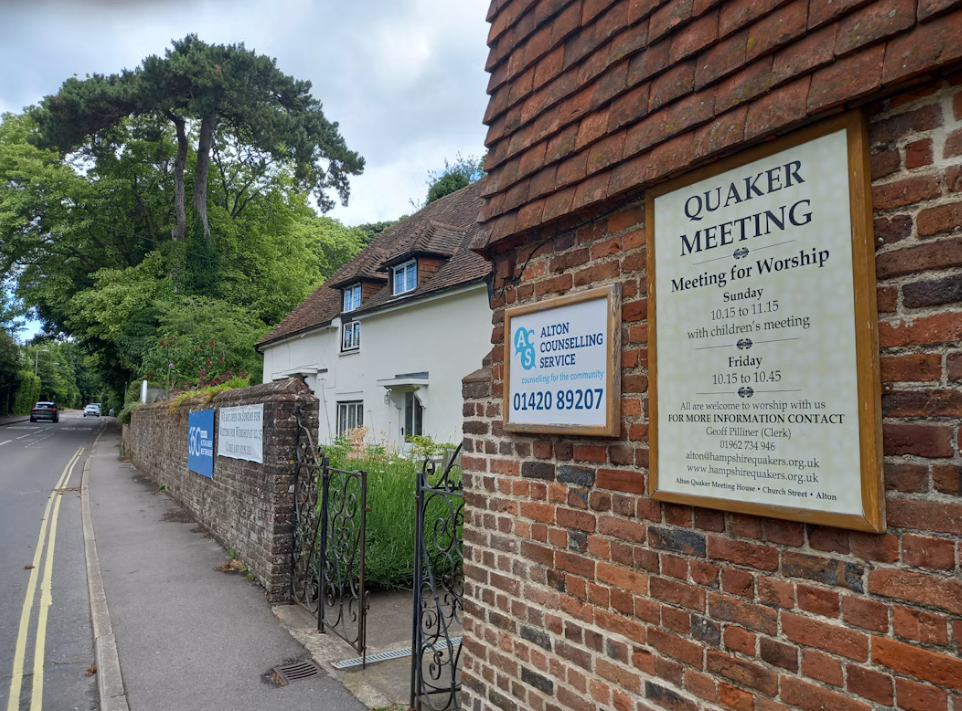
Quakers, Worship Can Be Entirely Silent
In the unprogrammed tradition of the Religious Society of Friends, meetings may begin without a sermon, music, or scheduled prayers. Participants sit together in silence, speaking only if they feel inwardly led to share a message.
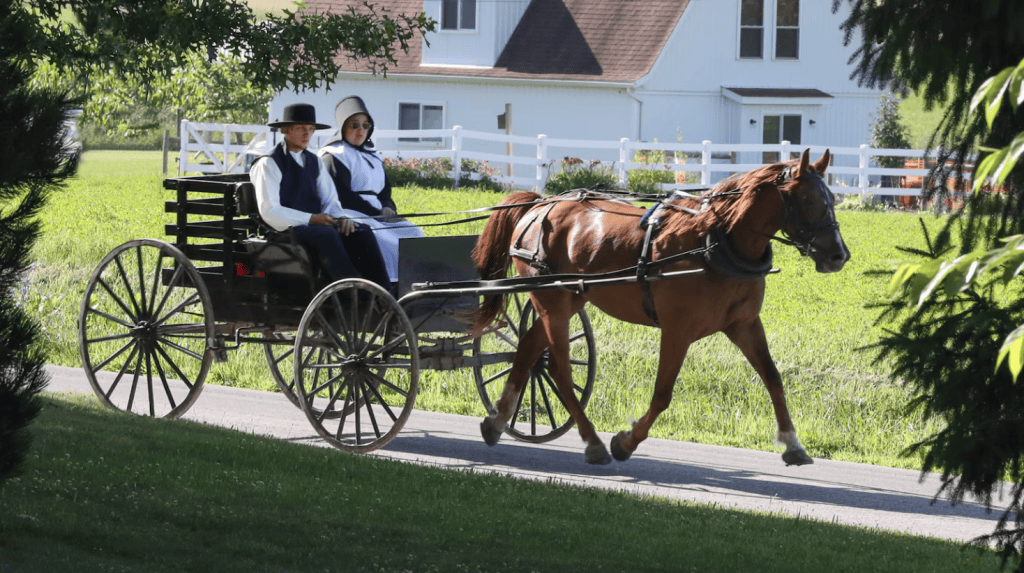
Amish Christianity, Technology Depends on the Community
Amish communities are known for restricting technologies such as private cars, household electricity, and telephones. These decisions are governed by community rules intended to protect humility and religious separation, rather than a universal rejection of modern technology.
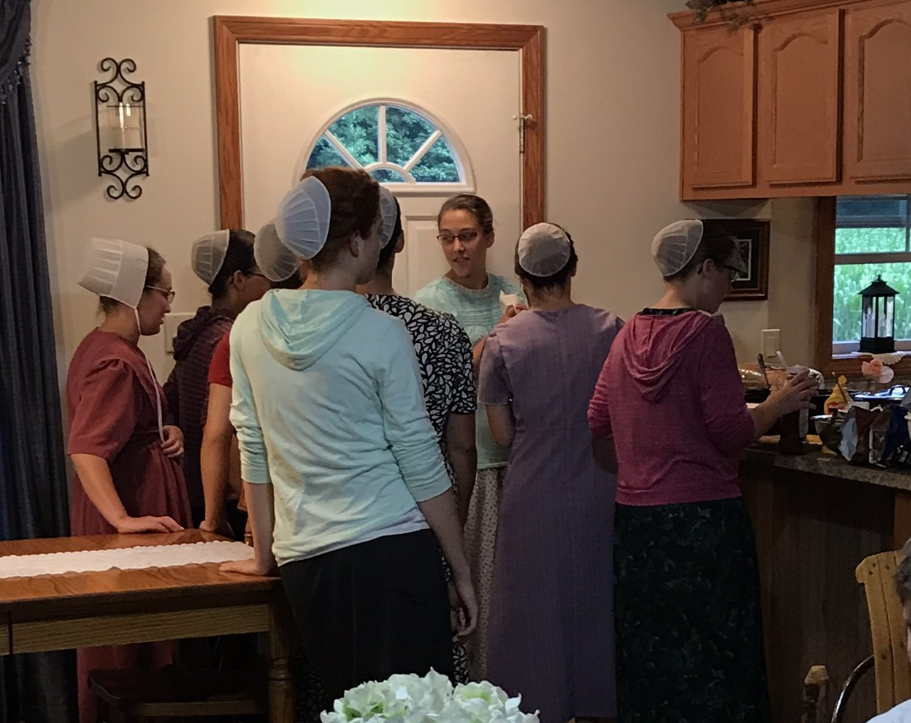
Mennonites, Foot Washing Can Be a Religious Practice
Some Mennonite congregations practice foot washing, following Jesus’ example of humility in the Gospel of John. While the ritual is not universal among Mennonites, it can accompany communion and emphasize service to fellow believers.
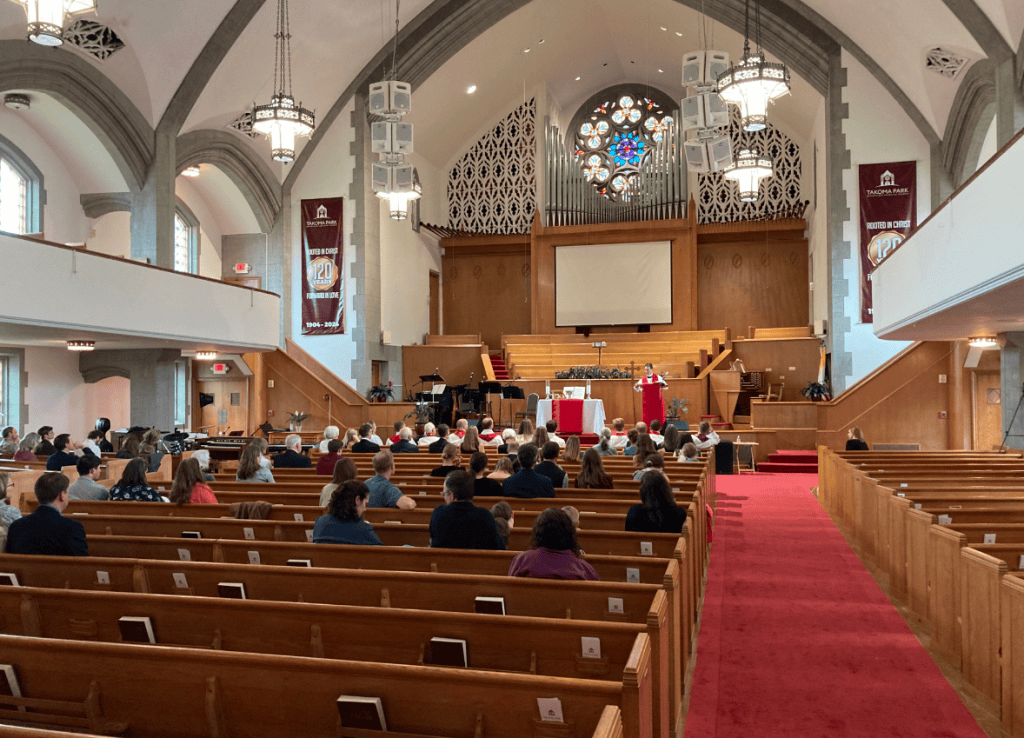
Seventh-day Adventism, Saturday Is the Sabbath
Unlike most Christians, Seventh-day Adventists observe the Sabbath on Saturday, the seventh day of the week. They generally set aside the period from Friday sunset to Saturday sunset for worship, rest, and religious observance, following their interpretation of biblical Sabbath commands.

Pentecostalism, Speaking in Tongues
Many Pentecostal churches teach that the Holy Spirit can give believers spiritual gifts, including speaking in tongues, prophecy, and healing. Speaking in tongues may involve unfamiliar languages or spiritual utterances, depending on the church’s interpretation and practice.
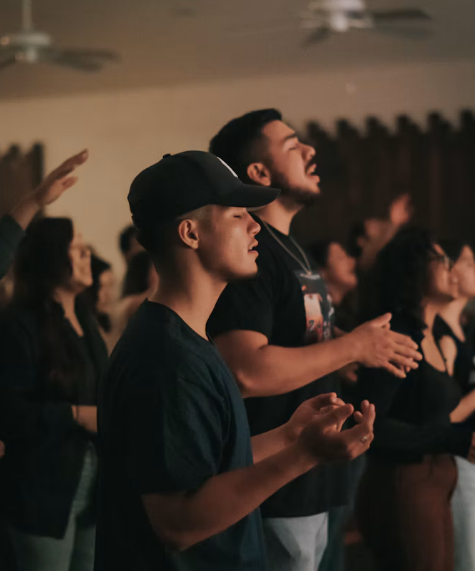
Churches of Christ, Worship Without Instrumental Music
Many congregations belonging to the Churches of Christ sing during worship without instrumental accompaniment. They understand this practice as following the New Testament’s examples of congregational singing, while other Christian traditions interpret the relevant passages differently.
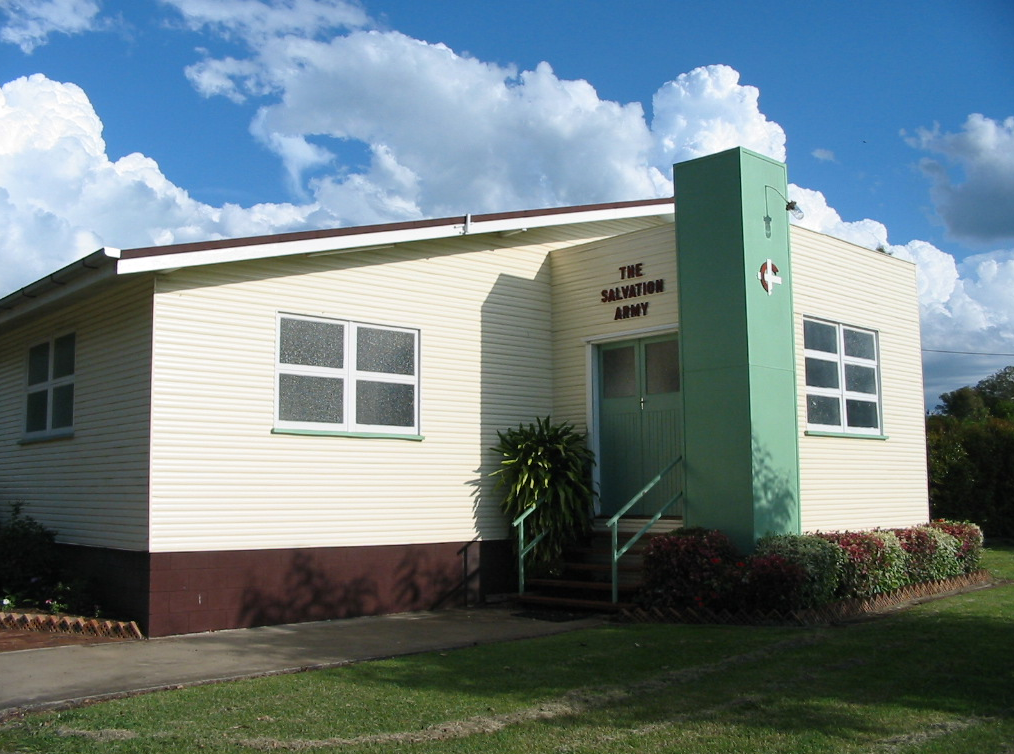
The Salvation Army, No Baptism or Communion Required
The Salvation Army traditionally does not practice water baptism or the Lord’s Supper as church ordinances. Its founders emphasized that holiness and Christian commitment should not depend on sacramental rituals, while the movement places strong emphasis on evangelism and helping people in need.