15 Insane Things That Were Still Normal in the 2000s


The 2000s don’t feel that long ago, but looking back, some everyday habits from that decade are genuinely hard to believe. People carried cameras that barely took decent pictures, posted personal details online without thinking twice, and spent hours waiting for songs to download. Parents let kids roam around with surprisingly little supervision, while schools, workplaces, and entire households followed rules that would raise plenty of eyebrows today. The strangest part is that most people barely questioned any of it at the time. If you grew up during this era, chances are you’ll remember at least a few of these.

Leaving Your Personal Information on MySpace
MySpace profiles often displayed full names, hometowns, relationship status, favorite hangouts, and personal photos for anyone to see. Many teenagers also listed their schools and added strangers as friends without giving online privacy much thought.
Downloading Songs From LimeWire
LimeWire made it easy to download music for free, but a single song could take ages to finish and sometimes turned out to be the wrong track entirely. Worse, those downloads occasionally came bundled with viruses that could wreck a family computer.

Using Your Phone to Take Terrible Photos
Early camera phones produced grainy pictures with washed out colors and almost no detail in low light. People still took hundreds of them, then sent the blurry results to friends through expensive multimedia messages.

Letting Kids Wander Around Until Dinner
In many households, children spent entire afternoons riding bikes, visiting friends, and exploring their neighborhoods without carrying a phone. Parents often expected them to return home by a certain time, with no way to check their location in the meantime.
Paying for Every Text Message
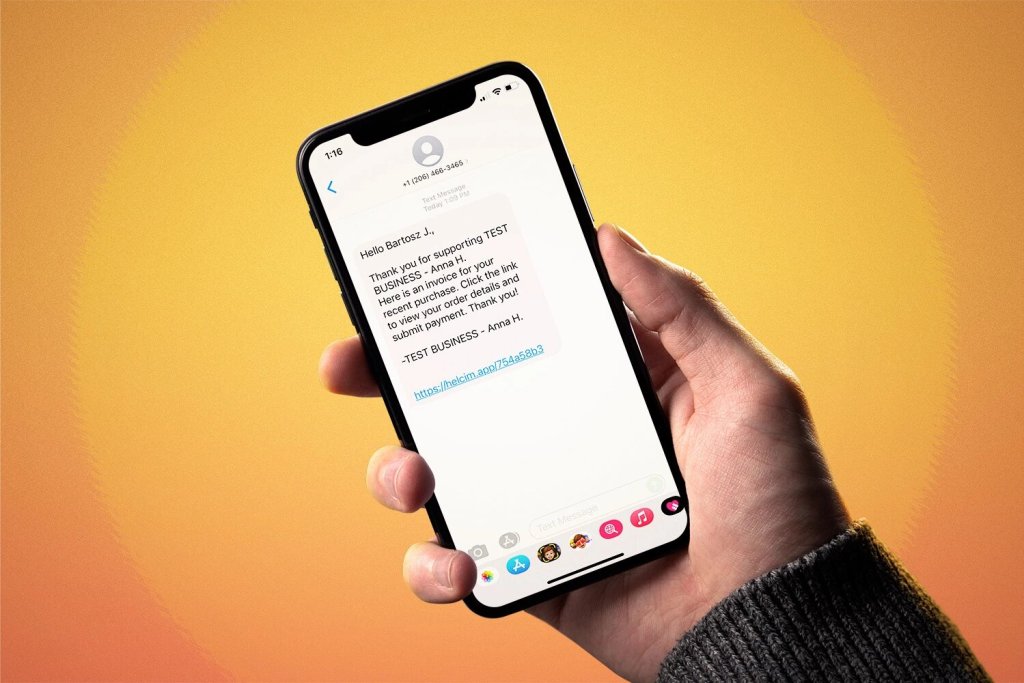
Unlimited texting was not always included in mobile plans, so teenagers had to count their messages or risk a surprisingly large phone bill. Some even used abbreviations and skipped vowels to squeeze entire conversations into a single text.
Burning CDs for Every Occasion
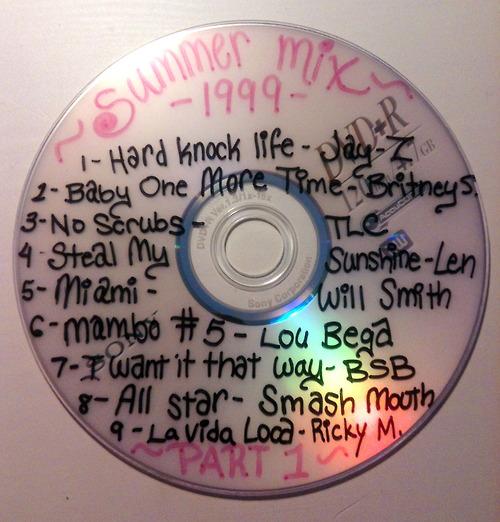
Making a personalized CD was a common way to share music, create a party playlist, or impress someone you liked. People carefully selected tracks, decorated the disc with a marker, and hoped it would actually play in the recipient’s stereo.
Sharing One Family Computer
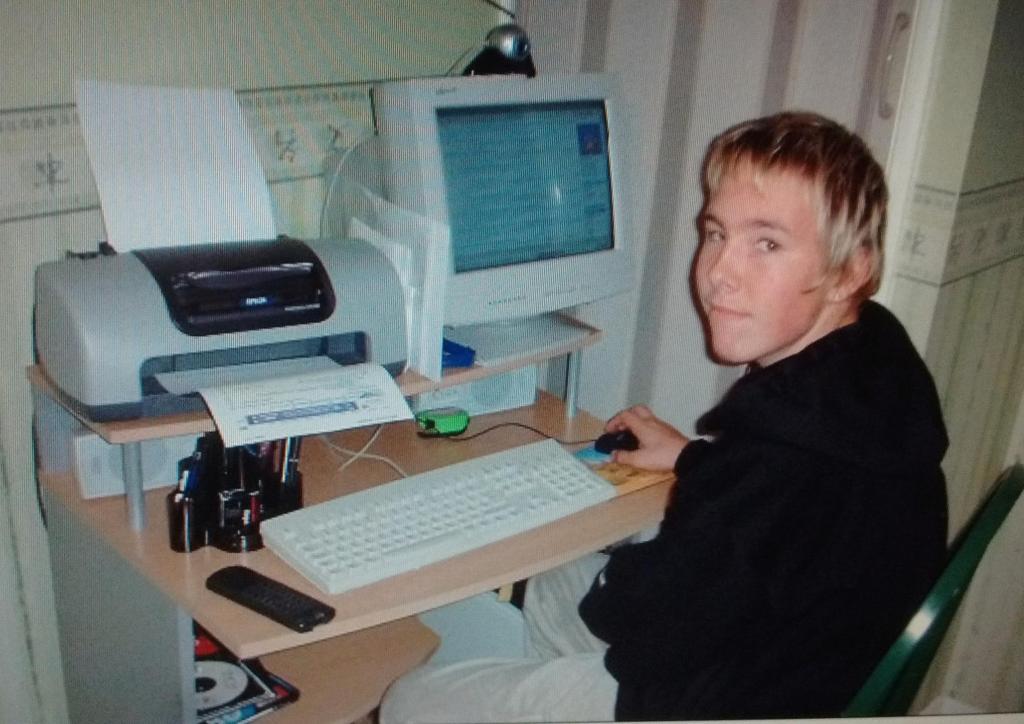
A household computer was often set up in the living room or another shared space, meaning everyone had to negotiate their turn. If someone needed the telephone line for a call, anyone using dial up internet could suddenly lose their connection.
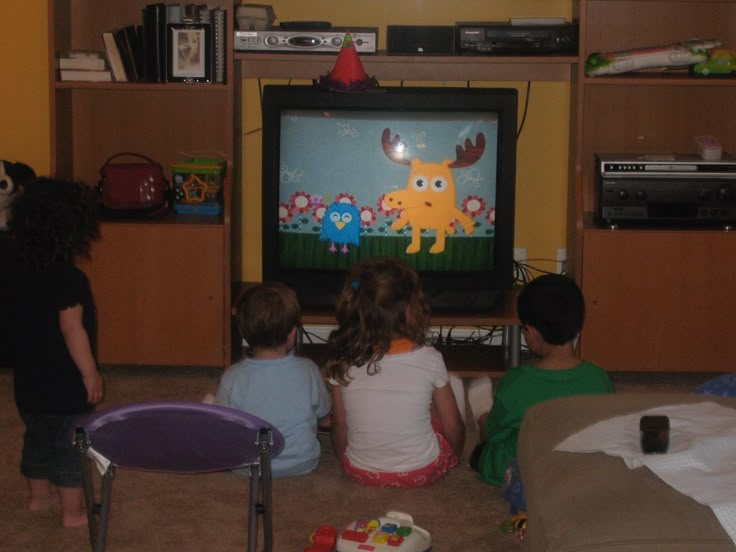
Watching Whatever Happened to Be on TV
Missing an episode of your favorite show could mean waiting months for a rerun, buying a DVD, or asking someone what happened. Streaming services had not yet made entire seasons available at the push of a button.
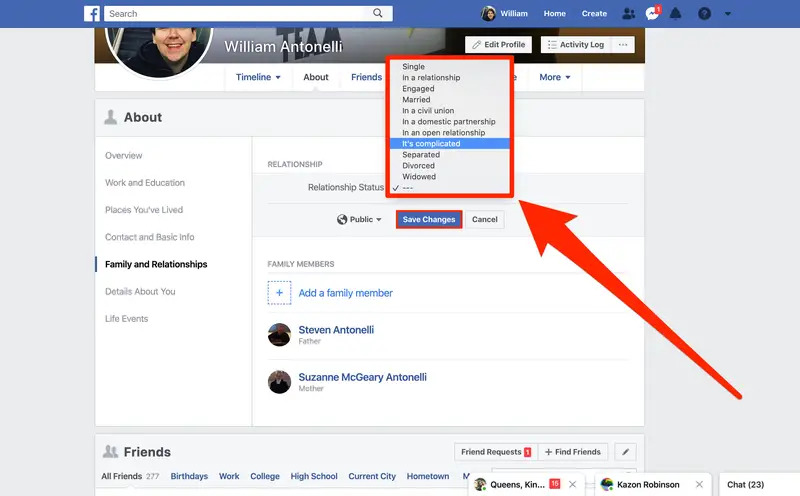
Making Your Relationship Status Public
Changing your relationship status on MySpace or Facebook could become a major social event. Friends noticed every update, breakups played out online, and a person’s profile could reveal romantic drama before they had even told their family.

Carrying a Dedicated MP3 Player
Many people carried an iPod or another MP3 player alongside their mobile phone, keys, and wallet. Music libraries had to be organized on a computer, and running out of battery meant losing access to the soundtrack for the rest of the day.

Using Flashing Text and Glitter Graphics
Personal websites and social profiles were often covered in animated glitter, blinking text, autoplay music, and elaborate backgrounds. A page could take forever to load, yet its owner might consider every flashing element essential to the design.
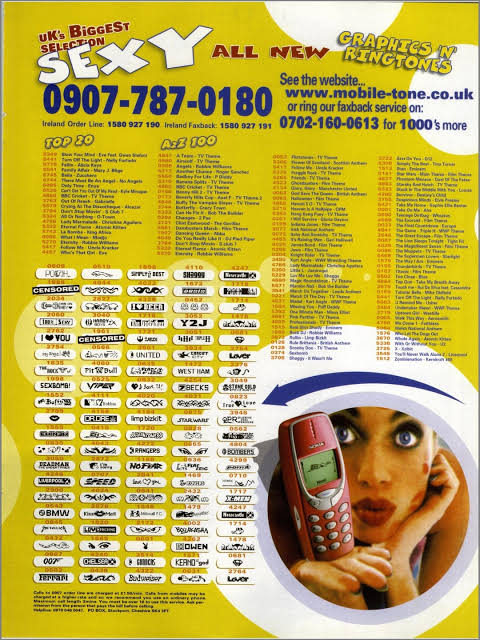
Buying Ringtones Instead of Using Any Song You Wanted
Mobile phone users frequently paid for short, heavily compressed versions of popular songs to use as ringtones. Some services charged recurring fees, and getting the exact section of a track you wanted could be surprisingly difficult.
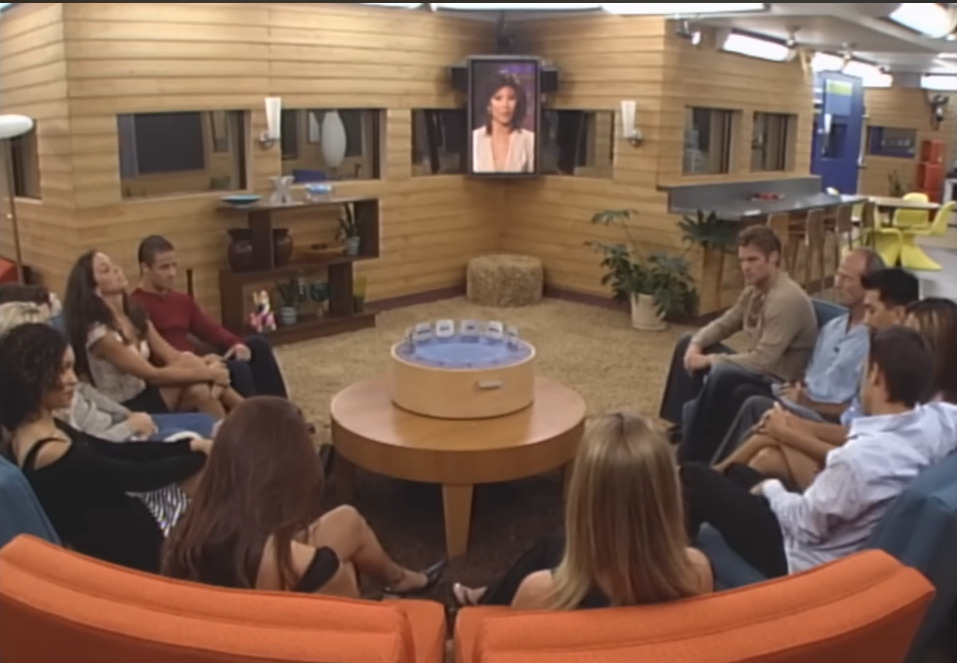
Posting Everything on Reality TV
Reality television regularly broadcast arguments, embarrassing personal moments, and intimate relationship problems to huge audiences. Contestants often signed away significant control over how their footage was edited, while viewers watched the drama unfold every week.
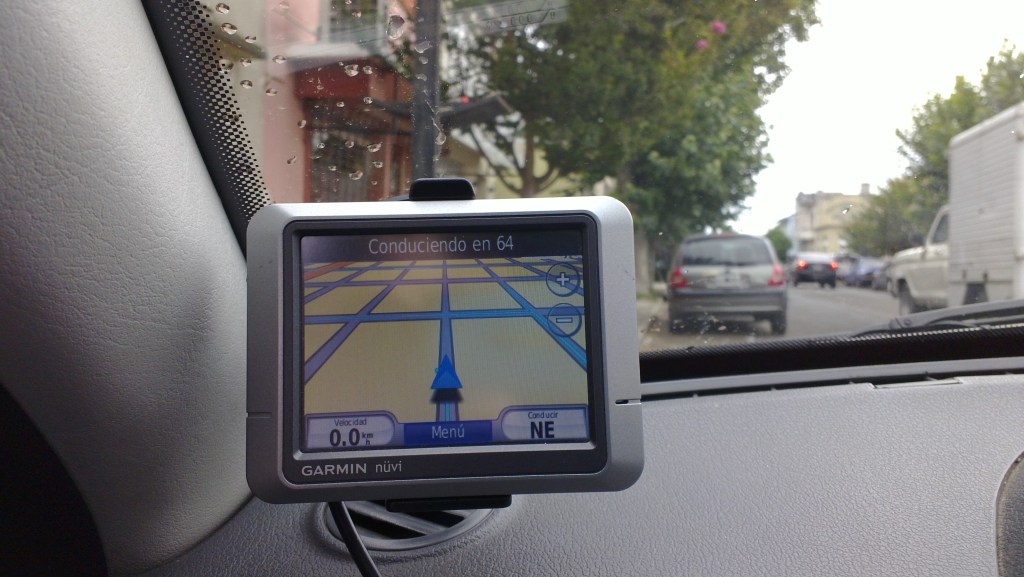
Using GPS Devices That Didn’t Always Know Where You Were
Dedicated navigation devices became popular in cars, but their directions could be confusing, outdated, or wildly inconvenient. Drivers sometimes followed a robotic voice into the wrong street or discovered that the supposedly fastest route was anything but.
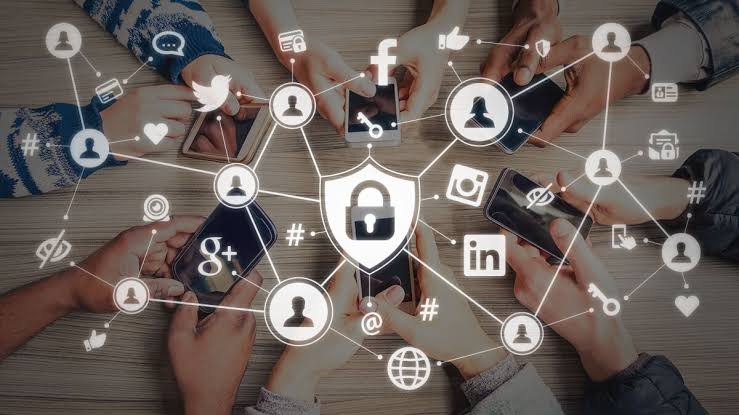
Thinking Online Privacy Wasn’t a Big Deal
Many people treated the internet as a separate world where personal details were unlikely to follow them into real life. Posting vacation plans, revealing private conversations, and uploading embarrassing photos seemed relatively harmless before social media became such a permanent part of everyday identity.