12 Times a War Was Fought and Won in a Day

The word ‘war’ can elicit some terrible thoughts, particularly for anyone that lived through them or similar armed conflicts. These lethal and harrowing events shape nations and destroy the land, although they don’t always take decades to resolve. After all, wars aren’t defined by a minimum required length of time.
These following wars have all one thing in common: having been fought and won within a day. Some of them still caused casualties, yet much less than the devastations of what we would consider ‘normal’ wars. If only most conflicts would end just as fast.
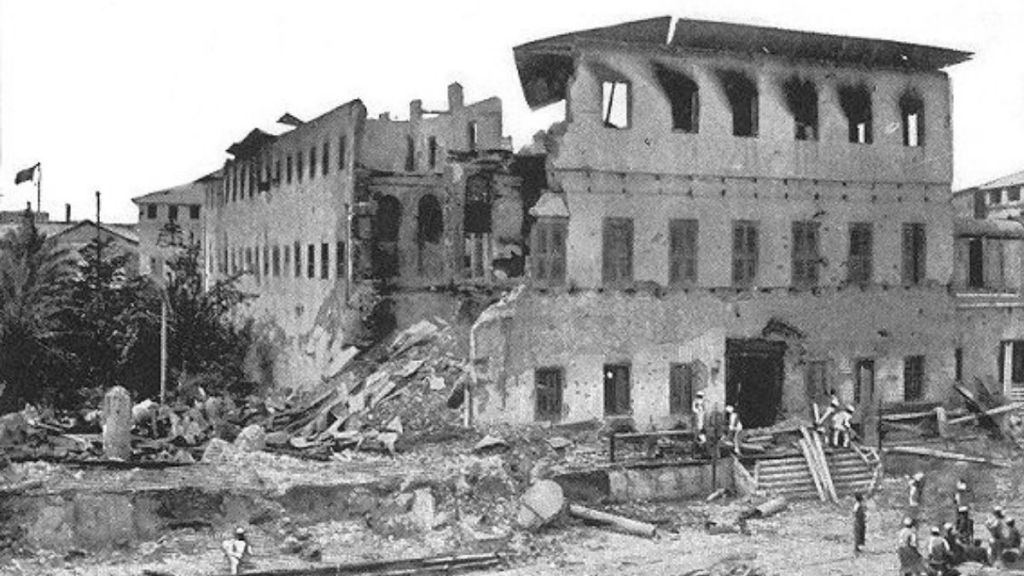
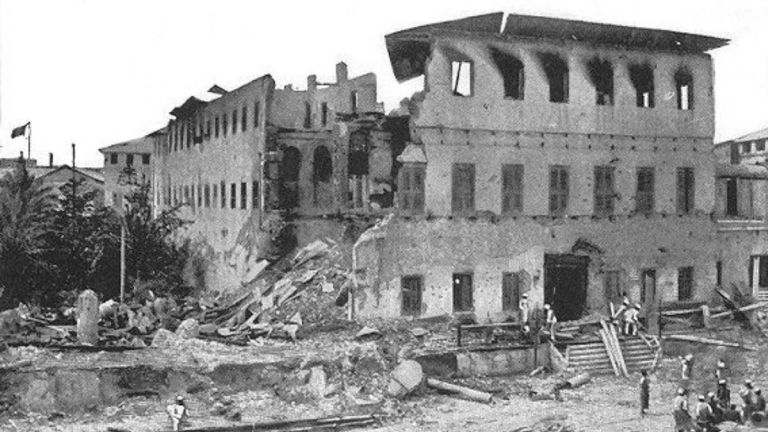
Anglo-Zanzibar War, 1896
Widely considered the shortest war in history, this conflict lasted approximately 38 to 45 minutes. British warships bombarded the Sultan’s palace after an ultimatum expired, forcing Zanzibar’s ruler to flee and surrender.
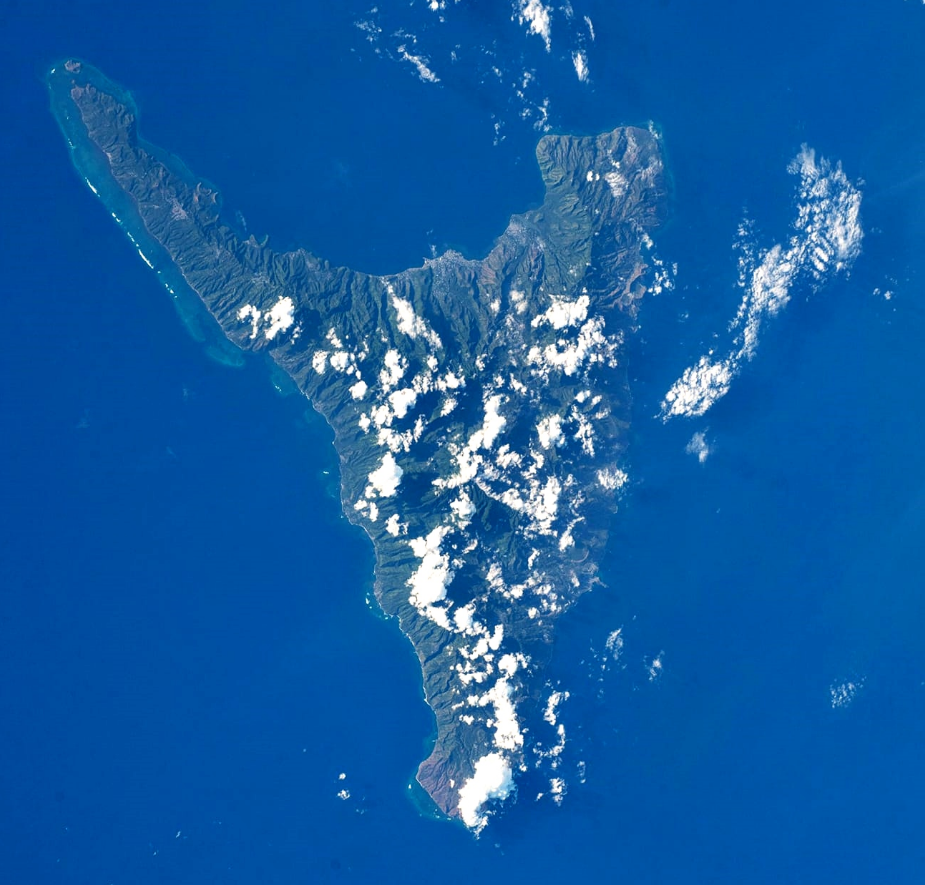
Invasion of Anjouan, 2008
Comorian government forces, supported by African Union troops, invaded the separatist-controlled island of Anjouan on March 25, 2008. The operation made rapid progress within hours, ultimately overthrowing the island’s self-declared leader, Mohamed Bacar.
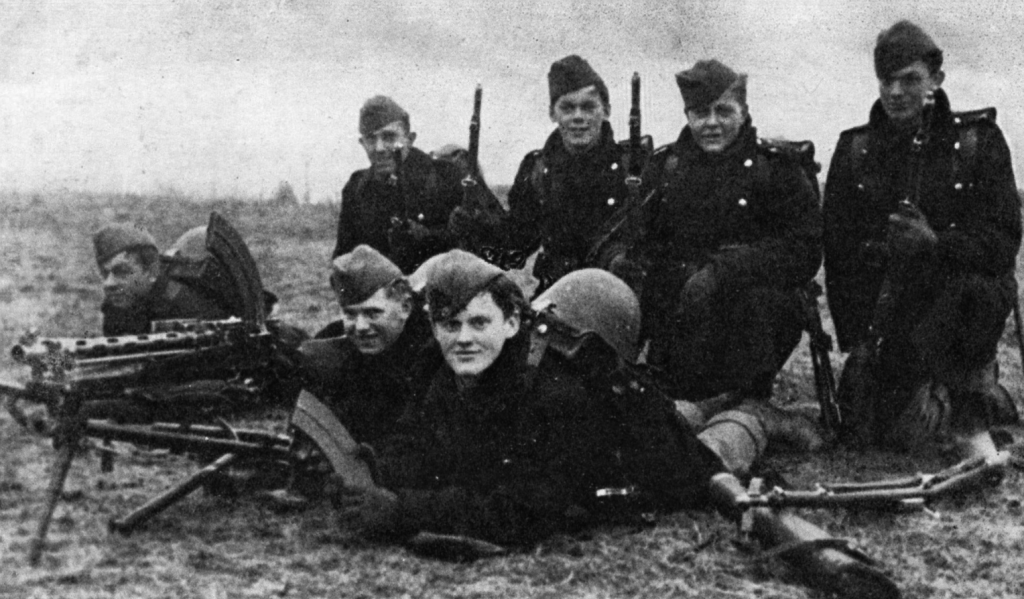
German Invasion of Denmark, 1940
Nazi Germany invaded Denmark on April 9, 1940. After only a few hours of fighting, the Danish government surrendered, recognizing that continued resistance against the overwhelmingly stronger German military would cause devastating losses.
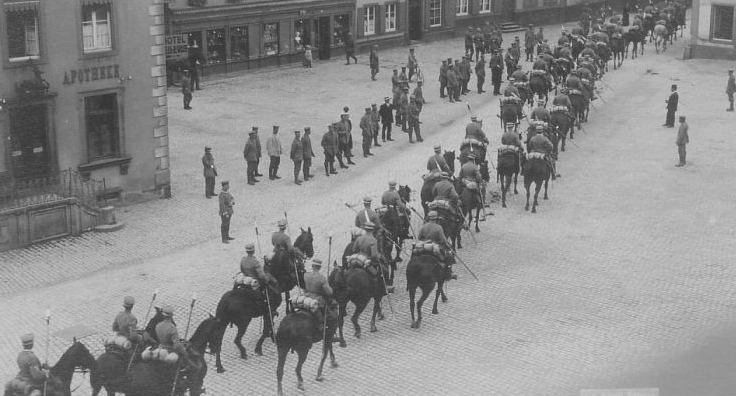
German Invasion of Luxembourg, 1940
Germany invaded neutral Luxembourg on May 10, 1940, as part of its wider offensive against Western Europe. German forces quickly overwhelmed the small country, occupying it within hours, although the occupation continued throughout the war.
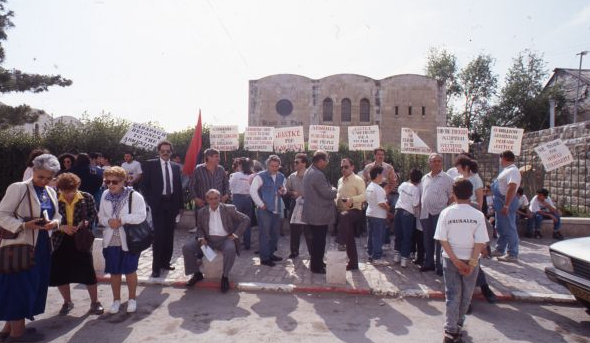
Azerbaijan’s Offensive in Nagorno-Karabakh, 2023
Azerbaijan launched a military offensive in Nagorno-Karabakh on September 19, 2023. After approximately 24 hours of fighting, separatist Armenian authorities agreed to a ceasefire, paving the way for Azerbaijan to regain control of the region.
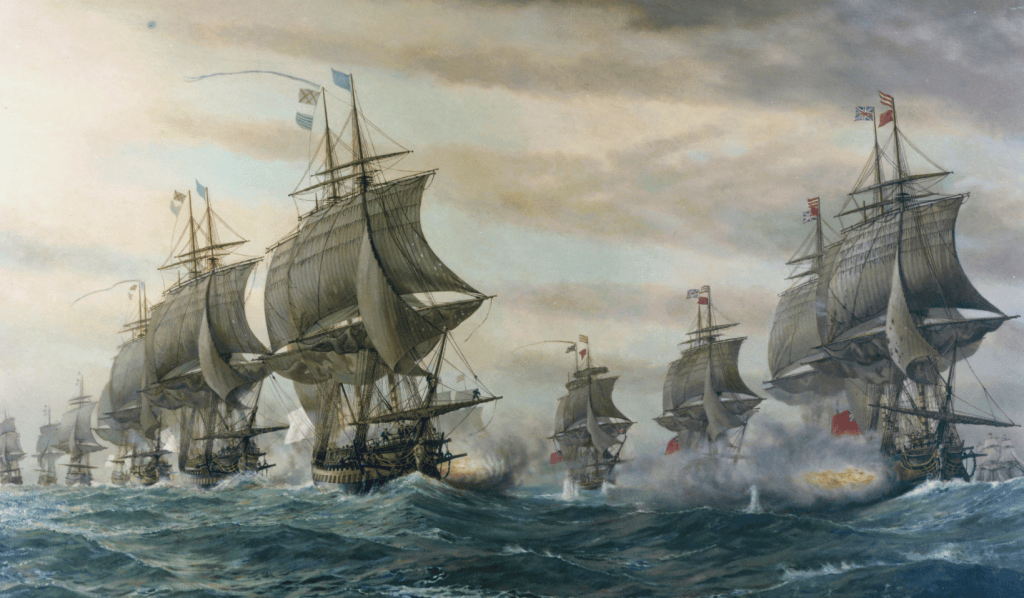
Battle of Chesapeake, 1781
A French naval victory over Britain on September 5, 1781, prevented British ships from rescuing their army at Yorktown. This crucial engagement helped trap British forces, contributing directly to the surrender that transformed the American Revolutionary War.
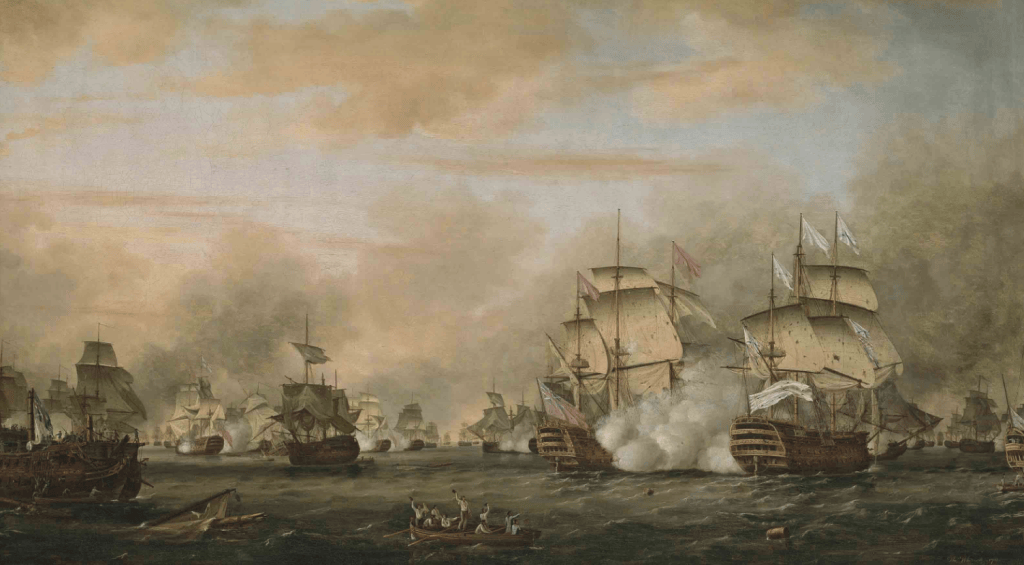
Battle of the Saintes, 1782
On April 12, 1782, British Admiral George Rodney defeated a French fleet in the Caribbean. The victory thwarted French plans to invade Jamaica and strengthened Britain’s position during negotiations that eventually concluded the American Revolutionary War.
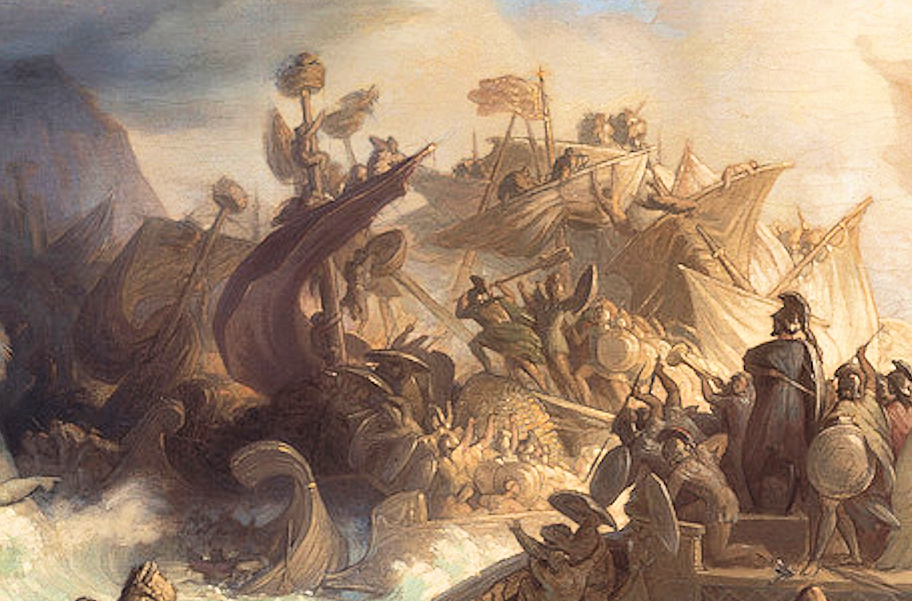
Battle of Salamis, 480 BC
The Greek fleet defeated the Persian navy at Salamis in one of antiquity’s most consequential naval battles. The defeat prompted King Xerxes to return to Asia with much of his army, turning the tide of the Persian invasion.
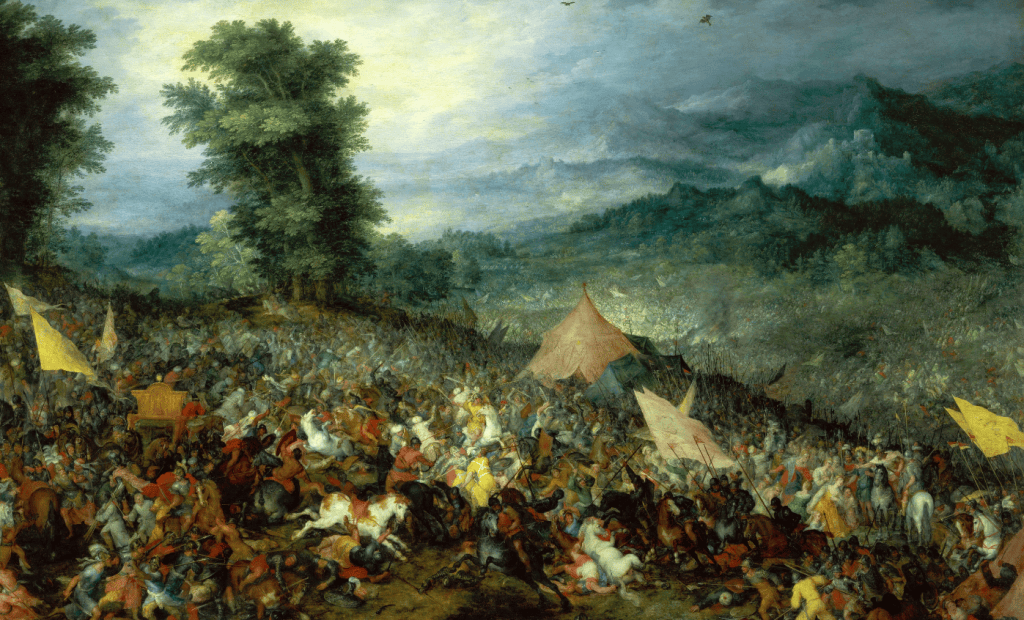
Battle of Gaugamela, 331 BC
Alexander the Great defeated Persian King Darius III at Gaugamela in a decisive battle that shattered the Achaemenid Empire’s ability to resist effectively. Although Darius escaped, Alexander’s victory accelerated his conquest of the Persian Empire.
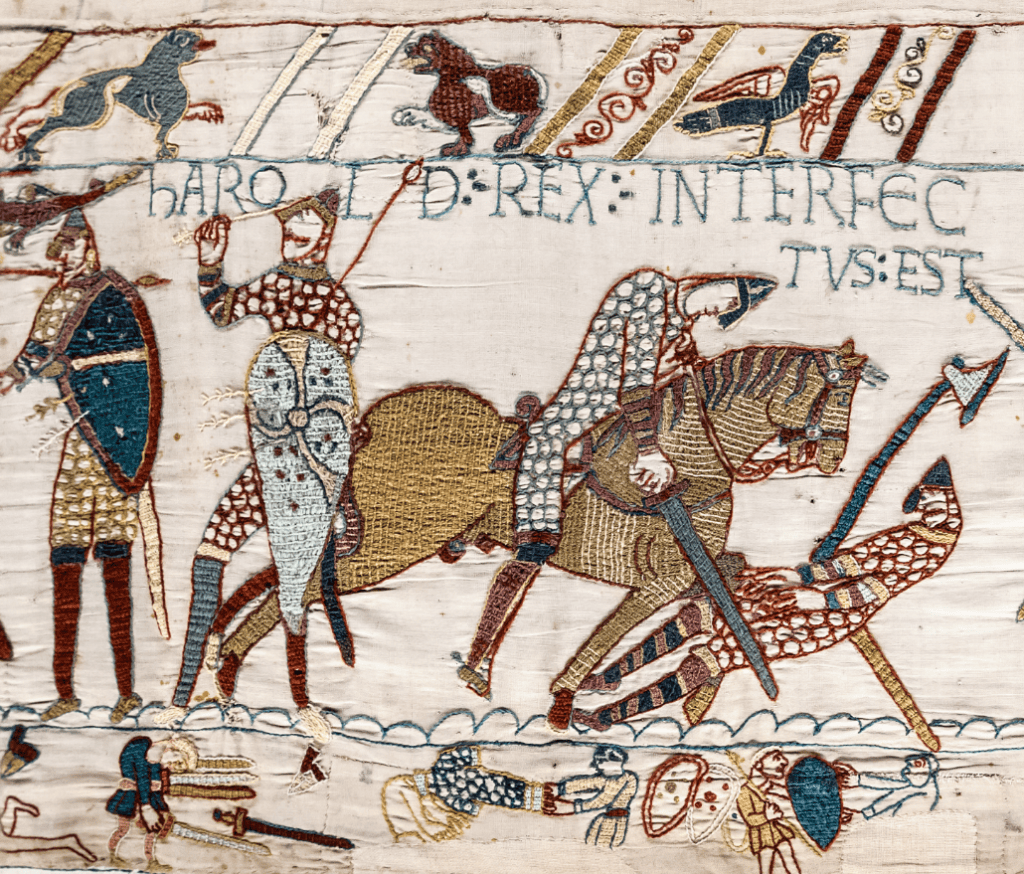
Battle of Hastings, 1066
William, Duke of Normandy, defeated King Harold II’s army at Hastings after a battle that lasted throughout October 14. Harold’s death broke English resistance and opened the way for William’s conquest and takeover of the English throne.
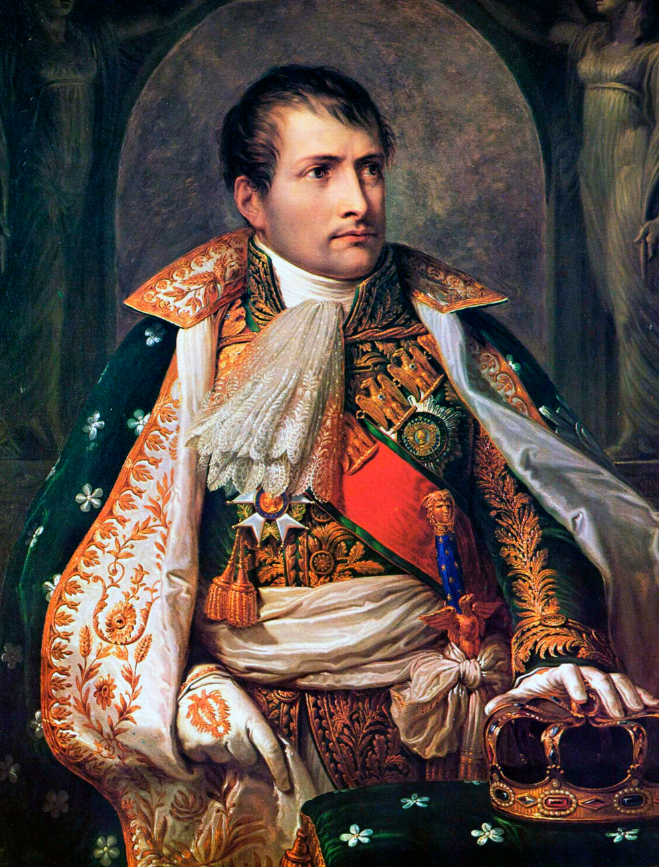
Battle of Waterloo, 1815
On June 18, 1815, British-led Allied and Prussian forces defeated Napoleon’s army at Waterloo. The defeat ended his attempt to reclaim power during the Hundred Days and permanently destroyed his imperial ambitions.
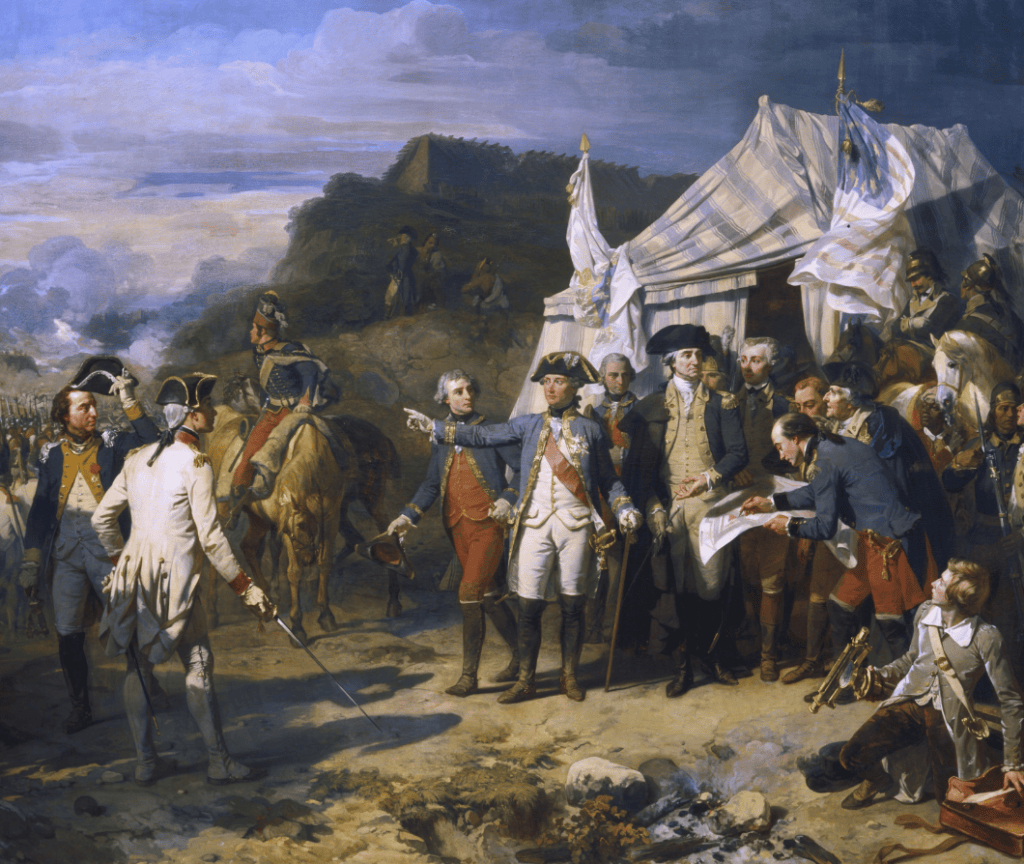
Siege of Yorktown, 1781
The siege of Yorktown culminated in the surrender of British General Charles Cornwallis on October 19, 1781. Although the siege lasted weeks, the capitulation became a decisive turning point that helped push Britain toward peace with the United States.