16 First Responders Share the Most Dangerous Things People Do


First responders regularly witness how ordinary decisions can turn into life-threatening emergencies. Things that we consider completely safe can be the last ones we make, since just because nothing bad happened so far, doesn’t mean something bad can’t happen in the future. This isn’t about being paranoid, it’s about being safe.
A Reddit post asking emergency workers about the most dangerous things people do brought together warnings from paramedics, 911 operators, and others familiar with preventable injuries. Many of these situations are avoidable, which makes the warnings worth taking seriously. Here are their most important tips.
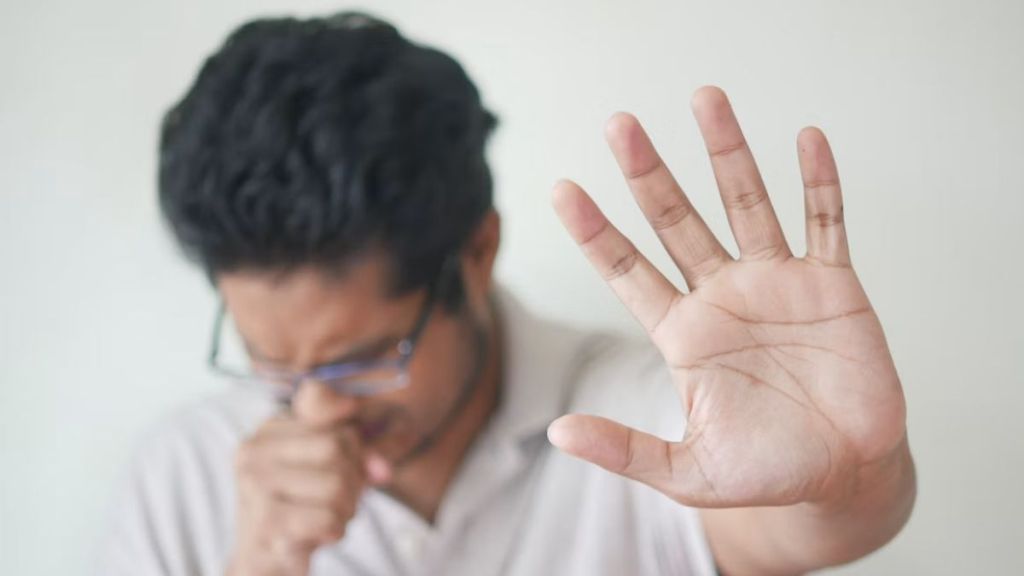
Ignoring Serious Symptoms
One of the most dangerous choices is ignoring symptoms until they become an emergency. Chest pain, persistent shoulder or back discomfort, unexplained weight gain, or suddenly struggling to sleep lying flat deserve prompt medical attention.

Failing to Follow Medical Advice
Getting emergency treatment is only part of recovery. Skipping follow-up appointments or taking prescribed medication inconsistently can undo progress, including after major procedures when medication helps prevent potentially life-threatening complications.
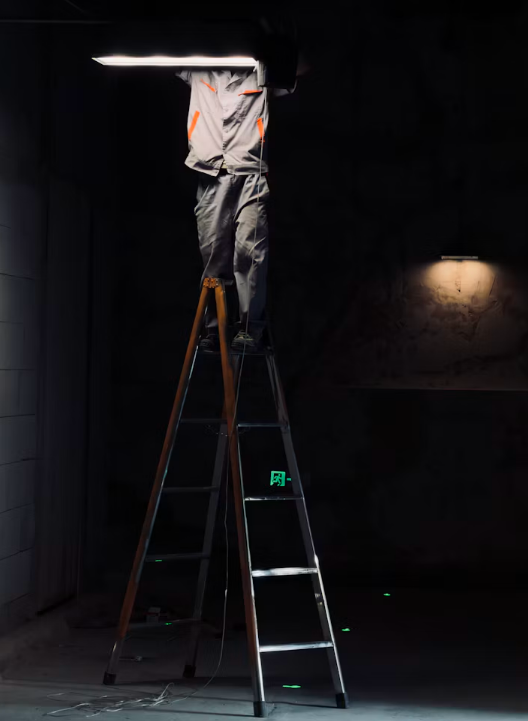
Underestimating Ladders
While ladders may look simple, falls can cause devastating injuries. Emergency workers warn against careless ladder use, especially when people combine ladders with chainsaws, overreach, choose unsuitable equipment, or fail to secure them properly.
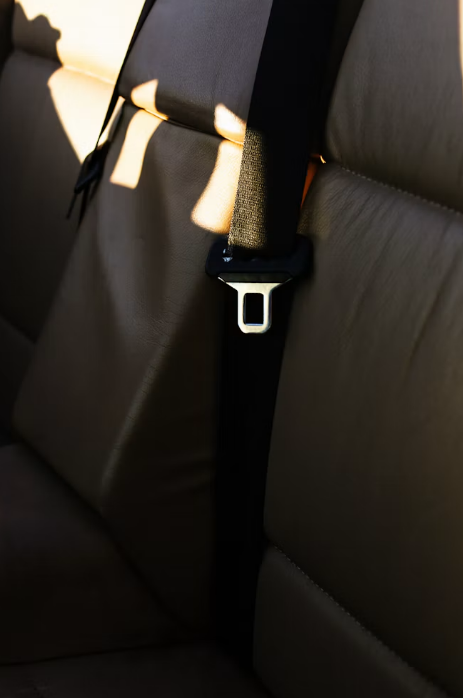
Not Wearing a Seat Belt
Even though modern cars have safety features, they cannot replace seat belts. During a crash, an unrestrained occupant can be thrown around the vehicle or ejected, dramatically increasing the risk of serious injury or death.
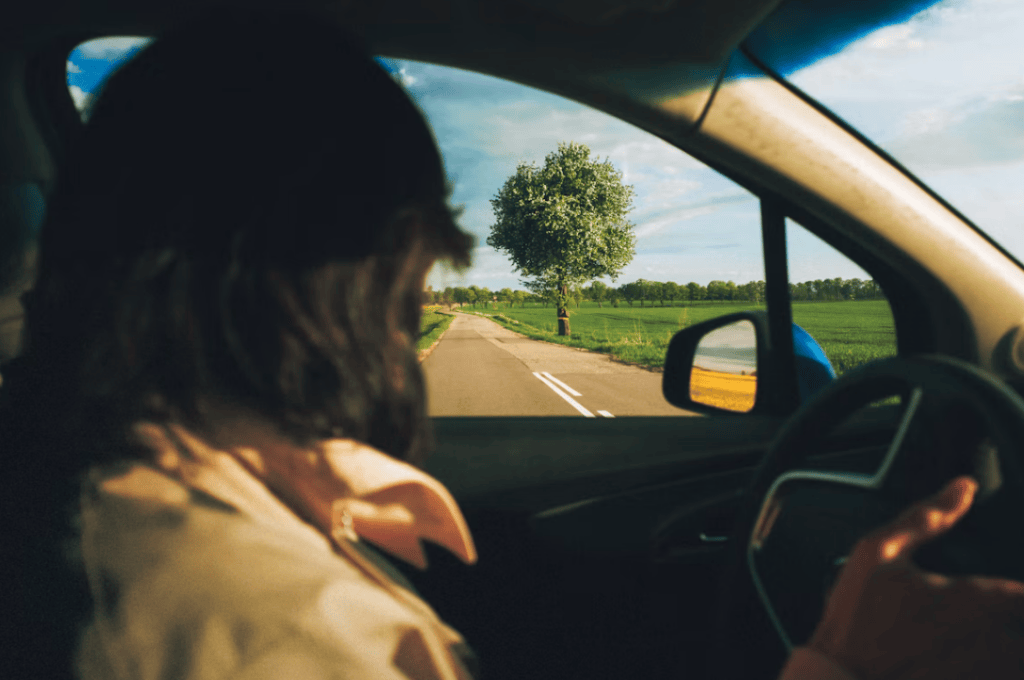
Driving Aggressively
Aggressive driving and road rage can turn minor inconveniences into deadly confrontations. Driving defensively, respecting speed limits, and refusing to retaliate against other motorists are safer choices, even when you believe you have the right of way.

Riding Without a Helmet
Skipping a helmet while cycling, riding a scooter, or playing certain sports leaves your head more vulnerable to traumatic injury. A short trip or familiar route does not make a crash harmless or impossible.
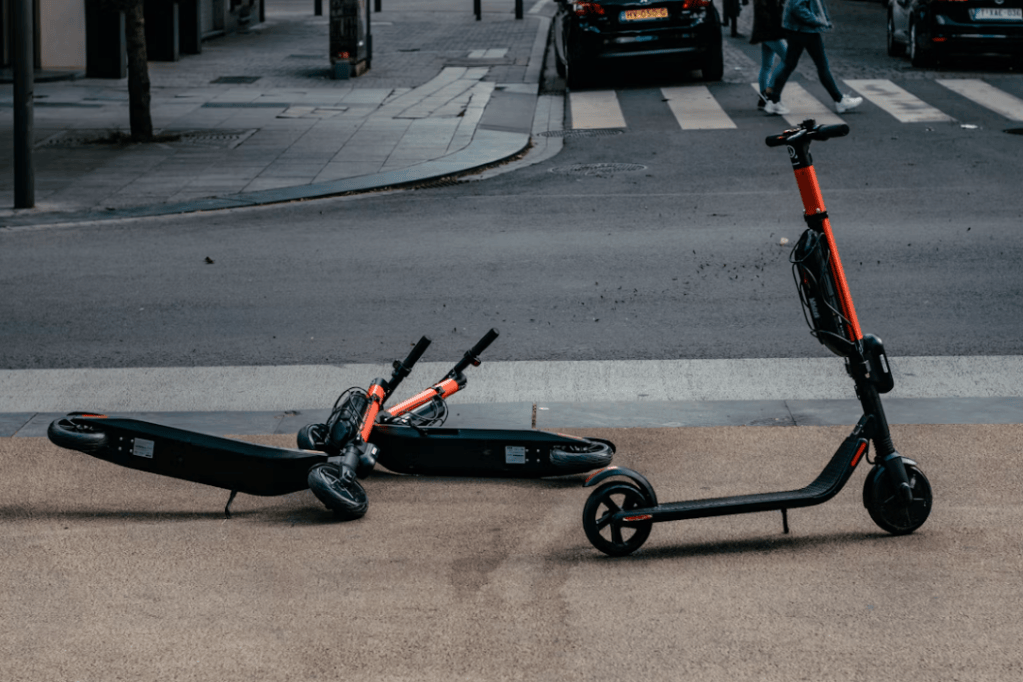
Riding E-Scooters While Drunk
Riding an electric scooter while intoxicated is dangerous enough, but carrying a second person makes the situation even riskier. Without helmets, both riders can suffer serious injuries from a fall, potentially turning a cheap ride home into an expensive emergency.

Drinking Too Much Alcohol
Alcohol can impair judgment and coordination, making ordinary activities more dangerous. A fall that might otherwise cause a minor injury can become a medical emergency, particularly for older adults who may suffer serious head trauma.
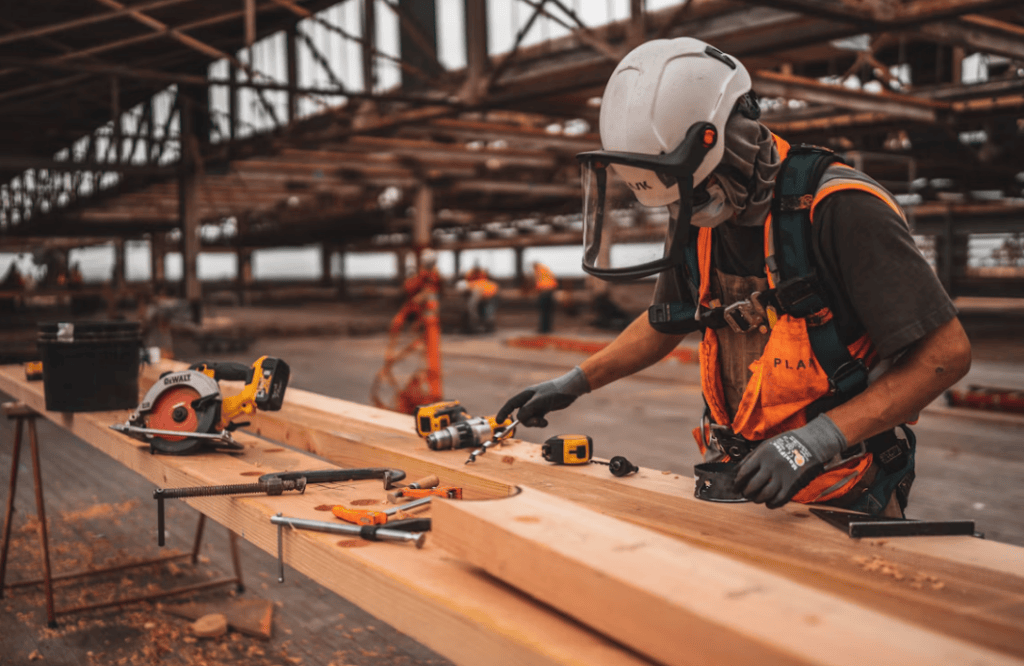
Skipping Basic Protective Equipment
Eye protection and gloves take seconds to put on, yet workers sometimes ignore them during hazardous tasks. First responders with industrial safety experience warn that skipping simple protective equipment can turn preventable accidents into serious injuries.

Ignoring Changing Outdoor Conditions
Outdoor plans should change when the weather or surroundings change. Continuing despite worsening conditions can leave people cold, wet, hungry, or stranded after daylight fades. Recognizing the first warning sign is safer than waiting until options disappear.

Underestimating Football and E-Bike Injuries
Some injuries can have consequences long after the initial accident. A pediatric physical therapist in the thread warned about lasting injuries among patients who played football or rode electric bikes, making both activities serious considerations for parents.
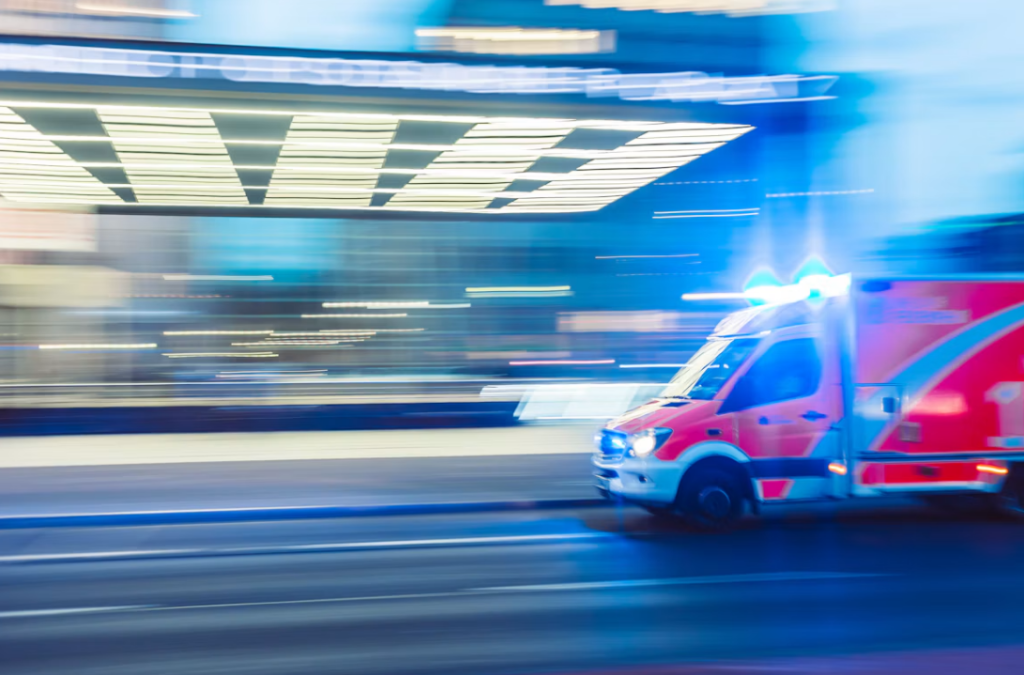
Waiting Too Long to Call 911
Fear of overreacting can stop people from calling emergency services when they need help. Waiting for absolute certainty may waste valuable time, so people should take potentially serious emergencies seriously rather than dismissing their concerns out of embarrassment.
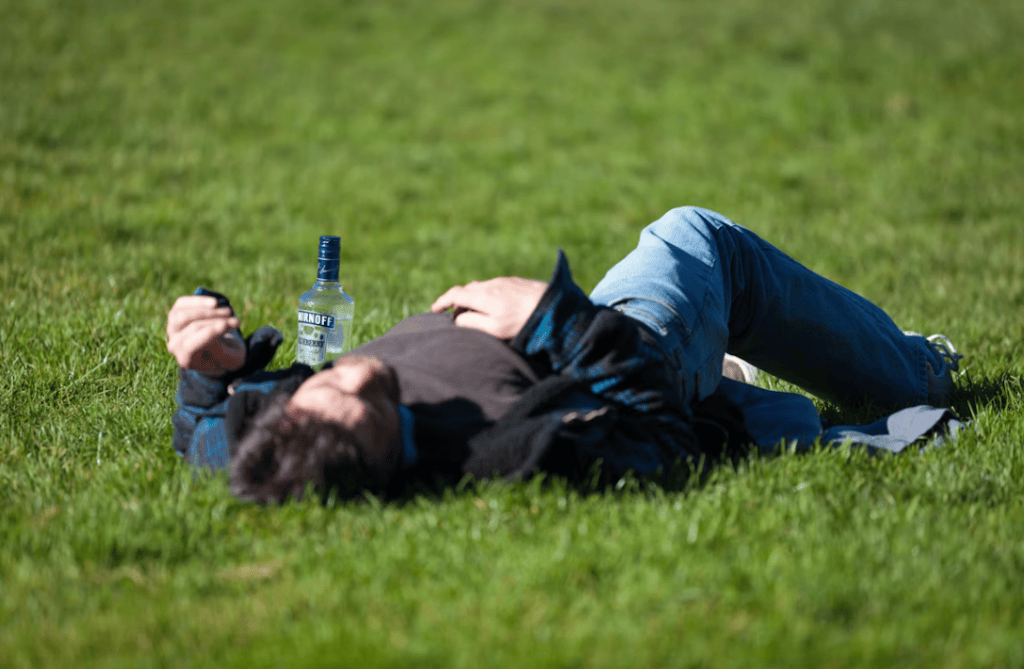
Climbing Things While Drunk
Alcohol can make people more impulsive and less aware of danger. One paramedic’s account highlighted intoxicated people climbing structures, creating unnecessary fall risks that could easily be avoided by staying on the ground.

Leaving Cooking Unattended
Putting food in the oven and leaving home to run errands creates an avoidable household fire risk. Cooking requires attention, and even a routine task can become dangerous when nobody is there to notice a problem.
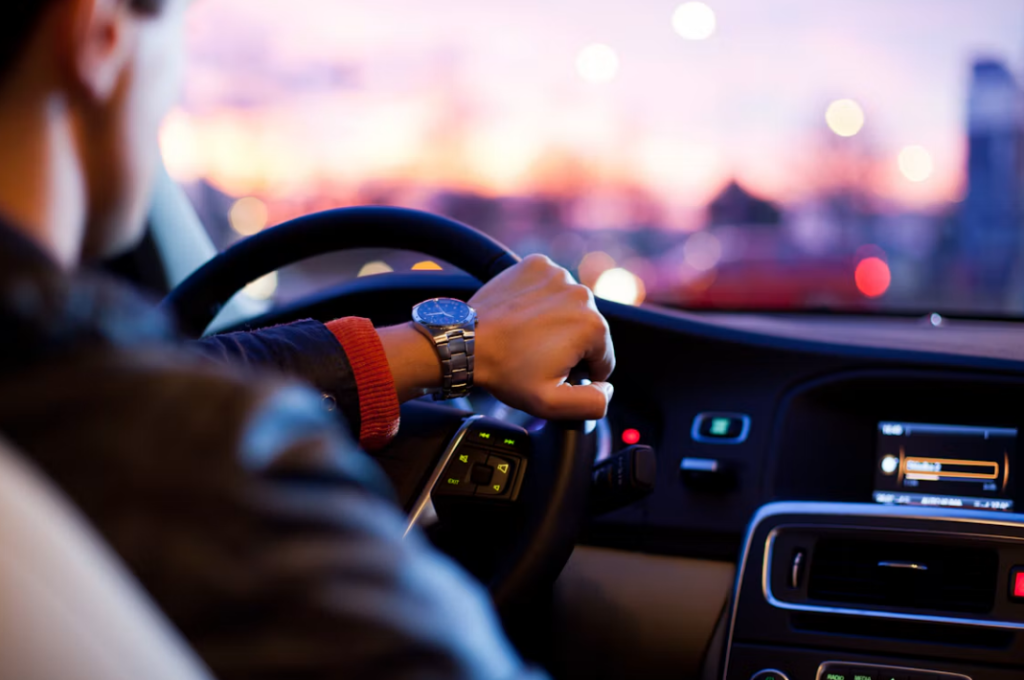
Texting While Driving
Reading or sending a text takes a driver’s attention away from the road, even if only briefly. At highway speeds, those seconds can mean traveling a substantial distance without watching traffic, putting drivers and pedestrians at risk.
Following or Antagonizing Suspects
Trying to follow, confront, or provoke someone believed to have committed a crime can put bystanders in an unpredictable situation. A person may be armed or willing to attack, so keeping your distance and contacting authorities is safer.