15 Historical Photos Where Work Looks Especially Exhausting

A long day at the office can be tiring, but some old workplace photographs put that feeling into perspective. Imagine spending your shift balancing on the steel framework of a skyscraper, hauling fishing nets out of the ocean, or digging through solid ground to make room for a subway station. These weren’t unusual assignments for the people doing them. They were ordinary working days, often involving heavy equipment, dangerous conditions, and very little physical comfort. Historical photographers captured many of these jobs in remarkable detail, including the people who helped build cities, harvest crops, and keep industries running. Here are 15 photographs of work that looks genuinely exhausting.
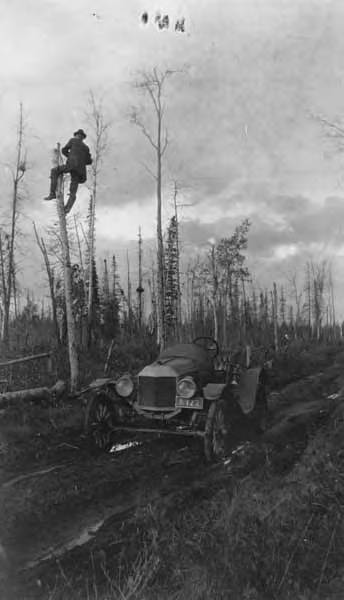
Even Fixing Telephone Lines Was a Dangerous Climb
A photograph from around 1916–1918 shows a worker named Smith perched high on a utility pole in Alaska, repairing telephone or telegraph lines without modern lifting equipment.
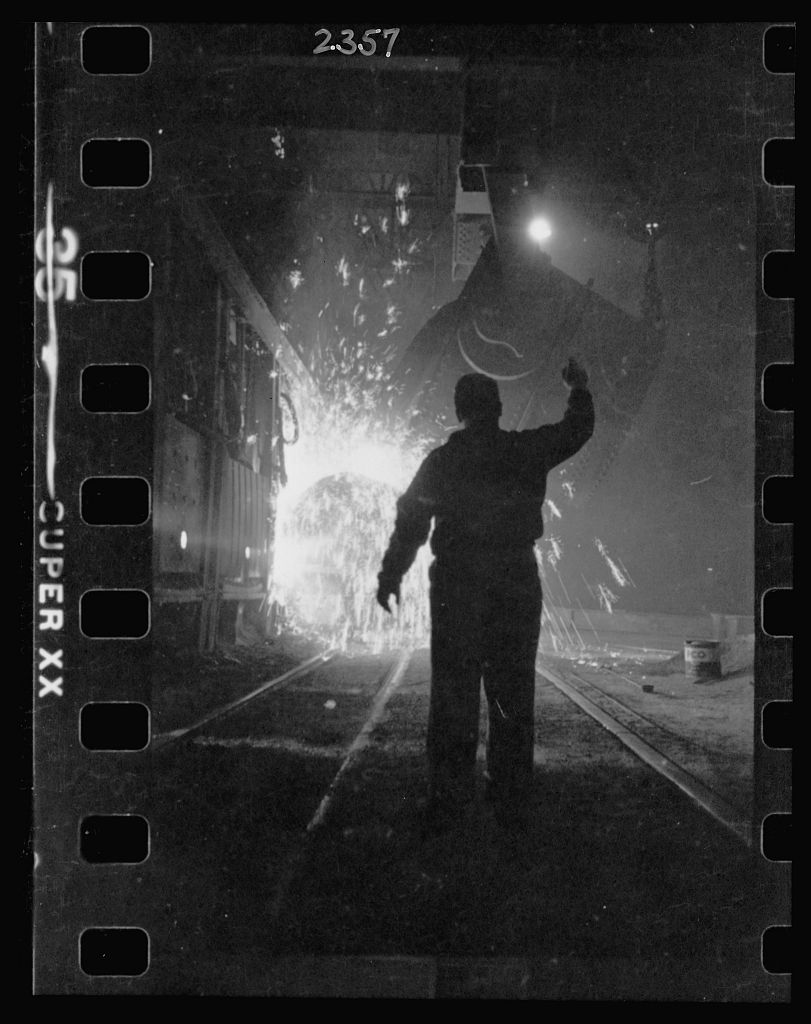
Steelworkers Had to Work Beside Molten Metal
Stanley Kubrick photographed a Chicago steelworker in 1949 as molten steel poured from a container, capturing the intense heat and hazards of industrial work.
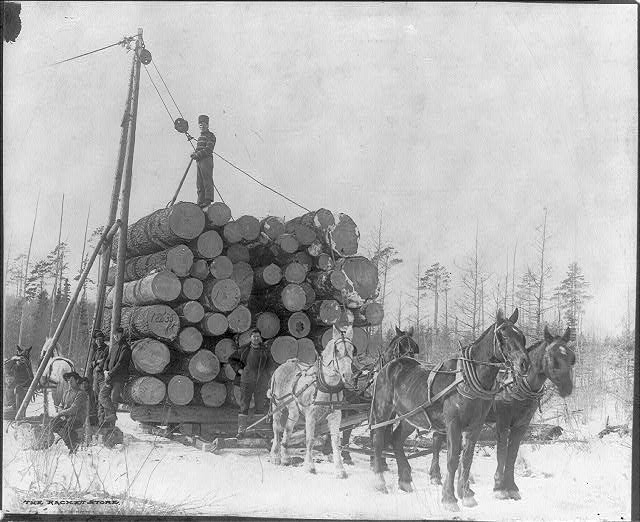
Moving Timber Required More Than a Few Horses
An 1895 photograph from Minnesota shows an enormous load of logs stacked on a sled, with a team of four horses responsible for pulling it.
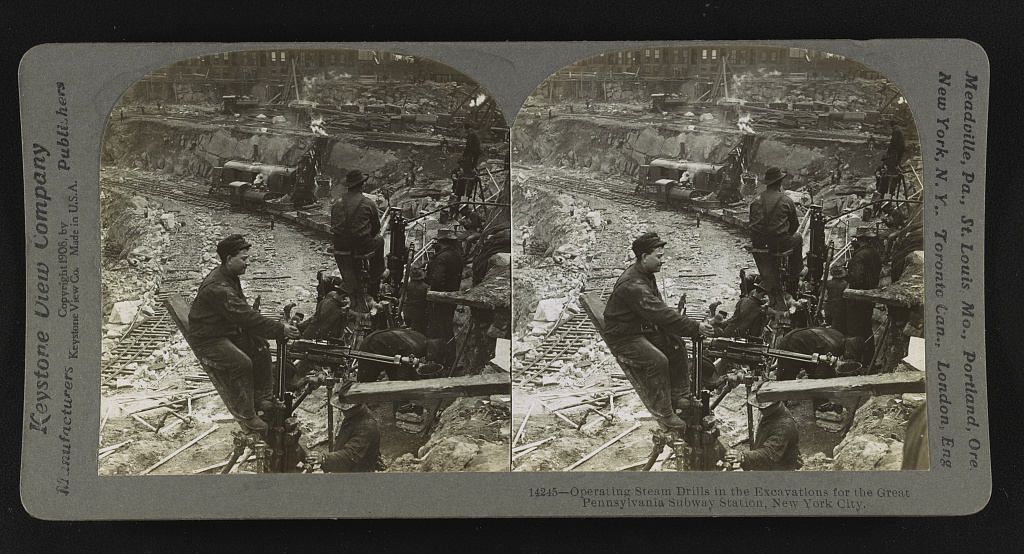
Building Subway Stations Was an Enormous Undertaking
A 1908 photograph shows workers operating steam drills during excavation for New York’s Pennsylvania Station, surrounded by the machinery and earthmoving work required.
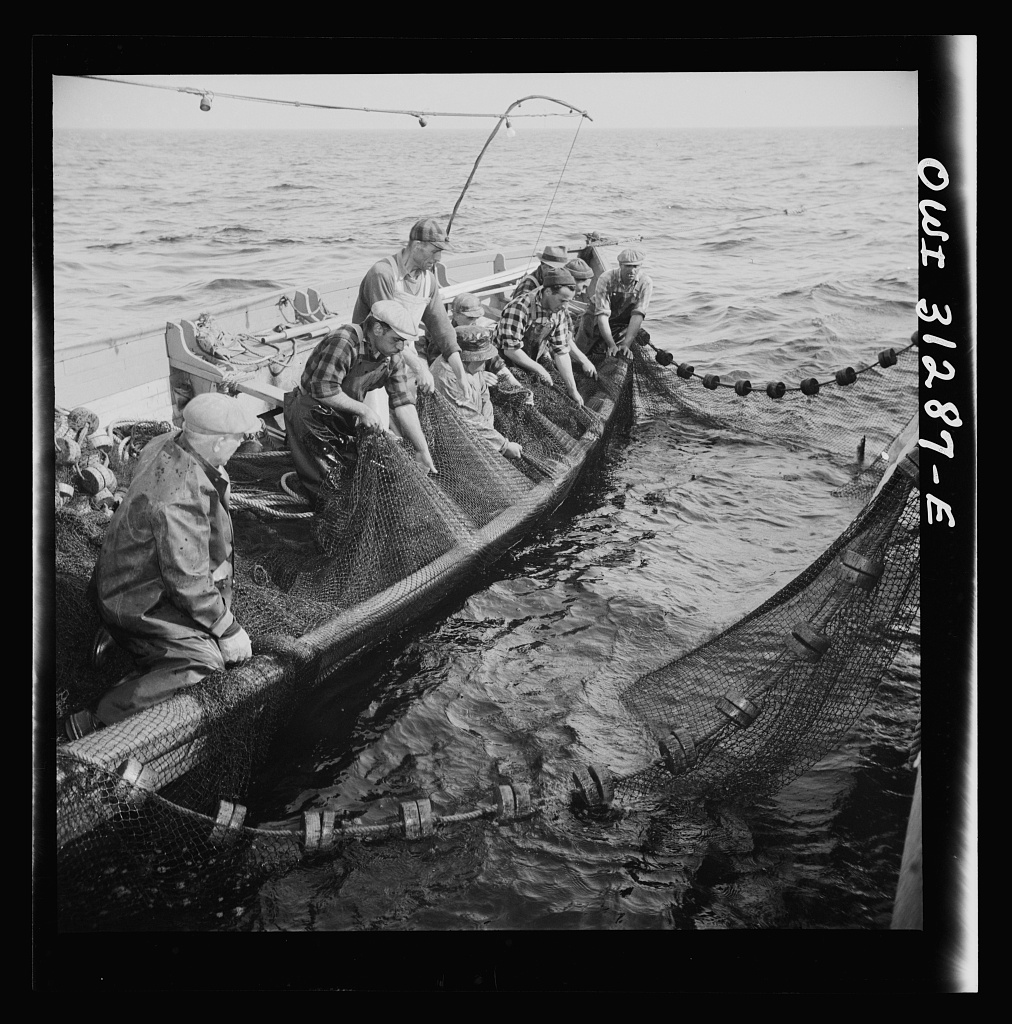
These Fishermen Had to Pull Their Catch by Hand
Gordon Parks photographed Gloucester fishermen hauling nets toward their boat in 1943, documenting the physical work involved in bringing a catch aboard.
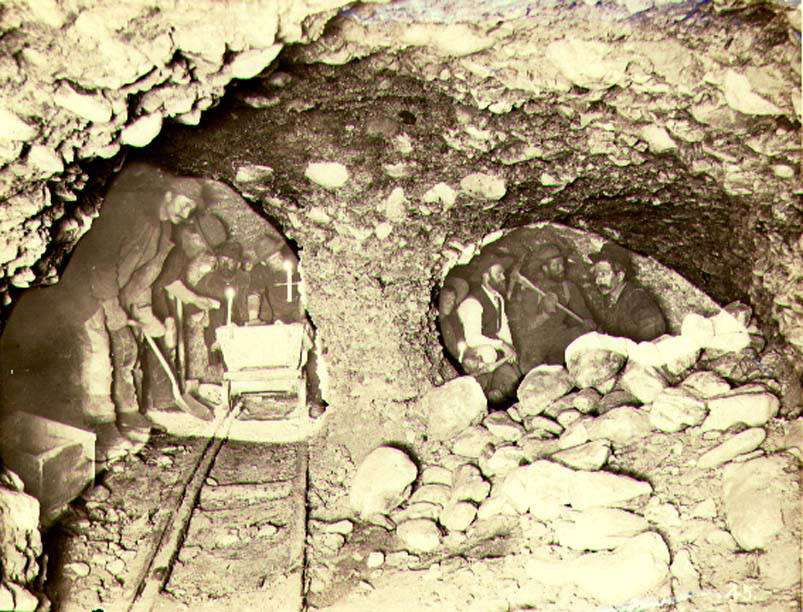
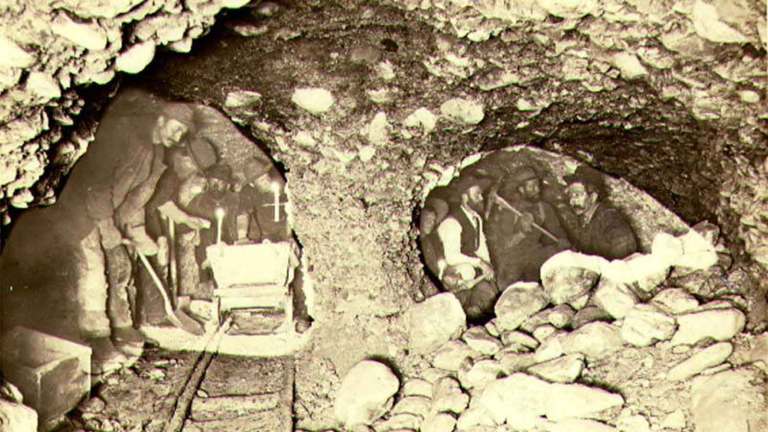
Gold Mining Meant Working by Candlelight
An 1898 photograph from the Yukon shows miners using picks and shovels to load an ore cart underground, with only limited lighting inside the tunnel.
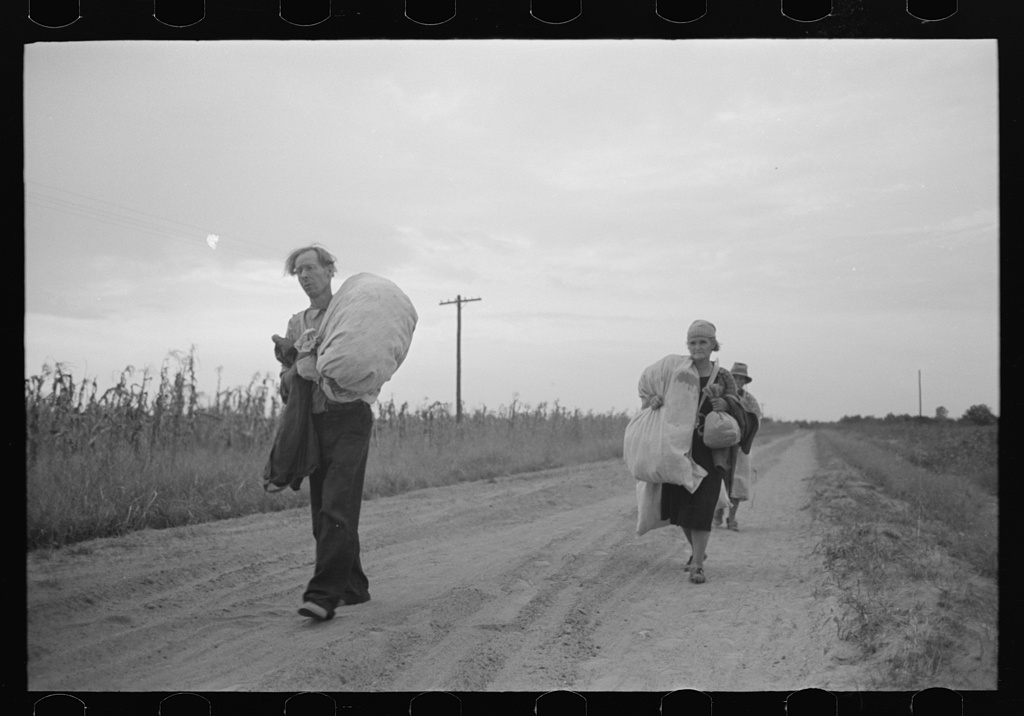
Cotton Pickers Carried Their Harvest Out of the Fields
In 1938, Russell Lee photographed cotton workers returning from an Arkansas field with their harvested crop, documenting the demanding routine of agricultural labor.
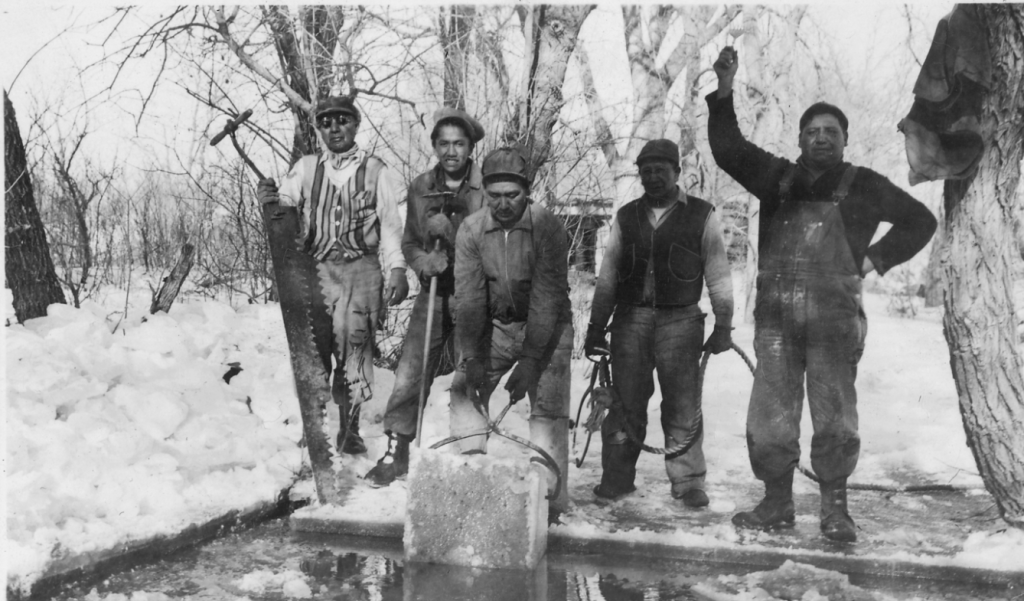
Even Cutting Ice Was a Full-Time Job
In 1935, five workers were photographed cutting enormous blocks of ice from a frozen lake, using long saws to harvest the ice by hand.
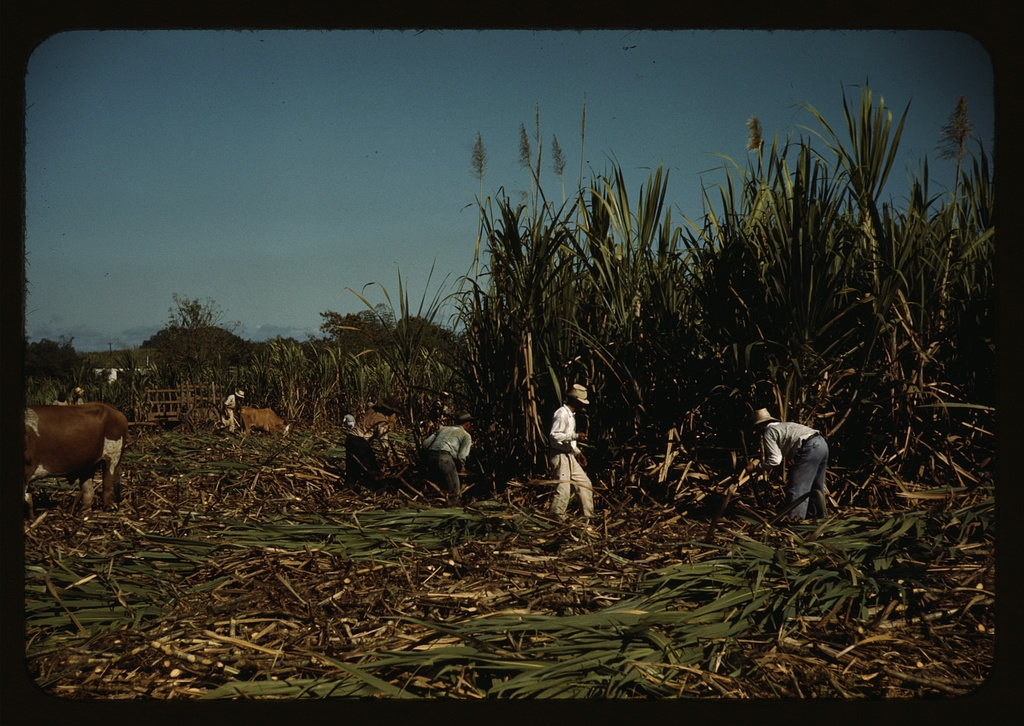
Harvesting Sugar Cane Was Backbreaking Work
In 1941, Jack Delano photographed agricultural workers harvesting sugar cane in Puerto Rico, documenting the demanding manual labor required to cut and gather the crop.
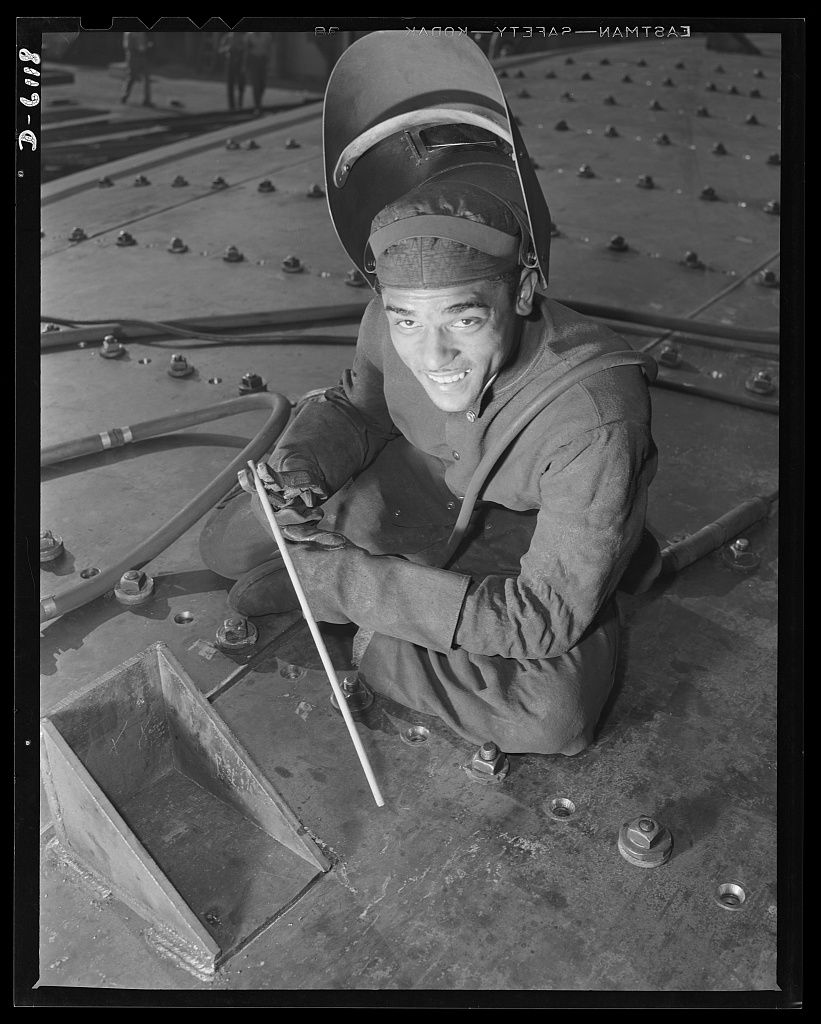
Shipbuilding Meant Hours of Welding Metal
Ernest Enloe Cotton was photographed welding components of a Liberty ship in California in 1942, during the enormous industrial effort of World War II.
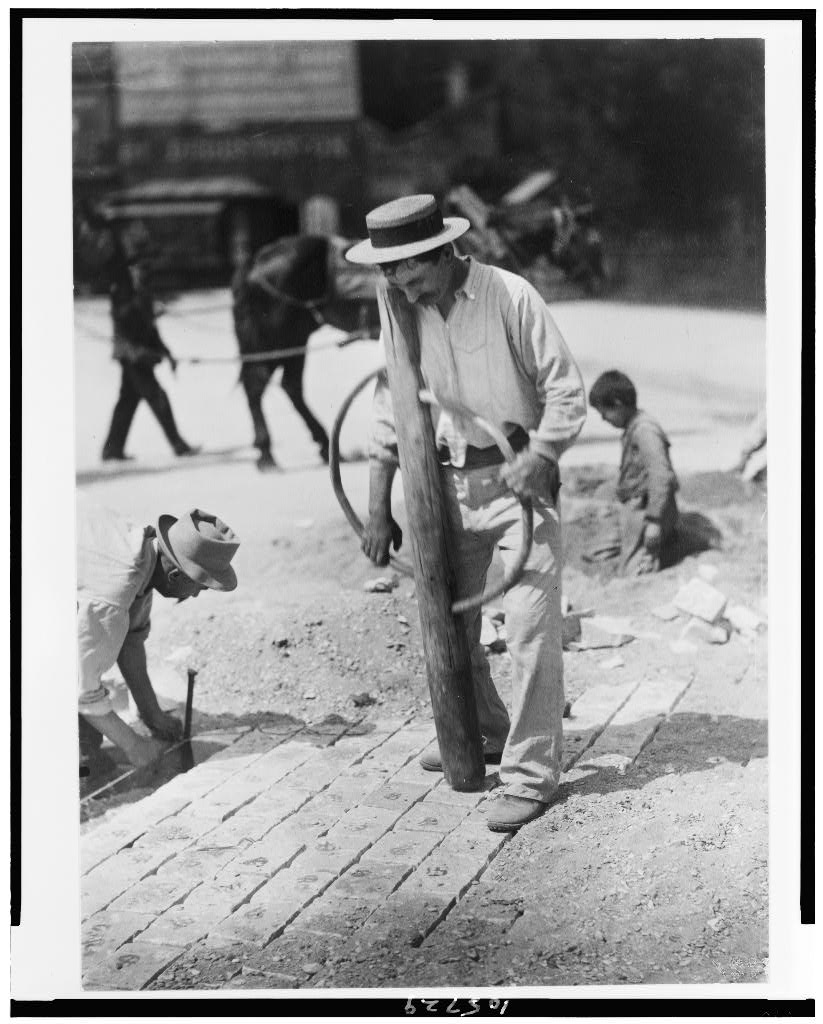
Paris Streets Were Paved by Hand
Photographer Eugène Atget captured workers laying paving stones in Paris, when preparing city streets involved physically arranging heavy cobblestones.
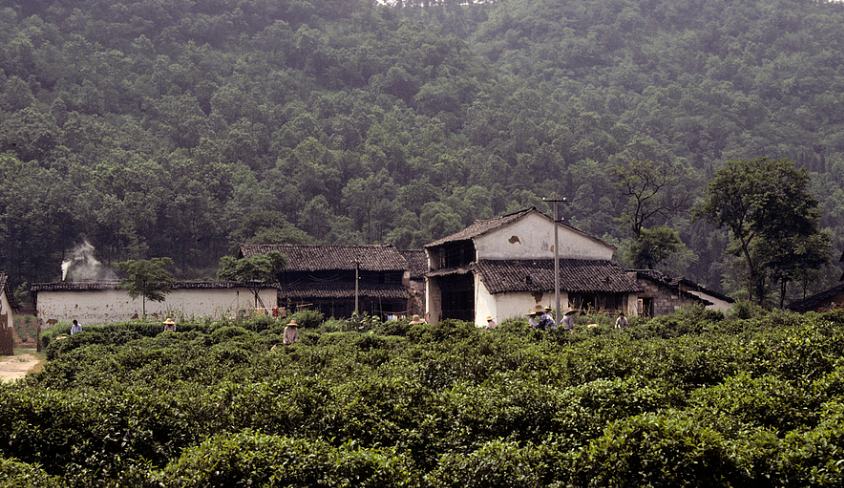
Picking Tea Required Long Hours in the Fields
A 1979 photograph from China shows agricultural workers picking tea leaves across a plantation, a job requiring repetitive hand movements and considerable time outdoors.
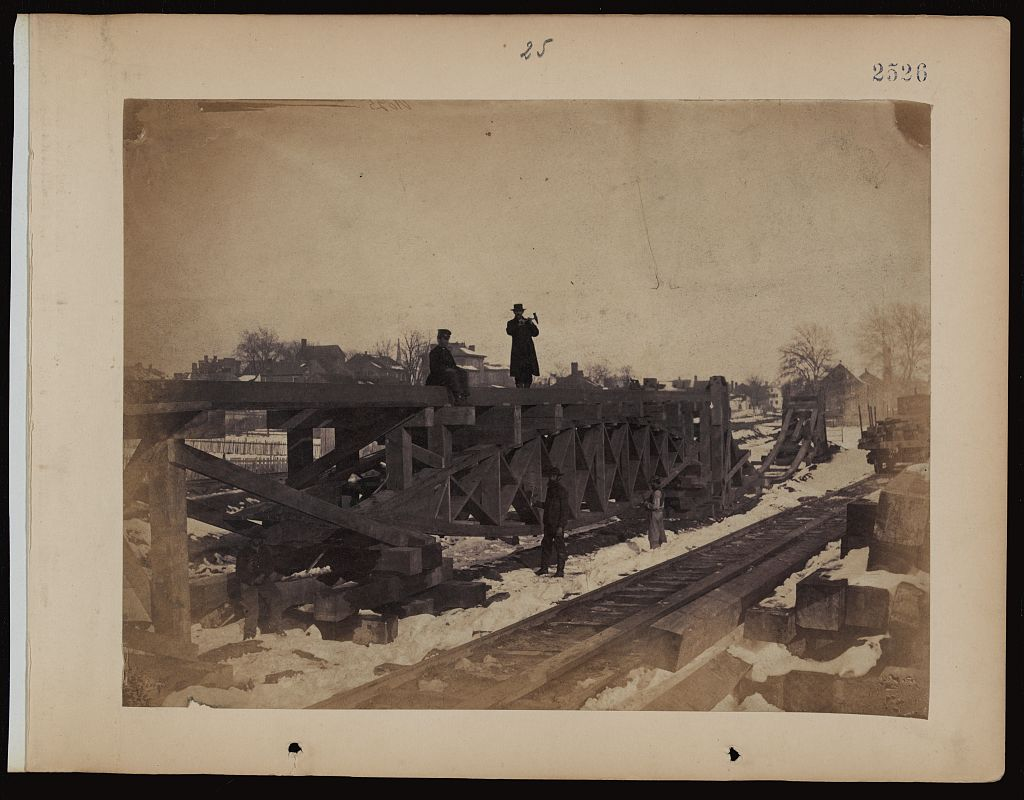
Building Bridges Required Some Serious Balance
An American Civil War-era photograph shows men working on a wooden bridge truss, documenting the labor involved in constructing railroad infrastructure during the 1860s.
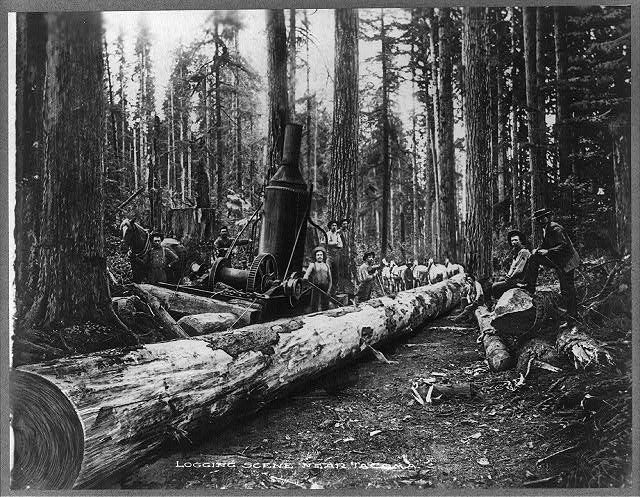
These Logs Were Bigger Than the Workers
An early twentieth-century photograph from Washington State shows logging crews standing beside an enormous tree trunk, with horses and steam equipment used in the operation.
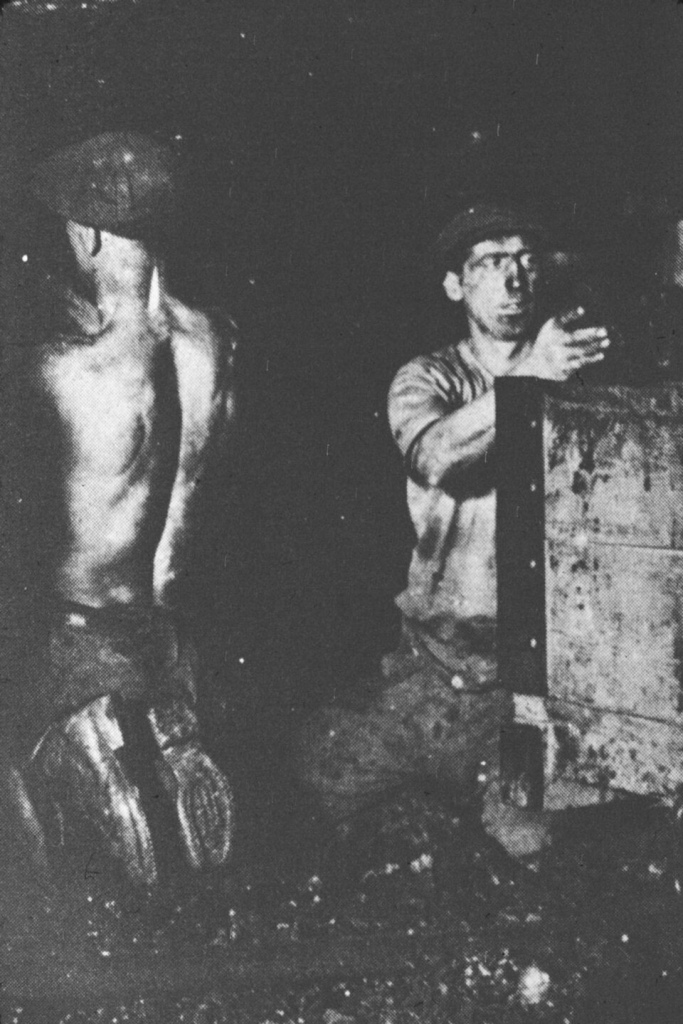
Coal Miners Filled Their Carts by Hand
A photograph from around 1920 shows miners loading coal into a cart at England’s Cannock Chase Mine, relying on manual labor to move the material underground.