15 Vintage ‘Work’ Photos Making Your Job Seem Pretty Normal

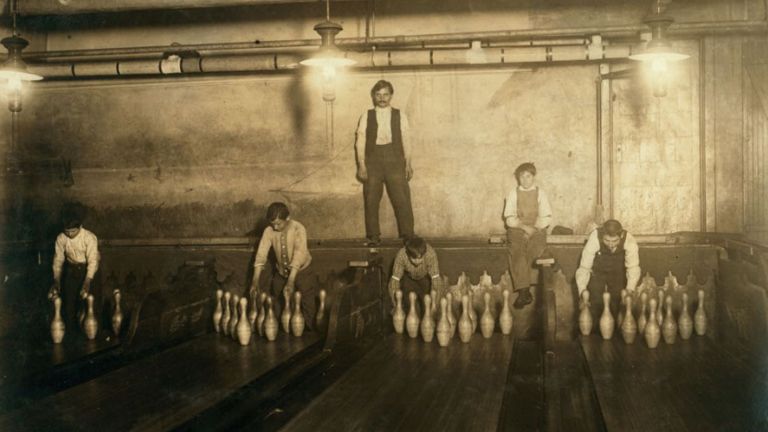
Bad days at work aren’t exactly a modern invention. Long before office computers, video meetings, and endless email chains, people had jobs that involved climbing into chimneys, resetting bowling pins by hand, or spending entire days connecting telephone calls. Some occupations have disappeared completely, while others have changed so much that their old working conditions are difficult to recognize. Fortunately, photographers documented plenty of these workplaces, including the unusual equipment and exhausting routines that came with them. A few of the pictures are fascinating, and others are reminders of how much labor protections have improved. Here are 15 vintage workplace photos that might make your next Monday seem a little more manageable.
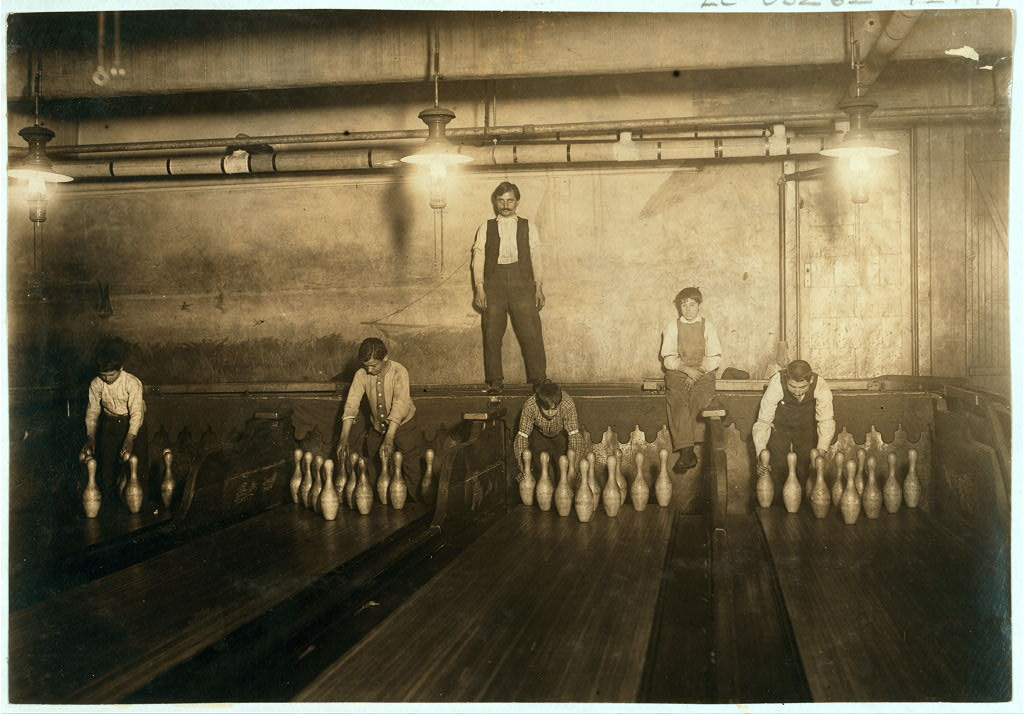
Bowling Alleys Once Had Human Pinsetters
In 1910, photographer Lewis Hine documented boys resetting bowling pins at a Brooklyn alley at 1 a.m., long before automatic pinsetting machines became standard.
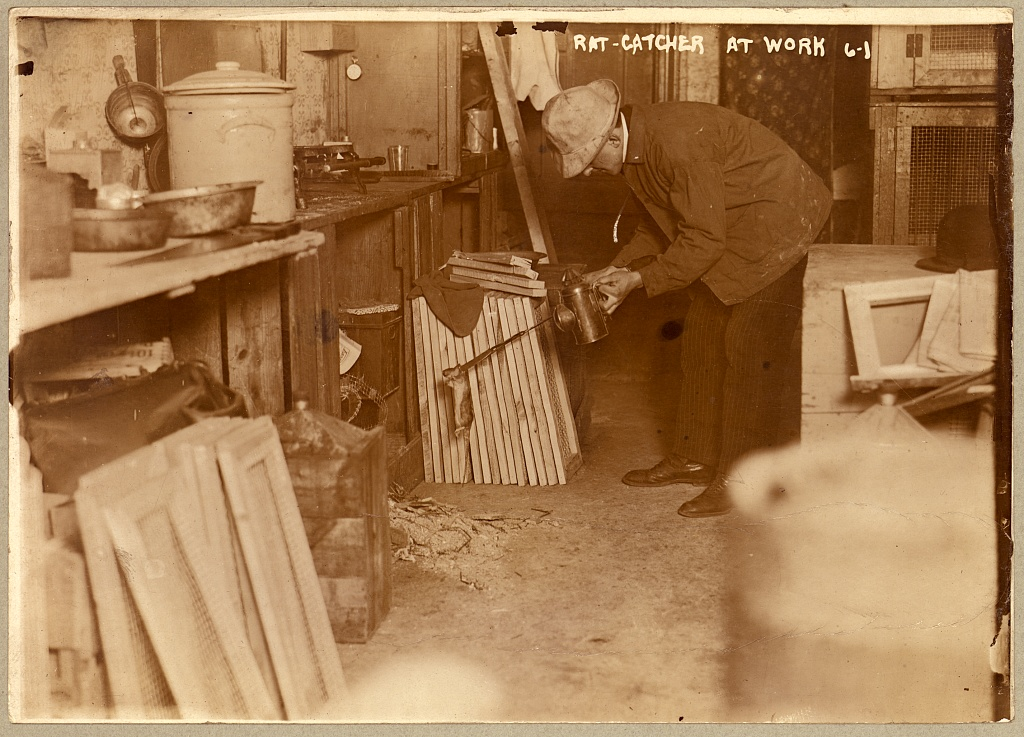
Catching Rats Was Literally Someone’s Job
A photograph taken around 1920 shows a New York rat catcher holding a captured rodent at the end of a short stick. He didn’t even get the modern fancy title of “Tzar.”
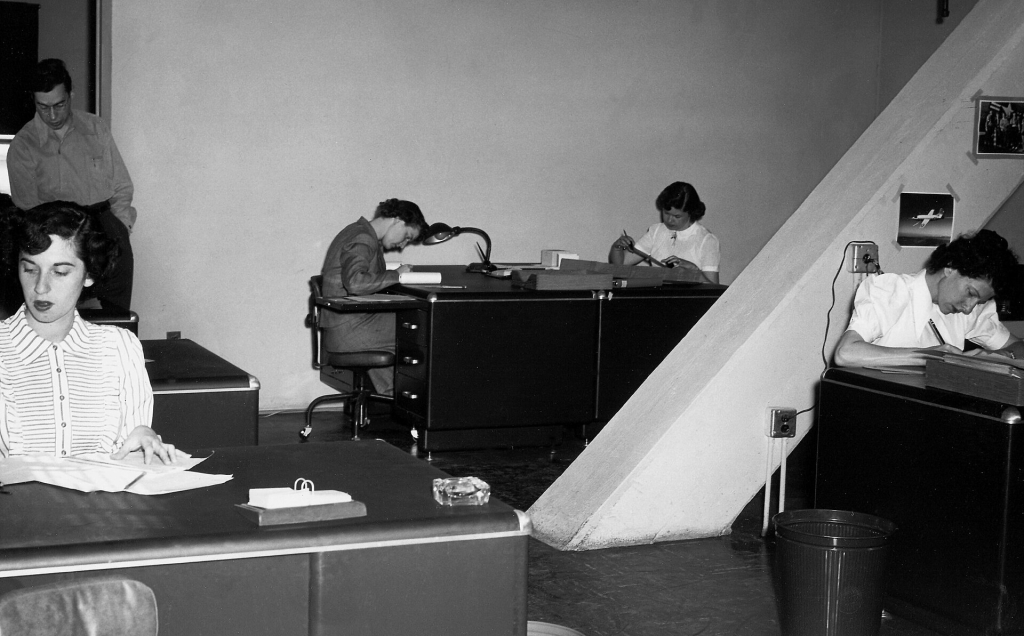
These Workers Were Called Human Computers
In 1949, women at the National Advisory Committee for Aeronautics calculated flight-test data using mechanical calculators, slide rules, and handwritten records.
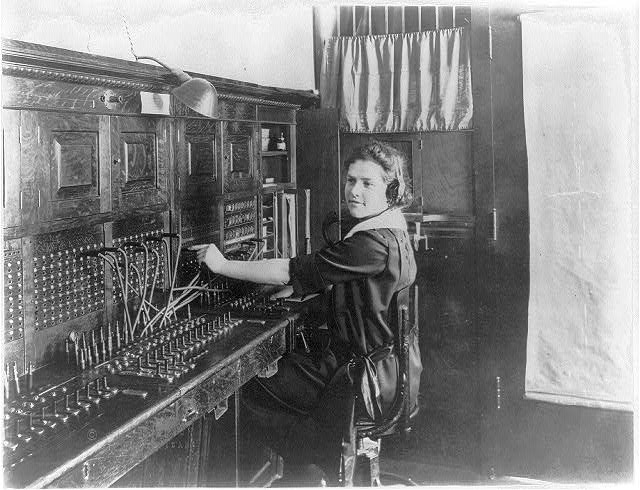
Every Phone Call Required a Human Connection
A 1922 photograph shows a telephone operator managing a switchboard, manually connecting calls through equipment that occupied an entire workstation.
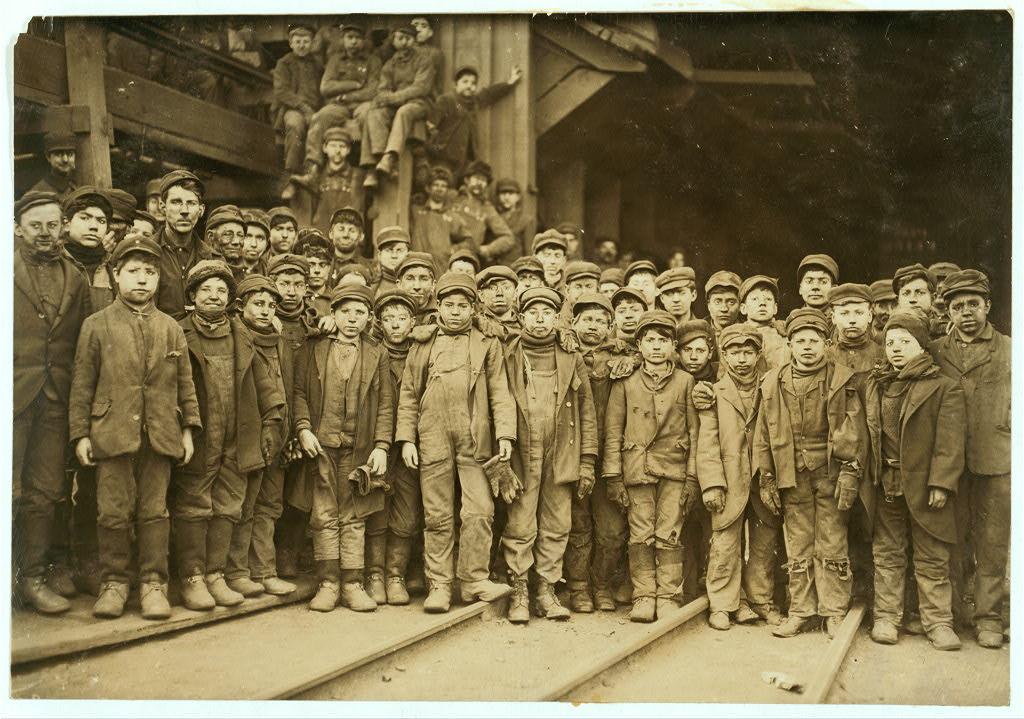
Coal Mines Had Children Sorting the Rocks
In Pennsylvania in 1911, boys worked in coal breakers, separating coal from unwanted material in dusty industrial buildings instead of attending school.
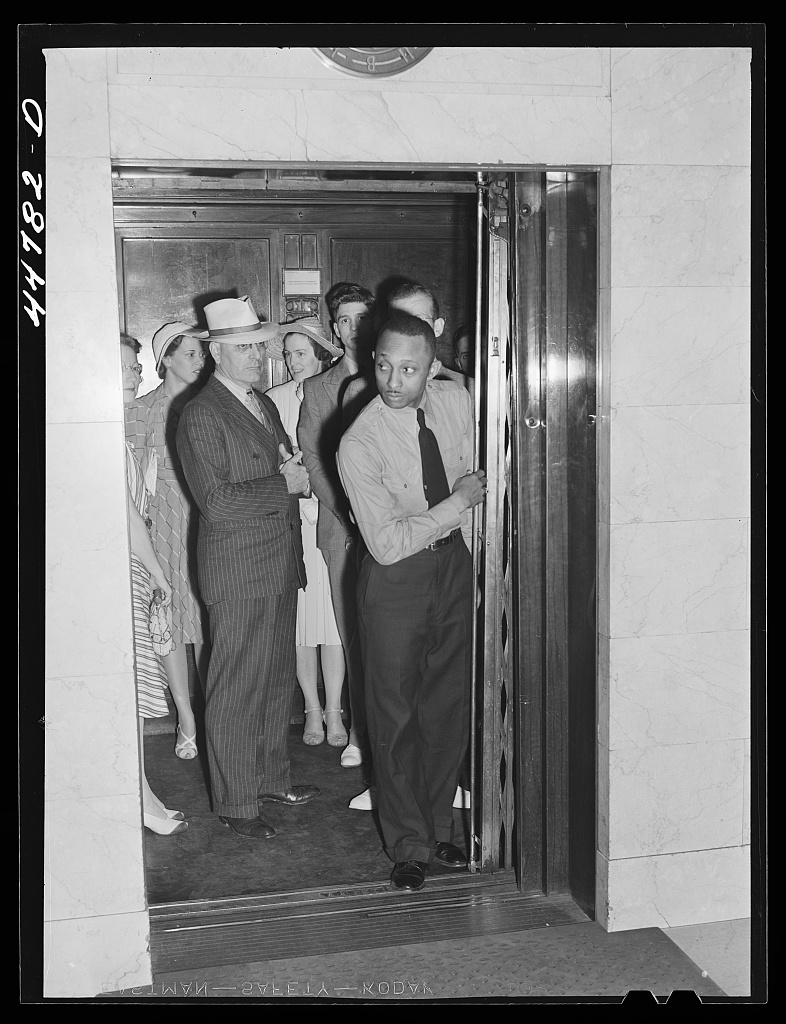
Someone Had to Operate Every Elevator
An elevator operator photographed in Washington, D.C., in 1941 worked in a building where moving between floors still required a person to run the machinery.
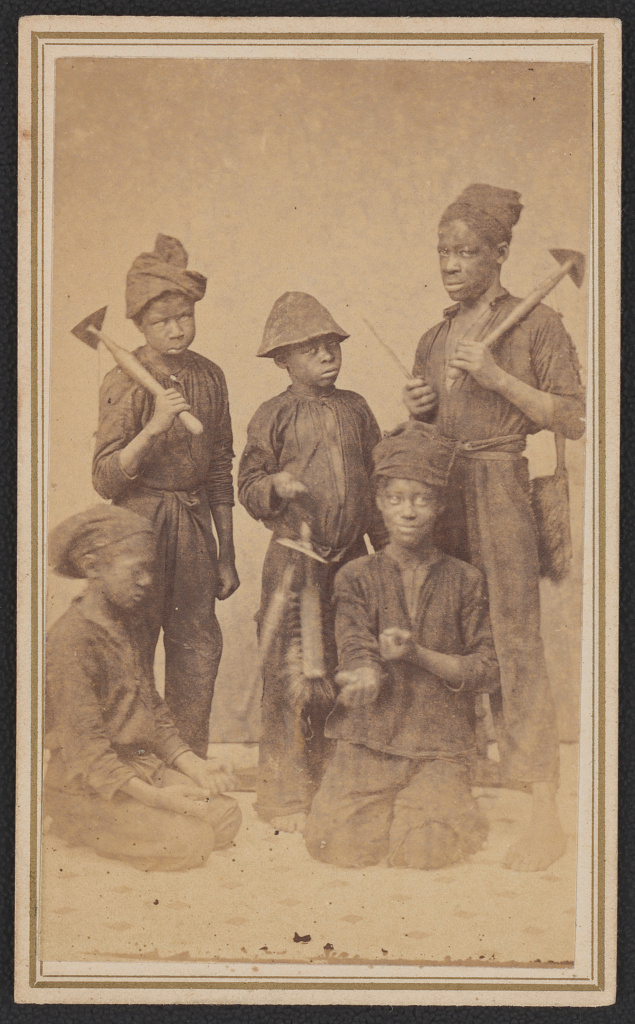
Cleaning Chimneys Was an Especially Dirty Business
A nineteenth-century studio photograph from Savannah, Georgia, shows five young chimney sweeps holding the tools used for their work.
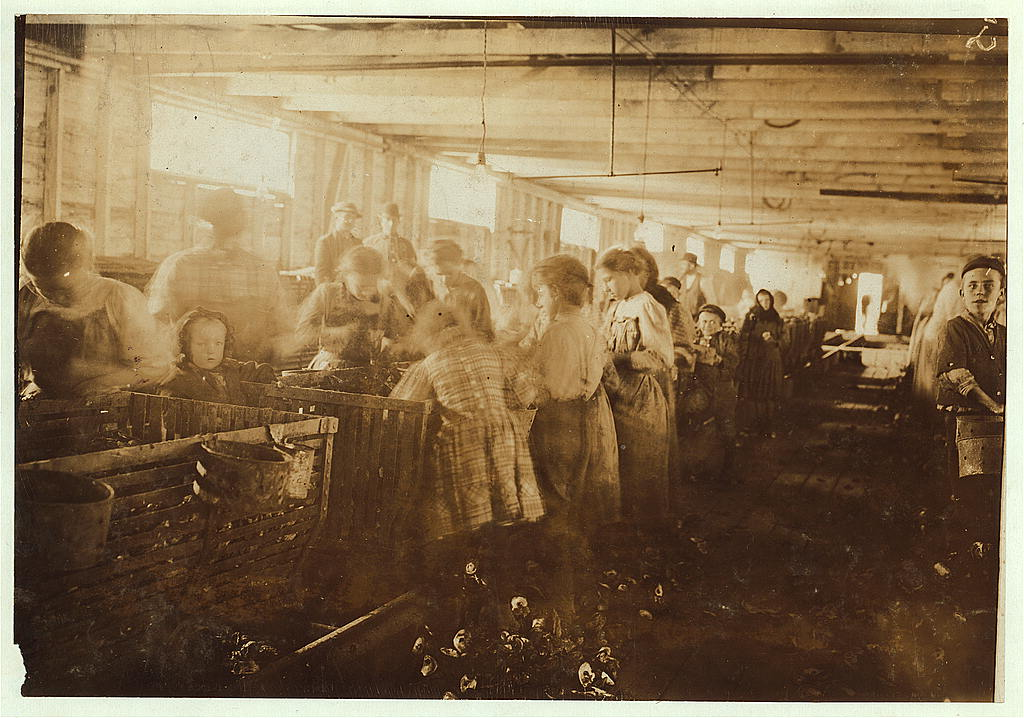
Opening Oysters Was a Full-Time Factory Job
At a Louisiana cannery in 1911, workers sat together opening oysters by hand, a repetitive job that also employed children in some early twentieth-century factories.
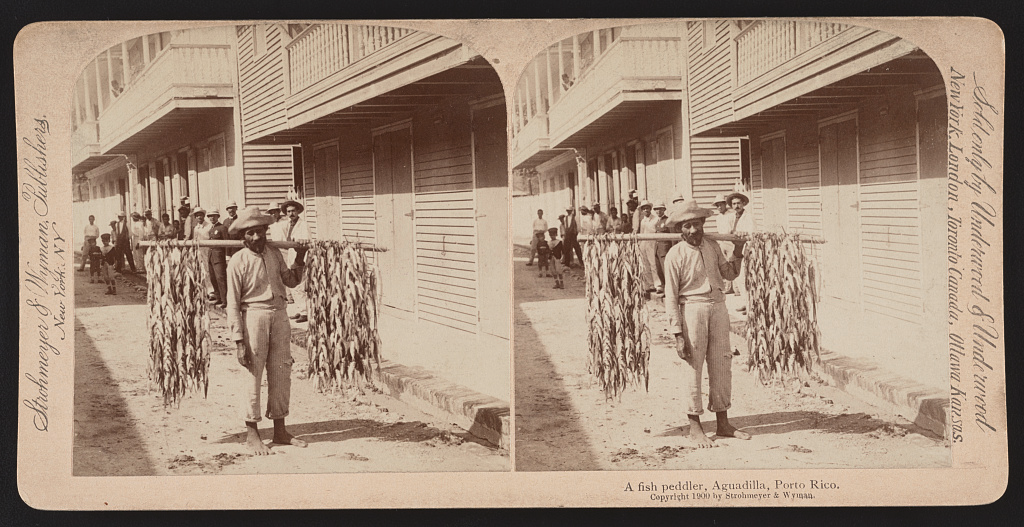
This Street Vendor Carried His Shop on His Shoulders
Around 1900, a fish seller in Aguadilla, Puerto Rico, was photographed carrying strings of fish from a long pole instead of using a cart or storefront.
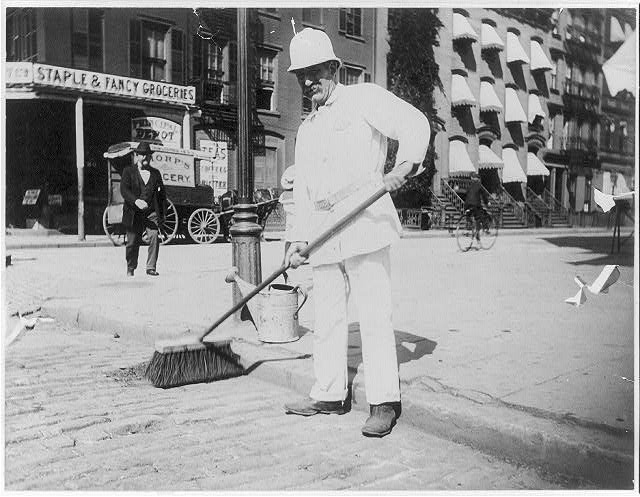
Street Cleaning Required a Very Big Broom
An 1896 photograph from New York City captures a street sweeper with his broom, when keeping urban roads clean involved considerable manual labor.
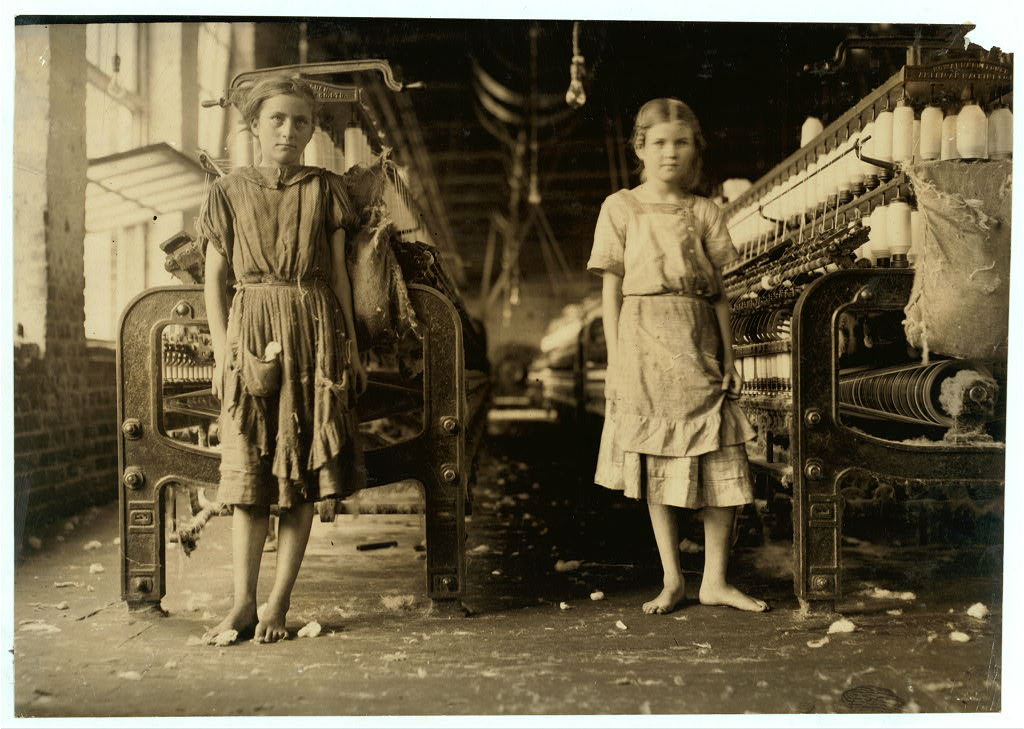
Cotton Mills Were Filled With Spinning Machines
Around 1911, Lewis Hine photographed young girls working among rows of spinning machinery in a cotton mill, documenting the conditions faced by child textile workers.
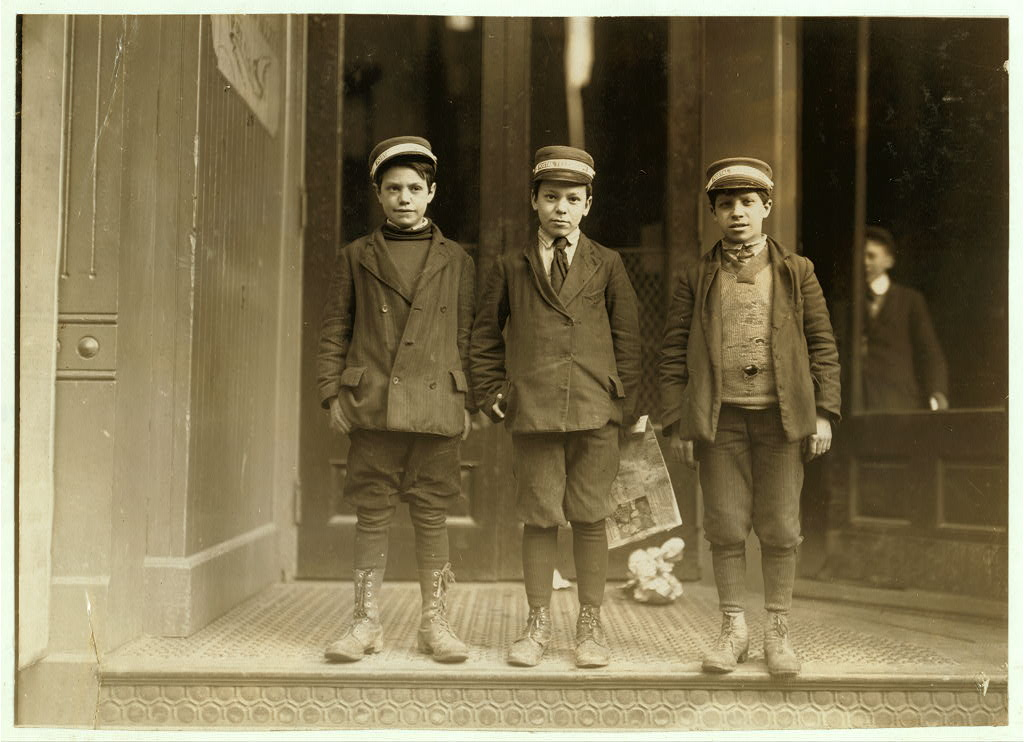
Delivering Messages Could Keep You Working Until 11 P.M.
In 1909, Lewis Hine photographed messenger boys in New Haven, Connecticut, whose shifts regularly extended late into the evening, long before instant messaging existed.
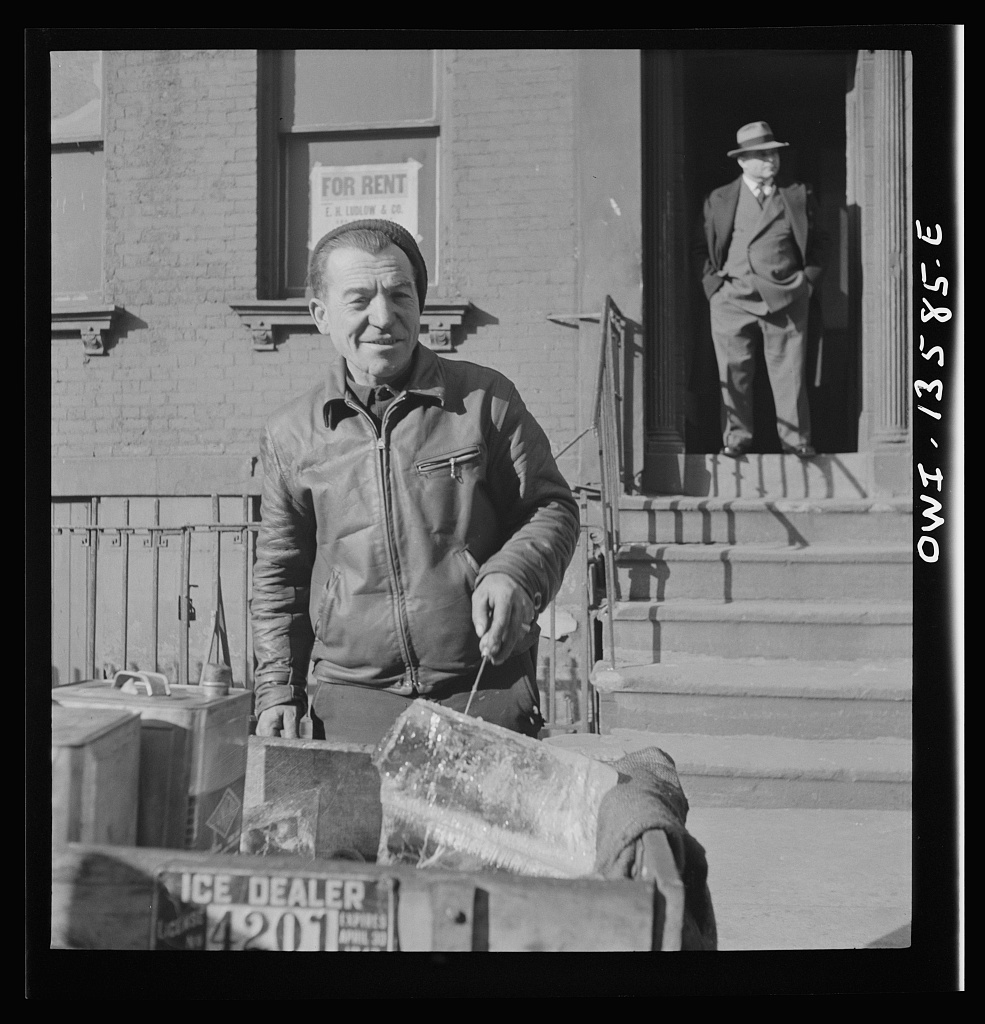
Keeping Food Cold Was Someone’s Full-Time Job
In 1943, photographer Marjory Collins captured an ice delivery man working on Mott Street in New York City, when households still relied on delivered ice to keep food cold.
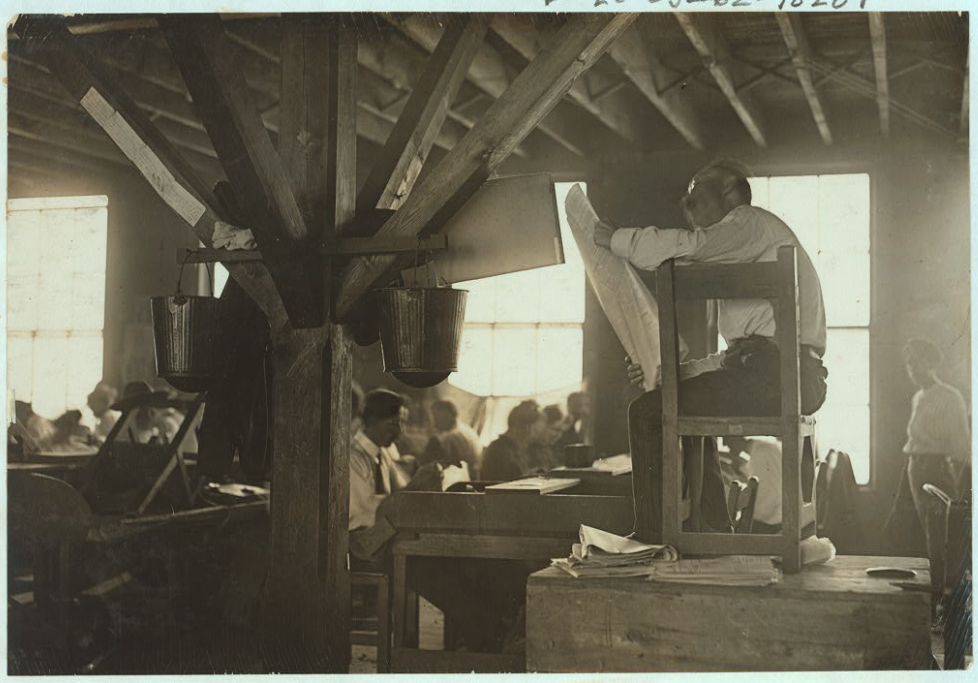
This Man Was Paid to Read Out Loud All Day
In a Tampa cigar factory in 1909, a professional reader entertained workers with books and newspapers, selected and paid for by the employees themselves.
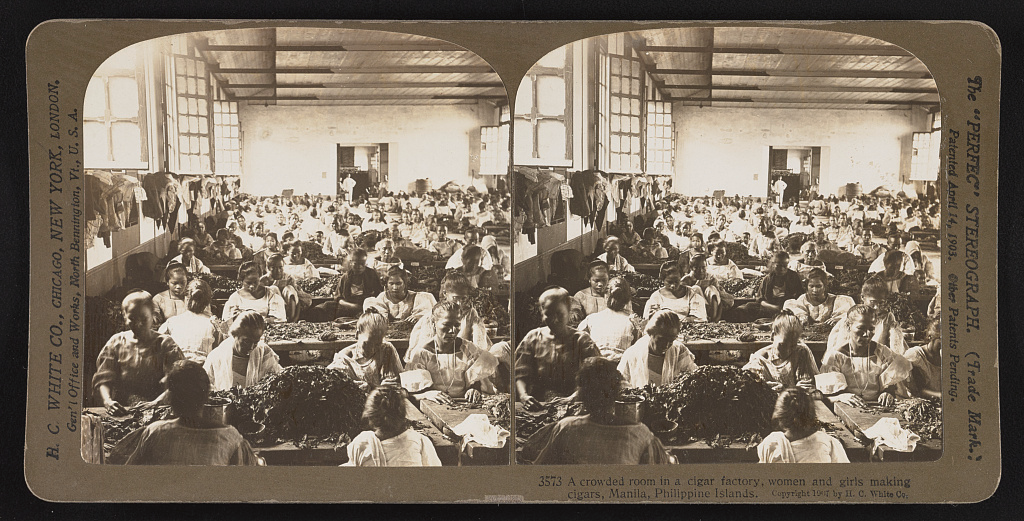
Cigar Factories Were Packed With Workers
A 1907 photograph from Manila shows women and girls making cigars together in a crowded factory, surrounded by the materials needed for the labor-intensive process.