14 People Share the Historical Moment They Can’t Stop Researching

When we hear about an interesting moment in history, no matter how gruesome or innocuous it may be, we tend to just nod at the novelty of what we’ve heard and move on with our lives. But every so often, a historical tidbit arrives that makes us want to know more, and the internet is right there to give us all the juicy details.
A Reddit post asking people which historical moments they can’t stop researching brought together stories spanning centuries and continents. What connects them is the feeling that there’s always another detail to uncover, another decision to question, or another piece of the story that makes the whole event even more extraordinary.
The Uruguayan Rugby Team That Survived the Andes
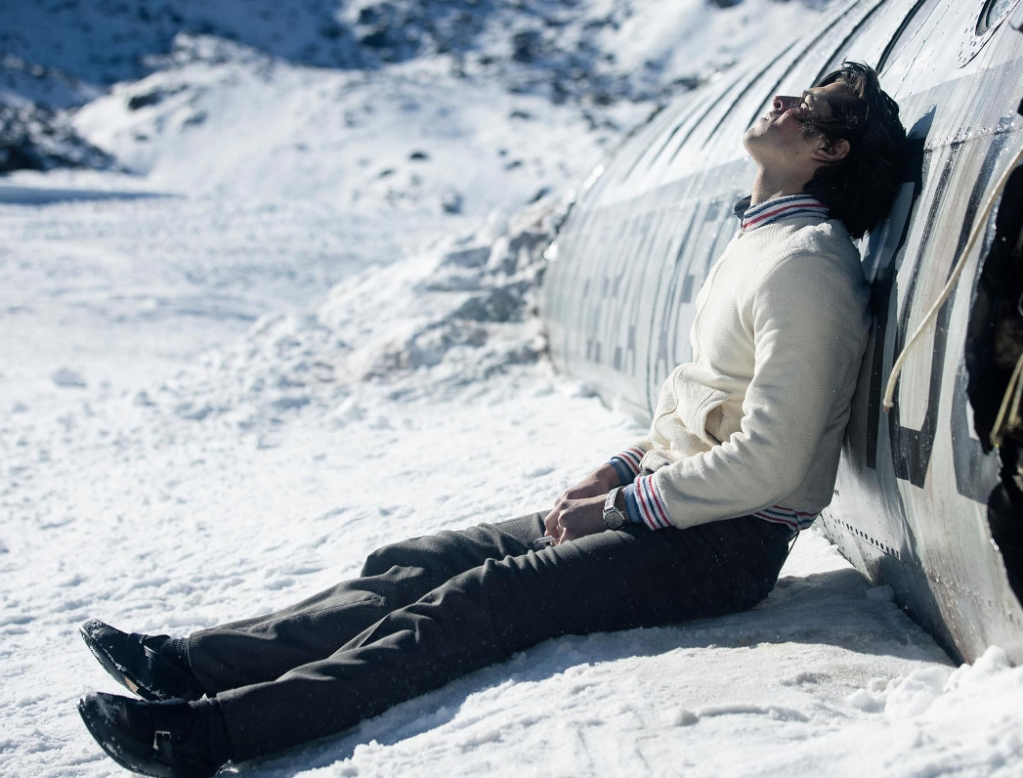
In 1972, a plane carrying a Uruguayan rugby team crashed in the Andes. Sixteen survivors endured 72 days of freezing temperatures, starvation, avalanches, and an unthinkable choice to stay alive.
The Chernobyl Disaster
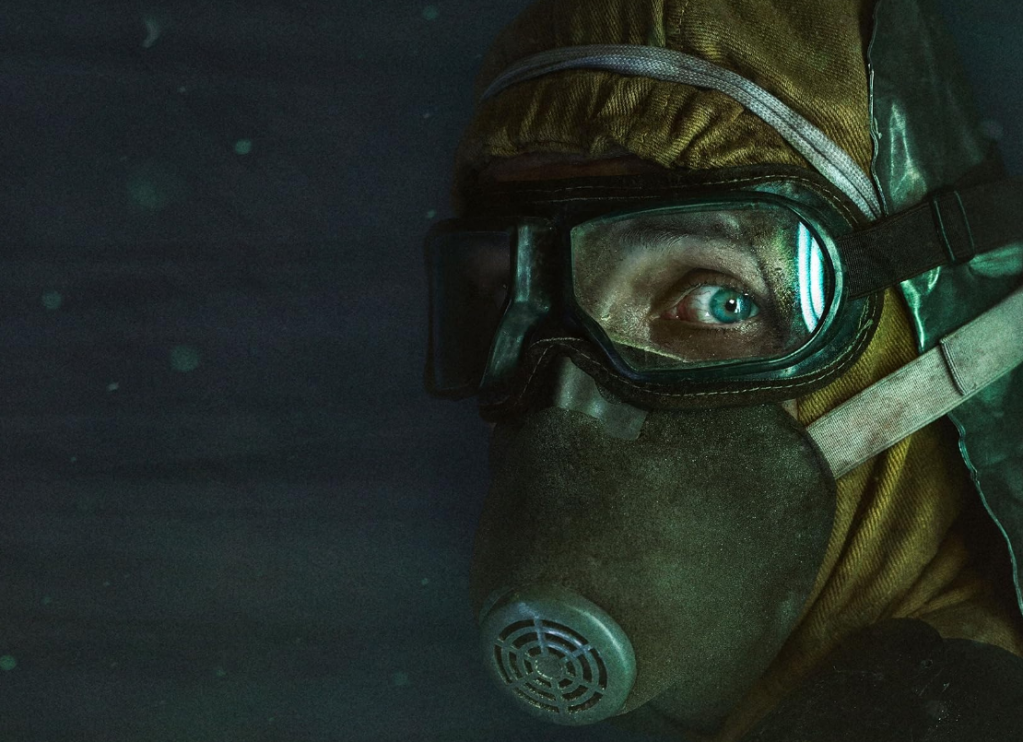
The 1986 Chernobyl nuclear disaster exposed catastrophic safety failures, forced mass evacuations, and spread radioactive contamination beyond the Soviet Union. The combination of human error and long-term consequences keeps drawing researchers back.

Saddam Hussein’s Brutal Regime
Saddam Hussein’s rule in Iraq was marked by repression, torture, mass killings, and devastating wars. His sons Uday and Qusay also became infamous for their brutality, making the regime’s cruelty difficult to comprehend.
Waco and Ruby Ridge
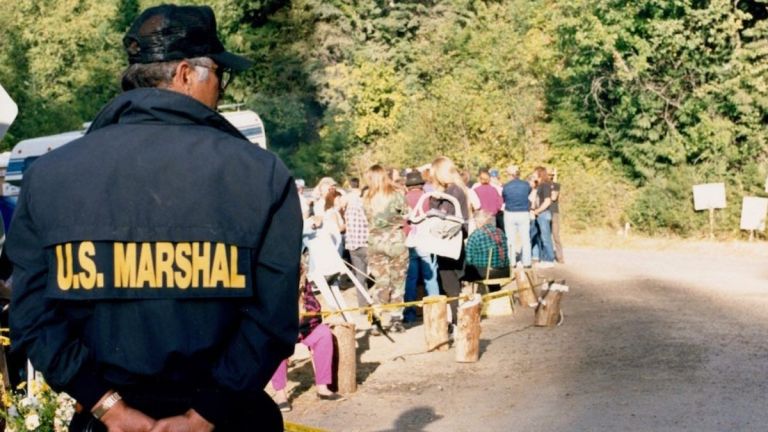
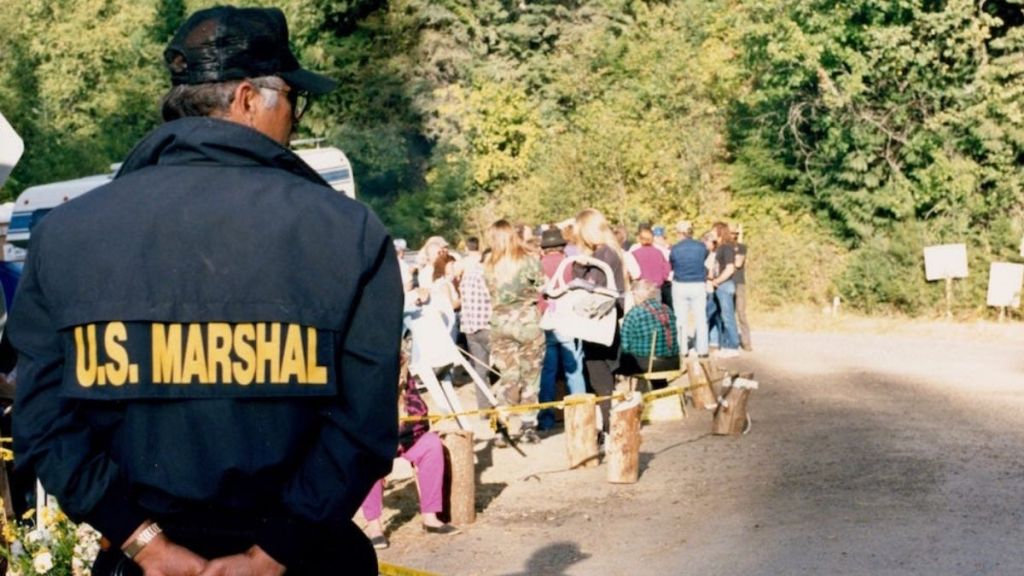
Ruby Ridge in 1992 and the Waco siege in 1993 raised lasting questions about federal law enforcement, escalation, and accountability. Both confrontations ended in deaths and became defining controversies in American history.

The Bolshevik Revolution and the Romanovs
The Russian Revolution toppled the monarchy, and in 1918, Nicholas II and his family were executed by Bolsheviks. The collapse of imperial Russia and the Romanovs’ tragic fate remain hauntingly compelling.
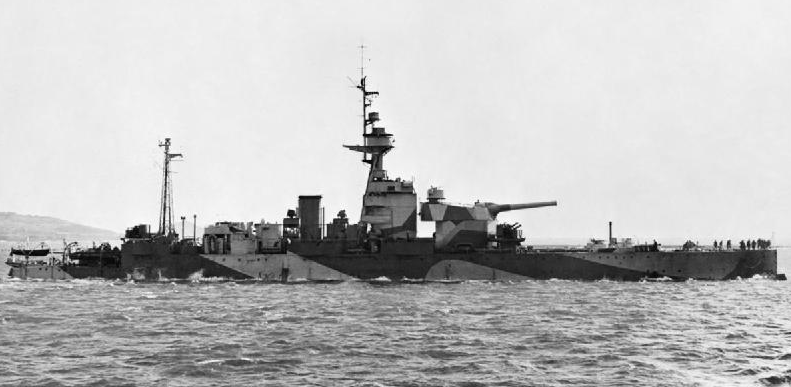
The Erebus and Terror Expedition
In 1845, HMS Erebus and HMS Terror sailed to find the Northwest Passage and disappeared with their crews. Inuit knowledge helped researchers locate the wrecks more than a century later.
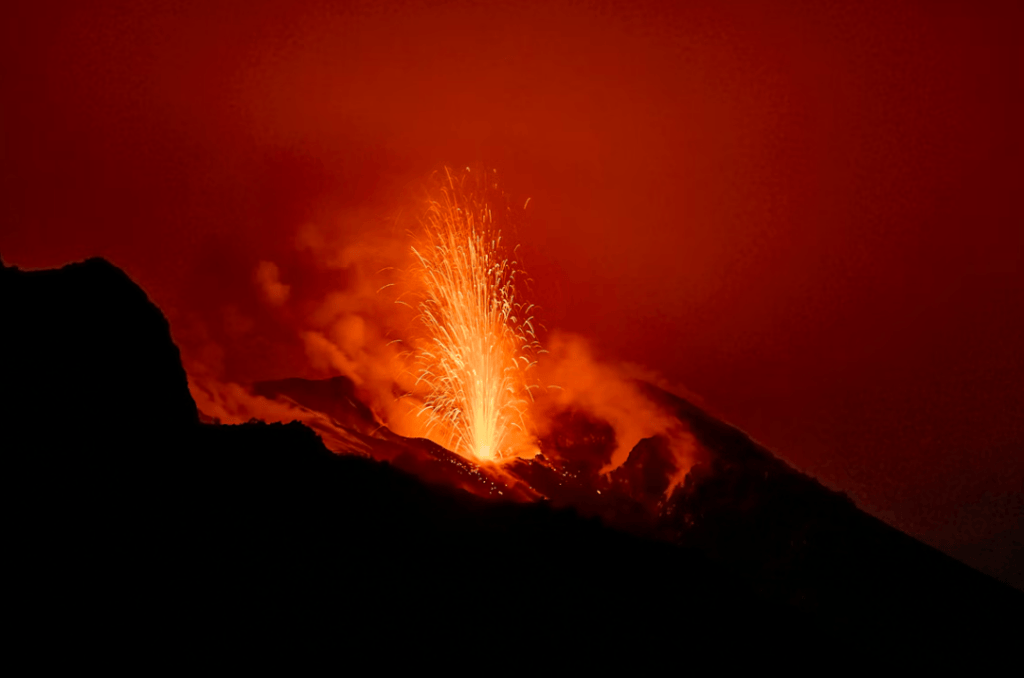
The Krakatoa Eruption
Krakatoa’s catastrophic 1883 eruption generated devastating tsunamis and atmospheric effects felt around the world. Volcanic particles dimmed sunlight, cooled global temperatures, and produced extraordinary sunsets for years afterward.

The 2008 Financial Crisis
The 2008 financial crisis began with deep problems in mortgage lending and spread through interconnected financial markets, triggering a devastating recession. Its aftermath reshaped the entire economic landscape, including housing, employment, and banking regulation, among other things.
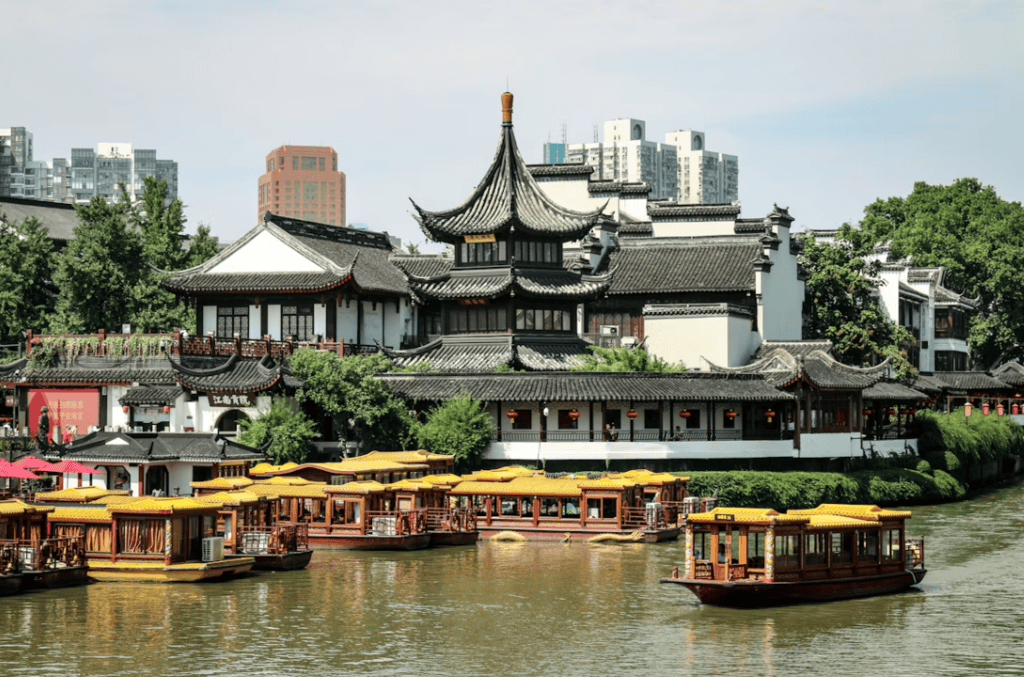
The Nanjing Massacre
During the Japanese occupation of Nanjing in 1937, soldiers committed mass killings and widespread atrocities against Chinese civilians and prisoners of war. The scale of suffering makes this history devastating to revisit.

Anne Boleyn and the Tudor Women
The Tudor court combined dynastic ambition, religious upheaval, and ruthless political maneuvering. Anne Boleyn’s rise and execution remain especially captivating, revealing how precarious power could be for women near the English throne.

The Invention of the Escalator
While the escalator seems ordinary today, its development transformed how people moved through department stores, stations, and public buildings. Its history involves early patents, engineering experiments, and a technology that reshaped modern architecture.
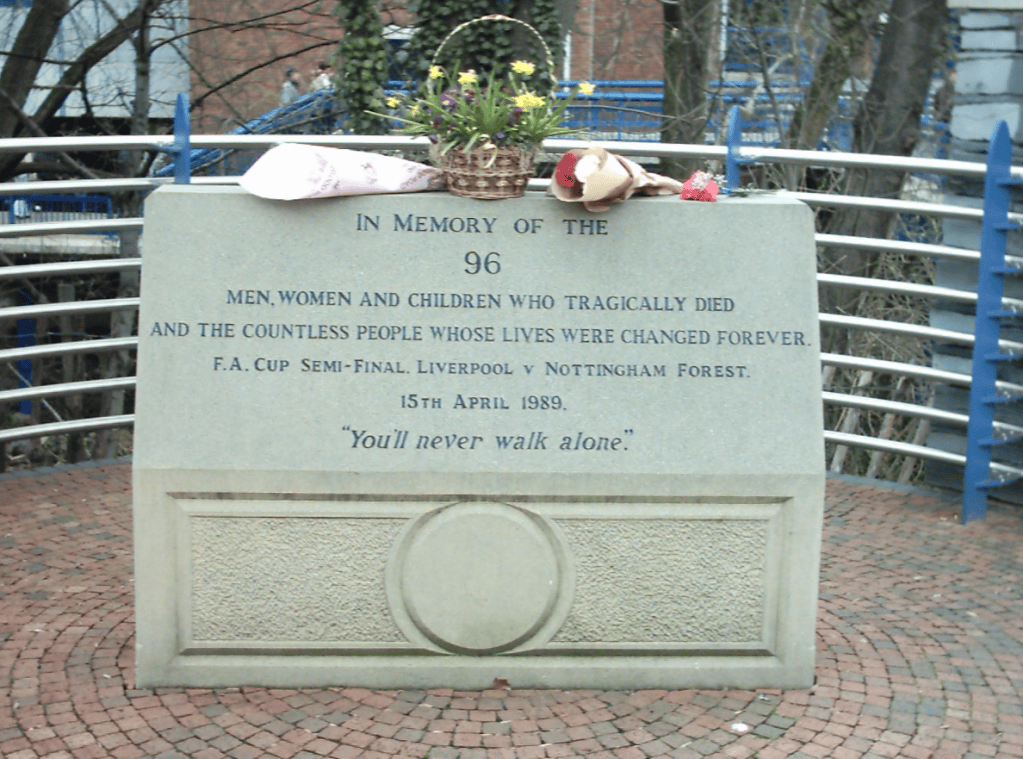
The Hillsborough Disaster
In 1989, overcrowding at Hillsborough Stadium caused a fatal crush during an FA Cup semifinal, killing 97 Liverpool supporters. The tragedy and the decades-long struggle for accountability remain central to its history.
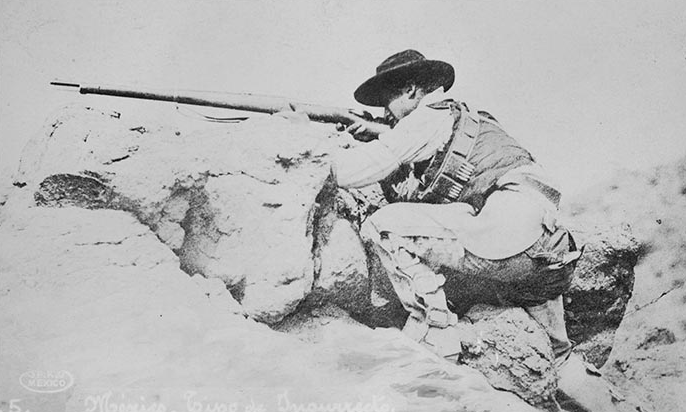
The Mexican Revolution
Beginning in 1910, the Mexican Revolution drew together rival leaders, peasant movements, and competing visions for the nation’s future. Its shifting alliances and regional conflicts make it far more complex than a simple uprising.
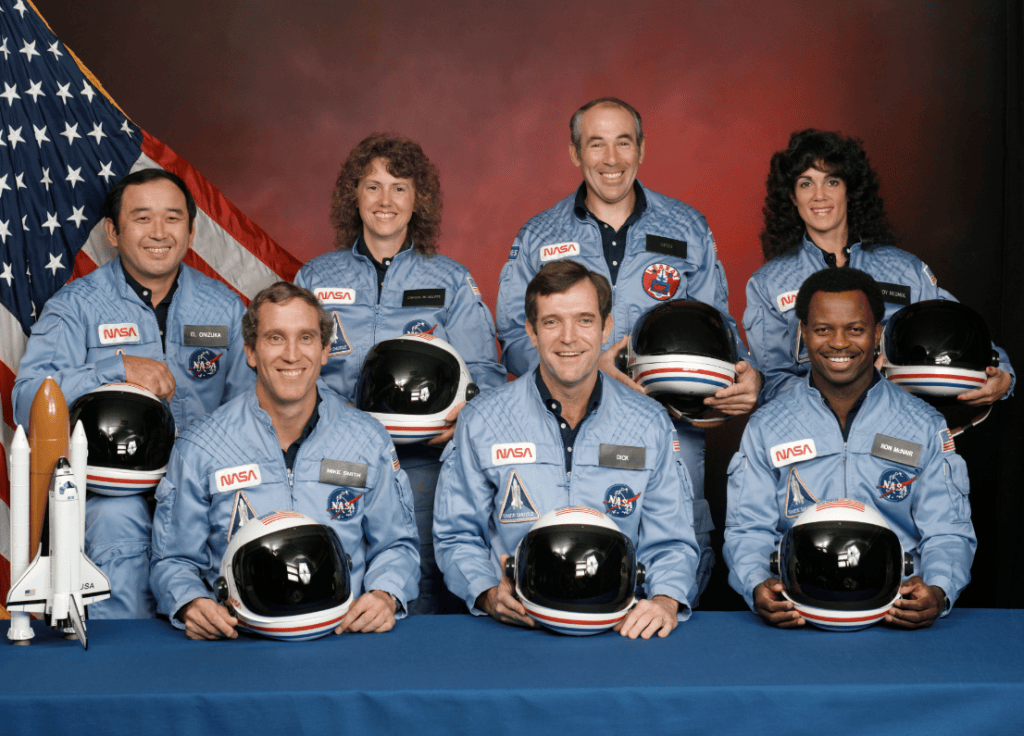
The Challenger Disaster
In 1986, the Space Shuttle Challenger broke apart shortly after launch, killing all seven crew members. Investigators later exposed serious engineering warnings and management failures that had been overlooked before liftoff.