15 Movies That Messed Up Time Travel the Most

Time travel is a concept that is hard to wrap your head around. It’s easier when the idea is a closed loop, but even then, our linear way of understanding things makes us want the loop to have a beginning. And there are many films that try to explore these themes, with a varying degree of results.
What we’ve gathered here aren’t necessarily bad movies, not by a long shot. They are stories where time travel only works if you don’t think about it, with some of them being comedies where thinking too hard isn’t even the point. But we’ll do it anyway.
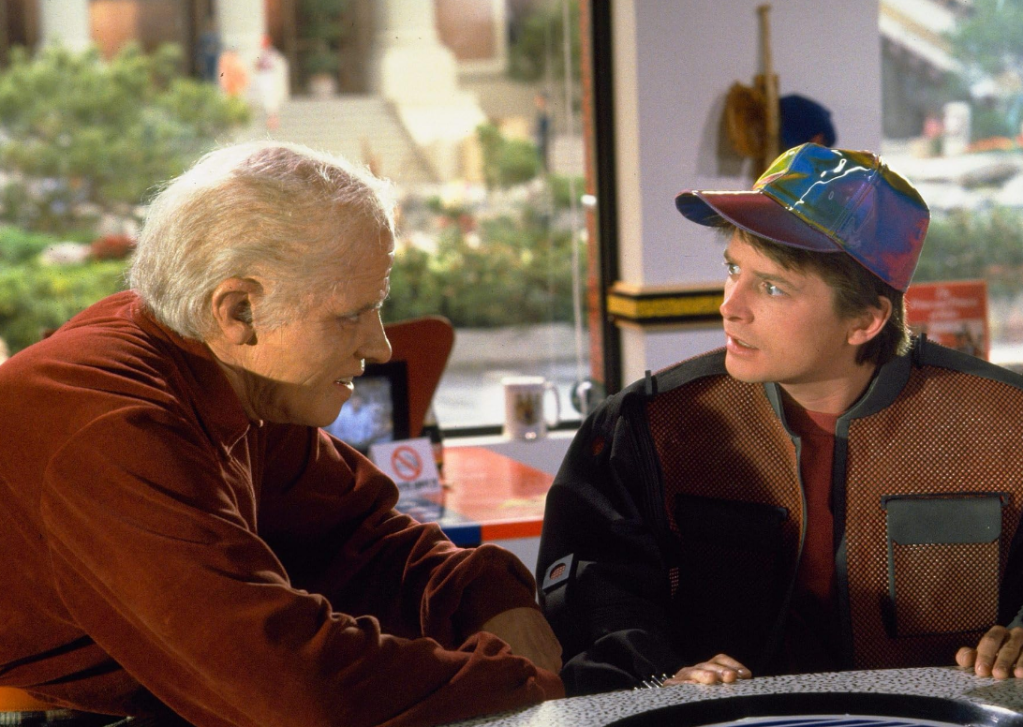
Back to the Future Part II
Old Biff returns the sports almanac to his younger self, creating an alternate 1985. Yet the film’s rules about how quickly timelines change remain inconsistent and confusing, since he can somehow return to an unchanged future so the plot can go on.
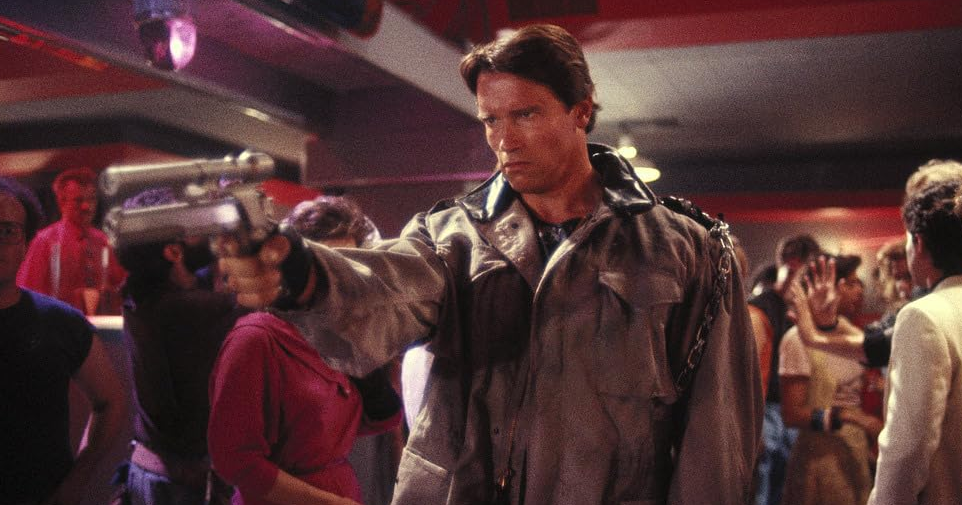
The Terminator
John Connor sends Kyle Reese back in time, and Reese becomes John’s father. This creates a causal loop where John’s existence depends on events he must cause himself. The more the franchise continues, the more convoluted this aspect gets.
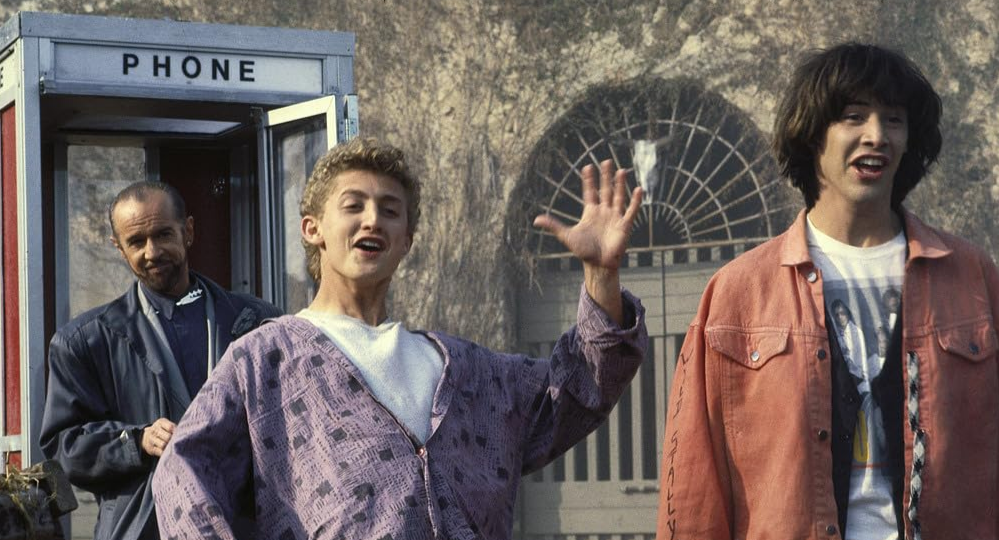
Bill & Ted’s Excellent Adventure
Bill and Ted repeatedly use time travel to solve immediate problems, sometimes promising to return later with whatever they need. Their plans depend on future actions conveniently becoming available in the present.

Groundhog Day
Phil repeats the same day for years, with the movie never explaining what causes the loop or why it eventually stops. Its emotional resolution works better than its mechanics, and we need to assume it was just meant to continue until a lesson was learned.

12 Monkeys
The film’s fixed timeline suggests the past cannot be changed, yet characters’ actions still shape events they already remember. Its circular causality is intentional, though the mechanics remain unsettling.
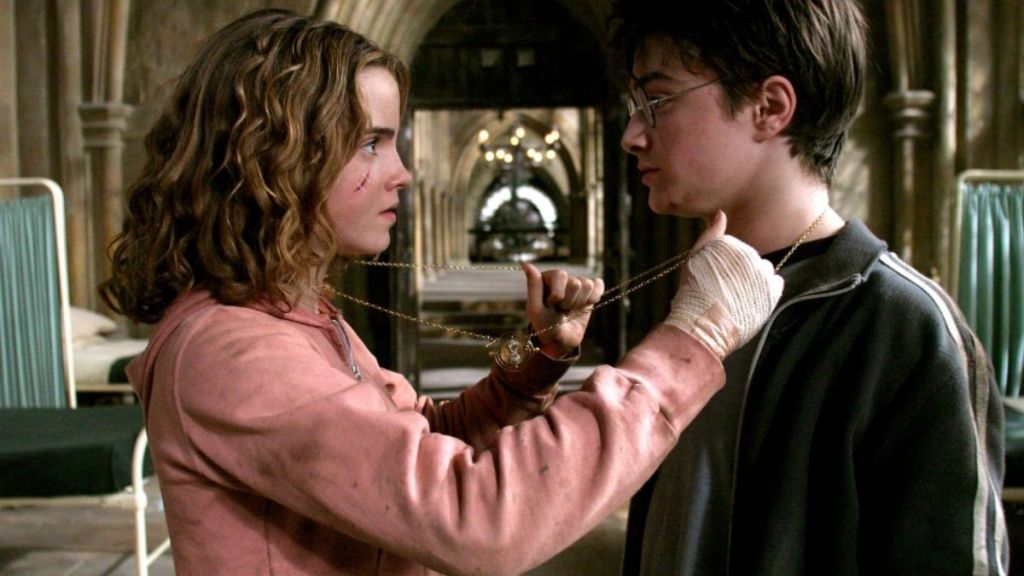
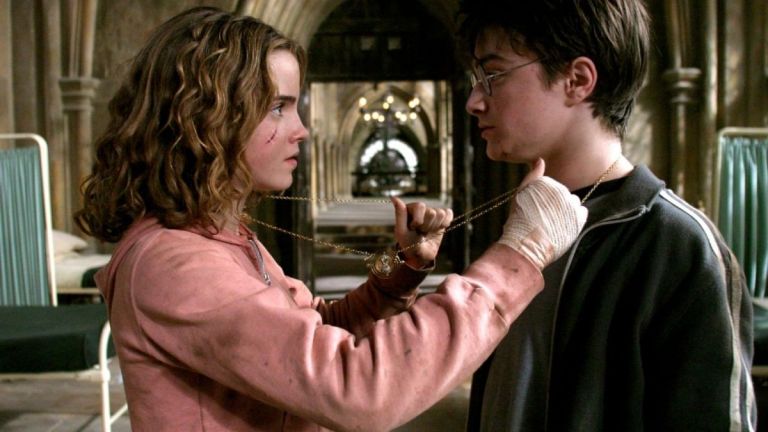
Harry Potter and the Prisoner of Azkaban
While Hermione’s Time-Turner allows her to attend multiple classes, the story’s time-travel logic raises questions about why such devices aren’t used to prevent other disasters. Or why such powerful magic is scattered so haphazardly.

The Time Traveler’s Wife
Somehow, Henry’s involuntary time jumps make his relationship with Clare possible. The film rarely establishes clear rules about what he can change, what he remembers, or how his jumps work.
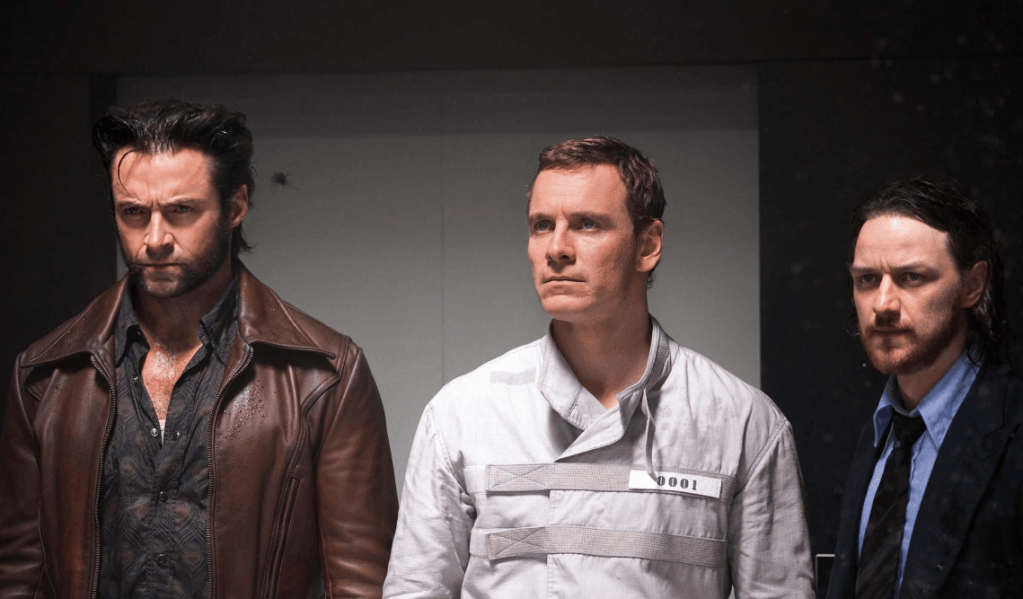
X-Men: Days of Future Past
Wolverine changes the past to avert a mutant apocalypse, rewriting the future. Yet the movie’s altered continuity leaves questions about which memories survive and why some events change while others remain.
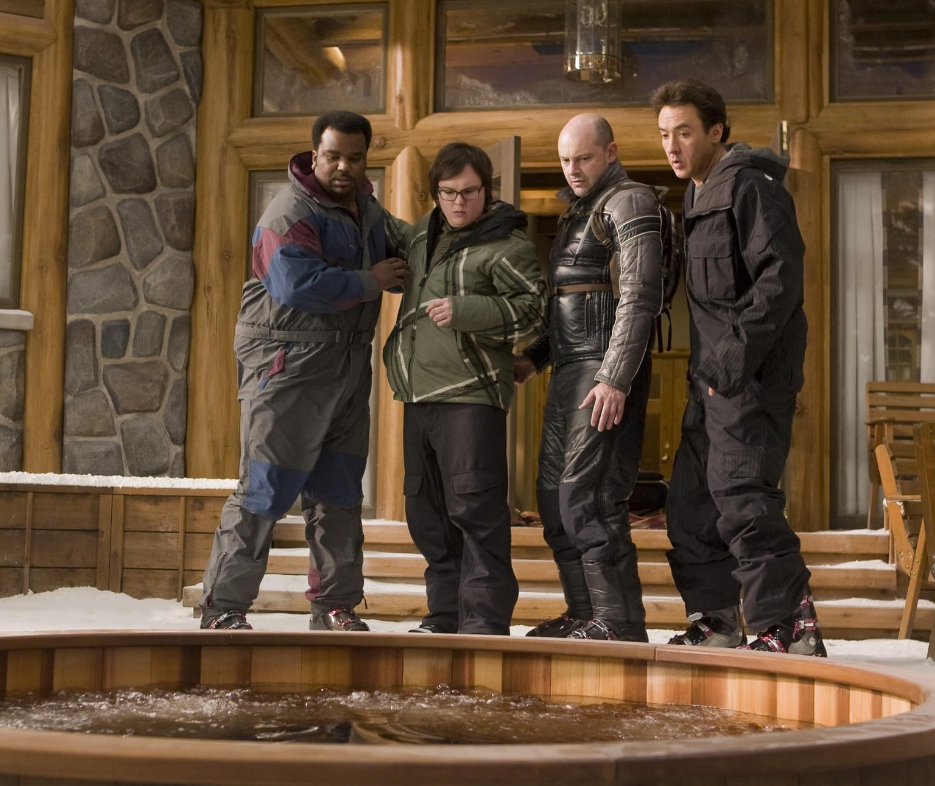
Hot Tub Time Machine
The characters’ past changes ripple into their present, the effects are selective though, and often played for comedy. The film’s timeline rules shift whenever a joke or plot twist needs them, making the rules almost non-existent.

Looper
When young Seth is injured, old Seth’s body changes instantly, yet his memories remain. The film treats causality as flexible, changing the rules whenever it heightens the tension.

Interstellar
Cooper’s messages to his daughter create a causal loop: he becomes the source of information that sends him on the mission. It’s emotionally powerful, but its paradoxical structure has no clear origin.

Avengers: Endgame
The Avengers claim changing the past creates alternate timelines, not altered presents. And yet, Steve Rogers’ decision to live in the past raises questions about how he returns to the main timeline.

The Adam Project
Adam travels back to meet his younger self, but the film’s rules for memory, timeline changes, and disappearing technology remain loose. Emotional closure takes priority over a consistent temporal system.

Predestination
The protagonist’s life forms a closed loop in which identity, parentage, and causality feed into one another. The paradox is intentional, as the story leaves the question of its original cause unanswered.

Tenet
Characters move backward through time by reversing entropy, making the film’s rules for oxygen, collisions, and cause and effect hard to reconcile with ordinary physics.