16 Awesome Japanese Movies Ruined By The Western Version

When a product does well, it’s only natural for other markets to want to replicate the success. Beyond that, producers can licence an intellectual property and make a version that would appeal to their markets, at least according to whatever studies they might’ve done.
And yet, when it comes to Japanese movies, the attempt is almost always seen as dumbing down the source material, and trying to capture the magic without any of its soul. While not all of them are terrible, they leave a lot to be desired. These are the biggest examples of Japanese classics ruined by Western remakes.
Ringu
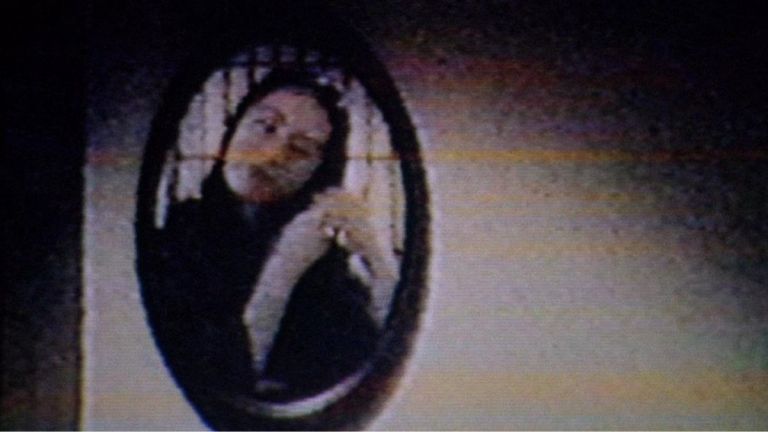
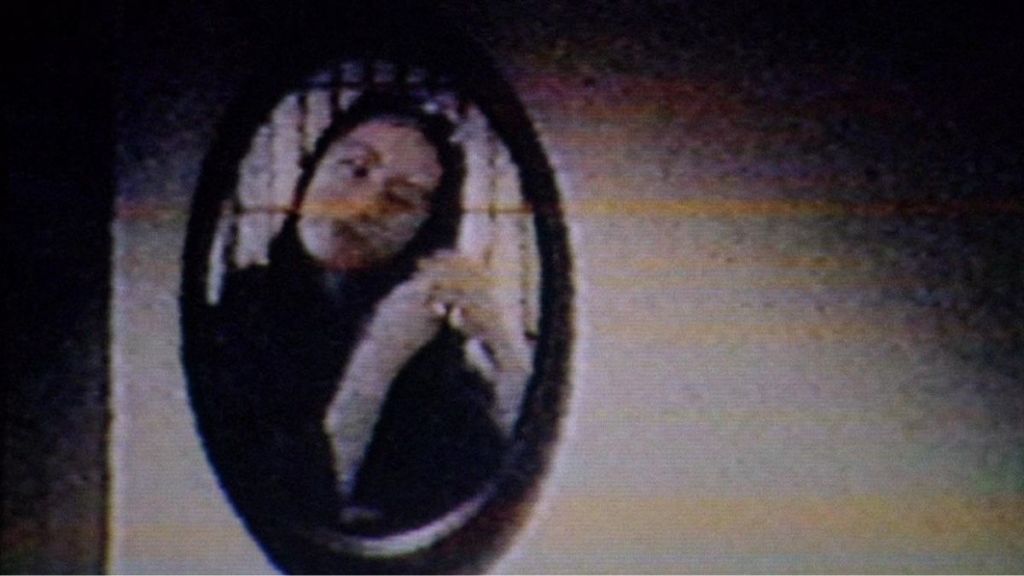
The 1998 original film was a masterclass in psychological dread. Its 2002 American remake, The Ring, was a huge box office success, although one that traded slow-burn terror for more conventional jump scares, kicking off a wave of J-horror adaptations.
Ju-On: The Grudge
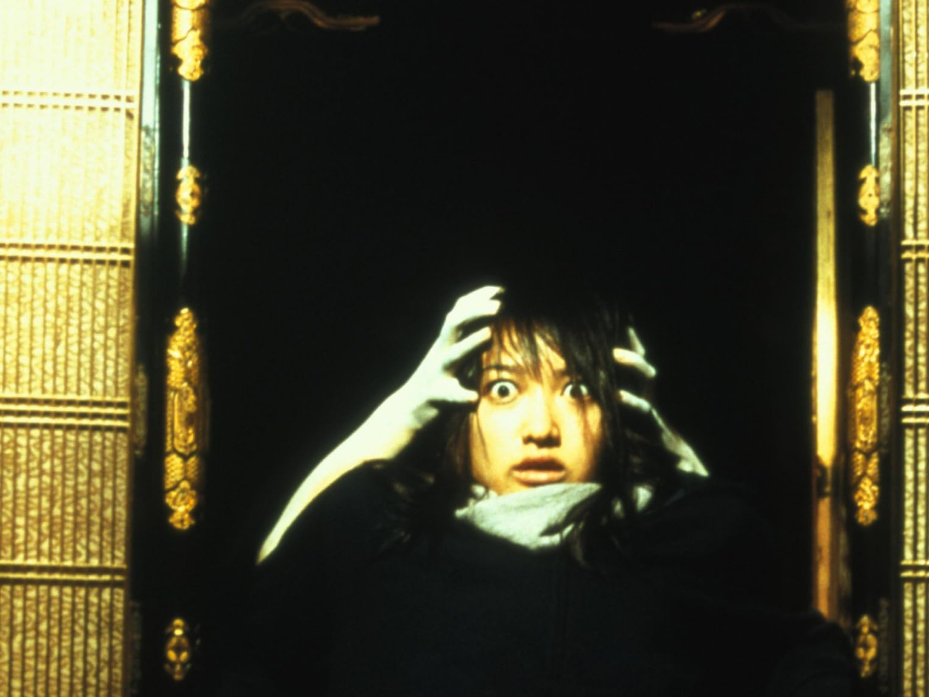
Even though the remake was handled by the original’s director, Takashi Shimizu, it lost the source material’s dark soul. The story was streamlined to focus on its American star, and the original’s deep, inescapable sense of hopelessness felt diluted.
Gojira
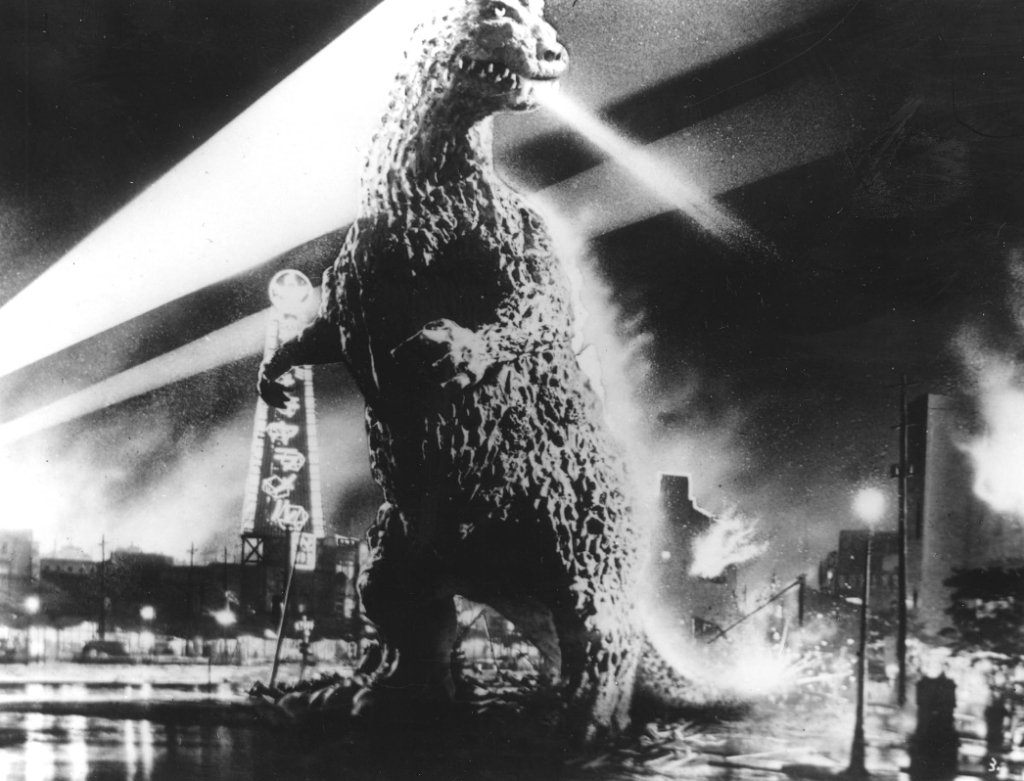
The original Japanese monster movie was a dark and somber metaphor for nuclear devastation. The American version removed all of the subtext to focus on a skinnier, tinnier version of the monster.
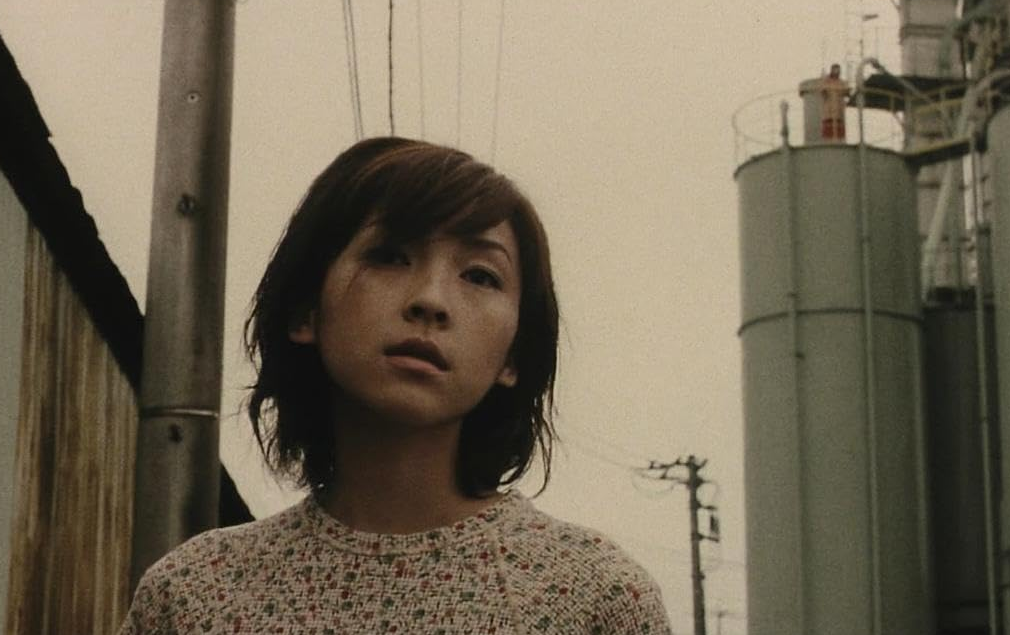
Kairo
The original was a bleak, quiet meditation on urban loneliness. The American remake, Pulse, turned the story into a loud, obvious horror movie full of 2000s clichés and a less interesting story about technology itself being the monster.
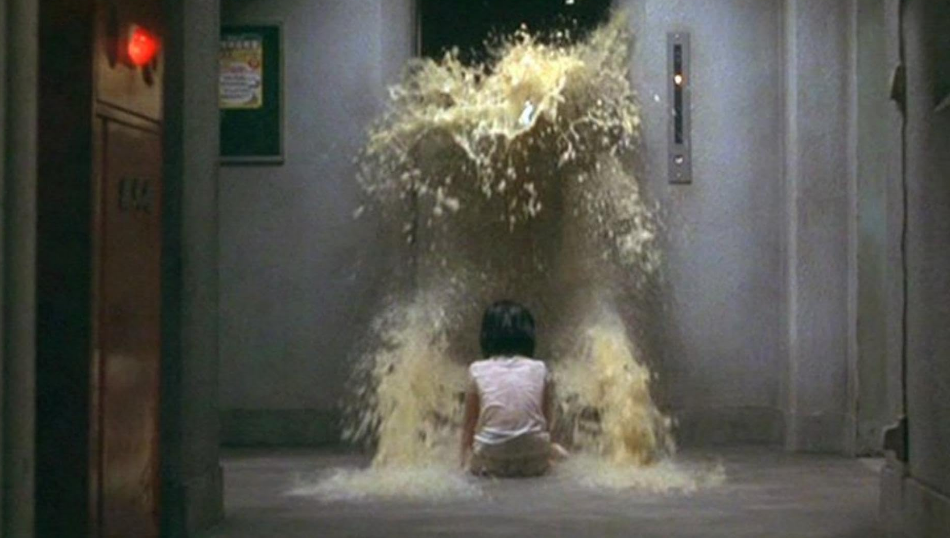
Honogurai Mizu no soko kara
Known to Western audiences as Dark Water, the 2005 American remake was based on this creepy 2002 Japanese film. While the remake tried to capture the unsettling atmosphere, it couldn’t quite match the original’s masterful and quiet tension.
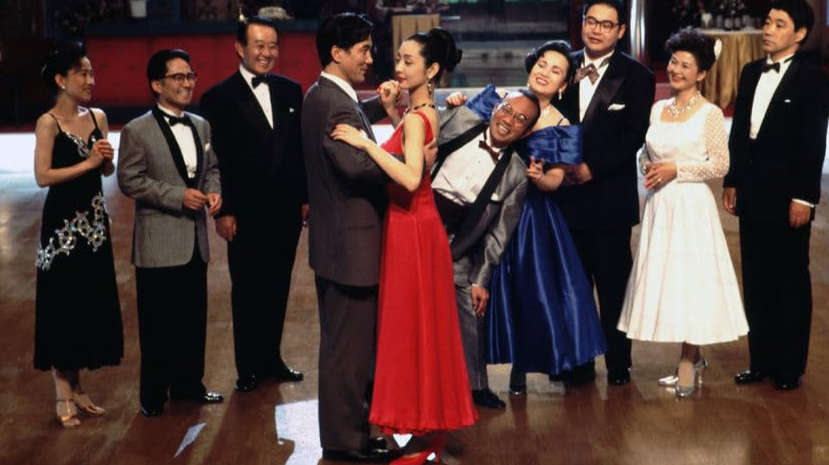
Shall We Dansu?
The charming 1996 Japanese original inspired the 2004 American remake Shall We Dance?. The Hollywood version had big stars but lost some of the specific cultural context that made the original’s story of a bored office worker finding passion so unique.
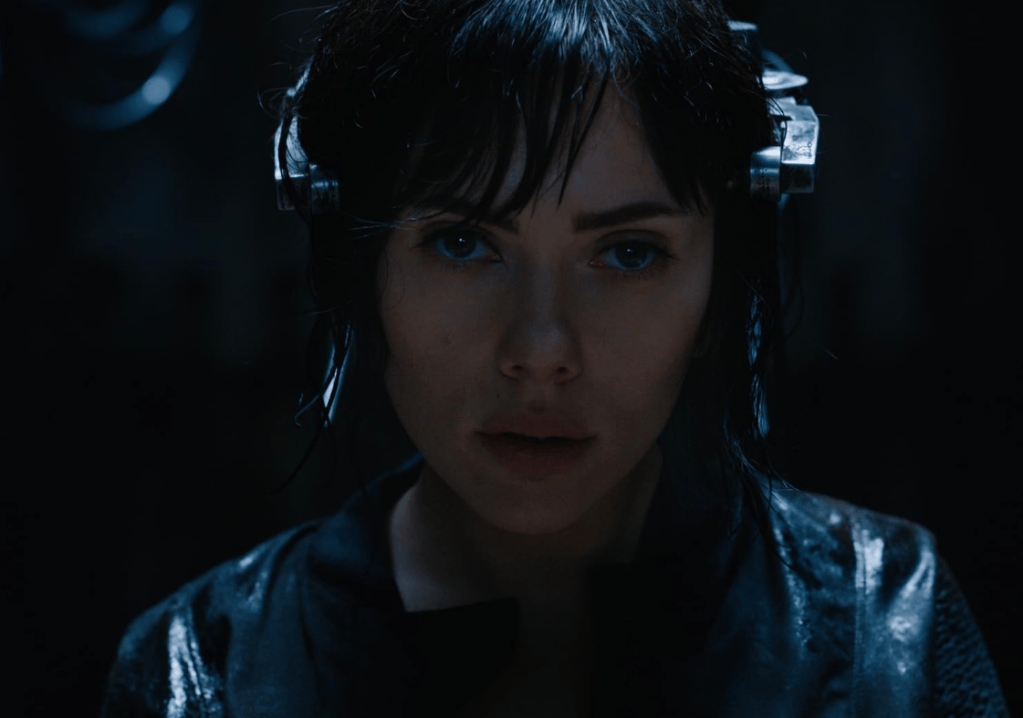
Ghost in the Shell
The original anime is a landmark of cyberpunk. The live-action American film from 2017 had stunning visuals, something that didn’t make up for how it struggled to capture the deep philosophical themes of the original, leaving many fans of the franchise feeling disappointed.
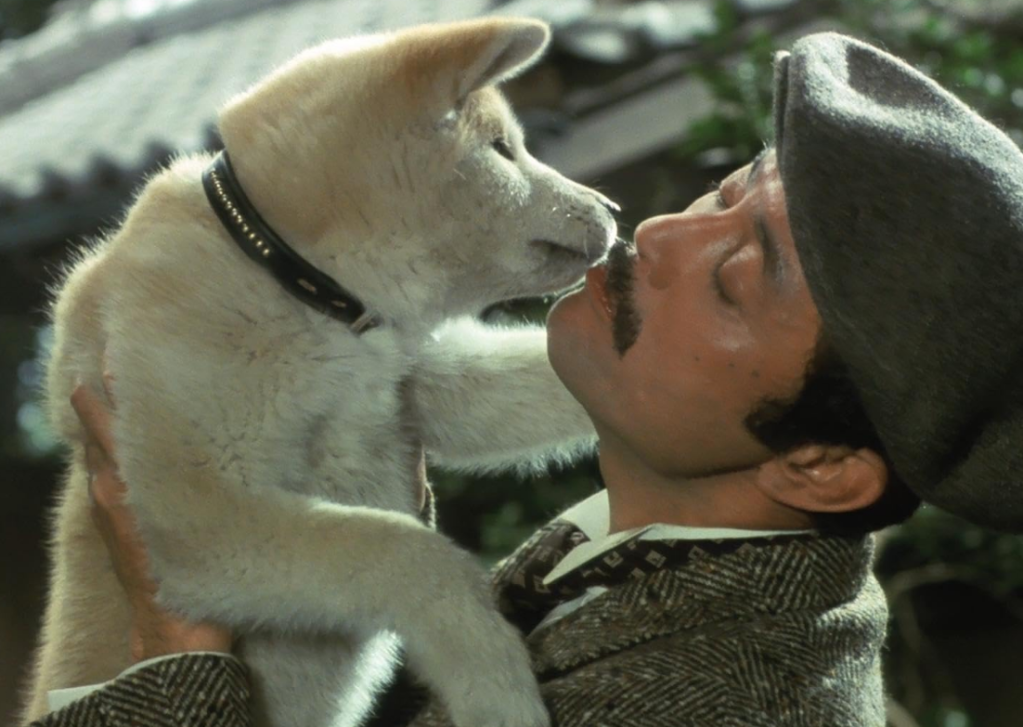
Hachikō Monogatari
This 1987 film tells the heartbreaking true story of a loyal Akita dog who waited for his owner for 9 years after his death. The American remake is a tearjerker, although it barely hits the unforgettable heights of the original’s raw, unfiltered emotion.
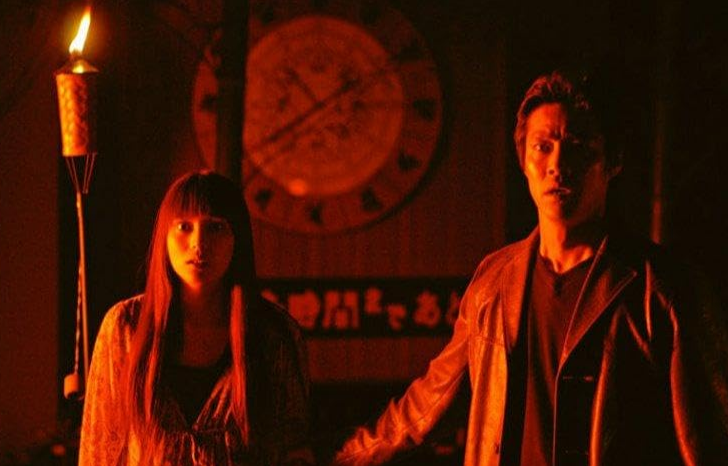
Chakushin Ari
This 2003 Japanese horror film, known in the US as One Missed Call, was a genuinely creepy story for the cell phone age. The 2008 English-language remake, however, was critically panned and failed to deliver any of the original’s scares.
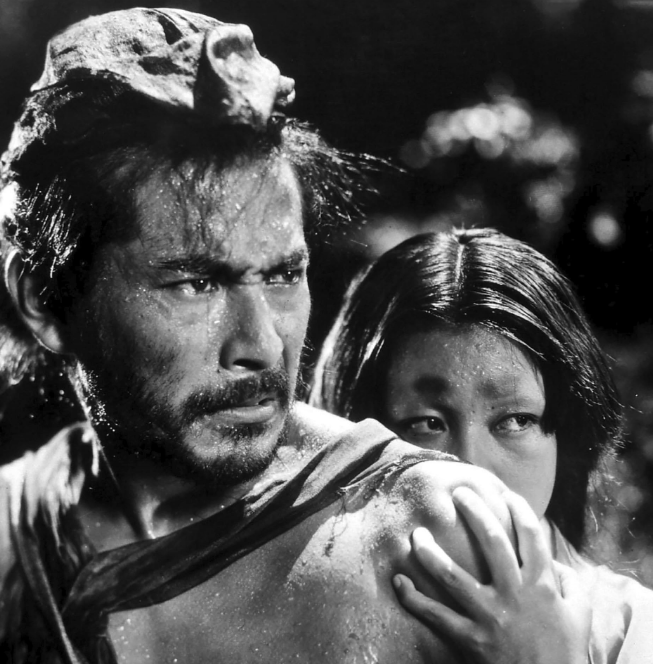
Rashomon
Kurosawa’s 1950 masterpiece is famous for its brilliant ambiguity. Its 1964 Western remake, The Outrage, made the mistake of trying to fill in the blanks, completely robbing the story of its power and its point about the nature of truth.

Nankyoku Monogatari
The 1983 Japanese film Antarctica is a harrowing drama about a real-life Antarctic expedition. The American version, Eight Below, was a more family-friendly adventure film that significantly toned down the harsh and tragic realities of the original story.
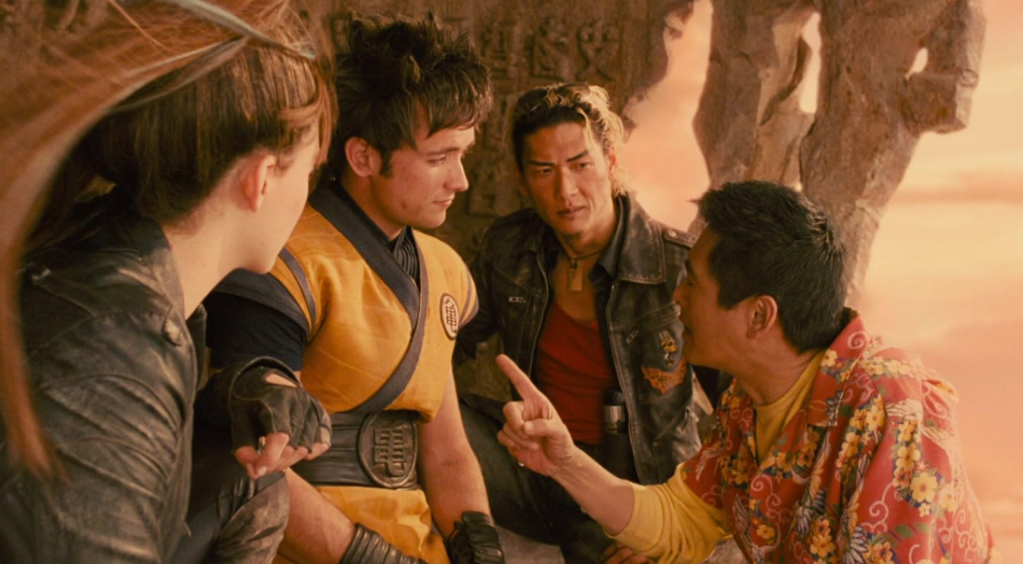
Dragon Ball
The 2009 live-action movie Dragonball Evolution is infamous among fans. It’s often held up as a perfect example of a Hollywood adaptation that fundamentally misunderstands everything that made the original anime and manga so beloved around the world.
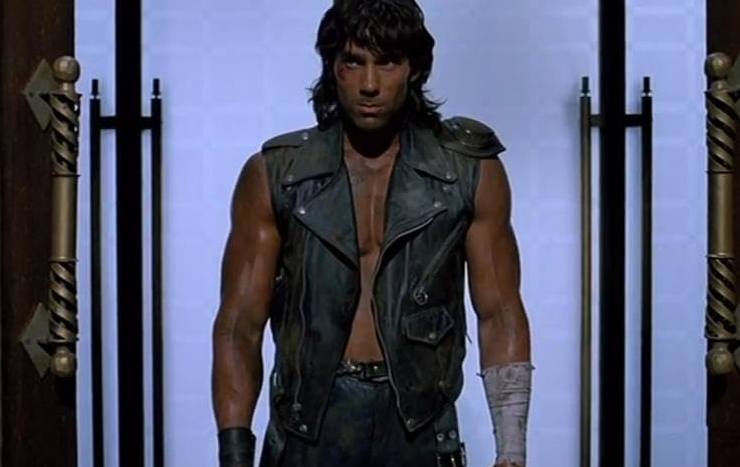
Hokuto no Ken
A 1995 American movie version of Fist of the North Star was co-produced by a Japanese studio, and it still couldn’t capture the manga’s epic tone. It’s now mostly seen as a cheesy ’90s action flick for big fans only.
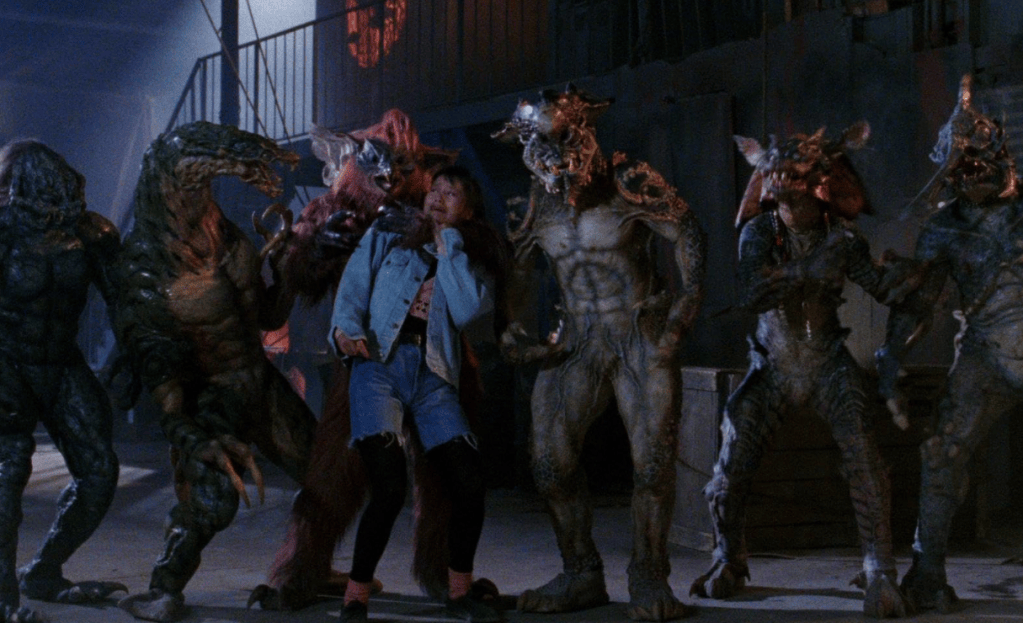
Kyōshoku Sōkō Gaibā
Known as “The Guyver,” this manga was adapted into two American movies in 1991 and 1994. While they have a cult following for their wild practical effects, they’re a much goofier and less intense version of the original story.
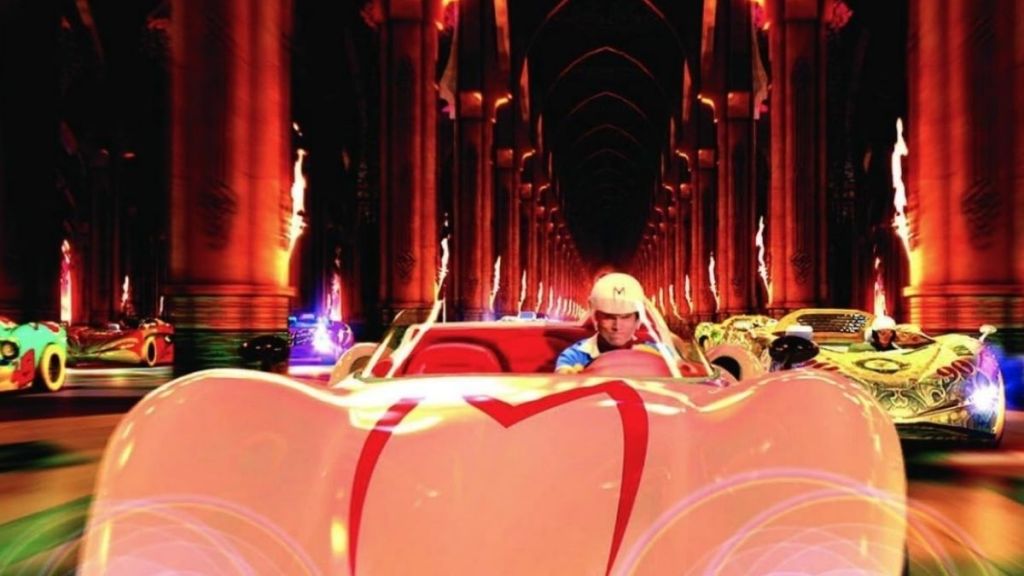
Mach GoGoGo
You probably know it as Speed Racer. The original Japanese anime from the 1960s was a worldwide phenomenon. The 2008 live-action film was a visual spectacle but was so over-the-top that it failed to connect with general audiences.

Kite
The 2014 live-action remake of this controversial anime was a complete failure, earning a 0% rating on Rotten Tomatoes. Critics called it a boring, ugly movie that became pointless once it removed the edgy elements that made the original infamous.