The Strangest Fake News That People Actually Believed


We live in a world where fake news are everywhere around us, being bombarded at us from nearly every angle. We need to be careful not to share ‘facts’ that aren’t actually real, images created wholly by AI, or just rumors and hearsay being spread around like truths.
Just so you don’t feel so bad about believing some of them, you should know that, throughout history, people have fallen for these falsehoods time and time again. And we’re not talking exclusively about ancient times either. These are the strangest examples we could find.
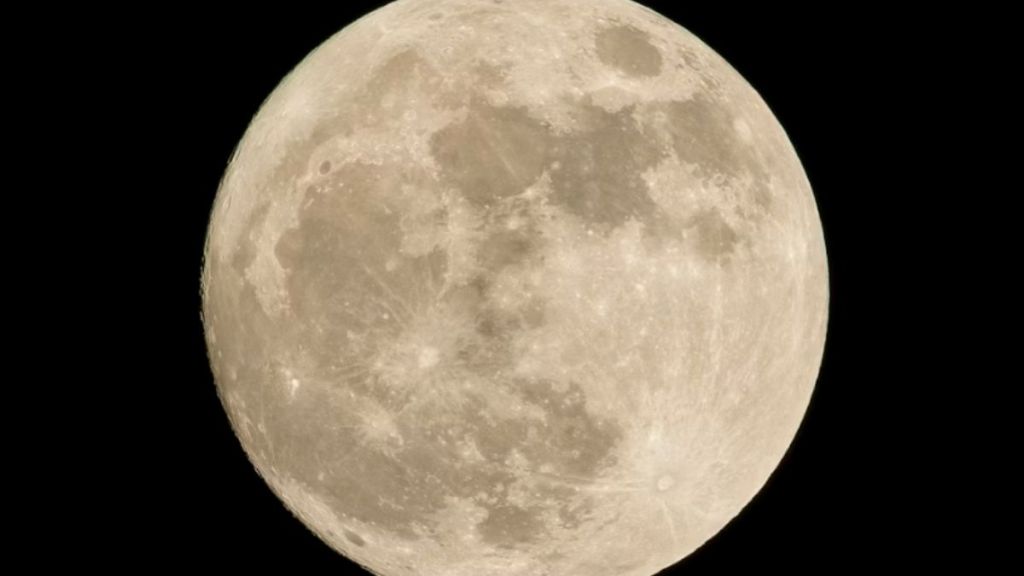
The Great Moon Hoax of 1835
In 1835, a series of articles in New York’s The Sun newspaper claimed an astronomer had discovered life on the moon. The paper’s circulation soared as people read about the discovery of bizarre, bat-like humanoids and other lunar creatures.
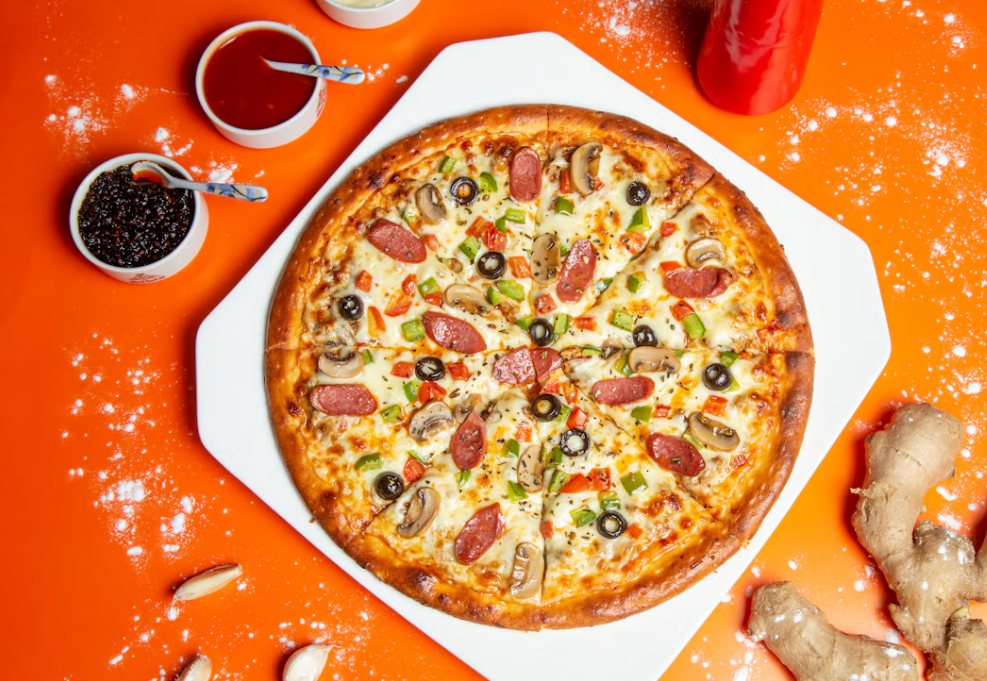
Pizzagate and the Comet Ping Pong Pizzeria
This debunked 2016 conspiracy theory falsely claimed a Washington, D.C. pizza place was a hub for a child trafficking ring. The online lies had real consequences when a man, “investigating” the theory, fired a rifle inside the restaurant.

The BBC’s Swiss Spaghetti Harvest
For April Fools’ Day in 1957, the BBC aired a report about a bountiful spaghetti harvest in Switzerland. Thanks to a respected narrator and claims of a mild winter, many viewers actually believed pasta grew on trees.

The Blair Witch Project’s ‘Found Footage’
The 1999 horror film was marketed as real ‘found footage’ from three student filmmakers who vanished in the woods. The marketing was so effective, complete with a detailed website, that many audience members believed the horrifying story was true.

The Protocols of the Elders of Zion
First published in Russia in 1903, this text is a notorious antisemitic forgery claiming to be a Jewish plan for world domination. It was exposed as a plagiarized hoax in 1921 but is still circulated by hate groups.

The ‘Paul is Dead’ Beatles Conspiracy
This wild urban legend took off in 1969, claiming Paul McCartney had died in a car crash in 1966 and been replaced by a look-alike. Fans frantically searched for ‘clues’ on album covers and in backward song lyrics.
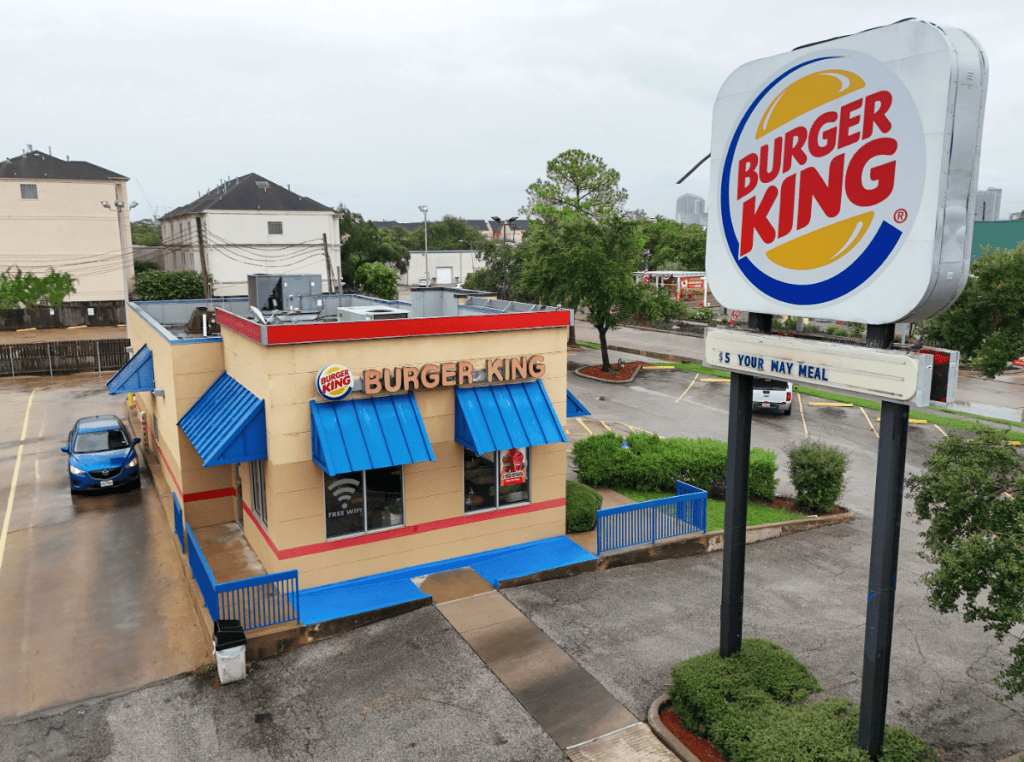
Burger King’s Left-Handed Whopper
Burger King ran an April Fools’ ad in 1998 for a “Left-Handed Whopper.” The company claimed all the condiments were rotated 180 degrees. Thousands of customers reportedly tried to order one.

The Infamous Balloon Boy Hoax
In 2009, the world watched in horror as a homemade helium balloon floated across Colorado, supposedly with a 6-year-old boy inside. The child was later found hiding in the attic; his parents had staged the event for publicity.
The ‘Alien Autopsy’ TV Special
A 1995 TV special caused a huge stir with footage supposedly showing an alien autopsy from the 1947 Roswell incident. The promoter admitted in 2006 that the film was a reconstruction, not the genuine article he claimed it was.

The Guardian’s San Serriffe Island
For April Fools’ Day 1977, The Guardian newspaper in the UK published a detailed 7-page supplement on the fictional island of San Serriffe. The nation’s places were all typography puns, but many readers still called to book holidays.
The Global Conspiracy of QAnon
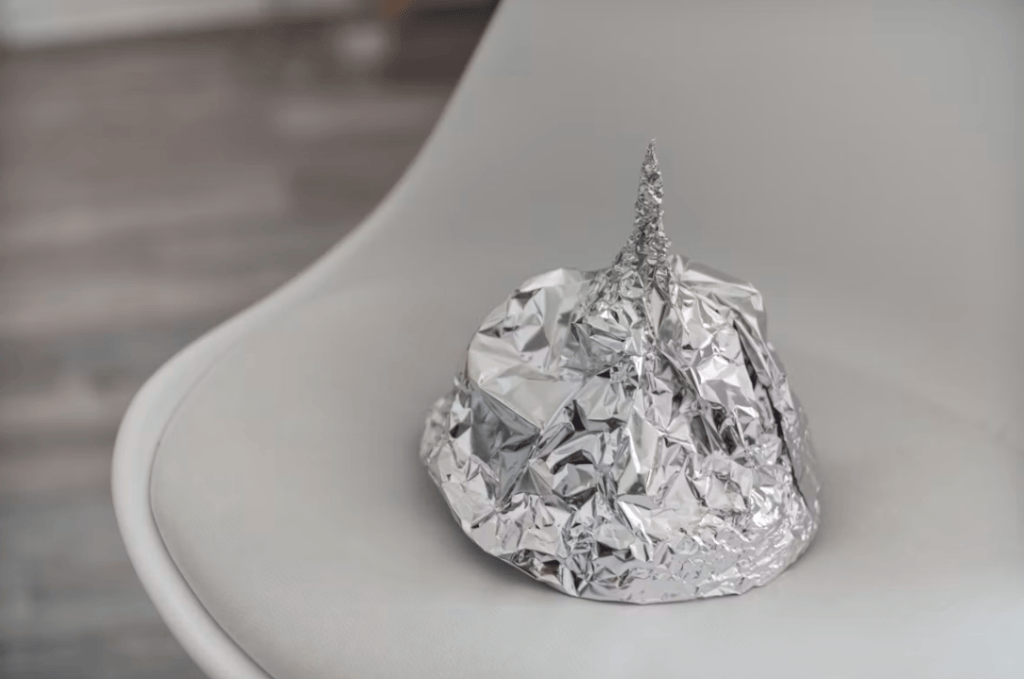
Originating in 2017, this far-right conspiracy theory alleges a secret cabal of Satan-worshipping elites runs the world. Its anonymous leader, “Q,” claimed to be a high-level official leaking information about an impending “Storm” that never came.
The Modern Flat Earth Movement
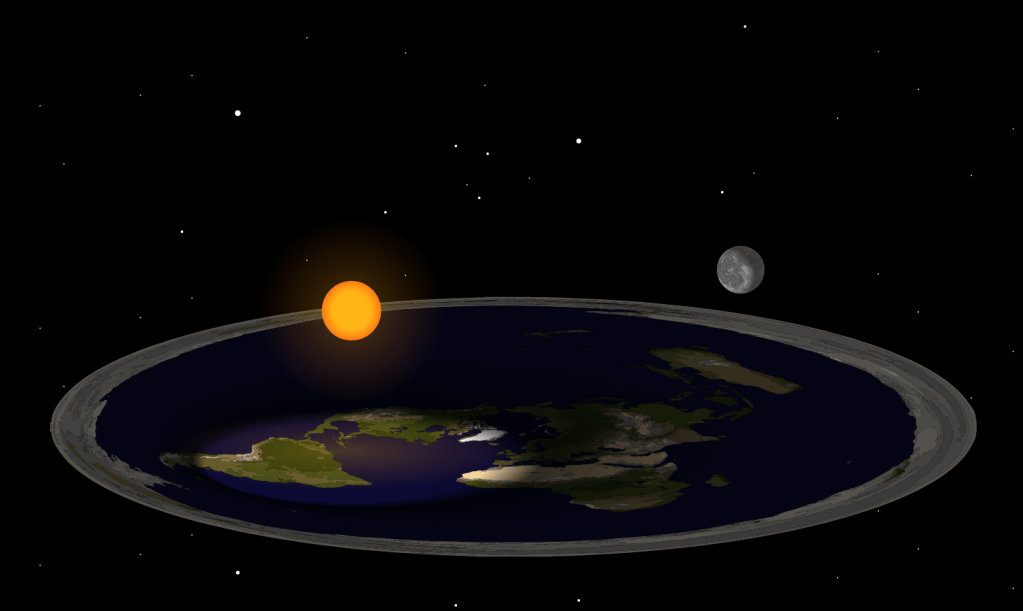
Adherents of this so-called movement believe the Earth is a disc with an ice wall around the edge, dismissing all scientific evidence like satellite photos as part of a conspiracy. Even though there are ways to test the curvature of the Earth without leaving the planet, they still refuse to see the evidence.
We Only Use 10% of Our Brains
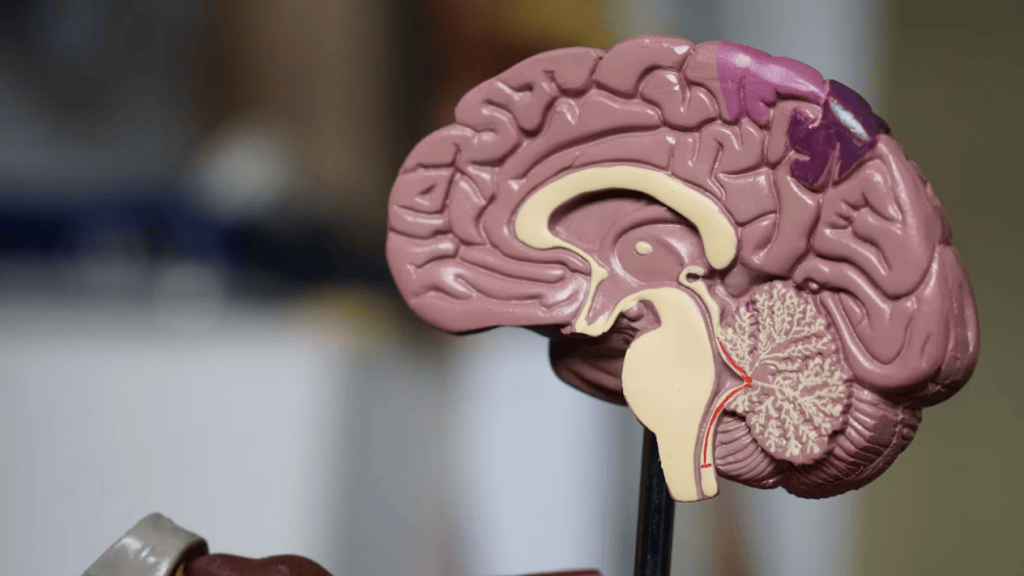
This persistent myth has been around for over a century. Brain scans clearly show that we use nearly all of our brain, even when we’re resting. Damage to even a small part of the brain can cause devastating problems.
The Discredited MMR Vaccine and Autism Link
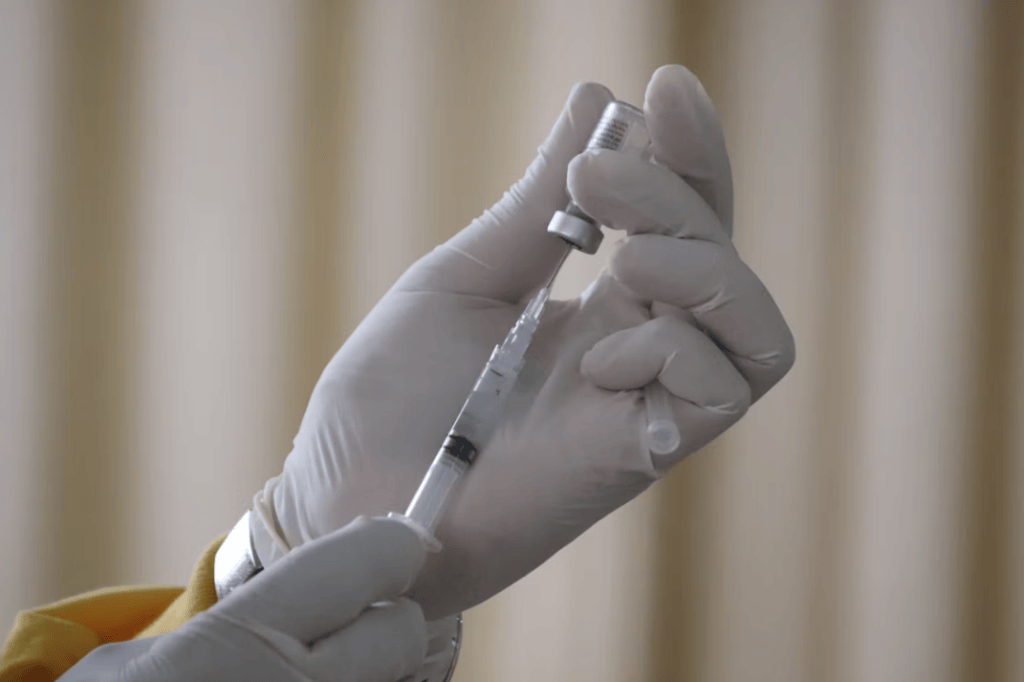
A fraudulent 1998 study started the dangerous myth that the MMR vaccine causes autism. The study was retracted and its author, Andrew Wakefield, lost his medical license for faking his data, but the damage continues to this day.

The Cottingley Fairies Hoax
These five photos, taken starting in 1917, convinced many that fairies were real. But in the 1980s, the two women who took them as children confessed that four of the five were faked using cardboard cutouts from a book.
A Fake Tweet Crashed the Stock Market
In 2013, hackers took over the Associated Press’s Twitter account and falsely reported explosions at the White House. The fake news caused the Dow Jones to plummet for a few minutes, showing how fast misinformation can cause real-world chaos.