15 Action Stars That Aren’t Actually Very Good at ‘Action’

Making a good action scene is nothing like making a good dramatic one. The weight isn’t completely on the actor (although that depends on the performer), but also on the stunt performers, the choreography, and all of the special effects for when fights want to get a little bit out there.
Even then, the one we see on the screen is the actor, and it just so happens that they’re in charge of selling the scene. And sometimes, we’re just not sold. These are the action stars that, more often than not, leave us wanting more from their action spectacles.
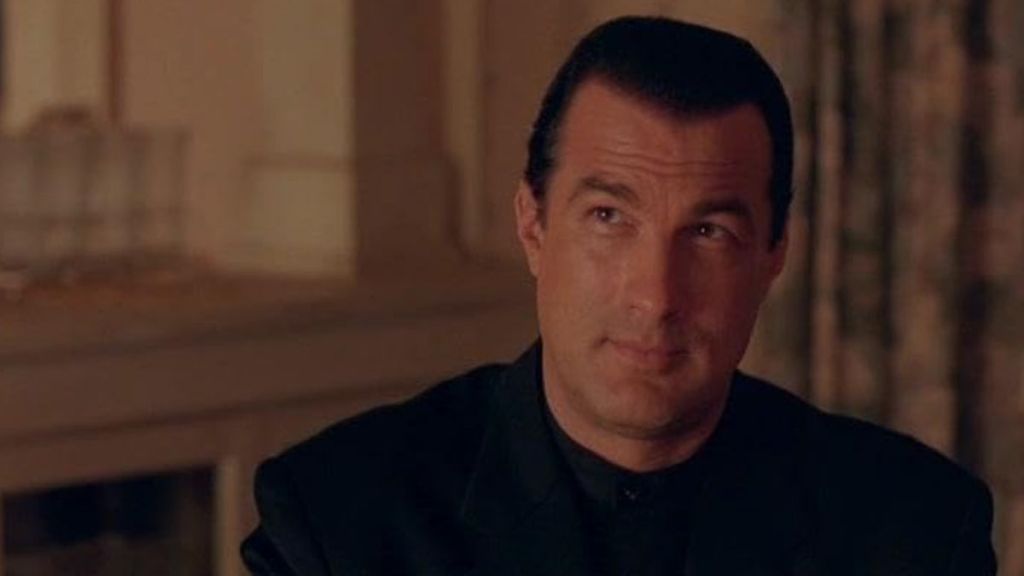
Steven Seagal
He’s known for his aikido background, one that often translated to him standing still while opponents attacked one by one. His later movies relied heavily on body doubles and quick cuts to hide his limited mobility.
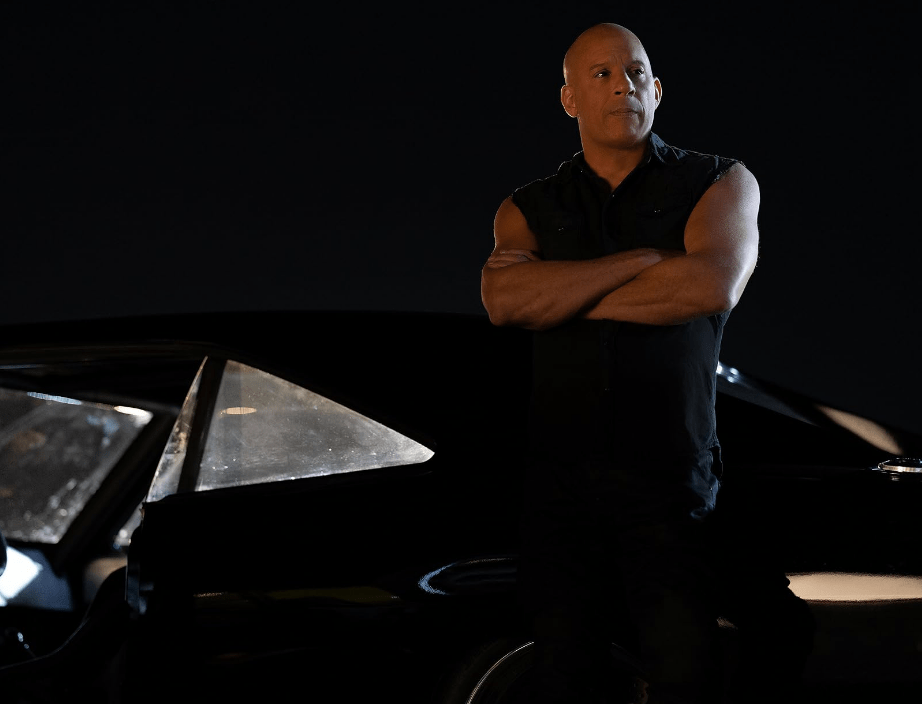
Vin Diesel
Since The Fast and the Furious in 2001, he has perfected the stoic, tough-guy persona. Whether it’s car stunts or brawling, critics have noted that his action performances can feel a bit repetitive and lack versatility across different roles.
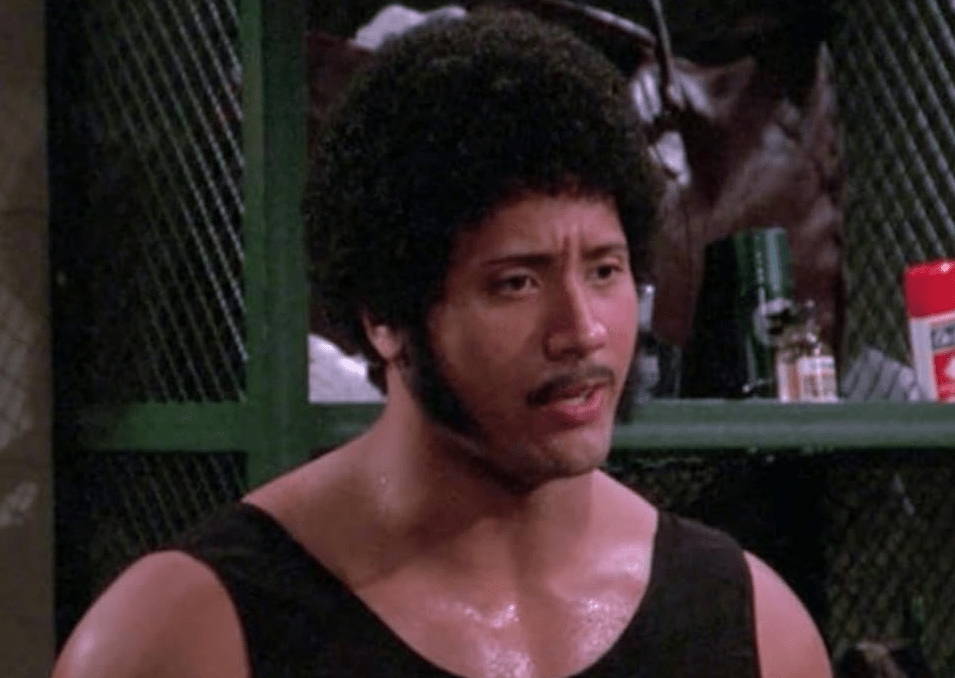
Dwayne Johnson
While ‘The Rock’ certainly has the physique from his wrestling days, many of his biggest action scenes rely on special effects. Films like San Andreas often prioritize CGI destruction over intricate, practical fight choreography.
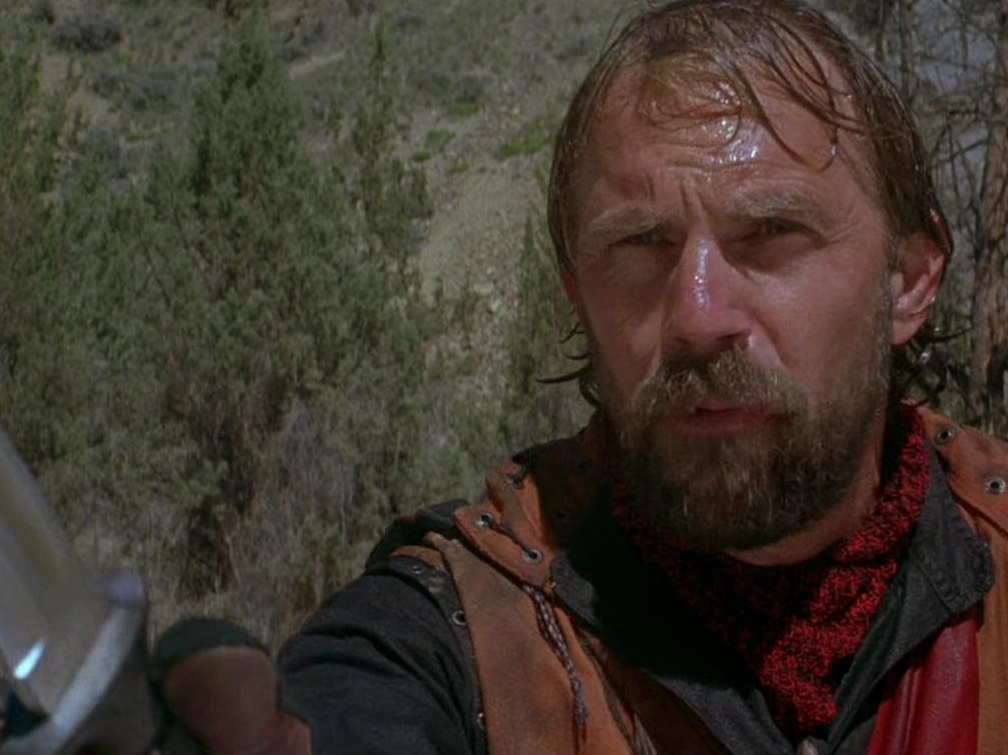
Kevin Costner
He’s a Hollywood legend, but his major swings at being an action hero didn’t quite connect. Ambitious films like Waterworld and The Postman became more famous for their troubled productions than their thrilling action sequences.
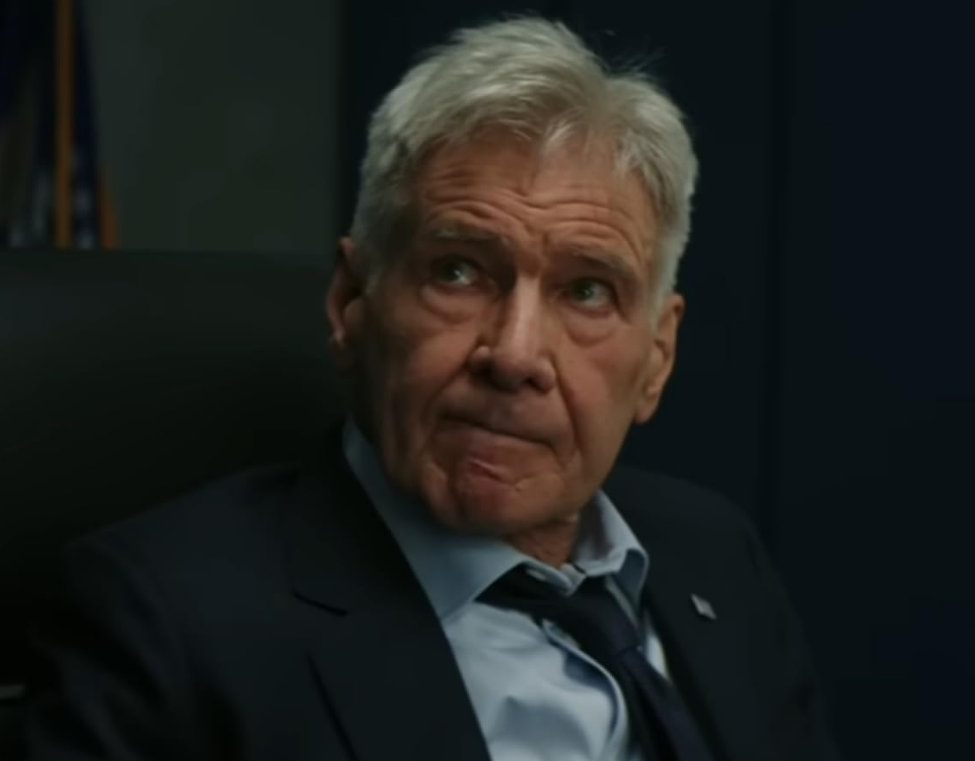
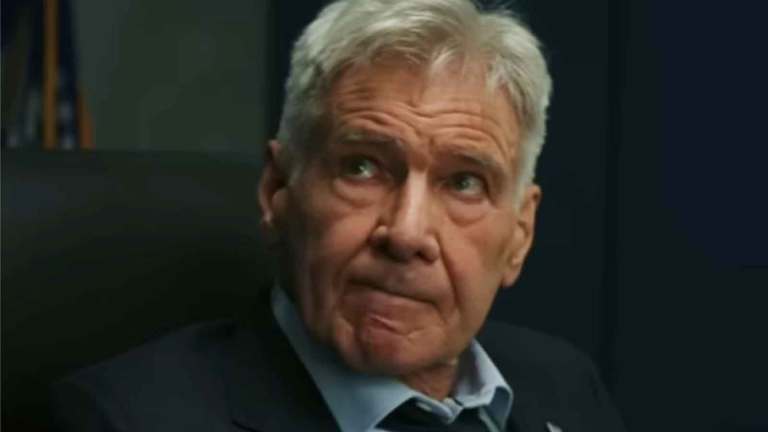
Harrison Ford
As Indiana Jones and Han Solo, he’s an undisputed icon, although one that didn’t move much beyond shooting first. But his return to the roles in films like Indiana Jones and the Kingdom of the Crystal Skull featured less physical action, relying on quick cuts and effects.
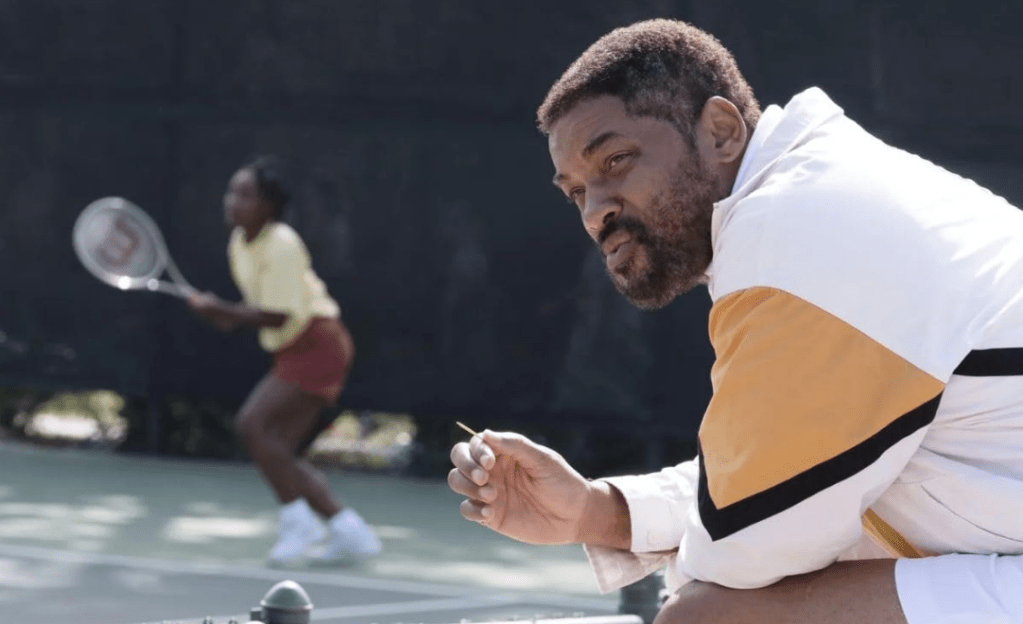
Will Smith
In ’90s blockbusters like Bad Boys and Independence Day, Will Smith’s greatest asset was his personality. His action scenes often lean more on spectacle and his perfect comedic timing than on pure fighting prowess, and it works.
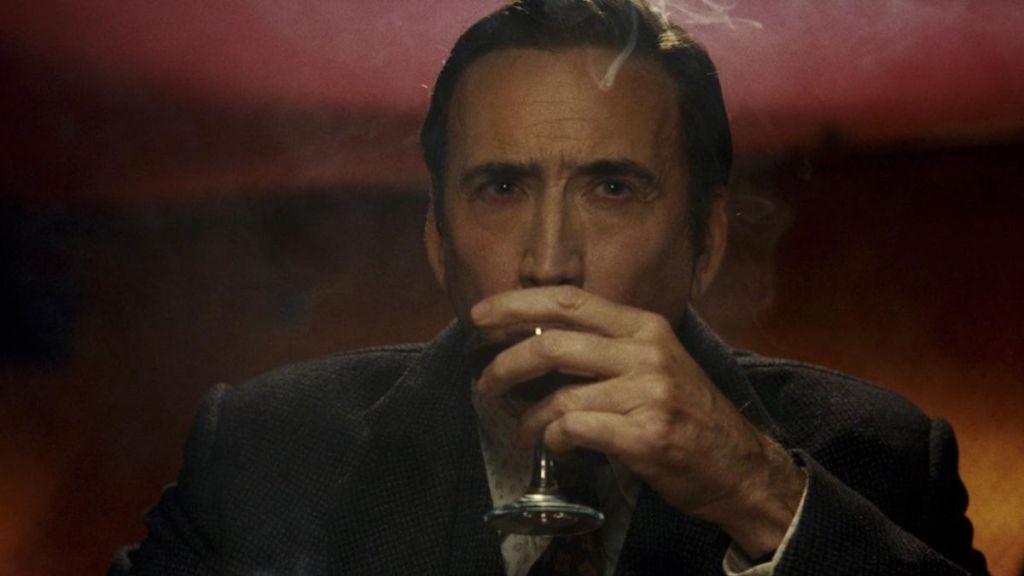
Nicolas Cage
In hits like The Rock and Con Air, the real main event was always Cage’s wild performance. His uniquely intense and exaggerated acting style often overshadows the actual punches and explosions in his scenes.
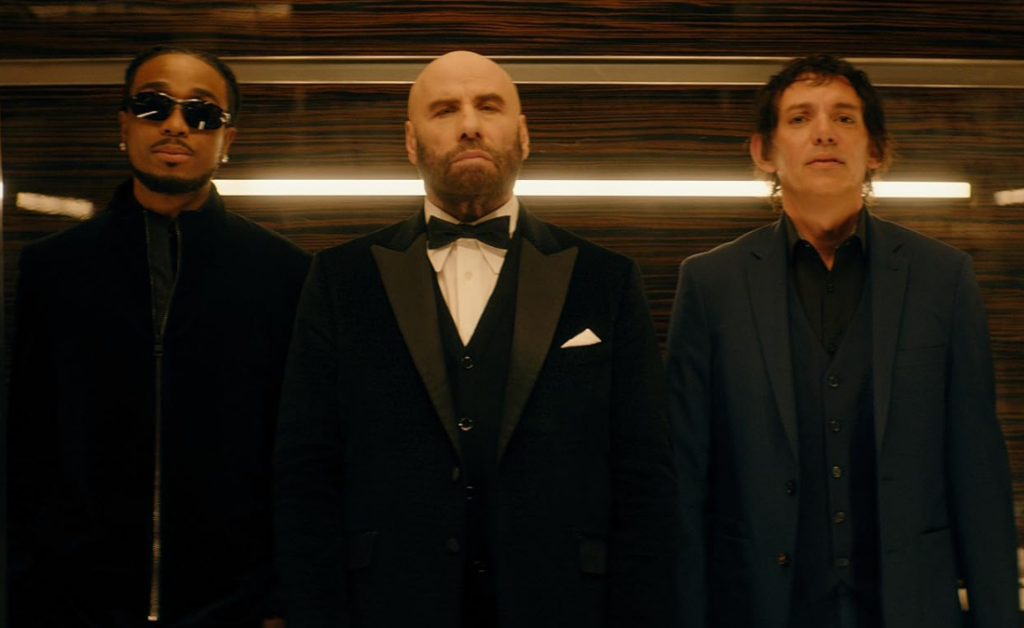
John Travolta
Perhaps thanks to his musical background, Travolta’s action scenes have a certain theatrical flair. His role in Face/Off is a great example, featuring highly choreographed, almost dance-like gunplay and elaborate stunts.

Chuck Norris
The man, the myth, the legend whose toughness spawned a thousand memes. But critics have pointed out that his fighting style, seen in shows like Walker, Texas Ranger, could get repetitive. There are only so many roundhouse kicks.
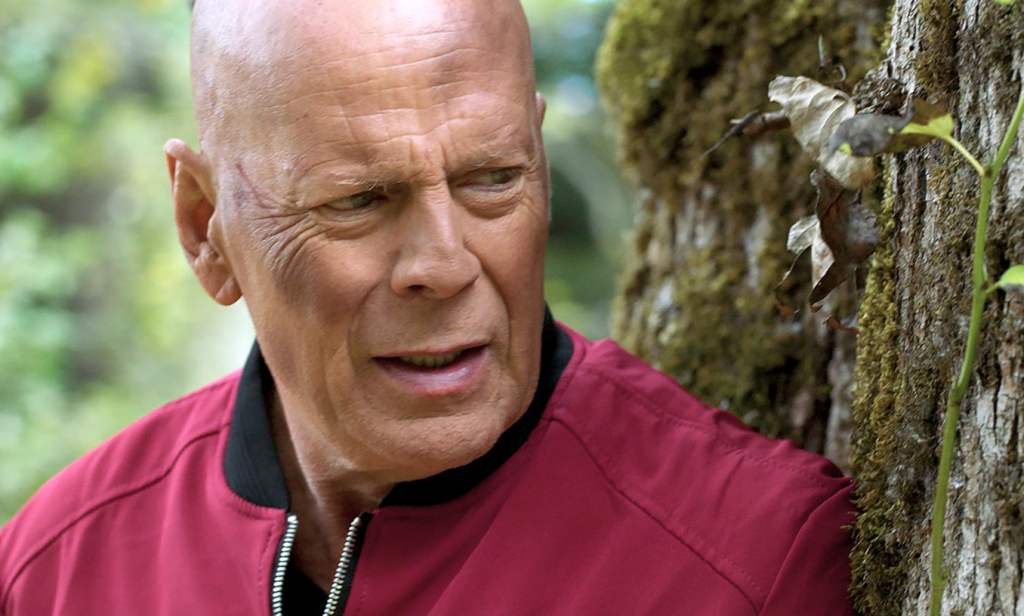
Bruce Willis
He became a household name as the everyman hero John McClane in Die Hard back in 1988. In his later career, however, many fans and critics felt that the spark was gone and he was simply phoning it in.

Taylor Lautner
He was the action-heavy part of the Twilight love triangle, but his attempt at a solo career with Abduction was a box office miss. Critics found his performance as a leading action hero unconvincing.
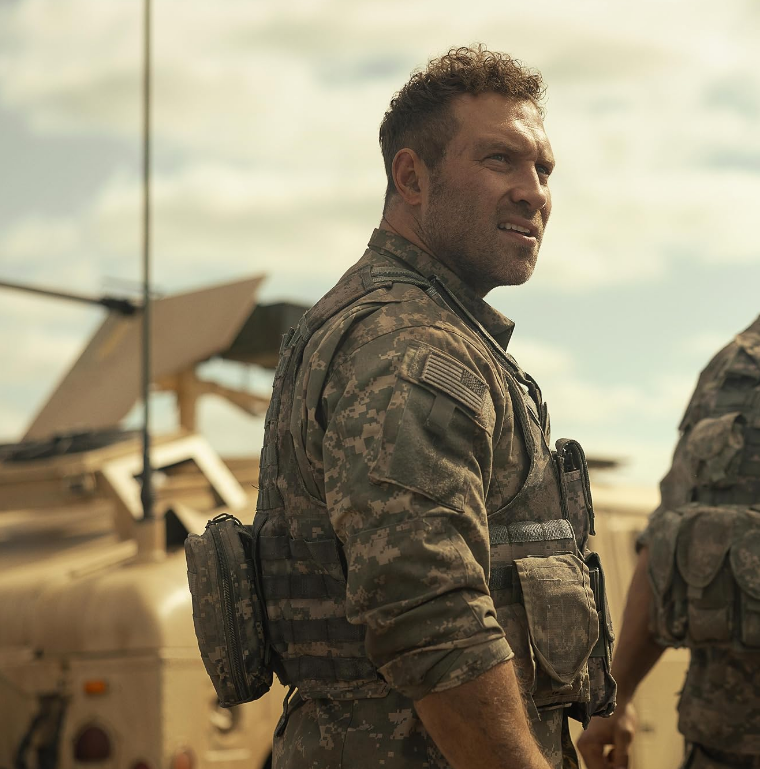
Jai Courtney
He has appeared in massive franchises like Terminator Genisys and S. Squad, but he’s often criticized for playing generic tough guys. His action roles are frequently described by critics as lacking a distinctive, memorable quality.
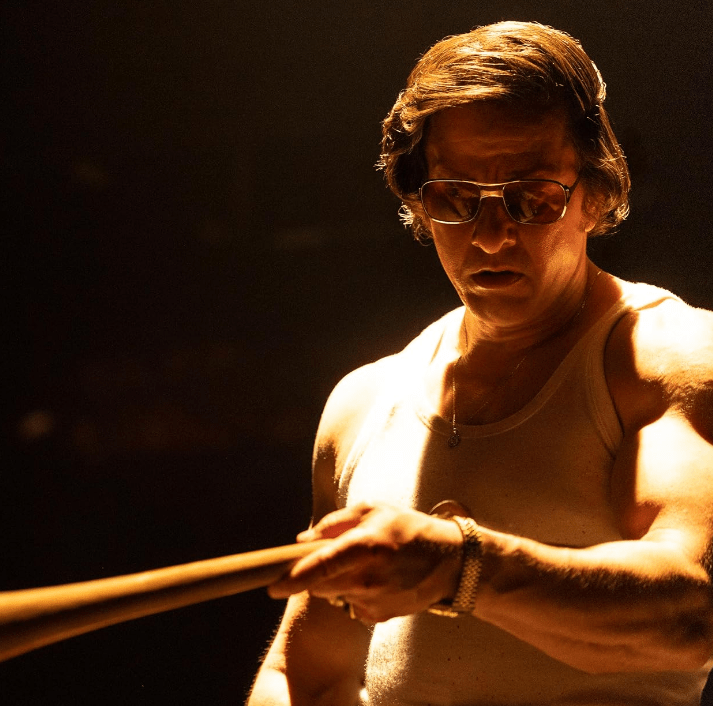
Mark Wahlberg
Whether he’s in a Transformers movie or a thriller like Contraband, Mark Wahlberg often plays the same kind of working-class tough guy. Critics have noted a certain repetitive quality to his action hero persona across his films.
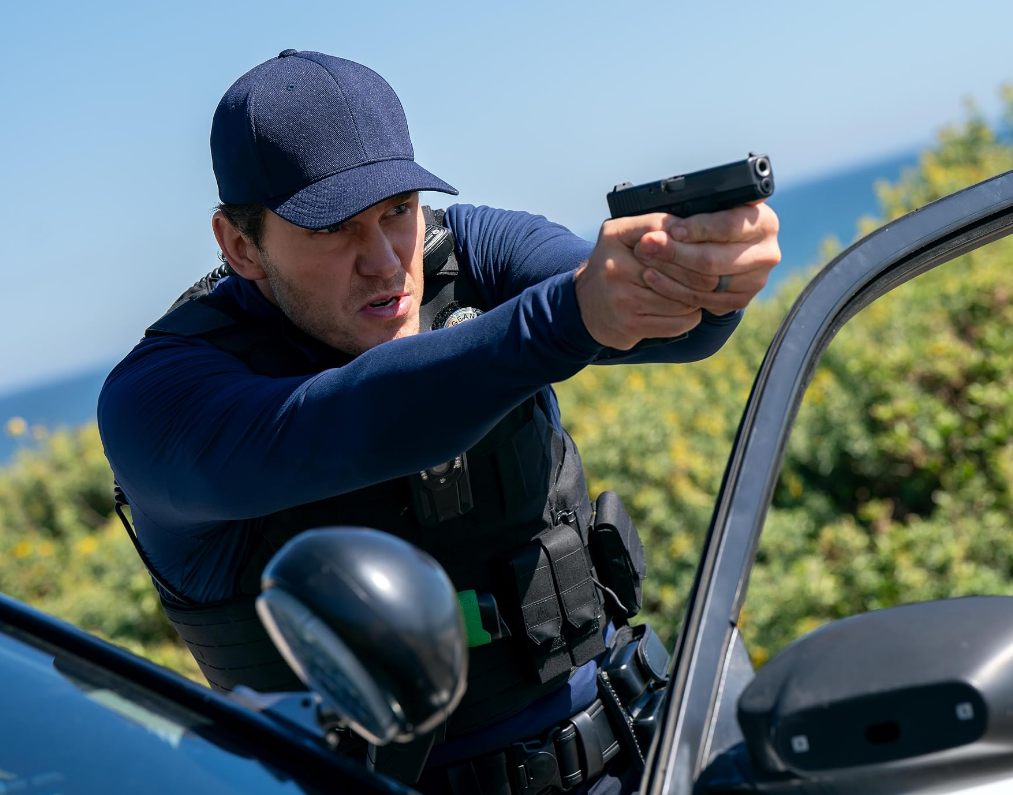
Chris Pratt
While he became a huge star with Guardians of the Galaxy and Jurassic World, his heroes are more charming than cunning. His characters often succeed thanks to a blend of humor and dumb luck rather than pure combat skill.
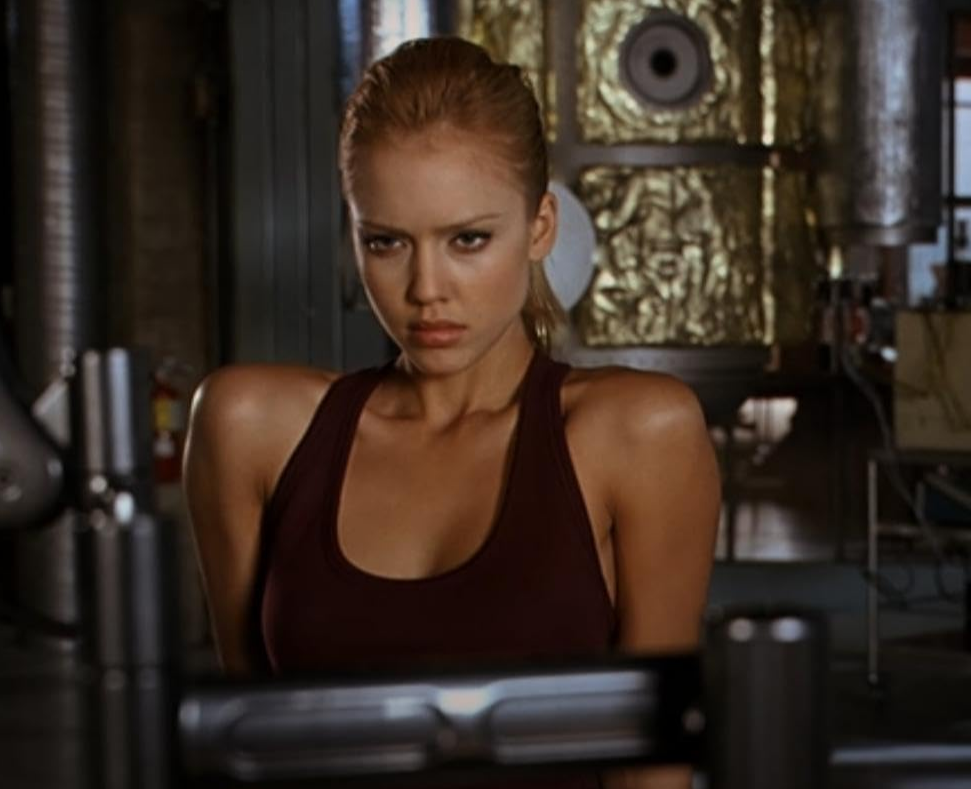
Jessica Alba
From the TV series Dark Angel to Fantastic Four, she has taken on plenty of physical roles. However, her action scenes often relied more on stylized choreography and visual effects than on raw, believable combat prowess.