The Most Notorious Flops Of The Google Graveyard

As an incredibly profitable company, Google is constantly trying to come up with new innovative things that, unless we have them, we’ll feel empty inside. That makes for great business, but finding that miraculous product also means going through many failures; it’s just how innovation works.
What constitutes a failure will depend on the observer, and according to Google, several things became failures. This is why a whole website exists to catalog discontinued creations, ideas and ‘innovations’ that Google tried over the years, and unceremoniously sent to live in a farm up state. These are the most notorious ones.
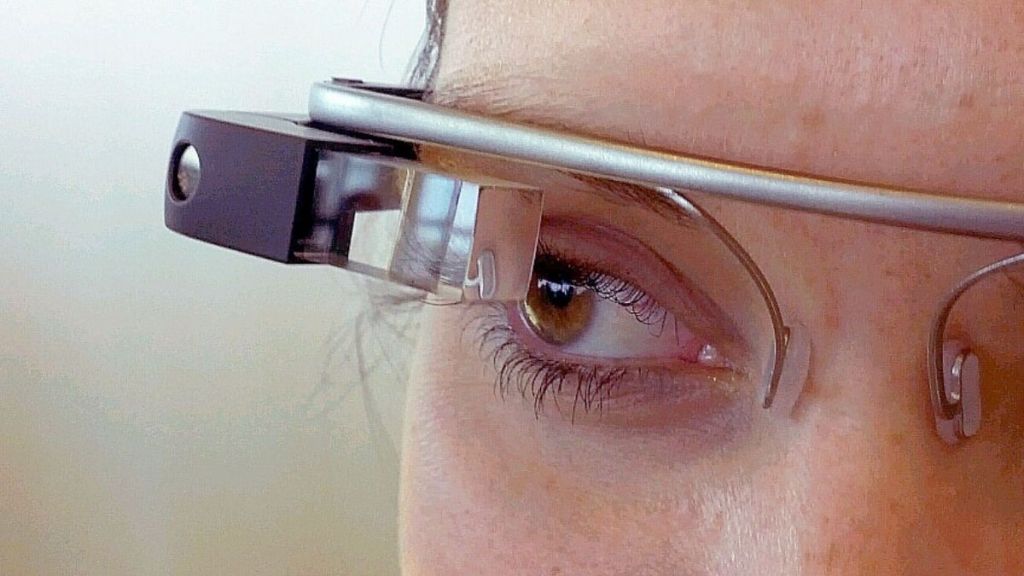
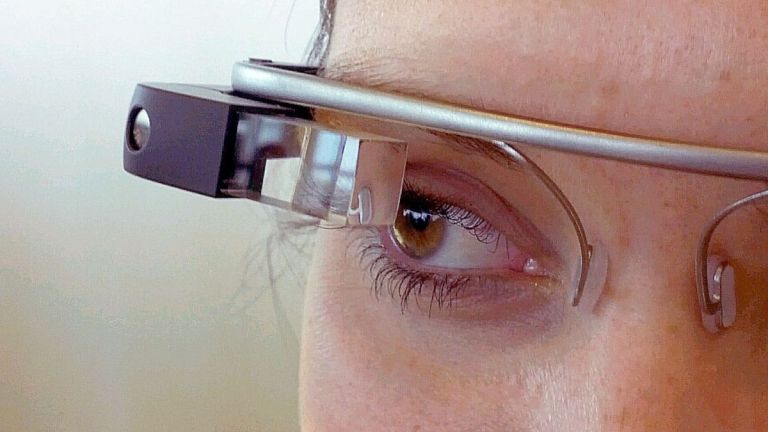
Google Glass
The infamous headset was doomed by its $1,500 price tag and major privacy issues. Wearing them was a sign of wanting to invade someone’s privacy, and the wearable tech was even banned in some bars and theaters before being discontinued in 2015.
Google+
Google’s pricey attempt to take on Facebook never quite found its footing. Forcing it on Gmail users felt intrusive, and a 2018 security flaw that exposed data from 500,000 users was the final nail in the coffin.
Google Wave
This ambitious real-time communication platform tried to combine email, instant messaging, and social media. It was a fascinating idea that was just too confusing for most, and Google ceased its development only a year after its big debut in 2010.
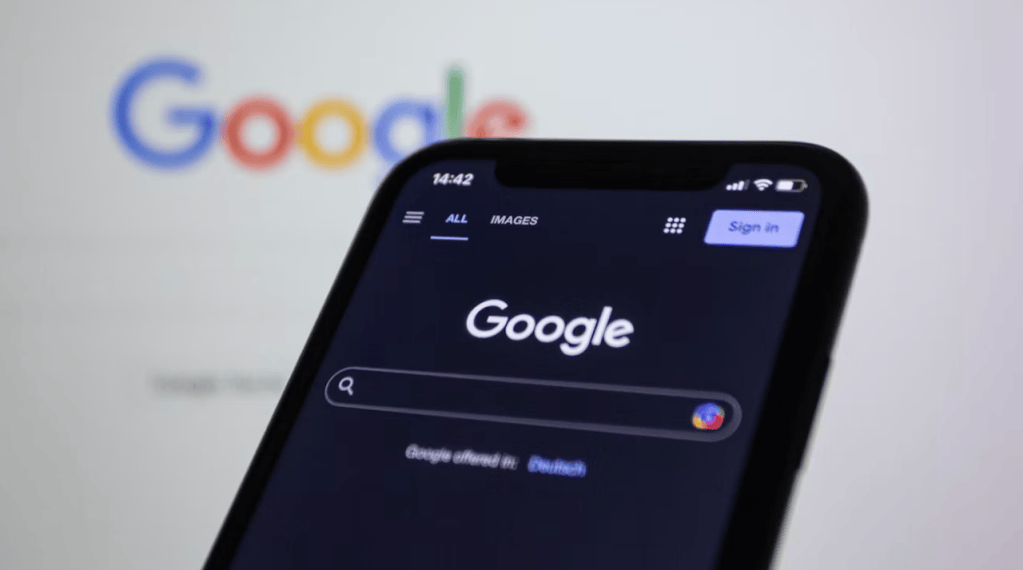
Google Reader
For many, this one still hurts. The simple, effective RSS feed reader was a daily habit for its loyal users. When Google suddenly announced its shutdown in March 2013, the internet was filled with outrage from fans who felt abandoned.
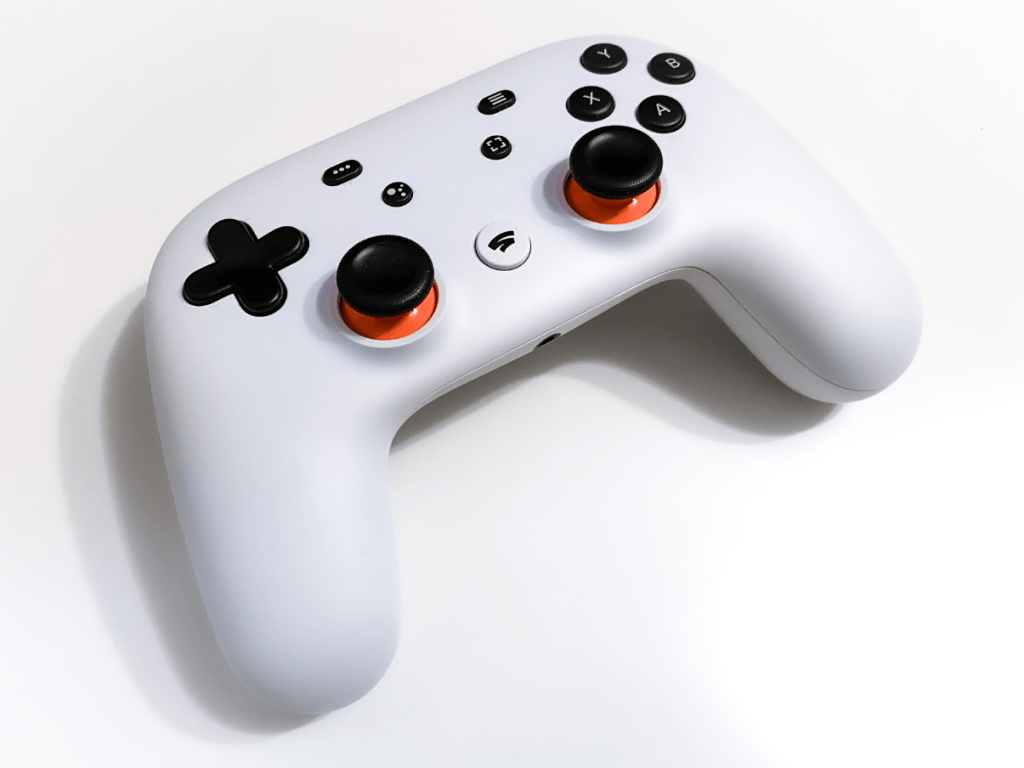
Stadia
Launched in 2019, Google’s cloud gaming service had solid tech but lacked a big enough audience. In a rare move, Google refunded all hardware and game purchases when it shut Stadia down, even turning the controllers into standard Bluetooth devices.
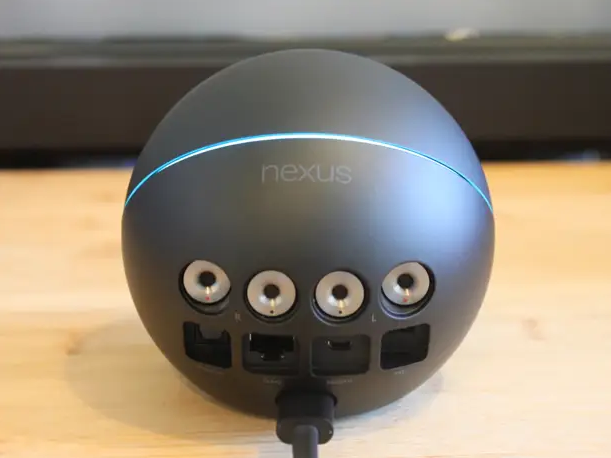
Nexus Q
Unveiled in 2012, this spherical media player was a strange and expensive flop. At $299, it did less than cheaper rivals and required an Android device to even work. Google quietly shelved the orb before it ever had a wide release.
Project Ara
This was the dream of a truly modular phone where you could swap out components like the camera or battery. It was an exciting concept that generated a ton of buzz, but the project was suspended in 2016 before ever reaching consumers.
Google Buzz
Launched in 2010 by being automatically integrated into Gmail, Buzz created an instant privacy nightmare. It automatically made users follow their email contacts, a “feature” so unpopular that Google shut the whole service down just over a year later.
Orkut
Launched way back in January 2004, Orkut was one of the earliest social networks to gain massive popularity. While it never truly took off in the US, it was the dominant social site in countries like Brazil and India for years.
Picasa
Before everything lived in the cloud, Picasa was a fantastic desktop app for organizing and editing your photos. Google acquired it in 2004 but retired the beloved software in 2016 to push everyone toward its new Google Photos service.
Inbox by Gmail
Launched in 2014, Inbox was a fresh take on email with clever features like snoozing and bundling messages. Many users loved its clean design, but Google shut it down, folding some of its best ideas into the main Gmail app.
Google Allo
This 2016 messaging app had the Google Assistant built right in, but it failed to get traction. With no SMS support and being tied to a single device at launch, it couldn’t compete and was shut down in March 2019.
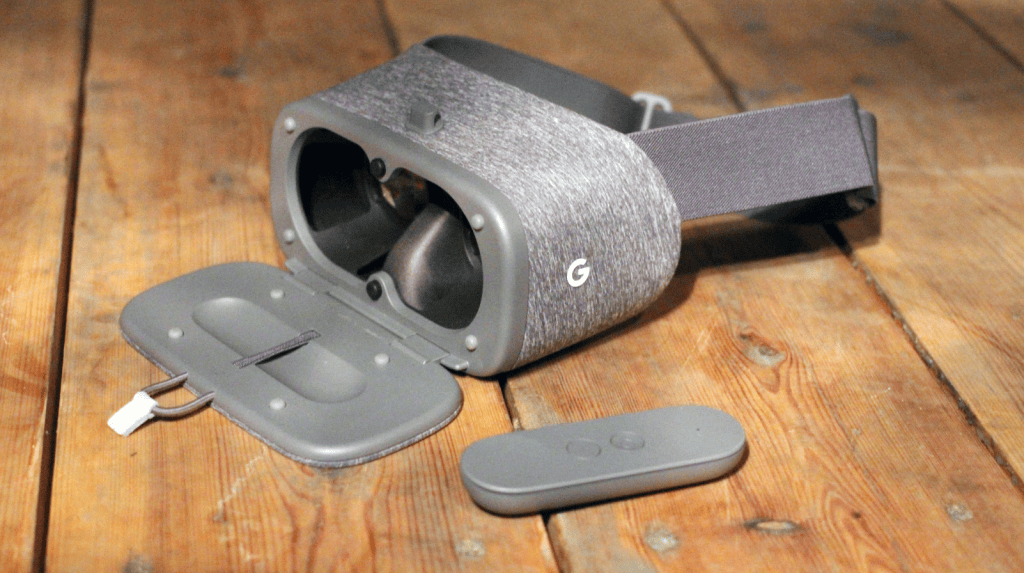
Google Daydream
This mobile VR platform required users to strap their phone to their face, cutting them off from calls and texts. Low adoption by both consumers and developers led Google to stop selling the Daydream View headset in October 2019.
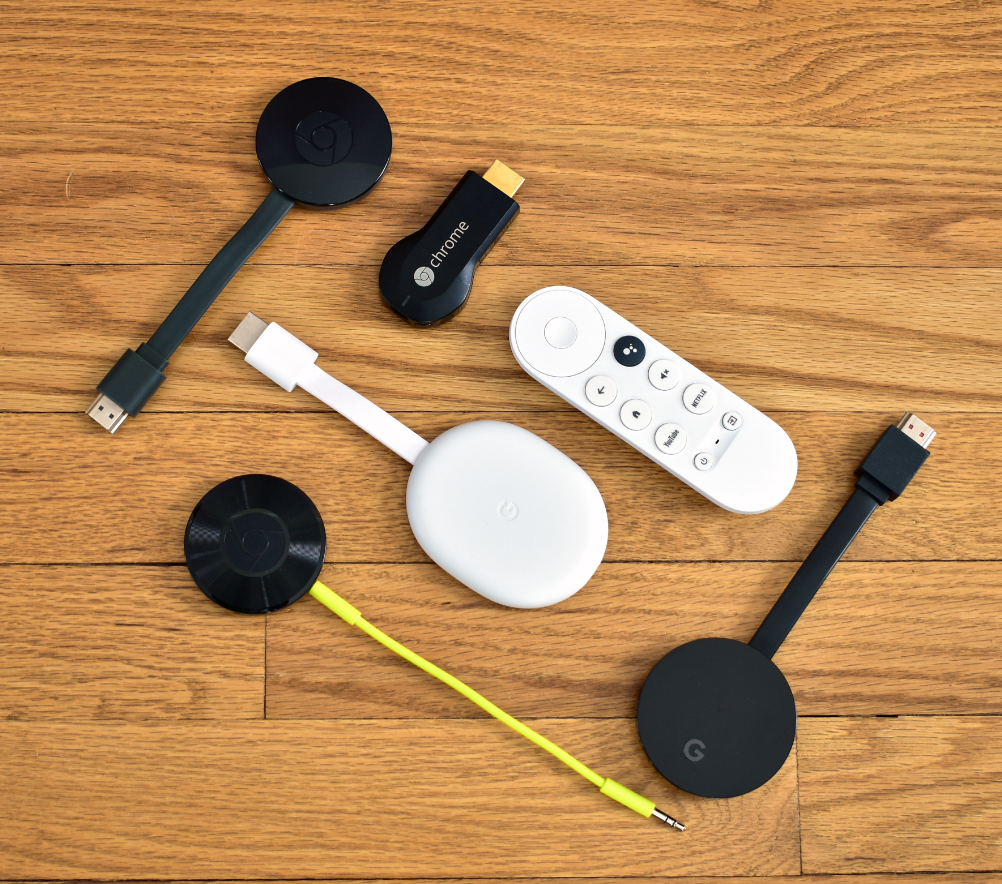
Chromecast Audio
This handy little device, released in 2015, could turn any old speaker into a Wi-Fi streamer. It was cheap, effective, and loved by audiophiles, which is why people still seek it out years after its surprise discontinuation in 2019.
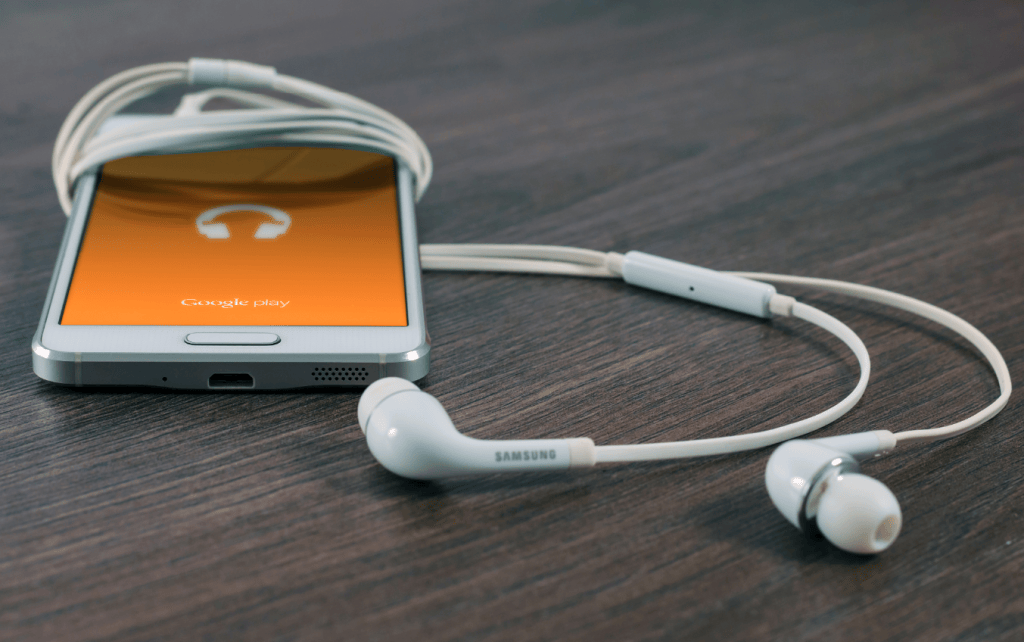
Google Play Music
Launched in 2011, this service was a hybrid that combined a streaming library with a personal “music locker” for up to 50,000 of your own songs. It was eventually phased out in favor of the less-loved YouTube Music.
iGoogle
This service, launched in 2005, let you build a custom homepage with news feeds, weather, and other widgets. It was a personal dashboard for the web, but Google decided the feature was no longer needed and shut it down in 2012.
Google Hangouts
Originally launched in 2013, Hangouts was a solid all-in-one app for messaging, voice, and video calls. Over time, it became a victim of Google’s confusing and splintered messaging strategy, eventually being replaced by Google Chat and Meet.
Google Clips
For $249, this little AI camera was supposed to automatically capture precious moments. Instead, reviewers found its AI inconsistent and its purpose unclear. It was discontinued in 2019 as a pricey solution in search of a problem.

Google Answers
Way back in 2002, Google launched a service where you could pay researchers for answers to your questions. The idea of paying for answers became obsolete as search itself got better, and the service was closed to new questions in 2006.