15 Things You See Every Day That Were Designed for a Completely Different World

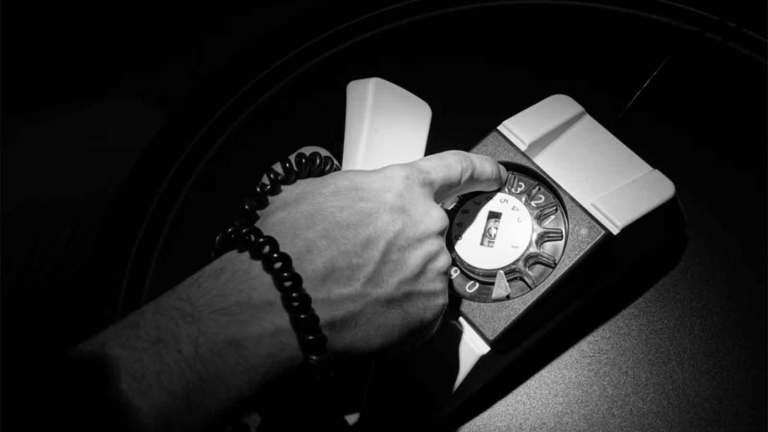
Some designs survive because they are brilliant. Others survive because changing them would annoy absolutely everyone. We still type on a keyboard layout born with mechanical typewriters, save files with a picture of technology many people have never used, and keep compartments in our cars named after accessories we no longer carry. Once something becomes familiar enough, its original purpose can disappear without taking the design with it. The result is a strange collection of everyday objects and symbols that make perfect sense until you stop and ask why they look that way in the first place. Here are 15 things you see every day that were designed for a completely different world.
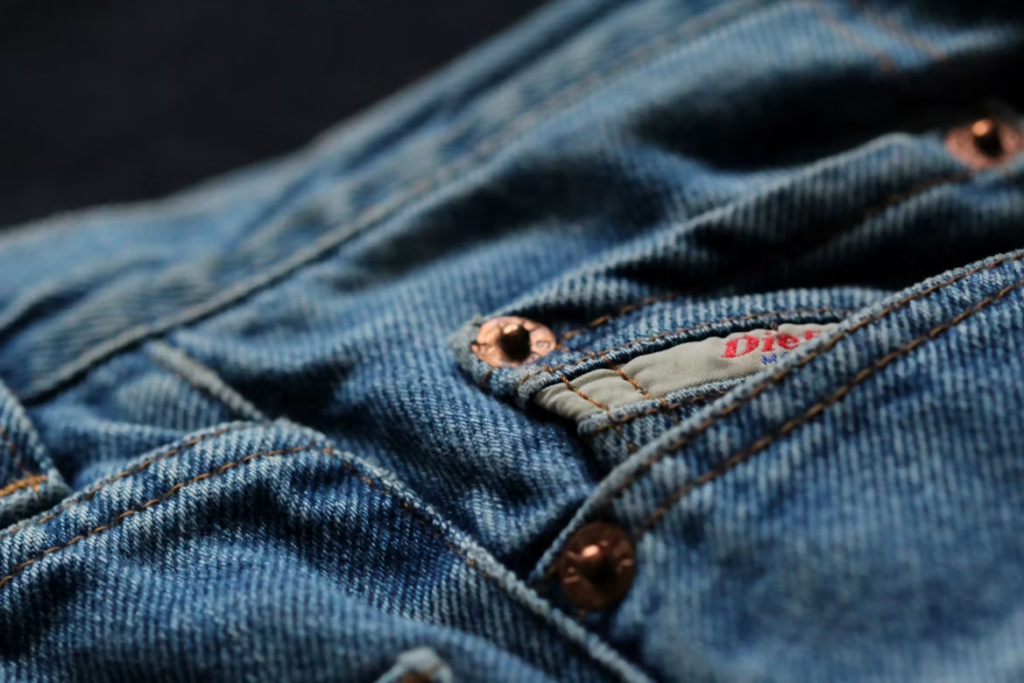
That Tiny Jeans Pocket Was for a Watch
The little pocket inside your jeans was originally meant to hold a pocket watch, back when that was a normal thing to carry around every day.
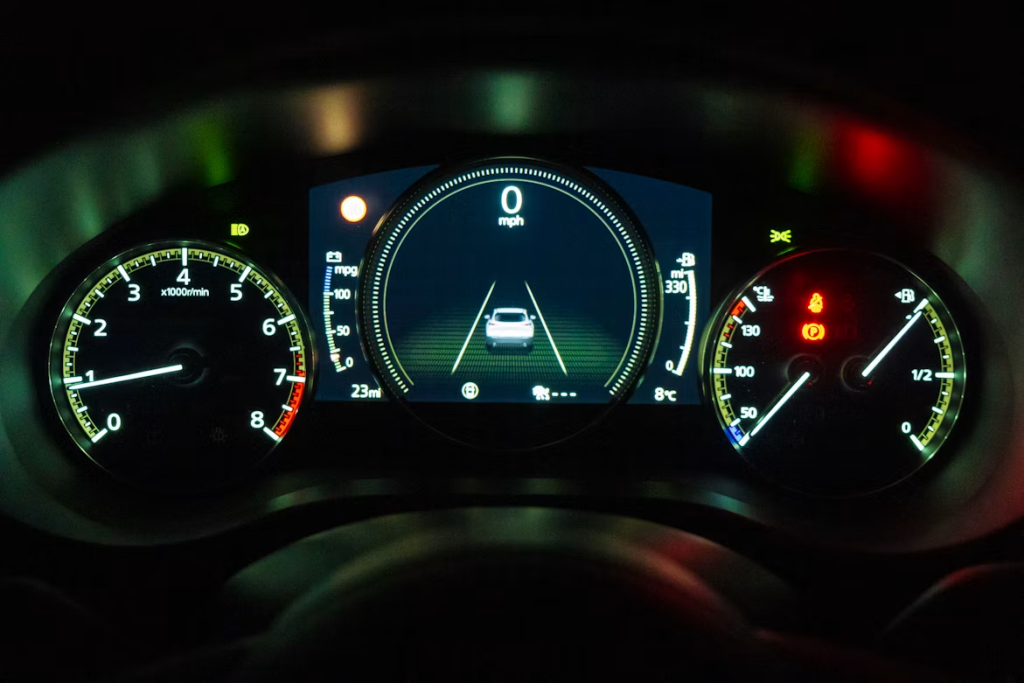
Your Dashboard Started With Horse Carriages
Before cars, a dashboard was literally a board on a carriage that protected passengers from mud and debris kicked up by a horse’s hooves.
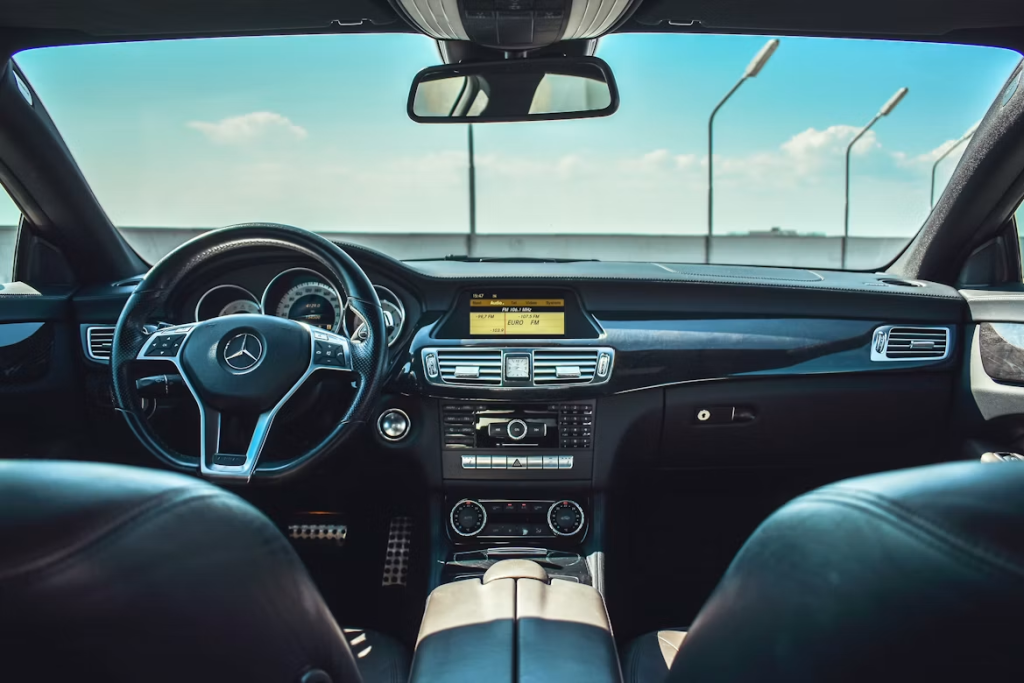
The Glove Compartment Actually Held Gloves
Early cars were much more exposed to the weather, so driving gloves were genuinely useful. The little storage compartment kept them nearby, and the name never left.
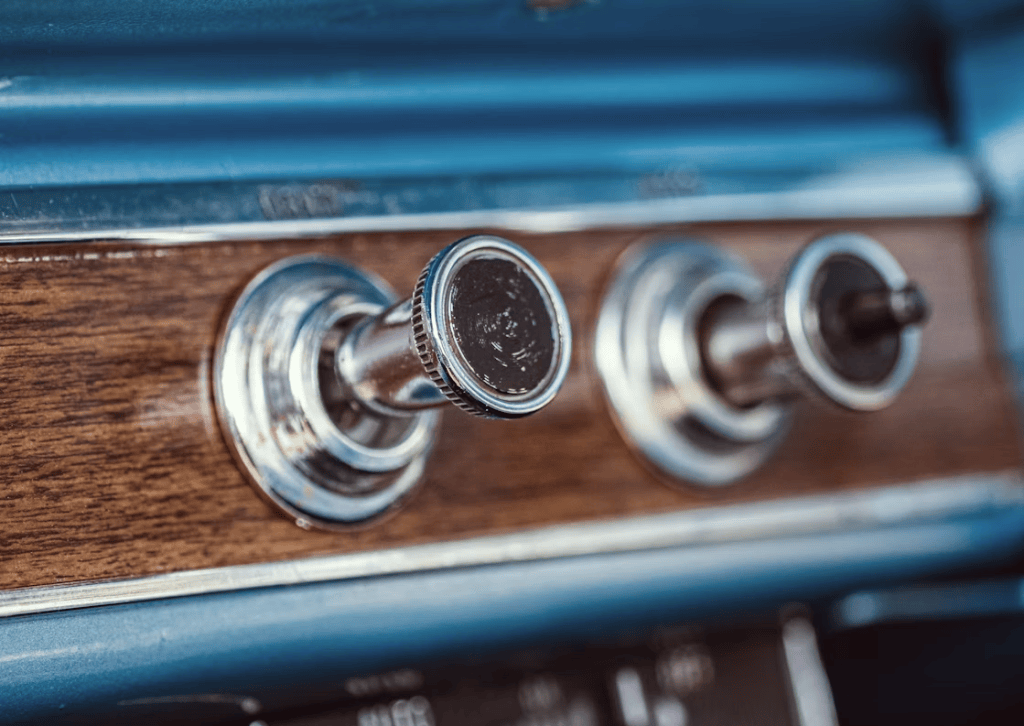
That 12-Volt Socket Was Made for Smoking
Long before people plugged phone chargers into it, the round socket in a car dashboard powered a heated cigarette lighter. The accidental power outlet simply proved too useful to abandon.
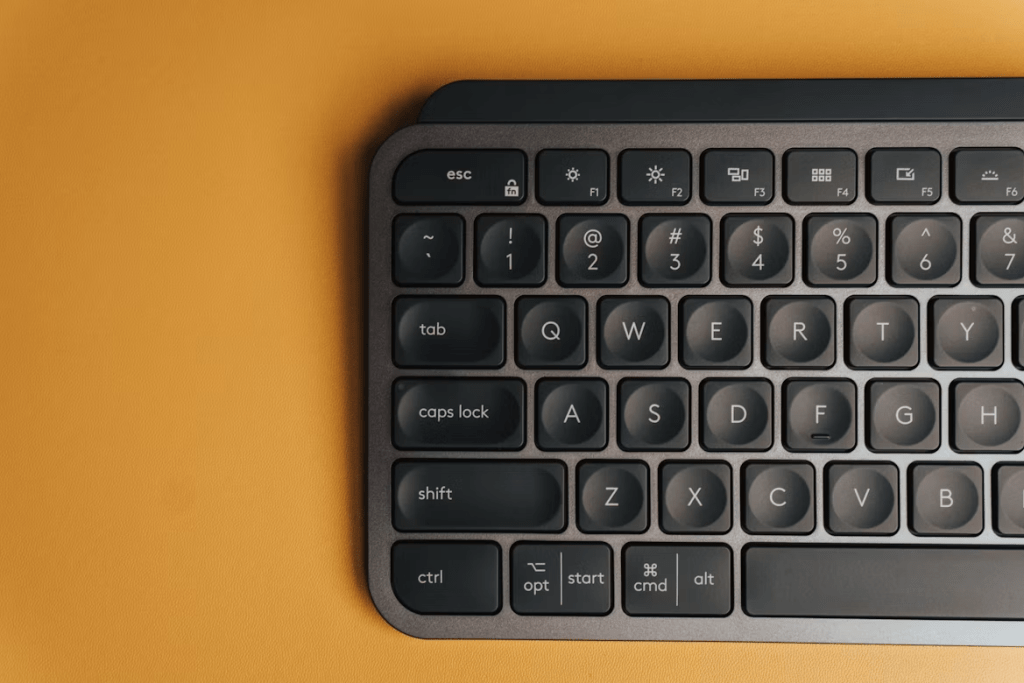
QWERTY Belongs to the Typewriter Age
The keyboard layout on your laptop dates back to 19th-century typewriters. Historians debate exactly why QWERTY took its final form, but its mechanical origins are not in doubt.
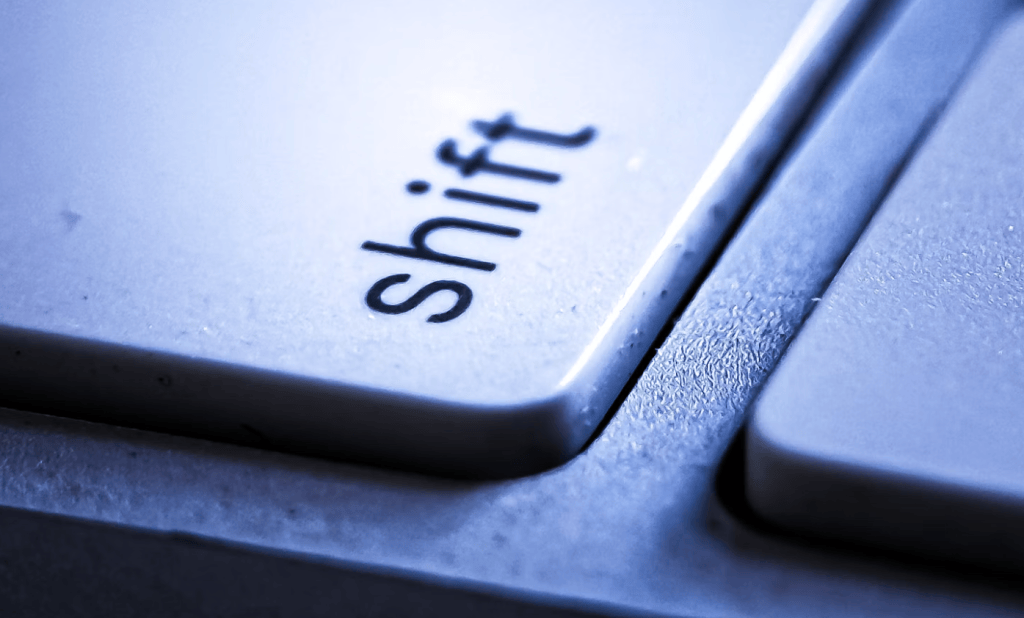
The Shift Key Used to Physically Shift Something
On early typewriters, pressing Shift actually moved part of the machine so a different character on the typebar could hit the paper. The name became surprisingly literal baggage.
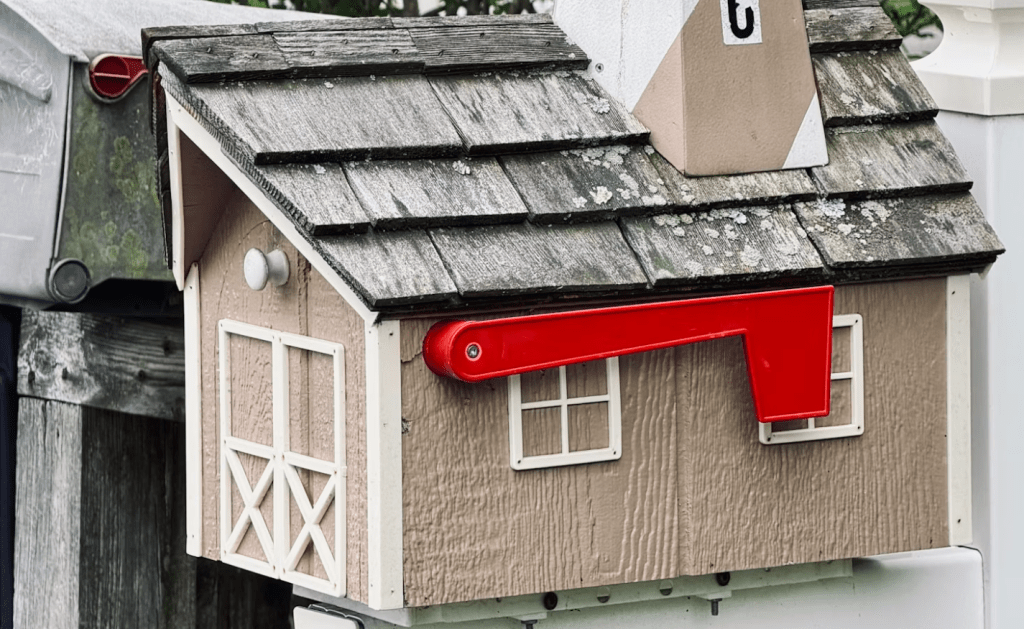
That Mailbox Flag Was Built for Rural Routes
The familiar red flag helped rural mail carriers know when they needed to stop for outgoing mail, saving unnecessary checks along long countryside routes.
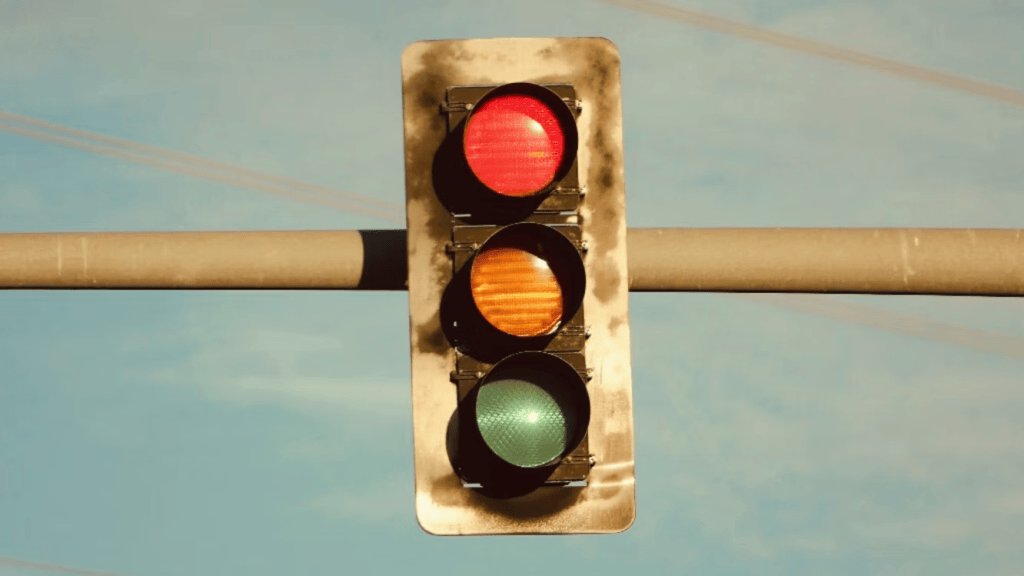
Traffic Lights Borrowed From Railroads
The first electric road signals borrowed red and green from railroad signaling, a system drivers were already accustomed to seeing long before traffic lights took over city intersections.
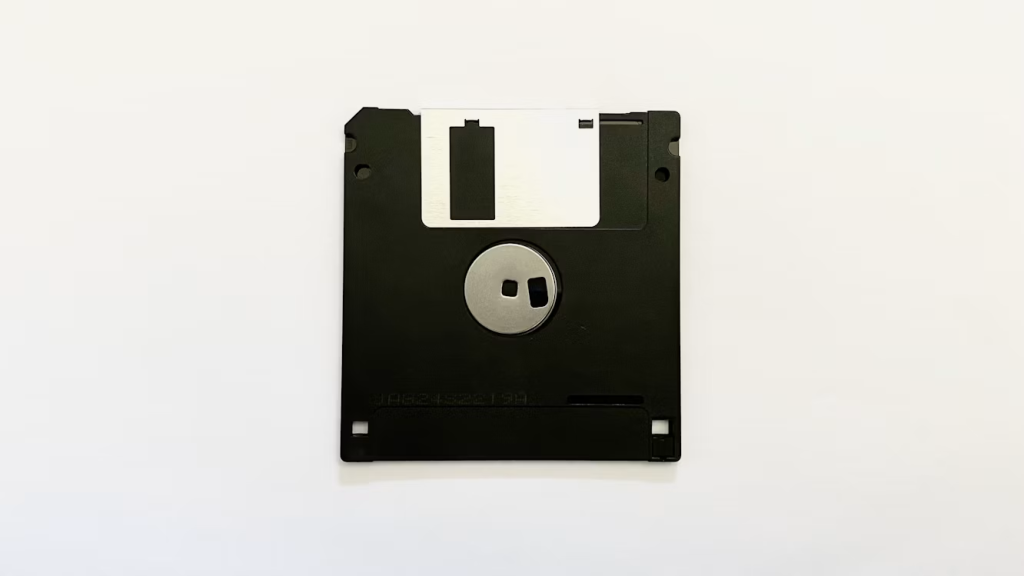
The Save Button Is Still a Floppy Disk
Software keeps using a tiny floppy disk to mean “save”, even though the storage device itself has largely disappeared. Familiarity apparently beat technological accuracy.
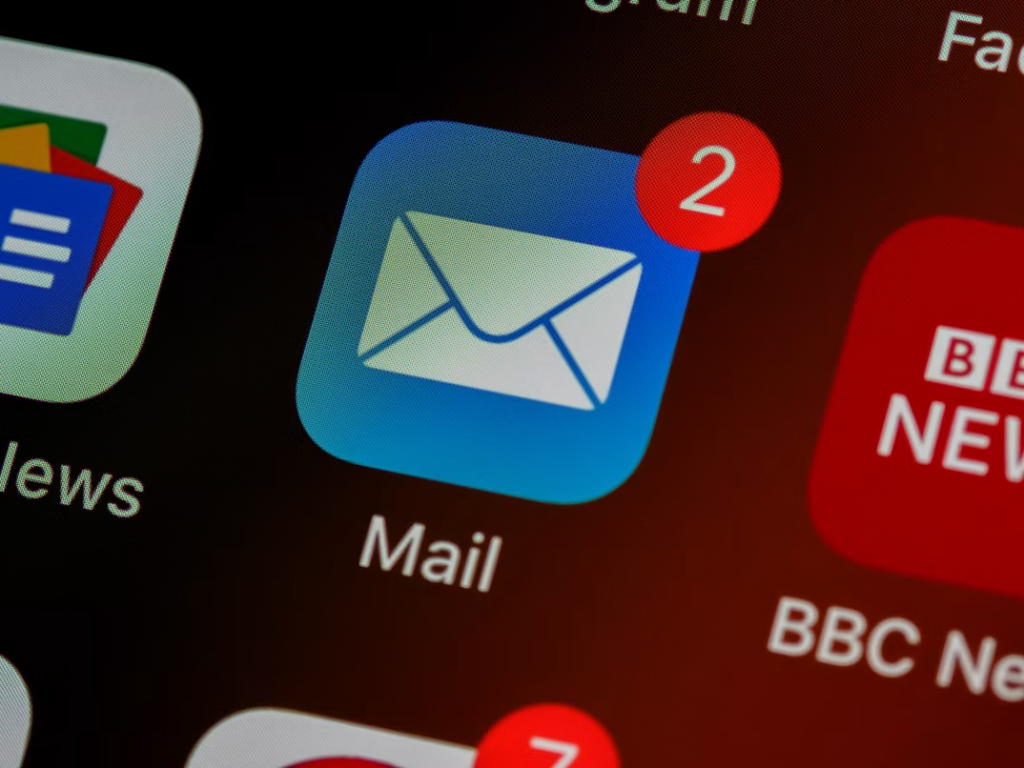
CC in Email Once Involved Actual Carbon
“CC” comes from carbon copies, made by placing carbon paper between sheets so typing on one produced a physical duplicate underneath. Email kept the office terminology.
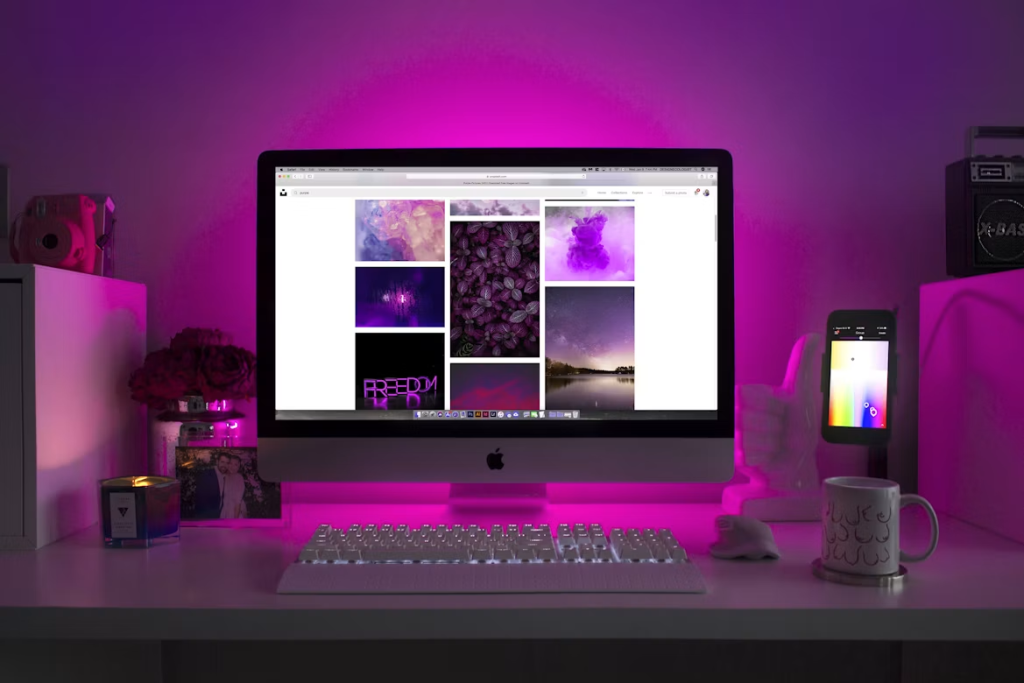
Your Computer Desktop Is an Old Office
Folders, documents, file drawers and the desktop itself were deliberately modeled after a physical office so early computer users could understand an unfamiliar digital workspace.
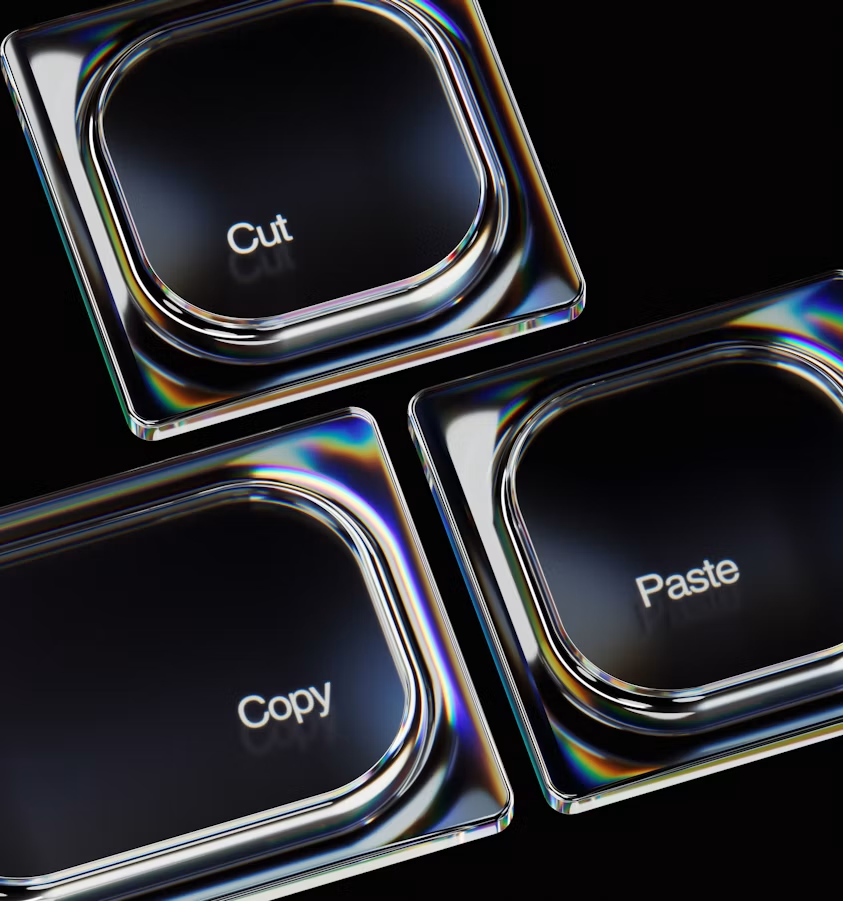
Cut and Paste Used to Require Scissors
Editors once literally cut pieces of text from paper and pasted them somewhere else. Computing borrowed the language for moving text without keeping the messy part.
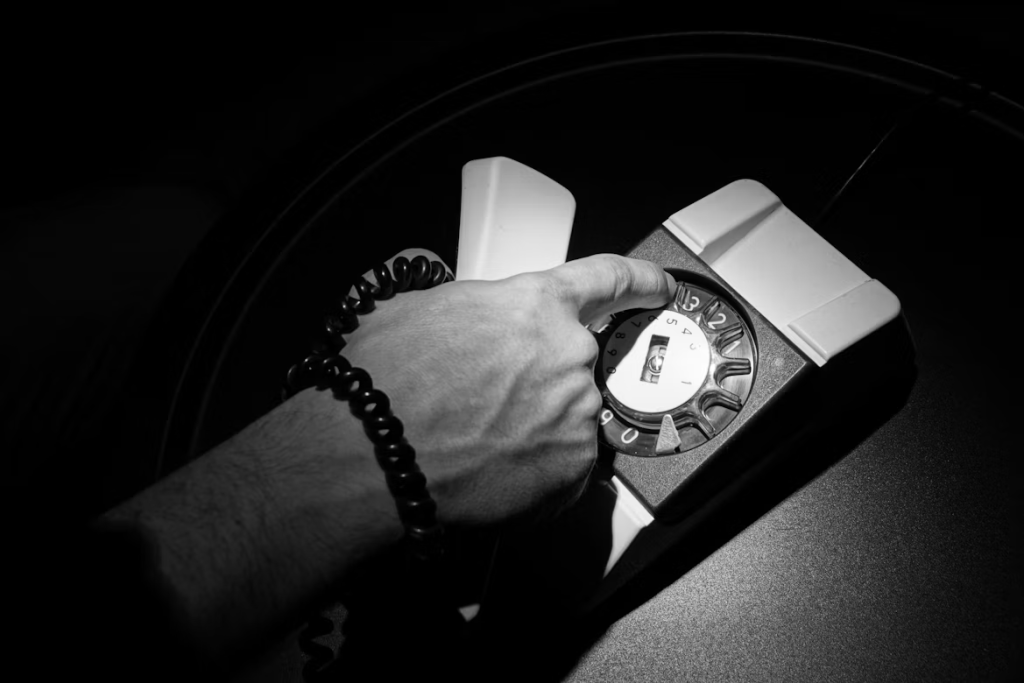
We Still “Hang Up” Phones
Ending a call is still called “hanging up”, language left over from older telephones and their physical receivers, even when all you do now is tap a screen.
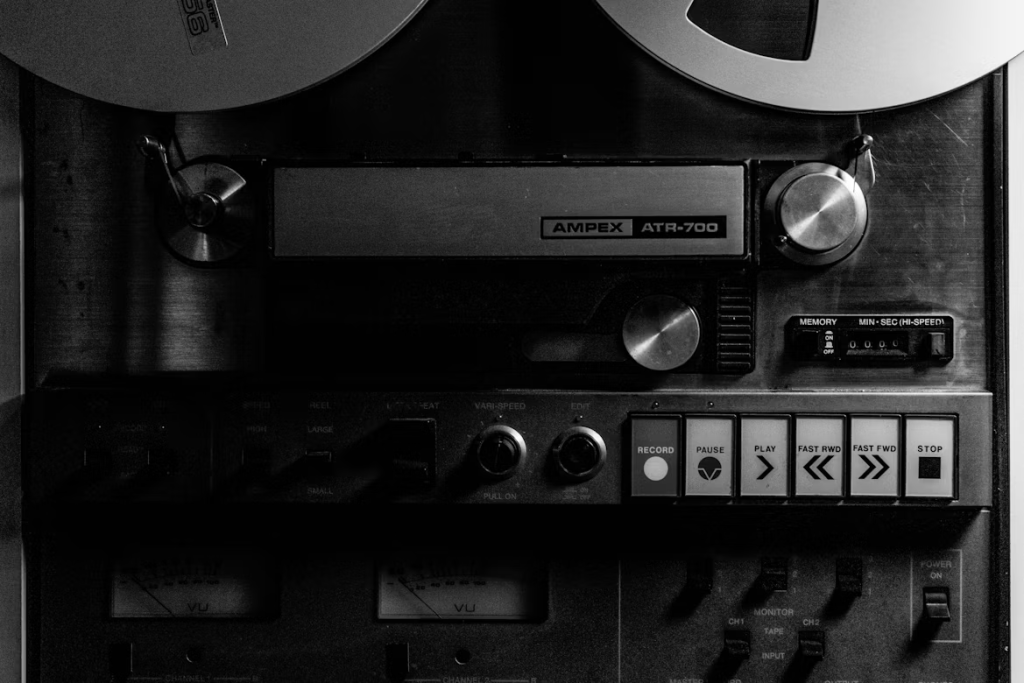
Rewind Comes From Actual Tape
Rewinding once meant physically winding magnetic tape backward through a cassette or reel. Digital media kept both the word and the familiar double-arrow control.
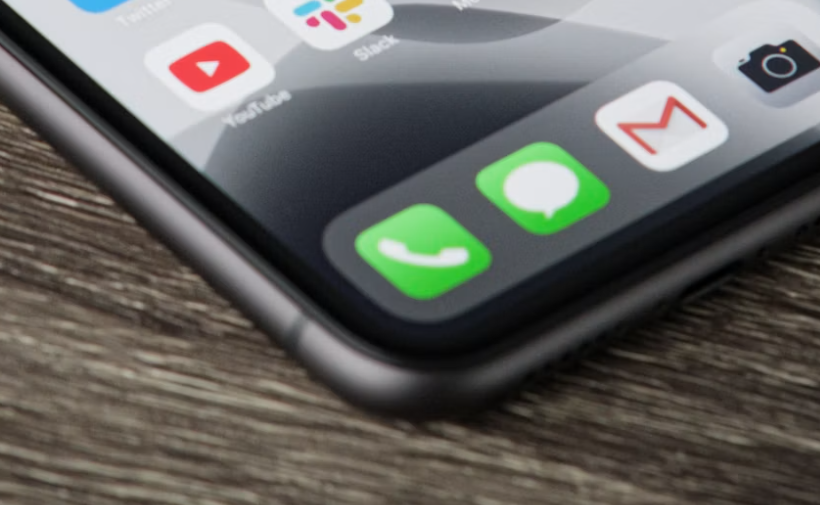
The Phone Icon Is Basically a Fossil
Smartphones still represent calls with the curved shape of an old telephone handset. The hardware changed completely, but apparently the symbol had already won.