18 Historical Figures Who Are Famous for Something They Barely Did

We’ve all heard the legends of what people throughout history did, or should we say, supposedly did. After all, we weren’t there, so taking everything told to you at face value is unwise. We all have to check our sources, after all, and both the internet and history books often fail to do that.
This is why we’ve decided to get a few things straight, at least when it comes to the following historical figures. You might already know that not everything about them was exactly true, but it never hurts to give these facts a once over, and make sure you have your facts straight.
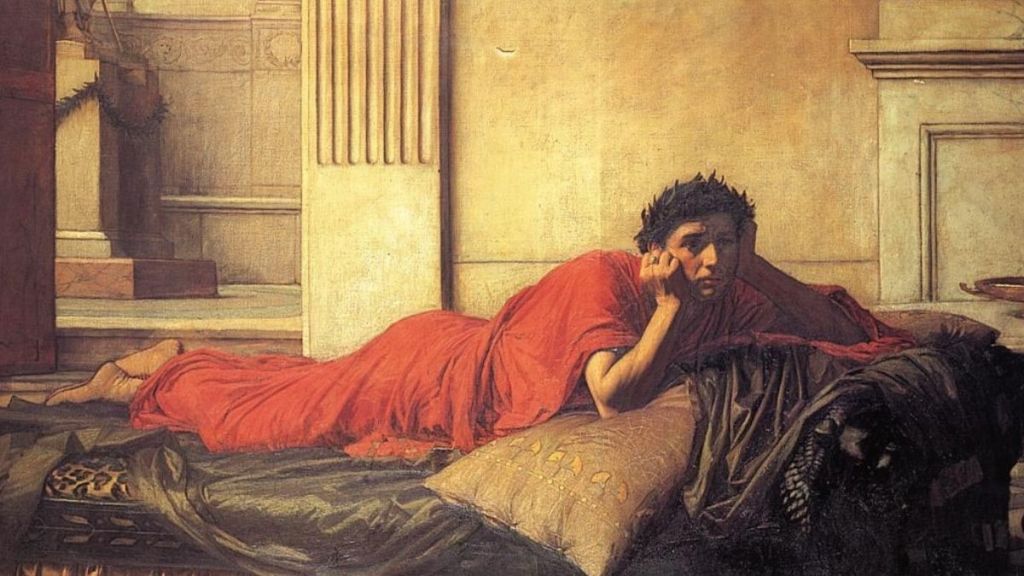
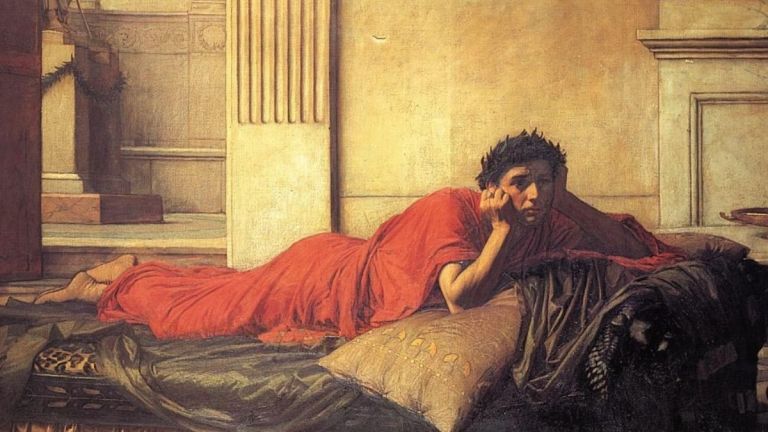
Nero Didn’t Fiddle While Rome Burned
Emperor Nero wasn’t even in Rome when the great fire of 64 AD started; he was at his villa miles away. Far from being indifferent, he rushed back to the city to lead relief efforts and opened his own buildings to shelter refugees.
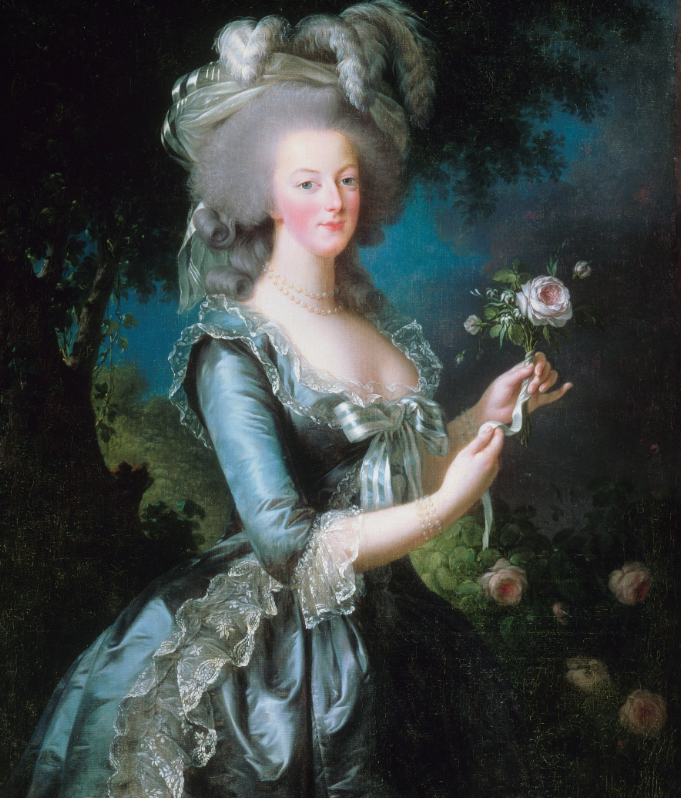
Marie Antoinette Never Said ‘Let Them Eat Cake’
This infamous line appeared in a book written when she was just 9 years old and had never even been to France. The phrase wasn’t attributed to the French queen until 1843, decades after her execution.
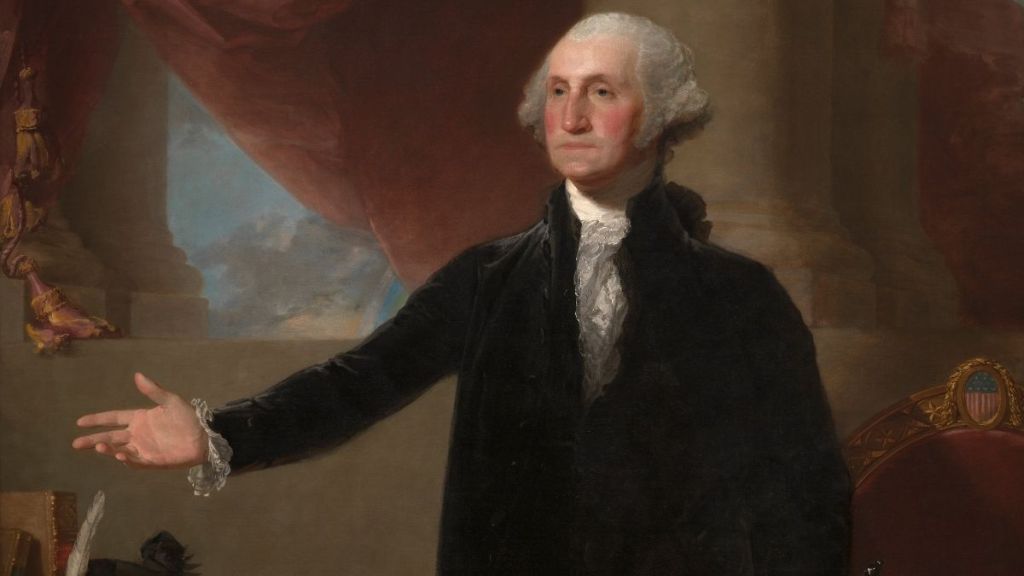
The Myth of George Washington’s Cherry Tree
Sorry to ruin the lesson in honesty, but this story was invented by Parson Weems in an 1806 edition of his Washington biography. He wanted to paint the president as a role model and cited an anonymous source.
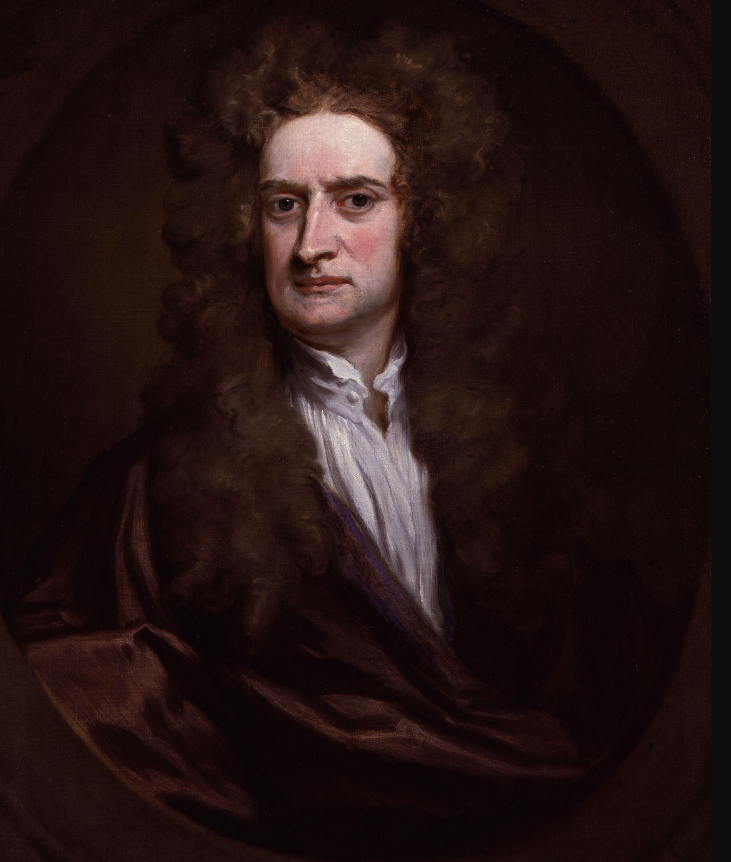
Isaac Newton and the Fabled Apple
While the apple-on-the-head story is a cute anecdote, Newton’s theory of gravity was the product of years of intense work. His groundbreaking ideas were published in his 1687 book, “Philosophiæ Naturalis Principia Mathematica,” a slightly heavier read.
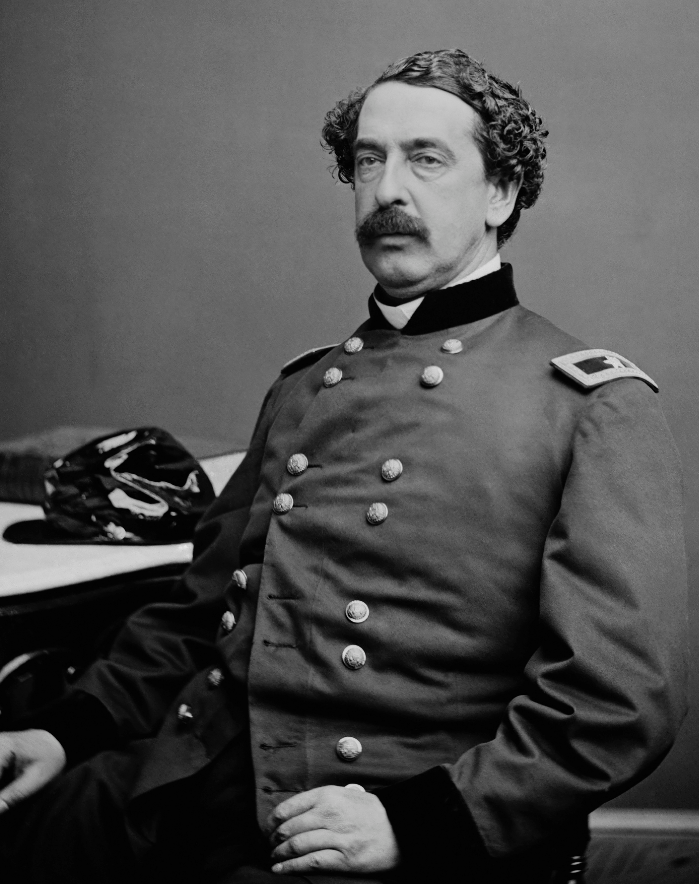
Abner Doubleday Didn’t Invent Baseball
The claim that Doubleday invented baseball in 1839 came from a 1907 report based on a single man’s unverified memory. Doubleday was a cadet at West Point that year and never mentioned anything like baseball in his extensive personal papers.
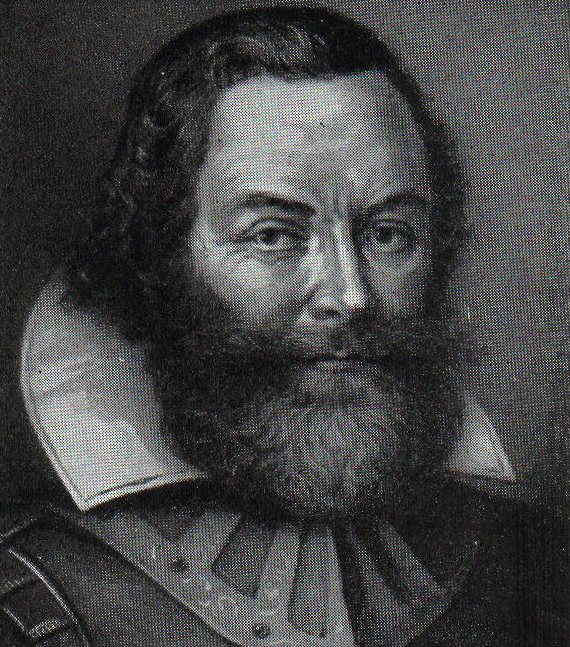
Pocahontas’s ‘Rescue’ of John Smith
Pocahontas was about 10 or 11 when she met the 27-year-old John Smith. Most historians now believe the supposed “rescue” from execution was actually a cultural ceremony that Smith, as an outsider, completely misinterpreted.
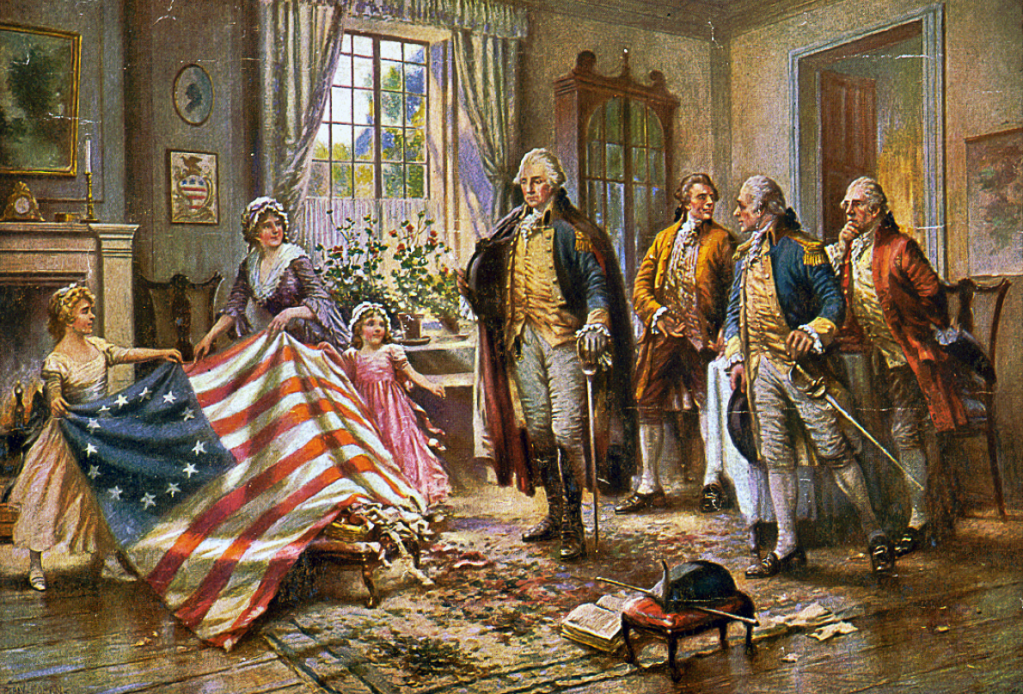
Betsy Ross and the First American Flag
The popular story of Ross sewing the first flag came from her grandson in 1870, almost 50 years after her death. While she was a real flag maker in Philadelphia, no historical records from the revolutionary era confirm the tale.
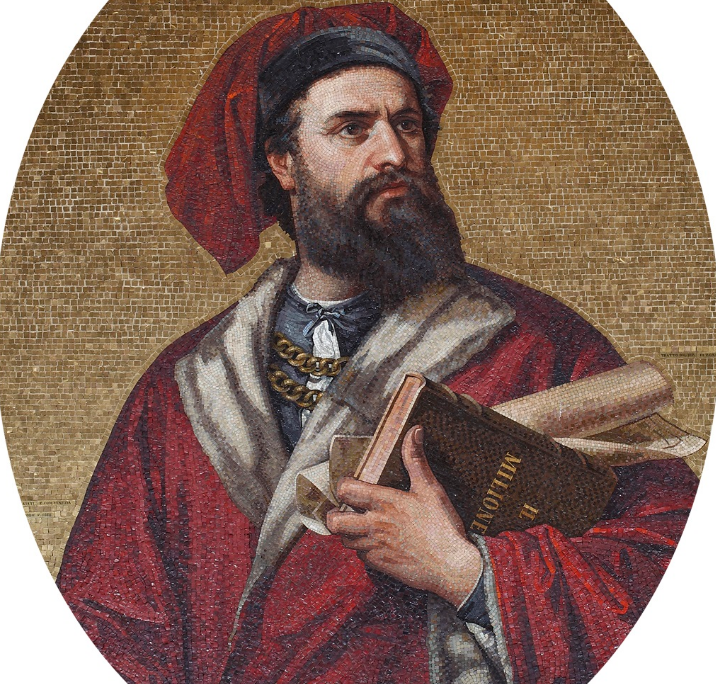
Marco Polo Didn’t Bring Pasta to Italy
Pasta was already a staple in Italy long before Marco Polo’s 13th-century journey to China. There’s evidence of a similar dish from Ancient Rome, and pasta was likely introduced by Arab traders in Sicily centuries earlier.
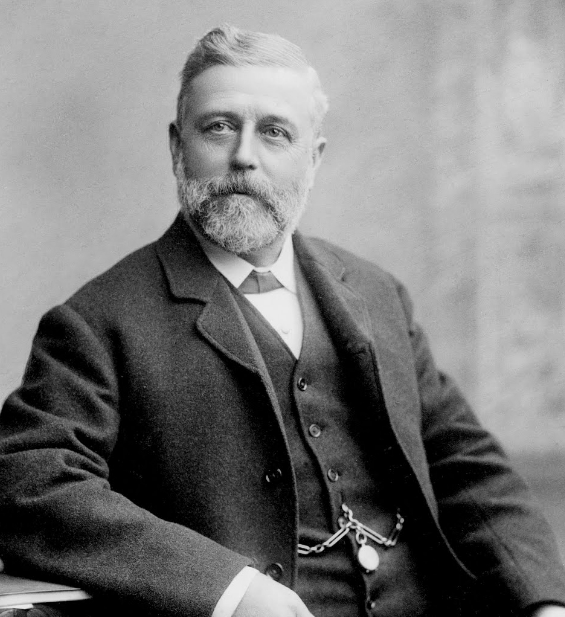
Thomas Crapper Didn’t Invent the Toilet
Thomas Crapper was a successful 19th-century plumber who held patents for plumbing improvements and greatly popularized the flush toilet. But the toilet itself was invented long before him.
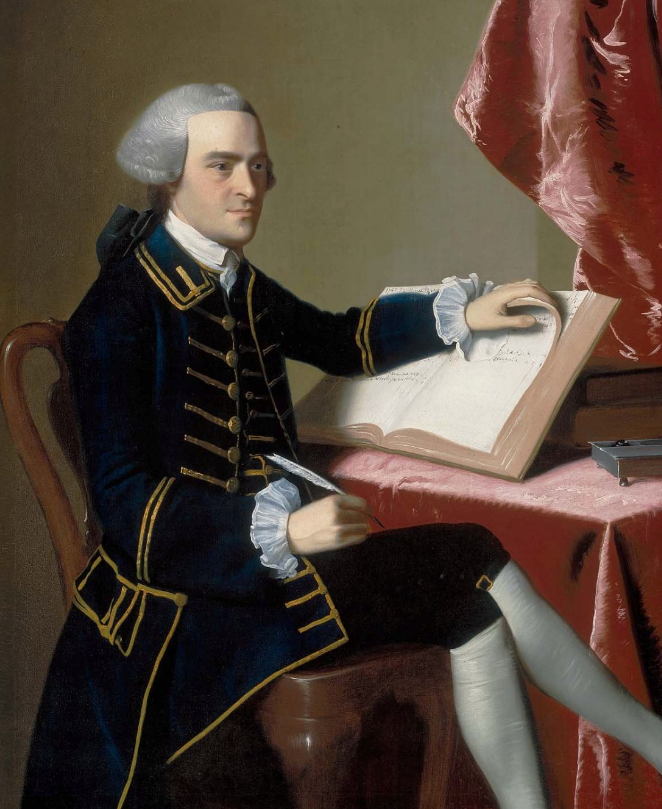
John Hancock’s Signature Wasn’t for the King
Hancock’s famously large signature on the Declaration of Independence wasn’t a direct message to King George III. As President of the Continental Congress, he was simply the first to sign, placing his name in the traditional center spot.
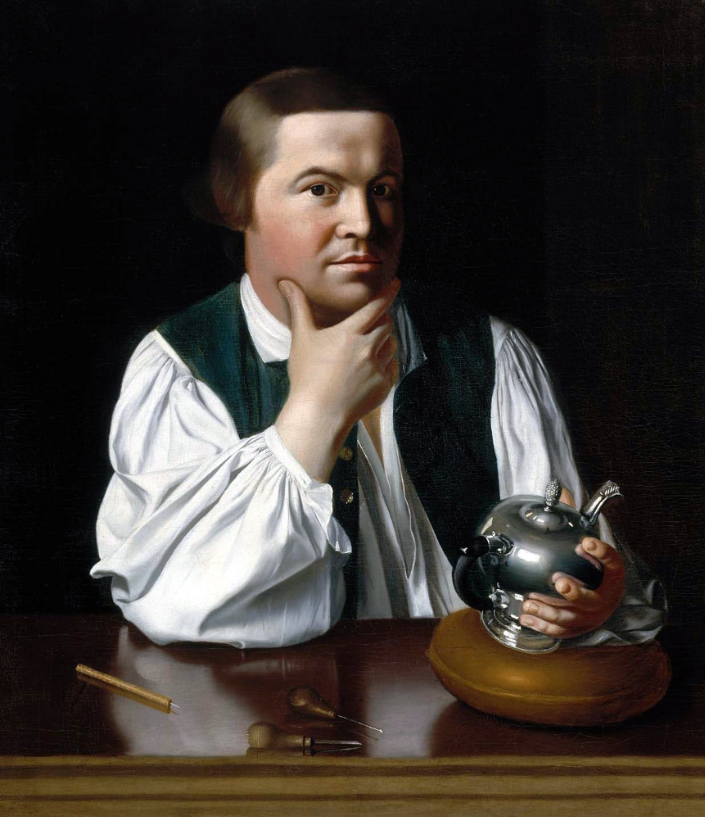
Paul Revere’s Overhyped Midnight Ride
Thanks to a famous 1861 poem, we think of Revere as a lone hero. Yet he was one of several riders that night. In fact, Revere was captured by a British patrol and never finished his ride to Concord.
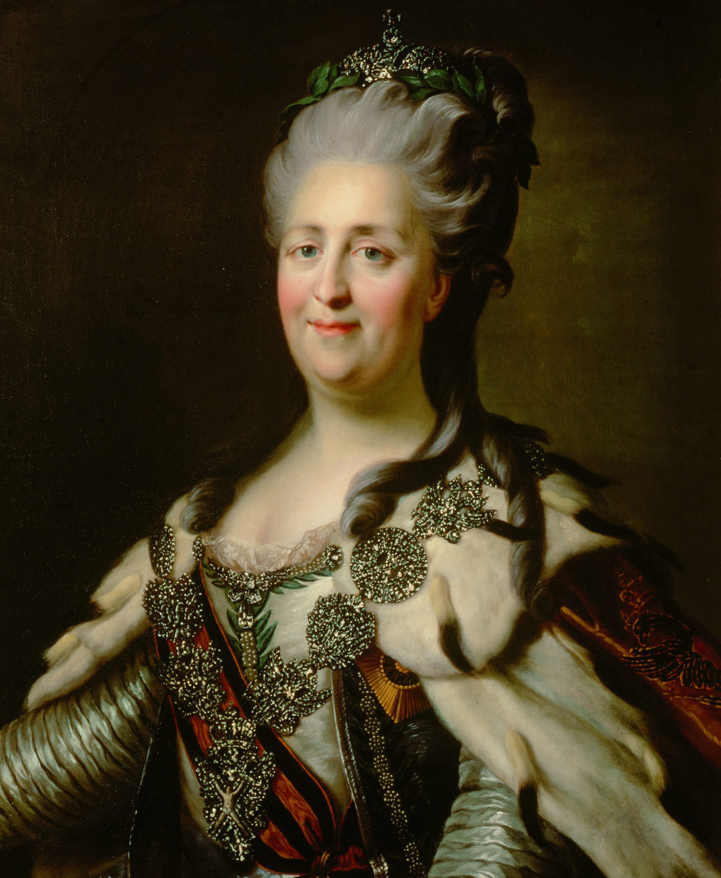
The Slander Against Catherine the Great
Catherine the Great died from a stroke in 1796. The wild rumors about the circumstances of her death, including a particularly nasty and baseless one involving a horse, were just political slander created by her enemies.
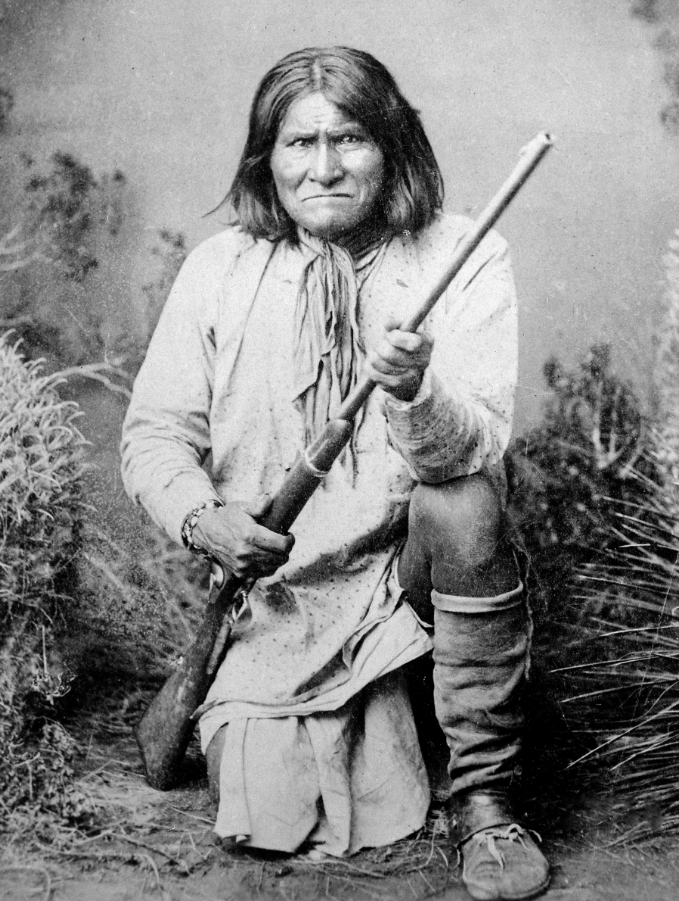
Geronimo Wasn’t Technically a Chief
Though he’s remembered as one of the great Native American leaders, the title of ‘chief’ doesn’t quite fit Geronimo. His actual role within the Apache was more of a respected spiritual leader and medicine man.
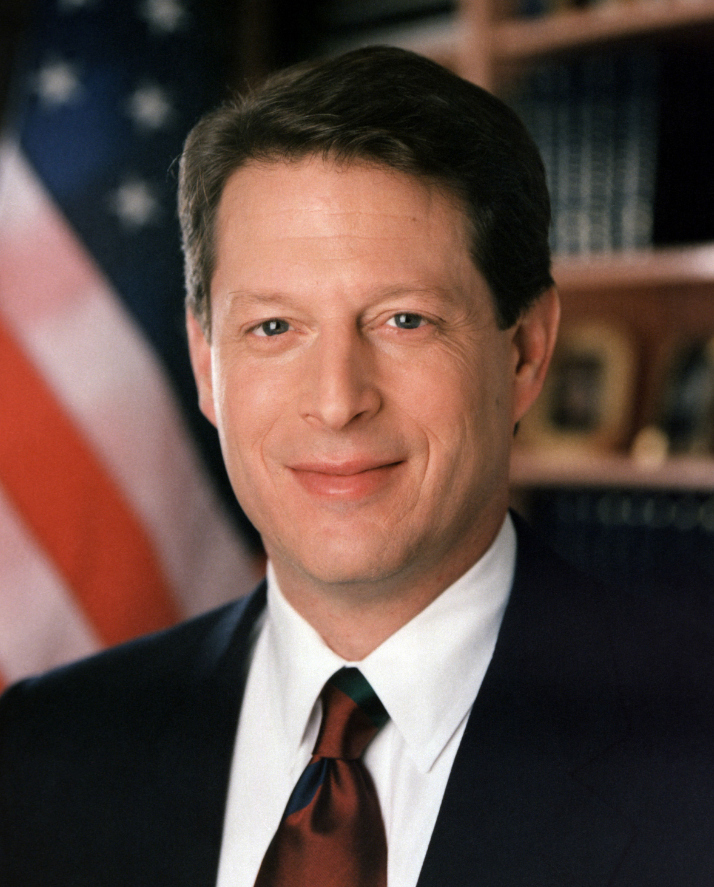
Al Gore and the ‘Invention’ of the Internet
Al Gore never claimed he “invented” the internet. His actual quote from 1999 was, “I took the initiative in creating the Internet.” He did this by sponsoring the 1991 Gore Bill, which helped fund the modern network’s creation.
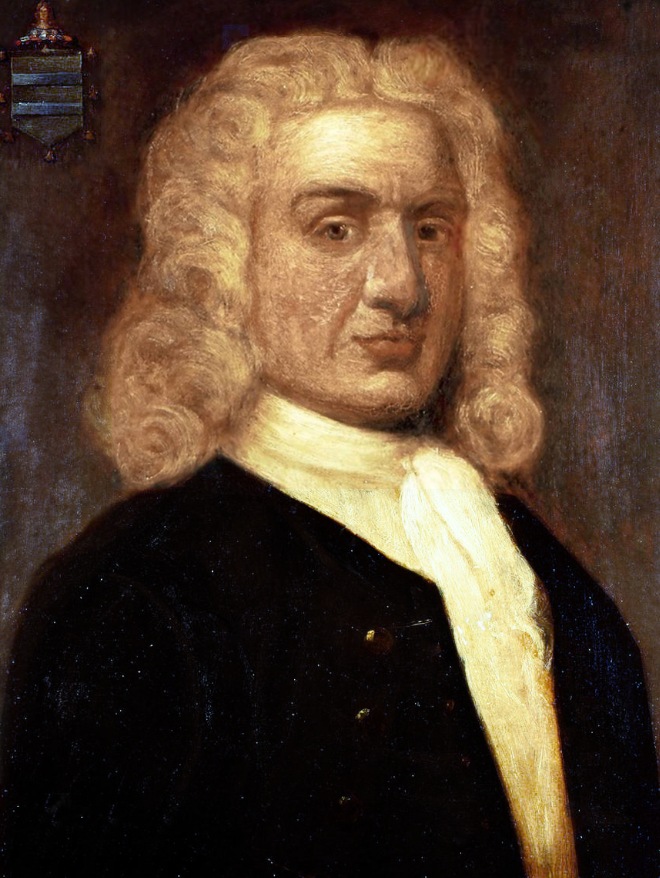
Captain Kidd Was a Disappointing Pirate
Captain William Kidd started as a legitimate privateer hired to hunt pirates. After a string of bad luck and with his crew near mutiny, he turned to piracy himself but proved to be pretty bad at it.
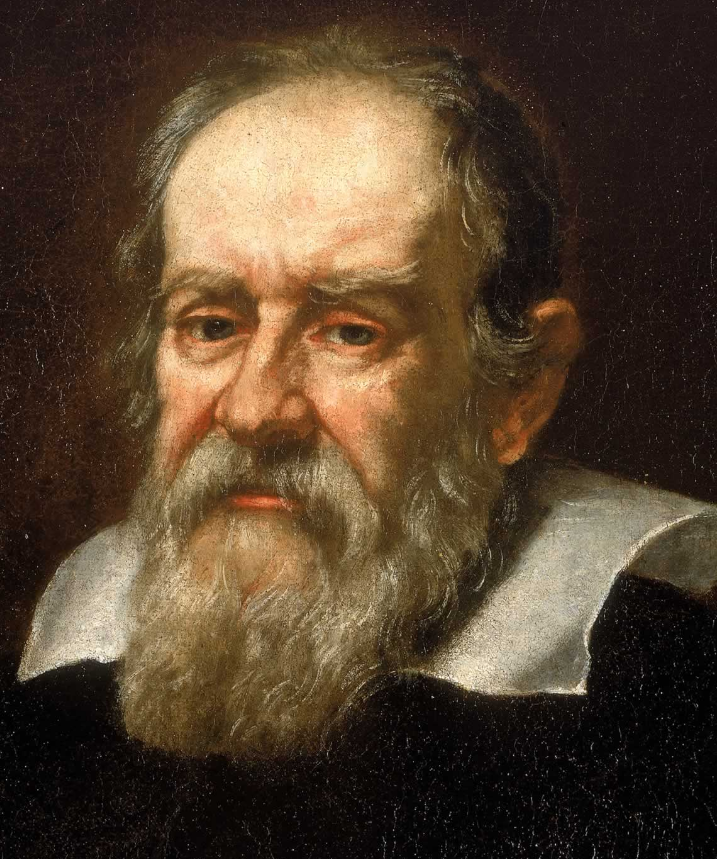
Galileo’s Possibly Staged Tower Experiment
The iconic image of Galileo dropping two objects from the Leaning Tower of Pisa likely never happened. The story comes from a biography written by his student in 1654, well after the fact, to dramatize his findings.
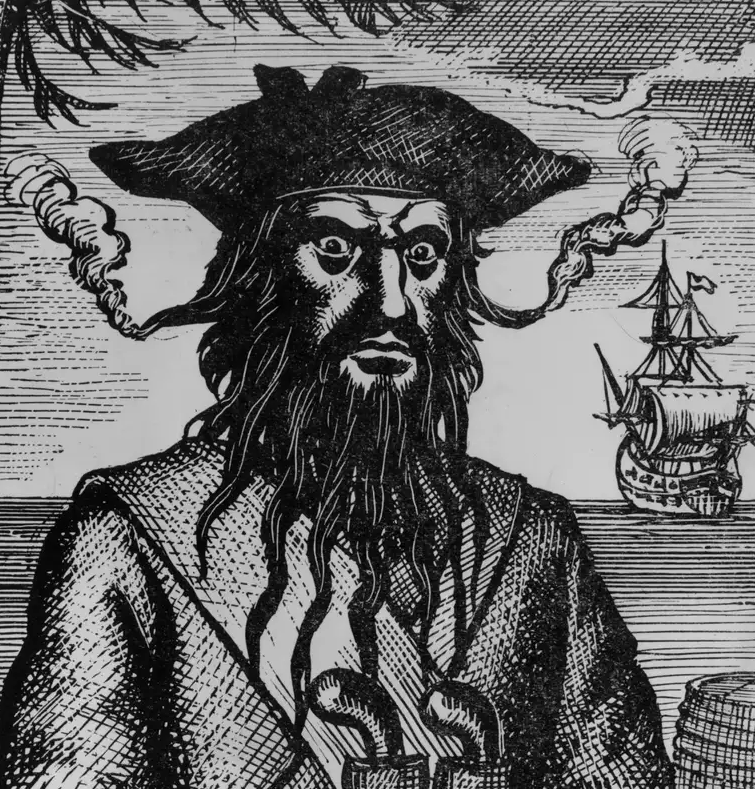
Blackbeard’s Reputation Was Mostly Theater
The legendary pirate Blackbeard cultivated his terrifying image as a weapon. By appearing as a smoke-wreathed demon in battle, he often made enemy crews surrender without a fight, which was much more cost-effective.
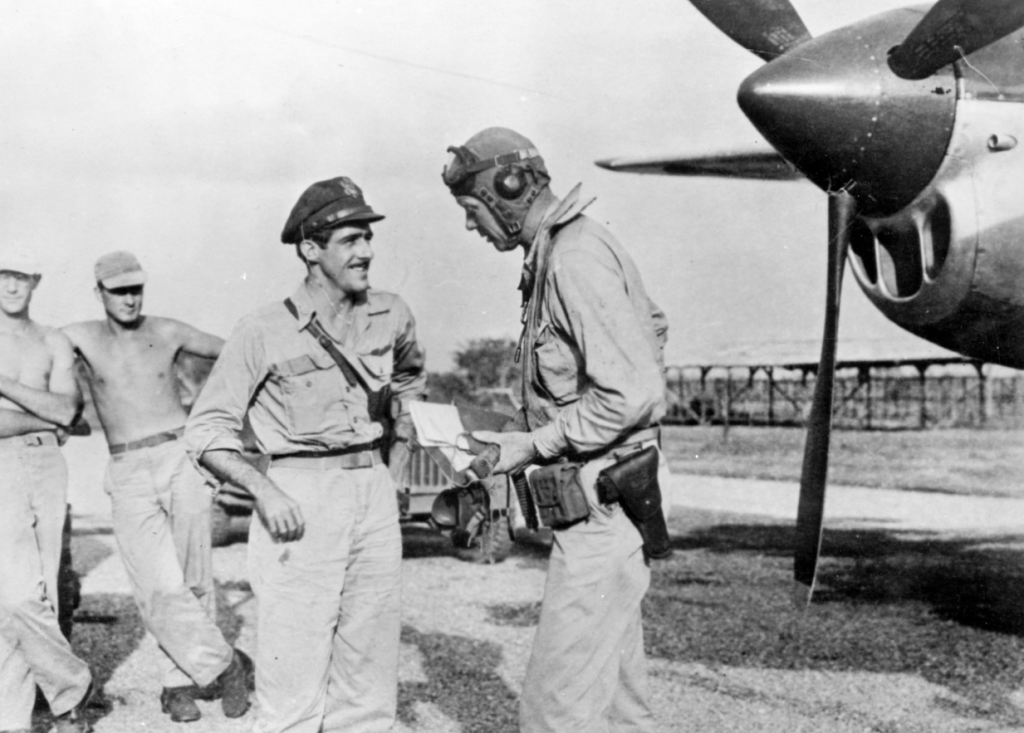
Charles Lindbergh Wasn’t First Across the Atlantic
Many people flew across the Atlantic before Charles Lindbergh. His huge claim to fame was being the first to do it solo and nonstop, flying from New York to Paris in 1927 in his plane, the Spirit of St. Louis.