15 History Facts None of Us Read in the History Books

History class had a limited amount of time to cover several thousand years, so naturally a few things didn’t make the syllabus. Unfortunately, those missing details are often considerably more entertaining than memorizing dates and names for an exam. The past is full of bizarre accidents, surprisingly modern behavior and famous landmarks that almost had completely different futures. Some historical facts also sound suspiciously like somebody made them up for the internet, despite having plenty of evidence behind them. There were ancient Romans writing graffiti on walls, a military operation involving thousands of emus and even a time when London had a serious problem with beer flooding the streets. Here are 15 history facts none of us read in the history books.
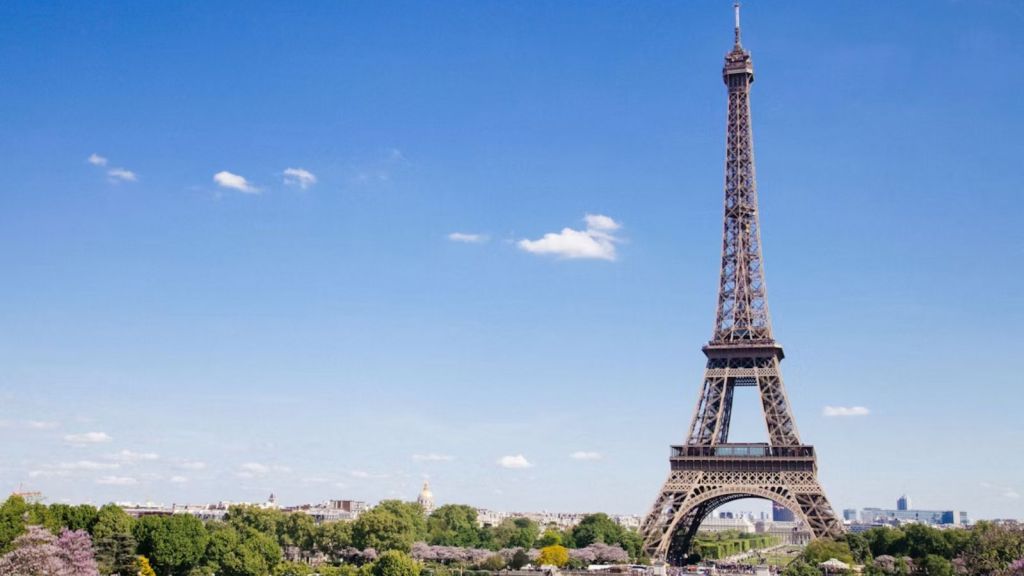
The Eiffel Tower Was Supposed to Be Temporary
The Eiffel Tower was built for the 1889 World’s Fair with permission to stand for only 20 years. Its usefulness as a giant radio antenna helped save it from potentially being dismantled.
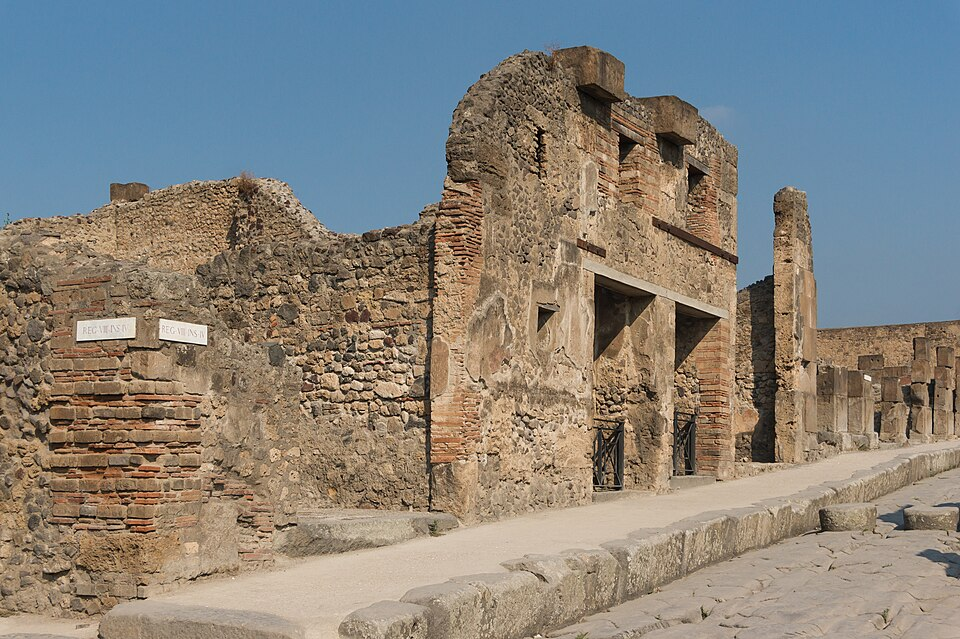
Ancient Romans Covered Pompeii in Graffiti
Pompeii’s walls preserve thousands of ancient inscriptions and drawings. Romans scratched everything from names and jokes to political messages onto buildings, making some parts of the ancient city feel surprisingly familiar.

Australia Once Sent Soldiers After Emus
In 1932, Australian soldiers were deployed with machine guns as part of an attempt to control huge numbers of emus damaging crops in Western Australia. The operation became famously known as the Emu War.
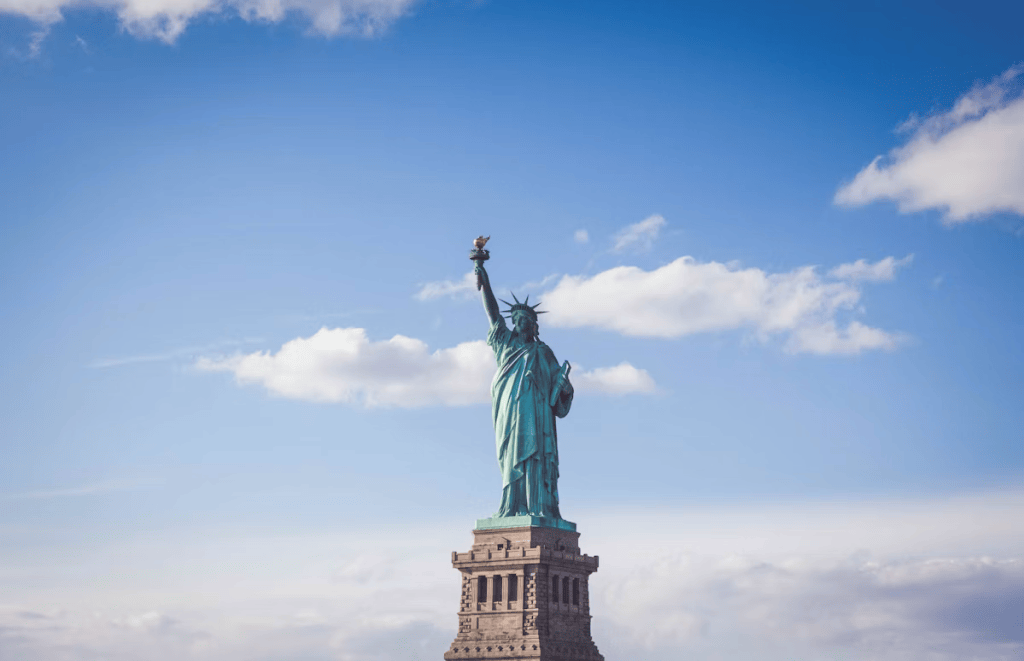
The Statue of Liberty Wasn’t Always Green
When the Statue of Liberty was unveiled in 1886, its copper exterior looked much closer to the color of a penny. Exposure to the elements gradually produced the famous green patina seen today.
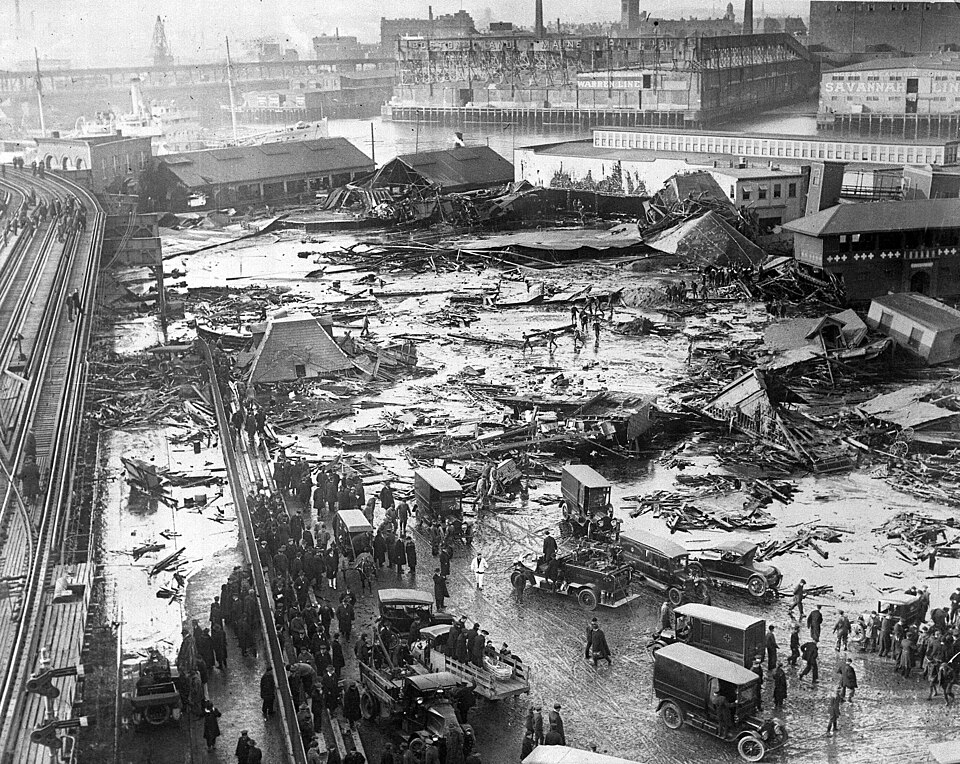
Boston Was Once Flooded With Molasses
In 1919, a massive storage tank burst in Boston and released a wave of molasses through the surrounding neighborhood. The bizarre disaster damaged buildings and became known as the Great Molasses Flood.
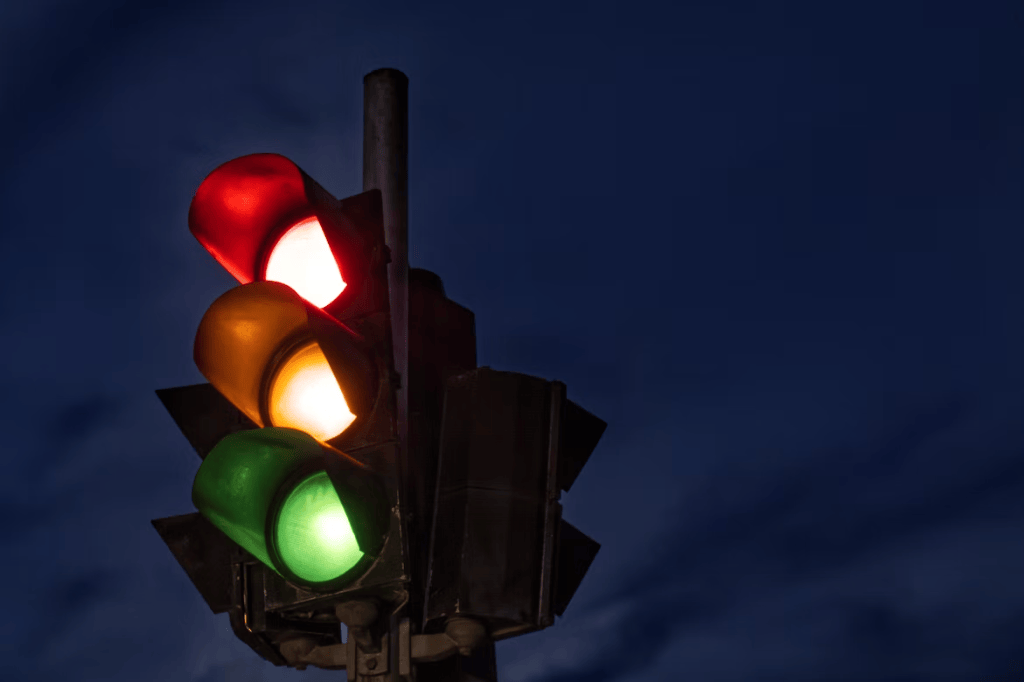
The World’s First Traffic Light Predated Cars
The first traffic signal was installed outside Britain’s Parliament in London in 1868. It was designed to manage horse-drawn traffic decades before automobiles became a normal sight on city streets.
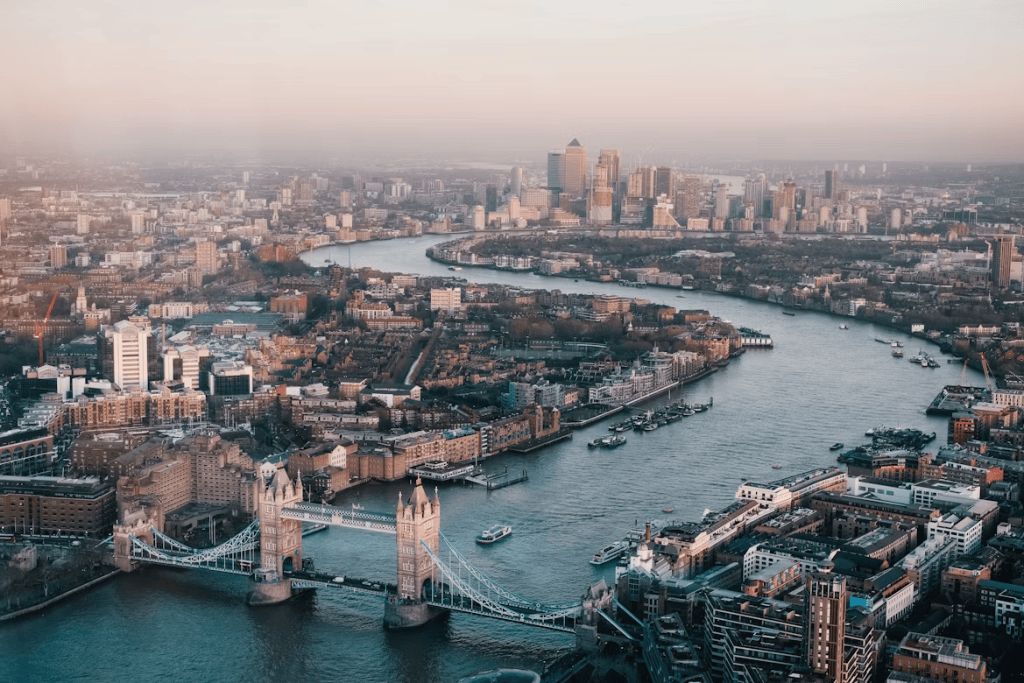
London Once Had a Beer Flood
A huge vat burst at a London brewery in 1814, setting off a chain reaction that released an enormous amount of porter into the surrounding neighborhood. The event became known as the London Beer Flood.

Nintendo Started Making Playing Cards in 1889
Nintendo existed nearly a century before Mario. Fusajiro Yamauchi began producing Japanese hanafuda playing cards in Kyoto in 1889, long before the company entered the video game business.
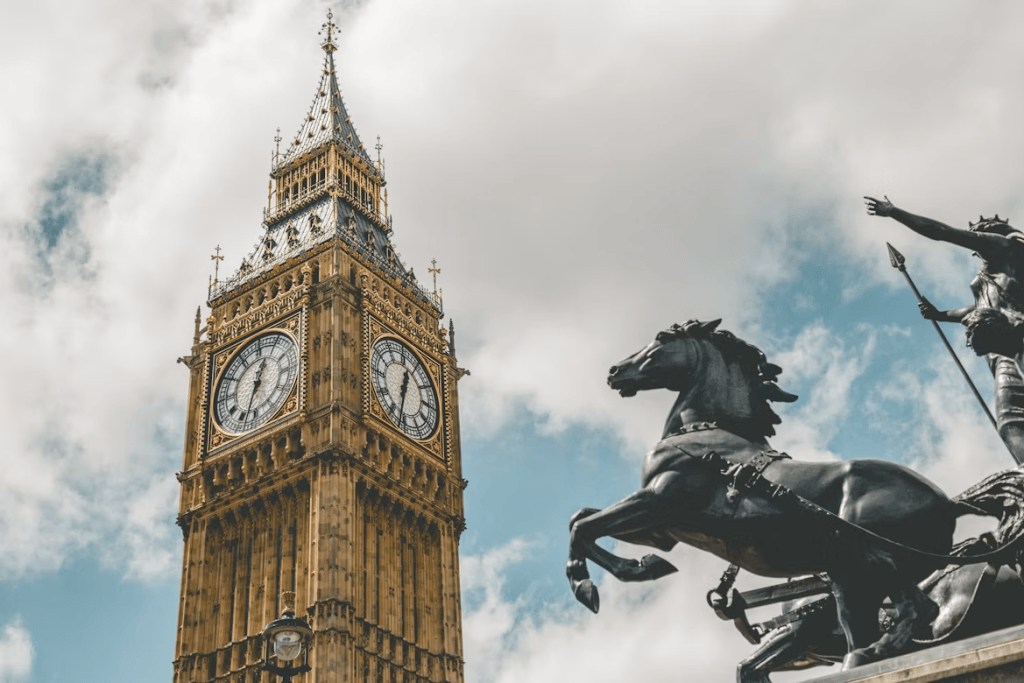
London Had a Summer Known as the Great Stink
The Thames became so polluted that the exceptionally hot summer of 1858 turned its smell into a citywide crisis. The Great Stink helped push London toward building the modern sewer system that transformed the city.
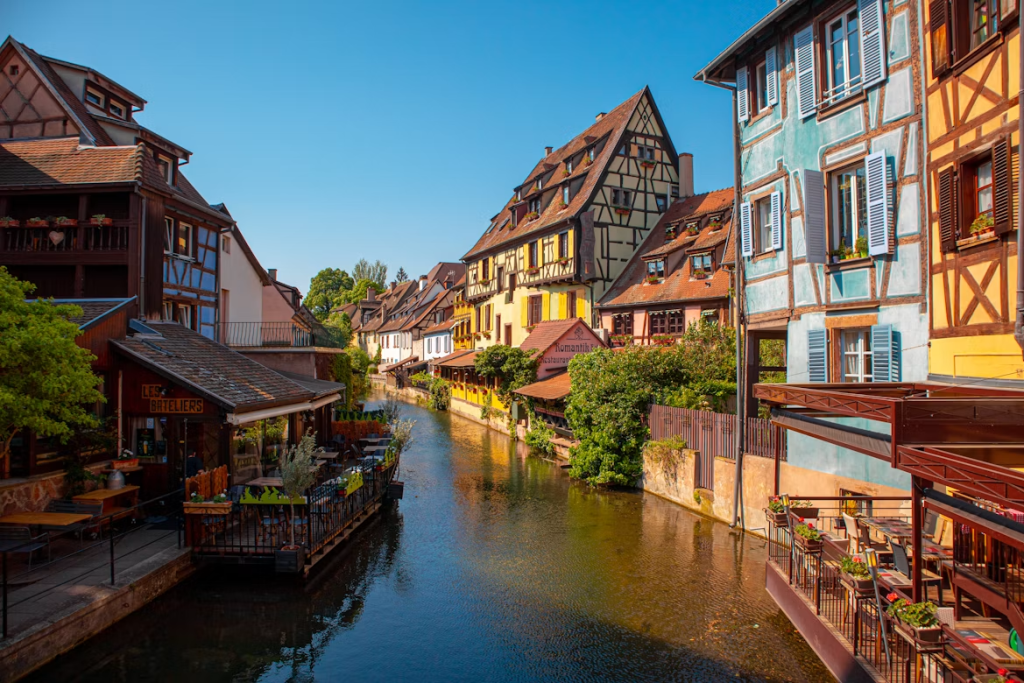
Hundreds of People Started Dancing in Strasbourg
In 1518, residents of Strasbourg experienced a mysterious outbreak in which people danced uncontrollably for days. Historical records confirm the strange episode, although historians still debate exactly what caused it.
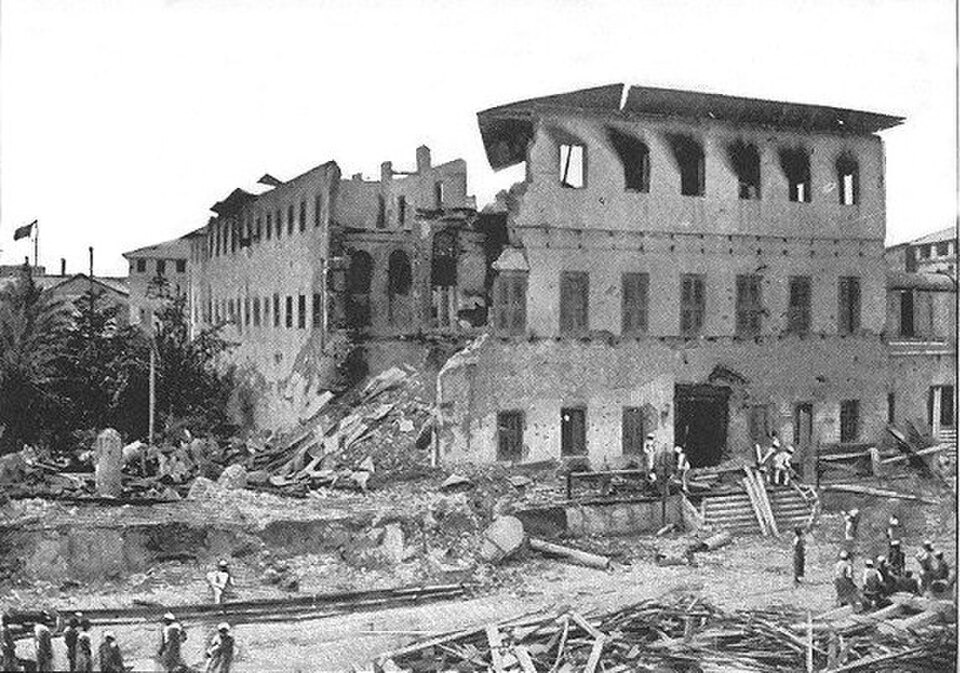
The Shortest War in Recorded History Lasted Less Than an Hour
The Anglo-Zanzibar War began on the morning of August 27, 1896, and was over in less than an hour. It is generally described as the shortest recorded war in history.
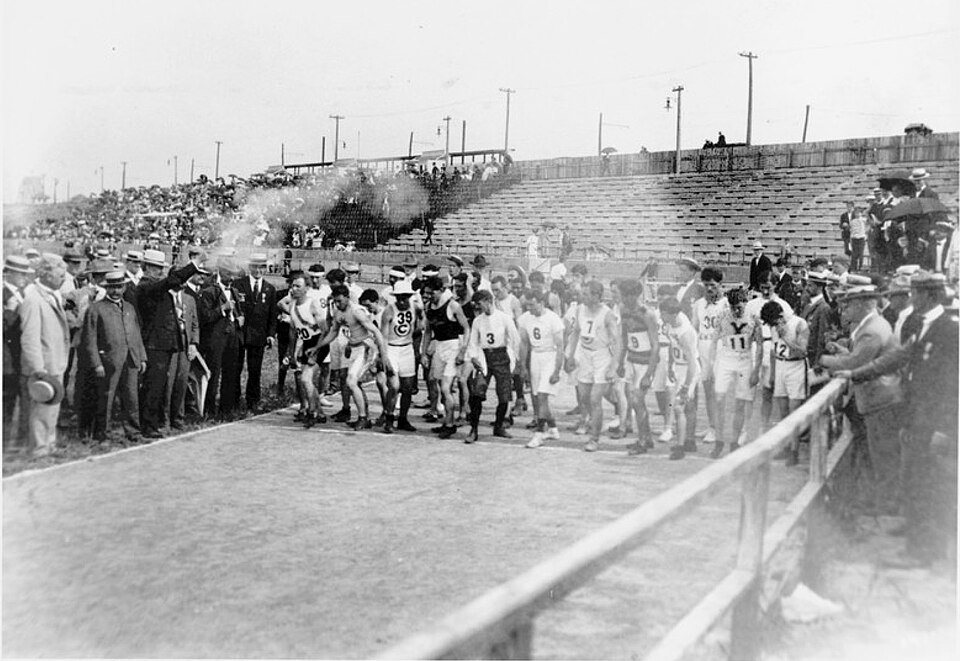
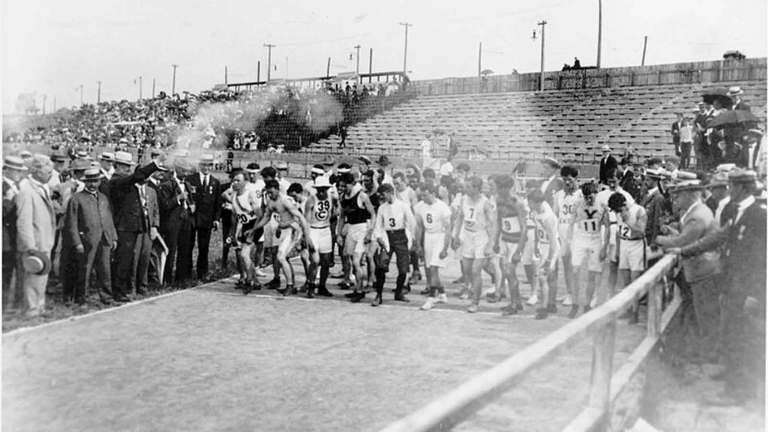
The 1904 Olympic Marathon Was Complete Chaos
The marathon at the St. Louis Olympics included competitors dealing with dust, dehydration and some extremely questionable decisions. One runner even traveled part of the course in a car before returning to the race.
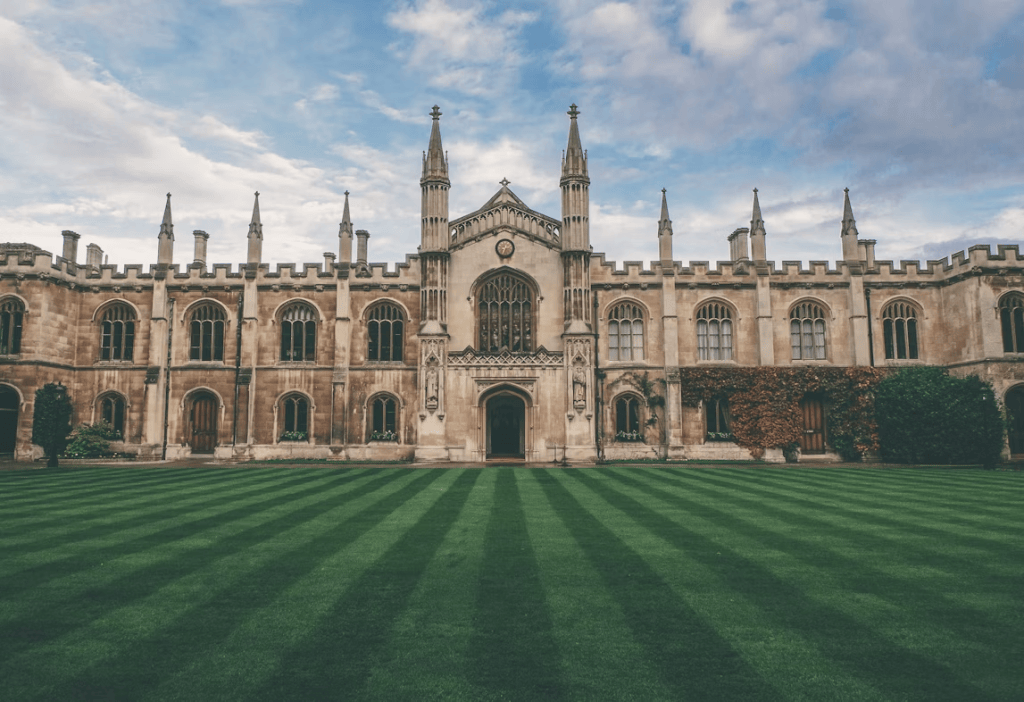
Oxford University Is Older Than the Aztec Empire
Teaching was already taking place at Oxford by the late 11th century. The Aztec Empire, meanwhile, was established centuries later, making the familiar university significantly older than the civilization.
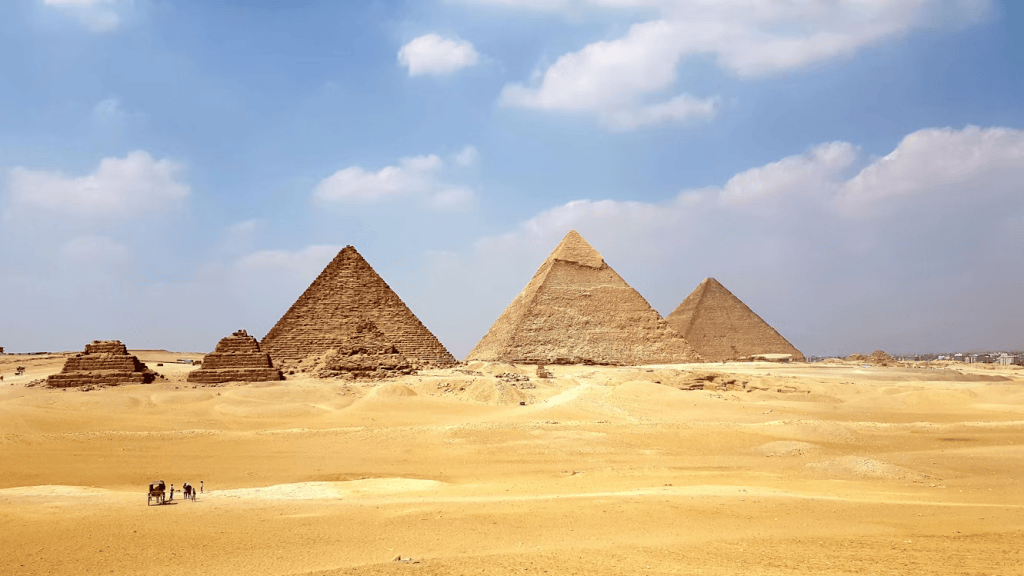
Cleopatra Lived Closer to the Moon Landing Than the Great Pyramid
The Great Pyramid of Giza was already ancient history by Cleopatra’s lifetime. More time separates its construction from Cleopatra than separates Cleopatra from the Apollo 11 Moon landing.

The Romans Had Their Own Version of Fast Food
Ancient Roman cities had small establishments known as thermopolia where prepared food and drinks could be purchased from counters containing large jars. Several remarkably well-preserved examples have been uncovered at Pompeii.