Historical Photos That Are Much Darker Than They First Appear

Some historical photographs look ordinary at first glance, almost too familiar to deserve a second look. Then you notice one person, one object, or one small detail in the frame, and the entire image is instantly different. Photographs are like that, only capturing moments without any explanation of what happened before or after the shutter clicked. Sometimes the darker story is well documented, while other times it comes from details that were overlooked for years. These images are a reminder that photographs rarely tell the whole story, and sometimes the most unsettling part is hiding in plain sight.
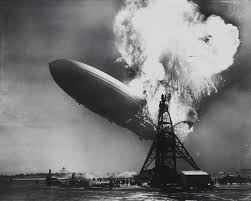
The Hindenburg Disaster (1937)
The famous photograph looks almost surreal until you remember that dozens of passengers and crew were trapped aboard the airship as it burst into flames.
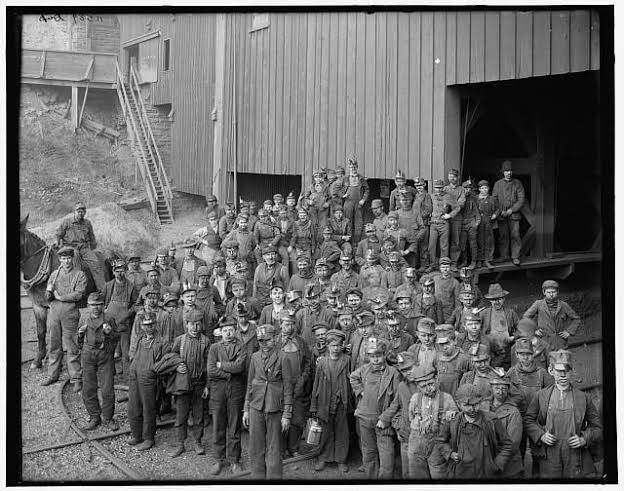
Children Working in Coal Mines (1900s)
These young boys were photographed working inside American coal mines, where dangerous conditions were a normal part of their daily lives.
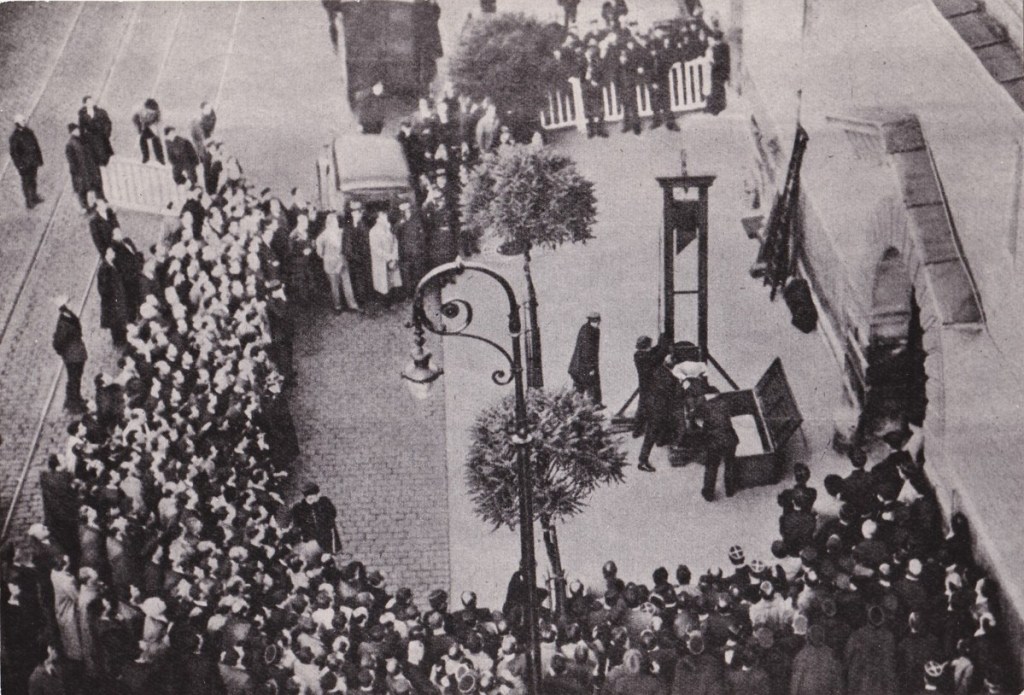
The Last Public Execution in France (1939)
A crowd gathered in Versailles to watch Eugen Weidmann become the last person publicly executed by guillotine in France.
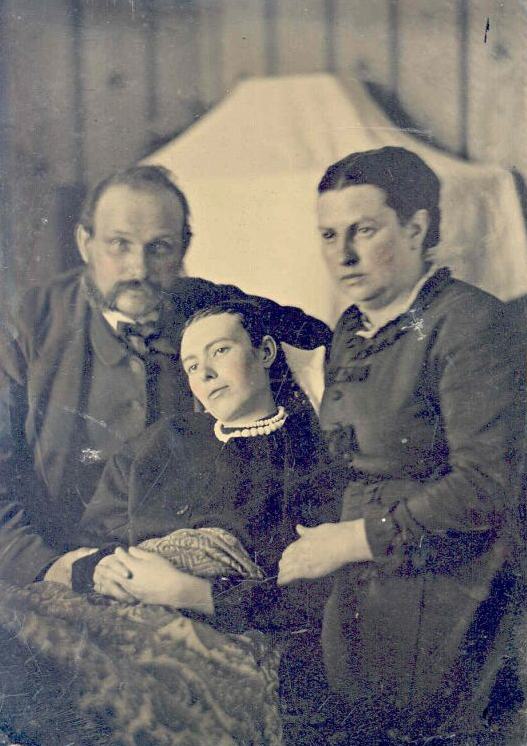
A Victorian Post Mortem Portrait (19th Century)
Some families commissioned photographs of deceased children because a final portrait was often the only image they would ever have of them.
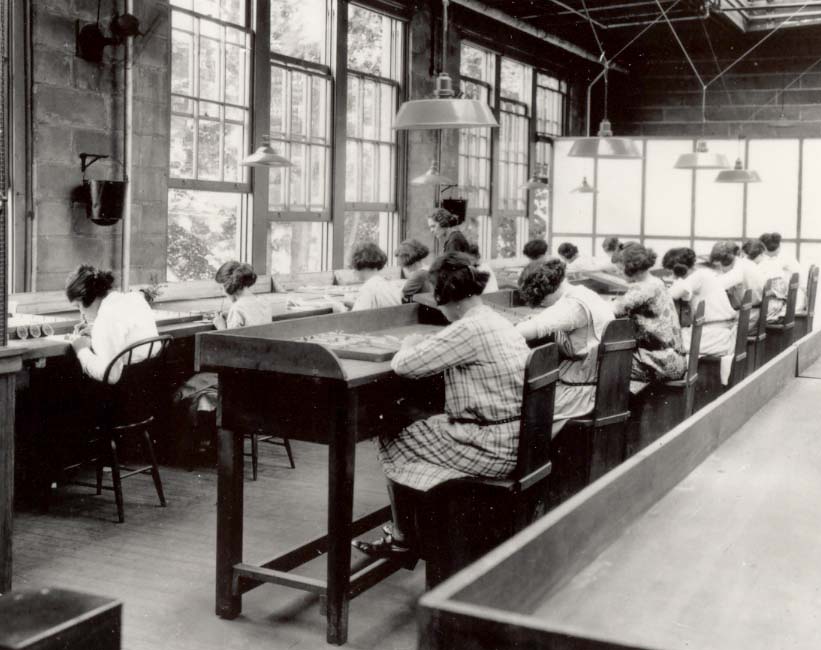
The Radium Girls (1920s)
These young factory workers were exposed to radium while painting luminous watch dials, with many later suffering severe health consequences.
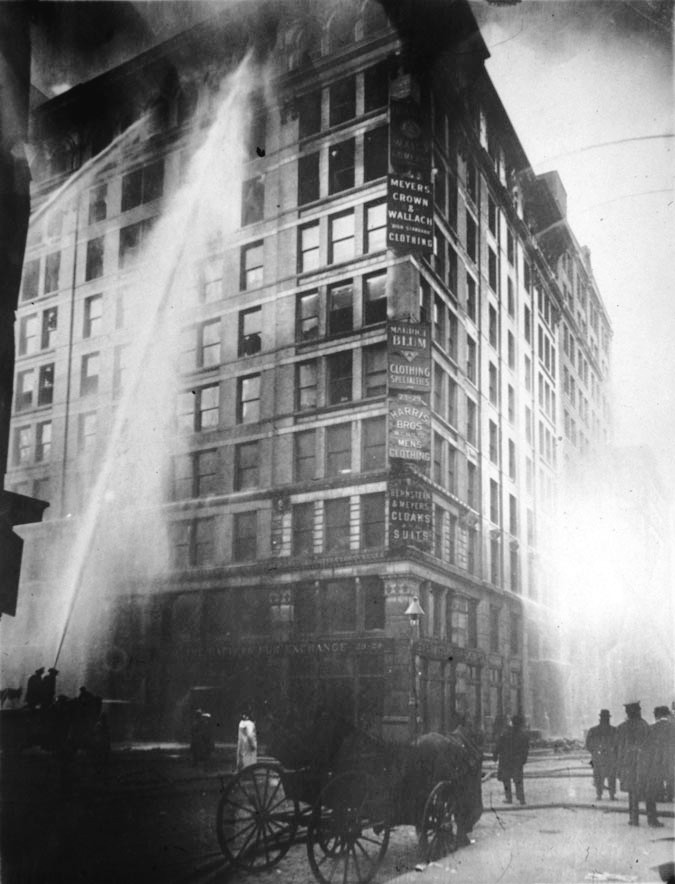
The Triangle Shirtwaist Factory Fire (1911)
Workers were trapped inside the burning New York factory after exits were locked, leading many to jump from the upper floors.
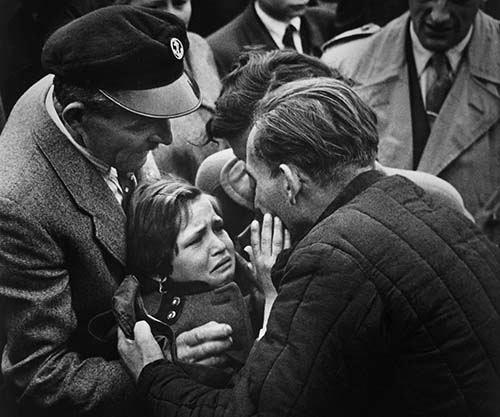
A Prisoner Recognizes His Family (1945)
This photograph captures a German prisoner of war reacting emotionally after recognizing relatives among the people gathered near the camp.
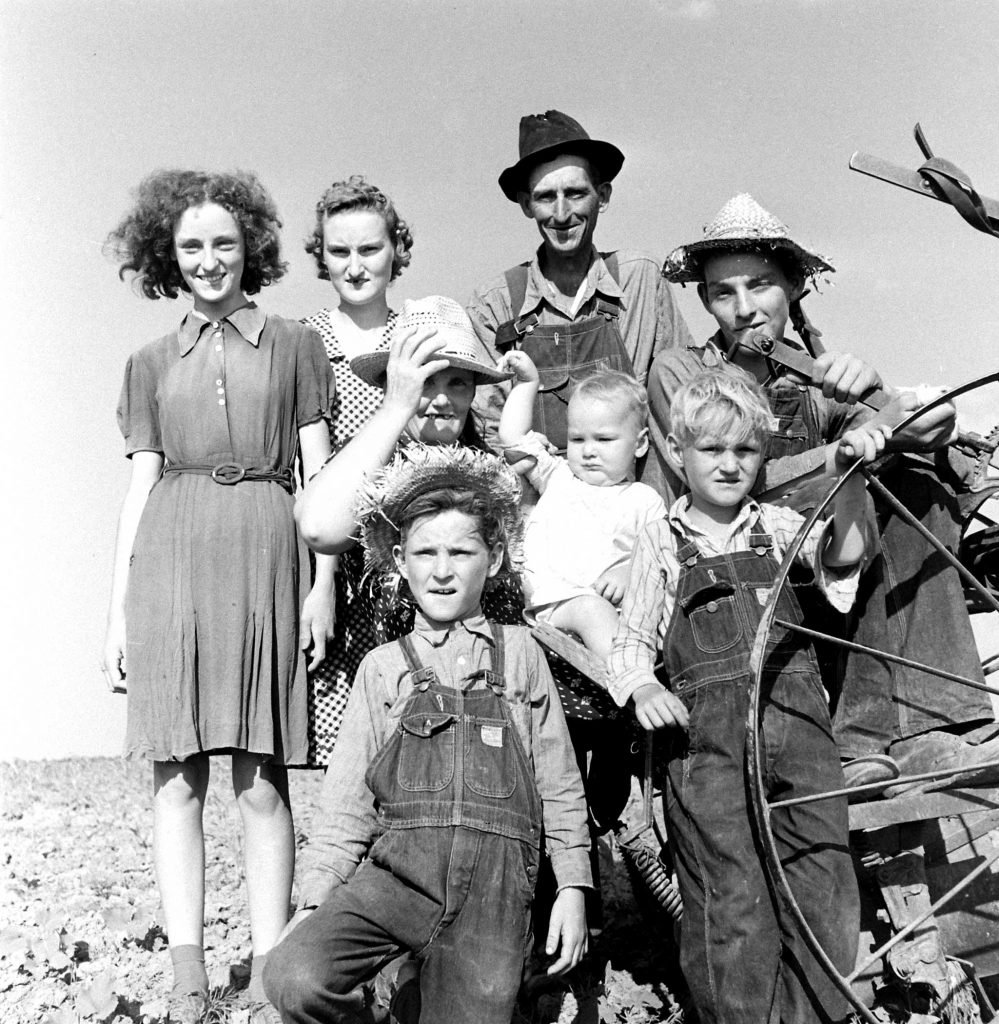
The Dust Bowl Family (1930s)
Behind the seemingly quiet family portrait was a period of extreme poverty, crop failure, displacement, and environmental disaster across the American Great Plains.
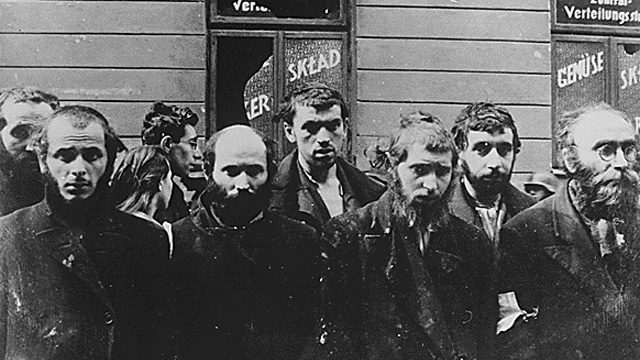
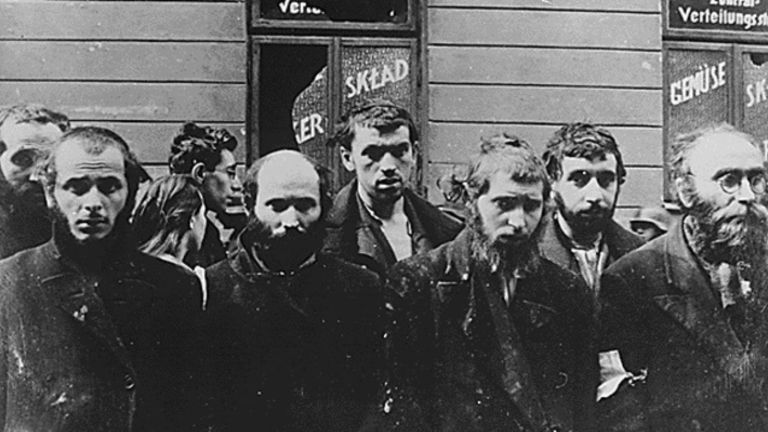
The Warsaw Ghetto (1943)
A photograph of Jewish civilians being forced from their homes during the liquidation of the Warsaw Ghetto became one of the most recognizable images of Nazi persecution.
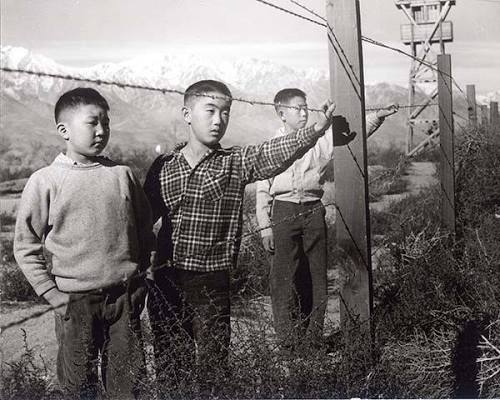
Children Behind Barbed Wire at a Japanese American Internment Camp (1942)
The expressions of children posing for the camera stand in stark contrast to the fact that their families had been forcibly relocated and confined.
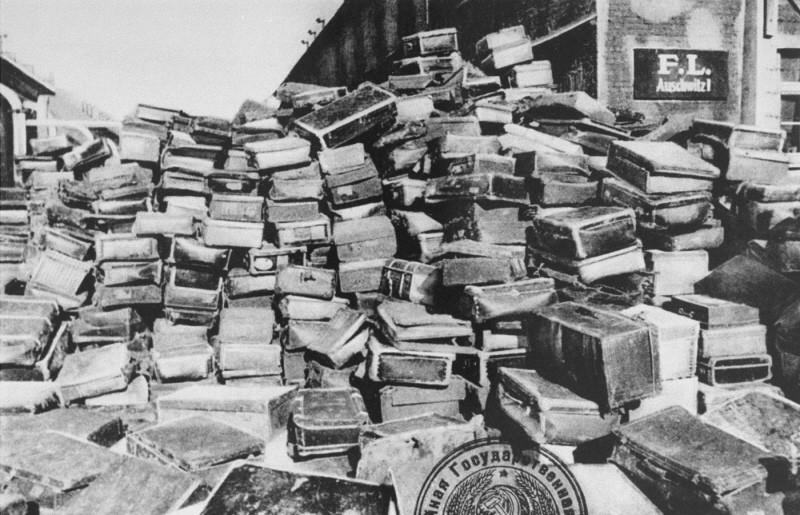
The Empty Suitcases of Auschwitz (1945)
Thousands of suitcases left behind at Auschwitz belonged to people who had been deported there without knowing what awaited them.