15 of History’s Greatest ‘Butterfly Effect’ Moments

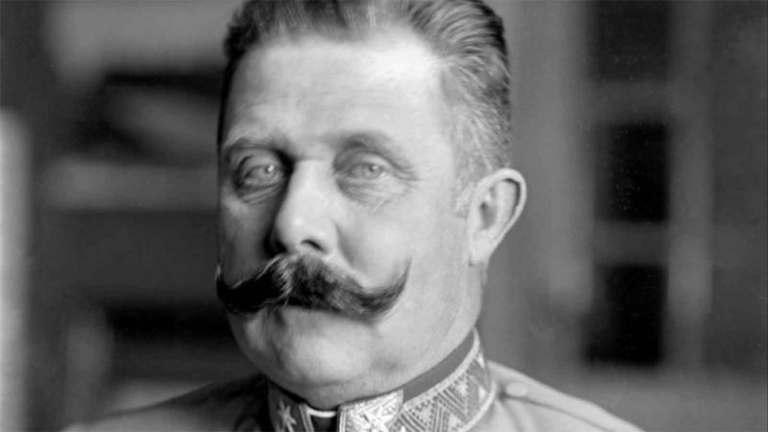
The butterfly effect is a part of chaos theory that explains how seemingly unrelated events can lead to massive consequences. The example the name is derived from goes over how the flapping of a butterfly’s wings can cause wind to change enough to lead to a tornado.
History is filled with these seemingly unrelated moments, tied only by historians who can see the bigger picture. Could horrific wars be prevented with a simple change in the past? We will never know, but it is the past (and the connections) that we’re stuck with. These are the mst curious examples we’ve found online.
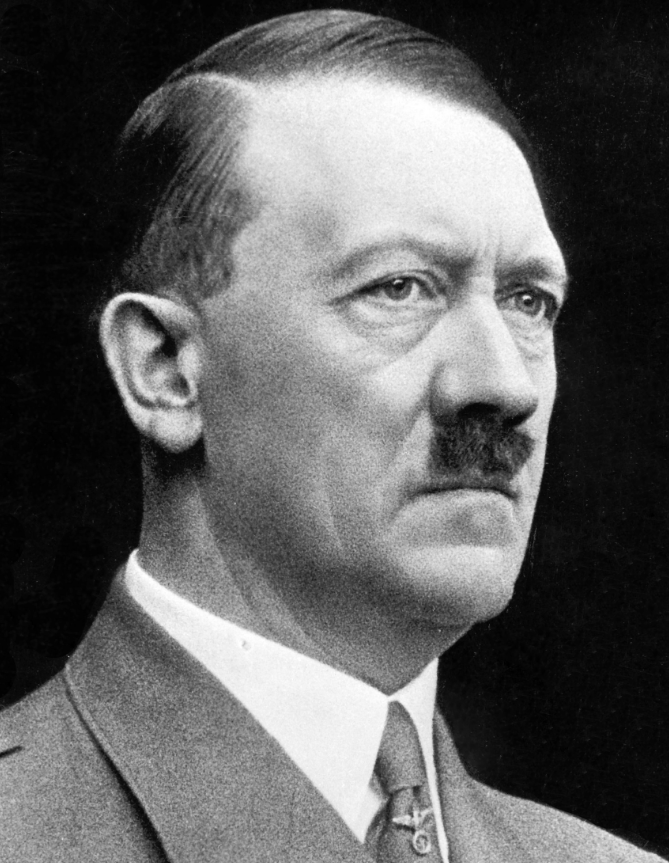
Hitler’s Art School Rejections
Adolf Hitler was rejected by Vienna’s Academy of Fine Arts in 1907 and again in 1908. It is tempting to imagine an accepted application producing a painter instead of a dictator, yet sadly it’s a future we can only imagine.
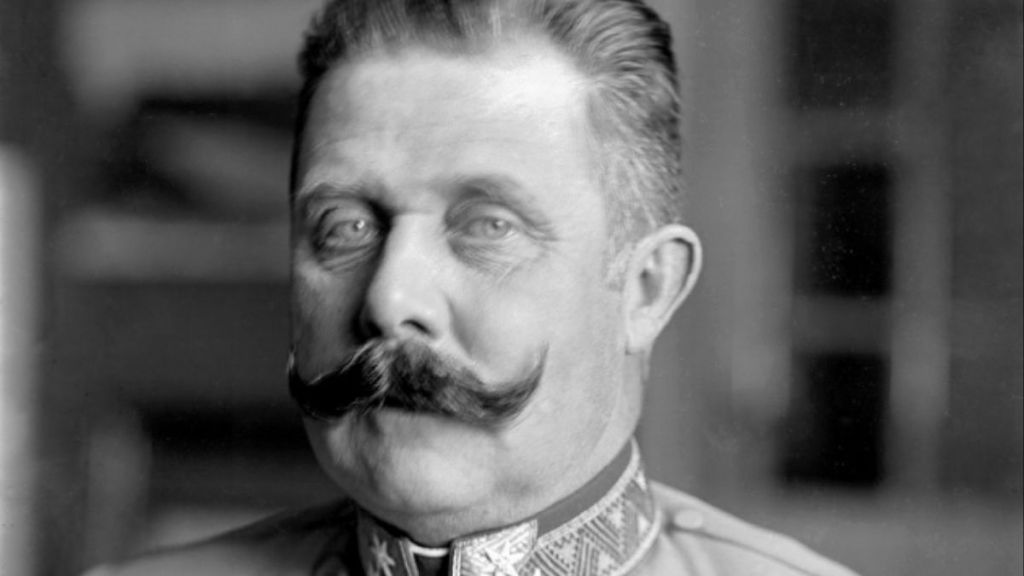
The Assassination of Franz Ferdinand
Archduke Franz Ferdinand’s assassination in Sarajevo did not single-handedly cause World War I, but it triggered the July Crisis. Existing nationalism, militarism, imperial rivalry, and alliances transformed the assassination into a continental war.

The Berlin Wall Misstatement
On November 9, 1989, East German official Günter Schabowski announced new travel rules and, when asked when they took effect, answered “immediately.” Crowds soon gathered at border crossings, and overwhelmed guards eventually opened the gates.
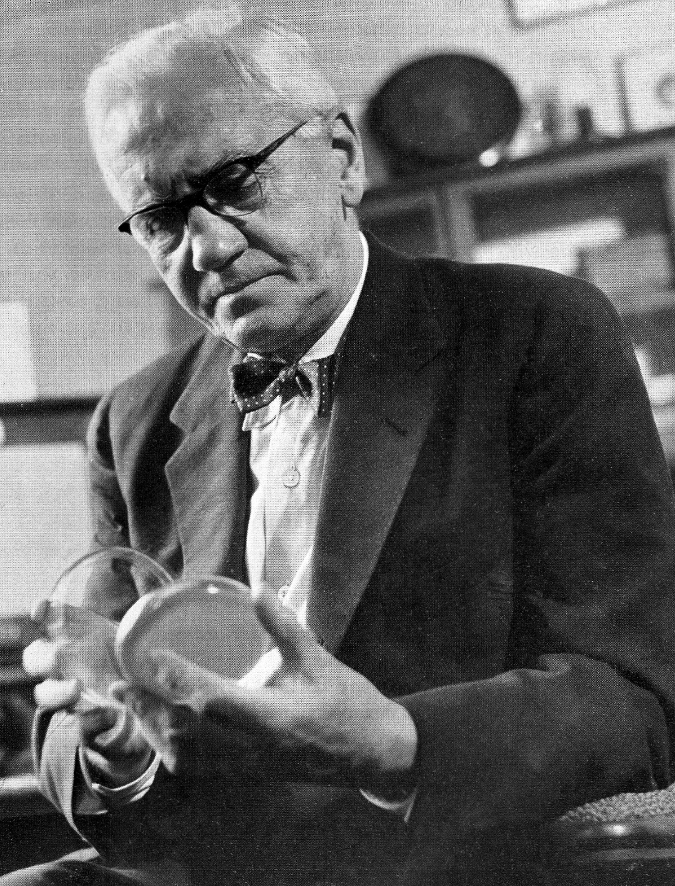
Fleming’s Moldy Petri Dish
In 1928, Alexander Fleming returned from vacation to find Penicillium mold contaminating a staphylococcus culture. The mold had created a bacteria-free zone, leading Fleming to investigate penicillin and helping launch the antibiotic era.
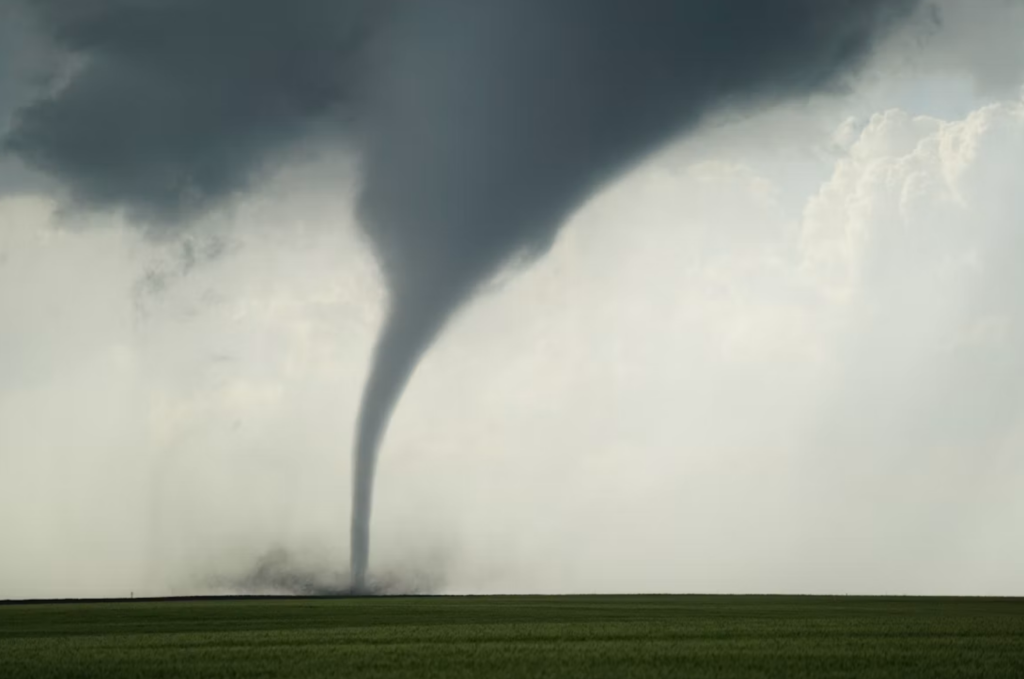
The Washington Tornado
After British forces burned Washington in August 1814, a severe tornado struck the city. It extinguished fires and damaged buildings, forcing a British battlefield retreat.
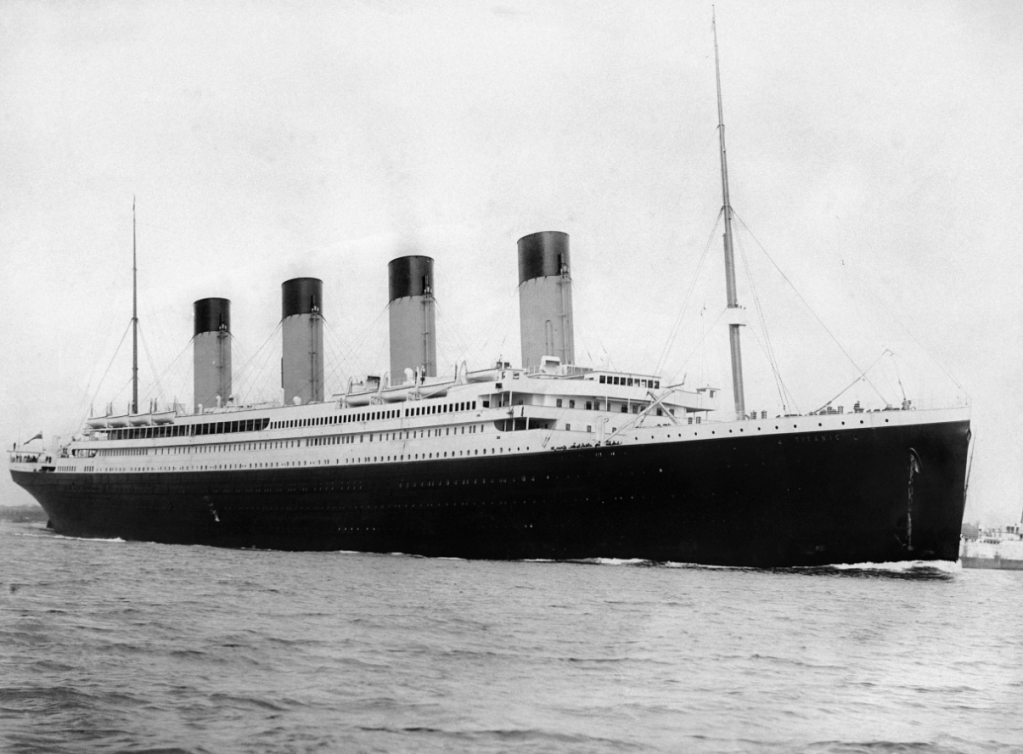
Titanic’s Missing Binoculars
Second Officer David Blair left Titanic after a last-minute officer reshuffle, taking the key to the crow’s-nest telephone and lookout binoculars. Binoculars that, we can only imagine, might have helped see an incoming iceberg.
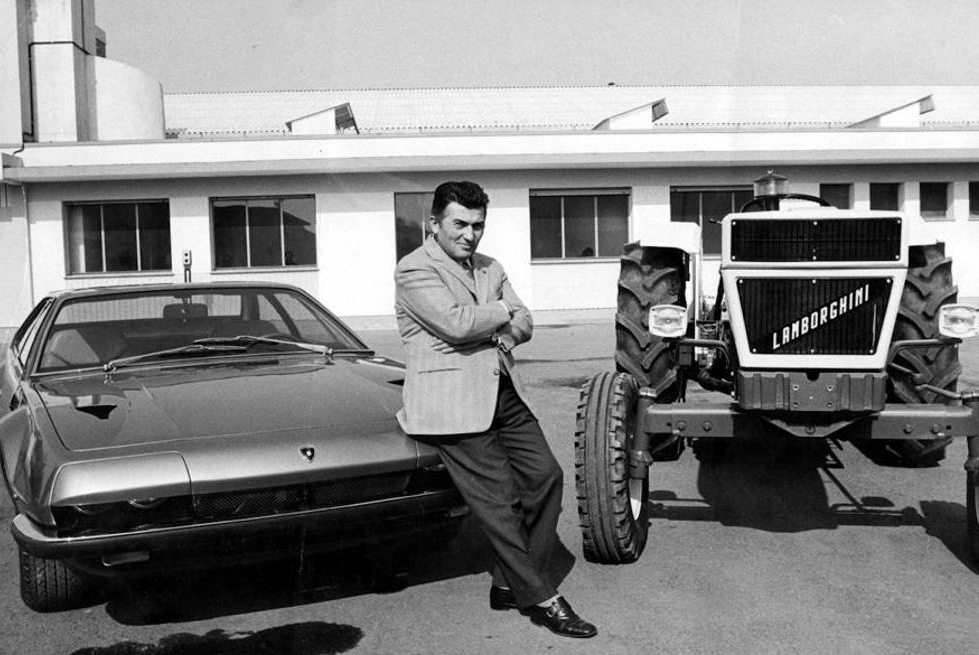
Lamborghini vs. Ferrari
Ferruccio Lamborghini complained about Ferrari’s clutches and reportedly clashed with Enzo Ferrari. Lamborghini founded his own car company in 1963, creating one of Ferrari’s most enduring rivals.
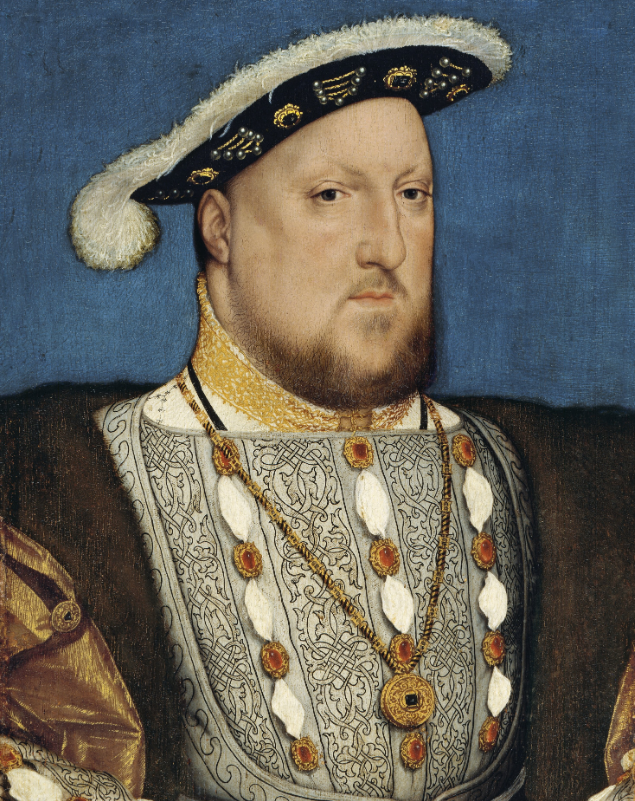
Arthur’s Untimely Death
Henry VIII became heir only after his older brother Arthur died in 1502. That succession eventually produced the English Reformation and Elizabeth I, since England would have likely remained Catholic under Arthur.
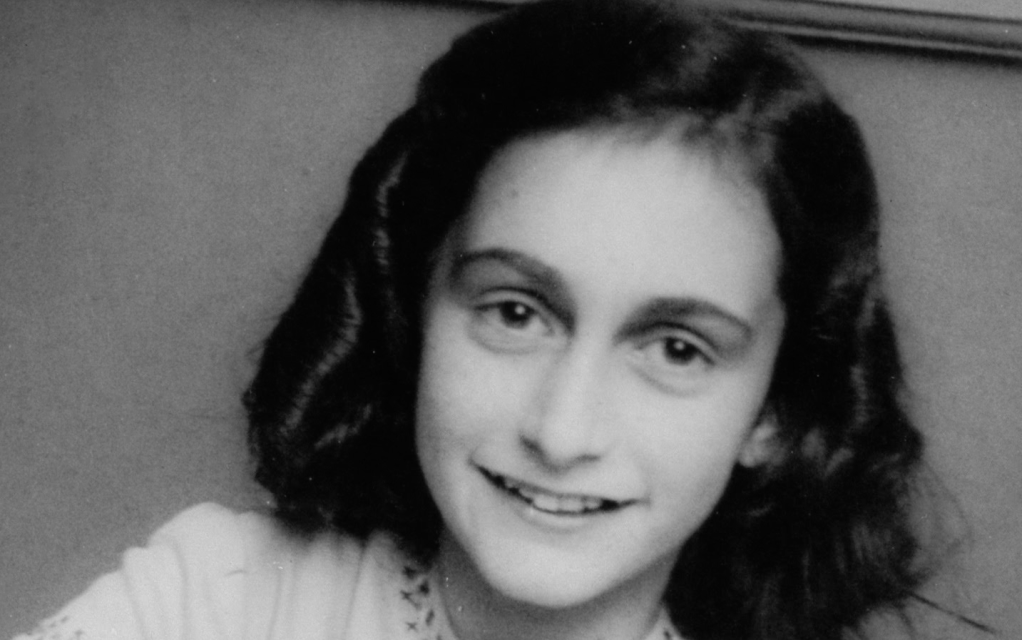
Anne Frank’s Saved Diary
After Anne Frank’s arrest, Miep Gies and Bep Voskuijl found her diary papers scattered across the hiding place and nearly tossed them away, but chose to preserve them. Gies later gave them to Otto Frank, allowing the diary to become a landmark Holocaust account.
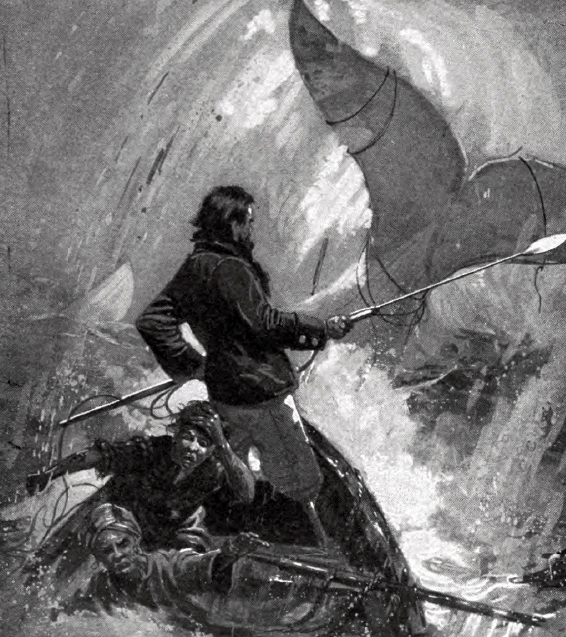
The Sinking of the Essex
In 1820, the whaling ship Essex was rammed and sunk by a sperm whale, leaving survivors adrift for months. Accounts of their ordeal later helped inspire Herman Melville’s Moby-Dick, connecting a maritime disaster to a literary landmark.
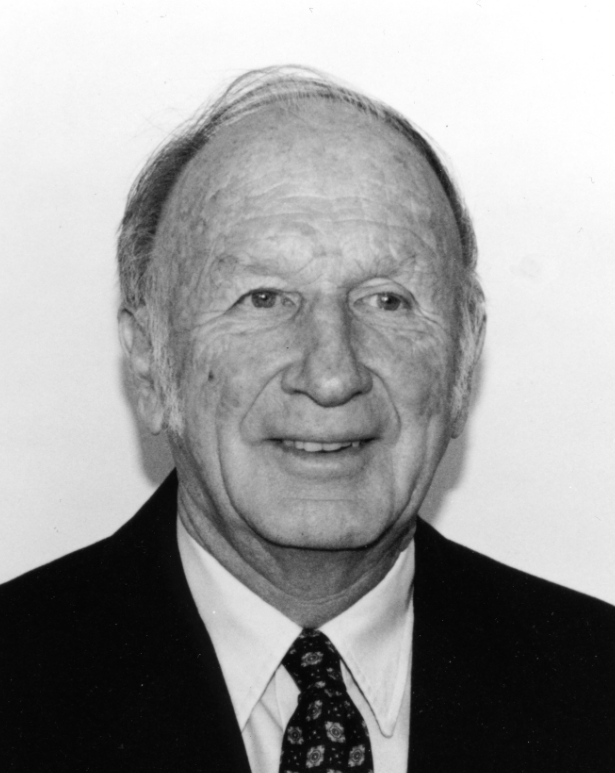
Lorenz’s Rounded Numbers
In 1961, meteorologist Edward Lorenz restarted a weather simulation using rounded numbers instead of the model’s full precision. The forecast rapidly diverged, helping reveal sensitive dependence on initial conditions and inspiring the modern butterfly-effect concept.
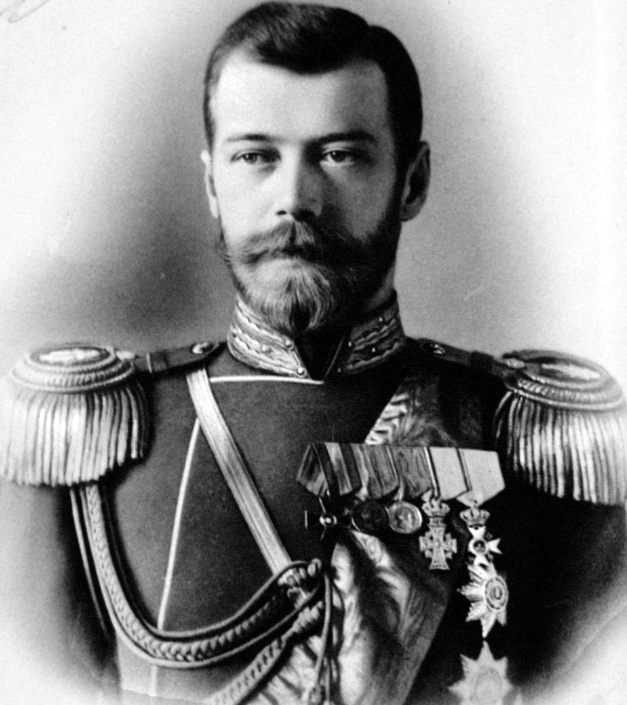
The Ōtsu Incident
In 1891, Japanese policeman Tsuda Sanzo attacked Crown Prince Nicholas, the future Nicholas II, during his visit to Japan. The Ōtsu Incident created a diplomatic crisis between Russia and Japan, directly linking it to their later war.
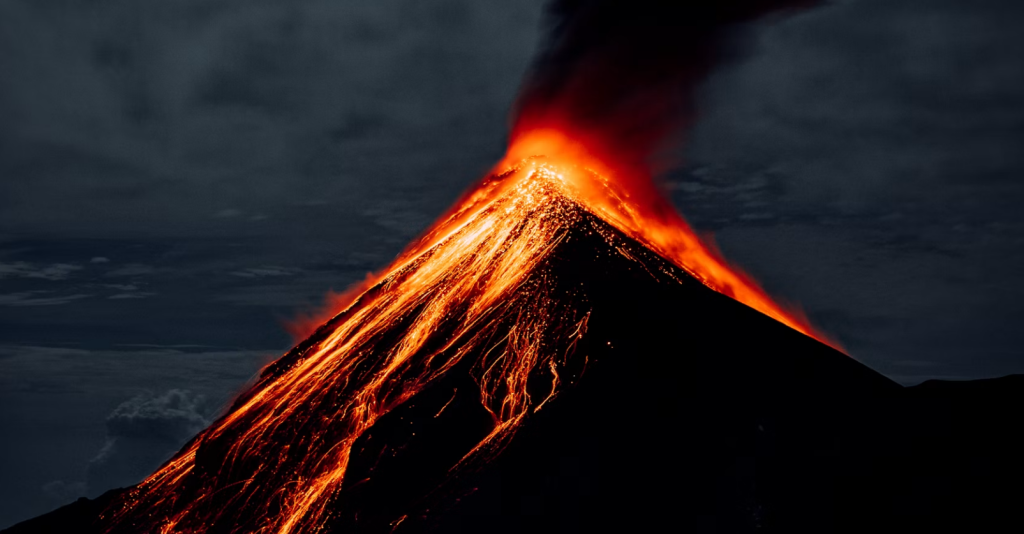
The Laki Eruption
The 1783 Laki eruption caused severe famine in Iceland and widespread atmospheric and climatic effects. Its European consequences contributed to conditions preceding the French Revolution, which was already brewing, sure, but exploded alongside the volcano.
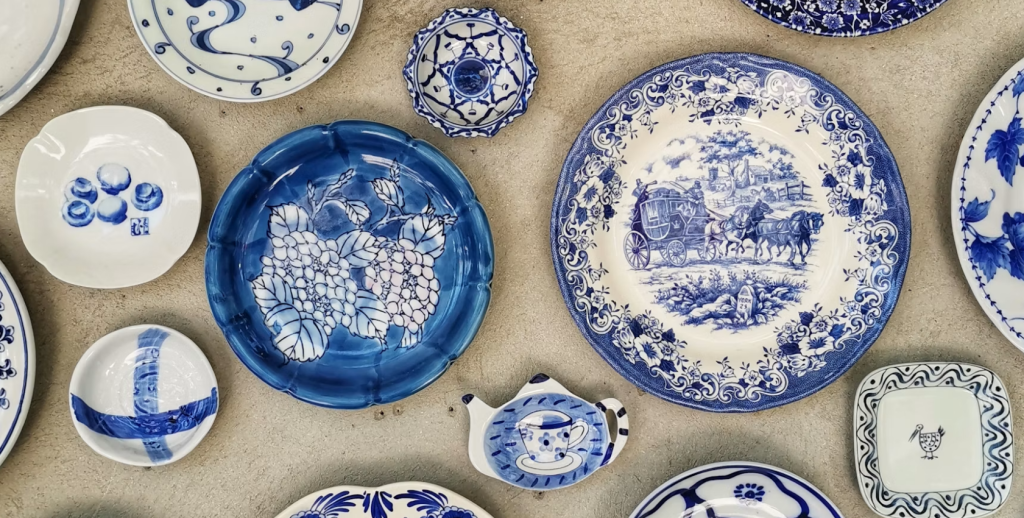
Europe’s Obsession With Porcelain
Europe’s fascination with Chinese porcelain encouraged experiments to reproduce it, while European glassmaking was independently advancing. These failed porcelain experiments lead to modern scientific optics, aiding the push to a science-led era.
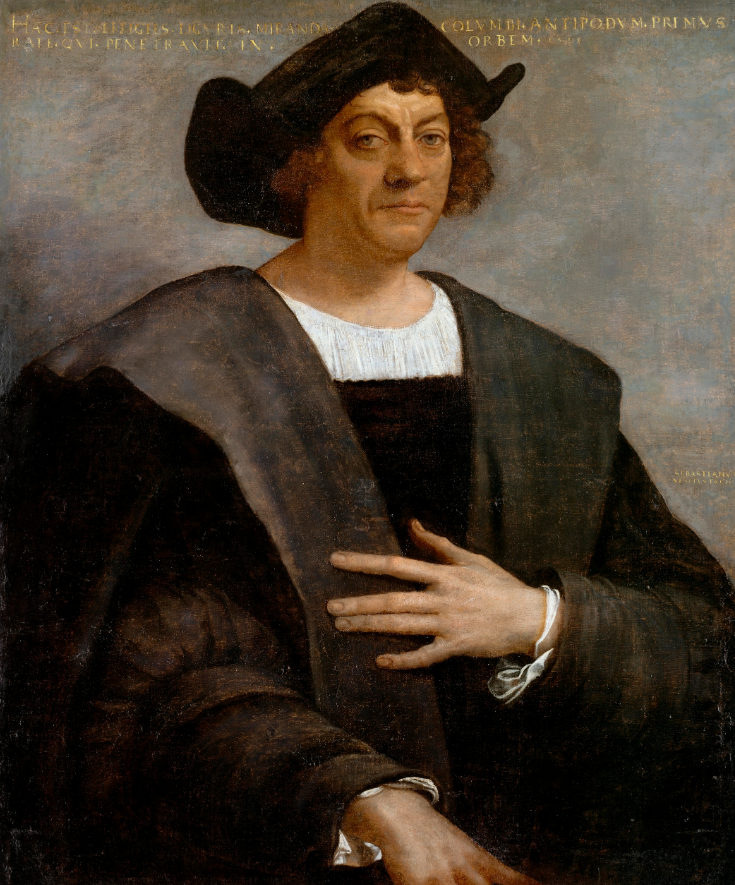
Columbus Reaches the Americas
Christopher Columbus sailed west in 1492 seeking a route to Asia and instead reached the Caribbean, beginning sustained contact between Europe and the Americas. His voyage was accidental in destination, and yet its consequences transformed global history.