15 Everyday Objects That Have Barely Changed in 100 Years

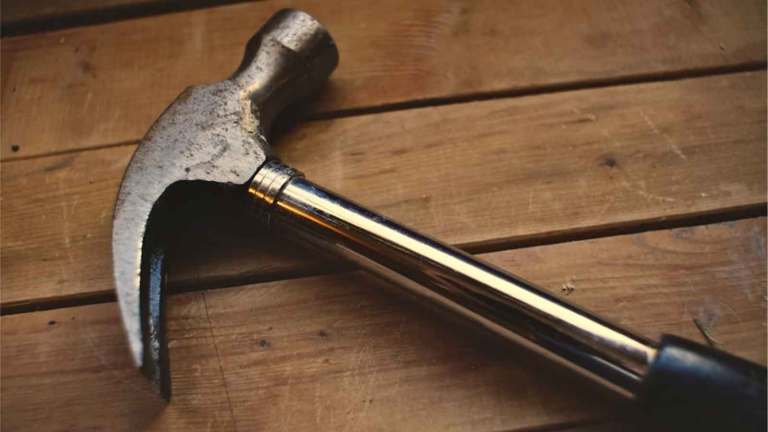
A kitchen from 1926 would look pretty strange today, but open a drawer and many things become much more familiar. Some everyday objects reached a point where there simply was not much left to improve. Companies have changed the materials, added brighter colors, and occasionally tried to reinvent them, yet the basic designs would still be immediately recognizable to someone from a century ago. That is especially impressive considering how thoroughly technology has transformed almost everything else around them. Sometimes a handle, a blade, a spring, or a few cleverly arranged pieces really are enough to survive generations of supposed innovation. Here are 15 everyday objects that have barely changed in 100 years.
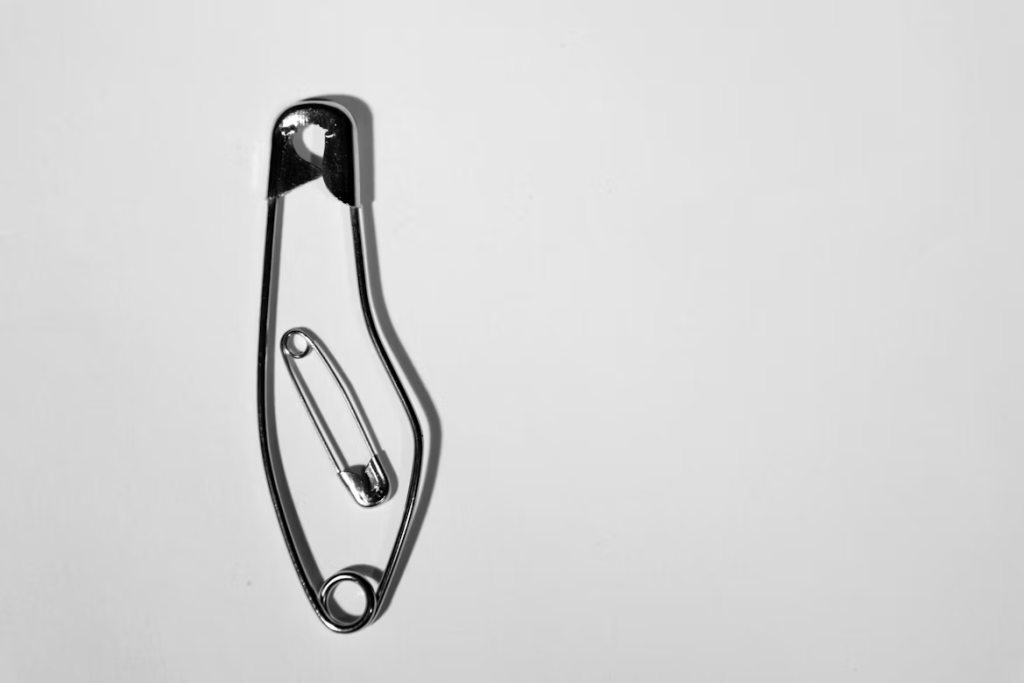
The Safety Pin
A modern safety pin would be instantly recognizable to someone using one a century ago. The simple combination of a coiled wire, sharp point, and protective clasp still solves the problem so efficiently that redesigning it would accomplish very little.
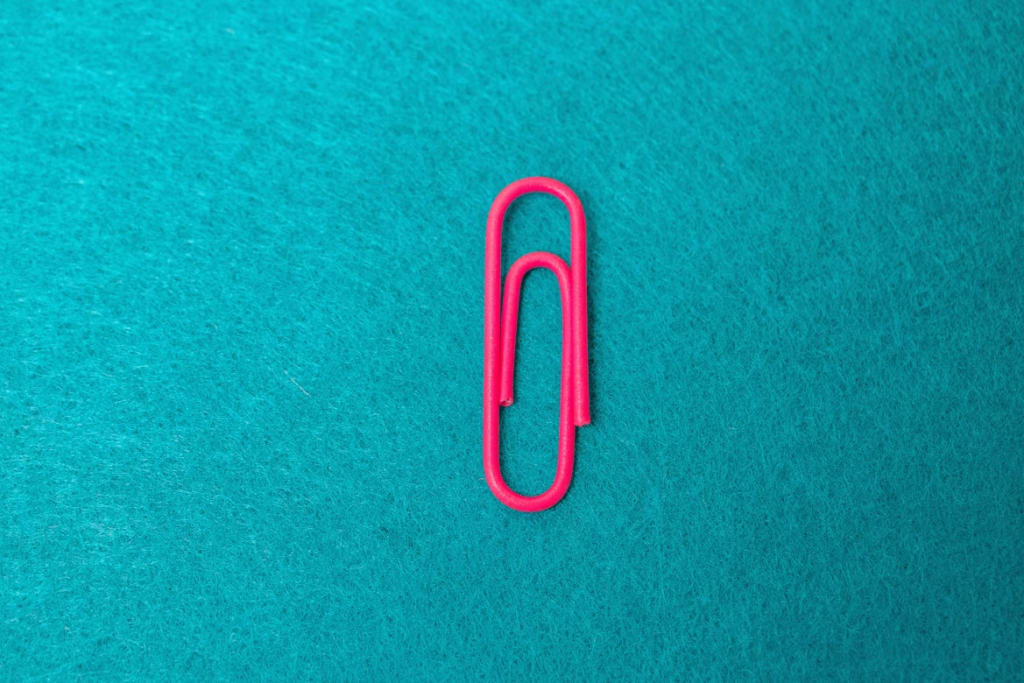
The Paper Clip
The familiar looped paper clip was already holding stacks of paper together long before computers threatened to eliminate paper entirely. Sizes and coatings vary, but the basic bent-wire design has stubbornly survived.
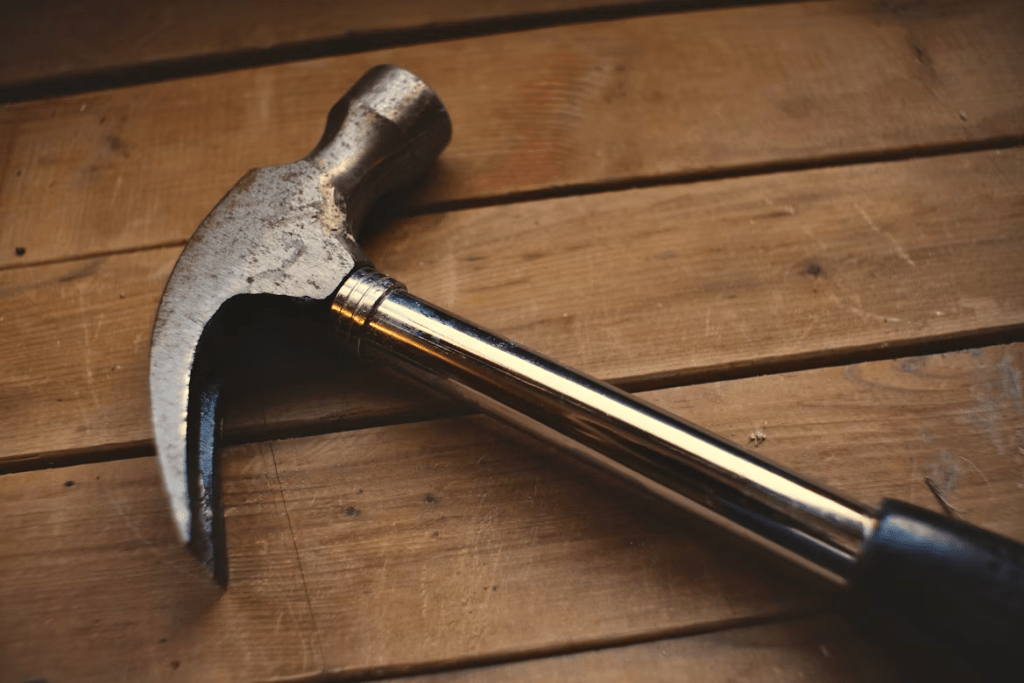
The Claw Hammer
Handles have become more ergonomic and materials more sophisticated, but the recognizable claw hammer has changed remarkably little. One side drives a nail in, the other pulls it back out, and apparently that was enough engineering.
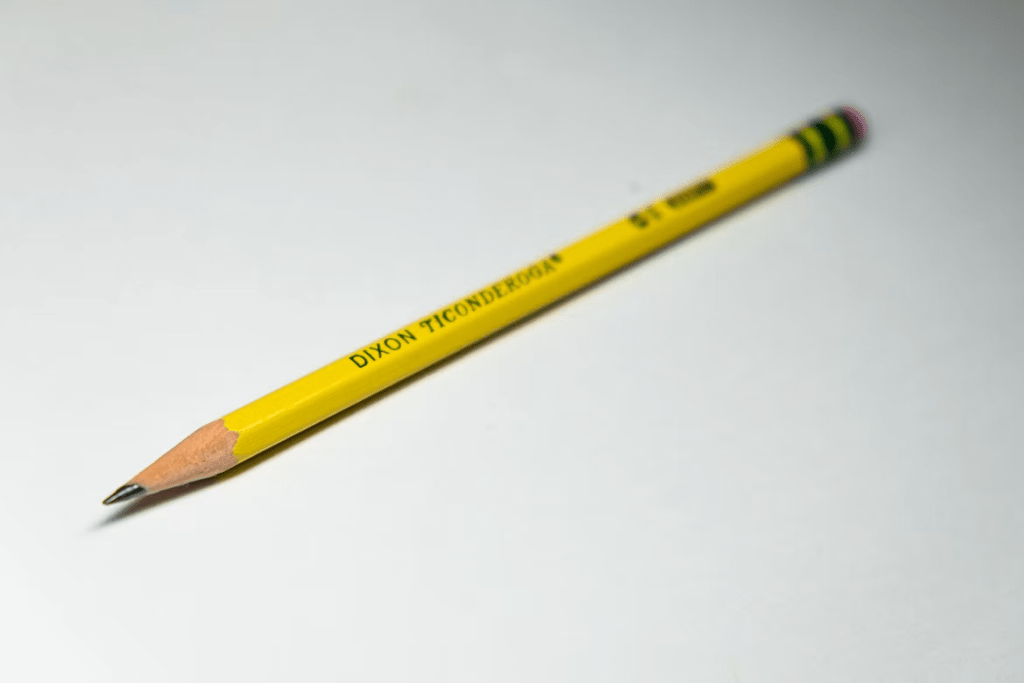
The Wooden Pencil
Mechanical pencils, tablets, and styluses have all arrived without killing the ordinary wooden pencil. A graphite core wrapped in wood still looks and works much as it did for generations of students before us.
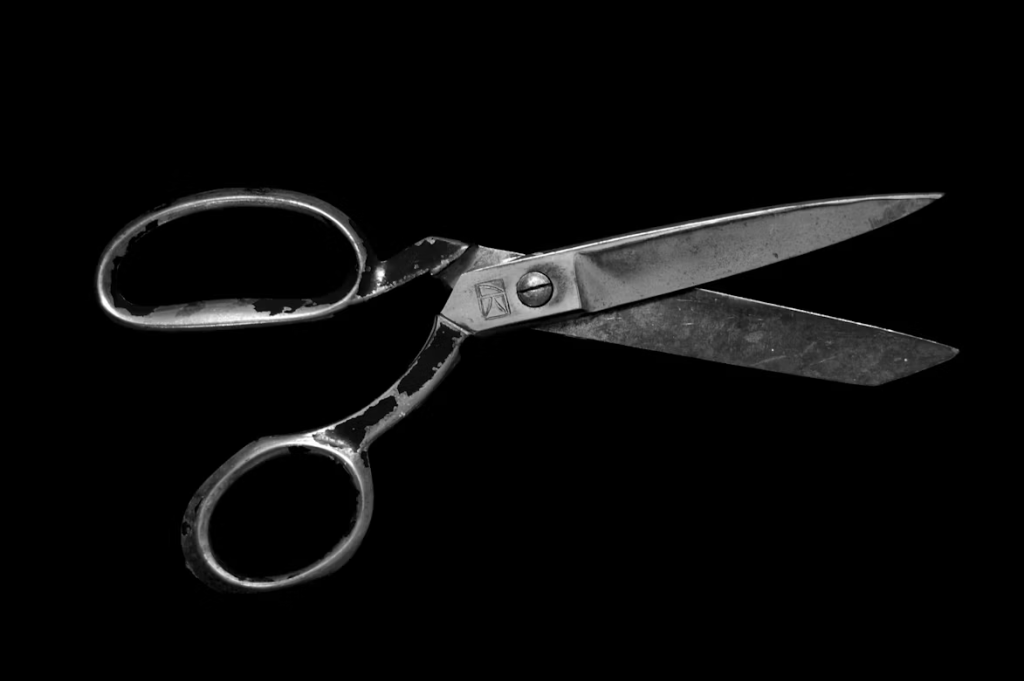
Scissors
Two sharpened blades joined at a pivot remain remarkably difficult to improve upon. Modern scissors may have plastic handles and specialized blades, but someone from the 1920s would have absolutely no trouble figuring them out.
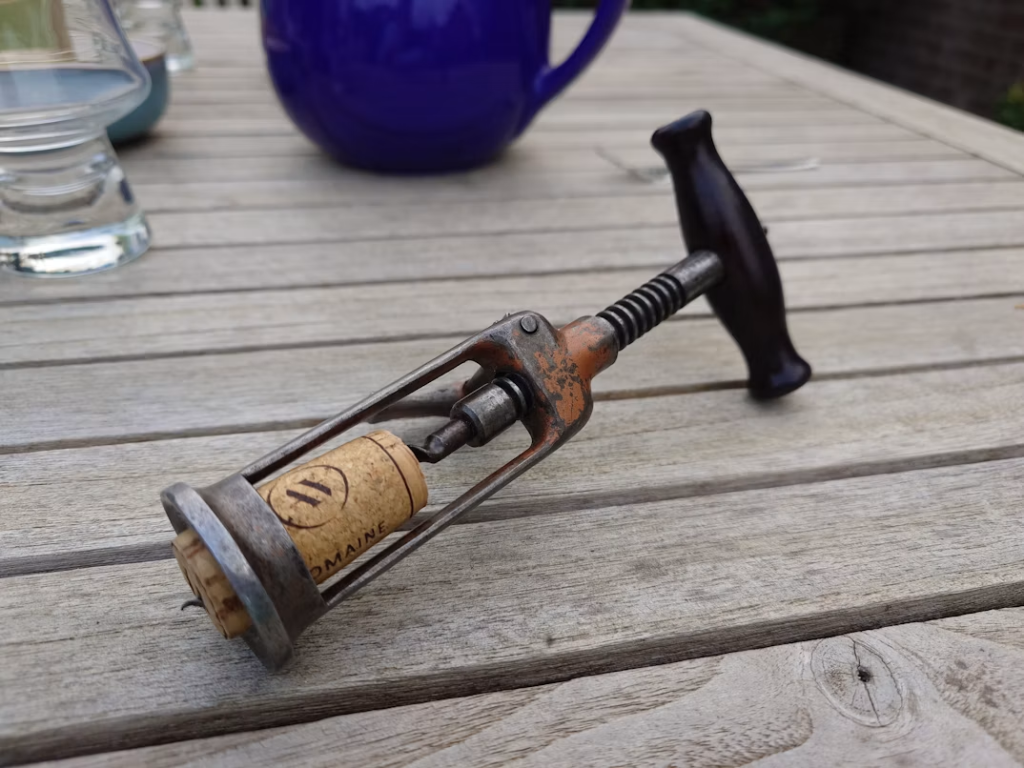
The Corkscrew
There are now electric wine openers elaborate enough to deserve their own instruction manuals. Meanwhile, the traditional corkscrew continues doing the same job with a metal spiral, a handle, and very little drama.
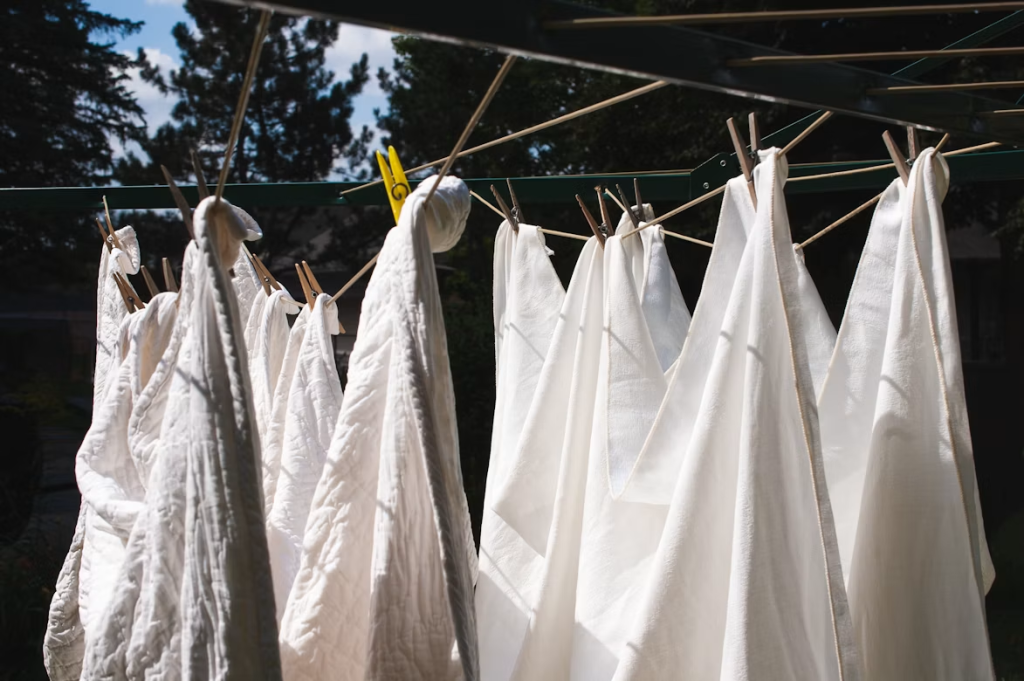
The Clothespin
The spring-loaded wooden clothespin is a tiny piece of engineering that basically finished evolving generations ago. Plastic versions exist, but the classic wooden design still looks almost exactly like its predecessors.
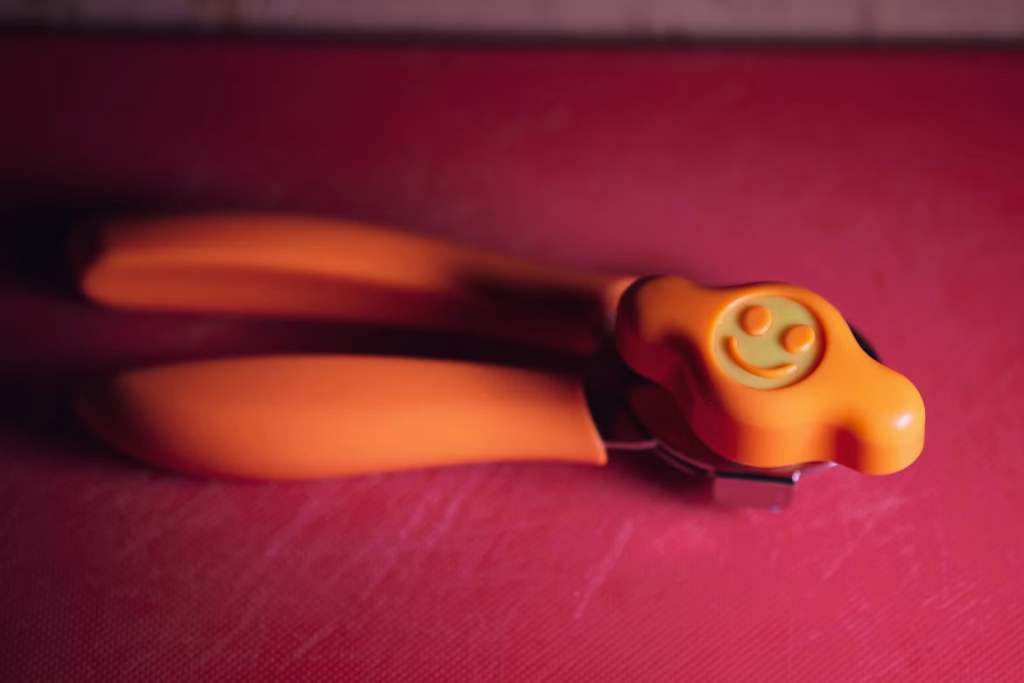
The Manual Can Opener
The rotating-wheel can opener became widespread in the early 20th century and the basic idea remains familiar today. Modern versions may be smoother and more comfortable, but the little cutting wheel is still doing the important part.
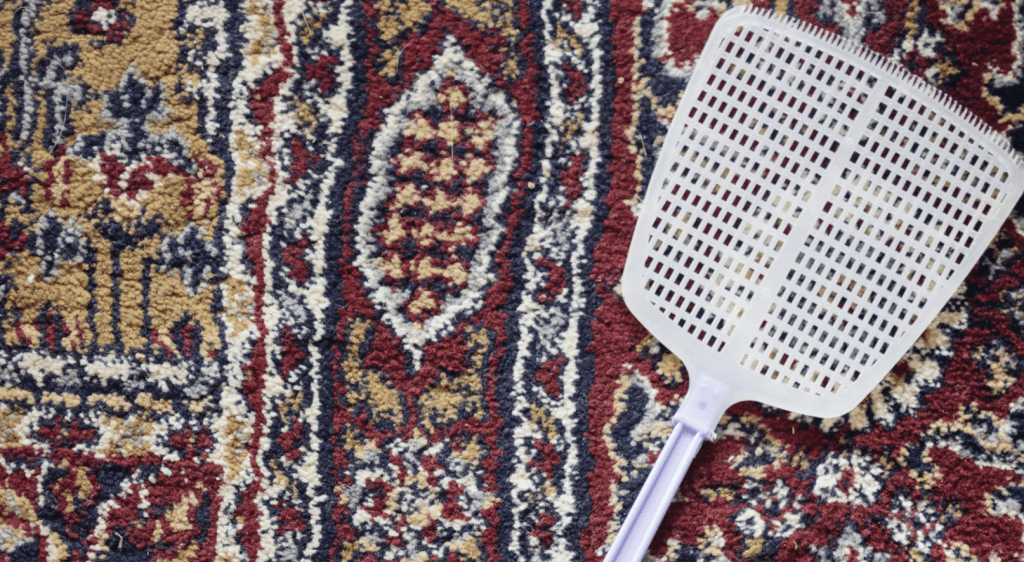
The Fly Swatter
There are sprays, traps, electric rackets, and increasingly complicated gadgets designed to deal with flies. Somehow, a flat piece attached to a handle remains one of the simplest solutions imaginable.
The Plunger
Few objects have benefited more from nobody feeling the need to reinvent them. The familiar rubber cup on the end of a handle still relies on the same wonderfully low-tech combination of pressure and suction.
The Shoehorn
A curved piece of material helping your heel slide into a shoe is about as straightforward as an invention gets. Shoehorns now come in plastic, metal, and extra-long versions, but the basic shape remains immediately familiar.
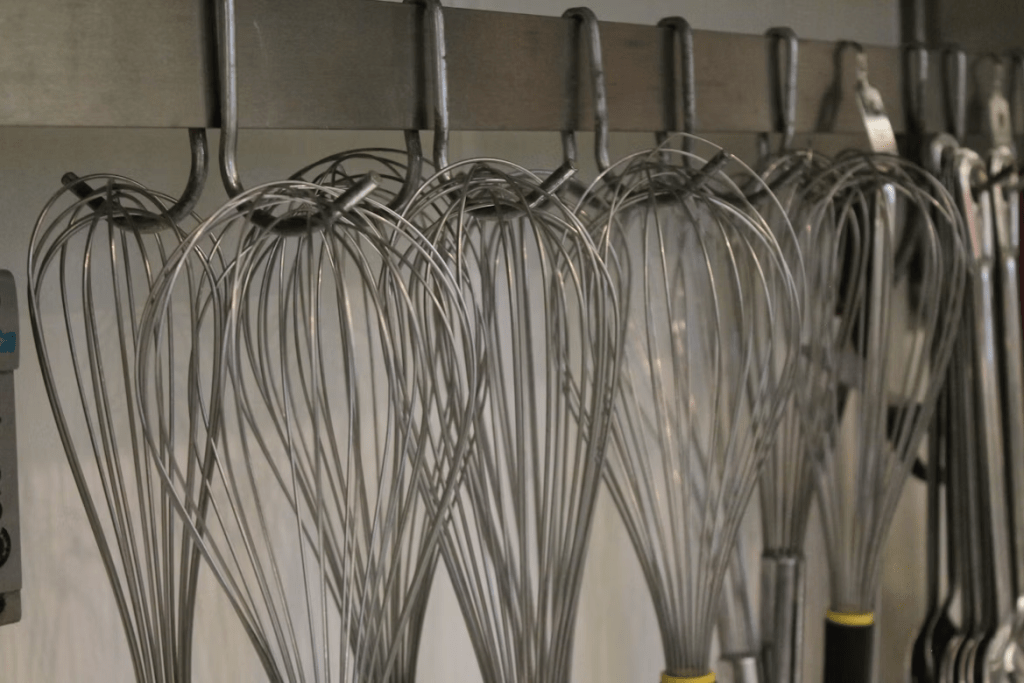
The Whisk
Electric mixers can handle much bigger jobs, yet the humble whisk refuses to leave the kitchen. Its loops of wire and simple handle still accomplish essentially the same task without needing a plug, battery, or software update.
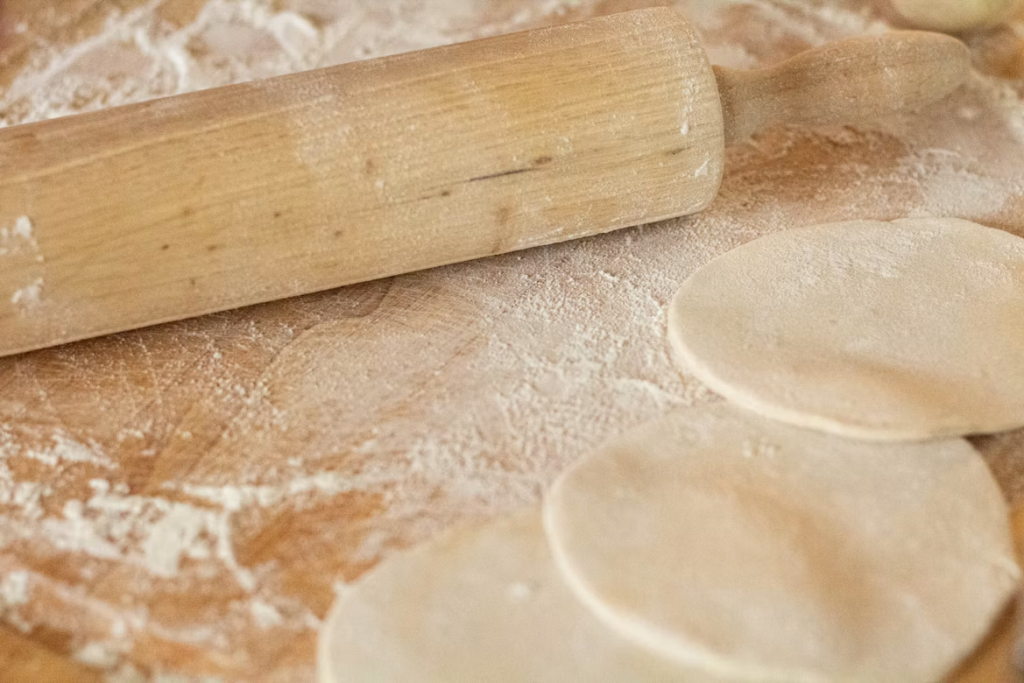
The Rolling Pin
A cylinder rolling over dough was apparently another idea humanity got right early. Materials and handles vary, but a baker from a century ago would recognize most modern rolling pins without a second glance.

The Mousetrap
The classic spring-loaded mousetrap has been around since well before the 1920s and remains instantly recognizable today. Plenty of alternatives have appeared, but its basic mechanical design has proven remarkably persistent.

The Umbrella
Materials have become lighter and mechanisms more convenient, but the familiar umbrella still relies on a folding frame stretching fabric overhead. After centuries of attempts, apparently there are only so many ways to keep rain off your head.