14 Photos Considered Some of the Greatest Ever Taken

A great photograph can turn a fraction of a second into something people recognize generations later. Some captured history as it unfolded, while others became famous because a photographer happened to be standing in exactly the right place at exactly the right time. They can document joy, scientific achievement, cultural change, or simply an ordinary moment that somehow became extraordinary once the shutter clicked. Plenty have been reproduced so often that we recognize them before we remember who took them, yet their stories can be just as interesting as the images themselves. Choosing the “greatest” will always be subjective, but a few photographs appear on that list again and again. Here are 15 photos considered some of the greatest ever taken.
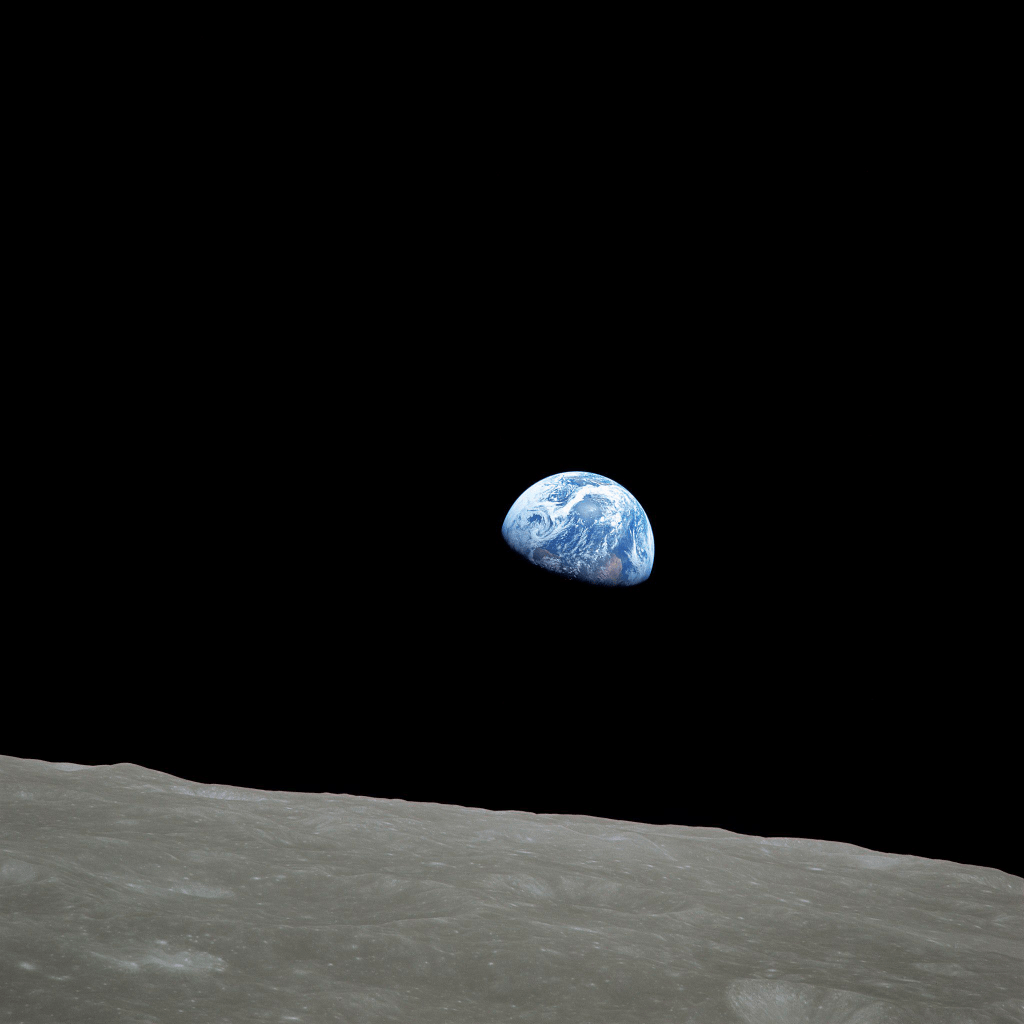
Earthrise (1968)
Apollo 8 astronaut William Anders photographed Earth rising above the Moon’s horizon during humanity’s first crewed mission to orbit the Moon. The tiny blue planet against the lunar landscape became one of the defining images of the space age.
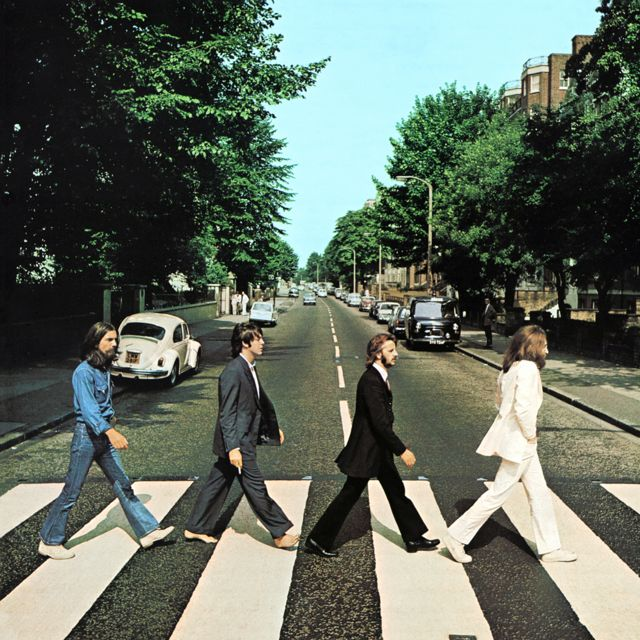
The Beatles Crossing Abbey Road (1969)
Photographer Iain Macmillan had only a few minutes to photograph the Beatles crossing the street outside their recording studio. One frame became the Abbey Road cover and turned an ordinary London crosswalk into a tourist destination.
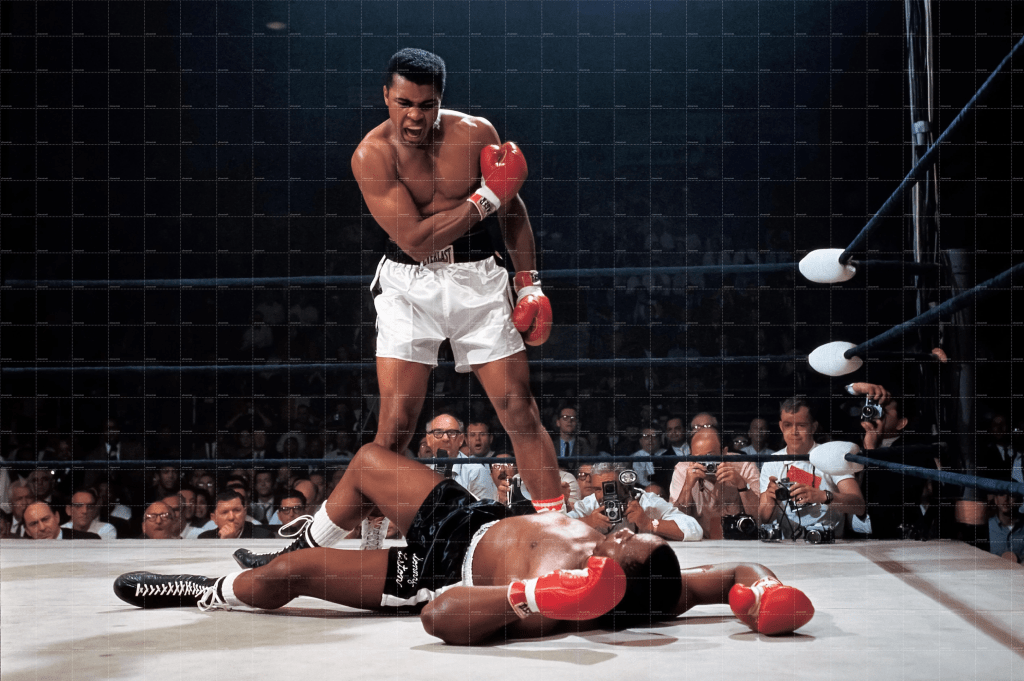
Muhammad Ali Standing Over Sonny Liston (1965)
Neil Leifer was ringside when Muhammad Ali stood over Sonny Liston during their heavyweight rematch. His perfectly timed image transformed a few seconds inside a boxing ring into one of sports photography’s most recognizable moments.
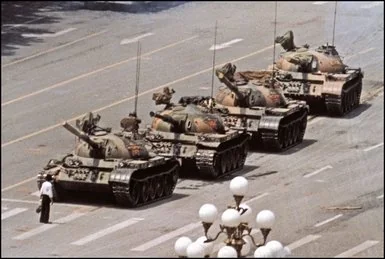
The Tank Man (1989)
Jeff Widener captured an unidentified man standing alone in front of a column of tanks in Beijing on June 5, 1989. The photograph became one of the most recognizable images of the 20th century.
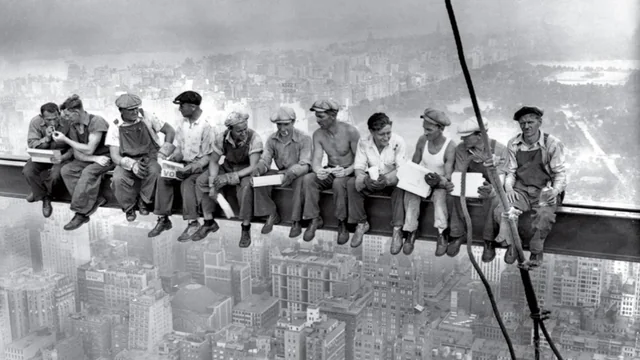
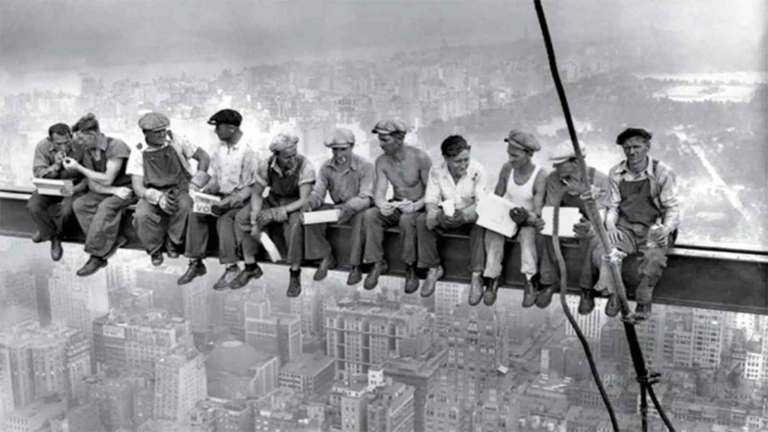
Lunch Atop a Skyscraper (1932)
Eleven construction workers appear to casually eat lunch while sitting on a steel beam high above Manhattan. Taken during construction of Rockefeller Center, the photograph became an enduring image of New York’s skyscraper boom.
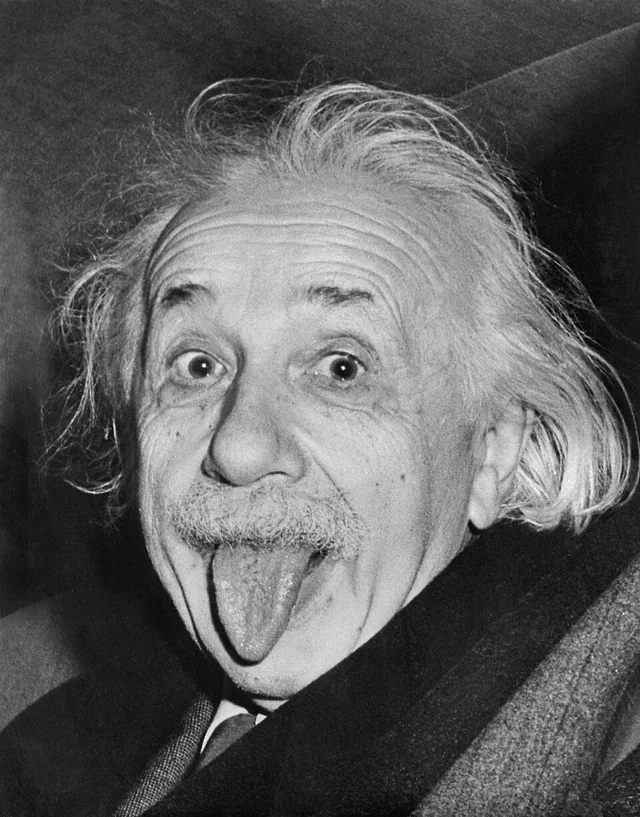
Einstein Sticking Out His Tongue (1951)
Arthur Sasse asked Albert Einstein for one more photograph after his 72nd birthday celebration and got a tongue instead of a smile. Einstein liked the wonderfully unserious image enough to request copies for himself.
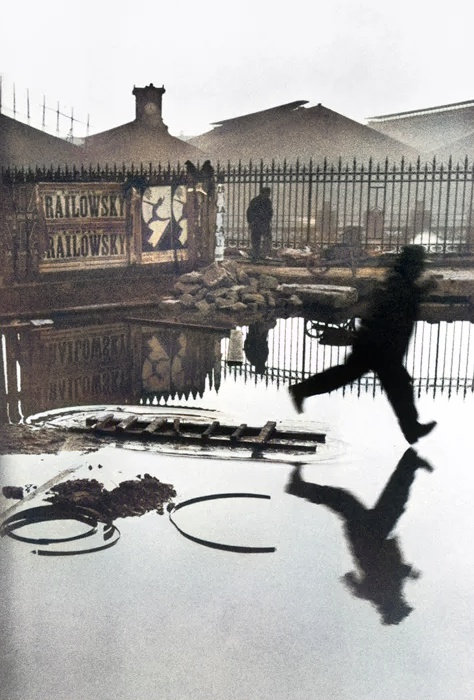
Behind the Gare Saint-Lazare (1932)
Henri Cartier-Bresson captured a man leaping over a puddle behind Paris’ Saint-Lazare station, freezing him just before his foot touched the water. The perfectly timed reflection became one of the defining examples of his famous “decisive moment” style.
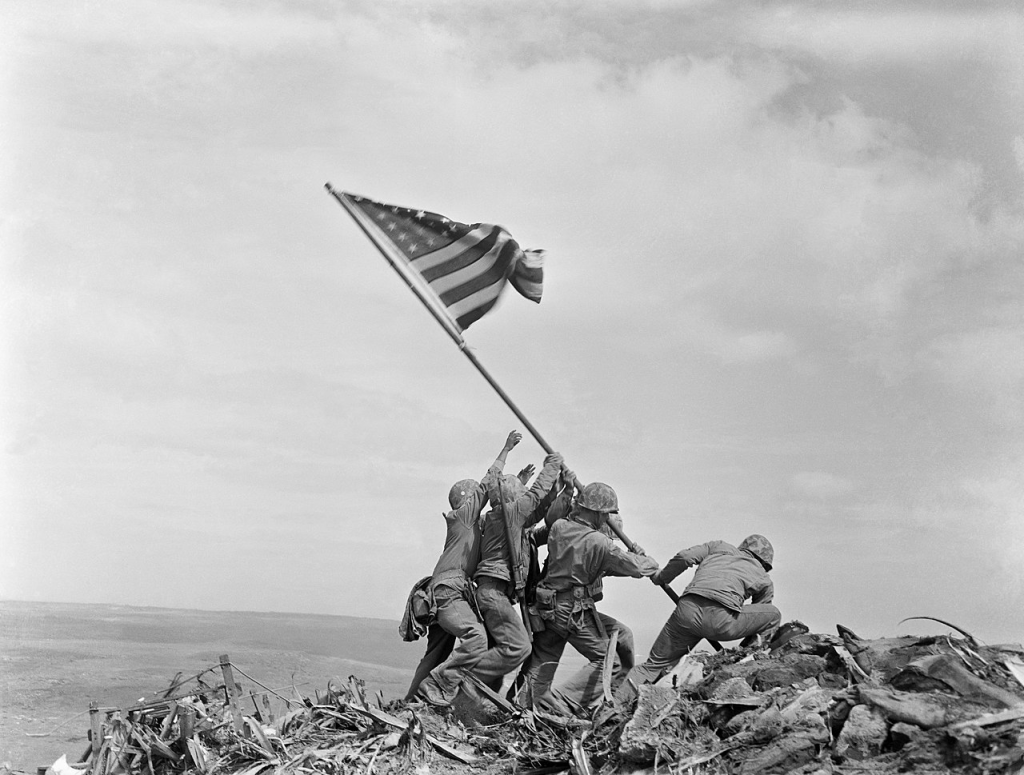
Raising the Flag on Iwo Jima (1945)
Associated Press photographer Joe Rosenthal captured six U.S. Marines raising an American flag on Mount Suribachi. The image became one of the most recognizable photographs of World War II and later inspired the Marine Corps War Memorial.
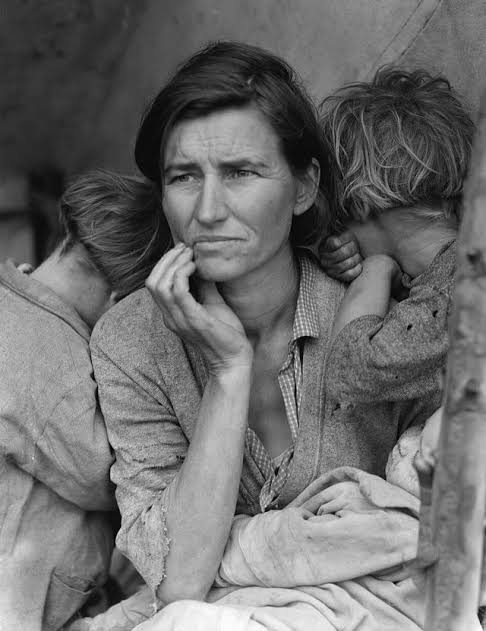
Migrant Mother (1936)
Dorothea Lange photographed Florence Owens Thompson and her children at a California migrant camp during the Great Depression. The portrait became one of the most enduring visual representations of hardship during the era.
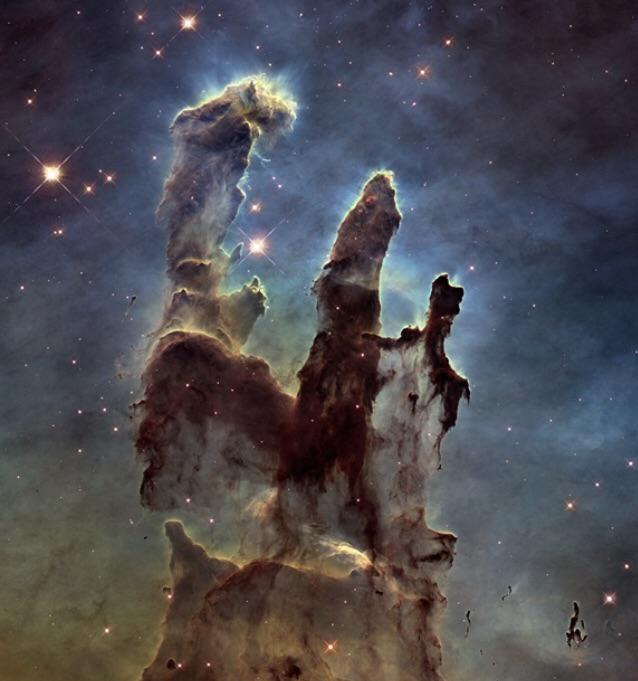
Pillars of Creation (1995)
The Hubble Space Telescope captured enormous columns of gas and dust inside the Eagle Nebula, creating one of astronomy’s most recognizable images. The towering formations are actually regions where new stars are being born.

Afghan Girl (1984)
Steve McCurry photographed Sharbat Gula at a refugee camp in Pakistan when she was a young girl. Her striking portrait later appeared on the cover of National Geographic and became one of the magazine’s most recognizable images.
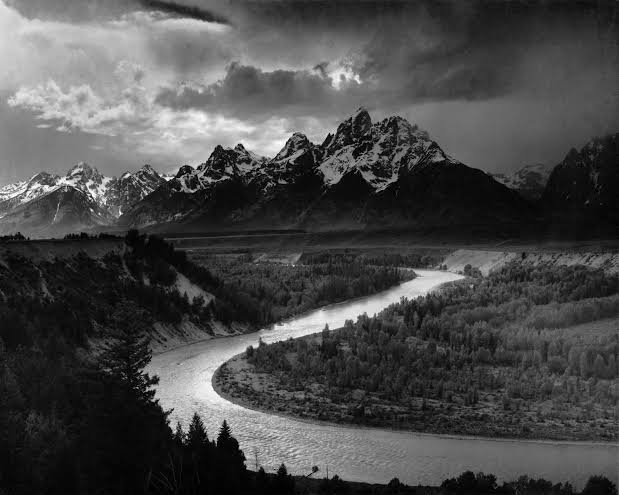
The Tetons and the Snake River (1942)
Ansel Adams photographed the Snake River winding through the landscape toward the towering Teton Range in Wyoming. The sweeping black-and-white image became one of the defining photographs of the American wilderness.
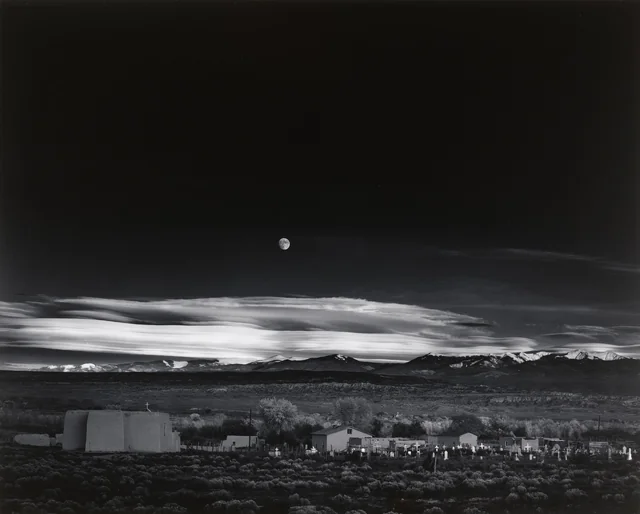
Moonrise, Hernandez, New Mexico (1941)
Ansel Adams captured the Moon rising above a tiny New Mexico village just as the fading sunlight illuminated the landscape below. The dramatic contrast helped make it one of the most celebrated landscape photographs ever taken.
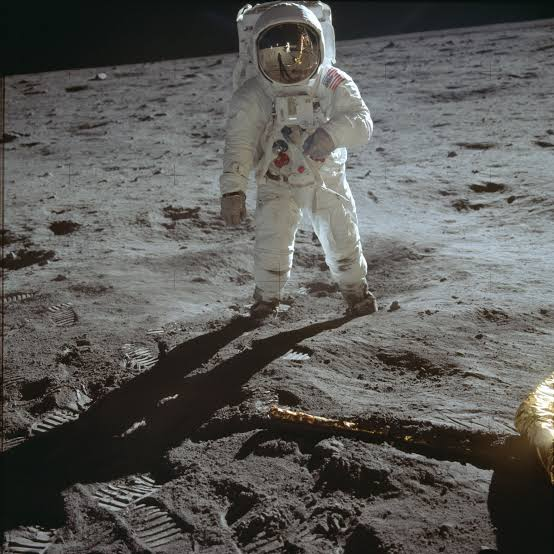
Man on the Moon (1969)
Buzz Aldrin stands on the lunar surface during Apollo 11 in one of the mission’s most famous photographs, taken by Neil Armstrong. Reflected in Aldrin’s visor are Armstrong, the lunar module, and the stark landscape surrounding them.