15 of the Worst Decisions America Ever Made

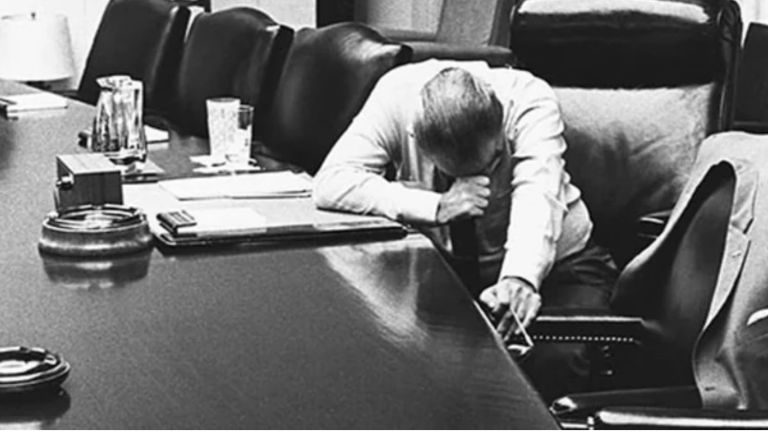
Being a superpower does not make a country immune to spectacularly bad calls. American history is full of decisions that sounded workable in a meeting room and looked considerably worse once they collided with reality. There have been invasions that fell apart almost immediately, laws that made the problem they were supposed to solve even worse, and foreign policy moves that created consequences lasting decades. Some seemed questionable from the beginning. Others only became infamous once the damage was impossible to ignore. There is plenty of debate over what Washington should have done instead, but hindsight has not been particularly kind to these choices. Here are 15 of the worst political and military decisions America ever made.
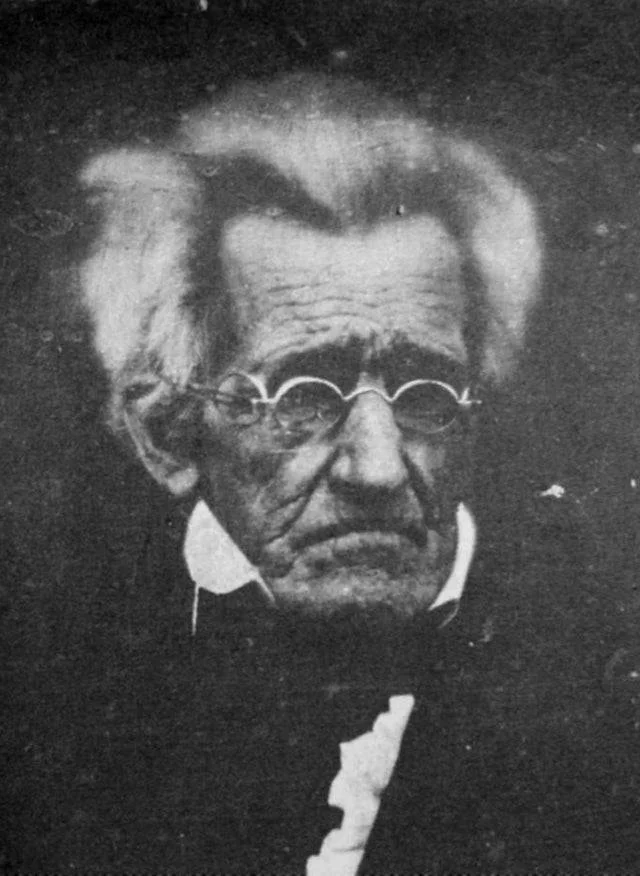
The Indian Removal Act
Andrew Jackson signed the Indian Removal Act in 1830, clearing the way for Native nations to be pushed from their lands in the Southeast. The forced migrations that followed included the Trail of Tears, during which thousands of Cherokee people died.
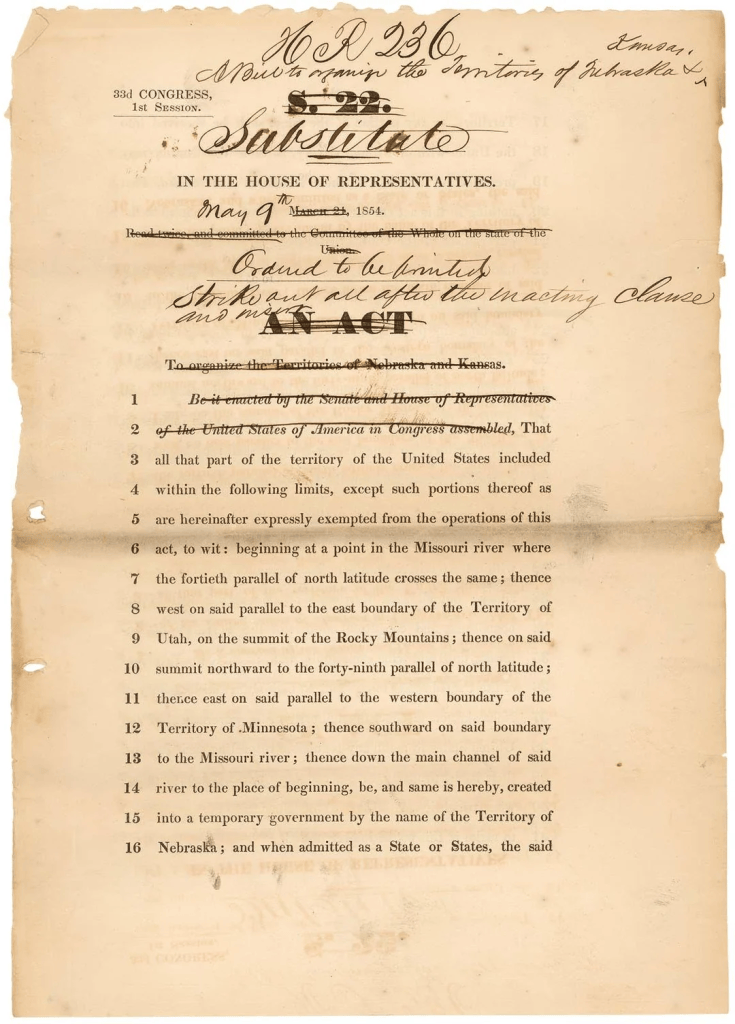
The Kansas-Nebraska Act
Congress tried to defuse the slavery debate in 1854 by letting settlers in Kansas and Nebraska decide the issue themselves. The result was “Bleeding Kansas”, years of violence that offered a pretty good preview of where the country was heading.
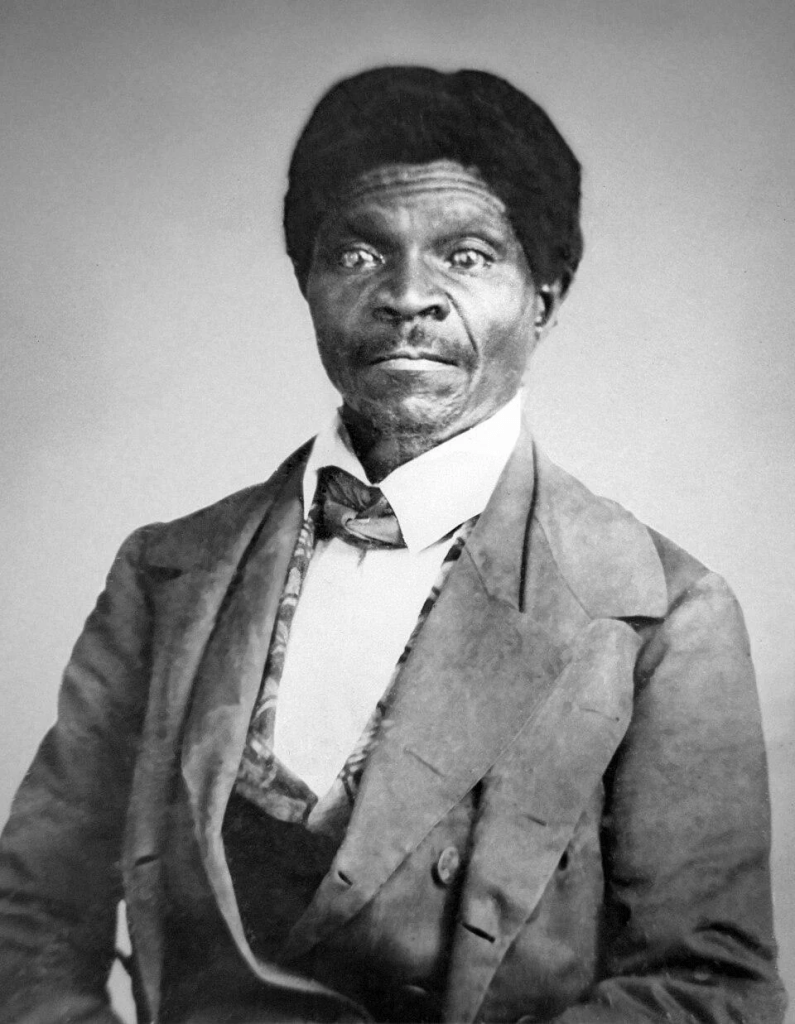
The Dred Scott Decision
The Supreme Court had an opportunity to settle one of America’s biggest political disputes in 1857 and instead poured gasoline on it. Its ruling denied citizenship to African Americans and undermined attempts to restrict slavery in federal territories.
The Bay of Pigs Invasion
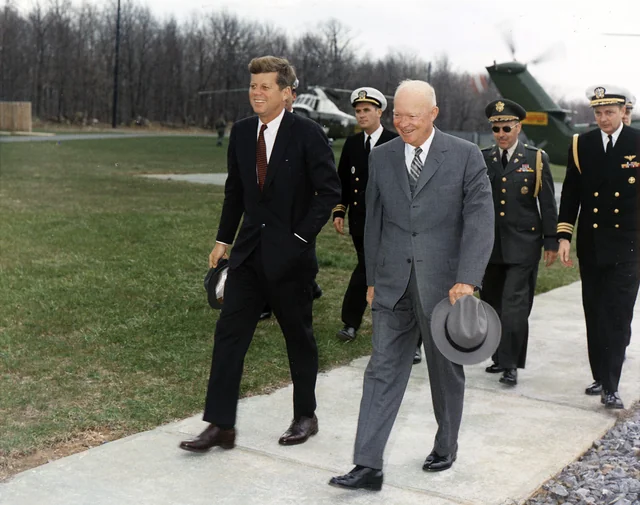
The plan was to send Cuban exiles into Cuba, trigger an uprising, and remove Fidel Castro. Instead, the 1961 operation unraveled in a matter of days and handed the new Kennedy administration a very public humiliation.
Escalating the Vietnam War
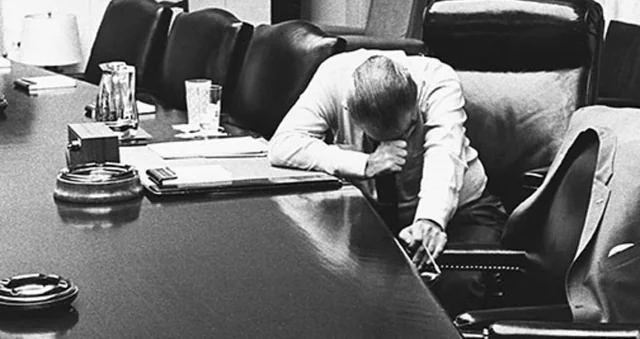
What began as American support for South Vietnam grew into hundreds of thousands of U.S. troops on the ground. Years of escalation cost enormous amounts of money and lives without delivering the victory successive administrations kept promising was achievable.
The Gulf of Tonkin Resolution
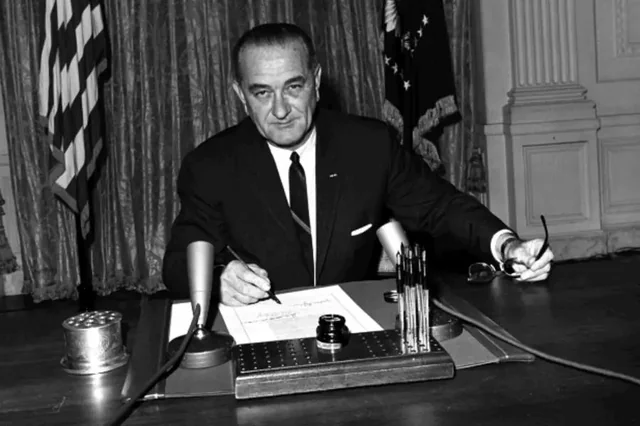
Congress gave Lyndon B. Johnson sweeping authority to use military force in Southeast Asia after reports of attacks on American ships in 1964. One of those reported attacks almost certainly never happened as initially described, yet the resolution helped open the door to a much larger war.
Japanese American Internment
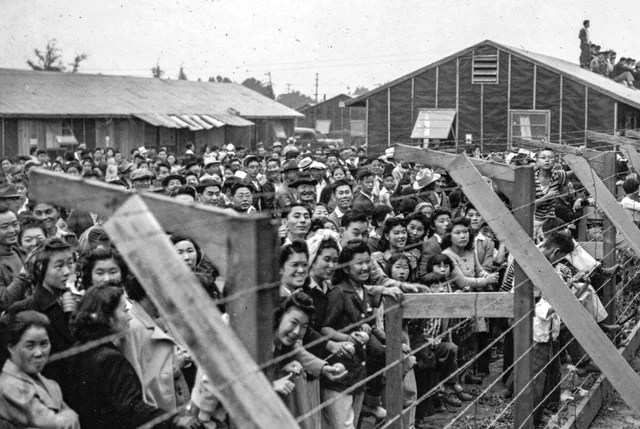
After Pearl Harbor, around 120,000 people of Japanese ancestry were forced from their homes and incarcerated, most of them American citizens. Decades later, the U.S. government formally apologized and paid reparations to surviving detainees.
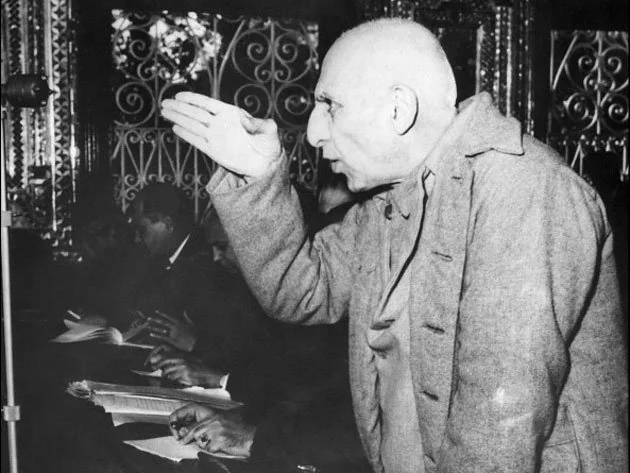
Overthrowing Iran’s Prime Minister
The CIA and British intelligence helped remove Iranian Prime Minister Mohammad Mosaddegh in 1953 after his government nationalized the oil industry. Washington got the government it preferred in the short term, but the intervention became a lasting source of anger toward the United States.
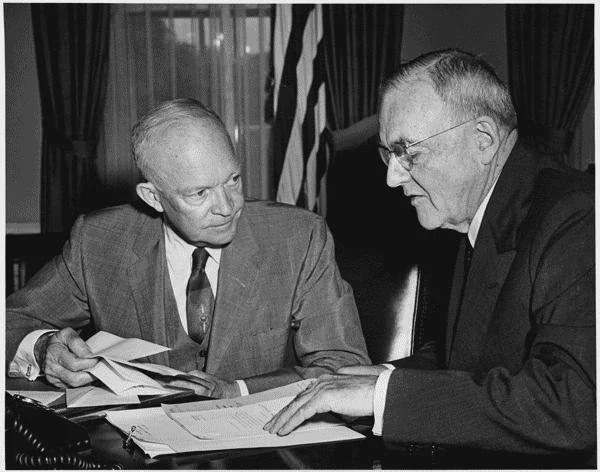
Helping Overthrow Guatemala’s Government
Just one year later, the CIA backed the operation that toppled Guatemala’s elected president, Jacobo Árbenz. What looked like another Cold War victory from Washington was followed by years of instability and eventually a brutal civil conflict.
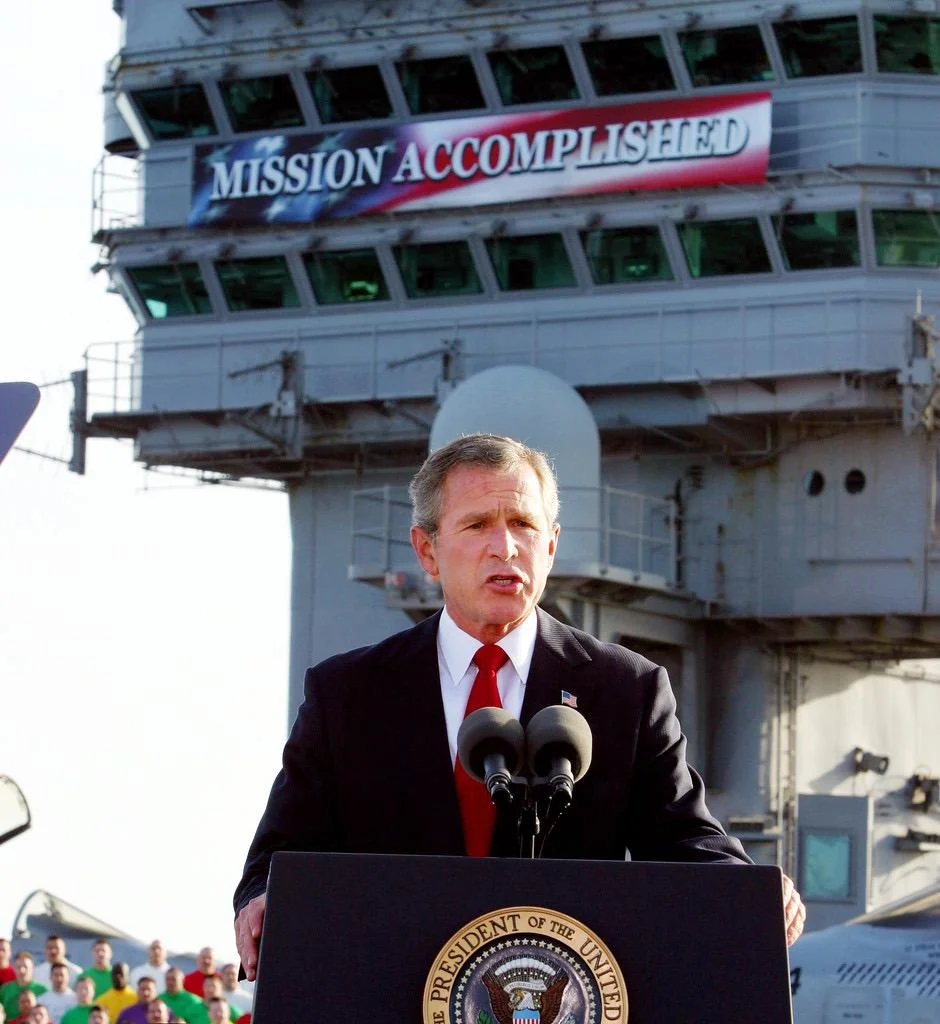
Invading Iraq
The Bush administration made alleged Iraqi weapons of mass destruction a major part of its case for invading in 2003. The stockpiles never materialized, while the war that followed proved vastly longer, messier, and more expensive than its architects had predicted.
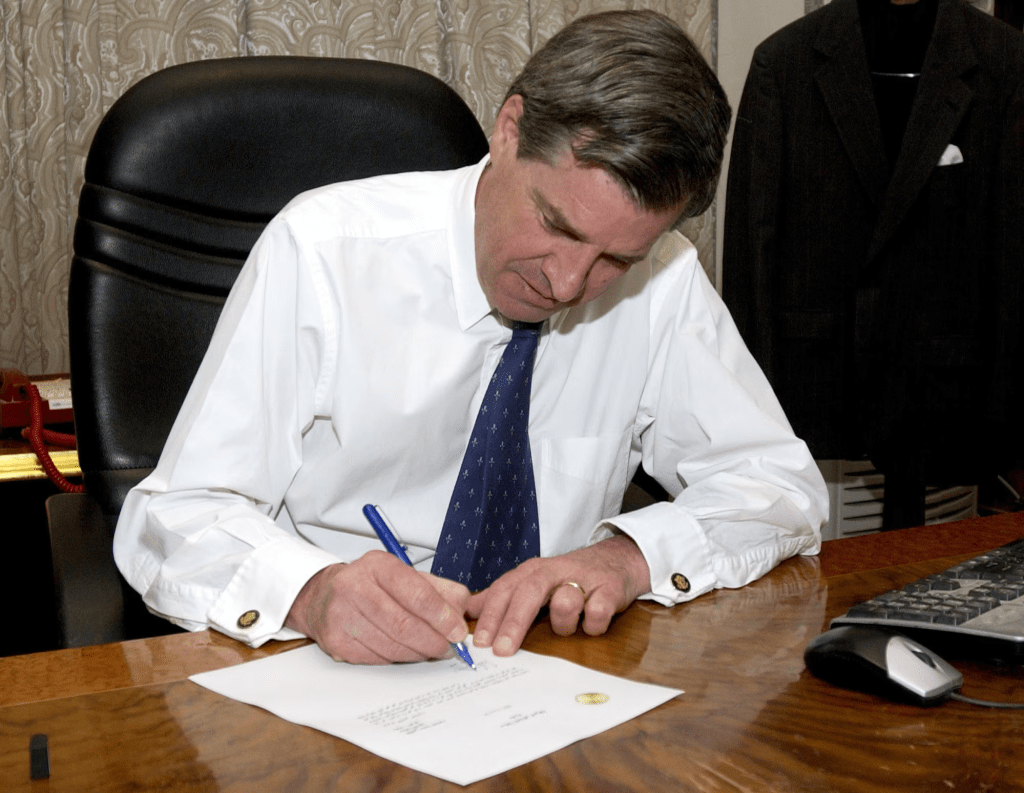
Disbanding the Iraqi Army
Removing Saddam Hussein was one decision. Sending hundreds of thousands of Iraqi soldiers home without jobs was another. The 2003 order to dissolve the army is now frequently singled out as a move that helped create exactly the kind of instability the occupation was struggling to control.
Underestimating the Collapse of Afghanistan
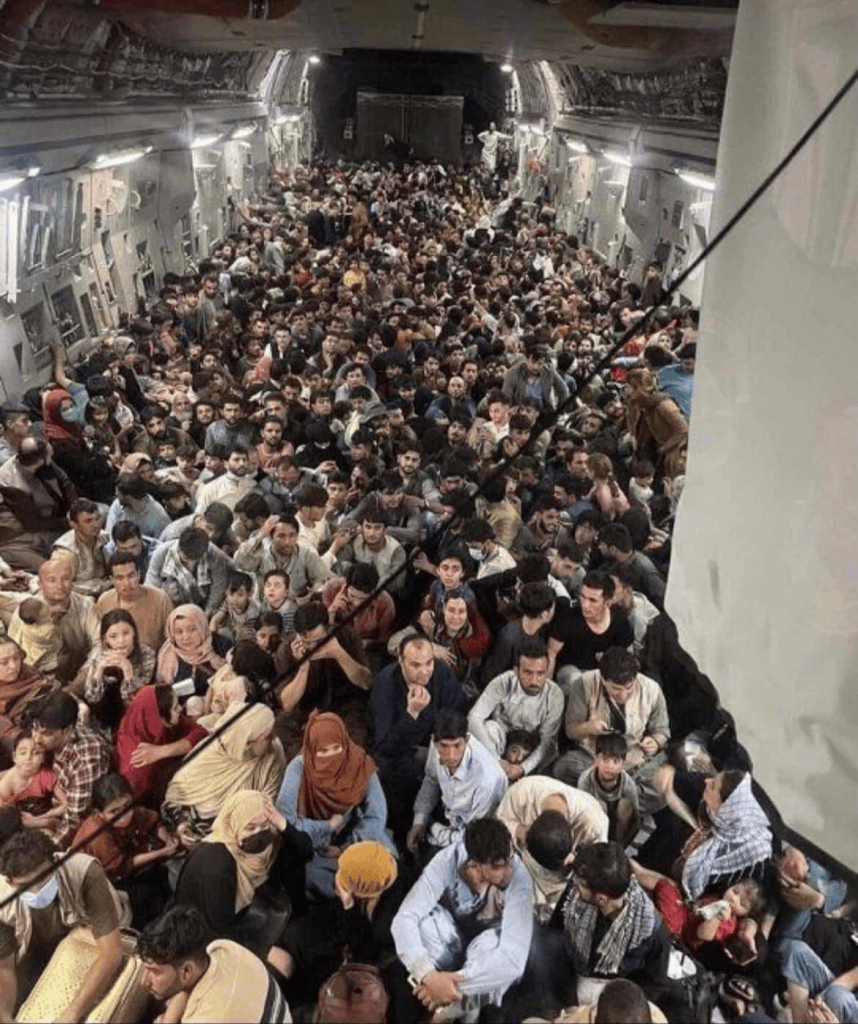
America’s withdrawal from Afghanistan had been years in the making, but the Afghan government collapsed with startling speed in 2021. The Taliban entered Kabul while the United States scrambled to turn a planned departure into a frantic evacuation.
The Watergate Cover-Up
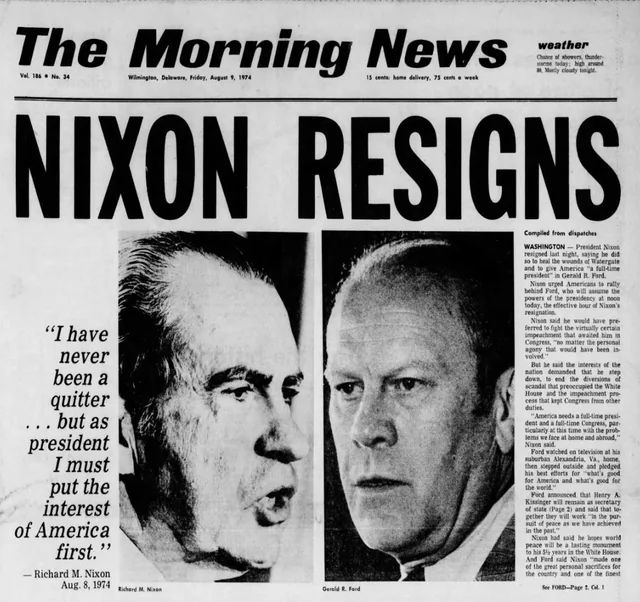
A botched break-in did not have to destroy Richard Nixon’s presidency. The effort to conceal what happened did, eventually producing investigations, secret tapes, resignations, and a political crisis that ended with Nixon leaving office himself.
Prohibition
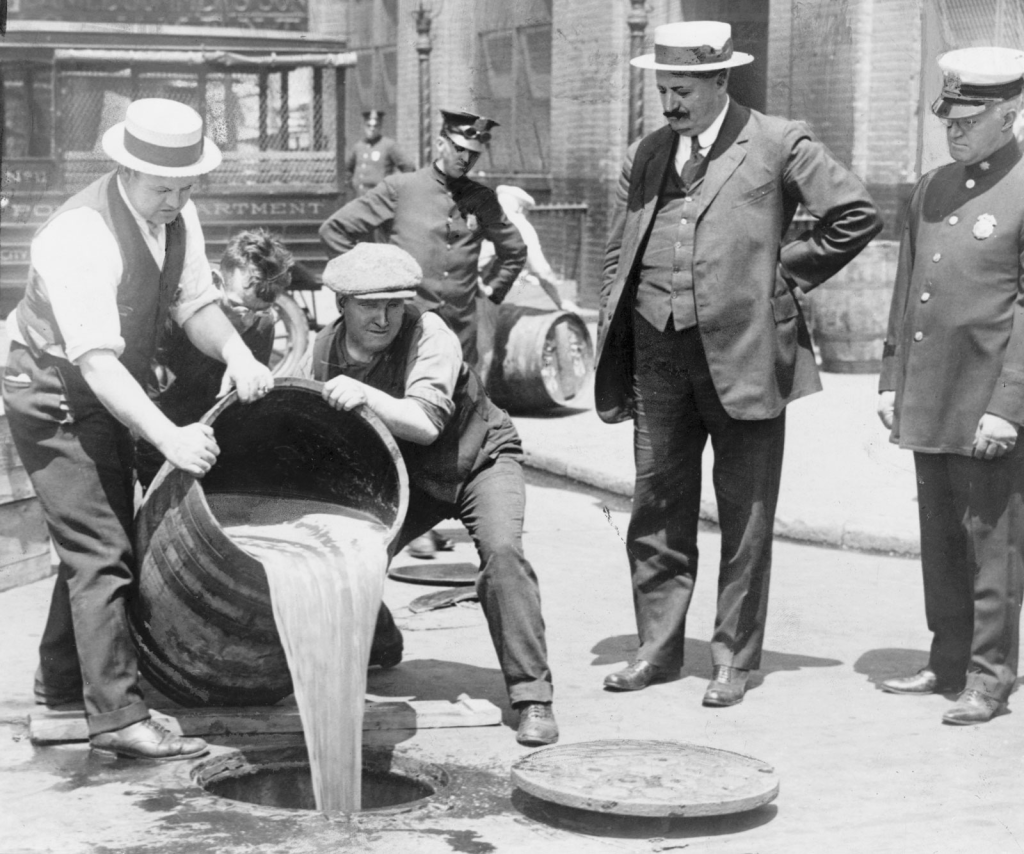
America tried to solve its drinking problem by banning the commercial production and sale of alcohol. Americans responded by finding other people to sell them alcohol, helping speakeasies and illegal suppliers thrive until Prohibition was abandoned in 1933.
The Smoot-Hawley Tariff
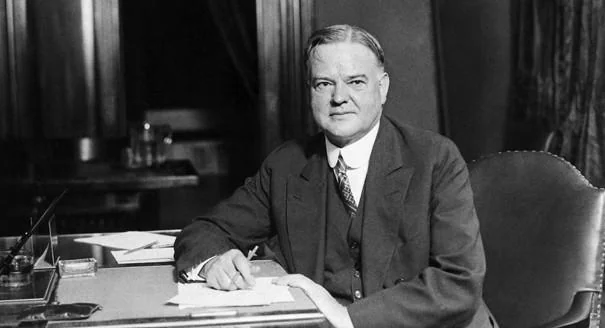
Raising import taxes might have sounded protective in 1930, when American businesses were already hurting. Other countries responded with tariffs of their own, trade fell further, and Smoot-Hawley became a textbook example of what not to do during an economic crisis.