15 Famous Movies That Somehow Became Culturally Irrelevant

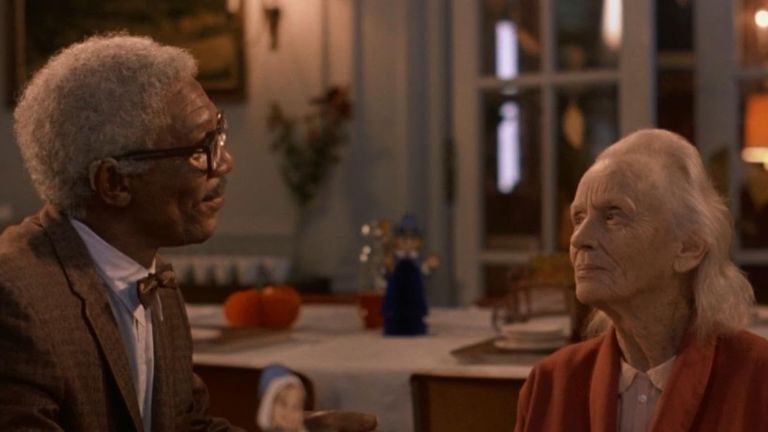
Some movies fail and disappear almost immediately. The stranger cases are the ones that absolutely did not fail. These films made millions, won major awards, launched stars, dominated conversations, or seemed impossible to escape when they first arrived. Then, somewhere along the way, people simply stopped talking about them. They are not necessarily bad movies, either. In fact, several were considered essential viewing in their day. But unlike other hits from the same eras, they rarely inspire rewatches, memes, references, or passionate new generations of fans. Somehow, movies that once felt like permanent pieces of pop culture became surprisingly easy to forget. Here are 15 famous movies that somehow became culturally irrelevant.
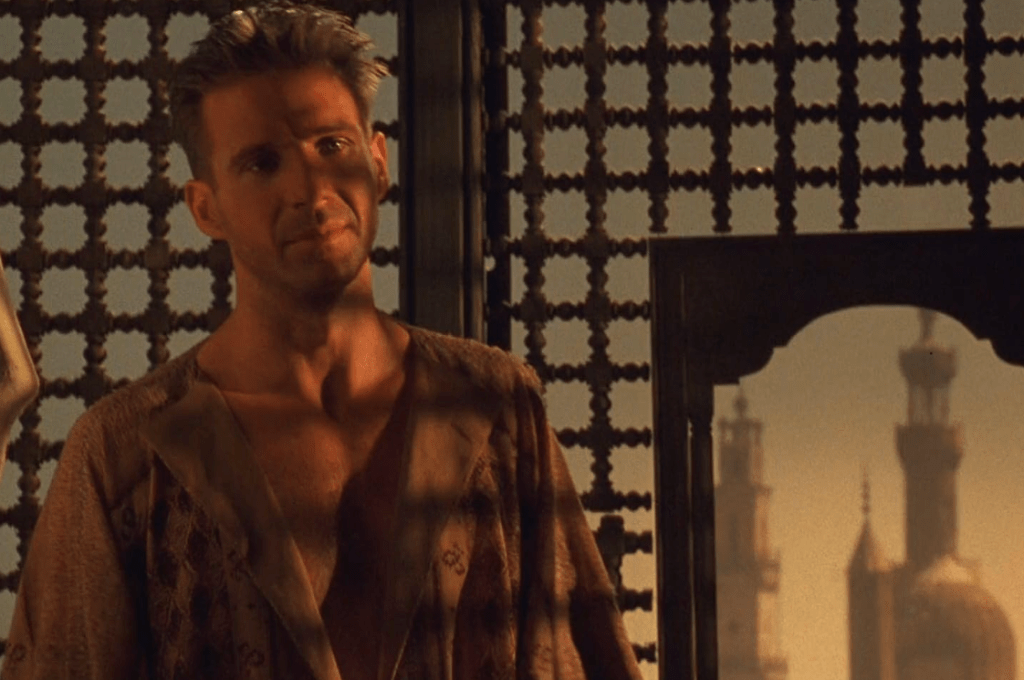
The English Patient (1996)
The English Patient won nine Academy Awards, including Best Picture, and was one of the defining prestige films of the 1990s. Today, it is rarely discussed with the same enthusiasm as other major winners from the decade.
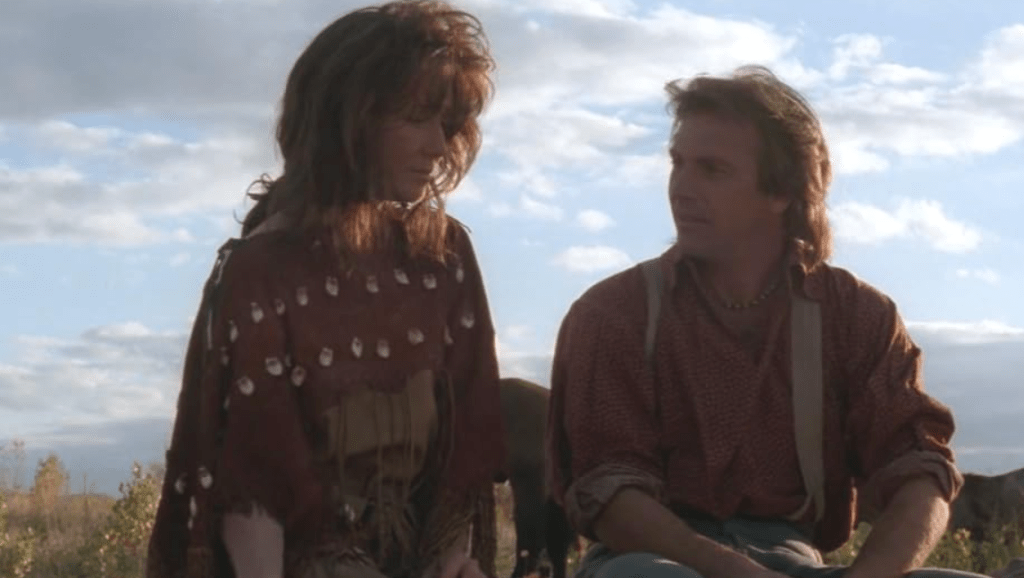
Dances With Wolves (1990)
Kevin Costner’s epic was a massive success and beat Goodfellas for Best Picture. Despite its enormous reputation at the time, it has largely faded from everyday movie conversation.
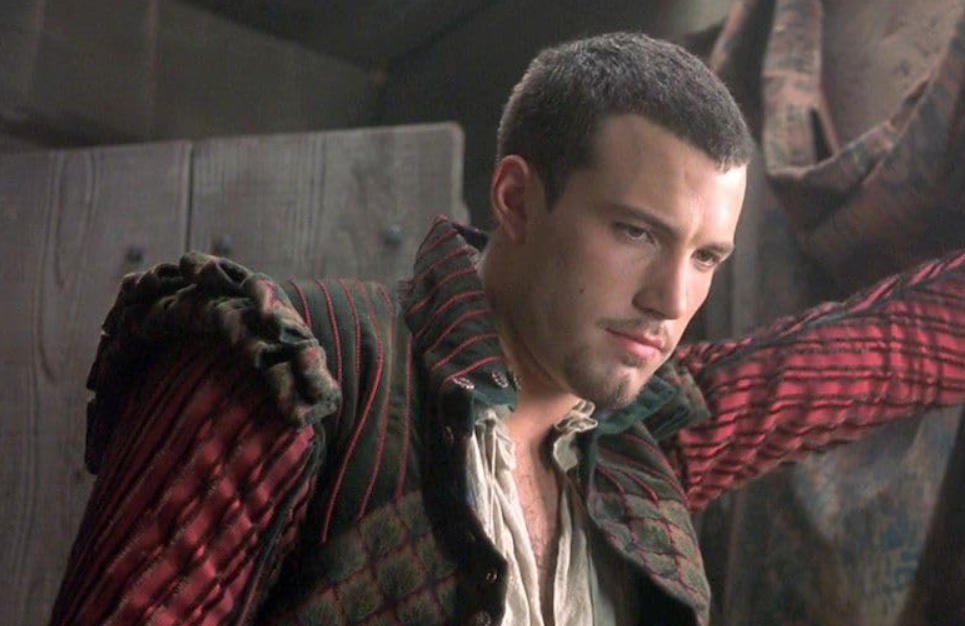
Shakespeare in Love (1998)
Shakespeare in Love won seven Oscars and famously defeated Saving Private Ryan for Best Picture. These days, that controversial victory may be remembered more often than the movie itself.
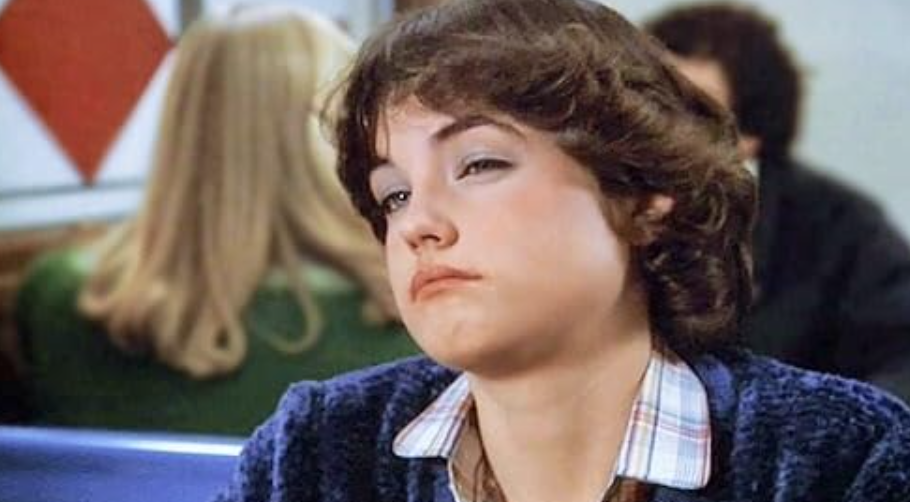
Ordinary People (1980)
Robert Redford’s directorial debut won Best Picture and three other Academy Awards. Yet compared with several movies it competed against, particularly Raging Bull, it has become surprisingly easy to overlook.
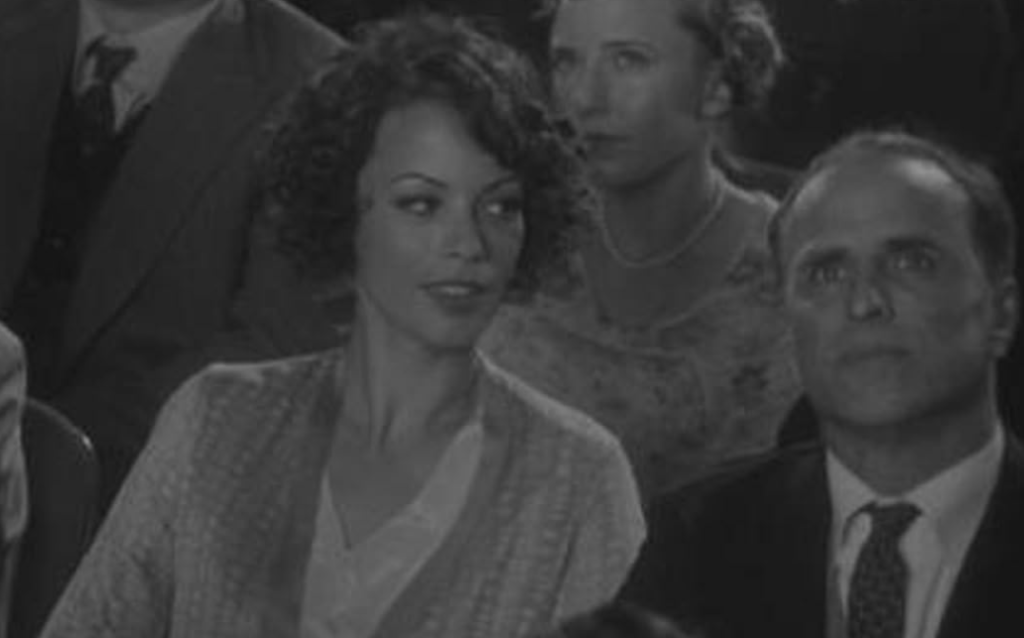
The Artist (2011)
A modern black-and-white silent movie briefly became one of Hollywood’s biggest stories and won Best Picture. Barely a decade later, it rarely seems to come up outside conversations about past Oscar winners.
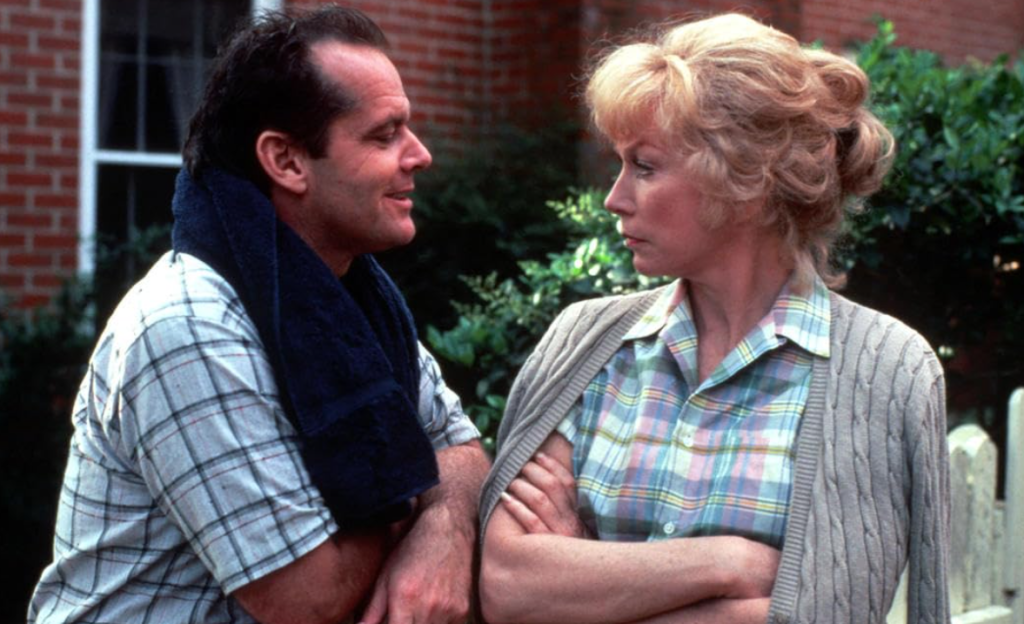
Terms of Endearment (1983)
Terms of Endearment was a major box-office hit that won five Academy Awards, including Best Picture. Despite all that success, it occupies far less space in pop culture today than many smaller movies from the era.
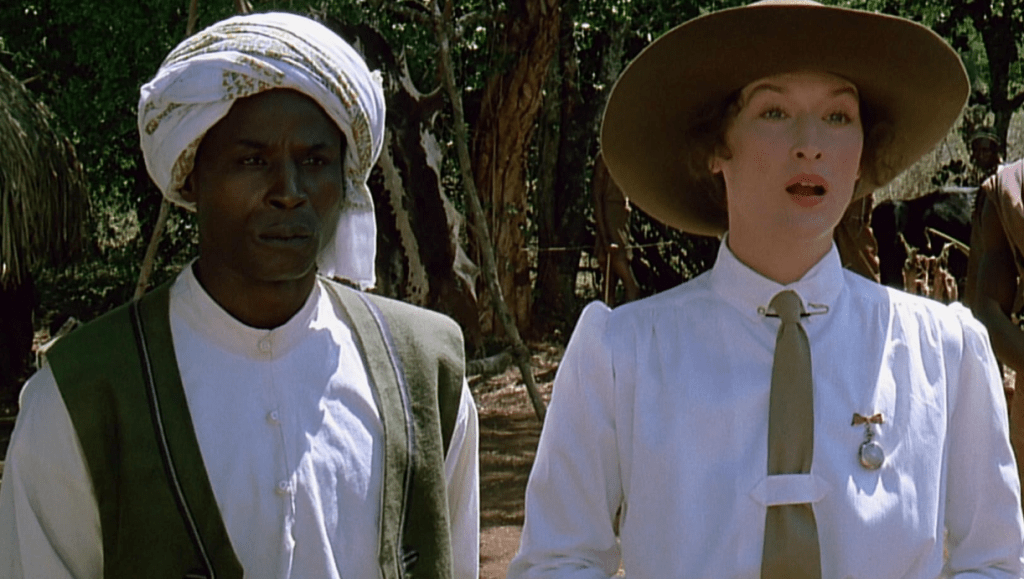
Out of Africa (1985)
With Meryl Streep, Robert Redford, enormous box-office success, and seven Oscars, Out of Africa once had all the ingredients of an enduring classic. Its cultural footprint has nevertheless become remarkably quiet.
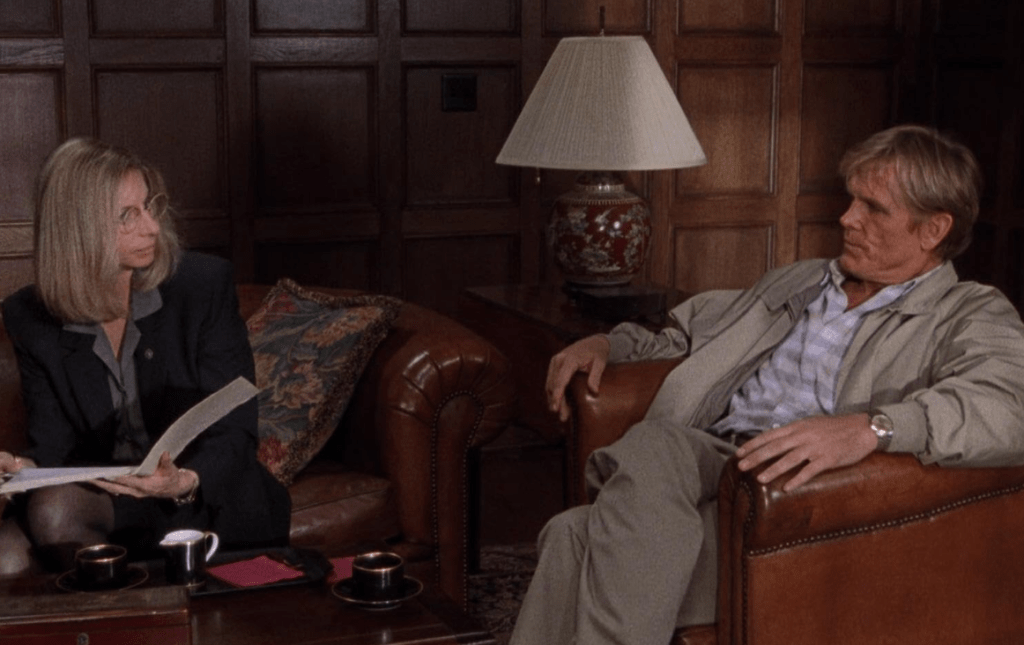
The Prince of Tides (1991)
The Prince of Tides was a major prestige drama with seven Oscar nominations and considerable attention surrounding Barbra Streisand’s direction. Today, it rarely appears in conversations about defining films of the 1990s.
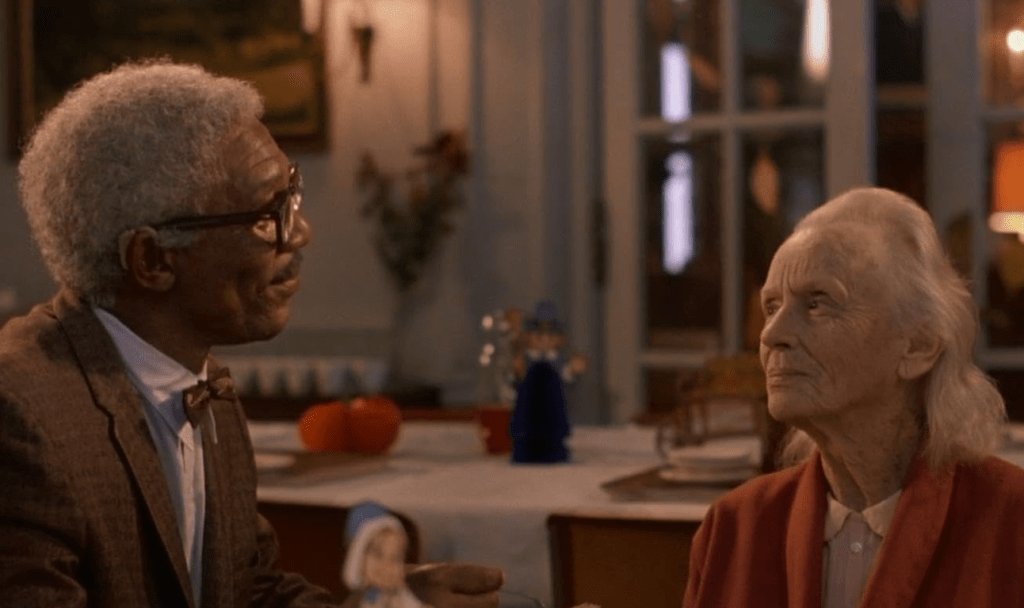
Driving Miss Daisy (1989)
Driving Miss Daisy was a major commercial success and won four Oscars, including Best Picture. Its once-enormous prominence has faded considerably, aside from occasional discussions about its awards legacy.
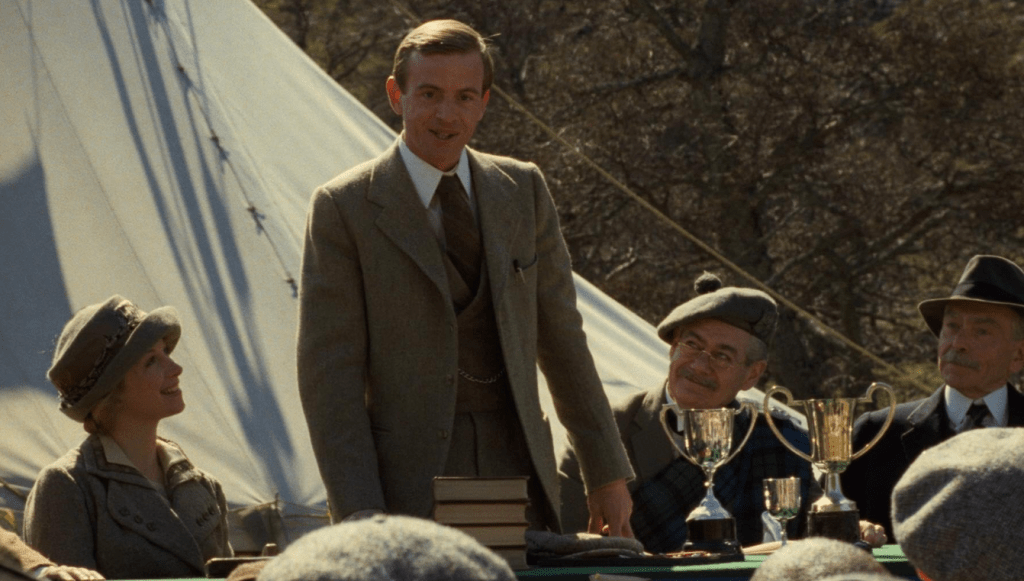
Chariots of Fire (1981)
The beach-running sequence and Vangelis theme became iconic, and the film itself won Best Picture. Curiously, those individual pieces have remained far more culturally recognizable than the movie surrounding them.
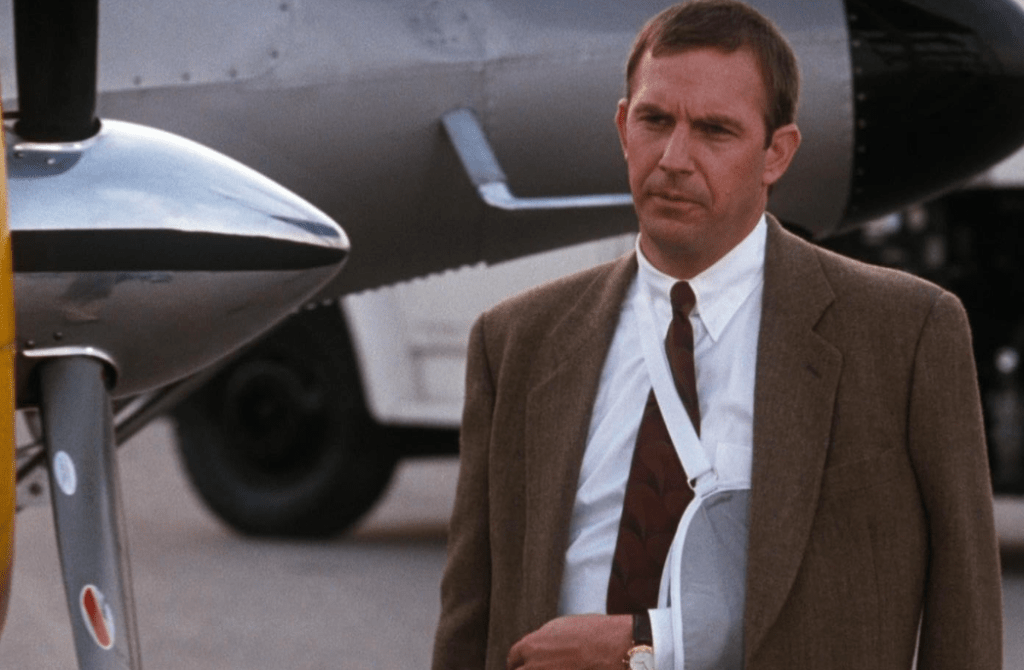
The Bodyguard (1992)
The Bodyguard was a huge worldwide hit, but its soundtrack developed an even bigger legacy. Whitney Houston’s recording of “I Will Always Love You” has arguably outlived the movie that helped make it ubiquitous.
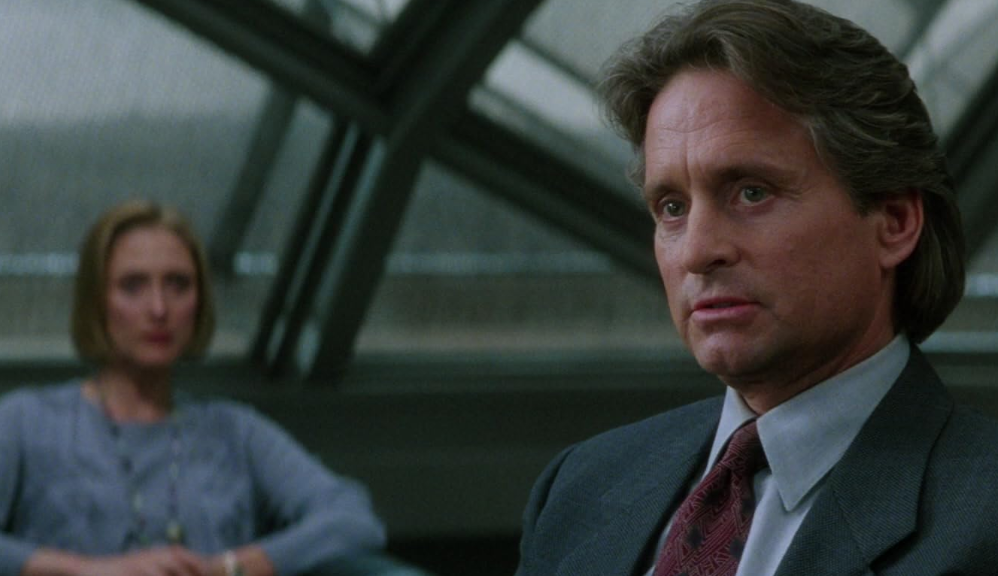
Disclosure (1994)
Michael Douglas and Demi Moore helped turn Disclosure into one of 1994’s notable commercial hits. Despite the attention surrounding its provocative workplace story, the movie has largely disappeared from mainstream conversation.

The Pelican Brief (1993)
Julia Roberts and Denzel Washington made The Pelican Brief a substantial box-office success. Yet the legal thriller rarely receives the nostalgic attention now given to other major movies starring either actor.
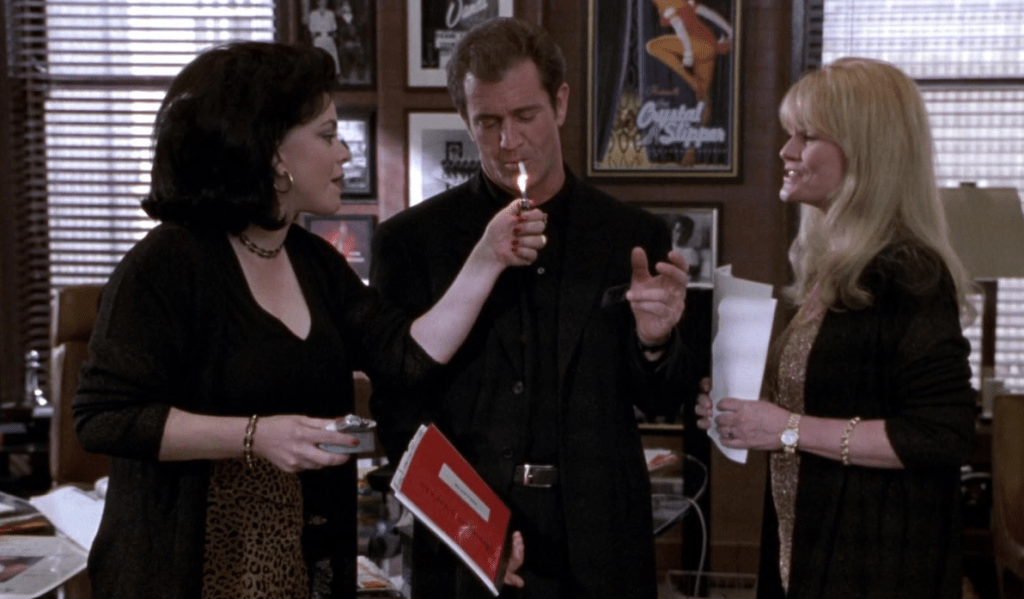
What Women Want (2000)
What Women Want was a massive hit and one of the most successful romantic comedies of its era. Despite that, it has not maintained the cultural presence of many smaller rom-coms released around the same period.
Hitch (2005)
Hitch was one of 2005’s biggest romantic-comedy successes and further cemented Will Smith’s extraordinary box-office run. Twenty years later, it feels surprisingly absent from conversations about the era’s defining comedies.