How to Figure Out if Your Coworker is into D&D

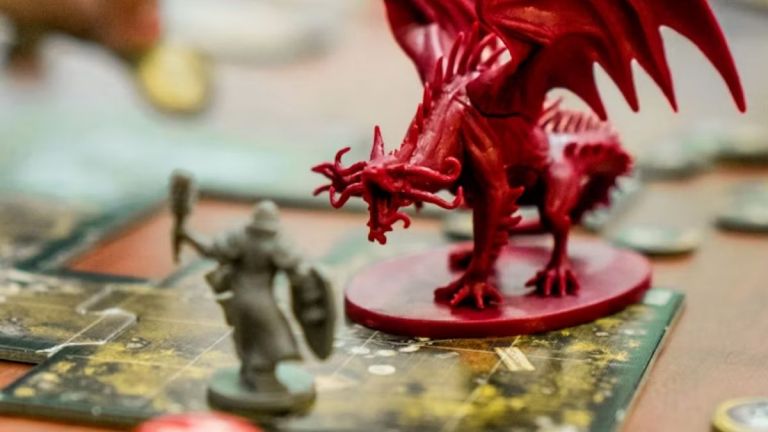
Ask them. Yes, that’s the boring answer, but it’s also the most effective one of the bunch. Of course, being up front about it could lead to embarrassment, even though we live in a day and age where Dungeons & Dragons appears more and more in mainstream media.
So, if asking them directly is out of the question, we’ve developed a few ways to tell if they may or may not be interested in D&D. We’re considering two different kinds of people here: those that already know about D&D, and those with characteristics that would make them the ideal party member for a session.
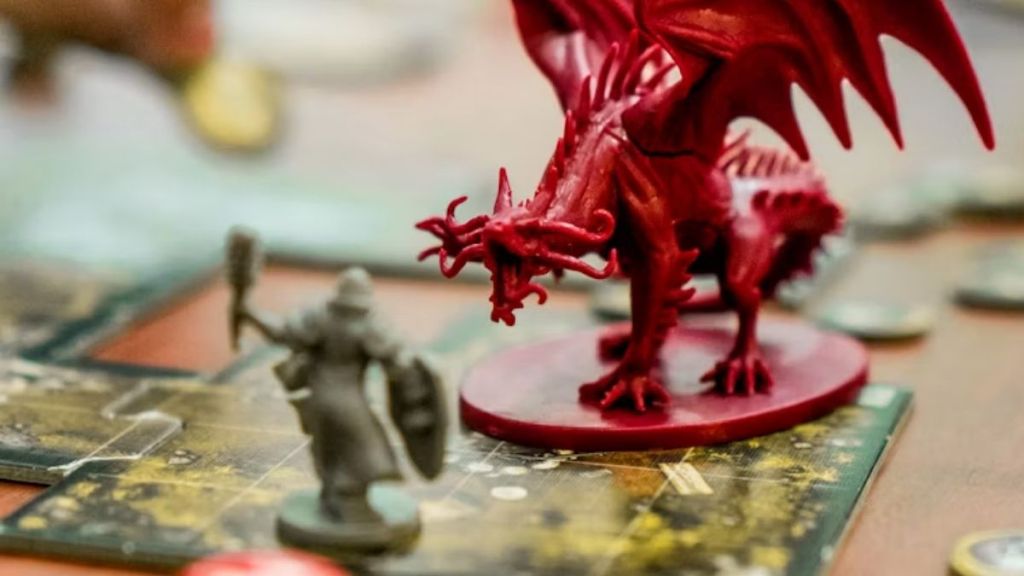
They Make Alignment Jokes
If a coworker describes someone as “lawful evil” after a particularly ruthless workplace maneuver, pay attention. Alignment is a genuine D&D concept describing a character’s moral and ethical tendencies, so casually using it as a personality joke can be a serious giveaway.
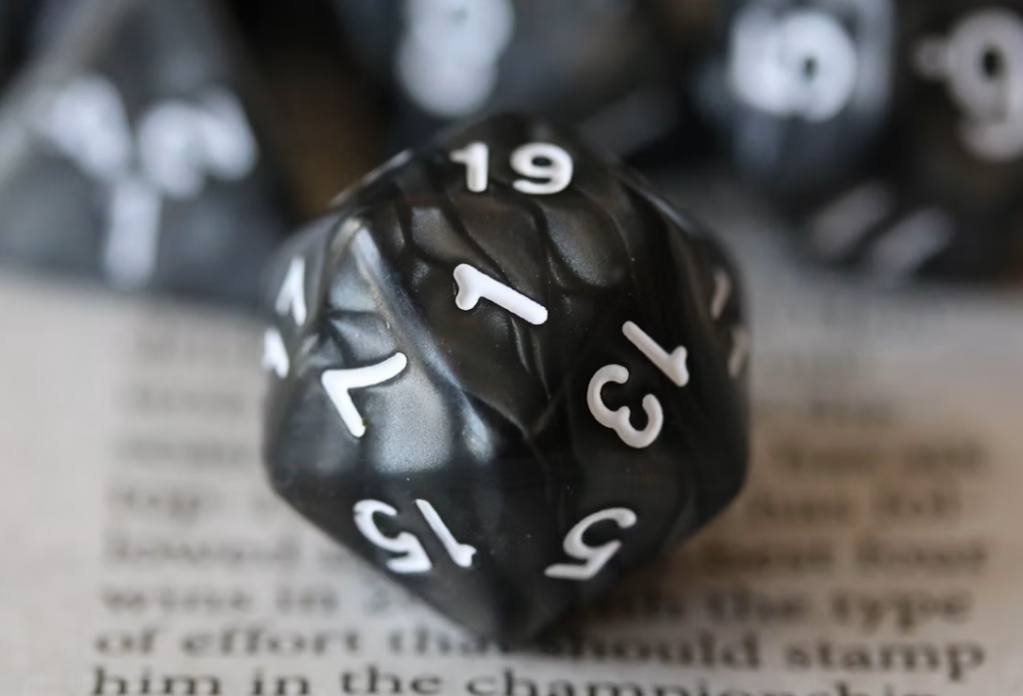
They Know What “Nat 1” Means
If you mention rolling a 20 and your coworker immediately understands that you mean a natural 1 on a d20, there’s a decent chance they’ve played D&D or another tabletop RPG. D&D’s twenty-sided die is central to resolving many actions.
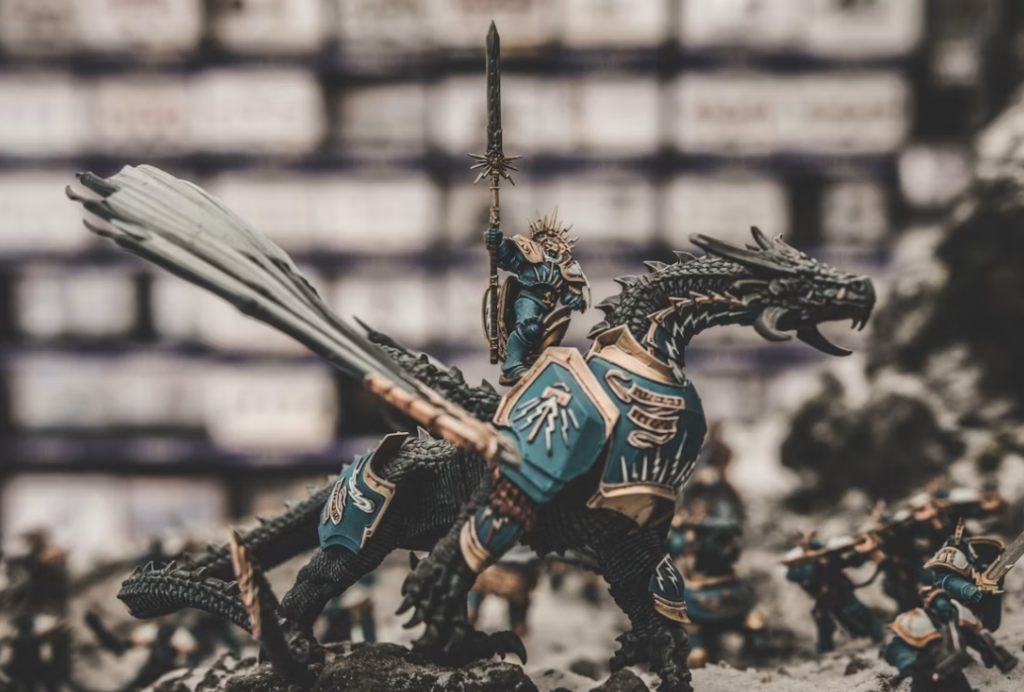
They Have a Favorite Class
Ask someone whether they would rather be a wizard, fighter, rogue, or something else, and a D&D player may answer with surprising confidence. Characters belong to classes that determine their abilities, proficiencies, and typical role in an adventure.
They Say “Roll for It”
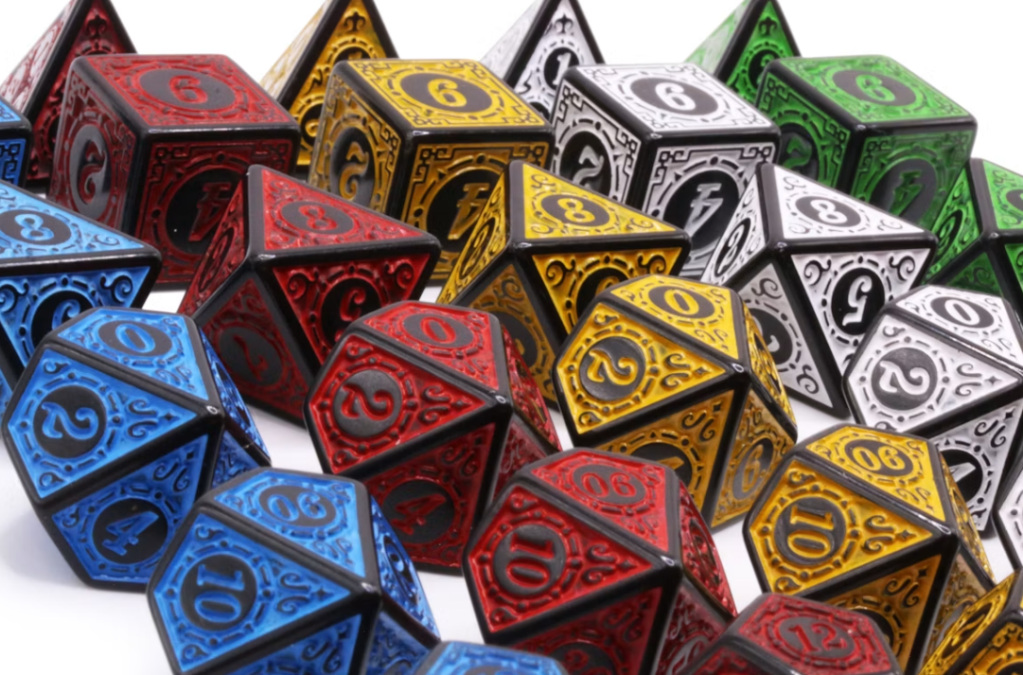
If your coworker responds to an everyday problem with “roll for it,” they may simply be joking… or they may have spent considerable time around tabletop roleplaying games. D&D routinely uses dice rolls to determine whether characters succeed at challenging actions.

They Know Who the DM Is
A person who immediately understands that “DM” means Dungeon Master is showing some familiarity with D&D terminology. The Dungeon Master narrates the world, controls its monsters and nonplayer characters, and presents challenges for the players.
They Love Tolkien
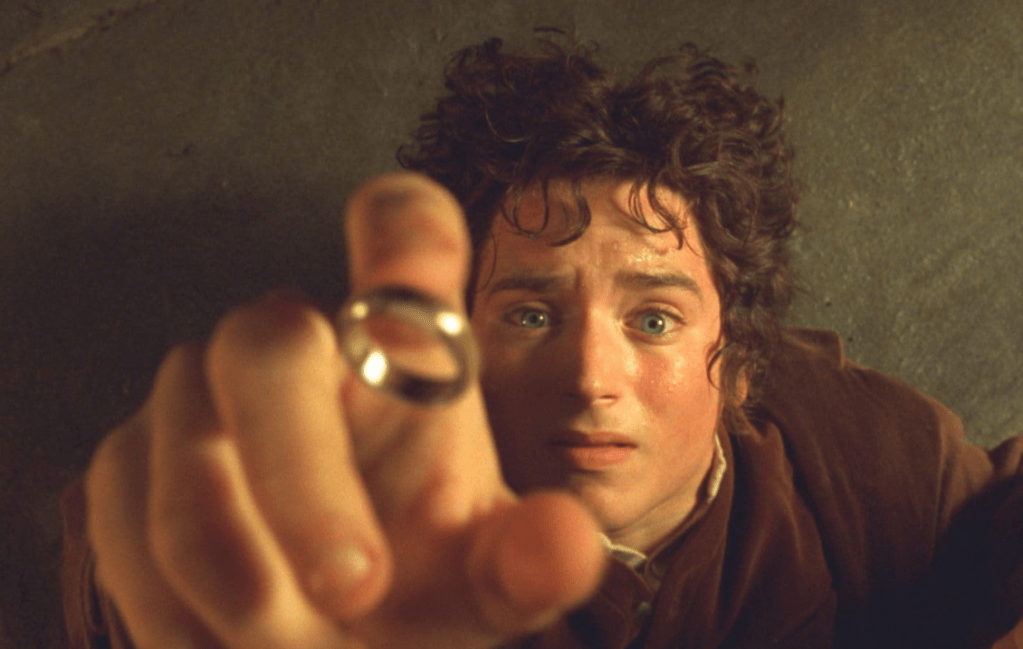
Someone who adores Tolkien’s Middle-earth may already have an obvious route into D&D. The game emerged from fantasy and wargaming traditions that included Tolkien among its influences, while elves, dwarves, halflings, and other familiar fantasy staples remain part of D&D.
They’re Into Improv
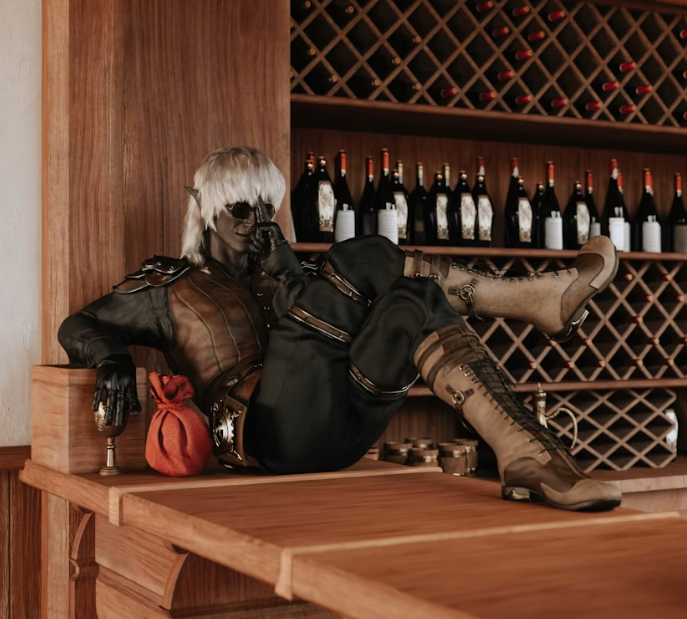
People who enjoy improvisational theater could have a natural advantage at D&D. Roleplaying requires players to respond creatively to situations, make decisions for their characters, and collaboratively build a story rather than simply follow a predetermined script.
They Love Making Up Stories
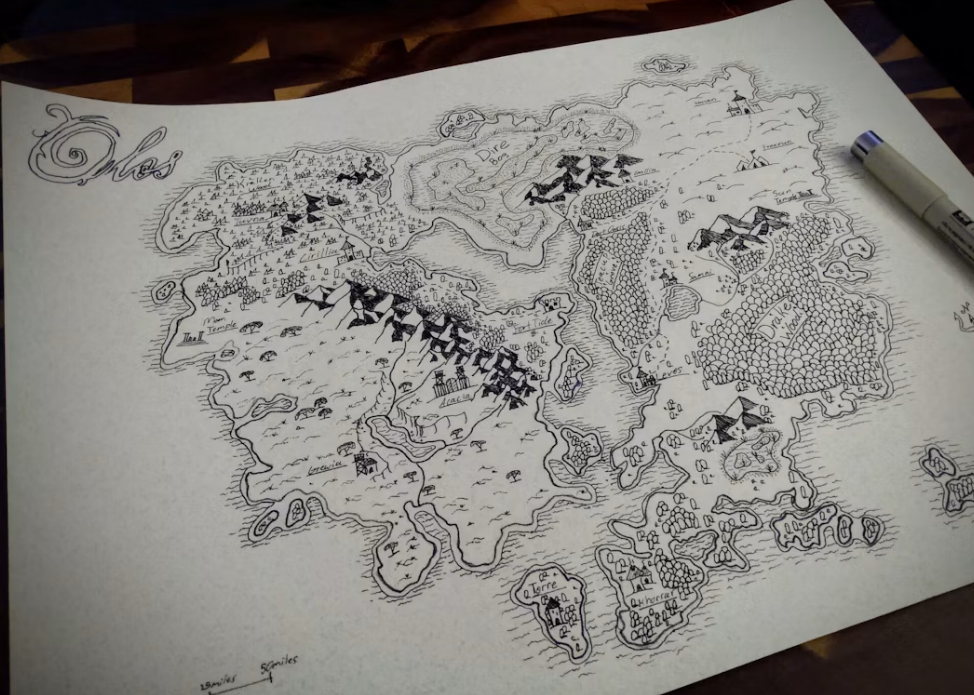
If your coworker can turn a five-minute coffee break into an elaborate story involving three fictional kingdoms, they may enjoy D&D. The game is fundamentally collaborative storytelling, with players imagining characters and deciding how those characters respond to situations.
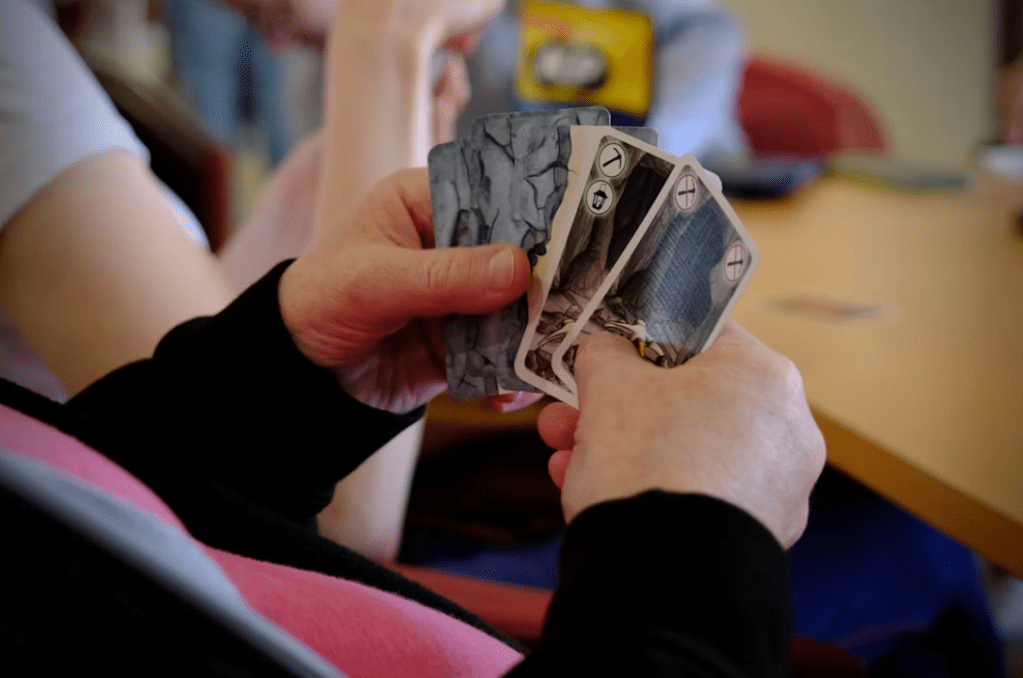
They Love Board Games
A coworker who regularly suggests complicated board games might be worth inviting to a D&D session. Tabletop gaming and roleplaying overlap naturally, and D&D combines game mechanics with collaborative storytelling, imagination, character development, and unpredictable dice-driven outcomes.
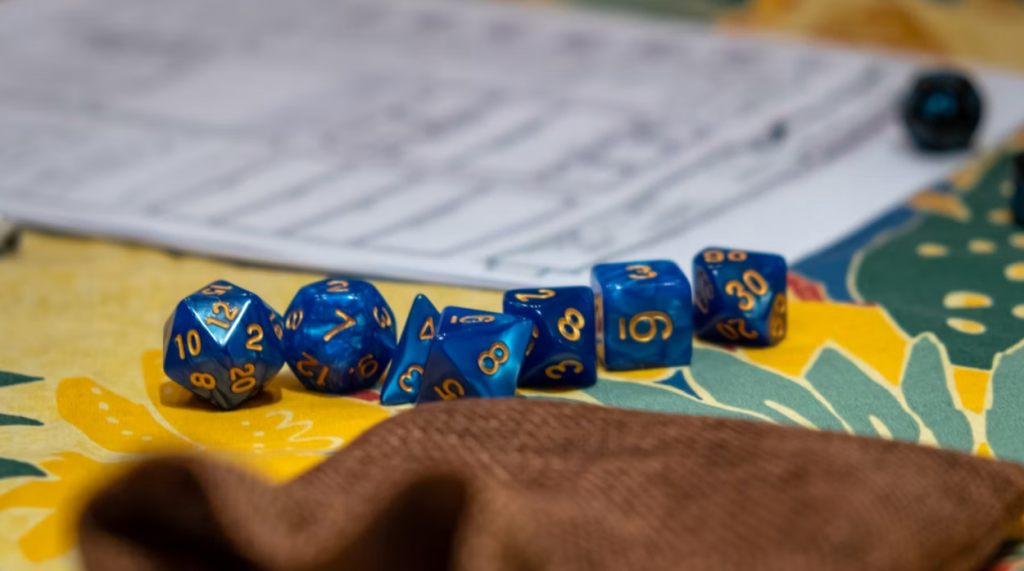
They Get Weirdly Excited About Dice
A person who owns an assortment of oddly shaped dice may already be playing D&D, or at least, be extremely interested in tabletop gaming. D&D uses dice as one of its primary tools for determining what happens when characters attempt uncertain actions.
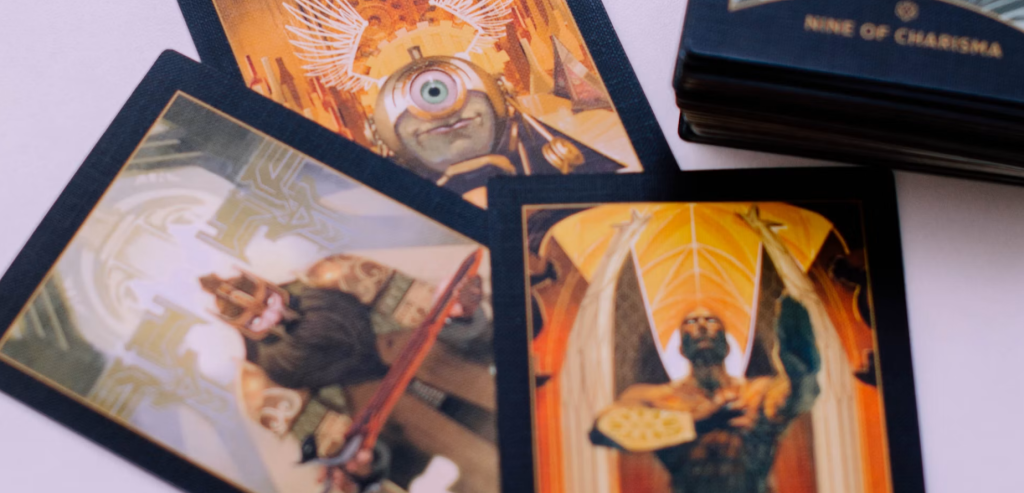
They Like Playing Characters
If your coworker enjoys acting, cosplay, improvisation, or simply pretending to be somebody completely different for fun, D&D could be an excellent fit. Roleplaying involves inhabiting a character and describing their actions, either in first or third person.

They Love Unexpected Stories
Some people genuinely enjoy stories that refuse to go according to plan. That is practically D&D’s specialty. Players make unexpected choices, and Dungeon Masters adapt, allowing the resulting adventure to develop in directions nobody necessarily anticipated beforehand.
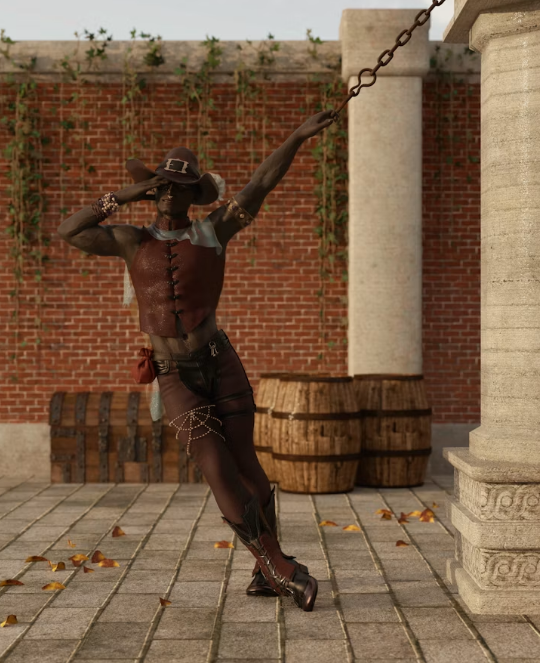
They’re Always Inventing Characters
If your coworker constantly invents fictional characters, personalities, backstories, or elaborate imaginary motivations, they already enjoy one of D&D’s most creative components. Character creation asks players to decide who their adventurer is before sending them into a shared fantasy world.
They Love Collaborative Games
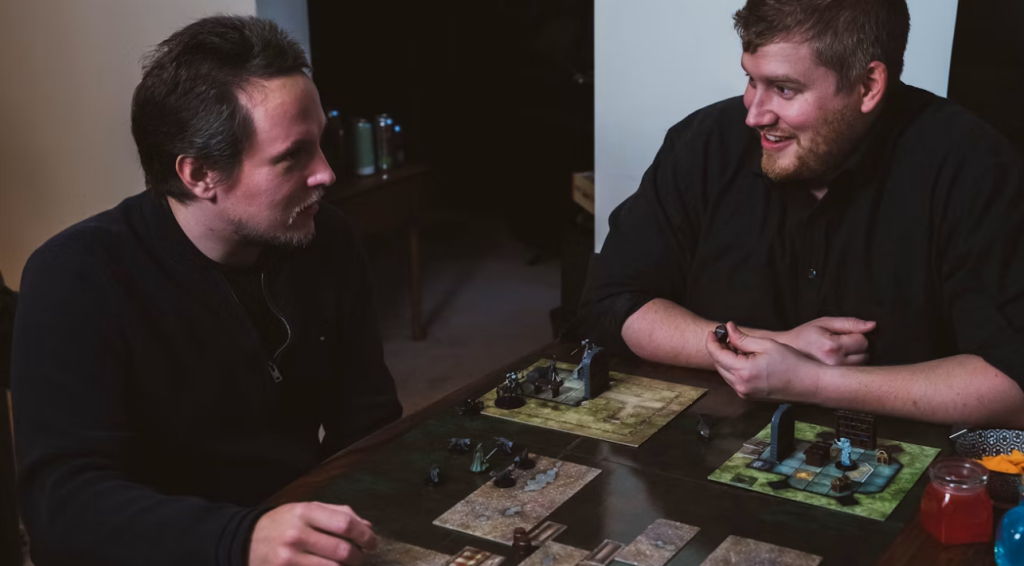
D&D could appeal strongly to someone who prefers cooperation over competition. Players work together toward shared objectives while making individual character decisions, creating a story collectively rather than trying to defeat one another. That cooperative structure is fundamental to the game.