12 Doctors Share the Small Thing They Stopped Doing Once They Saw the Truth

Some health habits feel so ordinary that we barely question them. But doctors and nurses see what those habits can eventually lead to, often in ways most people never witness firsthand. In a recent Reddit discussion, medical professionals shared the everyday choices they stopped making after seeing their consequences in patients. Some involved obvious risks, while others were surprisingly small decisions that suddenly looked very different after years in hospitals and clinics. Their answers are not medical advice, but they offer a fascinating look at how firsthand experience can change someone’s relationship with ordinary habits. These are 12 of the most striking answers.
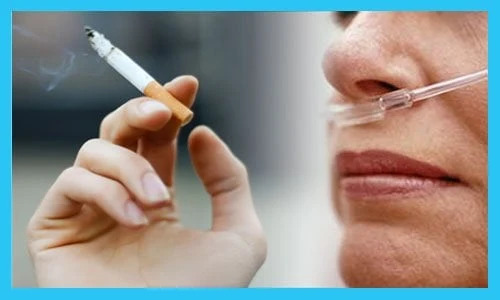
Smoking Around Oxygen
Seeing patients continue smoking while using supplemental oxygen was enough for some medical workers to never take the combination lightly again. One commenter described seeing people literally set themselves on fire after lighting cigarettes while using oxygen.

Getting Their Neck Adjusted
One neurologist said residency changed their attitude toward chiropractic neck adjustments after seeing a young person suffer a massive stroke following high velocity neck manipulation. The experience was enough to make them permanently avoid having their own cervical spine manipulated that way.

Working All the Time
A doctor working in elderly care said watching patients reflect on their lives made them rethink the idea that working more was always worthwhile. They noticed that people rarely expressed regret about not spending enough time at work, which changed how they viewed their own priorities.

Ignoring What Exercise Can Prevent
One medical professional described seeing the long term consequences of inactivity and poor lifestyle choices in older patients. For them, witnessing how much independence can disappear with declining health became a powerful reason to take exercise seriously.
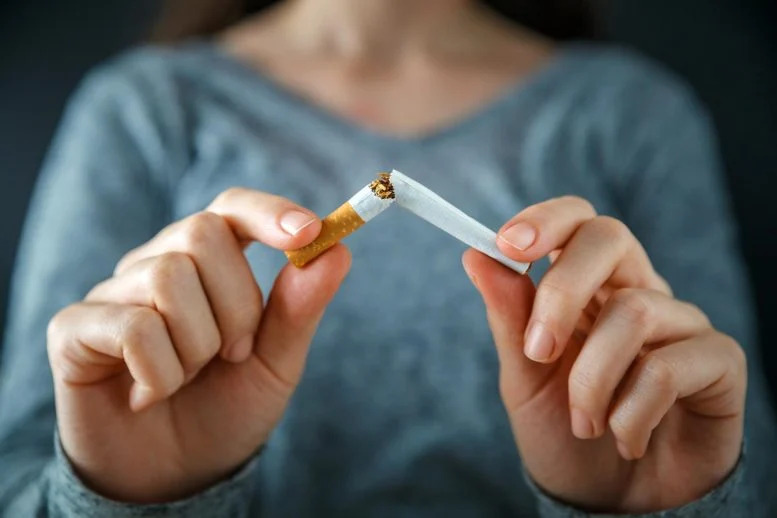
Treating Cigarettes Like They Are Harmless
Healthcare workers described seeing patients with severe smoking related illnesses who continued reaching for cigarettes despite knowing exactly what was happening to their bodies. Seeing that cycle repeatedly made the habit impossible to view casually.
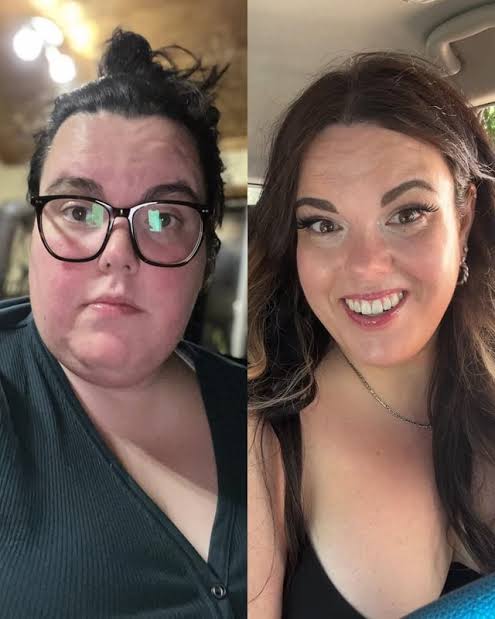
Assuming Weight Only Affects Appearance
One commenter who worked in a cardiac intensive care setting said the experience motivated them to lose weight and exercise regularly. What stayed with them was seeing how serious illness can affect basic independence and make ordinary care much more difficult.
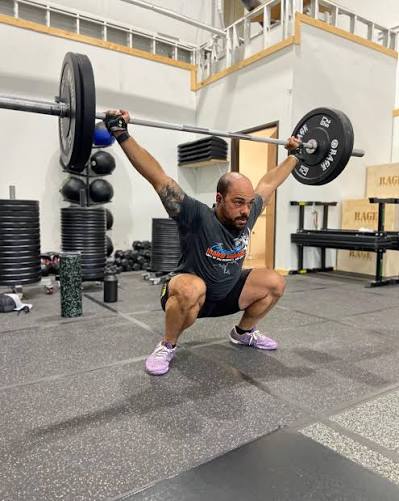
Taking Everyday Mobility for Granted
Medical workers see how quickly an illness or injury can turn basic movements into major challenges. Watching patients require several people simply to reposition them in bed can change the way someone thinks about maintaining strength and mobility.
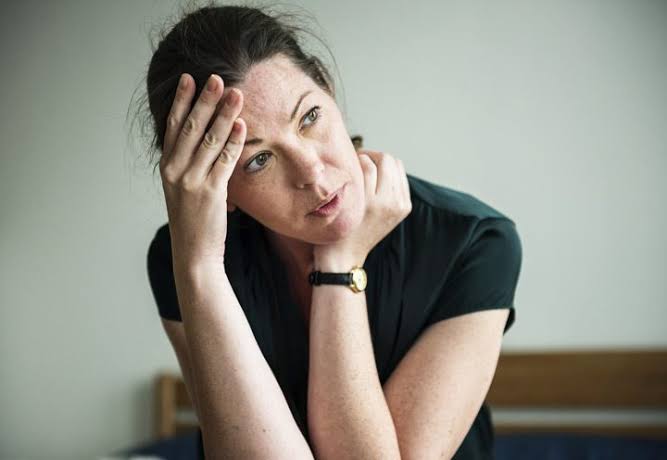
Thinking Addiction Is Simply About Willpower
Some of the stories surrounding smoking showed medical workers something more complicated than someone simply refusing to quit. They described patients who understood the consequences completely and still struggled to stop, reinforcing how powerful addiction can be.

Treating a Hospital Bed as Completely Clean
People working in hospitals know exactly how many patients have occupied the same spaces before them. One commenter pointed out that hospital beds can have histories involving bodily fluids, illness and even death, a reality that makes the average hospital room look very different to someone who works there.
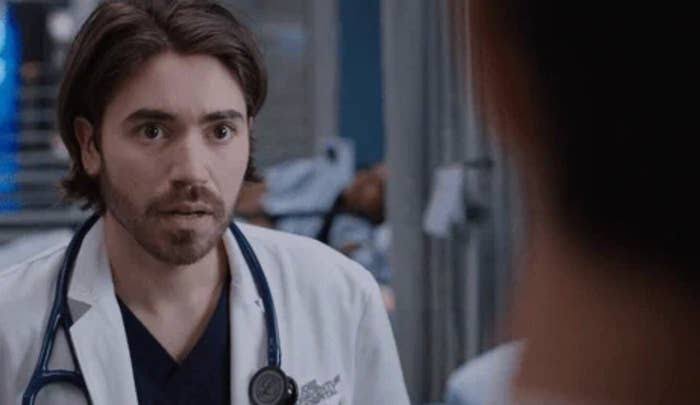
Assuming Doctors Never Need to Look Things Up
Medical professionals openly acknowledged that doctors sometimes search for information while working. One commenter explained that knowing how to find reliable medical information is part of being a good clinician, rather than evidence that someone does not know what they are doing.
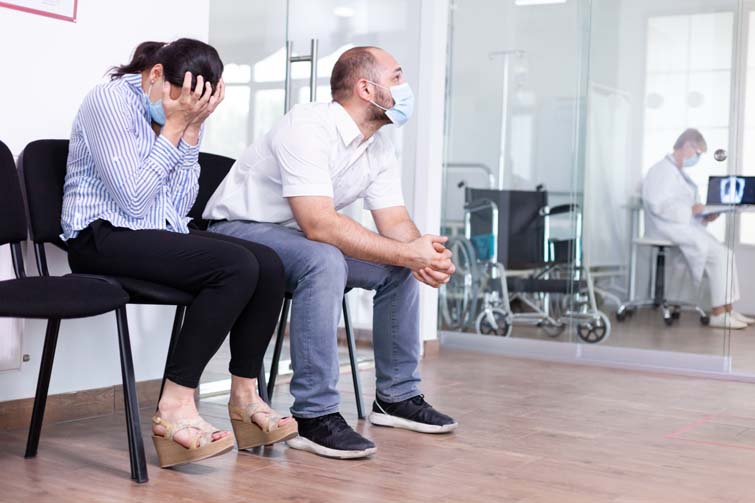
Thinking Every Symptom Needs an Emergency Room
Healthcare workers regularly see patients arrive at emergency departments for conditions that could often be handled elsewhere. Seeing the strain placed on emergency care made some professionals much more deliberate about deciding when something truly requires immediate attention.

Assuming a Healthy Looking Person Is Automatically Safe
One neurologist’s story about a young patient suffering a devastating stroke after neck manipulation was a reminder that serious medical events can happen to people who appear completely healthy. Experiences like that can permanently change how medical professionals think about seemingly harmless procedures.