15 Historical Predictions That Went Hilariously Wrong


Predicting the future is risky business, especially when your prediction survives long enough for everyone to see exactly how wrong you were. History is filled with experts, executives, newspapers, and industry leaders confidently dismissing technologies and cultural shifts that later became enormous parts of everyday life. In fairness, predicting what people will want decades from now is nearly impossible. Still, hindsight makes some of these statements particularly entertaining, especially when they involve inventions we now struggle to imagine living without. From doubting airplanes and personal computers to seriously underestimating the iPhone, plenty of very smart people have made some spectacularly bad calls. Here are 15 historical predictions that went hilariously wrong.
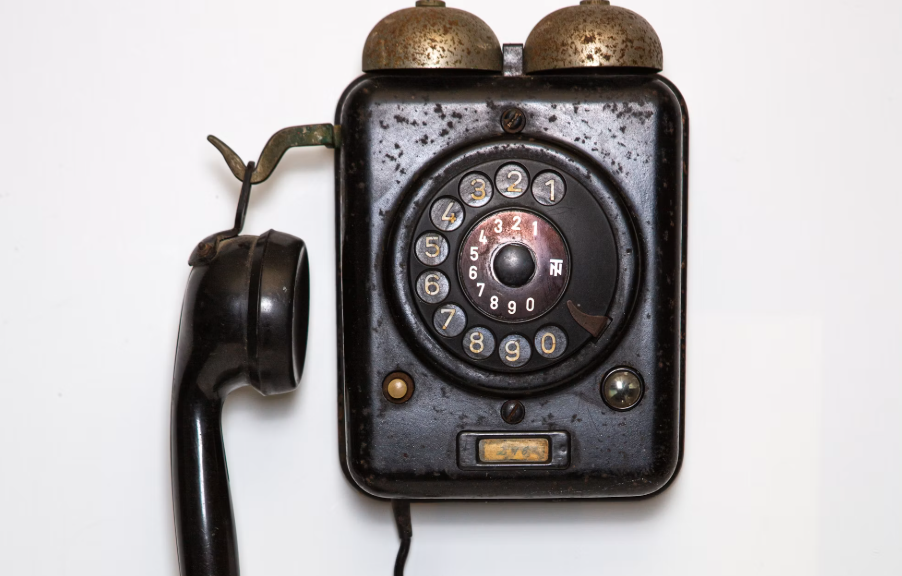
The Telephone Wasn’t Worth the Trouble
Western Union famously passed on an opportunity to acquire Alexander Graham Bell’s telephone patents in the 1870s. The company underestimated how valuable voice communication would become, while the telephone went on to transform everyday life.
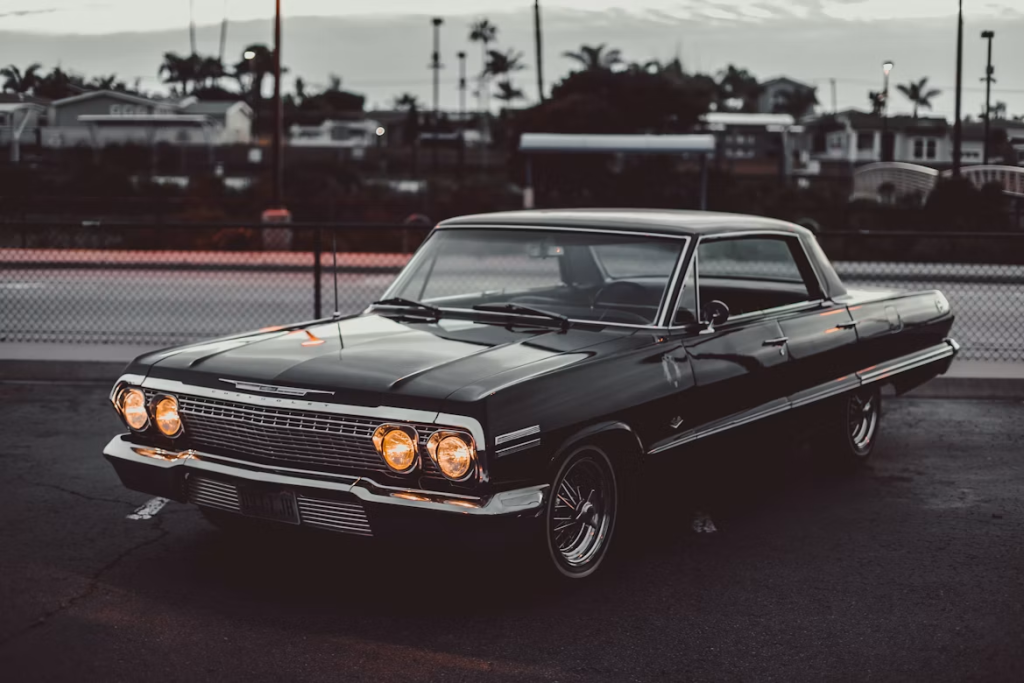
Cars Were Supposed to Be a Passing Fad
Early automobiles faced plenty of skepticism from people who saw horses as the far more practical option. Within a few decades, mass production and expanding road networks made cars a defining feature of modern life.

Rockets Couldn’t Work in Space
In 1920, The New York Times mocked Robert Goddard’s ideas about rockets traveling through space, incorrectly suggesting they needed air to push against. The newspaper famously corrected the error in 1969, just as humans were preparing to land on the Moon.

Television Wasn’t Expected to Keep Our Attention
Some early entertainment executives doubted audiences would spend night after night staring at television screens. Instead, TV became one of the dominant forms of entertainment of the 20th century and permanently changed the movie industry’s competition for audiences.
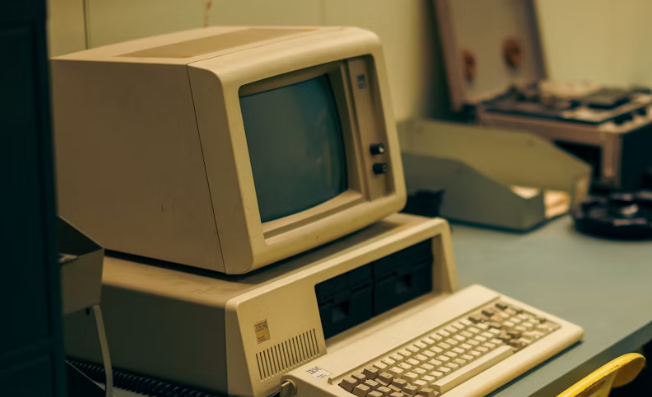
Nobody Needed a Computer at Home
Digital Equipment Corporation founder Ken Olsen said in 1977 that he saw no reason for an individual to have a computer at home. Olsen later argued that the remark was taken out of context, but personal computers nevertheless became considerably more important than almost anyone anticipated.

Online Shopping Wouldn’t Replace the Real Thing
In a famously skeptical 1995 Newsweek piece, astronomer and author Clifford Stoll questioned predictions about online shopping and other supposedly revolutionary uses for the internet. A few decades later, ordering practically anything without leaving home hardly feels revolutionary at all.

The Internet Was Going to Collapse
Ethernet pioneer Robert Metcalfe predicted that the internet would suffer a catastrophic collapse in 1996. When it stubbornly continued working, he made good on a promise by blending a printed copy of his prediction with liquid and eating it in front of an audience.

The iPhone Had “No Chance”
Microsoft CEO Steve Ballmer predicted in 2007 that the expensive new iPhone had “no chance” of gaining significant market share. Apple’s little experiment with phones turned out somewhat better than that assessment suggested.
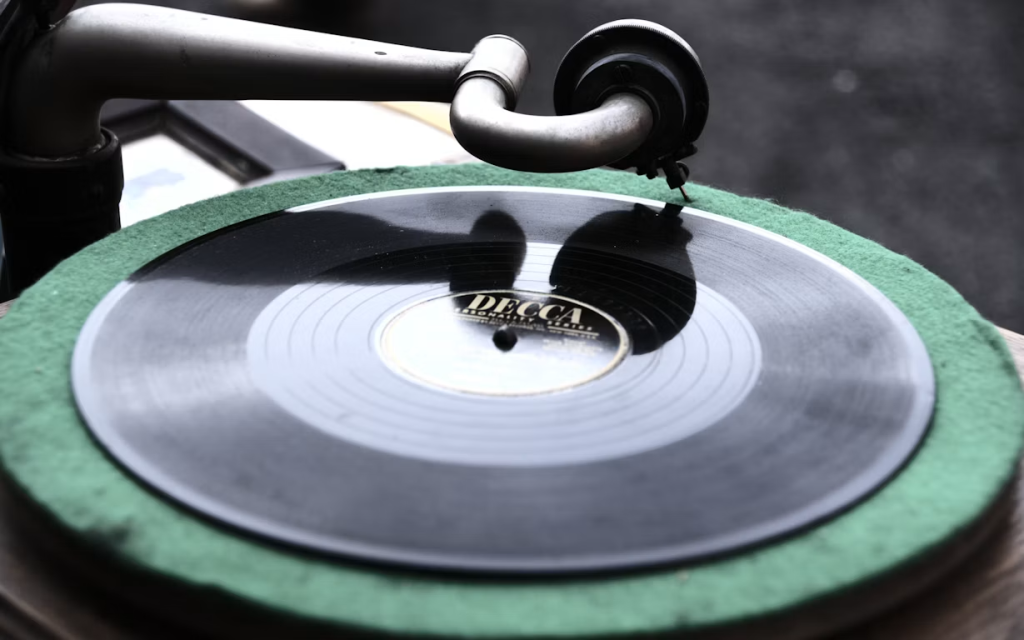
Decca Records Passed on The Beatles
In 1962, before The Beatles became famous, they auditioned for Decca Records and were turned down in favor of another band. They soon signed with EMI and became one of the most successful and influential acts in music history, making Decca’s decision spectacularly unfortunate.

Airplanes Looked Like a Dead End
Around the turn of the 20th century, prominent scientists and engineers expressed serious doubts that practical heavier-than-air flying machines were achievable. The Wright brothers’ successful flights in 1903 made that pessimism age remarkably quickly.

Nuclear-Era Electricity Would Become Incredibly Cheap
Atomic Energy Commission chairman Lewis Strauss predicted in 1954 that future generations would enjoy electrical energy “too cheap to meter.” The exact technology Strauss had in mind remains debated, but electricity bills certainly didn’t disappear.

The Titanic Was Considered Practically Unsinkable
The Titanic’s sophisticated safety features inspired extraordinary confidence before its maiden voyage. That reputation became tragically ironic when the supposedly extraordinarily safe liner struck an iceberg and sank in April 1912.

Movies With Sound Would Never Replace Silent Films
When synchronized sound began appearing in movies during the 1920s, some major figures in Hollywood doubted that “talkies” would become the industry’s new standard. Audiences quickly proved otherwise, and silent films largely disappeared from mainstream theaters within just a few years.

Recorded Music Seemed Like a Threat to Musicians
New recording technology prompted fears that people might stop paying to hear musicians perform in person. Recorded music instead created an enormous industry of its own while concerts continued attracting audiences.

Newspapers Would Be Dead Within a Decade
In 1981, futurist Ted Nelson predicted that newspapers would disappear within a decade as people increasingly turned to computers for information. Print eventually declined dramatically, but newspapers were still very much around 10 years later and remain in circulation more than four decades after his prediction.