15 of the Most Prolific Criminals Ever Captured

It might seem strange to consider ‘prolific’ a criminal that was captured, but we can only measure what we know about; there are plenty of myths surrounding Jack the Ripper, for example, and yet we know very little of what actually happened. Their stories are still as fascinating as any unsolved crime.
What we’ve gathered here today are thieves, fraudsters, robbers, and swindlers whose crimes accumulated on an extraordinary scale before law enforcement finally caught up with them. Their careers and feats demonstrate how remarkably long some criminal enterprises can survive.
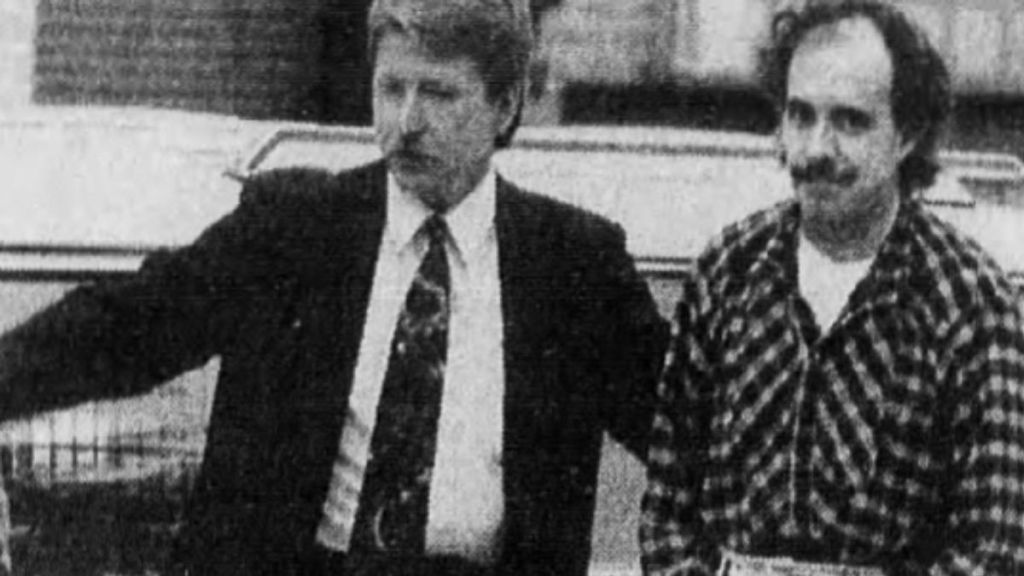
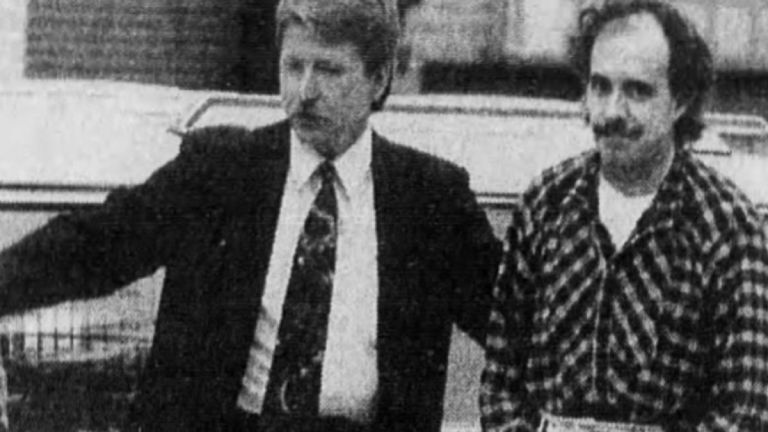
Stephen Blumberg
Stephen Blumberg stole at least 23,600 rare books from 268 libraries across North America between the 1970s and 1990. A former accomplice exposed him in 1990, and Blumberg was convicted the following year.
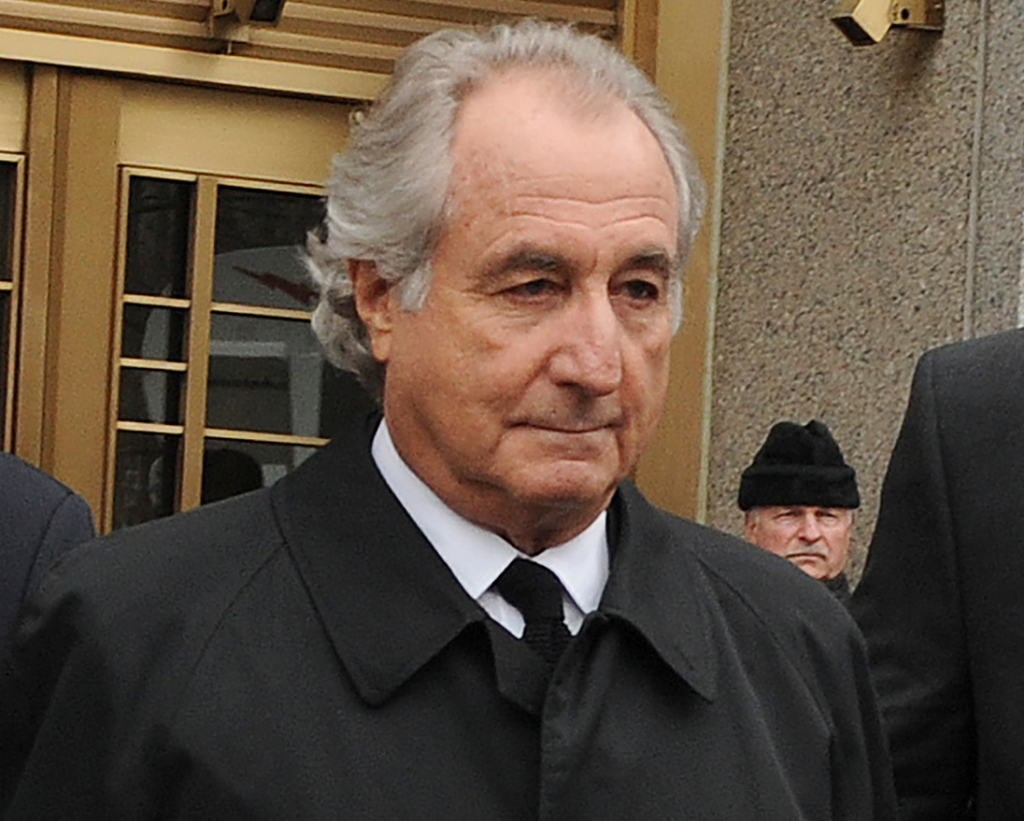
Bernie Madoff
Bernie Madoff operated what the FBI describes as history’s biggest Ponzi scheme, deceiving thousands of investors through a massive investment fraud. His scheme collapsed in 2008, and he eventually received a 150-year federal prison sentence.
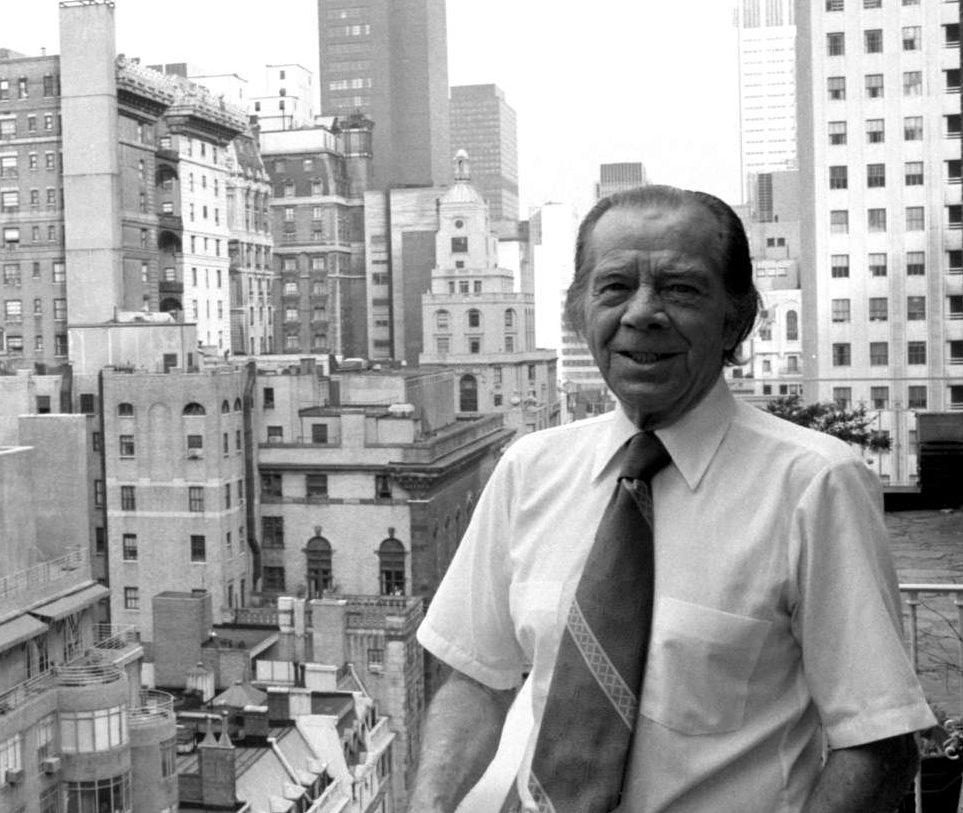
Willie Sutton
Willie Sutton spent roughly four decades robbing banks and stores, becoming famous for disguises and repeated prison escapes. Arrested for the final time in 1952, he owed multiple life sentences and more than a century in additional prison time.
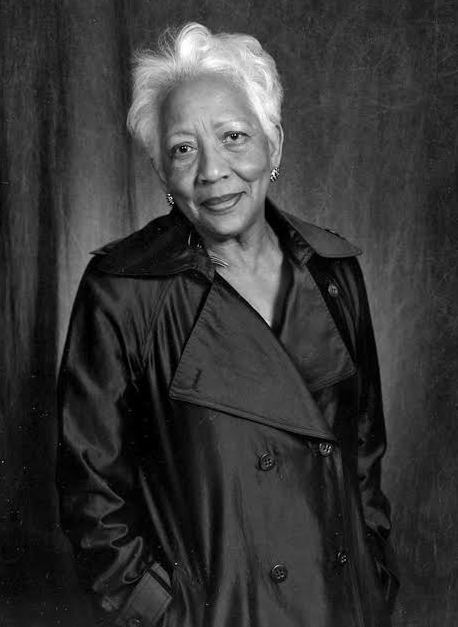
Doris Payne
Doris Payne built an extraordinarily long career as a jewel thief, using charm and misdirection rather than violence. Over nearly 70 years, she used dozens of aliases and stole more than $2 million worth of jewelry.
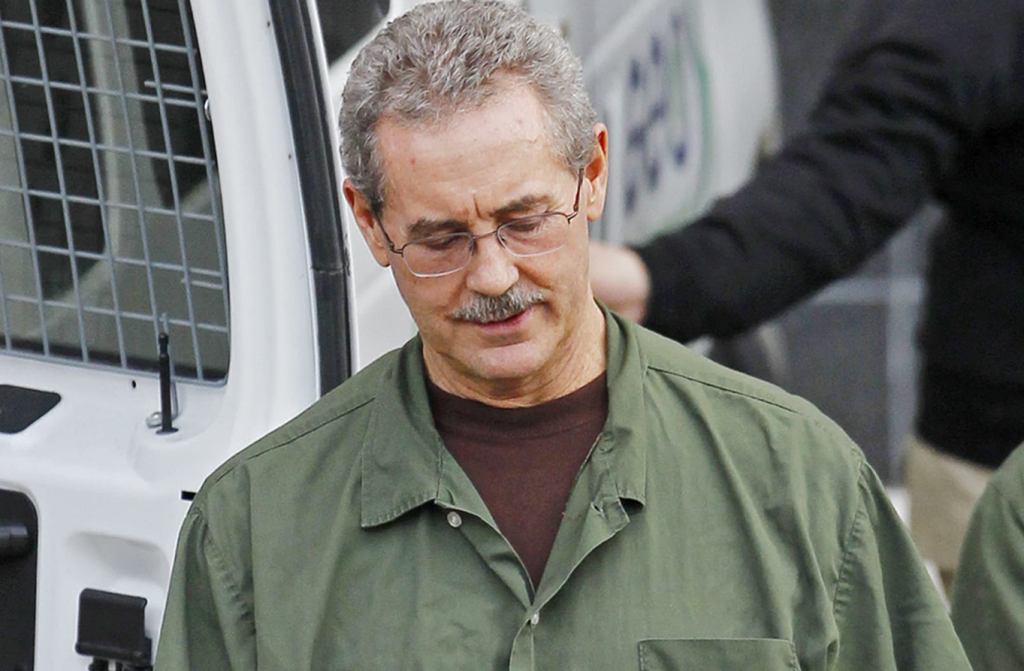
Allen Stanford
Robert Allen Stanford orchestrated a 20-year investment fraud involving Stanford International Bank. A federal jury convicted him in 2012 after prosecutors said he misappropriated $7 billion to support personal businesses and an extravagant lifestyle.
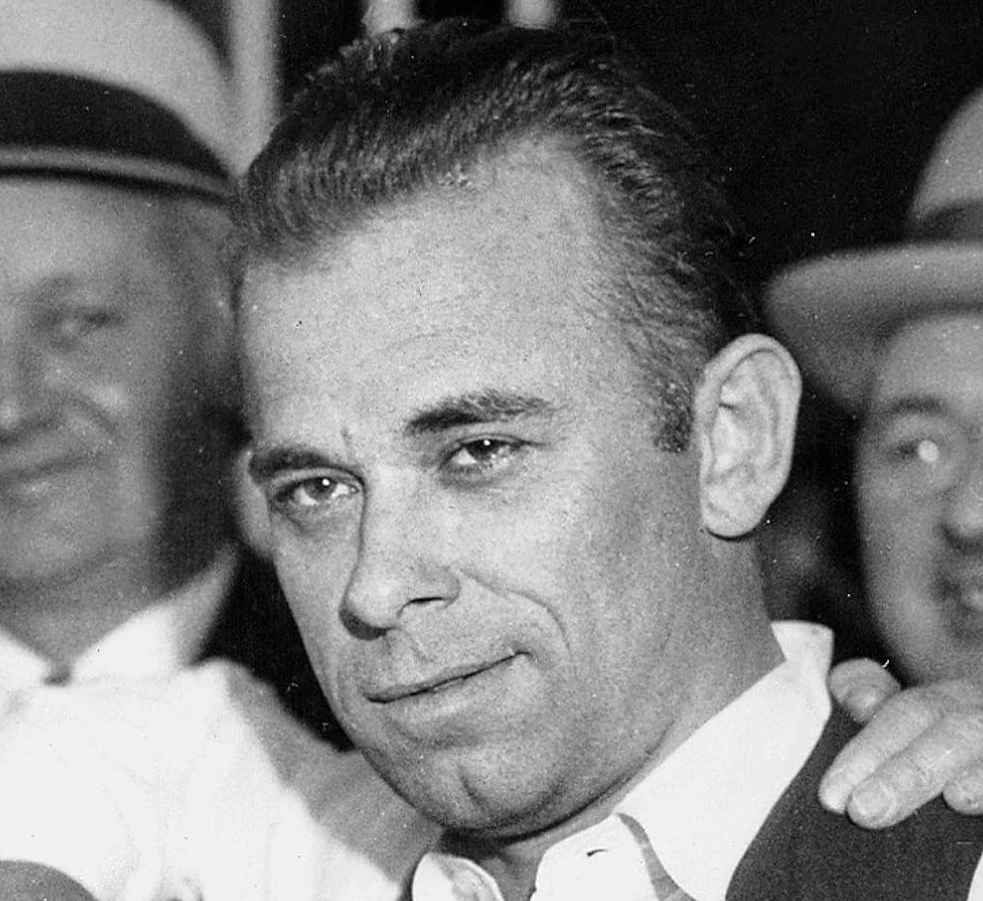
John Dillinger
During an astonishingly concentrated criminal career in the 1930s, John Dillinger and his gangs robbed banks, plundered police arsenals, and carried out multiple jailbreaks. The FBI says his gang’s spree between 1933 and 1934 terrorized the Midwest.

Rita Crundwell
Rita Crundwell stole more than $53 million from the city of Dixon, Illinois, where she served as comptroller. Her fraud continued from 1990 until its discovery in 2012, and she later received a lengthy federal prison sentence.
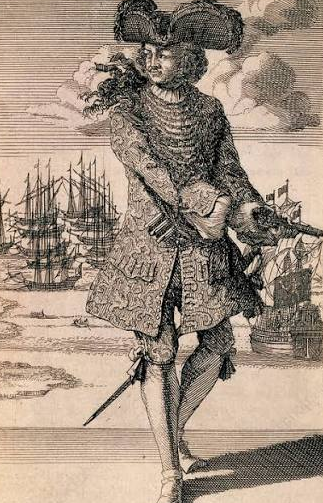
Bartholomew Roberts
Known as Black Bart, Bartholomew Roberts was among history’s most successful pirates, plundering more than 400 ships between 1719 and 1722. His extraordinary criminal career ended when Royal Navy forces confronted him in 1722.

Sam Bankman-Fried
Sam Bankman-Fried misappropriated billions of dollars in customer funds through FTX and committed multiple fraudulent schemes. A jury convicted him, and he received a 25-year sentence; his conviction was upheld on appeal in 2026.
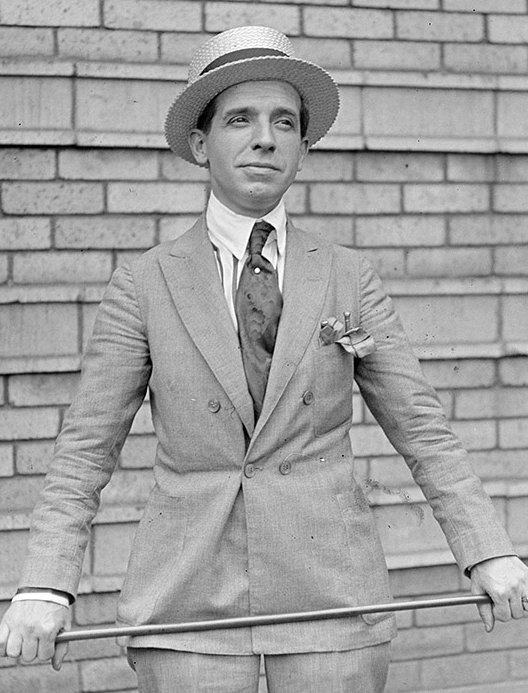
Charles Ponzi
Charles Ponzi became synonymous with an entire category of investment fraud after promising extraordinary returns through an international postal-coupon scheme. His operation collapsed in 1920, but his name has remained permanently attached to fraudulent pyramid-style schemes.
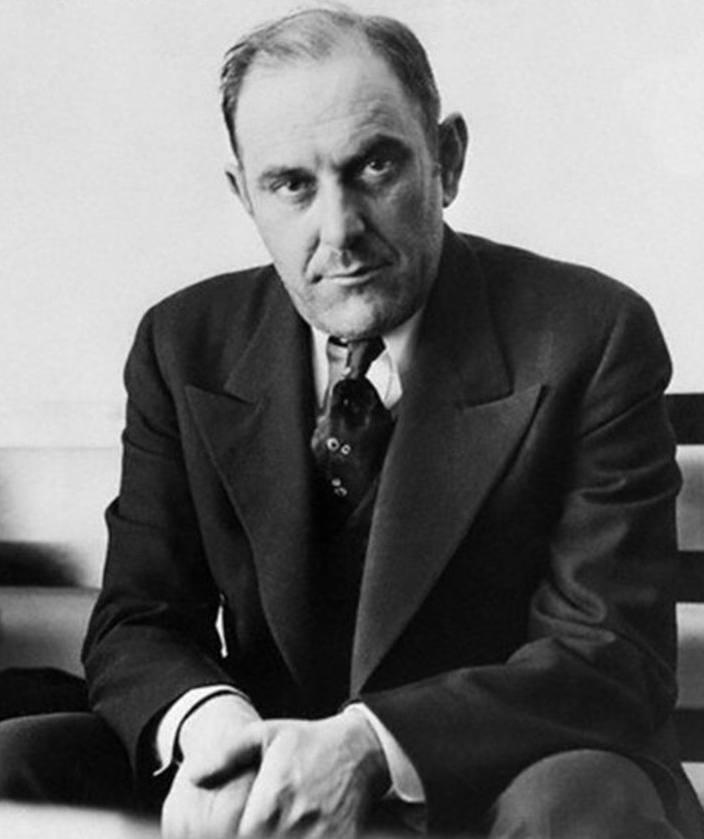
Victor Lustig
Victor Lustig was an international con artist who famously convinced a scrap-metal dealer that Paris planned to dismantle and sell the Eiffel Tower. His career involved numerous confidence schemes before he was eventually arrested and imprisoned.
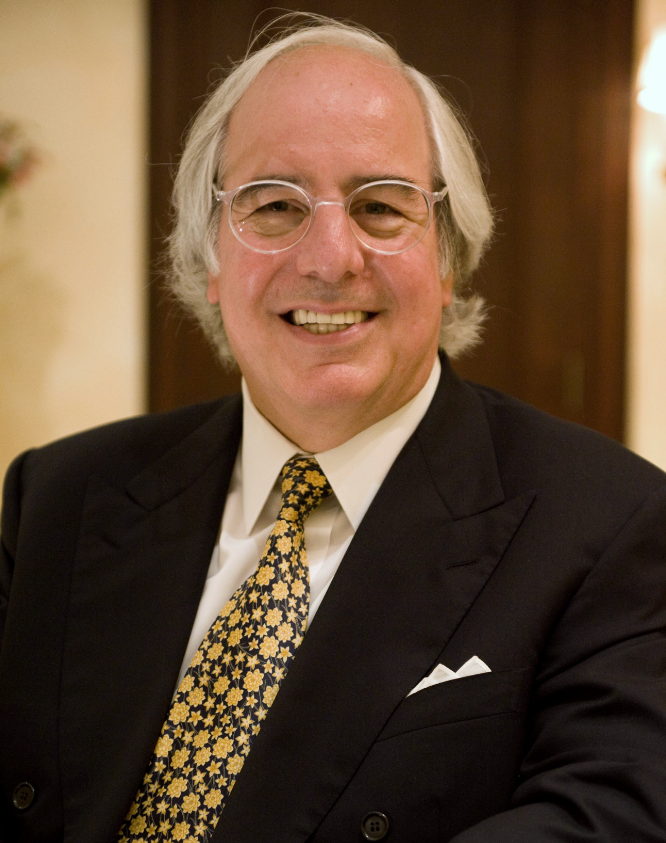
Frank Abagnale Jr.
Frank Abagnale became famous for posing as professionals and forging checks while still young. His exploits inspired Catch Me If You Can, although later investigations and reporting raised serious questions about how extensively some of his claims were exaggerated.
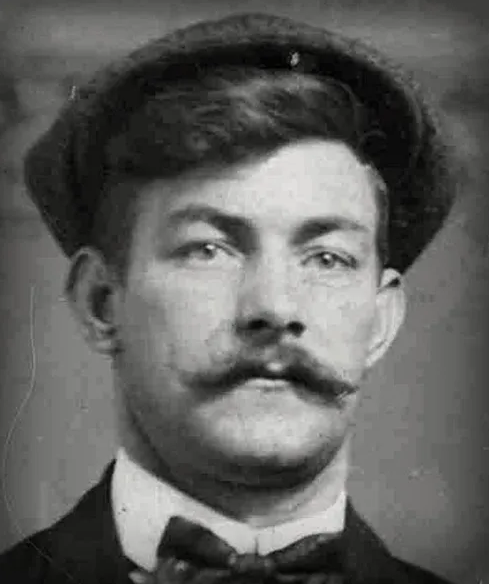
George C. Parker
George C. Parker became infamous for repeatedly selling property he did not own, including the Brooklyn Bridge. His elaborate confidence tricks relied on convincing victims that valuable public landmarks could somehow be legally purchased.
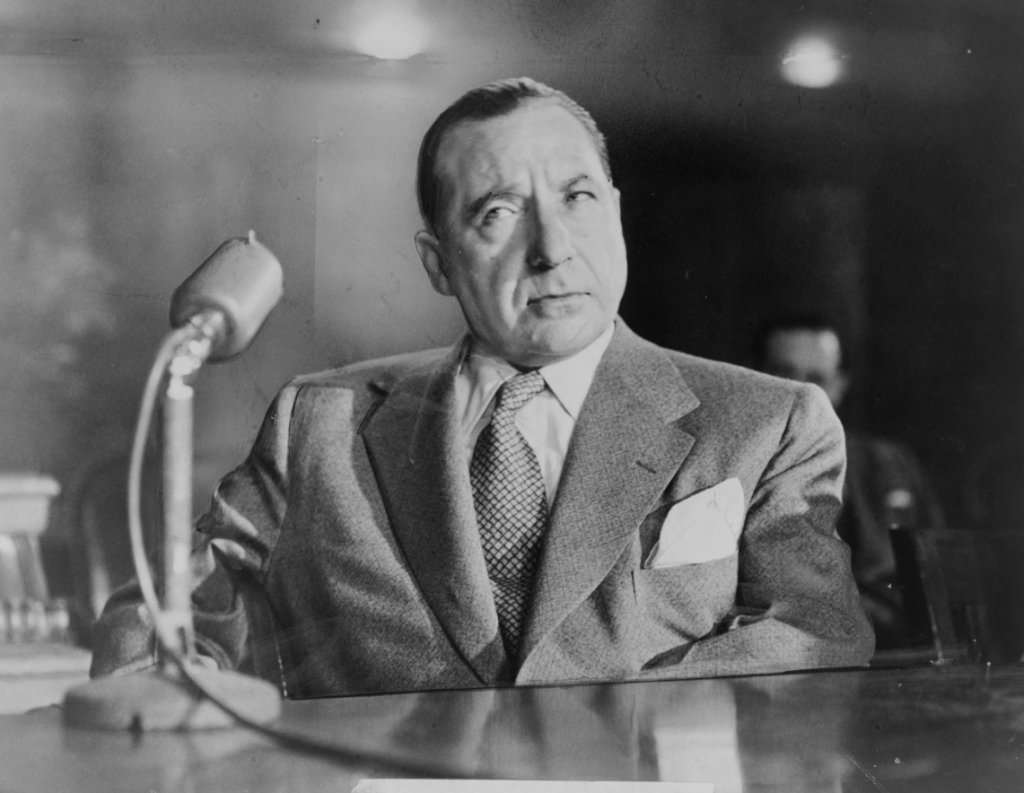
Frank Costello
Frank Costello became one of organized crime’s most influential American figures, building extensive gambling and political connections. He repeatedly faced prosecution and eventually testified before Congress, where his underworld career became nationally famous.
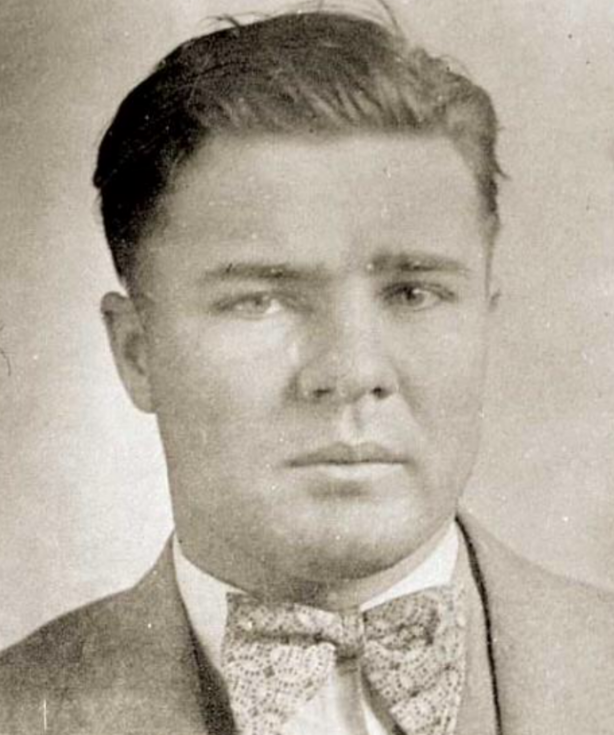
Charles “Pretty Boy” Floyd
Charles “Pretty Boy” Floyd became one of the Depression-era United States’ most notorious bank robbers. His criminal career involved repeated robberies and escapes before law enforcement finally cornered him in 1934.