15 People Share the Literary “Masterpiece” They Found Completely Unreadable

Calling a book a masterpiece can create some pretty intimidating expectations. These are the novels people are told they should read at least once, the classics that fill college syllabuses, and the acclaimed works that routinely appear on lists of the greatest books ever written. Actually making it through them can be another matter entirely. Dense prose, endless descriptions, experimental structures, enormous casts, and characters readers simply cannot stand have all turned celebrated books into personal endurance tests. Sometimes multiple attempts still aren’t enough to reach the final page, no matter how important the book is supposed to be. When readers shared the acclaimed works they struggled with most, even some of literature’s biggest names weren’t safe. Here are 15 literary “masterpieces” people found completely unreadable.
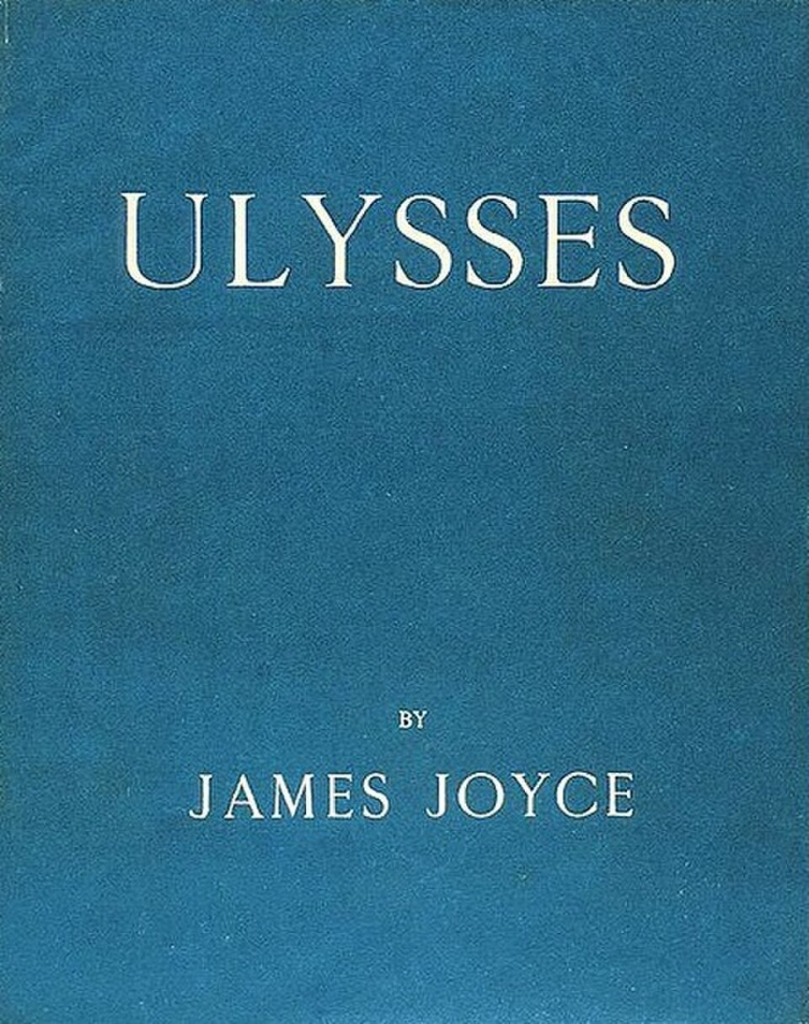
Ulysses by James Joyce
One reader said they had tried to read Joyce’s famous novel numerous times over the years and simply couldn’t do it. Others pointed out that even among Joyce’s notoriously challenging work, Ulysses has earned a reputation for demanding quite a bit of patience.
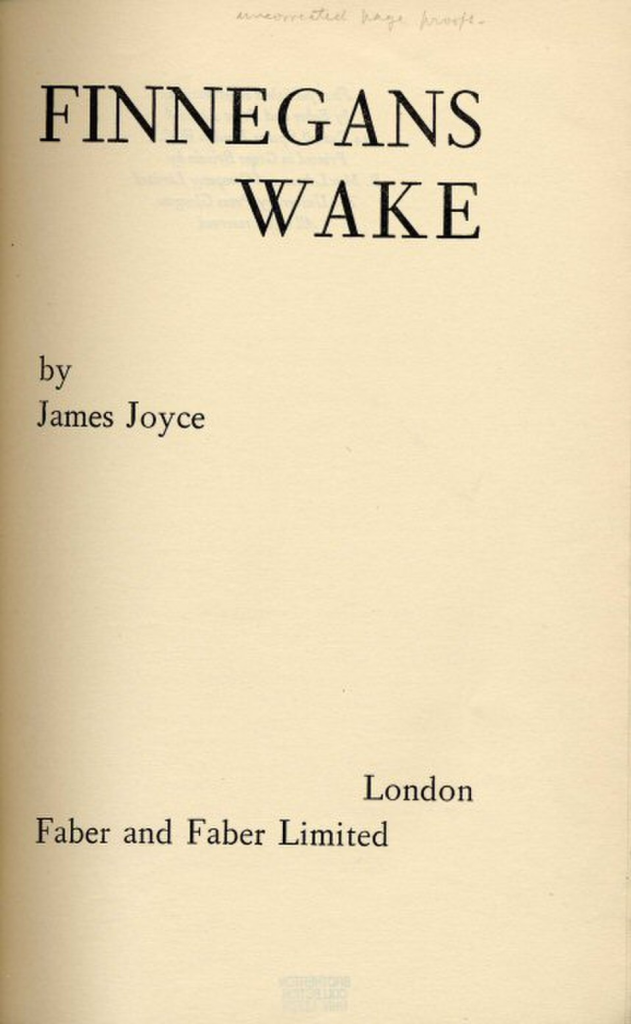
Finnegans Wake by James Joyce
If Ulysses is difficult, several readers thought Finnegans Wake was on another level entirely. One person who had actually finished it joked that whenever the book started making sense, that was a good indication it was time to stop reading for a while.
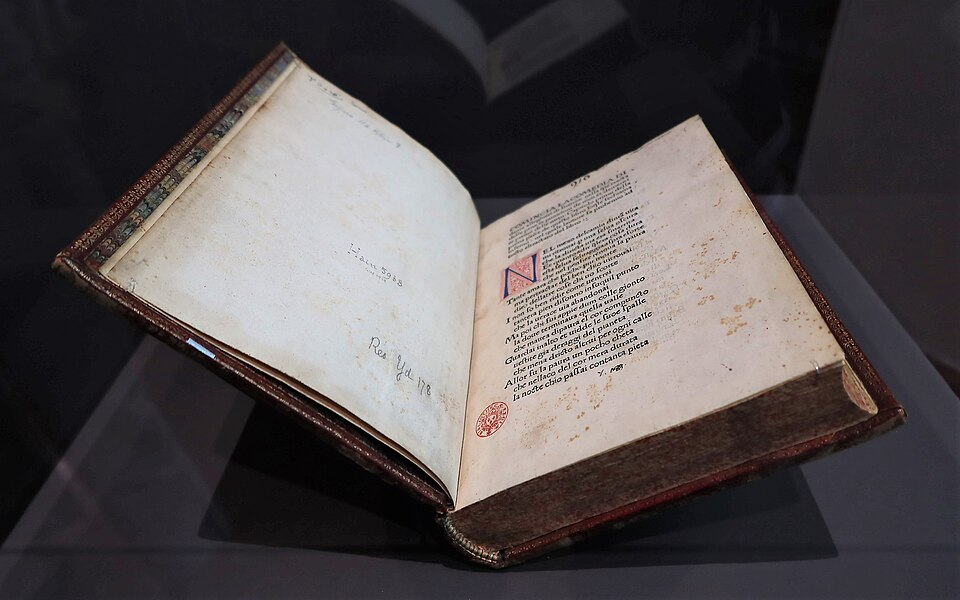
The Divine Comedy by Dante Alighieri
One reader admired Dante’s enormously influential story but found its slow pace, allegories, and literary devices exhausting. Another pointed out an additional challenge: Dante frequently references people and controversies that would have been much more familiar to someone living in 14th-century Florence.
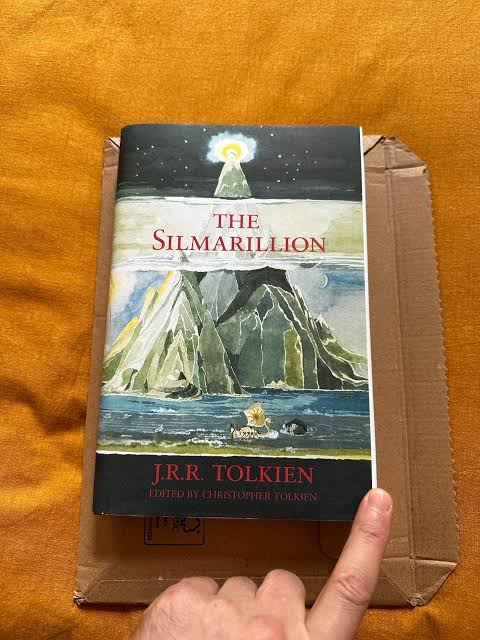
The Silmarillion by J.R.R. Tolkien
One determined reader needed six attempts before finally making it through Tolkien’s history of Middle-earth. Another loved the writing but found the book so dense that they were already on their third attempt.
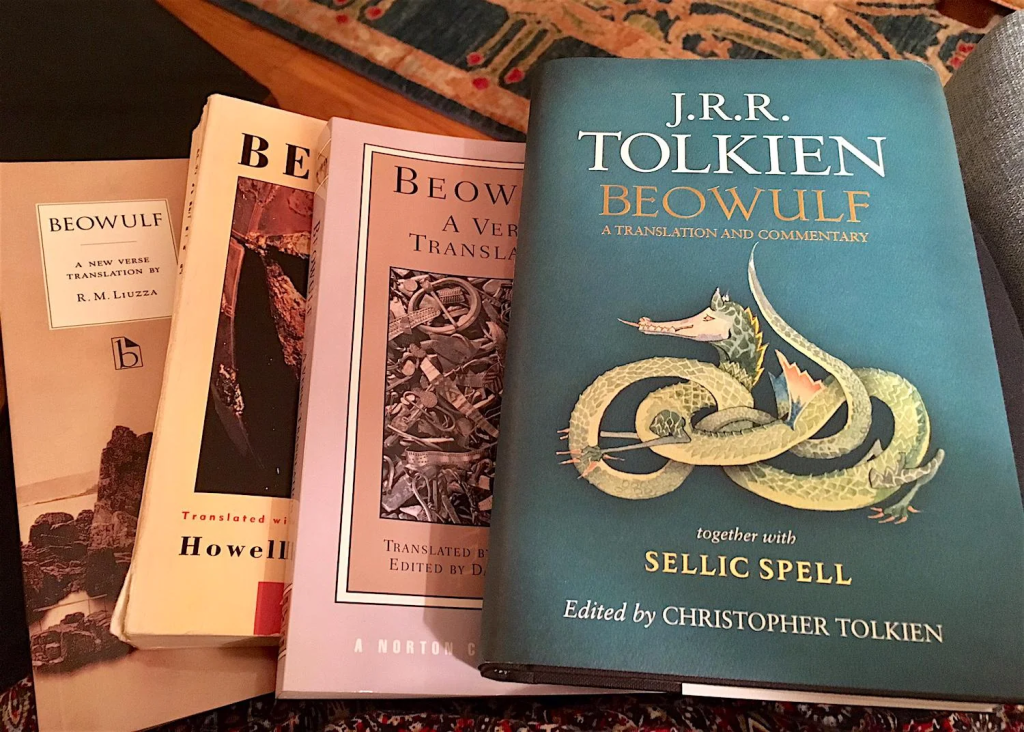
Beowulf
The problem with Beowulf was pretty straightforward for one reader: the English barely felt like English at all. Another remembered having to break down its sentences and meanings in seventh grade and described the experience as absolute torture.
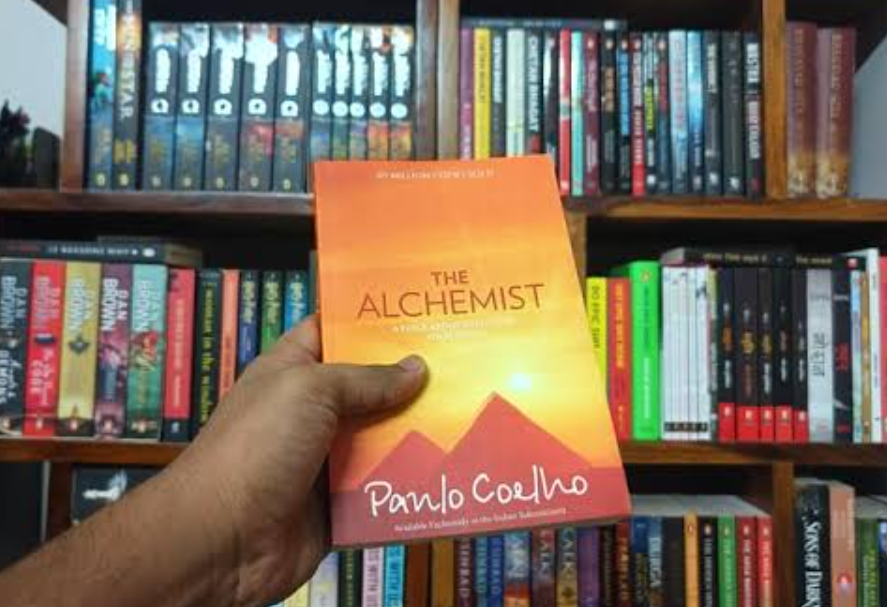
The Alchemist by Paulo Coelho
After hearing endless praise for The Alchemist, one avid reader finally picked it up and couldn’t understand the enthusiasm. Rather than finding it profound or inspirational, they thought its message was overly simplistic and painfully obvious.
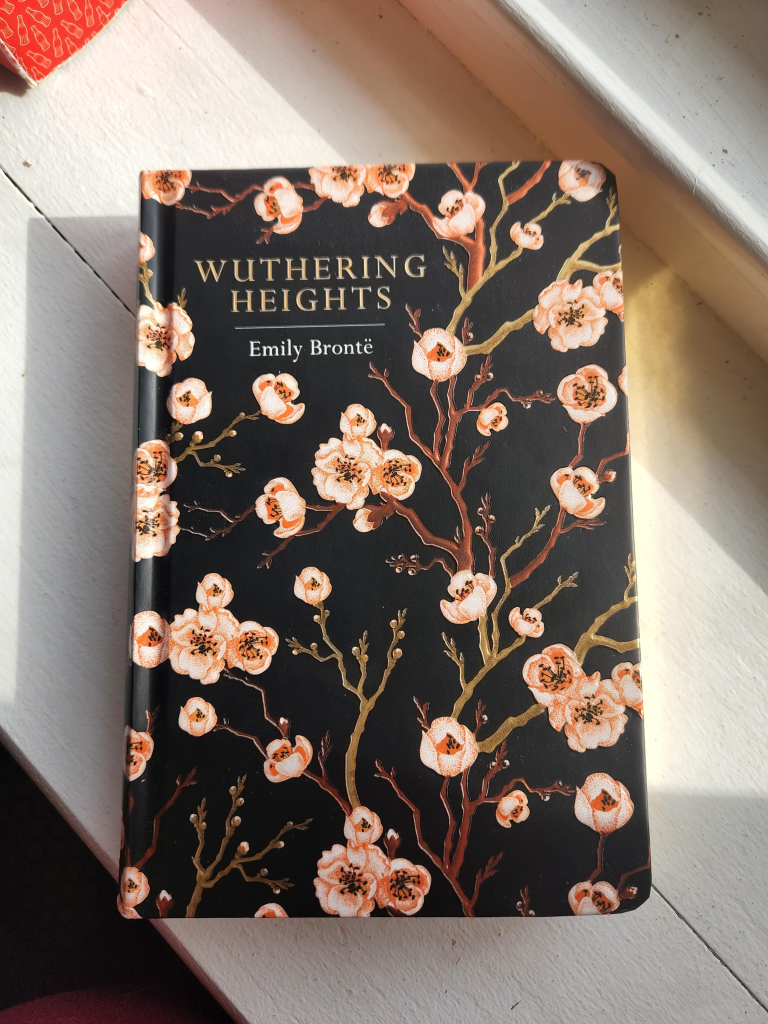
Wuthering Heights by Emily Brontë
For one reader, spending an entire novel with deeply dysfunctional characters wasn’t worth the payoff. Another had started and abandoned the book so many times that even switching to the audiobook couldn’t get them through it.
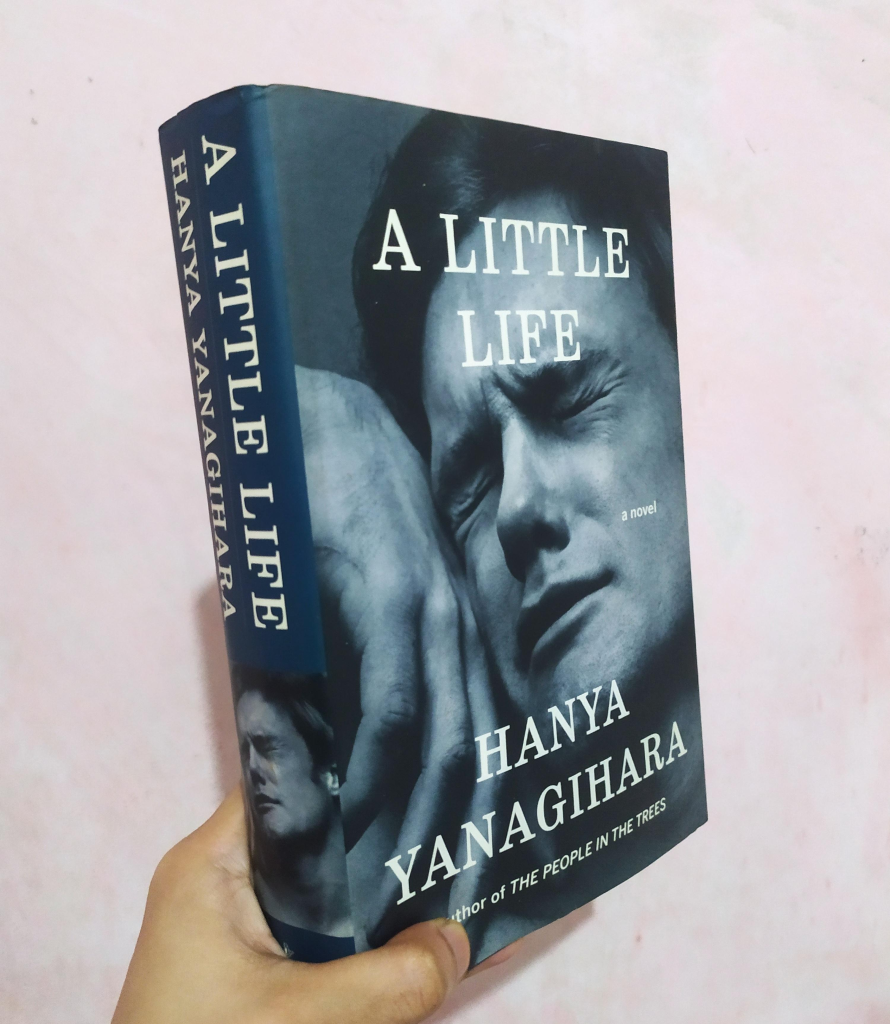
A Little Life by Hanya Yanagihara
The relentless misery eventually became too much for one reader, who felt each new tragedy was simply trying to outdo the previous one. Instead of becoming more emotionally invested, they found the increasingly extreme circumstances harder and harder to believe.
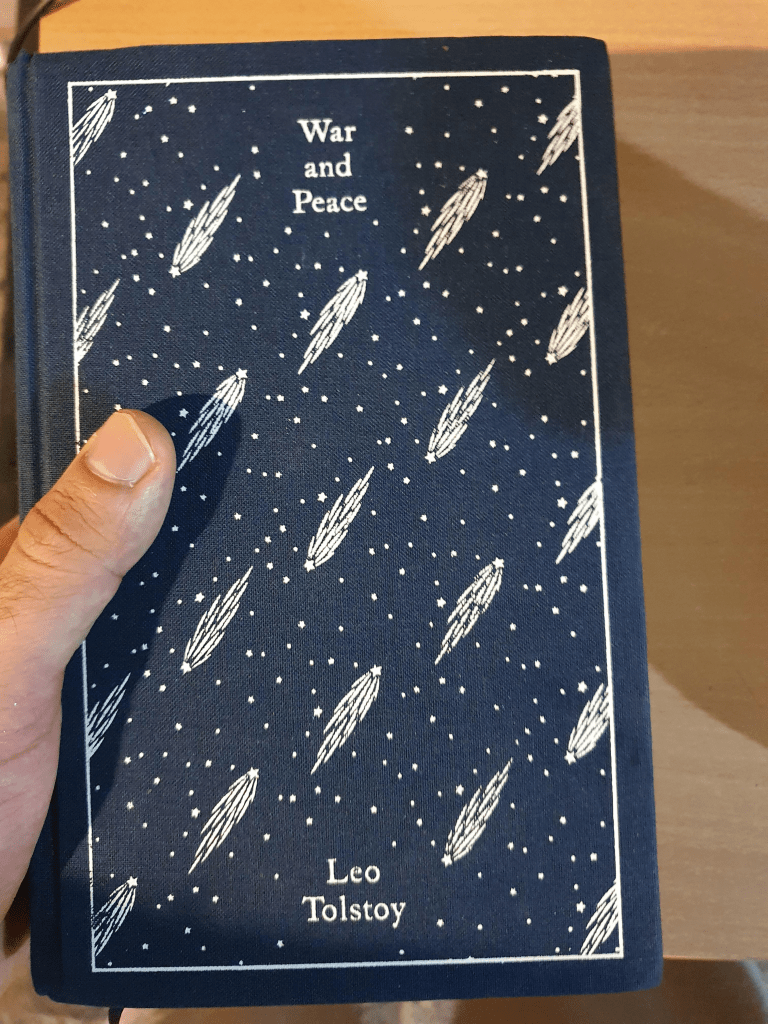
War and Peace by Leo Tolstoy
Tolstoy’s enormous cast was enough to overwhelm some readers, especially with Russian naming conventions adding another layer of confusion. One commenter joked about trying to keep track of similarly named characters across what feels like thousands of pages.
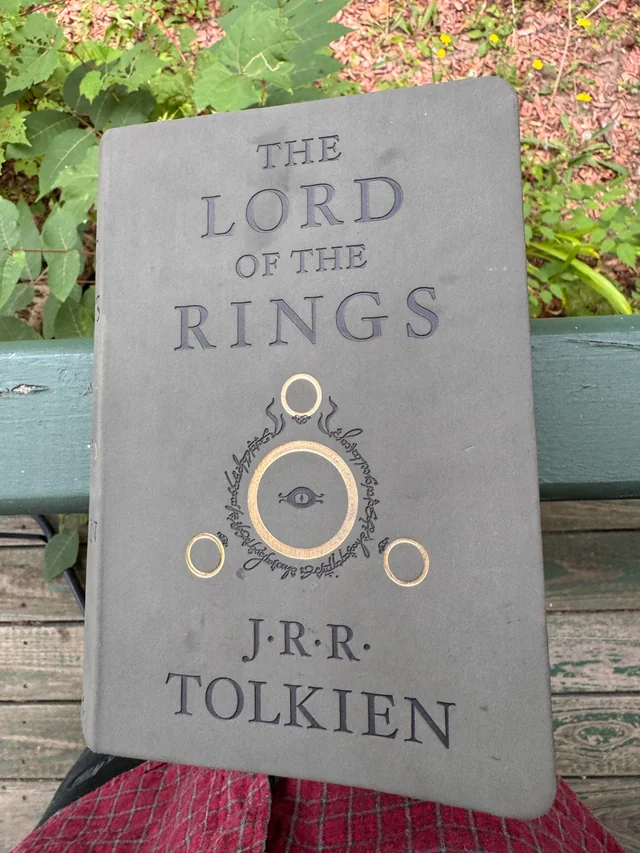
The Lord of the Rings by J.R.R. Tolkien
Loving the movies doesn’t necessarily make Tolkien’s prose easier to conquer. One fan said they had attempted the first 20 or 30 pages of The Fellowship of the Ring around 10 times but could never get into the flow of the book.
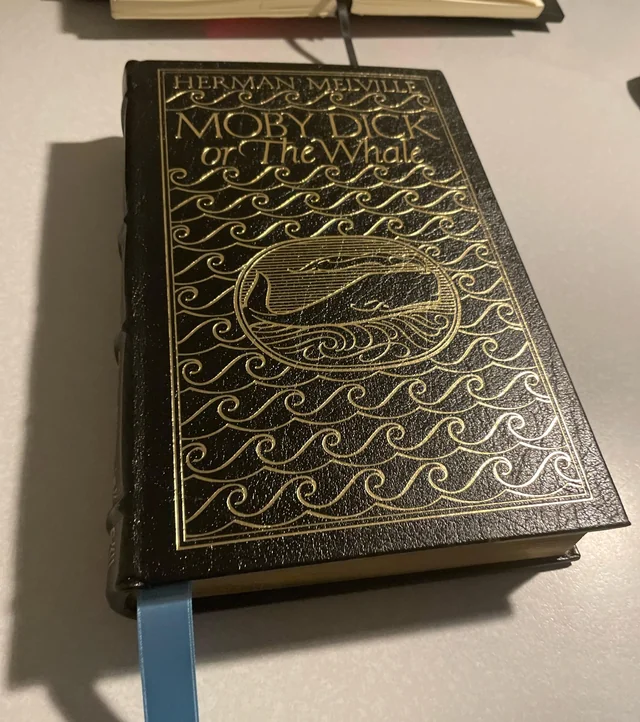
Moby-Dick by Herman Melville
For one reader, nothing summarized the Moby-Dick experience quite like discovering that Melville devoted an entire chapter to the color white. Admirers defended the book as surprisingly funny, but its famously lengthy detours clearly aren’t for everyone.
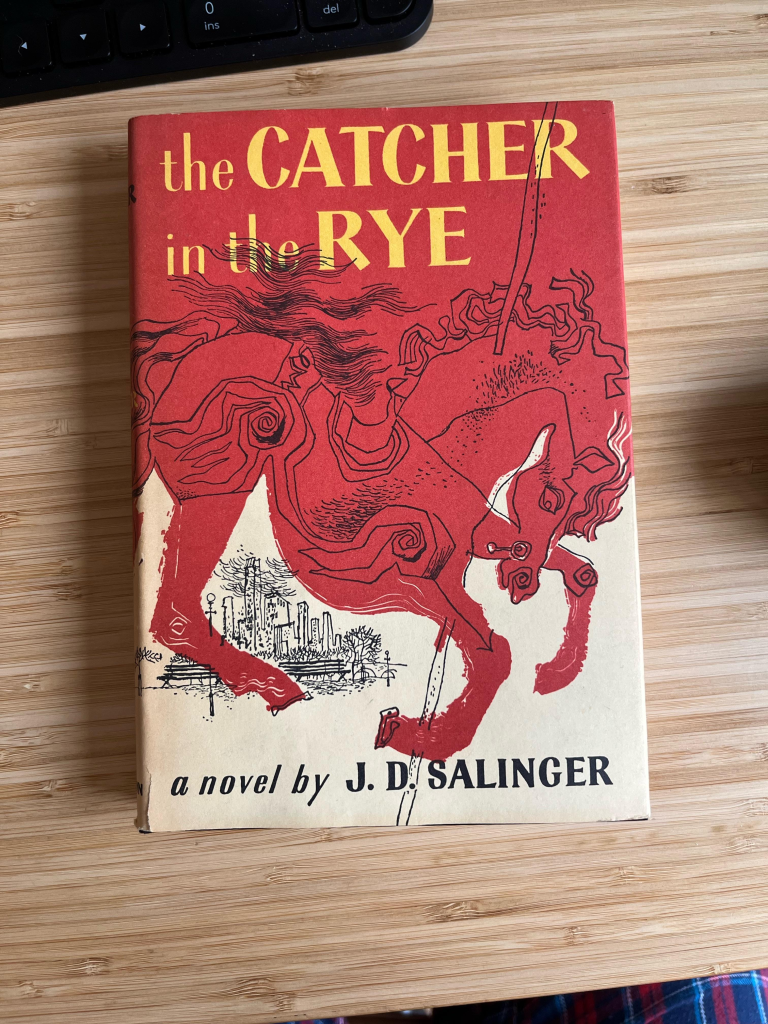
The Catcher in the Rye by J.D. Salinger
One reader insisted they genuinely tried to make it through Salinger’s classic but found Holden Caulfield far too irritating. Other commenters defended the character, arguing that his grief and age are essential to understanding why he behaves the way he does.
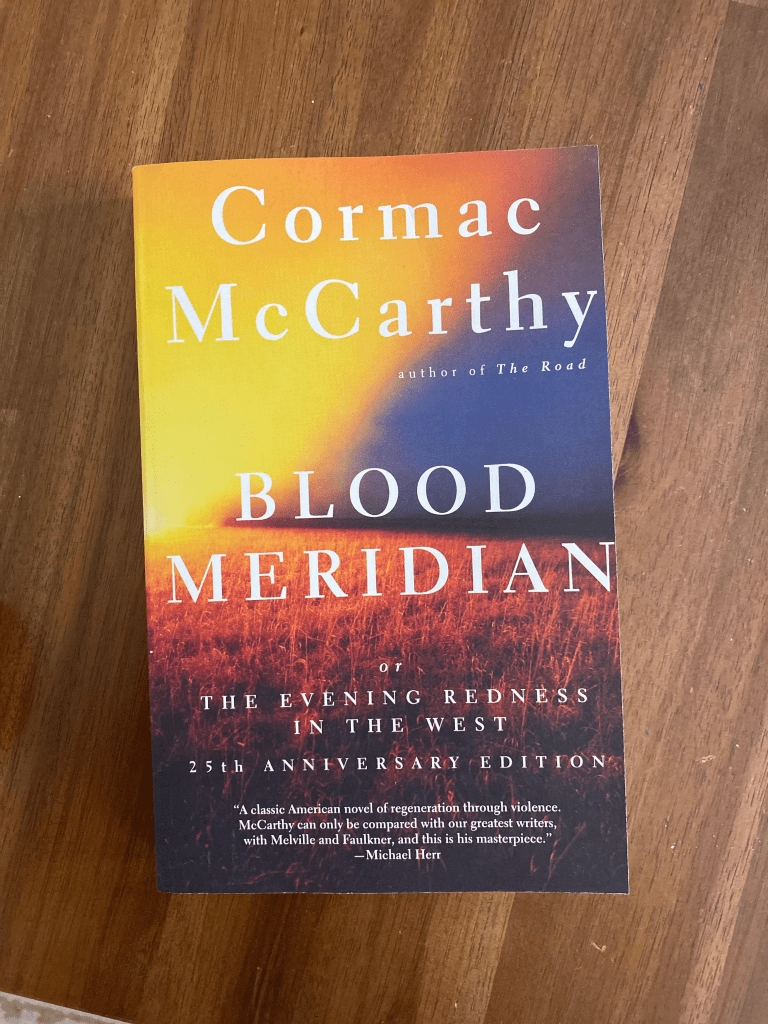
Blood Meridian by Cormac McCarthy
One reader had no problem calling Blood Meridian a masterpiece while simultaneously describing it as a slog. They admired its research, detail, and enormous vocabulary, but getting through all of that dense prose was another matter.
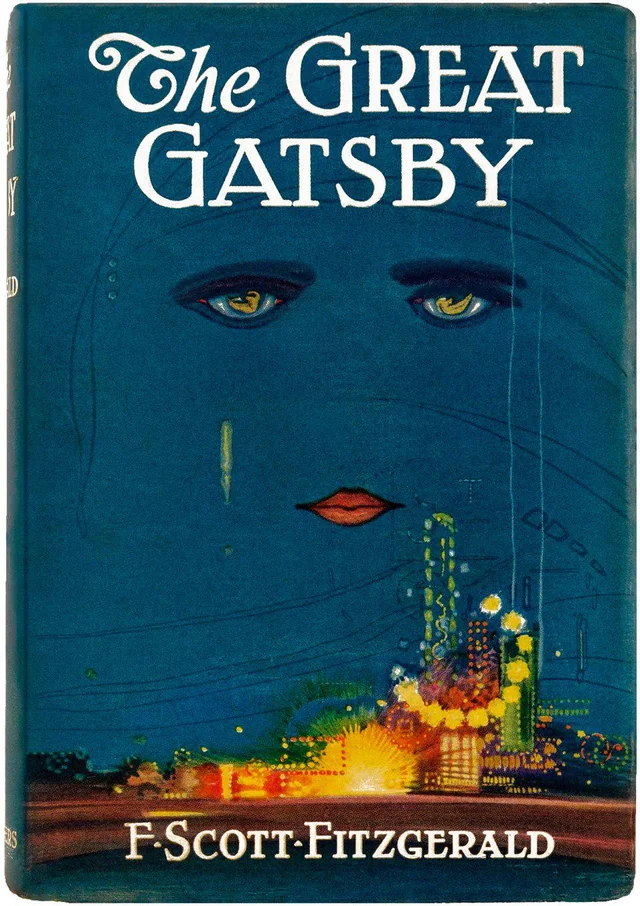
The Great Gatsby by F. Scott Fitzgerald
Not every supposedly unreadable classic is difficult because of experimental language or enormous length. One reader’s problem with The Great Gatsby was much simpler: they found it dull, while another complained that virtually everyone in it was unlikeable.
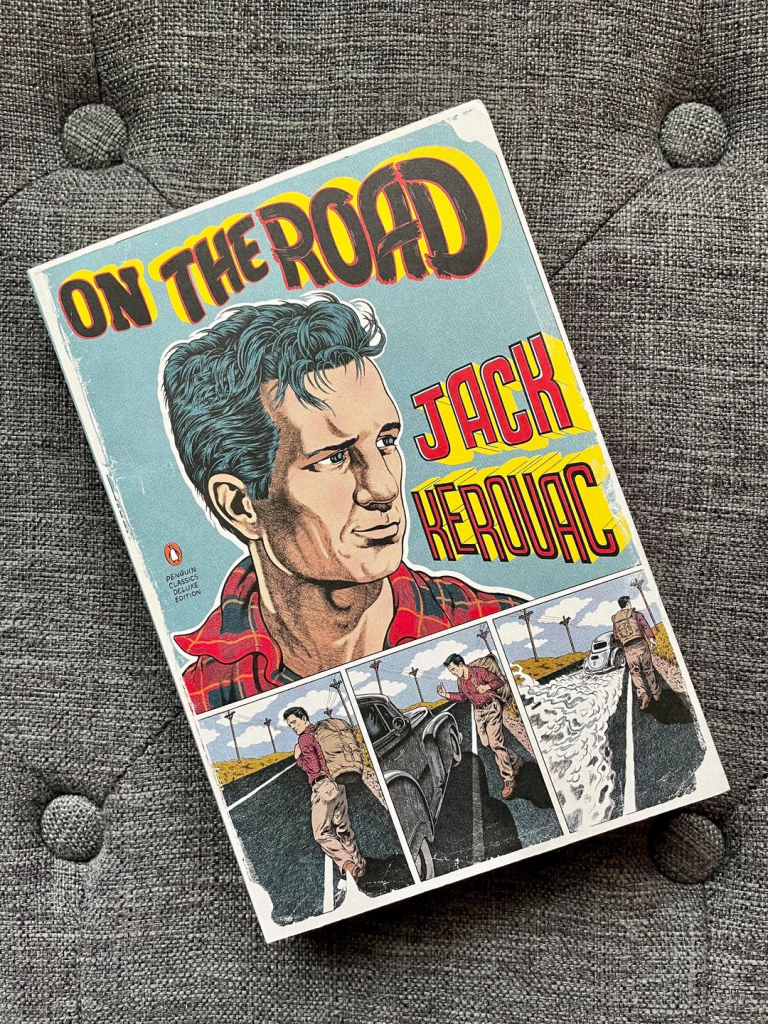
On the Road by Jack Kerouac
One reader understood the novel’s cultural importance and reputation as the voice of a generation but still couldn’t connect with it. They kept waiting for a plot to materialize and eventually concluded that Kerouac simply wasn’t for them.