15 Movie Details That Were Only Added Because the Studio Didn’t Understand


Studios have plenty of reasons to question a movie, especially when the story is unusual, the characters are complicated, or the director has a very specific vision. Sometimes those concerns lead to useful changes, but other decisions come from executives simply not understanding what makes the movie work. A strange note can result in an unnecessary line, an awkward scene, a forced explanation, or a marketing choice that changes how audiences experience the story. The fascinating part is discovering how often filmmakers had to defend something that eventually became obvious to viewers. These fifteen movies contain details that were added, changed, or explained because someone behind the scenes simply did not understand what the filmmakers were trying to do.
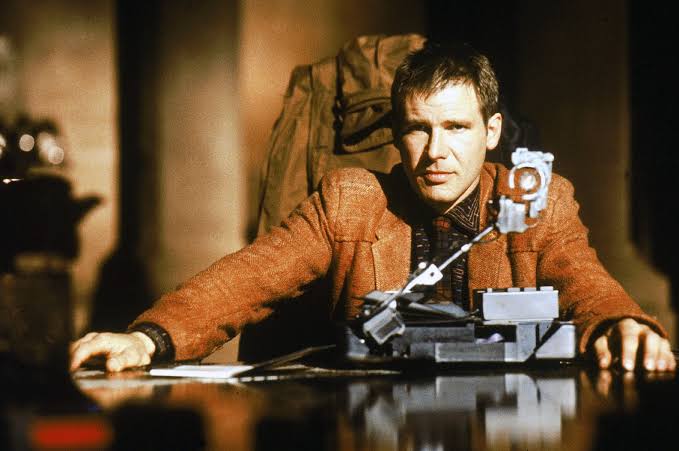
Blade Runner (1982)
The studio worried that audiences would not understand the movie’s complicated world, so Harrison Ford’s voiceover narration was added to explain what was happening, despite Ridley Scott’s preference for letting the visuals speak for themselves.
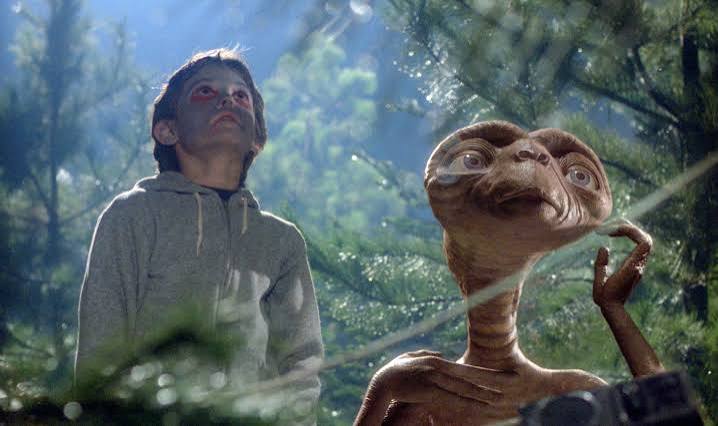
E.T. the Extra Terrestrial (1982)
Universal executives were concerned that the alien might frighten children and reportedly pushed for a friendlier presentation, while Spielberg fought to preserve E.T.’s unusual appearance and emotional qualities.
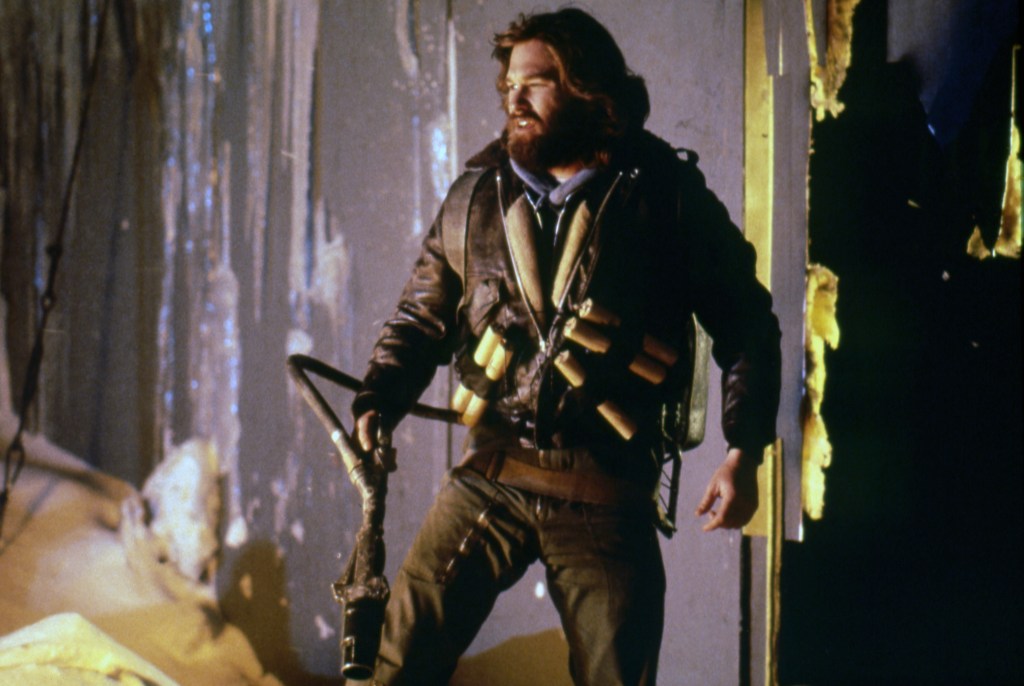
The Thing (1982)
The studio was nervous about audiences confusing the film with E.T., which opened the same year, and the marketing campaign struggled to communicate that John Carpenter’s movie was deliberately bleak and terrifying.

Alien (1979)
Executives initially questioned why the characters did not simply leave the spaceship, prompting concerns that the audience might not understand why the crew remained trapped in the situation.
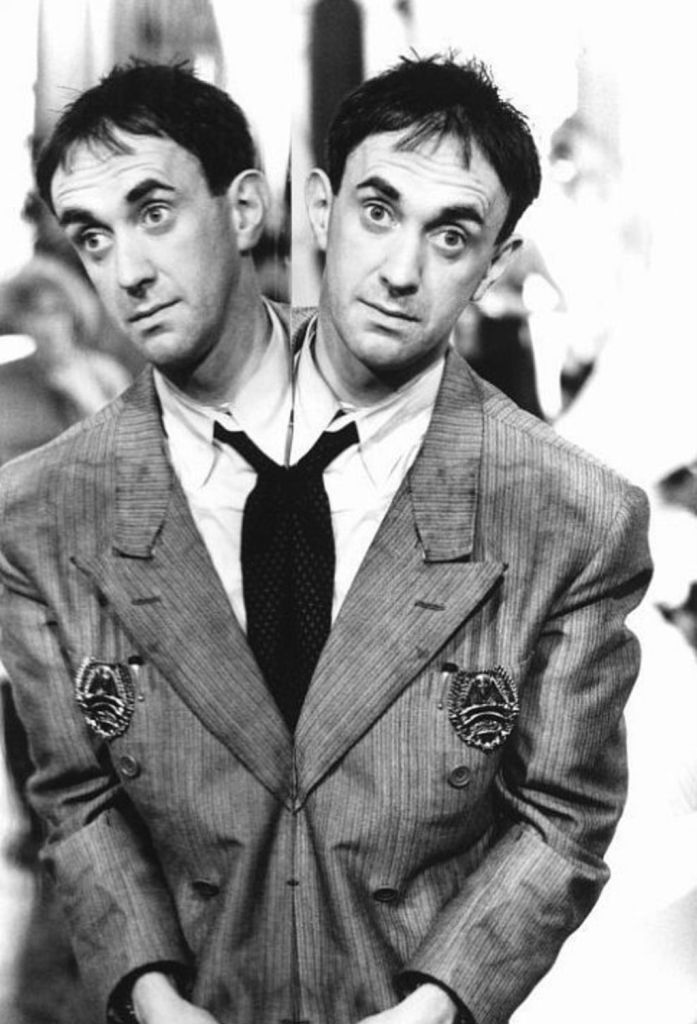
Brazil (1985)
Universal executives were deeply uncomfortable with Terry Gilliam’s bleak ending and pushed for a happier version, producing the infamous alternate American cut known as the “Love Conquers All” version.
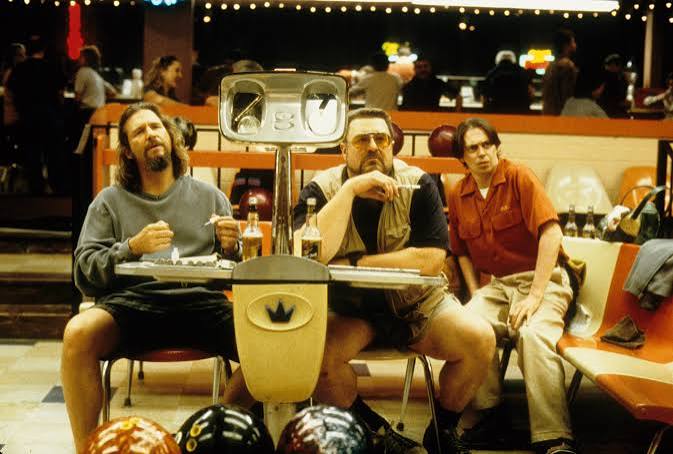
The Big Lebowski (1998)
The Coen brothers’ strange mixture of crime story, comedy, bowling, and surrealism left some executives unsure about the movie, leading to promotional decisions that tried to make its unusual premise easier to sell.
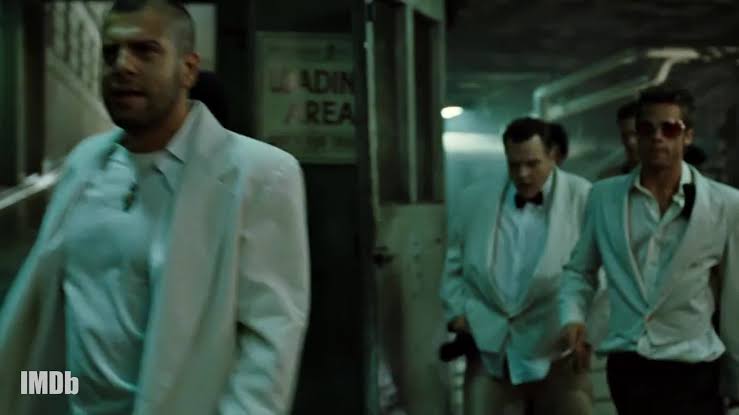
Fight Club (1999)
The studio reportedly struggled with how to market a movie that attacked consumer culture while also featuring extreme violence, leading to a marketing campaign that had to figure out what the film actually was.
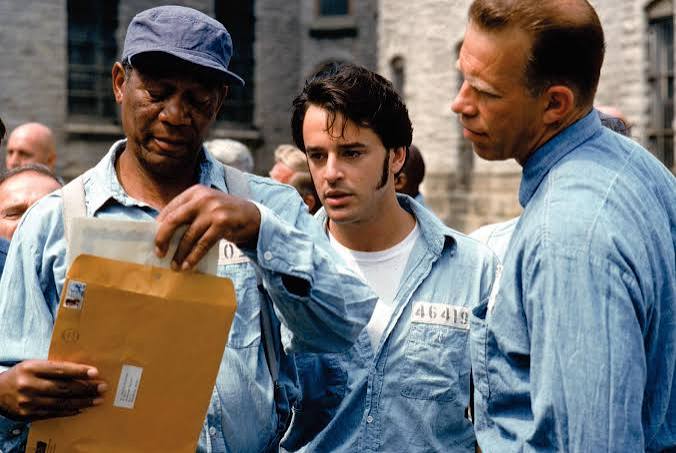
The Shawshank Redemption (1994)
Executives reportedly worried that the title was confusing and difficult to remember, eventually shortening the marketing focus to Shawshank because they believed audiences would struggle with the original name.
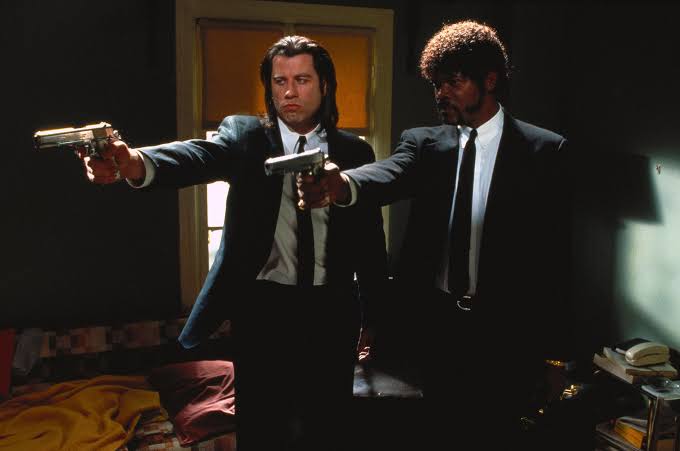
Pulp Fiction (1994)
The studio had concerns about the film’s unusual structure and lengthy runtime, but Quentin Tarantino resisted pressure to make the nonlinear story more conventional.

Eternal Sunshine of the Spotless Mind (2004)
The studio was concerned that audiences would not immediately understand the complicated memory erasure premise, so the film carefully establishes the rules without turning the story into a conventional science fiction explanation.
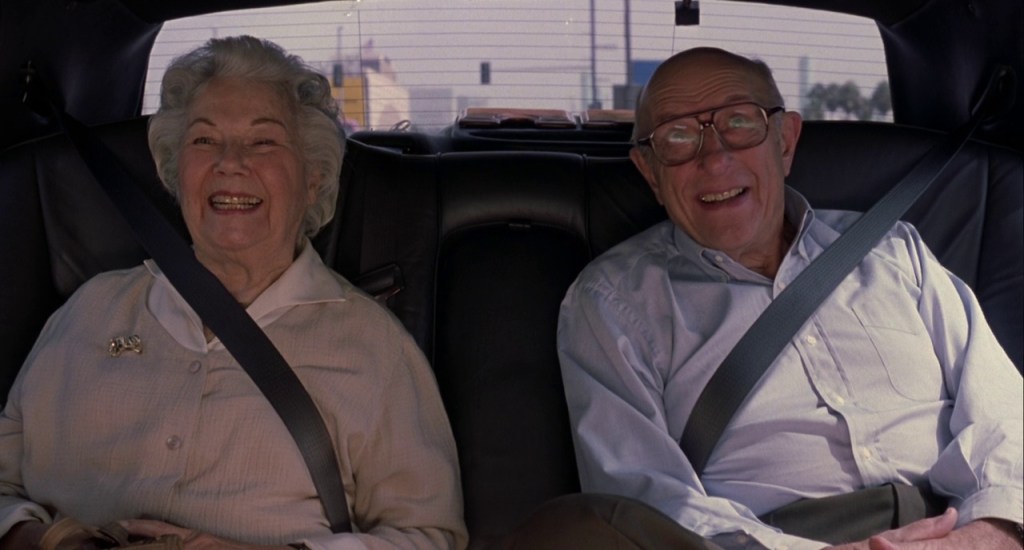
Mulholland Drive (2001)
David Lynch’s deliberately mysterious story was difficult for studio executives to categorize, and the movie was originally developed as a television pilot before being transformed into a feature film.
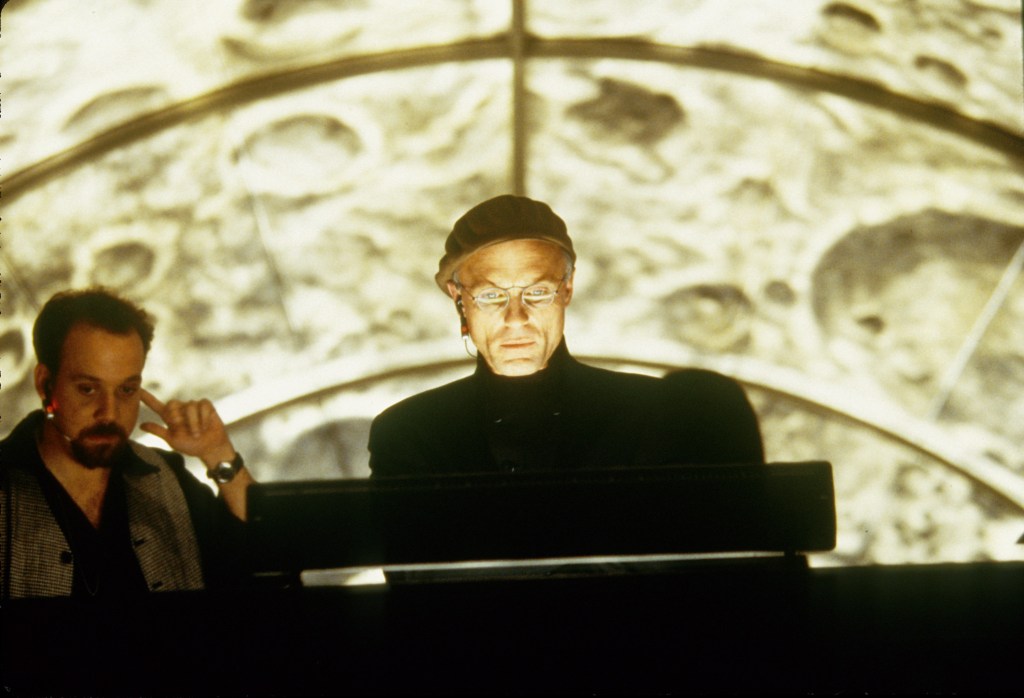
The Truman Show (1998)
The studio initially had concerns about the premise being too strange and difficult to explain, but the filmmakers resisted turning the concept into a straightforward science fiction movie and kept its satirical tone.

Donnie Darko (2001)
The studio was unsure how to market a movie involving teenage drama, time travel, mental illness, and a giant supernatural rabbit, and the theatrical release struggled to find an obvious audience.

Scott Pilgrim vs. the World (2010)
Executives worried that audiences unfamiliar with the graphic novels and video games would not understand the movie’s exaggerated visual language, but Edgar Wright kept the game inspired effects and unusual storytelling intact.
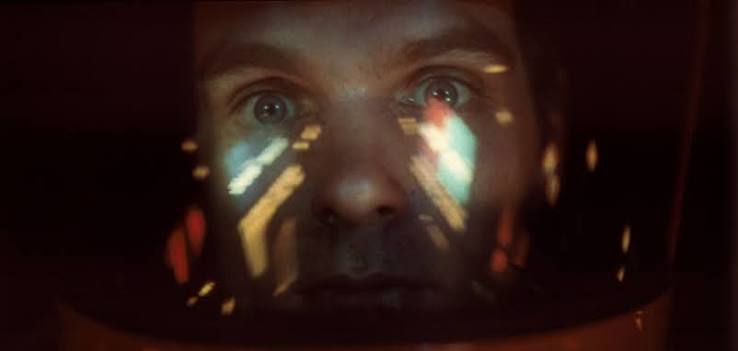
2001: A Space Odyssey (1968)
Executives and early viewers struggled with Stanley Kubrick’s deliberately ambiguous approach, and the movie’s lack of conventional explanations became one of the very qualities that eventually made it so influential.