Every American President’s Most Famous Photo

Before photography, presidents had to rely on painted portraits to shape how future generations would remember them. Once cameras arrived, things got considerably less predictable. A single photograph could capture a historic speech, an unexpected victory, a national tragedy, or simply a president doing something unusually memorable. Some of these images became inseparable from the men in them, while others helped define an entire presidency. For the earliest presidents, we’ll have to settle for the portraits that became their most familiar likenesses. From George Washington’s famous painted pose to modern presidents photographed during moments that instantly entered history, here’s one iconic image for every person who has held the office.
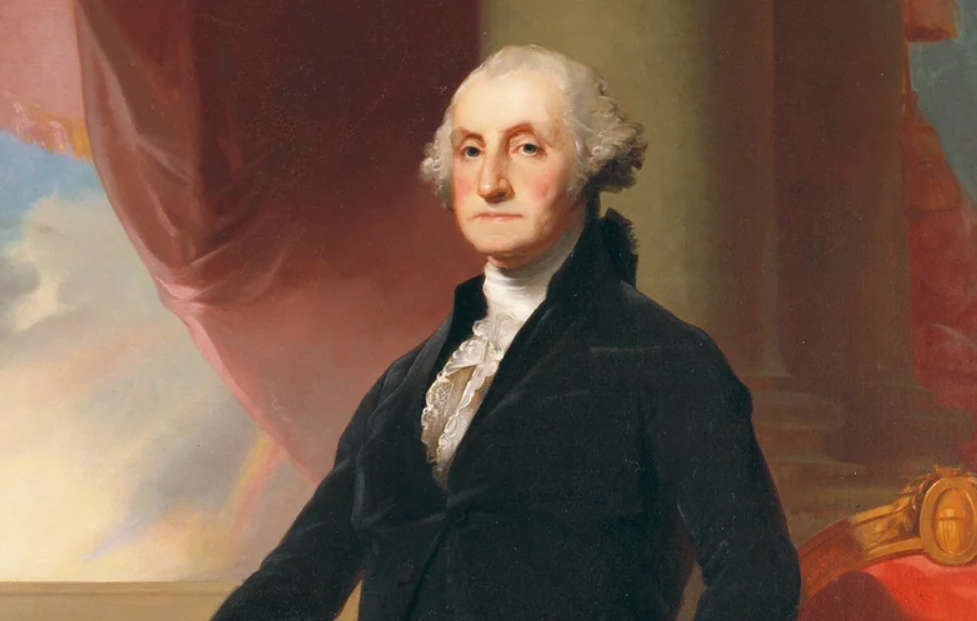
George Washington
Gilbert Stuart’s famous Lansdowne portrait became one of the defining images of Washington. Painted in 1796, it shows the first president standing beside a table in an elaborately symbolic setting.
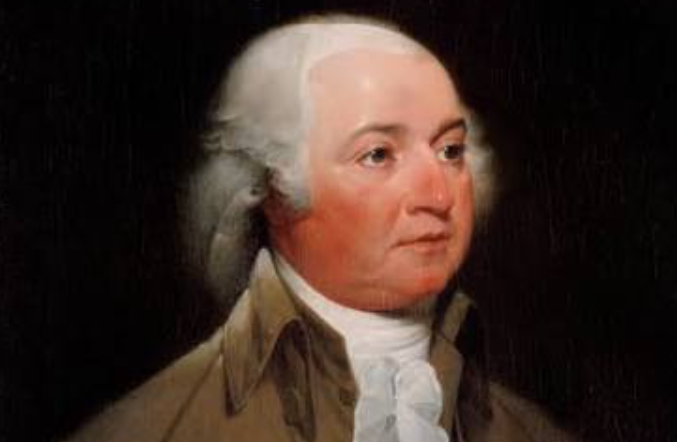
John Adams
John Trumbull’s portrait gave generations of Americans one of their most familiar images of the second president. With photography still decades away, paintings are as close as we’re getting.
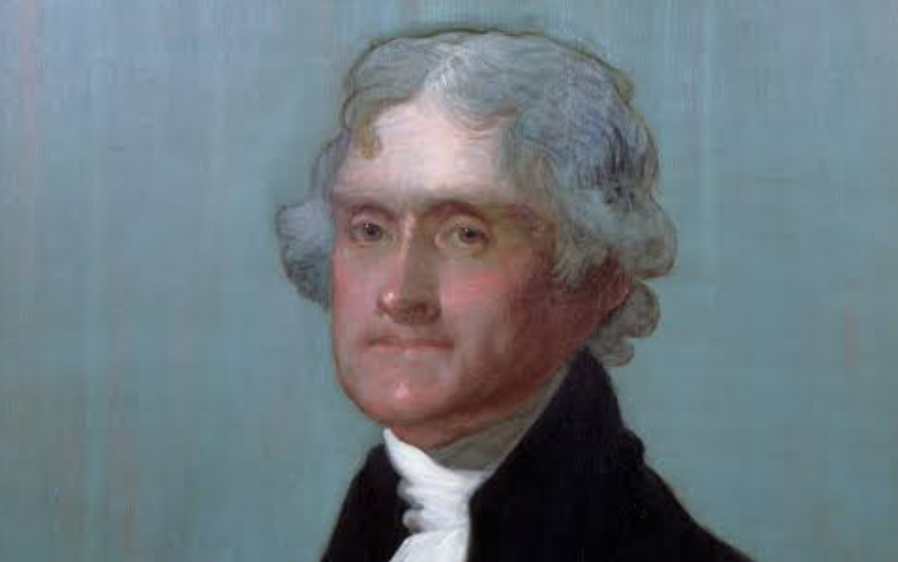
Thomas Jefferson
Gilbert Stuart also painted one of the best-known portraits of Thomas Jefferson. His familiar profile and distinctive hair make this version instantly recognizable.
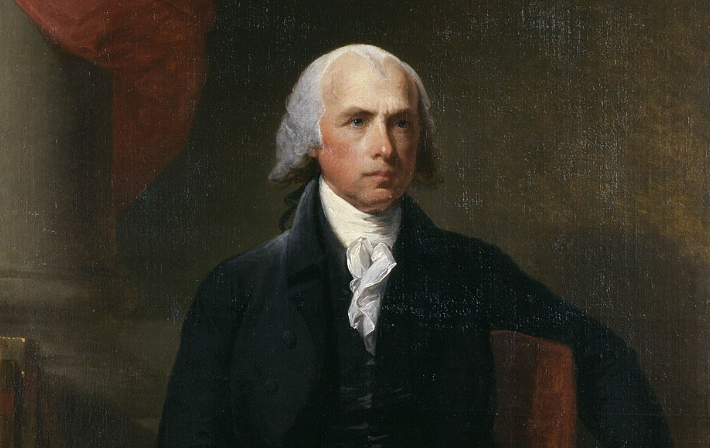
James Madison
James Madison’s most familiar image comes from another Gilbert Stuart portrait. The fourth president appears seated against a dark background in a relatively simple composition.
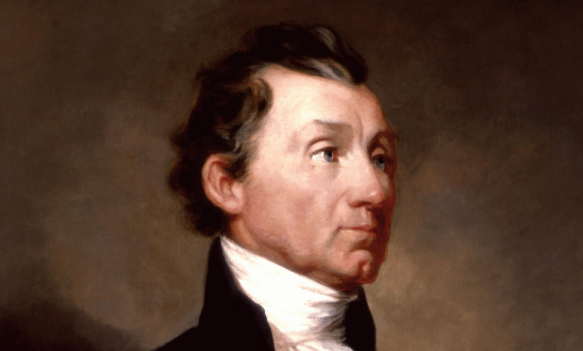
James Monroe
Samuel Morse painted one of the portraits most closely associated with James Monroe. Yes, that’s the same Morse whose name would later become synonymous with Morse code.
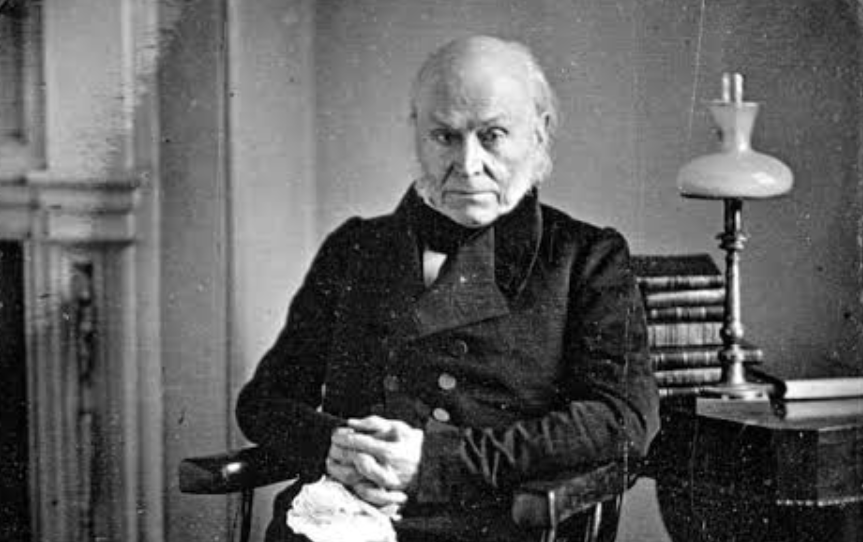
John Quincy Adams
Here’s where actual photography enters the picture. An 1843 daguerreotype of John Quincy Adams is the oldest surviving photograph of a U.S. president, although Adams was no longer in office when it was taken.
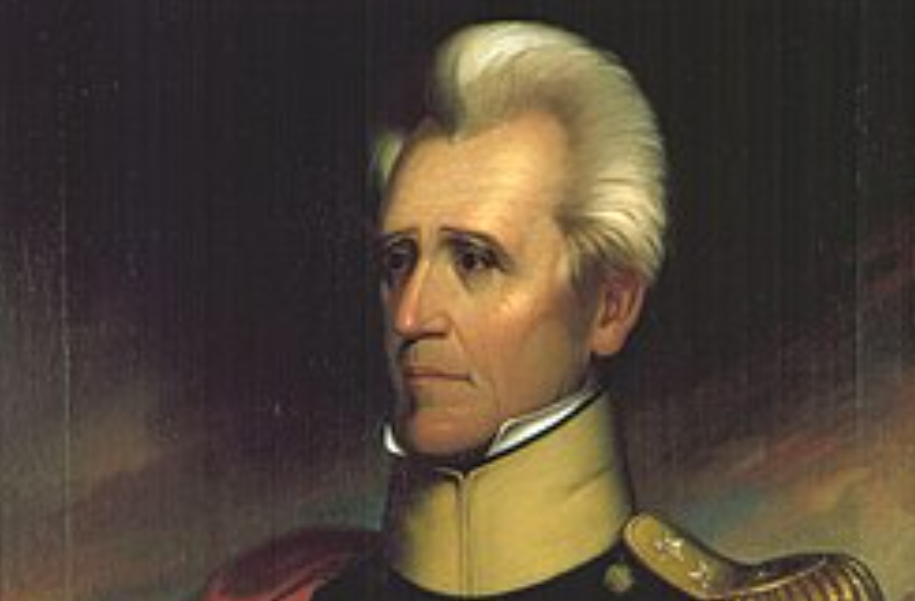
Andrew Jackson
Ralph E. W. Earl painted numerous images of Andrew Jackson, including the portrait that became his familiar presidential likeness. His unmistakable swept-back white hair does most of the identifying.
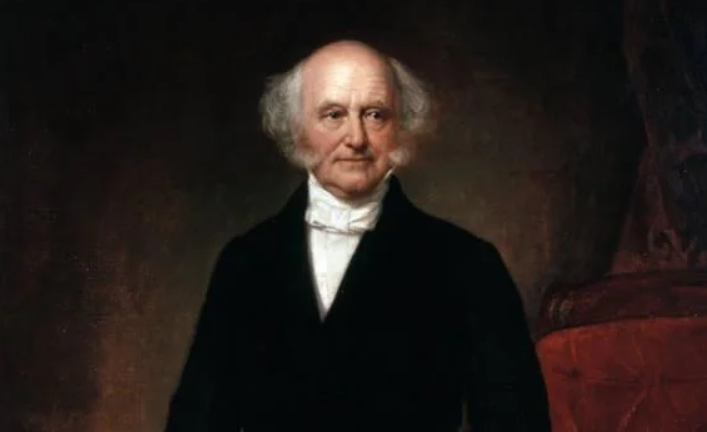
Martin Van Buren
Martin Van Buren’s enormous sideburns make him fairly difficult to confuse with anyone else. His classic presidential portrait captured them in all their glory.
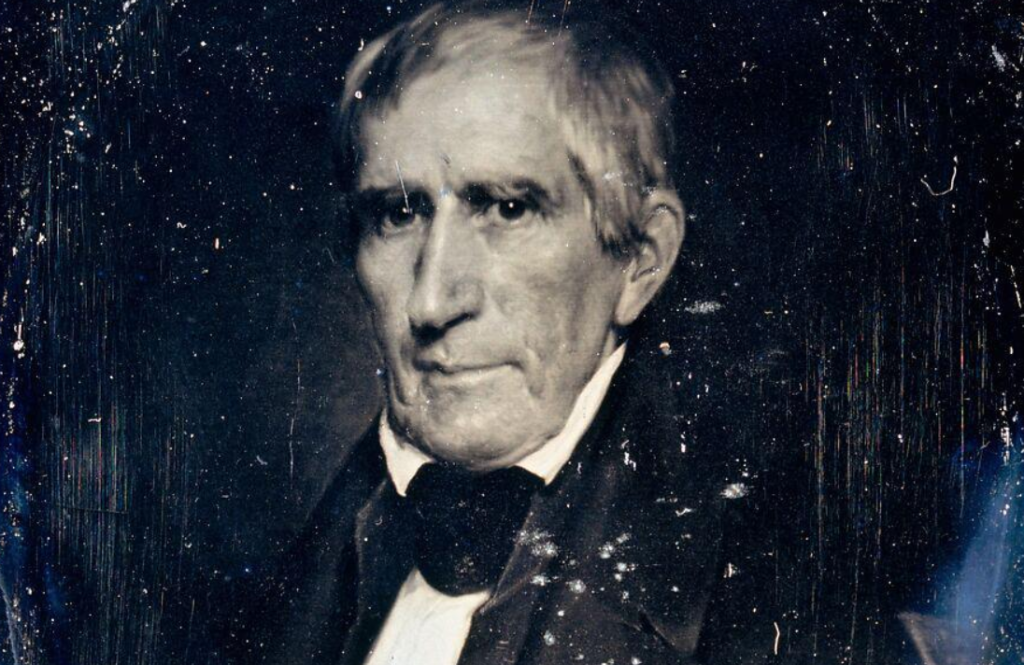
William Henry Harrison
William Henry Harrison served only 31 days as president, leaving little time to establish a presidential image. His traditional painted portrait remains the likeness most people encounter today.
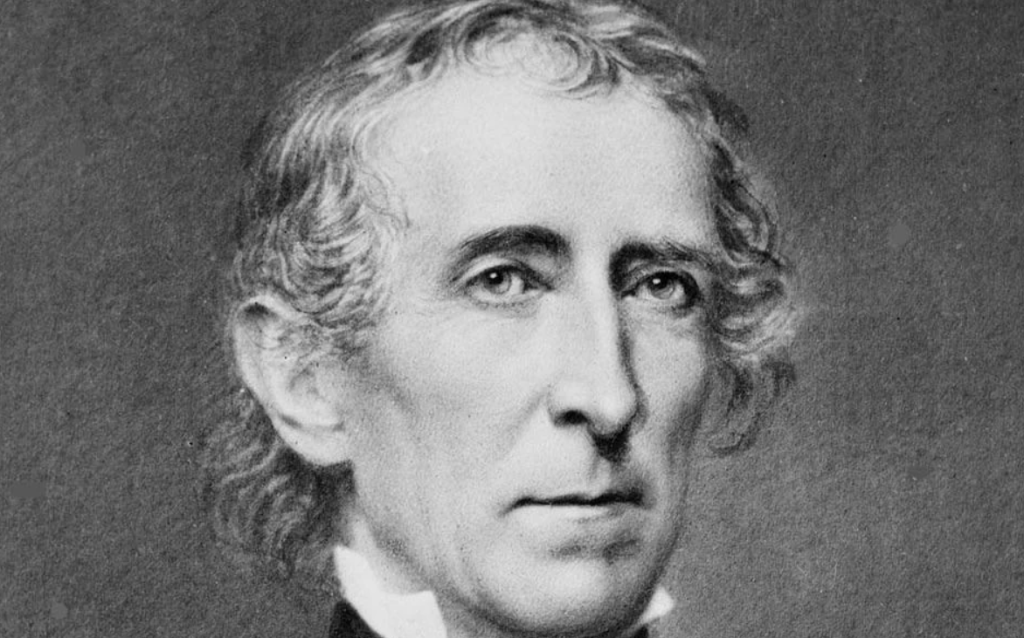
John Tyler
John Tyler lived well into the photographic era, so we actually have photographs of America’s 10th president. His later-life portraits are a remarkable jump from the paintings of his predecessors.
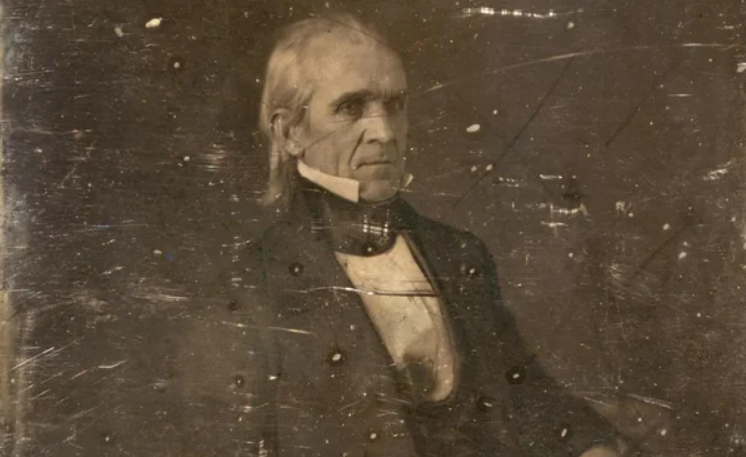
James K. Polk
James K. Polk became the first sitting president to be extensively photographed. His surviving daguerreotypes give us an unusually direct look at a president from the 1840s.
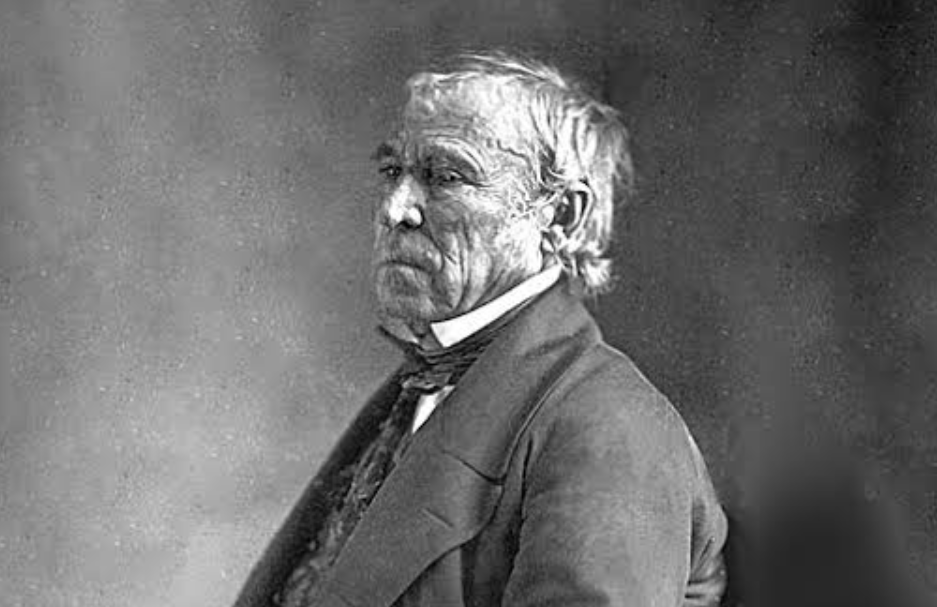
Zachary Taylor
Zachary Taylor was another early president who sat for the camera. His surviving daguerreotypes show the former military commander looking appropriately stern.
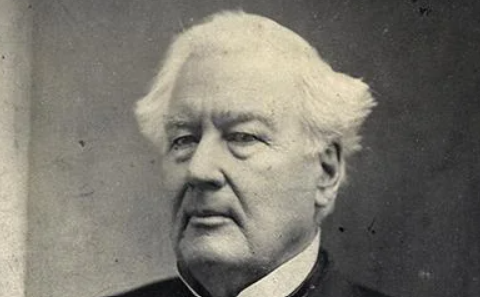
Millard Fillmore
By Millard Fillmore’s time, presidential photography was becoming considerably less unusual. His best-known photographs capture his distinctive high collar and carefully combed hair.
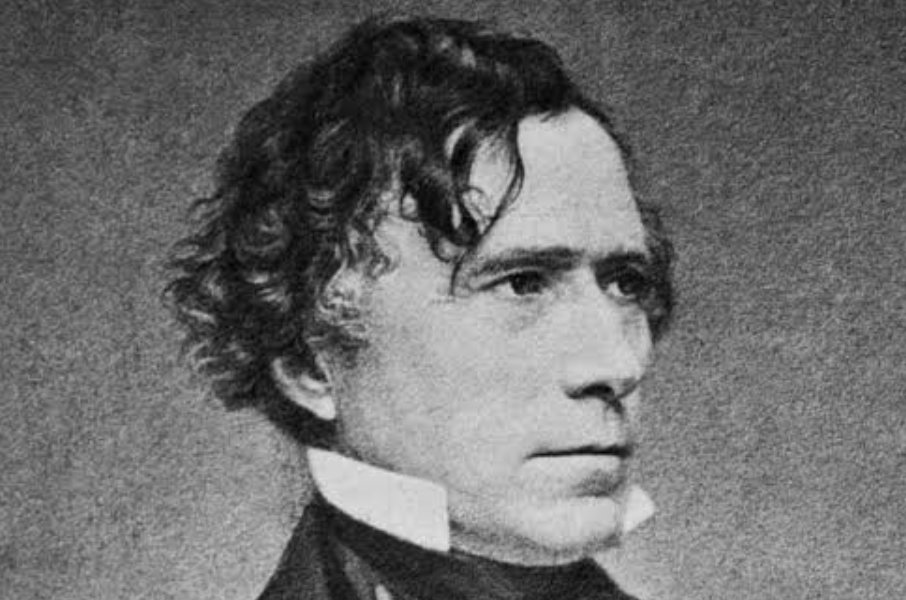
Franklin Pierce
Franklin Pierce was photographed numerous times, leaving behind a much more realistic record than America’s earliest presidents. His formal portraits are generally serious and appropriately 1850s.
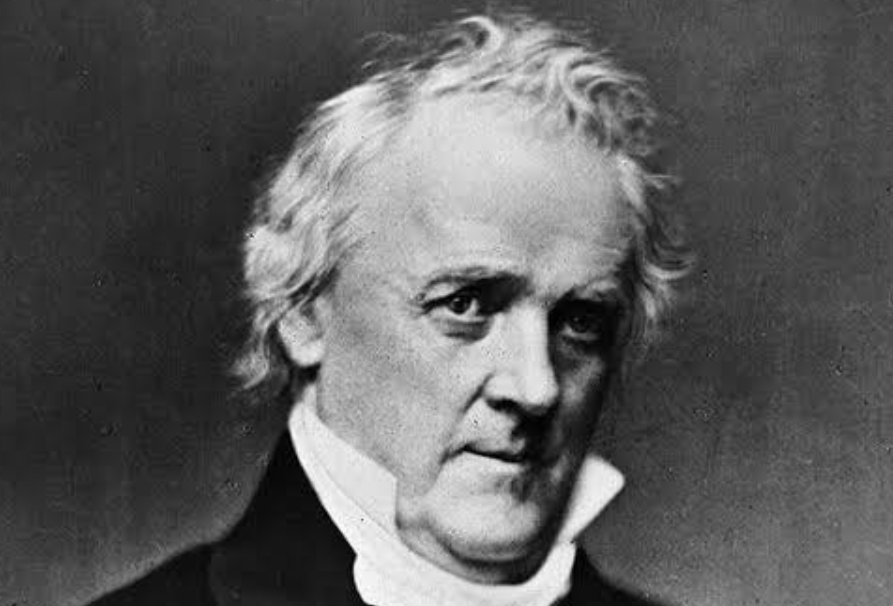
James Buchanan
James Buchanan’s photographs make him surprisingly easy to recognize. His uneven hairstyle became almost as distinctive as the expression he wore in many portraits.
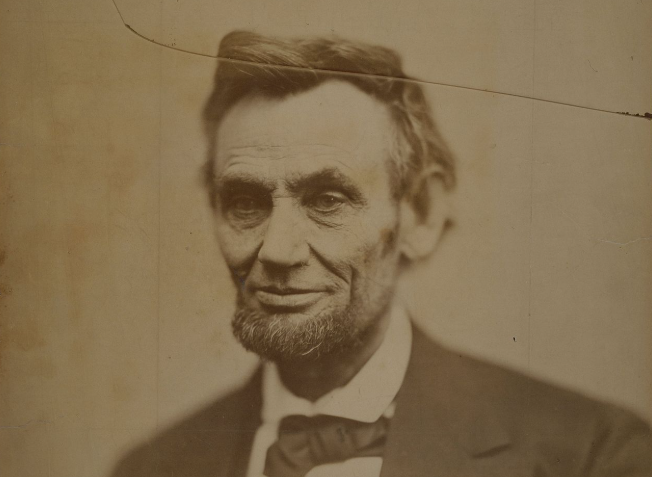
Abraham Lincoln
Few presidents were photographed as memorably as Abraham Lincoln. Alexander Gardner’s portraits helped create the solemn, weathered image of Lincoln that remains familiar more than 160 years later.
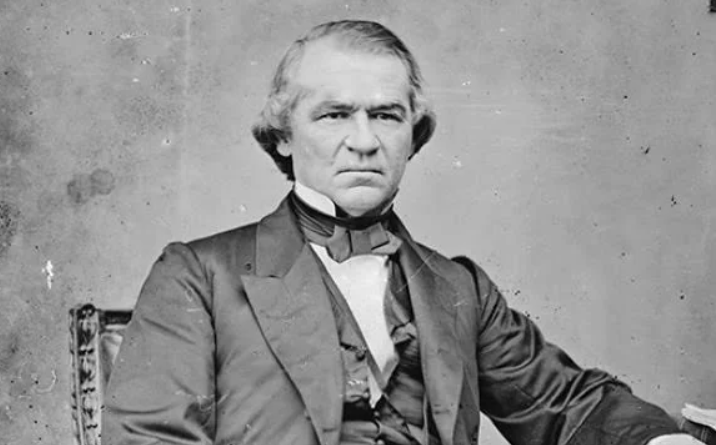
Andrew Johnson
Andrew Johnson’s formal photographs are closely associated with his presidency. His stern expression certainly fits the turbulent years he spent in office after Lincoln’s assassination.
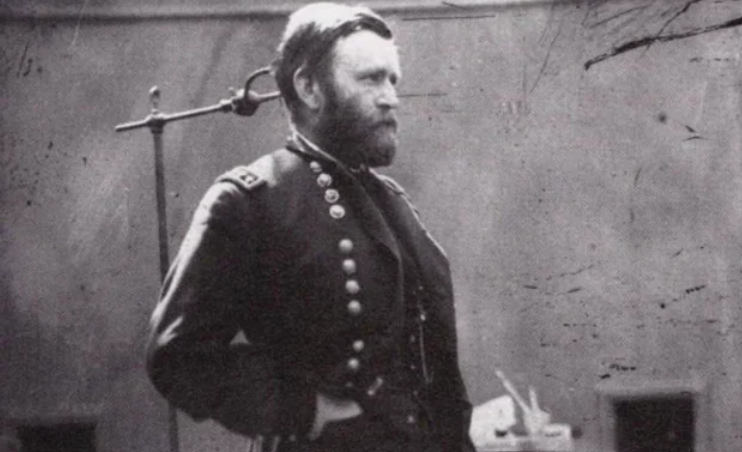
Ulysses S. Grant
Some of Grant’s most recognizable photographs actually come from his Civil War years. Images of the bearded general in uniform became inseparable from the man who would later become president.
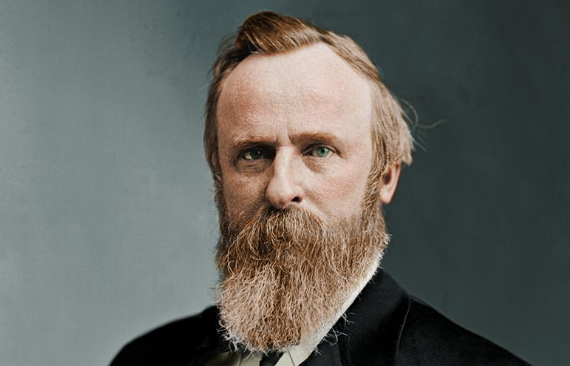
Rutherford B. Hayes
Rutherford B. Hayes left behind plenty of formal photographs. His spectacular beard makes identifying him considerably easier than identifying some of his presidential neighbors.
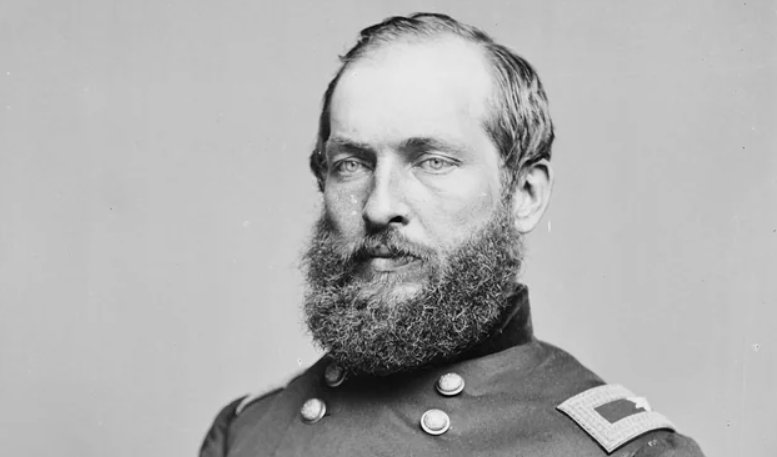
James A. Garfield
James Garfield’s presidency lasted only a few months, but photography had become established enough to preserve numerous portraits. His beard and intense stare dominate many of them.
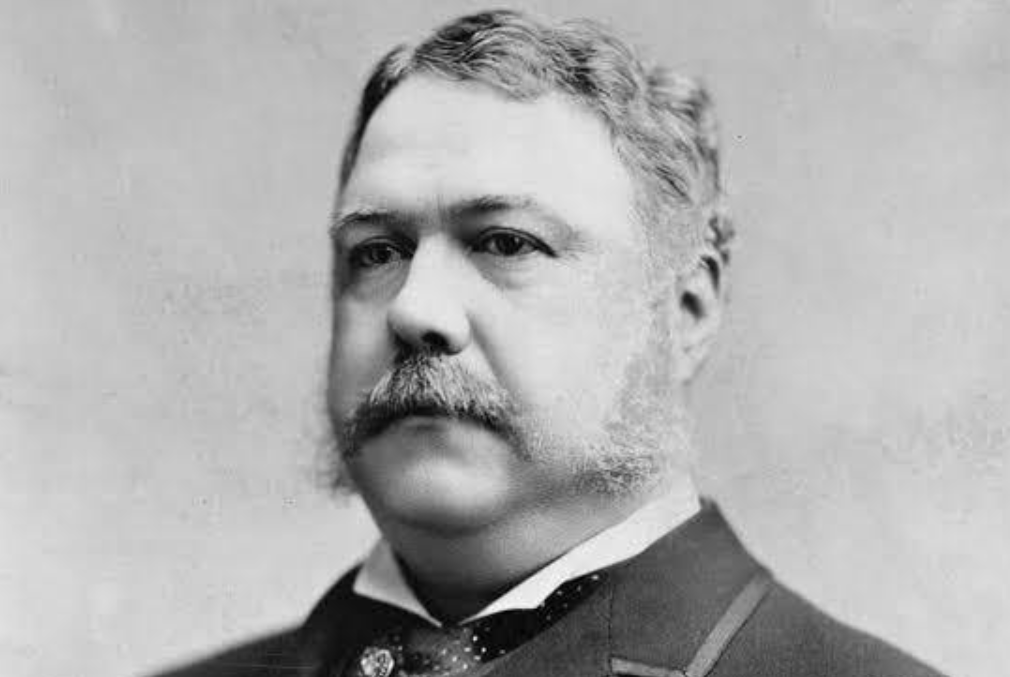
Chester A. Arthur
Chester A. Arthur understood the power of presentation. His enormous sideburns, carefully styled mustache, and fashionable clothing make his portraits among the more memorable of the era.
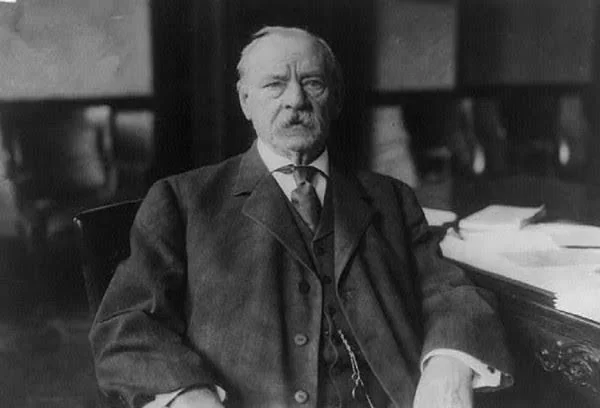
Grover Cleveland
Grover Cleveland’s formal photographs usually feature his unmistakable mustache. He remains the only president besides Donald Trump to serve two nonconsecutive terms.
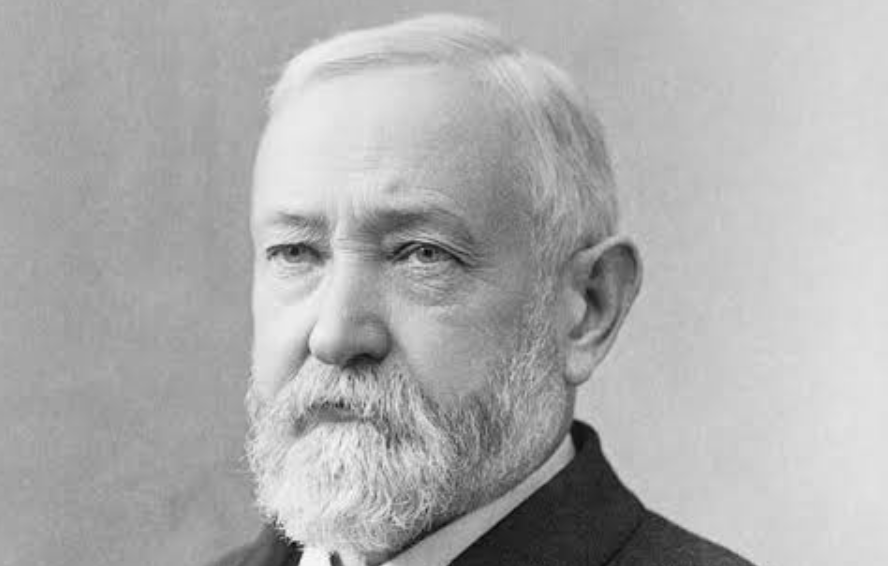
Benjamin Harrison
Benjamin Harrison was another heavily bearded president of the late 19th century. His official-looking photographic portraits became his most familiar images.
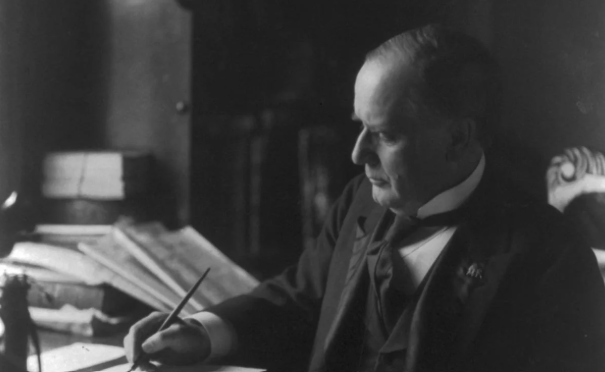
William McKinley
William McKinley’s presidential portraits capture the dignified public image he cultivated while in office. By his presidency, photography had firmly replaced painting as the primary visual record.
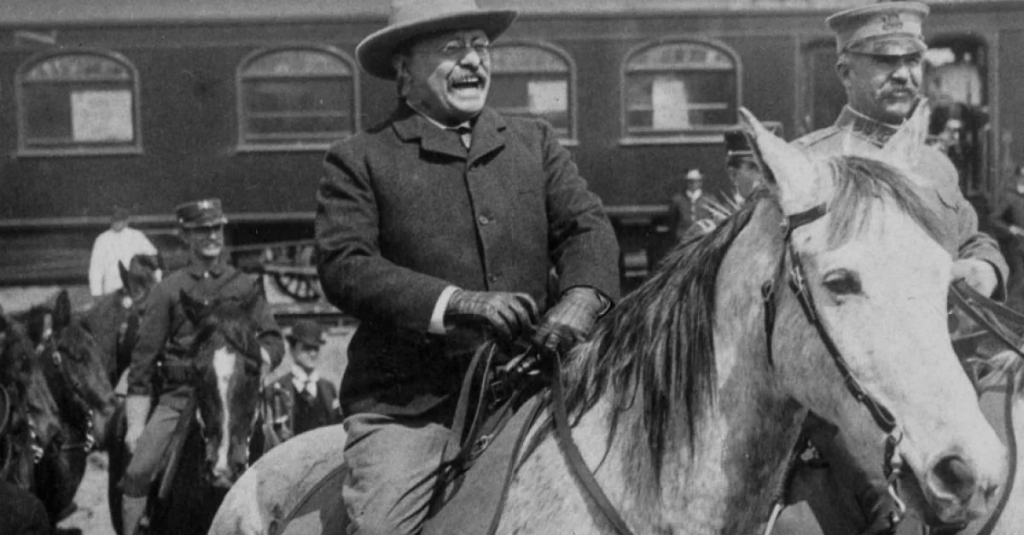
Theodore Roosevelt
Theodore Roosevelt was photographed doing just about everything, but images of him on horseback perfectly fit his carefully cultivated outdoorsman persona. Few presidents seemed happier to have a camera following them.
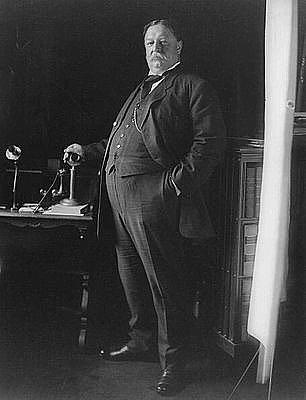
William Howard Taft
Full-body photographs of William Howard Taft became particularly recognizable because of his imposing physical presence. At more than 300 pounds, he remains the heaviest U.S. president.
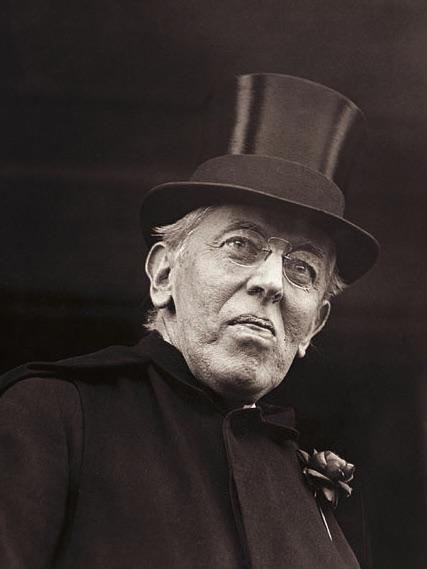
Woodrow Wilson
Woodrow Wilson’s formal photographs became some of the defining images of his presidency and the World War I era. His pince-nez glasses make him particularly easy to identify.
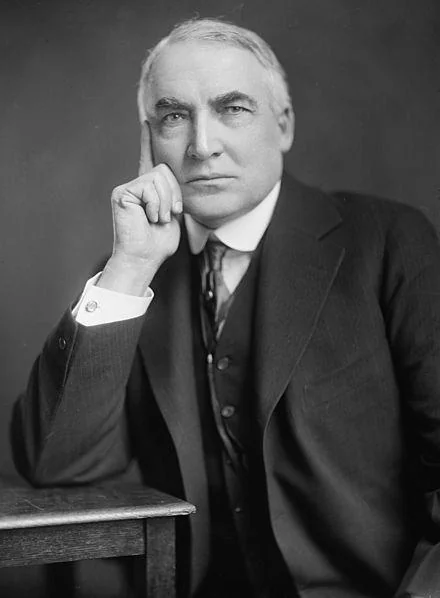
Warren G. Harding
Harding looked every bit the early 20th-century president in his formal photographs. His portraits generally show him impeccably dressed, with his distinctive white hair swept back.
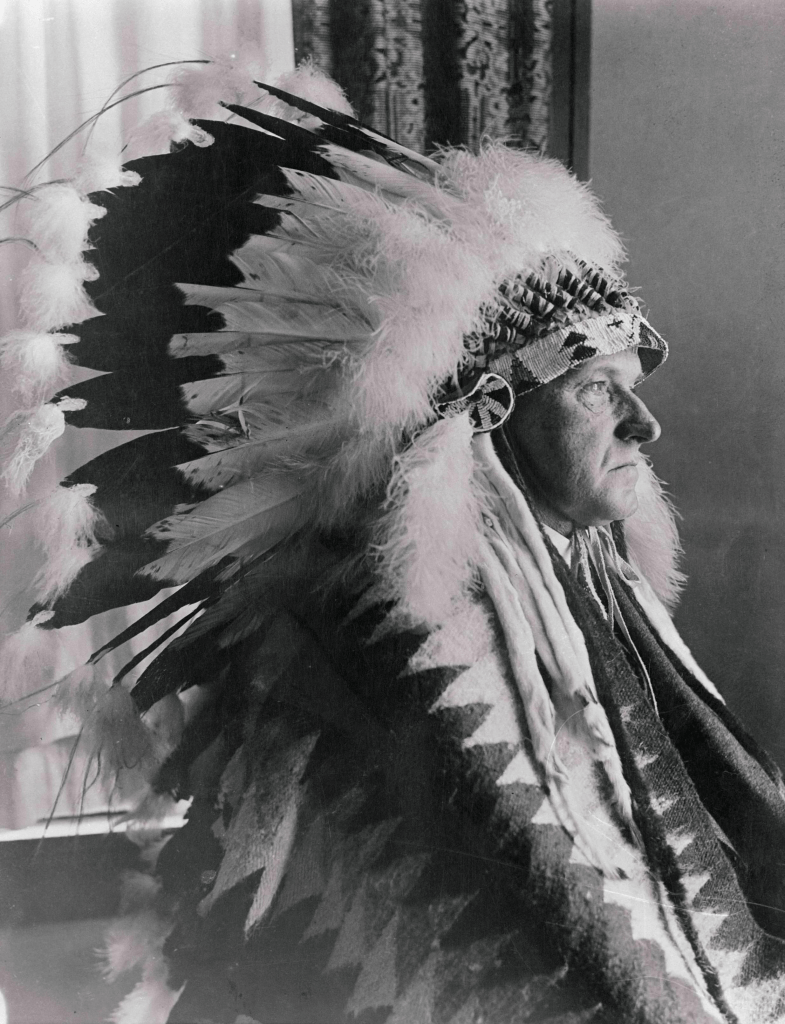
Calvin Coolidge
One of the strangest presidential images shows Calvin Coolidge wearing a large feathered headdress during a 1927 visit to South Dakota. It’s considerably harder to forget than another picture of him behind a desk.
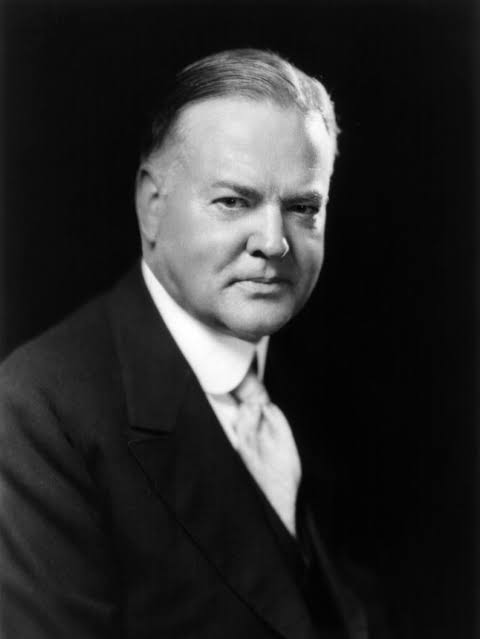
Herbert Hoover
Herbert Hoover’s formal portraits are strongly associated with the beginning of the Great Depression. His serious expression feels especially fitting in retrospect.
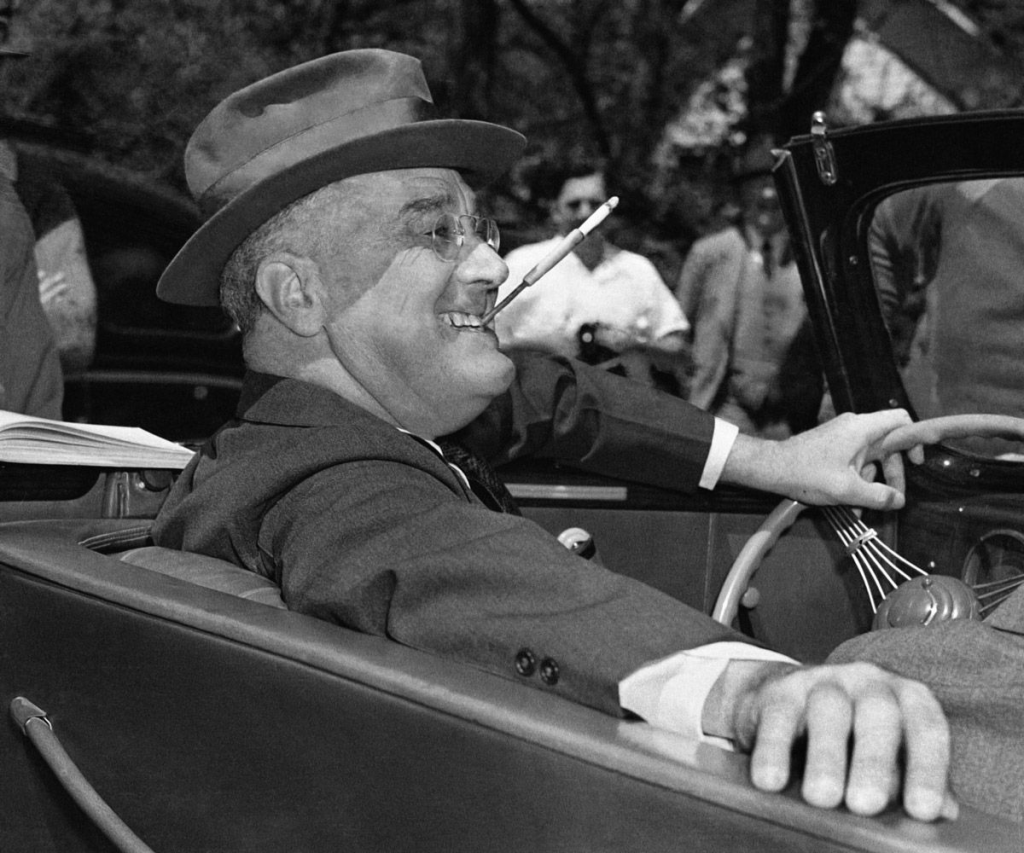
Franklin D. Roosevelt
Franklin Roosevelt was frequently photographed smiling broadly, an image that complemented the confidence he projected during extraordinarily difficult years. Many photographs carefully obscured the extent of his paralysis.
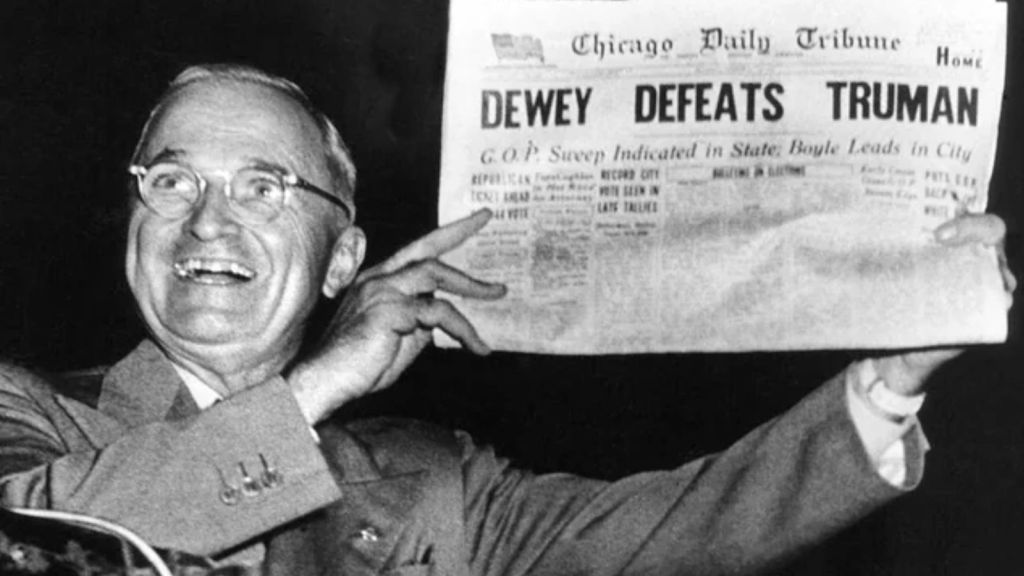
Harry S. Truman
Truman holding up a newspaper incorrectly declaring “Dewey Defeats Truman” became one of the great political photographs. He had just won the 1948 election that the paper confidently predicted he’d lose.
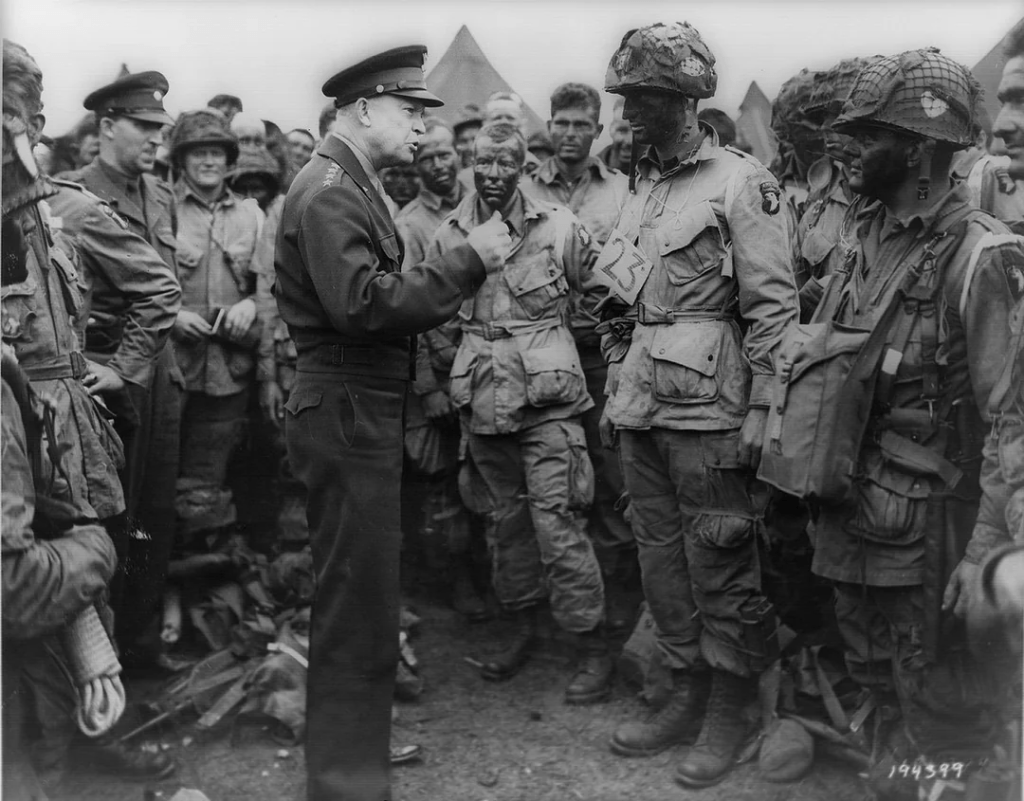
Dwight D. Eisenhower
A famous photograph shows Eisenhower speaking with American paratroopers shortly before D-Day. The men were preparing for an invasion whose outcome nobody could yet know.
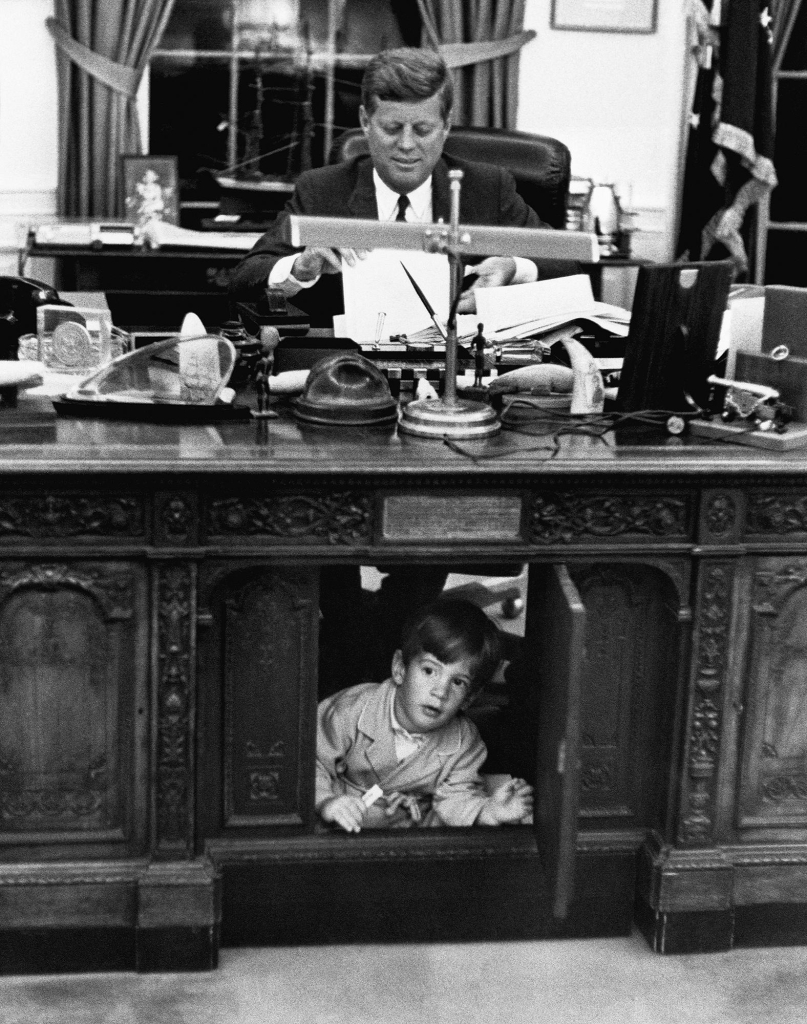
John F. Kennedy
One beloved White House photograph shows John F. Kennedy working while his young son John Jr. plays beneath the Resolute desk. It offered an unusually intimate glimpse of presidential family life.
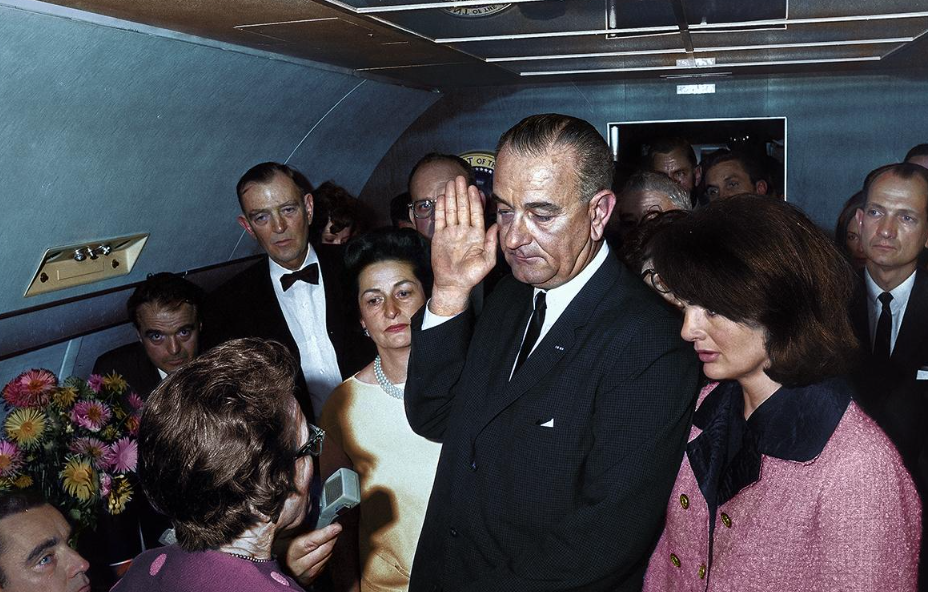
Lyndon B. Johnson
Johnson’s swearing-in aboard Air Force One became one of the most consequential presidential photographs ever taken. Jackie Kennedy stands beside him, still wearing the suit she had worn when her husband was assassinated.
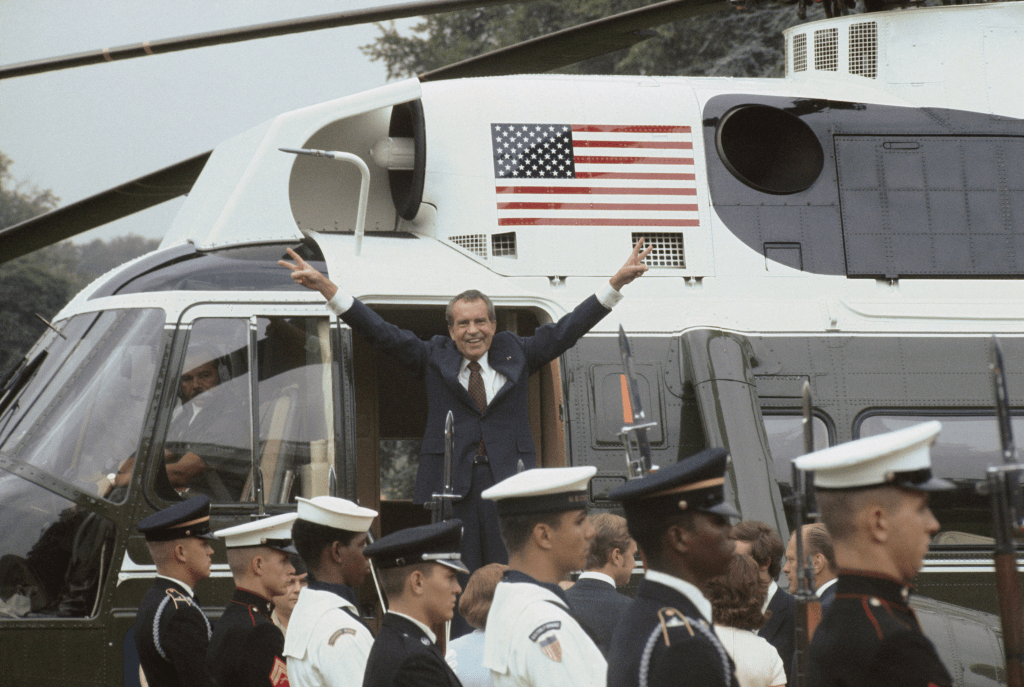
Richard Nixon
Richard Nixon raised both arms and flashed his familiar V signs before leaving the White House after resigning in 1974. The image became an unforgettable final scene of the Watergate scandal.
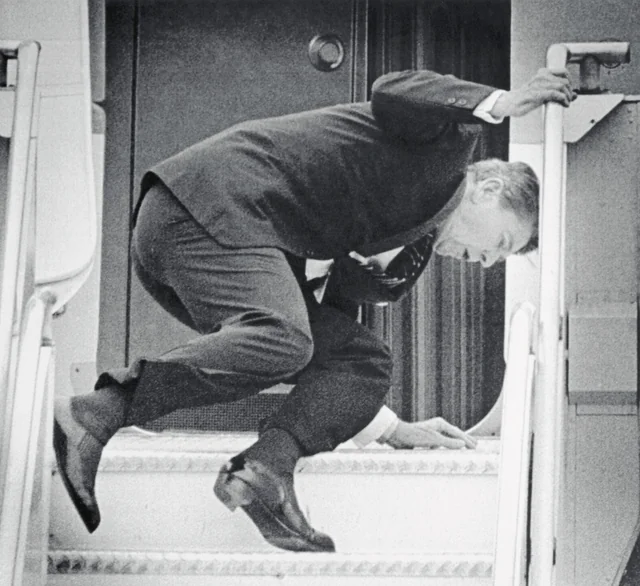
Gerald Ford
Ford’s reputation for clumsiness was reinforced by images of him stumbling on the stairs of Air Force One. The athletic former college football player never completely escaped the joke.
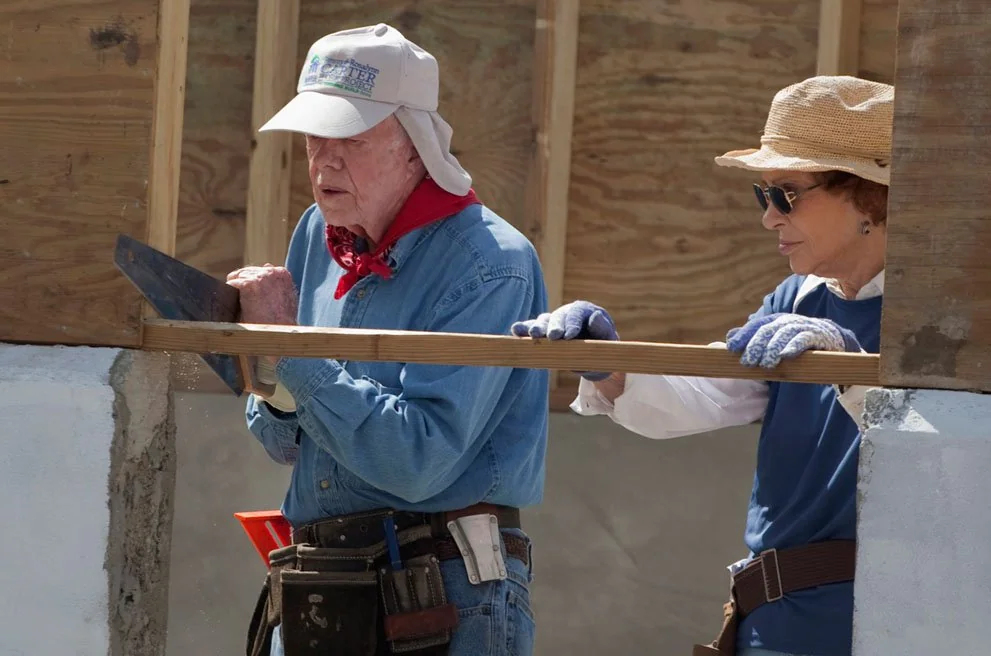
Jimmy Carter
Images of Jimmy Carter building homes with Habitat for Humanity became closely associated with his long post-presidential life. He continued working with the organization well into his 90s.
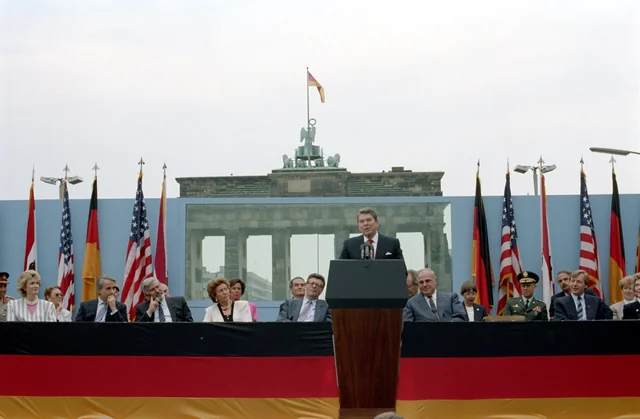
Ronald Reagan
Reagan standing near the Brandenburg Gate in 1987 accompanied one of his presidency’s defining moments. It was there that he famously challenged Mikhail Gorbachev to tear down the Berlin Wall.
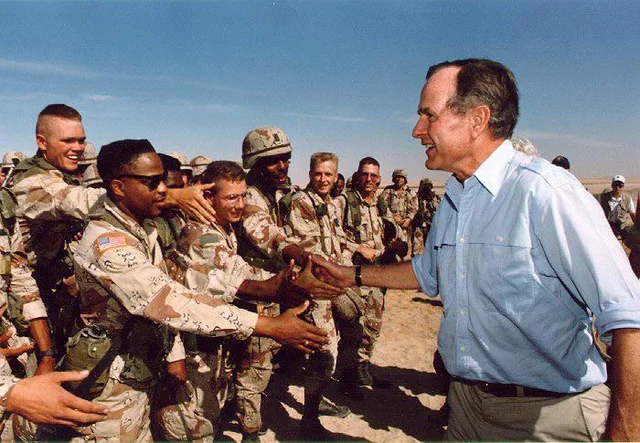
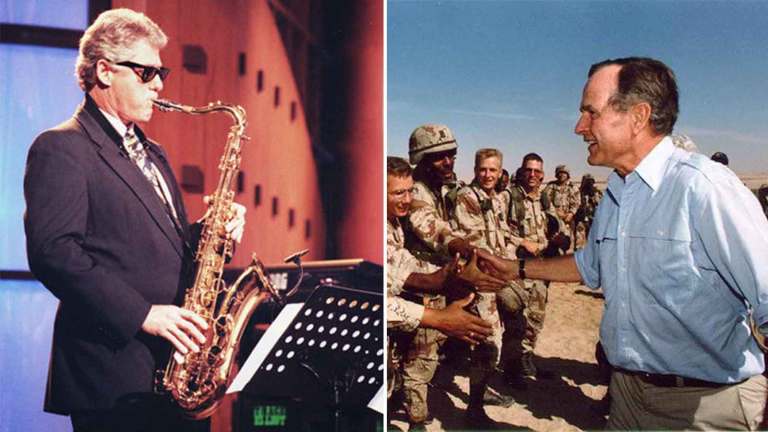
George H. W. Bush
Images of George H. W. Bush visiting American troops became strongly associated with his presidency during the Gulf War era. His own background as a World War II pilot added another layer to those photographs.
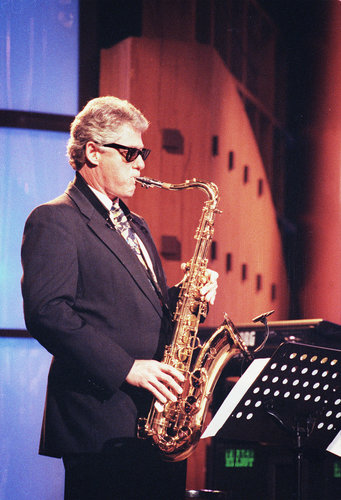
Bill Clinton
Bill Clinton playing the saxophone became part of his public image before he even reached the White House. His 1992 appearance on The Arsenio Hall Show remains one of the most recognizable images of his first presidential campaign.
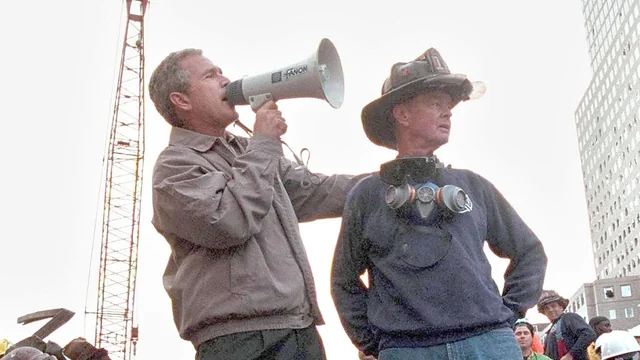
George W. Bush
Days after the September 11 attacks, George W. Bush stood on rubble at Ground Zero with his arm around a firefighter and a bullhorn in his hand. The moment became one of the defining images of his presidency.
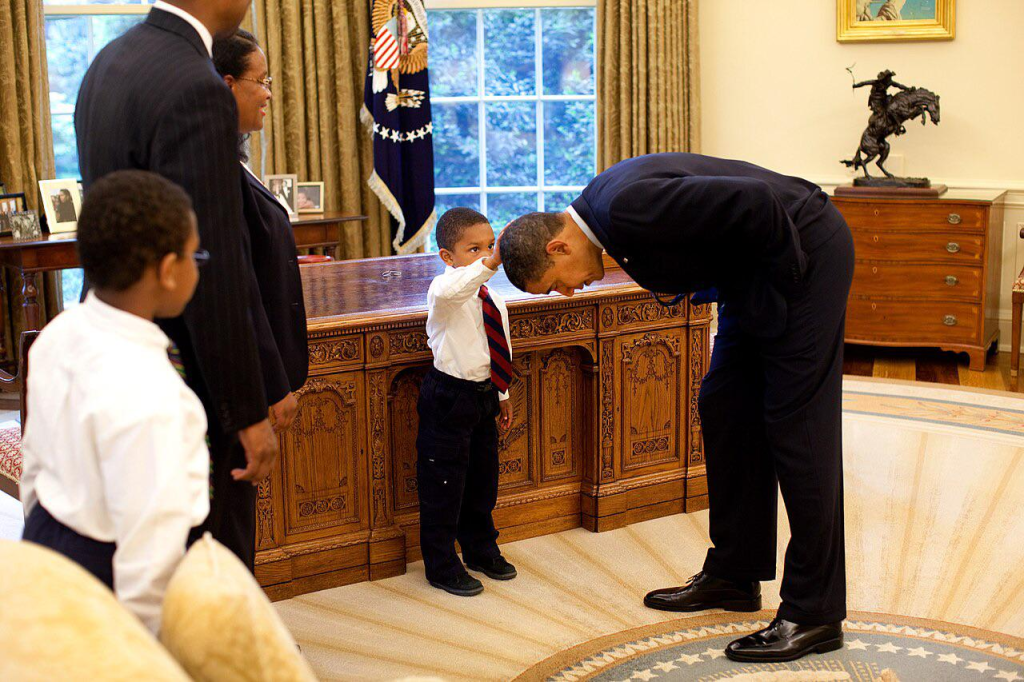
Barack Obama
A 2009 photograph captured five-year-old Jacob Philadelphia touching Barack Obama’s hair in the Oval Office. The quietly personal image became one of White House photographer Pete Souza’s most celebrated pictures.
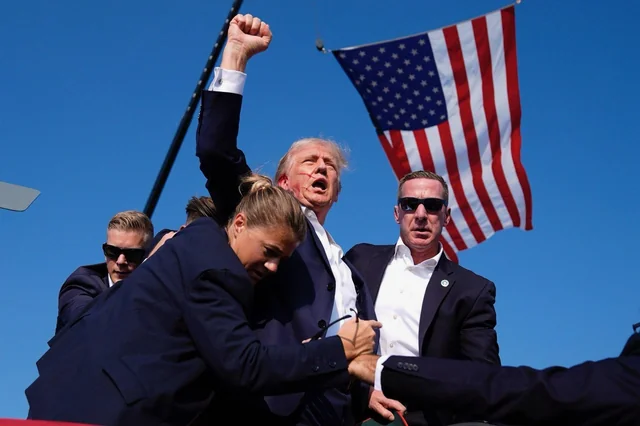
Donald Trump
After surviving an assassination attempt at a 2024 campaign rally in Butler, Pennsylvania, Donald Trump raised his fist as Secret Service agents surrounded him. The photograph immediately became one of the defining images of his political career.
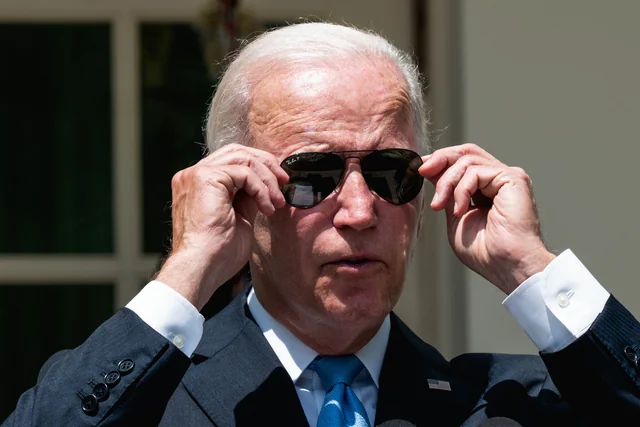
Joe Biden
Joe Biden’s aviator sunglasses became such a familiar part of his public image that the White House regularly leaned into the association. Few presidential accessories have been quite so consistently tied to their wearer.