15 Real Life Animals Scarier Than Any Movie Monsters

What exactly inspires movie makers to create the fearsome creatures we see in theatres? More often than not, they’re simple representations of human nature, but they can also be based on surprisingly mundane things. Well, mundane in the sense that they’re a natural part of the world, but not of our everyday lives.
From birds that can gut you with a kick to microscopic parasites spread by freshwater snails, the real world has plenty of monsters that have inspired films for years. Here are just a few animals whose abilities, behavior, or sheer lethality make movie monsters look considerably less impressive.

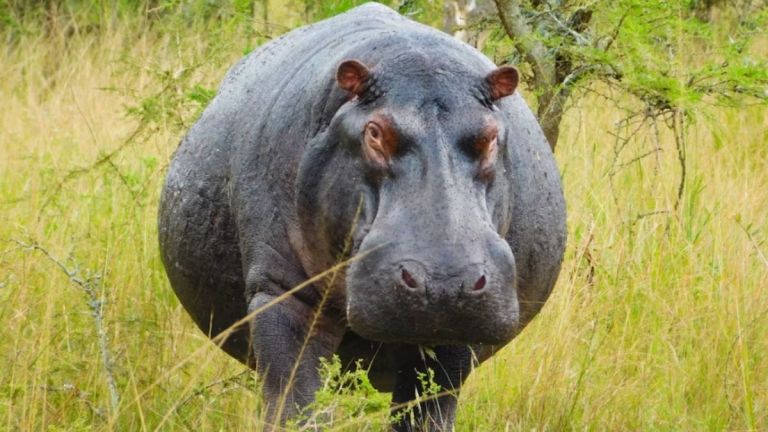
The Hippopotamus
Hippos look slow and goofy, but they are territorial, powerful animals capable of deadly attacks. They can run surprisingly fast on land and have enormous jaws, making an angry hippo vastly more frightening than its cartoonish appearance suggests.
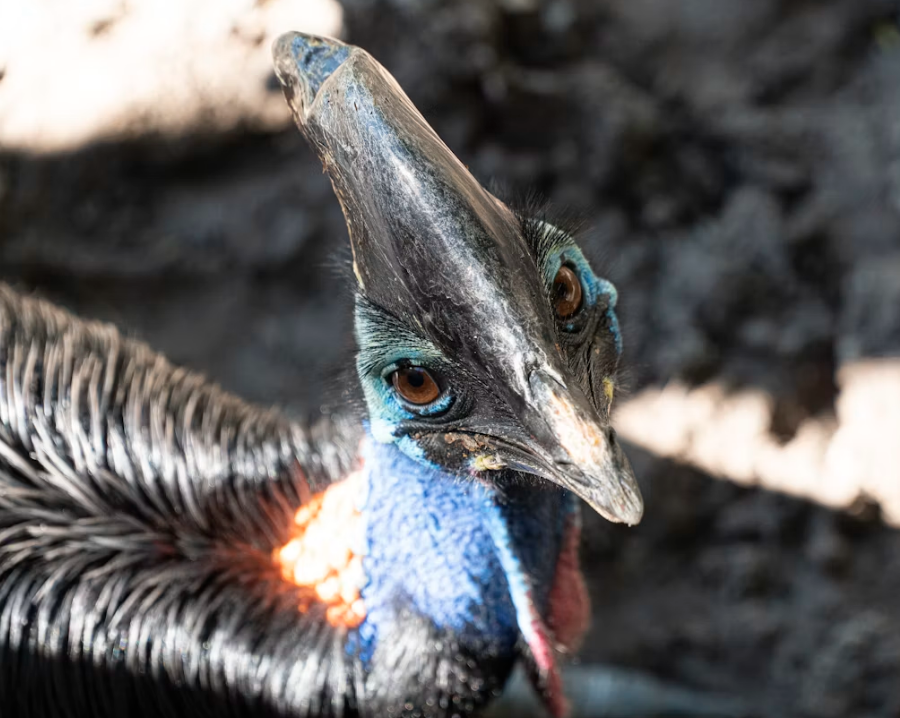
The Cassowary
The southern cassowary can stand about five and a half feet tall, sprint roughly 31 miles per hour, and leap seven feet. Its dagger-like talons can deliver kicks capable of breaking bones, damaging organs, and potentially killing humans.
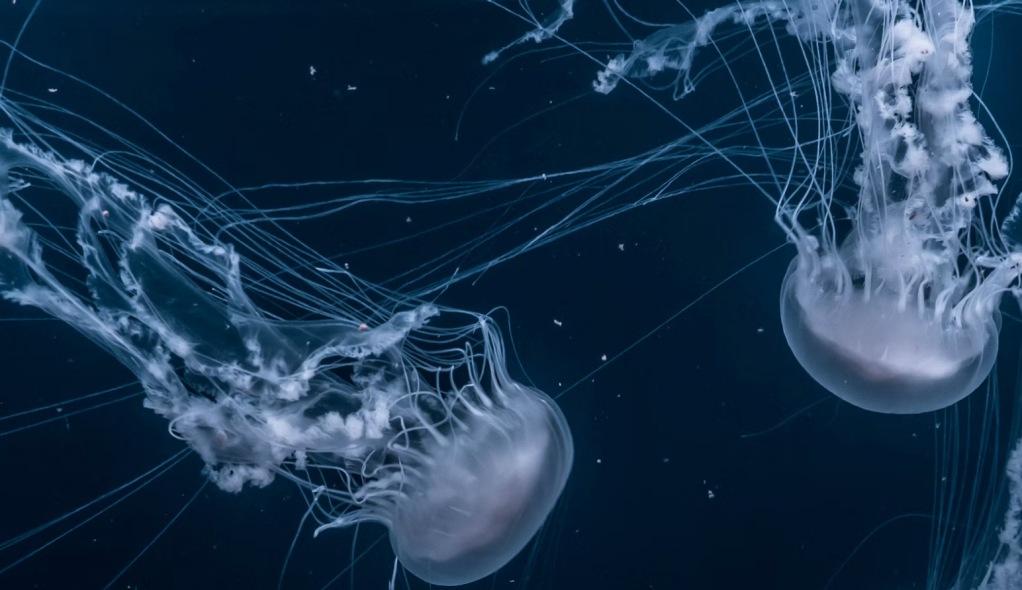
The Box Jellyfish
The box jellyfish is almost invisible in the water, yet its tentacles carry thousands of stinging cells containing toxins that attack the heart, nervous system, and skin. Severe envenomation can cause shock, heart failure, and death.
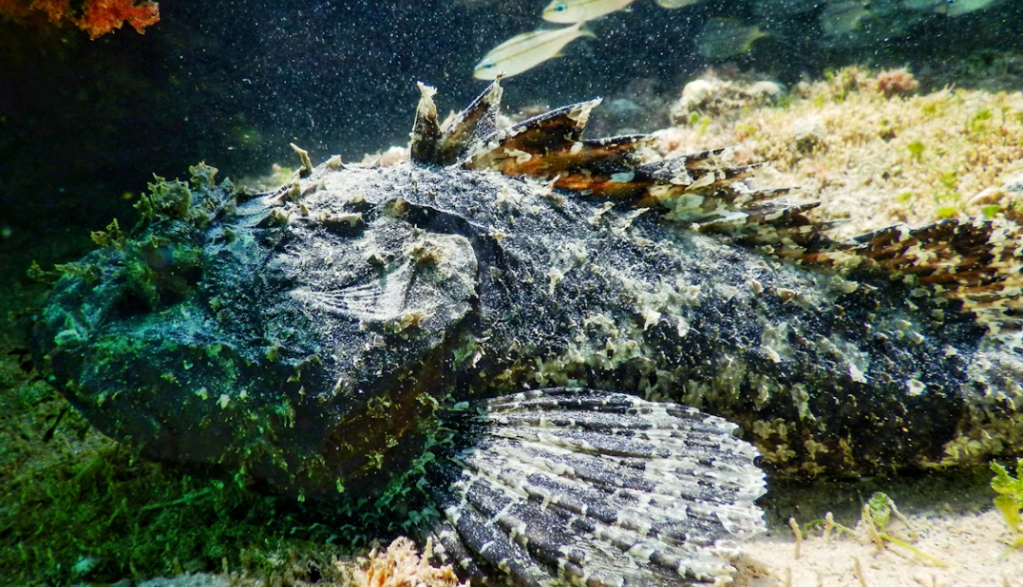
The Stonefish
Stonefish look like ordinary rocks until someone steps on one. Their dorsal spines inject venom capable of causing extreme pain, swelling, cardiac problems, seizures, and potentially life-threatening illness. Their camouflage makes the danger particularly horrifying because victims may never see them coming.

The Blue-Ringed Octopus
Small enough to fit comfortably in a person’s hand, the blue-ringed octopus becomes dramatically more frightening when threatened. Its bite can deliver tetrodotoxin, a powerful neurotoxin capable of causing paralysis and death without prompt treatment.
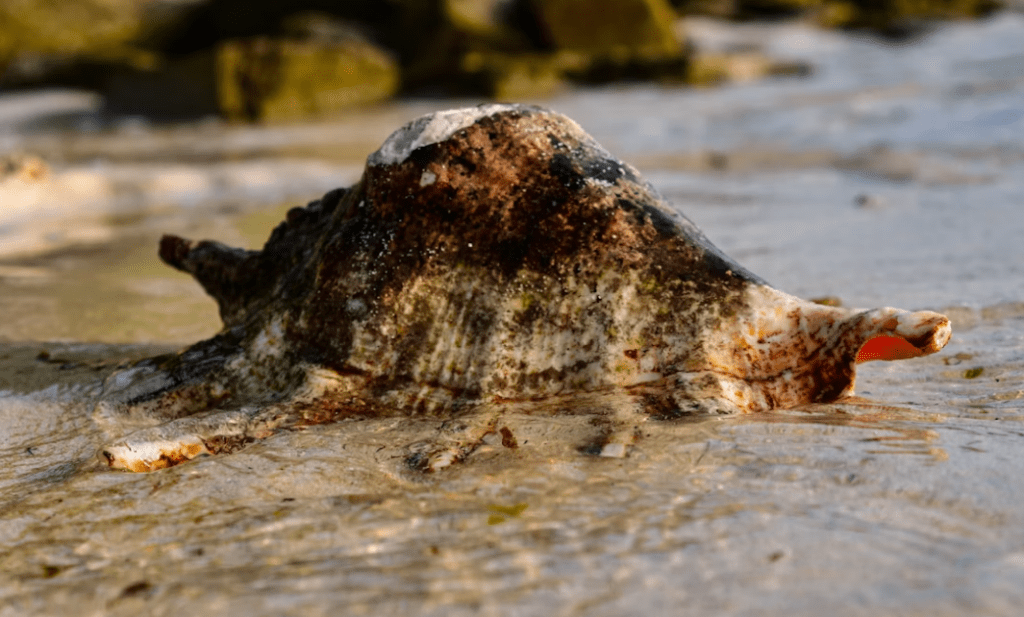
The Geographic Cone Snail
The geographic cone snail looks like a beautiful seashell, which makes its weaponry even more unsettling. It can fire venomous harpoons into prey, and its venom can cause paralysis and death. Some experts consider its sting exceptionally dangerous.
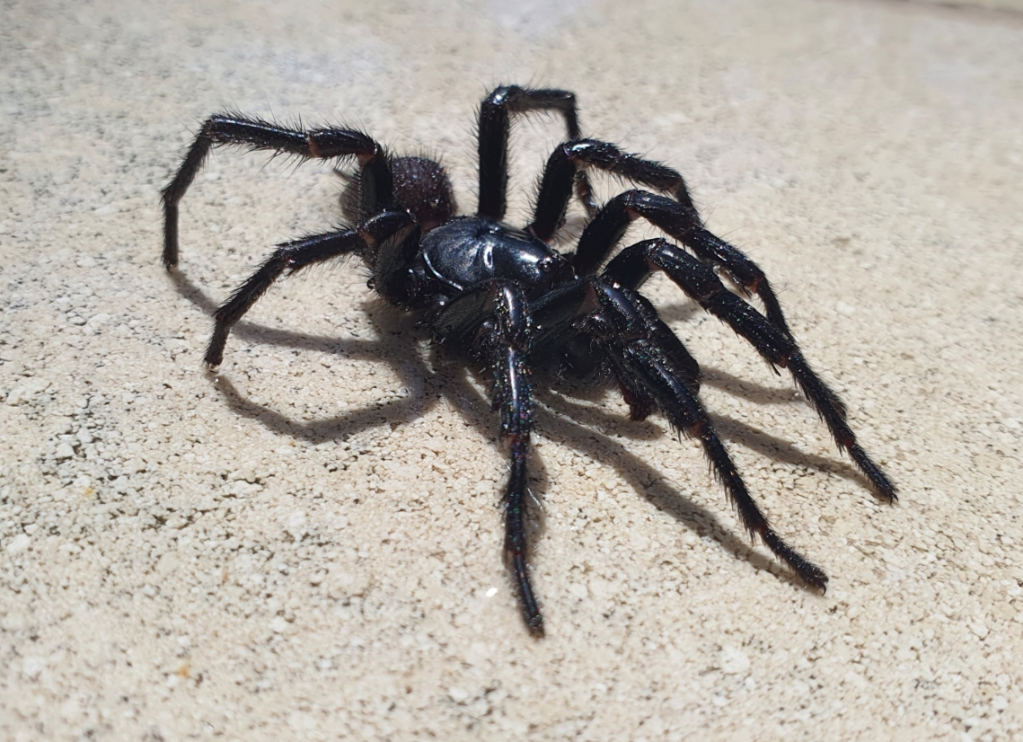
The Sydney Funnel-Web Spider
The Sydney funnel-web is a glossy, aggressive spider whose venom contains neurotoxins dangerous to humans. Its large fangs can penetrate soft shoes and fingernails, while bites can become life-threatening without immediate first aid and medical treatment.
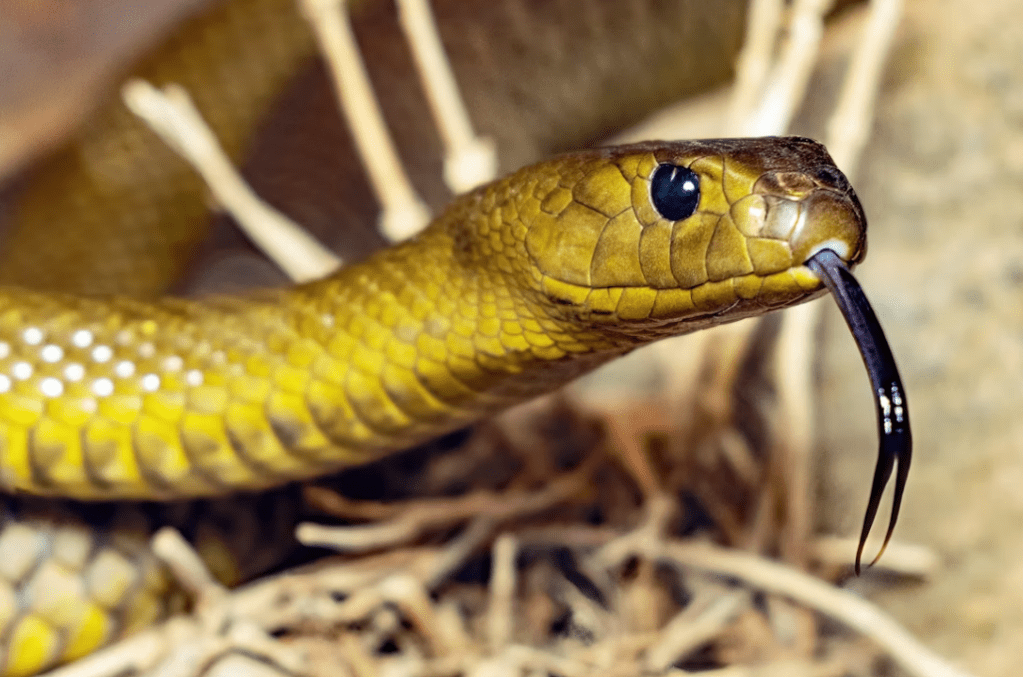
The Inland Taipan
The inland taipan is widely regarded as having the most toxic venom of any land snake, producing an extraordinarily potent cocktail of toxins in a single bite. Fortunately, this Australian snake is famously shy and rarely encounters people.
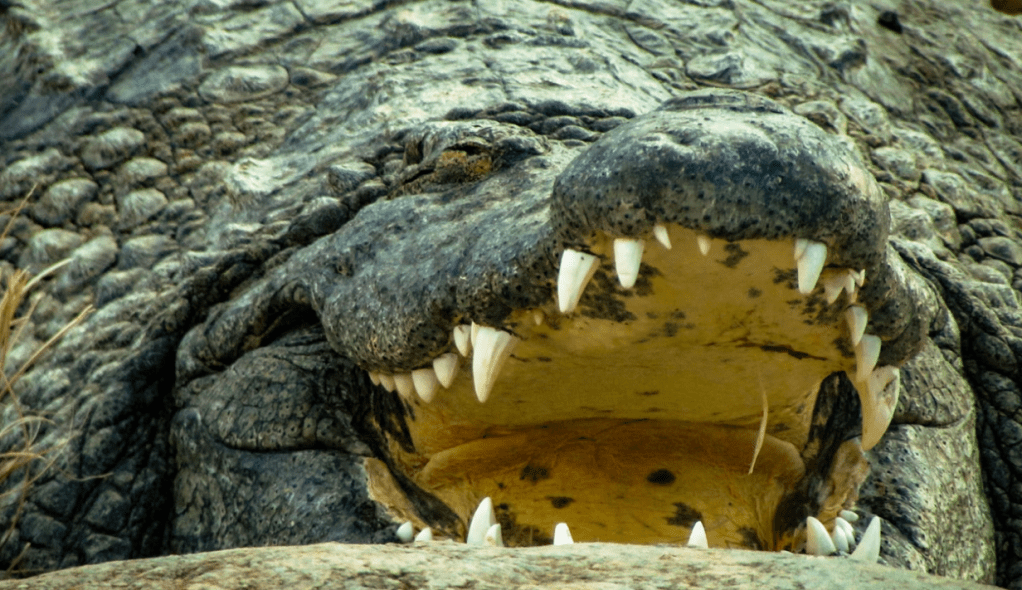
The Nile Crocodile
Nile crocodiles can reach enormous sizes and have a deserved reputation as dangerous predators. Their proximity to populated waterways creates frequent opportunities for encounters, and estimates suggest they may kill as many as 200 people annually.
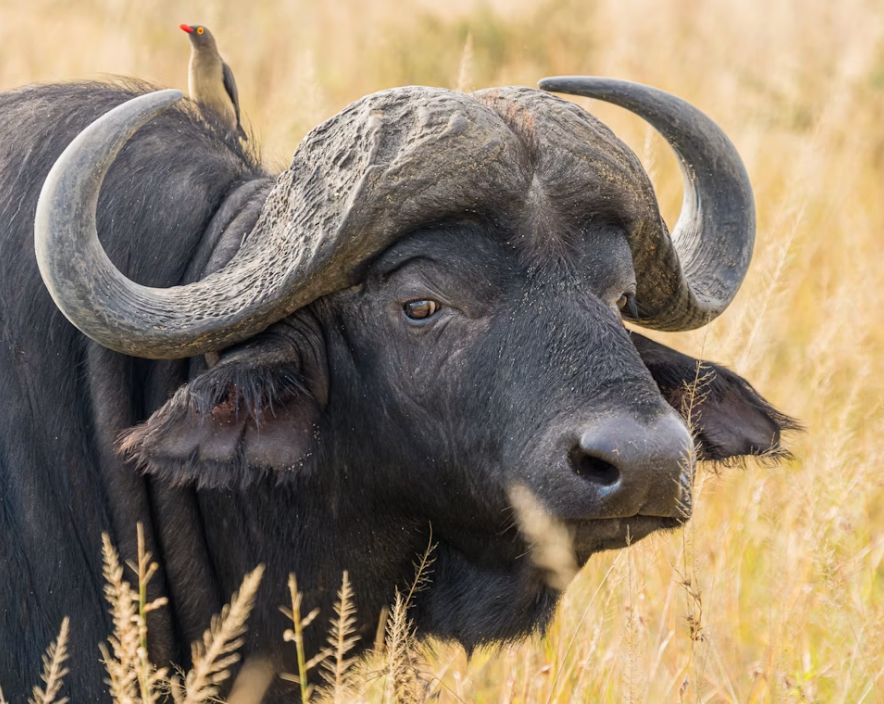
The Cape Buffalo
Cape buffalo are enormous, fast, unpredictable animals armed with horns that form a solid shield across the forehead. They are notorious among hunters for their dangerous temperament, and documented attacks have killed experienced professionals who underestimated them.

The Polar Bear
Polar bears rarely attack humans, but when they do, the encounters can be genuinely predatory. A USGS analysis documented 73 wild attacks between 1870 and 2014, resulting in 20 human fatalities and 63 injuries.
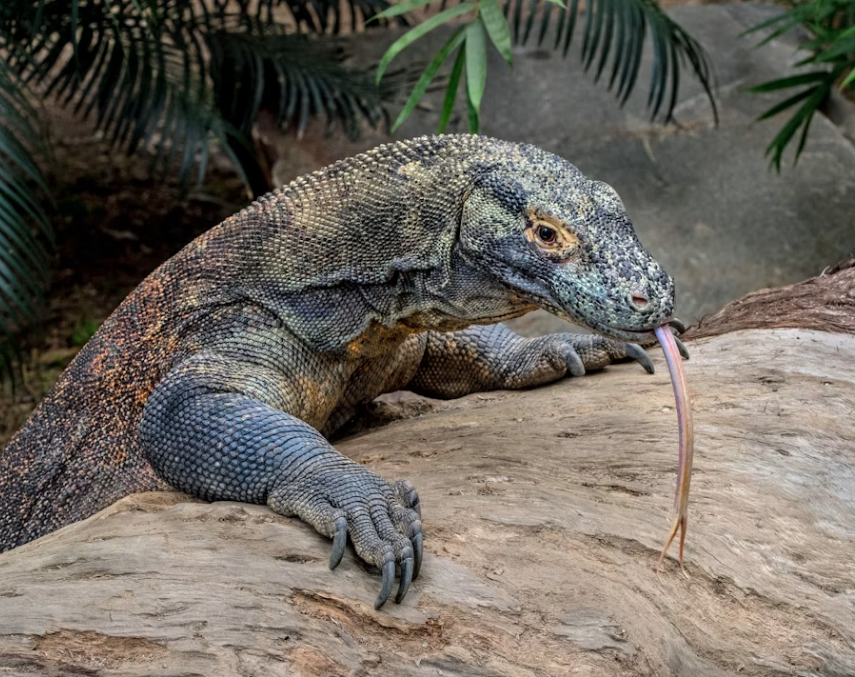
The Komodo Dragon
Komodo dragons are basically real-world dragons without the fire. They possess powerful claws, serrated teeth, and venom that interferes with blood clotting. Their attacks can cause severe blood loss and shock, and encounters with humans can be fatal.
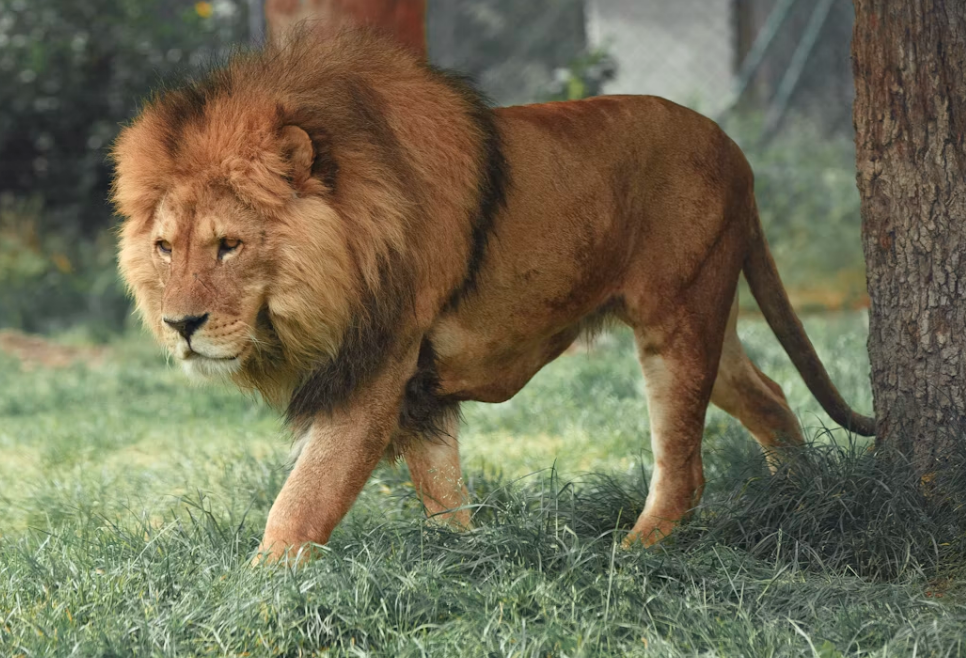
The Lion
Lions are apex predators capable of treating humans as prey under certain circumstances. The infamous Tsavo lions killed and ate dozens of railway workers in 1898, demonstrating that the classic movie monster’s predatory instincts exist perfectly well in nature.
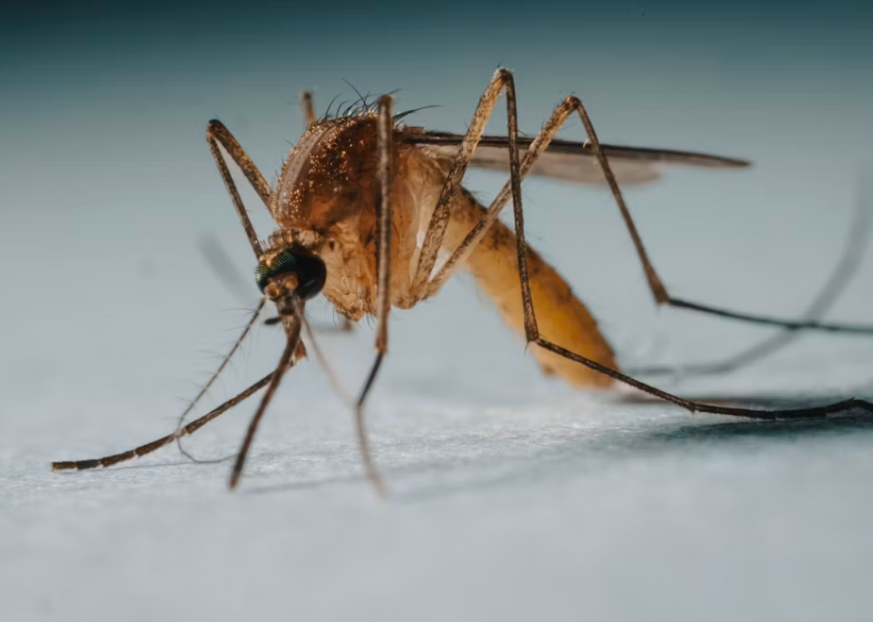
The Mosquito
The mosquito is tiny, common, and far more dangerous than almost any movie monster. Infected female Anopheles mosquitoes transmit malaria, which caused an estimated 610,000 deaths worldwide in 2024. Other mosquito-borne diseases, including dengue, add another enormous threat.
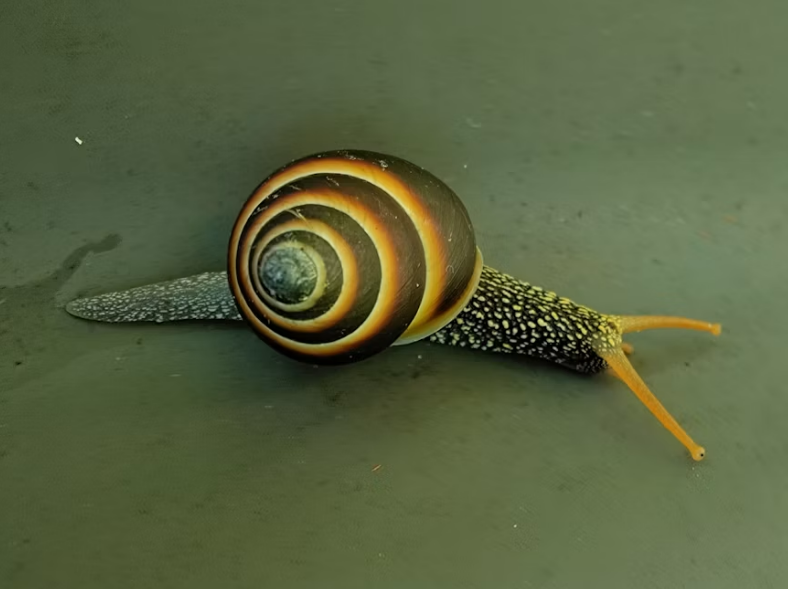
The Freshwater Snail
Freshwater snails can serve as hosts for parasitic worms that cause schistosomiasis. The parasites’ larvae are released into infested water and can penetrate human skin. WHO estimated that 253.7 million people required preventive treatment for schistosomiasis in 2024.