12 Pieces of Tech That Went Obsolete Almost Instantly

Technology usually takes years to fade away, but every now and then something arrives with plenty of hype only to become outdated almost immediately. A new format appears, consumers buy into it, and then another invention shows up before anyone has had time to get comfortable with the first one. Some of these gadgets were genuinely useful but arrived at exactly the wrong moment, while others were quickly replaced by something simpler, cheaper, or dramatically more convenient. Looking back at them now can be strangely funny, especially when you remember how futuristic they seemed when they were new. These twelve pieces of technology had remarkably short moments in the spotlight.
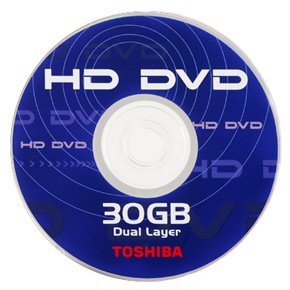
HD DVD
HD DVD entered the high definition movie format war with major studio support, but Blu Ray won the battle so quickly that Toshiba announced it was abandoning the format in 2008, leaving many owners with a very expensive collection of discs.
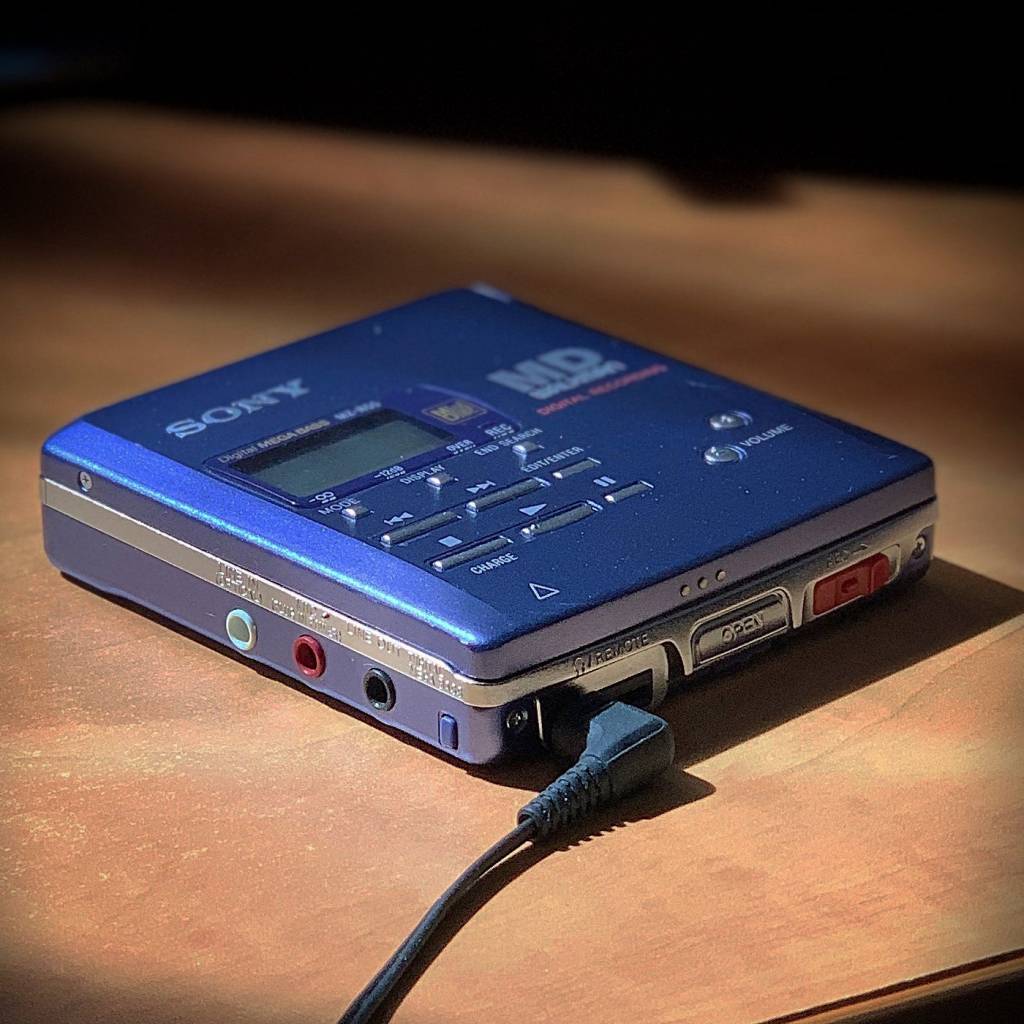
MiniDisc
Sony’s MiniDisc offered compact digital music storage and rewritable discs, but the format never became the mainstream successor to CDs that Sony hoped for before MP3 players made physical media feel unnecessary.
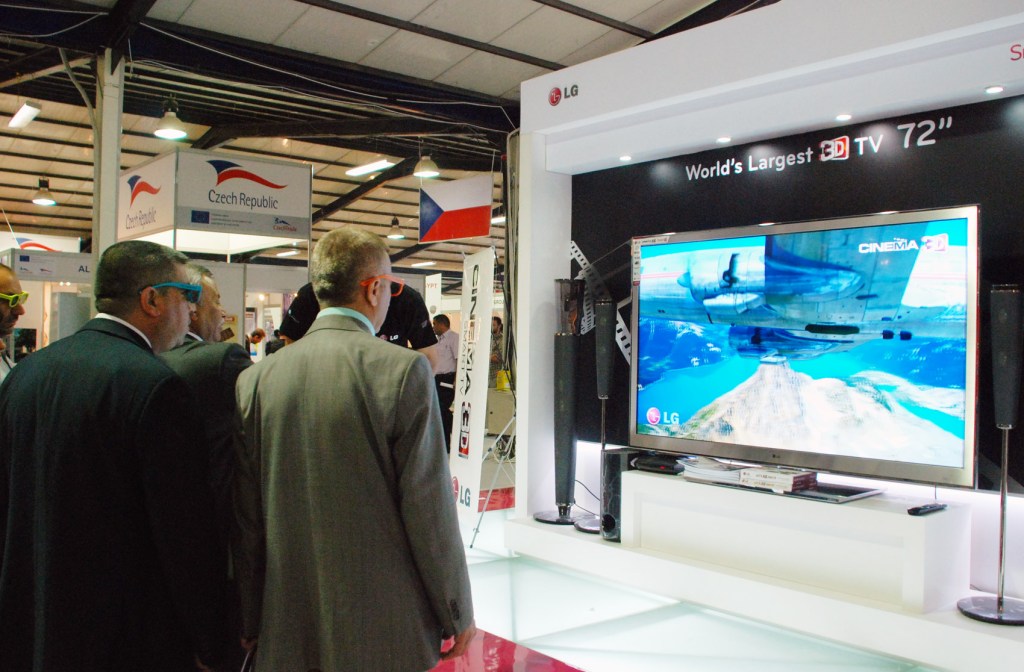
3D Televisions
3D TVs were heavily promoted as the future of home entertainment, but the need for special glasses and limited content made them a short lived trend before manufacturers largely stopped making them.
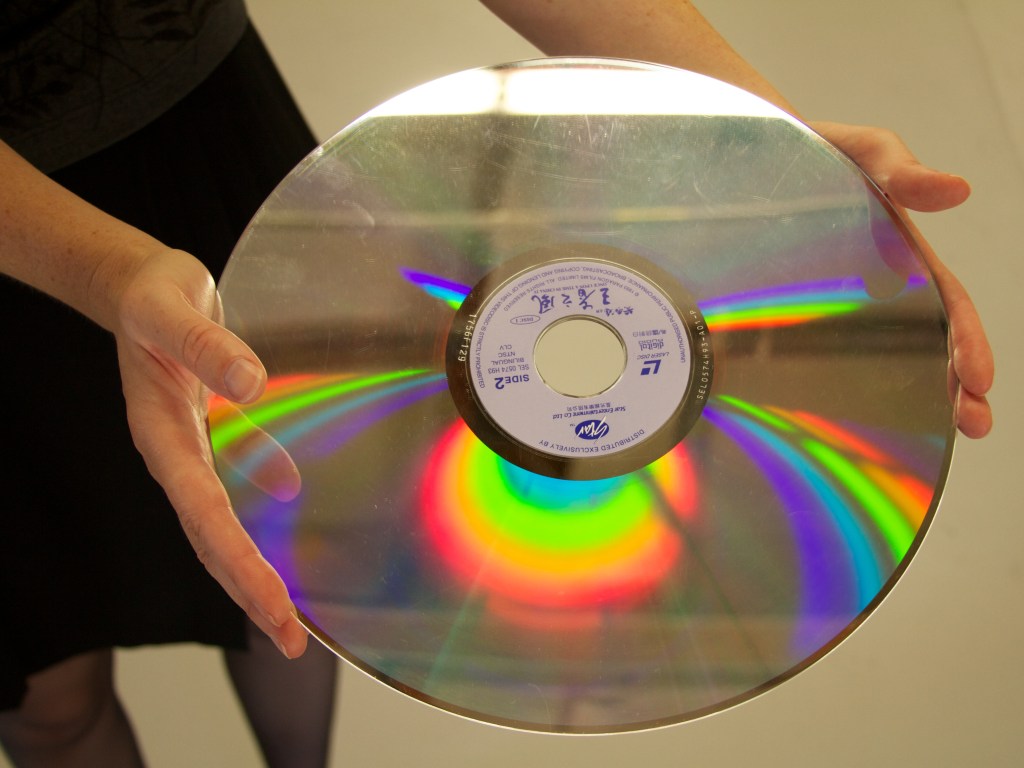
LaserDisc
LaserDisc delivered remarkably sharp video for its era and became popular with collectors, but its huge discs, high prices, and lack of recording capability kept it from replacing VHS for most households.
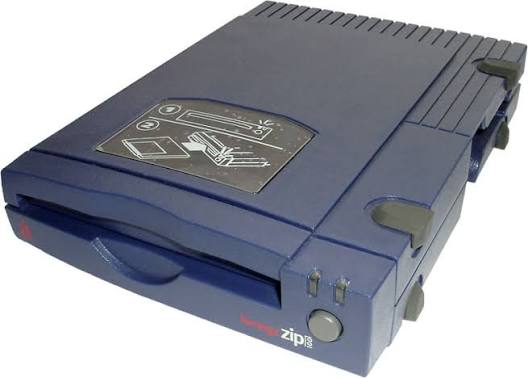
Zip Drives
Zip drives seemed like the perfect answer to floppy disks because they could store vastly more data, but writable CDs, cheaper hard drives, and eventually USB flash drives quickly made them unnecessary.
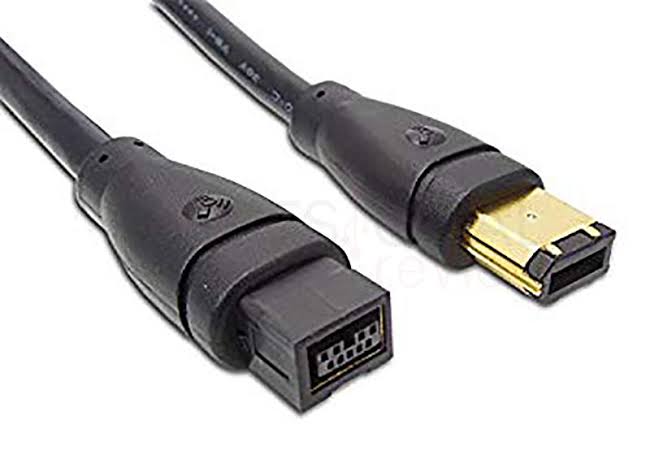
FireWire
Apple’s FireWire connection was fast and widely used for digital cameras and video editing, but USB eventually became the more convenient universal standard and FireWire gradually disappeared from consumer computers.
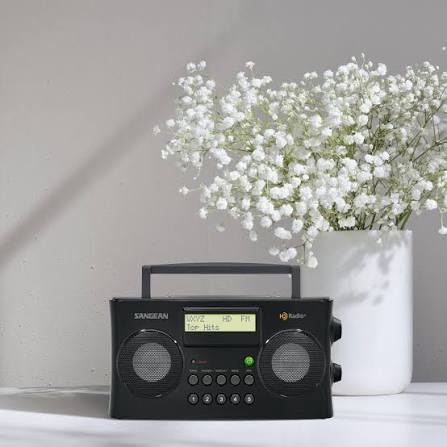
HD Radio
HD Radio promised clearer digital broadcasts and additional channels through traditional radio frequencies, but adoption remained limited while streaming services changed how people listened to music and talk radio.
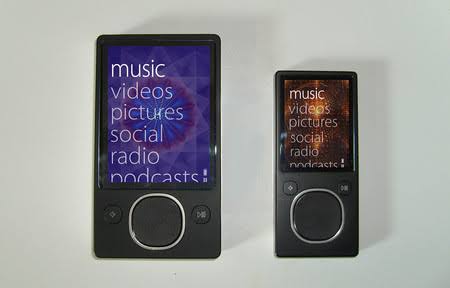
The Microsoft Zune
The Zune was Microsoft’s attempt to challenge the iPod with music players and a subscription service, but it arrived after Apple’s ecosystem had already become deeply established and was discontinued in 2011.
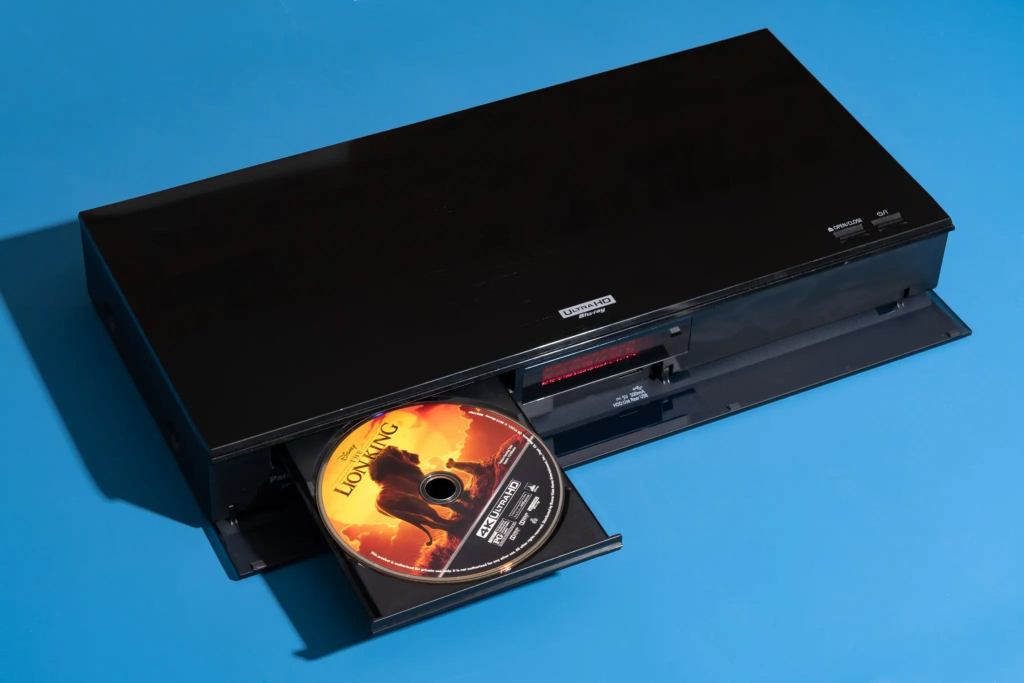
4K Blu Ray Players
4K Blu Ray never became the mainstream successor to regular Blu Ray because streaming services became the easier way for most people to access increasingly high resolution movies and television.
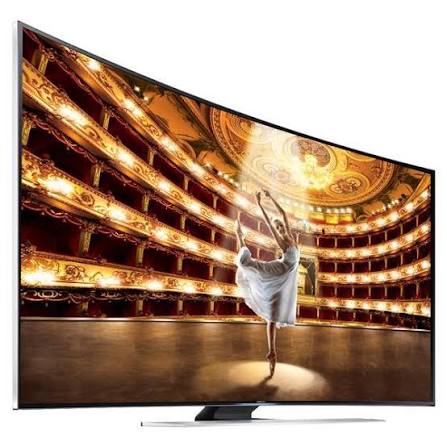
Curved Televisions
Curved TVs briefly appeared to be the next major design trend, with manufacturers suggesting that the shape would create a more immersive viewing experience, but consumers quickly returned to conventional flat screens.
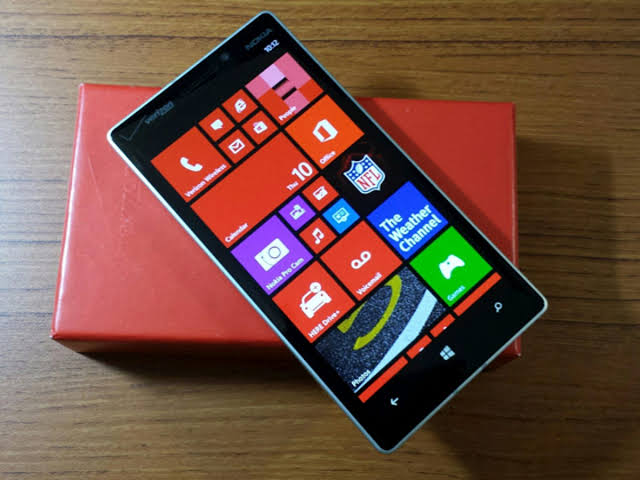
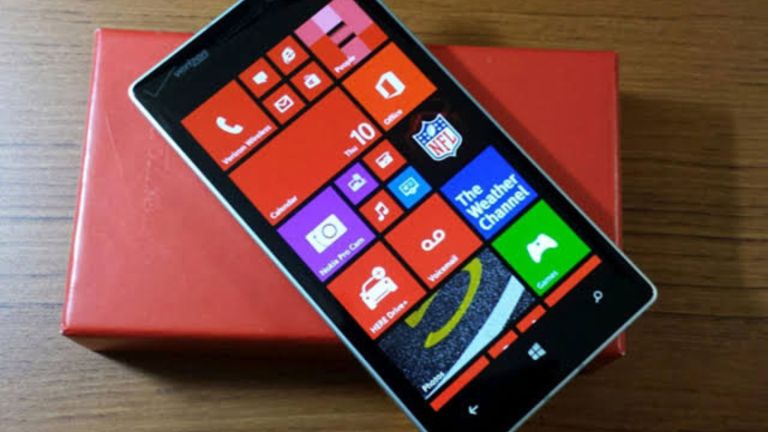
Windows Phones
Microsoft’s Windows Phone platform offered a distinctive interface and strong integration with Microsoft’s ecosystem, but the lack of apps and overwhelming dominance of iOS and Android eventually ended the company’s smartphone ambitions.
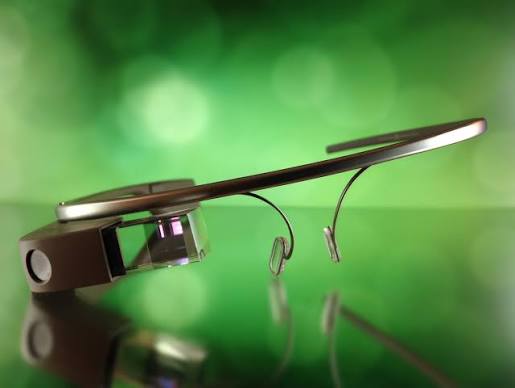
Google Glass
Google Glass generated enormous attention as a futuristic wearable computer, but privacy concerns, its unusual appearance, limited practical uses, and high price prevented it from becoming the everyday technology many expected.