15 Small Movie Details You Feel Smart Once You Catch

Some movie details are so small that you can watch a film several times without ever noticing them. Then someone points one out, and suddenly it becomes impossible to unsee. A prop makes more sense, a character’s behavior gets a new layer, or a background detail quietly explains something the movie never says out loud. These little discoveries are part of what makes rewatching great movies so rewarding, especially when the filmmakers trusted the audience enough not to explain everything. Here are fifteen small details that can make you feel like you have cracked a secret code, even though the clue was sitting right there on screen the entire time.

The Color of the Sixth Sense’s Clothes
In The Sixth Sense (1999), the color red repeatedly appears whenever the supernatural world overlaps with Cole’s reality, including objects, clothing, and backgrounds, giving attentive viewers a visual clue that something unusual is happening.
Tyler Durden Appears Before the Reveal
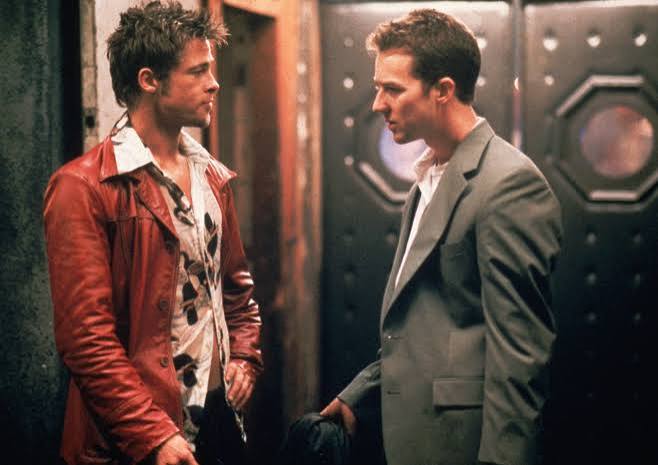
In Fight Club (1999), Tyler Durden briefly flashes into several scenes before the audience officially meets him, with the tiny appearances making much more sense once you know what is really happening.
The Ring in The Lord of the Rings
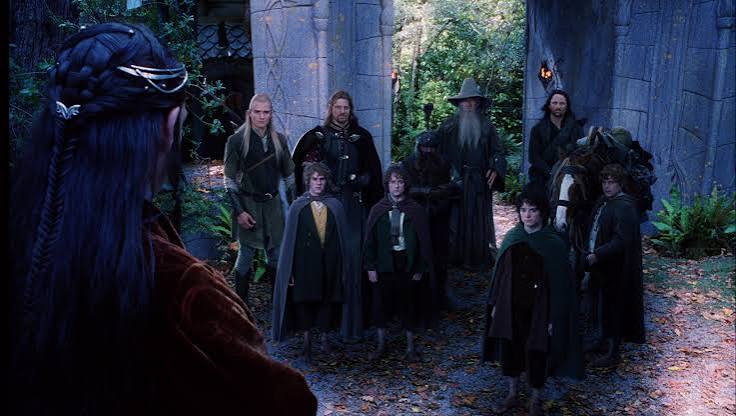
In The Lord of the Rings, characters react differently when they are close to the One Ring, and subtle changes in their behavior help communicate its influence without constantly having to explain it.
The Newspaper Headlines in The Truman Show
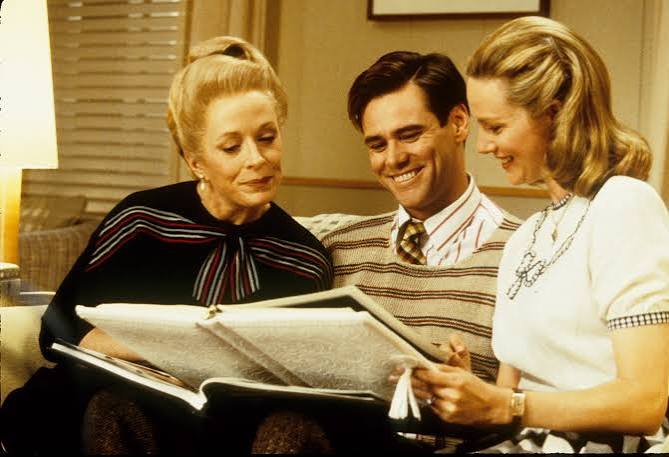
The Truman Show (1998) fills its newspapers with headlines and advertisements that subtly reinforce the artificial nature of Truman’s world, rewarding anyone who pauses to actually read what is printed.
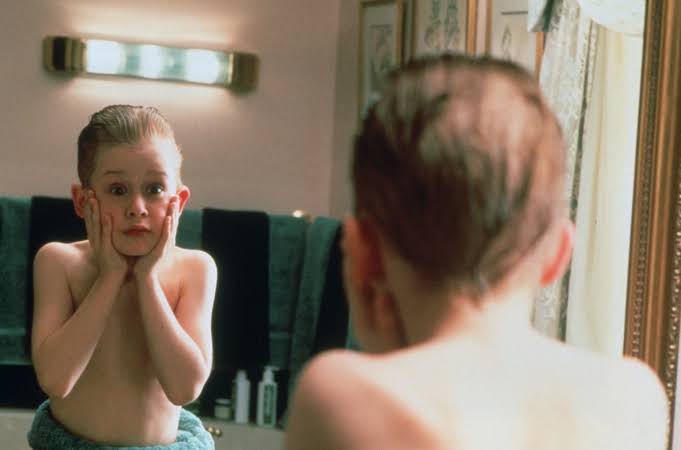
The Background Character in Home Alone
In Home Alone (1990), the mysterious old man Kevin encounters at the church is introduced through tiny details that make his later conversation with Kevin feel more meaningful than it initially appears.
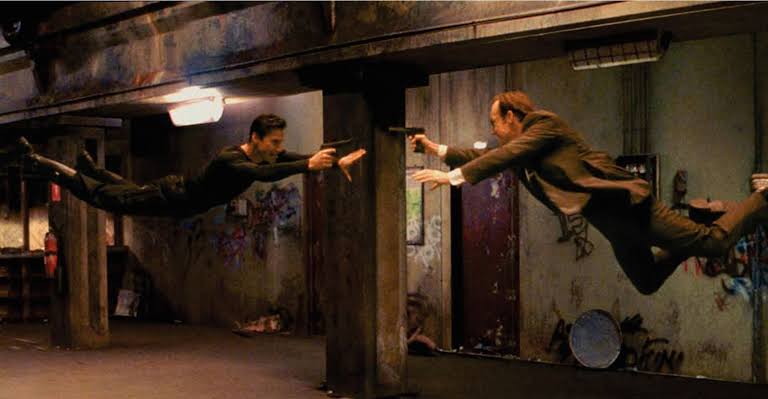
The Different Versions of the Matrix
In The Matrix (1999), the green tint associated with the simulated world subtly separates it from the real world, giving the audience a visual distinction before the story ever fully explains the difference.
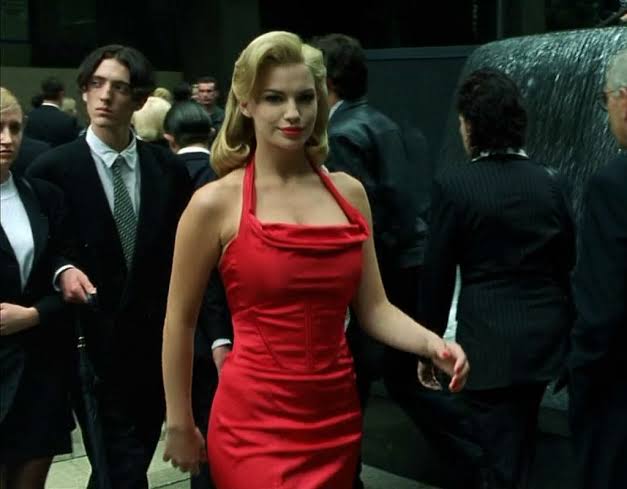
The Color Red in The Matrix
The famous woman in the red dress is not just a memorable visual gag, as her appearance demonstrates how easily the simulated world can manipulate attention and distract people from what is actually happening around them.
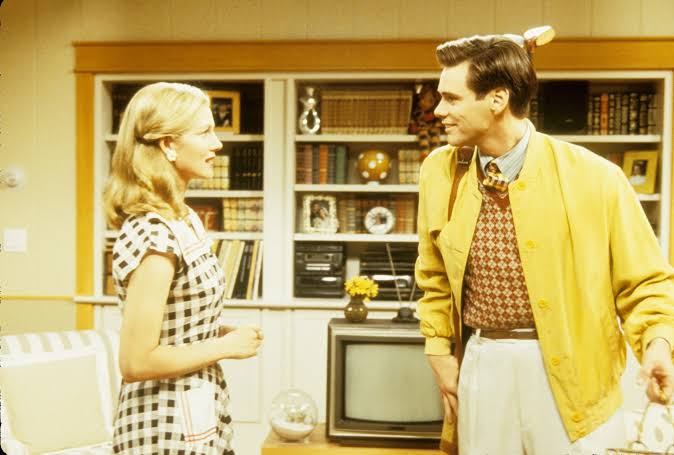
The Number 23 in The Truman Show
The number 23 appears repeatedly throughout The Truman Show, including on doors, buildings, and other details, quietly reinforcing how controlled and constructed Truman’s environment really is.

The Voices in Get Out
In Get Out (2017), sound and silence are used extremely carefully around Chris, with subtle changes in what he hears helping establish the film’s growing sense of unease before the larger mystery becomes clear.
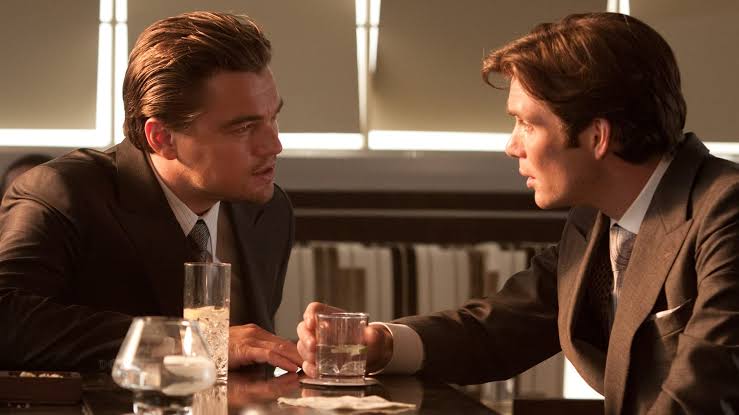
The Wedding Ring in Inception
In Inception (2010), Cobb’s wedding ring becomes an important visual clue because its presence or absence helps distinguish different layers of his reality, giving viewers another way to interpret what is actually happening.
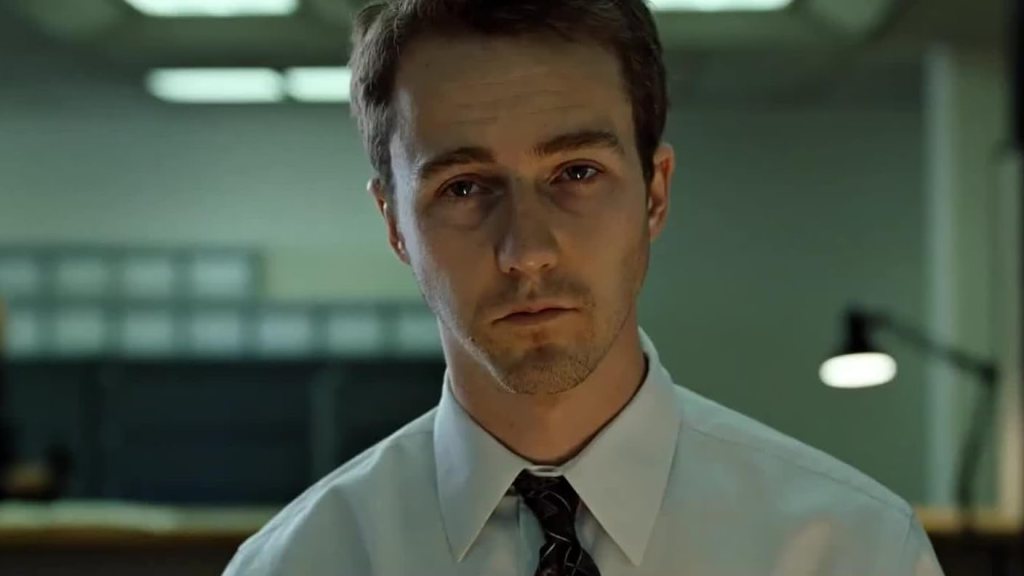
The Coffee Cups in Fight Club
In Fight Club (1999), small continuity details involving Tyler can become surprisingly revealing after the twist, with objects and interactions taking on a completely different meaning once you understand the narrator’s condition.
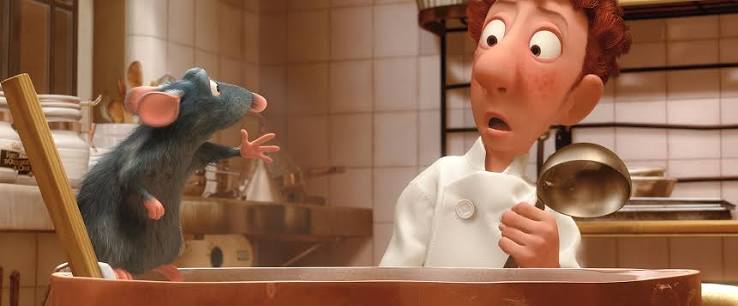
The Hidden Details in Ratatouille
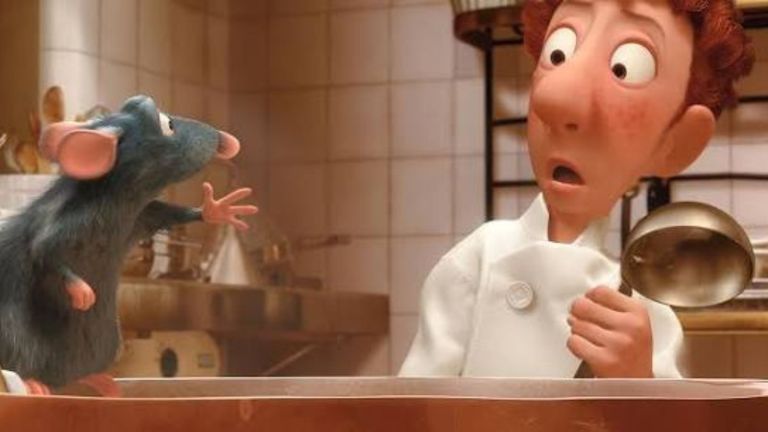
Ratatouille (2007) quietly fills its Parisian environments with food related details, restaurant references, and visual jokes that make the world feel richer without ever demanding that viewers stop and look for them.
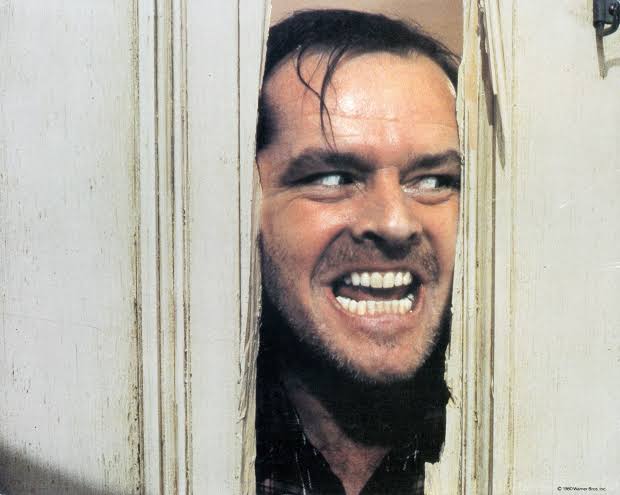
The Changing Posters in The Shining
In The Shining (1980), background artwork and objects subtly change throughout the movie, adding to the feeling that the Overlook Hotel does not obey normal rules and rewarding viewers who pay obsessive attention.
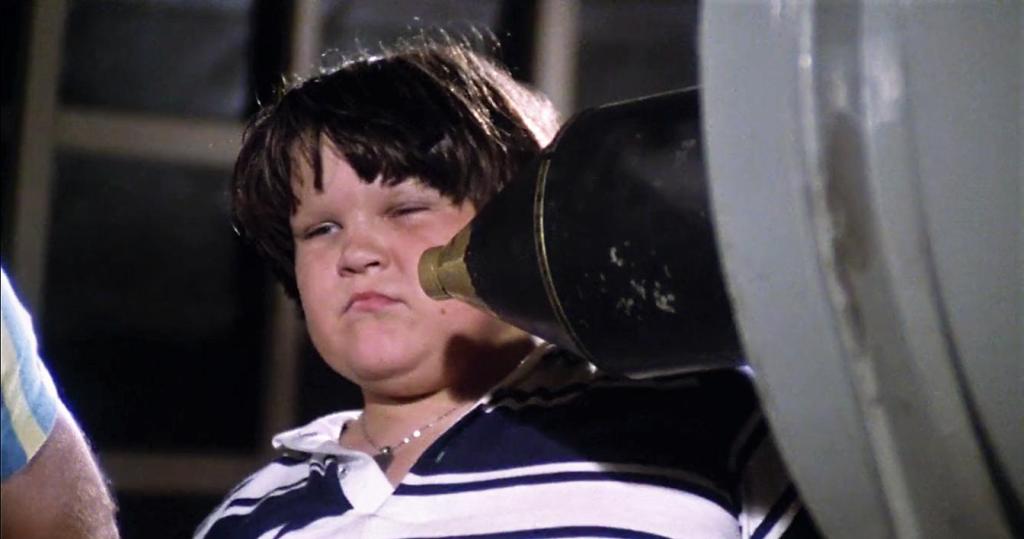
The Colors in Pleasantville
In Pleasantville (1998), color gradually enters the black and white world as characters begin experiencing emotions and discovering new ideas, turning the movie’s visual design into part of its storytelling.
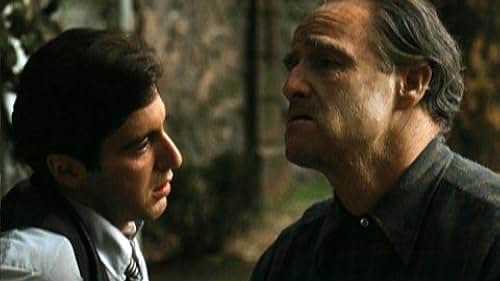
The Opening Credits of The Godfather
In The Godfather (1972), the opening sequence quietly establishes the film’s themes of power and loyalty before the story even reaches the wedding, making the famous line about friendship feel like a statement of how this entire world operates.