14 Hidden Movie Details Seen in Plain Sight

Movies can reward people who pay attention, especially when filmmakers hide little details that are easy to miss during a first viewing. A background object, a costume choice, a quick line, or something happening in the corner of the frame can quietly reveal information that becomes much more interesting once you know what to look for. Some details were deliberately planted by the filmmakers, while others only become noticeable after repeated viewings. The best examples do not require pausing every five seconds to find them. They are simply sitting there, waiting for someone to notice. Here are movie details that were hiding in plain sight all along.
The Sixth Sense (1999)
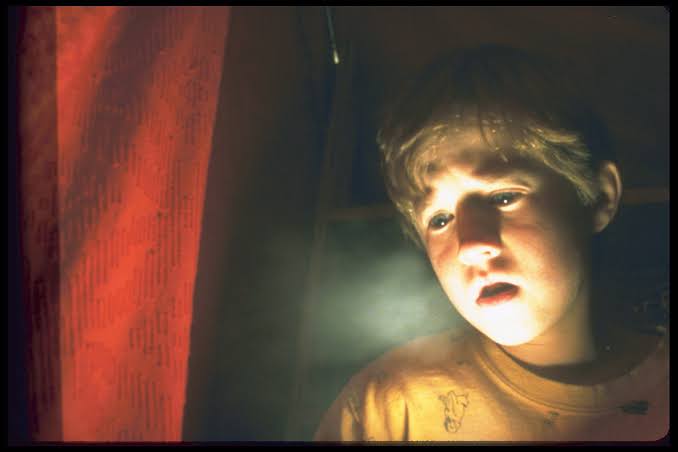
The color red appears repeatedly throughout The Sixth Sense, often around moments connected to the supernatural. Once viewers know the significance of the color, details in the background and costumes suddenly become much easier to spot.
Fight Club (1999)
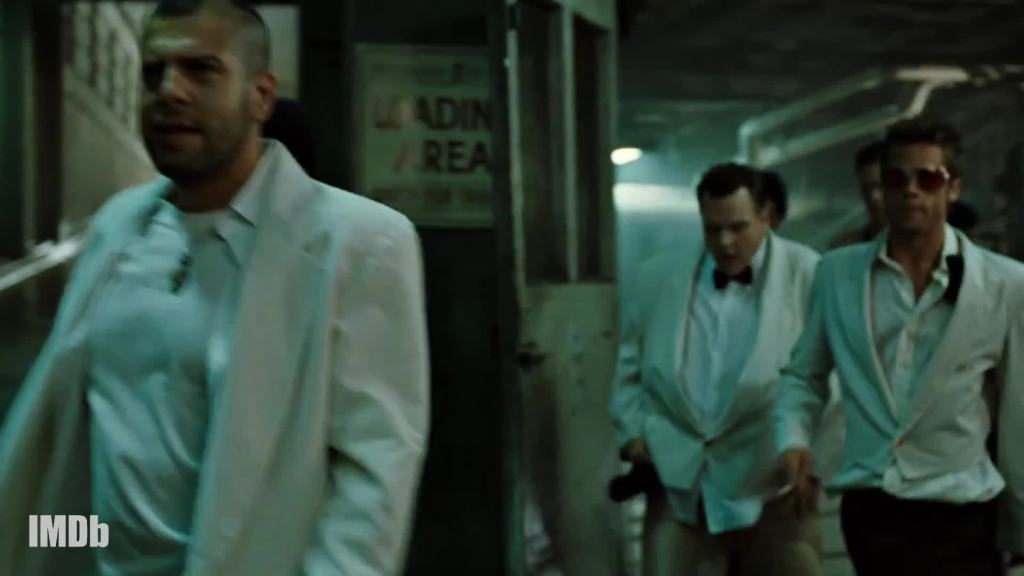
Tyler Durden appears briefly before he is properly introduced, sometimes for only a single frame. These quick flashes are easy to miss during a normal viewing but become fascinating once you know the movie’s central twist.
The Matrix (1999)
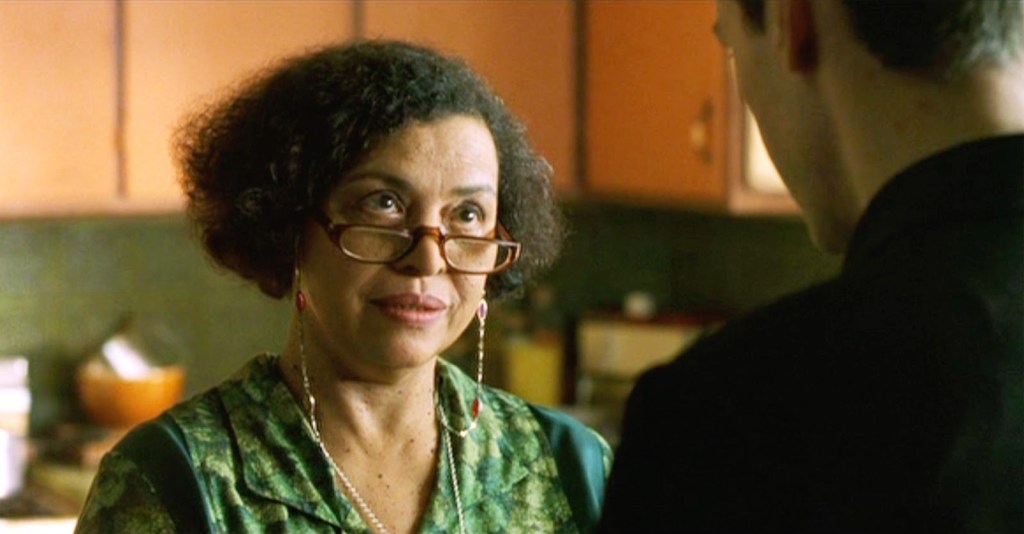
The opening sequence establishes the movie’s visual language long before Neo fully understands what is happening. Even the green tint of the simulated world helps distinguish the artificial reality from the real world.
Jurassic Park (1993)
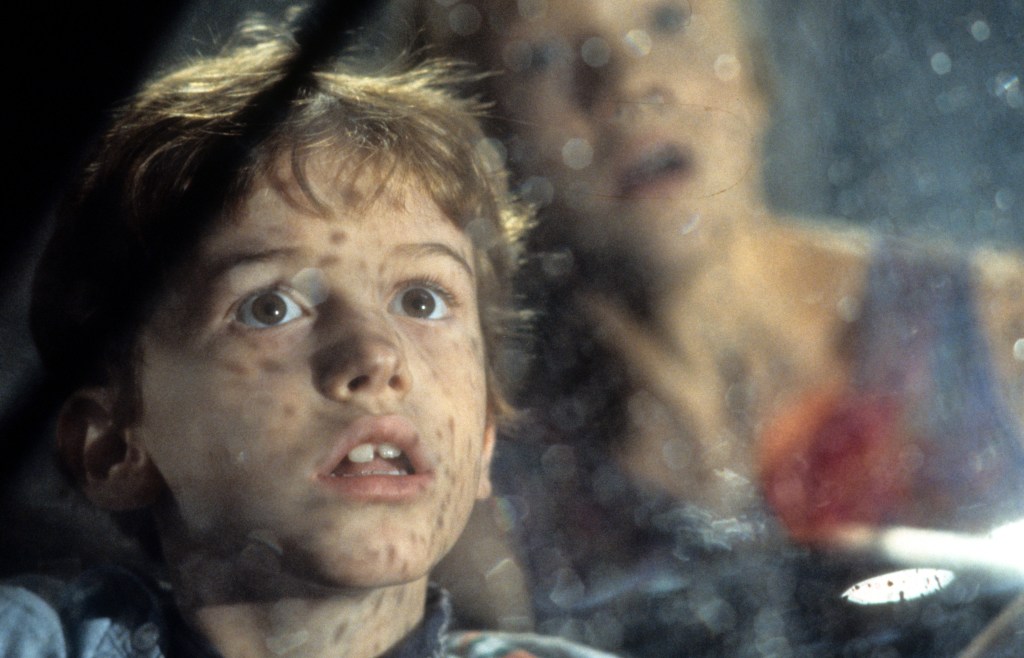
When the Tyrannosaurus approaches the characters in the car, a glass of water begins vibrating on the dashboard. The tiny effect comes from the dinosaur’s approaching footsteps and became one of the movie’s most memorable pieces of visual foreshadowing.
Back to the Future (1985)
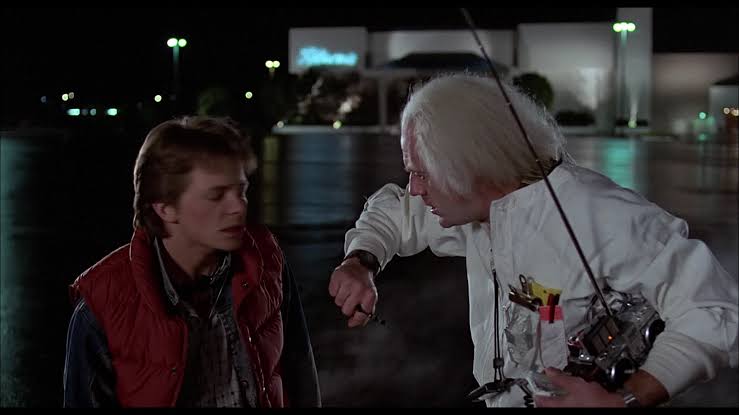
The clock tower sequence contains several details that connect directly to the movie’s later events. The photograph, the lightning strike, and the clock itself all become increasingly important as the story reaches its climax.
The Truman Show (1998)
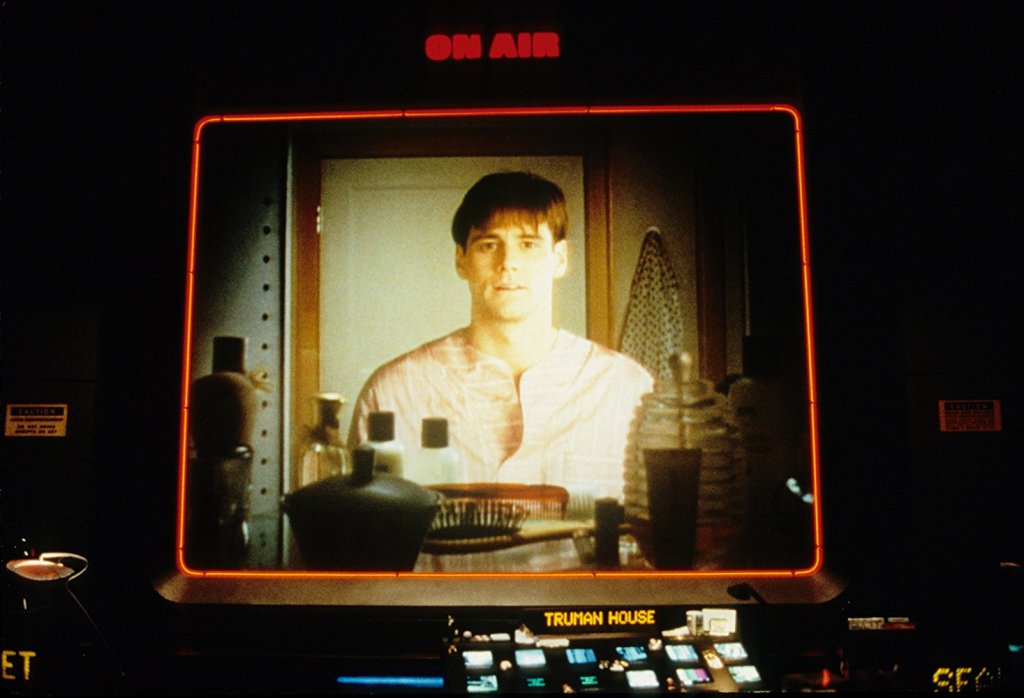
The product placement throughout Truman’s world is deliberately excessive because the people around him are essentially performing for a television audience. Even ordinary conversations can suddenly sound like advertisements when you pay attention to what the characters are saying.
The Shining (1980)
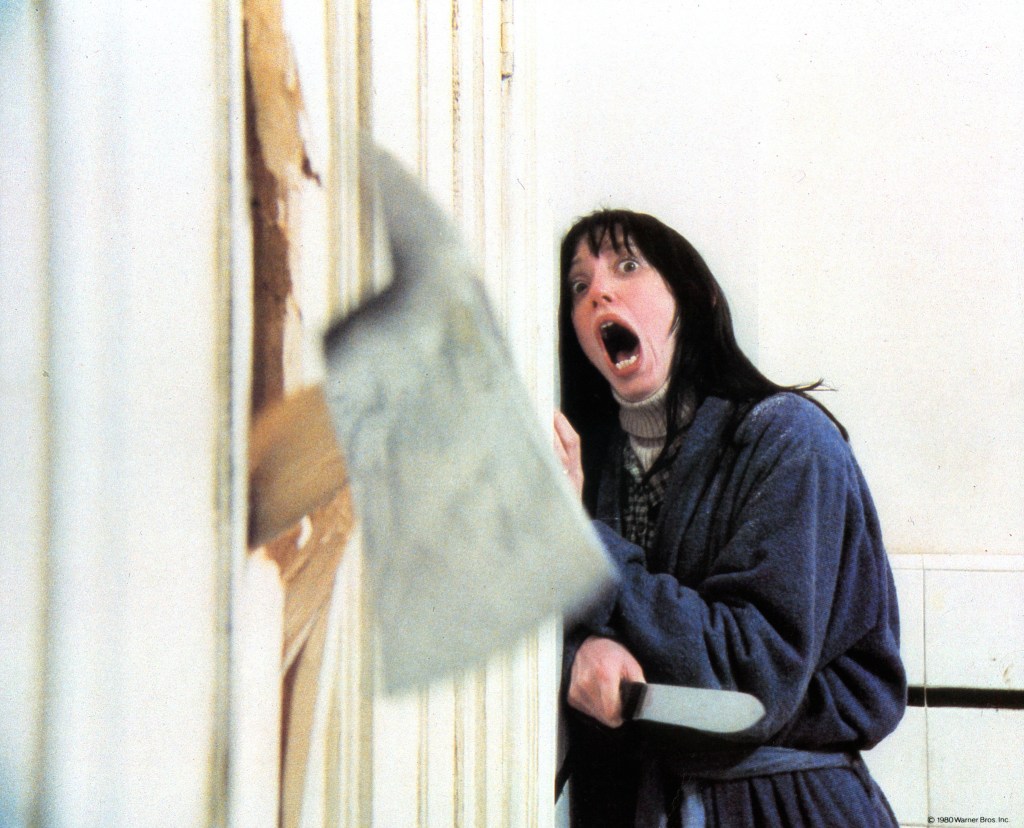
Stanley Kubrick fills the Overlook Hotel with visual details that encourage viewers to question what they are seeing. The impossible geography of the hotel is particularly interesting because rooms and hallways do not always seem to connect logically.
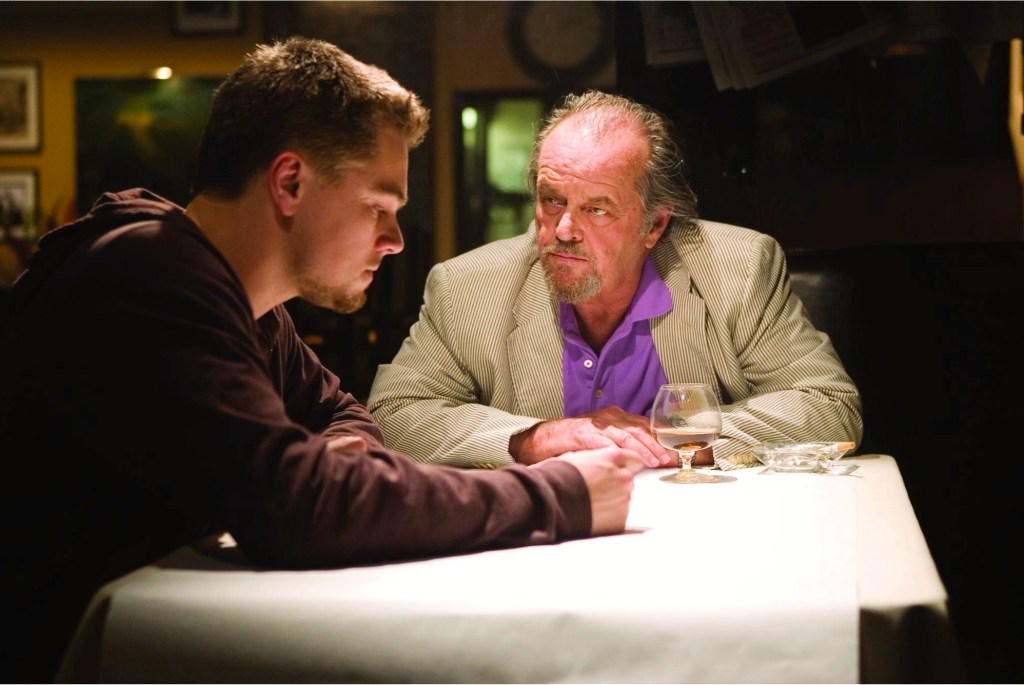
The Departed (2006)
The letter “X” repeatedly appears near characters who are about to die. It is an understated visual motif that becomes much easier to recognize once you know the movie and start looking for the pattern.
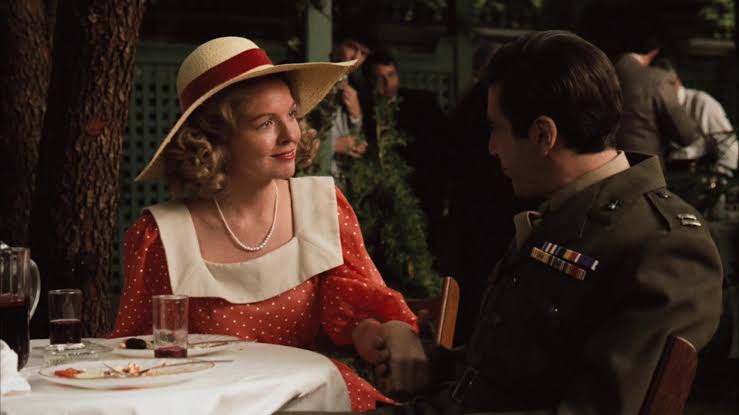
The Godfather (1972)
Oranges repeatedly appear around moments of danger throughout The Godfather. They are often present shortly before or during violent events, creating a visual motif that attentive viewers can spot throughout the movie.
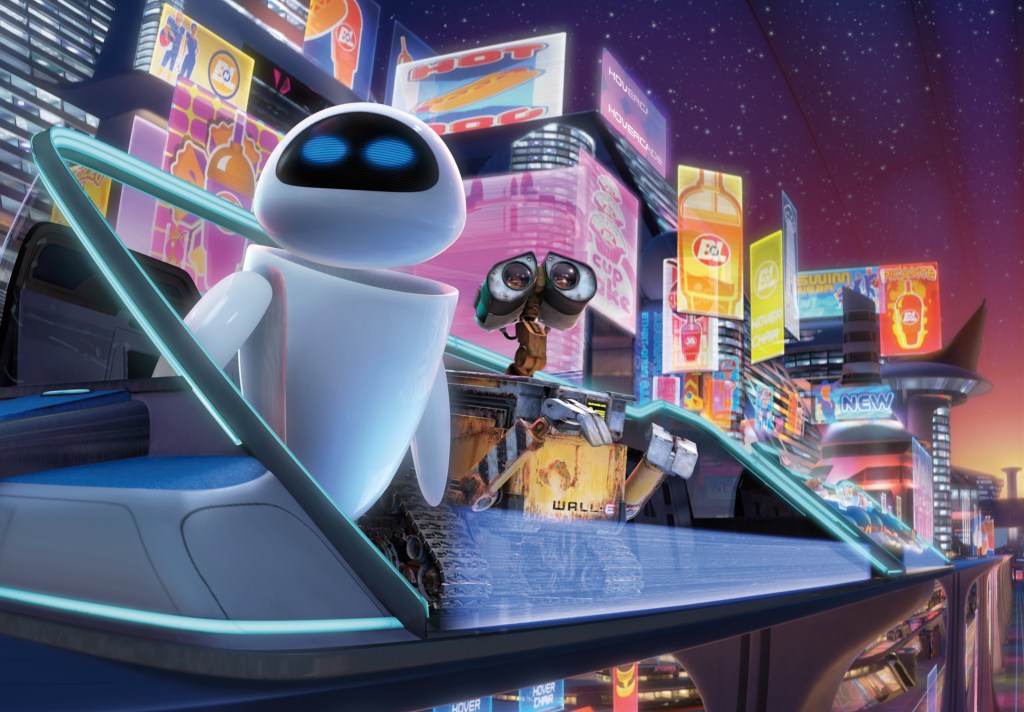
WALL E (2008)
WALL E’s collection of discarded objects quietly tells audiences a huge amount about his personality. Among the items he keeps is a Rubik’s Cube that he cannot solve, showing his curiosity and his fascination with objects from the world humans left behind.
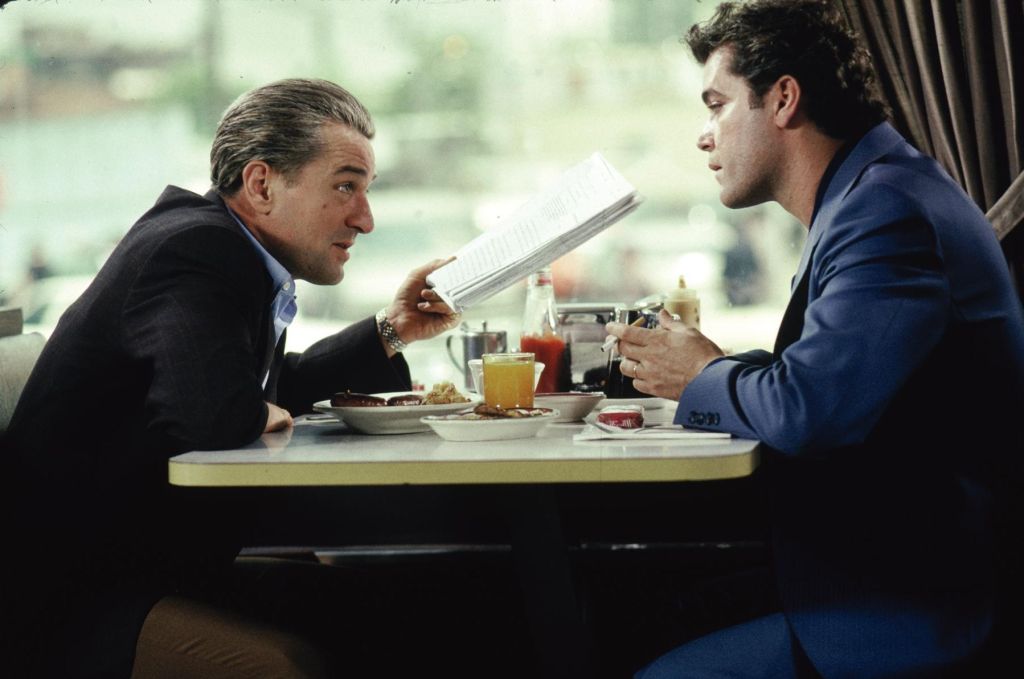
Goodfellas (1990)
The famous tracking shot through the Copacabana is more than a stylish camera move. It shows Henry Hill’s access and status within the world he has entered, allowing the audience to experience the privileges of his lifestyle without needing an explanatio
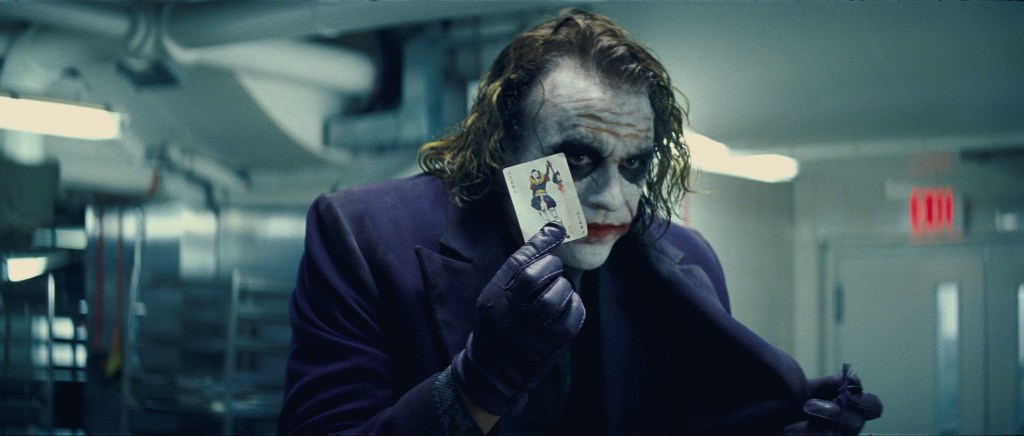
The Dark Knight (2008)
The Joker’s appearance and behavior repeatedly emphasize his unpredictable nature. Small visual choices, including his mismatched makeup and changing appearance, reinforce that he is not interested in presenting himself according to normal rules.
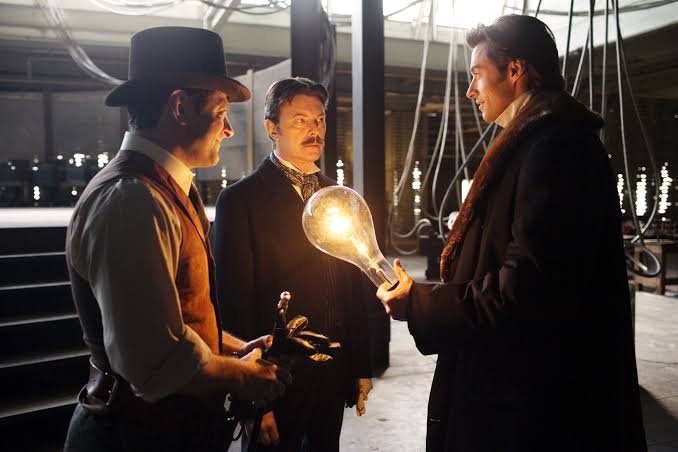
The Prestige (2006)
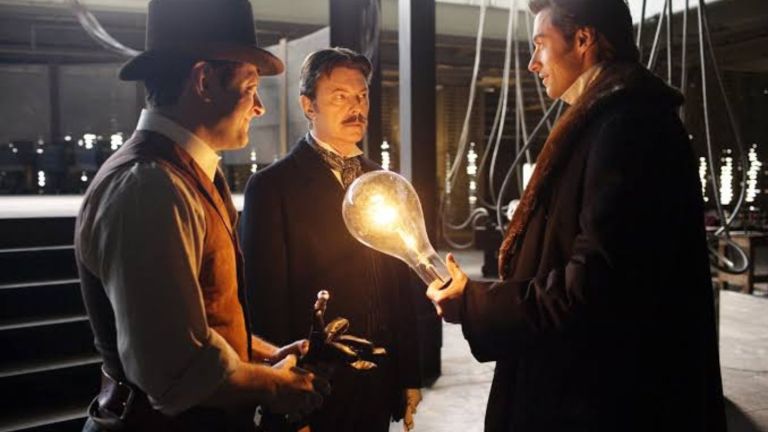
The movie constantly shows audiences elements of its central mystery without explaining their importance. Repeated images of birds, doubles, and seemingly ordinary objects become much more meaningful once the film’s secrets are revealed.
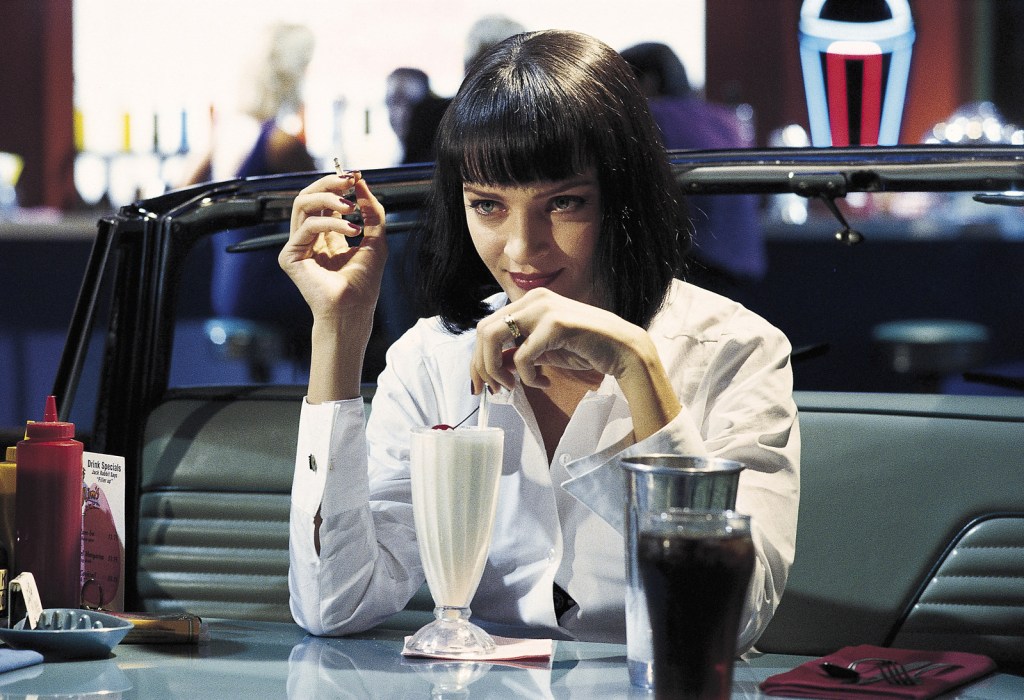
Pulp Fiction (1994)
The contents of Marsellus Wallace’s mysterious briefcase are never shown, yet the movie carefully uses lighting and character reactions to make it feel incredibly important. The decision to leave the contents unexplained has allowed audiences to keep searching for answers for decades.