15 Reasons Why Recycling Isn’t Real

Recycling is usually presented as one of the easiest ways to help the planet: toss something into the right bin, and it gets a second life. The reality is considerably messier. Recycling absolutely exists, but especially with plastic, the system has serious limitations involving economics, contamination, infrastructure, processing technology, and demand for recycled materials.
Globally, only about 9% of plastic waste was ultimately recycled in 2019, according to the OECD. That doesn’t mean recycling is pointless, but it does mean the cheerful little recycling symbol can create a much rosier impression than the actual waste stream deserves.
Most Plastic Never Gets Recycled
Globally, only about 9% of plastic waste was ultimately recycled in 2019, while nearly half went to sanitary landfills. Plastic production has continued growing, making recycling struggle to keep pace with the sheer volume entering the waste stream.
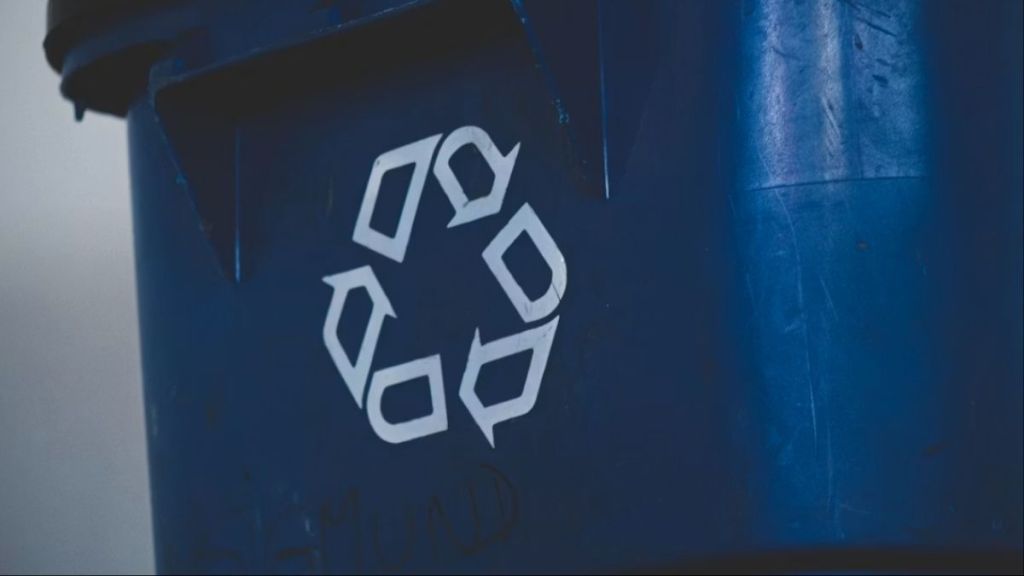
The Recycling Symbol Doesn’t Guarantee Anything
That familiar triangular symbol can make an item look recyclable, but the symbol doesn’t guarantee that your local program accepts it or that it will actually be recycled. Collection, sorting, processing, and available markets all determine its fate.
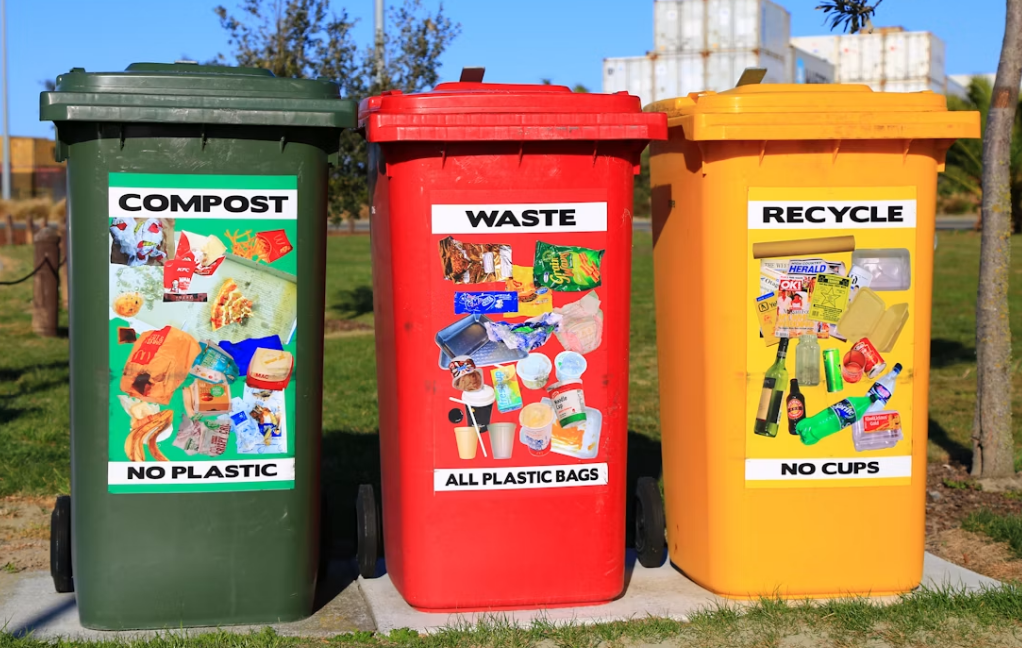
Plastic Isn’t Just One Thing
Different plastics contain different polymers, additives, colors, shapes, and combinations with other materials. Those differences affect recyclability, meaning a facility cannot simply throw every plastic object into one machine and expect useful recycled material.
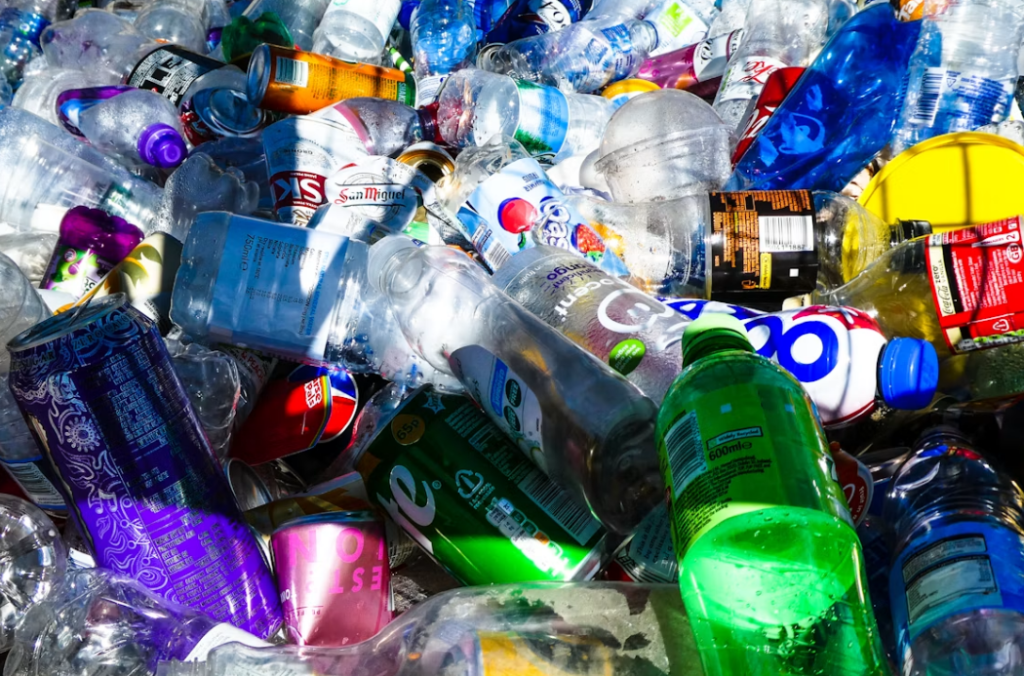
Recycling Can Lose To Virgin Plastic
Recycled plastic has to compete with newly manufactured plastic, and virgin material is often cheaper. The Government Accountability Office specifically identifies transportation costs and limited recycling infrastructure as factors making recycled plastics less economically competitive.
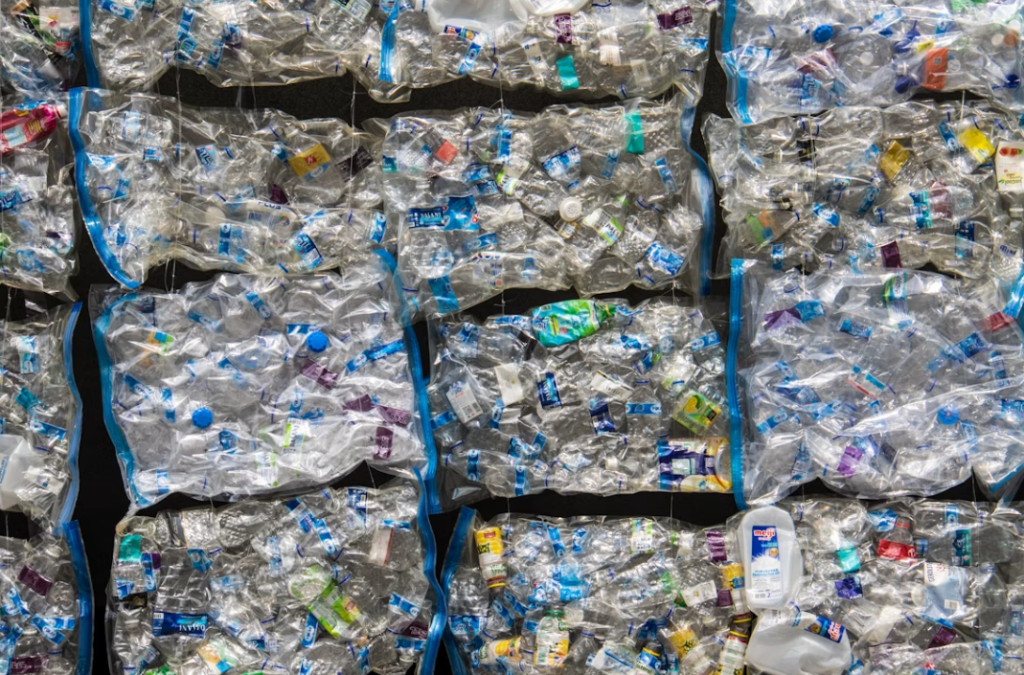
Recycling Isn’t Always A Closed Loop
Even when plastic gets recycled, the resulting material isn’t necessarily turned back into the same product. Mechanical recycling can produce lower-quality plastic, meaning material may eventually leave the recycling loop instead of being recycled indefinitely.
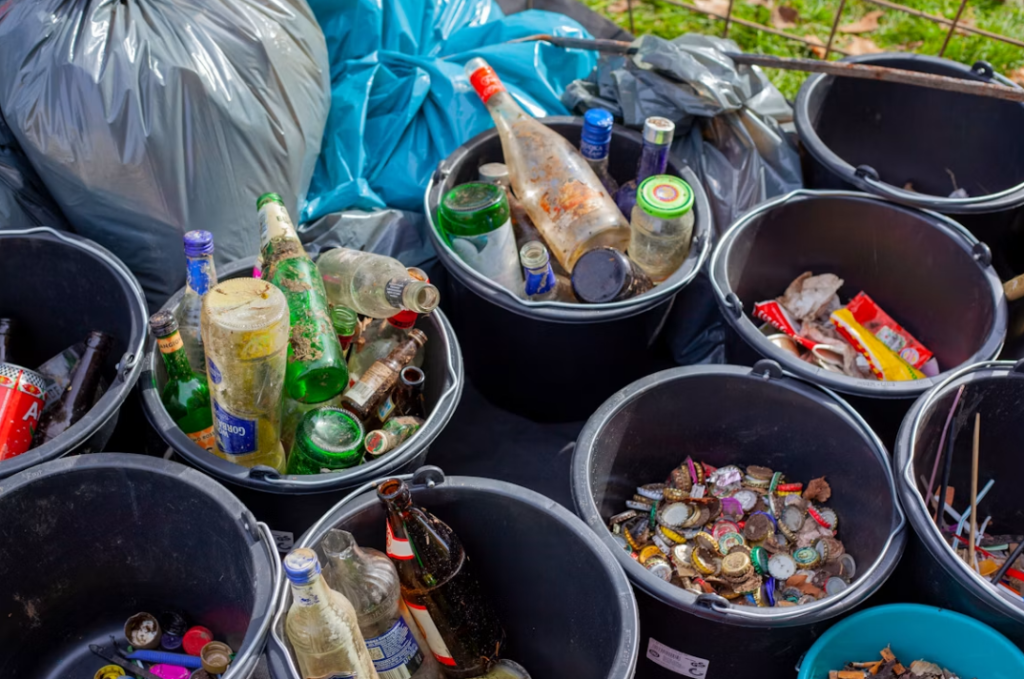
Contamination Can Wreck The Process
Recycling facilities must deal with contamination and incompatible materials entering the waste stream. Food residue, incorrect plastics, and other unwanted material complicate sorting and processing, reducing how much collected material can actually become useful recycled feedstock.

Someone Has To Buy The Stuff
Recycling only works economically when somebody wants the resulting material. Recyclers can collect and process waste, but if manufacturers prefer cheaper virgin plastic, recycled material can become difficult to sell, undermining the economics of the entire system.
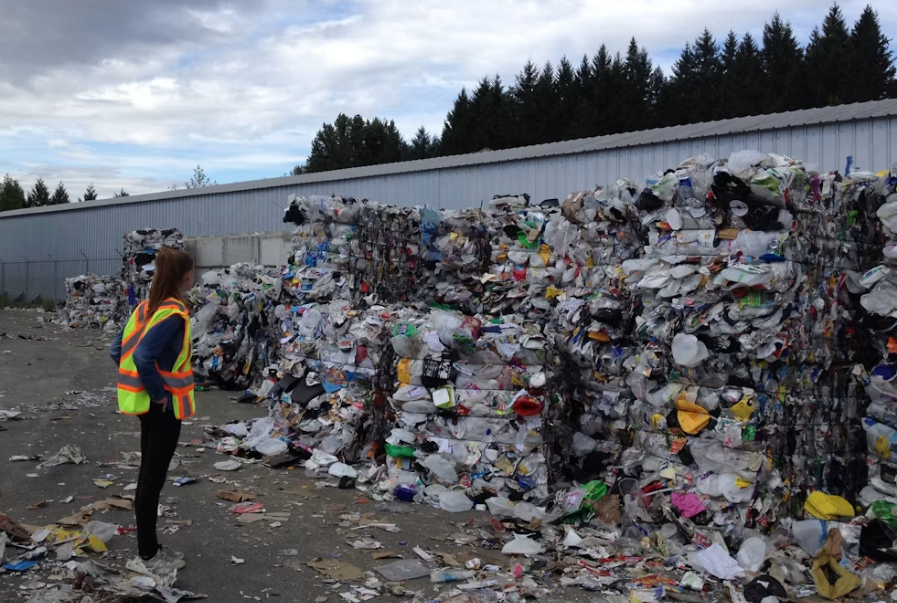
China’s Waste Ban Exposed The Problem
For decades, the United States and other countries relied heavily on international markets for recyclables. China’s restrictions on waste imports disrupted that system, highlighting how dependent recycling had become on finding overseas buyers for collected material.
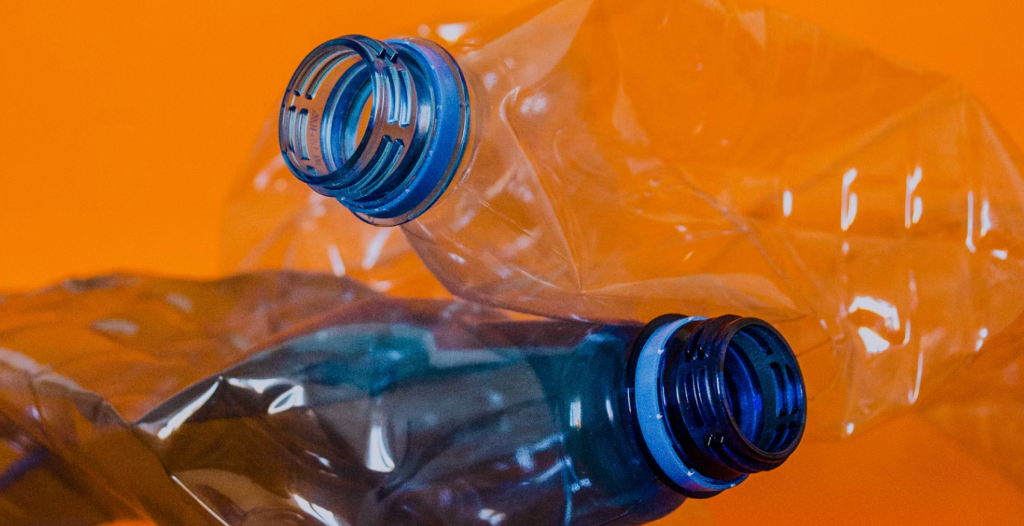
Plastic Recycling Creates Its Own Waste
Collecting something for recycling doesn’t mean every part becomes a new product. Recycling processes generate residues that require further disposal, and the OECD estimated that 22 million tonnes of material collected for recycling became residue in 2019.

Advanced Recycling Isn’t A Magic Solution
Chemical recycling can break plastic down using heat or chemical reactions, potentially producing new plastic or other chemicals. However, the technology faces high costs, technical challenges, and limited incentives, so it isn’t an instant replacement for conventional recycling.
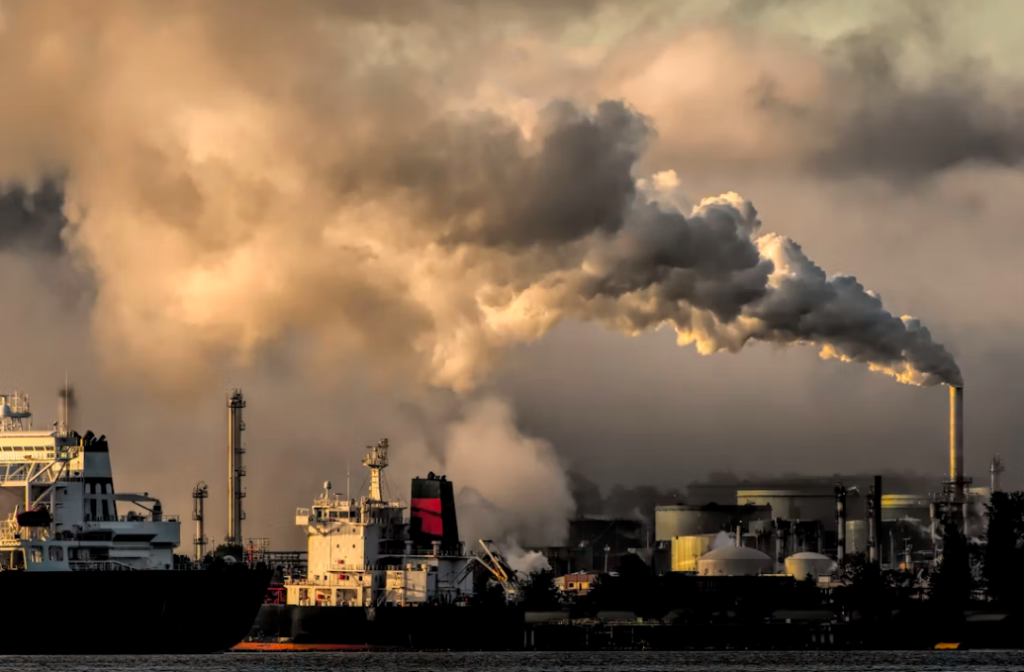
Sometimes “Recycling” Means Making Fuel
Some advanced recycling technologies convert plastic into fuel or other chemicals rather than new plastic. That can still recover value from waste, but calling every such process a straightforward circular recycling system oversimplifies what is actually happening.
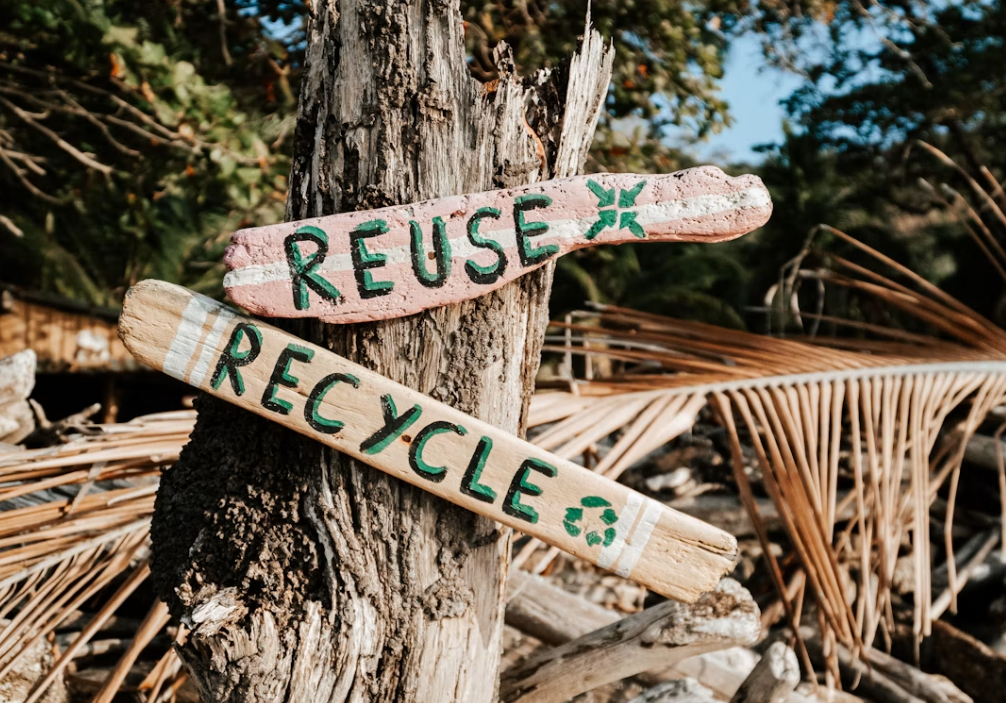
The System Needs Billions Of Dollars
The EPA estimates that modernizing U.S. recycling infrastructure for packaging materials would require roughly $22 billion to $28 billion, while improving the broader recycling system has been estimated at even higher levels. The infrastructure gap is enormous.
America Doesn’t Even Track Everything Well
Only about half of U.S. states and territories measure an overall recycling rate, while just 15% collect data on community-program capture rates. That means even determining exactly how effectively recycling works nationally is surprisingly difficult.
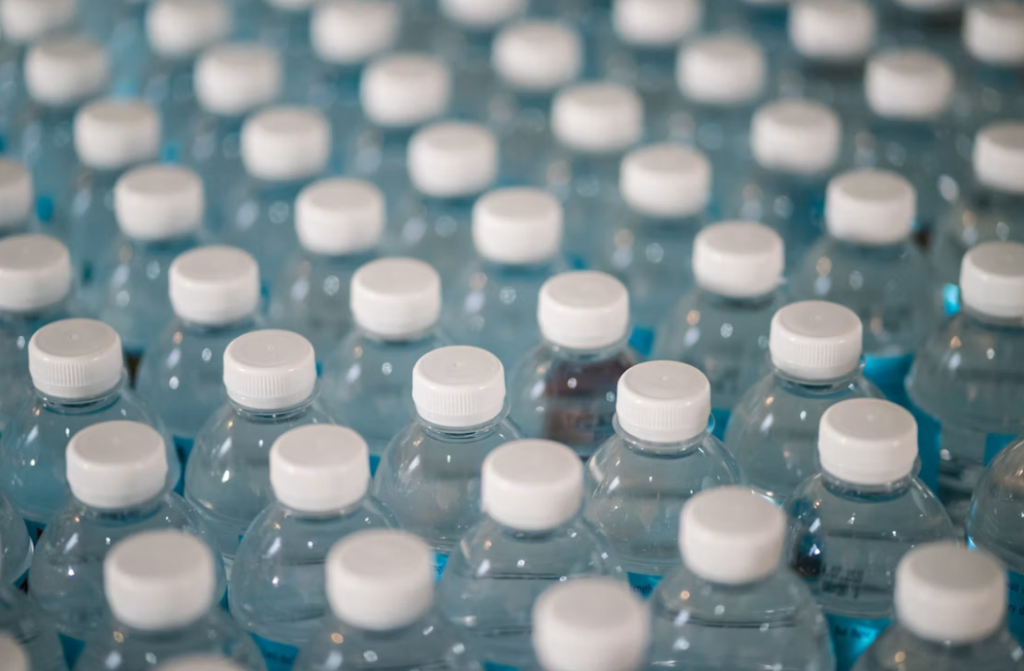
Plastic Production Is Outrunning Recycling
Global plastic production reached roughly 460 million tonnes annually by 2019, while only about 9% of plastic waste was ultimately recycled. Recycling therefore isn’t eliminating the underlying problem when production continues growing faster than the system can recover material.
Recycling Can’t Fix Disposable Culture
Most plastic waste comes from products with short lifespans, particularly packaging. The OECD found that almost two-thirds of plastic waste comes from applications lasting less than five years, meaning recycling is being asked to manage a fundamentally disposable system.