15 Shows from the Past it Felt Impossible to Escape

There was a time when you could go almost anywhere and somehow run into the same television shows. They were on constantly, people talked about them at work, classmates quoted them, commercials referenced them, and entire conversations could revolve around what happened in the latest episode. Even if you never watched them yourself, avoiding them completely was practically impossible. Some became cultural landmarks because of their enormous audiences, while others simply seemed to be playing on every television in every waiting room, restaurant, or living room you entered. These are the shows that felt less like television programs and more like unavoidable parts of everyday life.
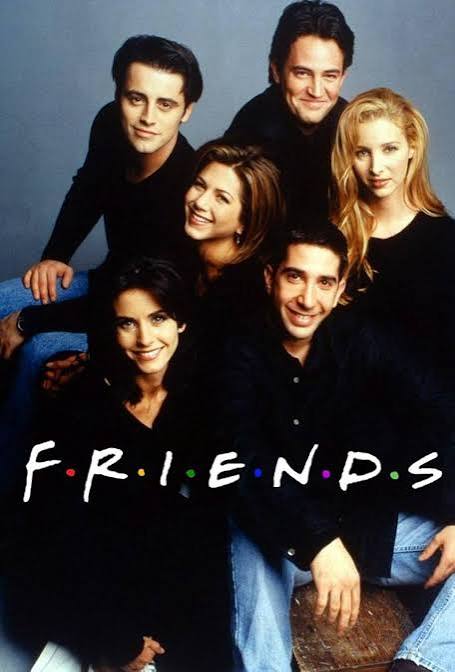
Friends (1994)
For years, Friends seemed to be everywhere. Whether you actually followed the adventures of Rachel, Ross, Monica, Chandler, Joey, and Phoebe or not, someone was always talking about the latest episode, quoting a line, or watching a rerun.
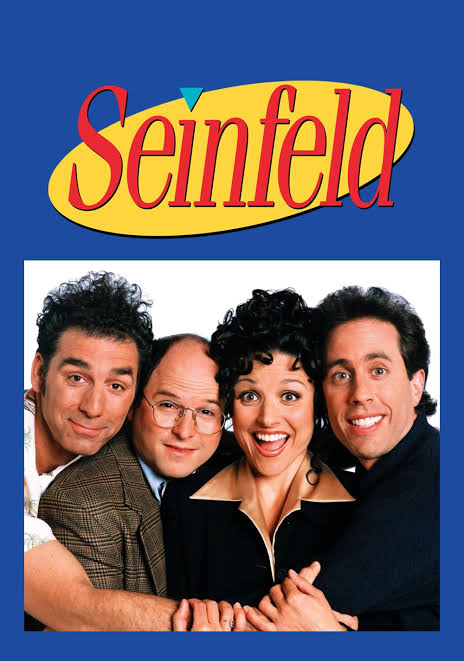
Seinfeld (1989)
Seinfeld became such a huge part of American pop culture that avoiding it was nearly impossible during its peak. Even people who did not regularly watch the show knew characters, catchphrases, and references from Jerry’s increasingly ridiculous observations.
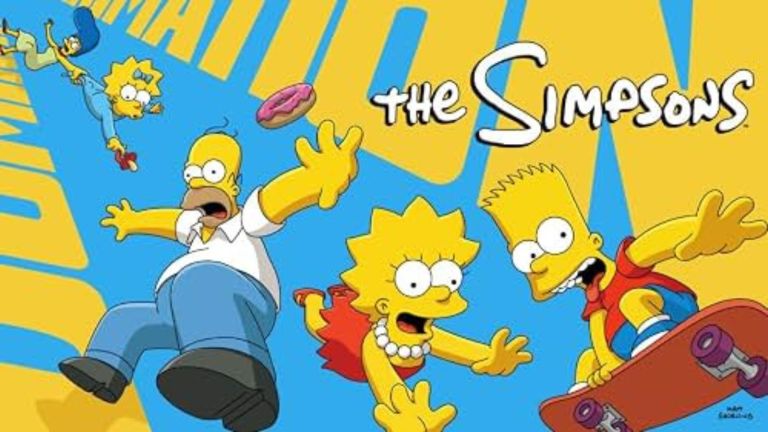
The Simpsons (1989)
The Simpsons became far more than a television show. Homer, Bart, Marge, Lisa, and the rest of Springfield appeared on merchandise, magazines, commercials, toys, and countless pop culture references, making the series difficult to escape.
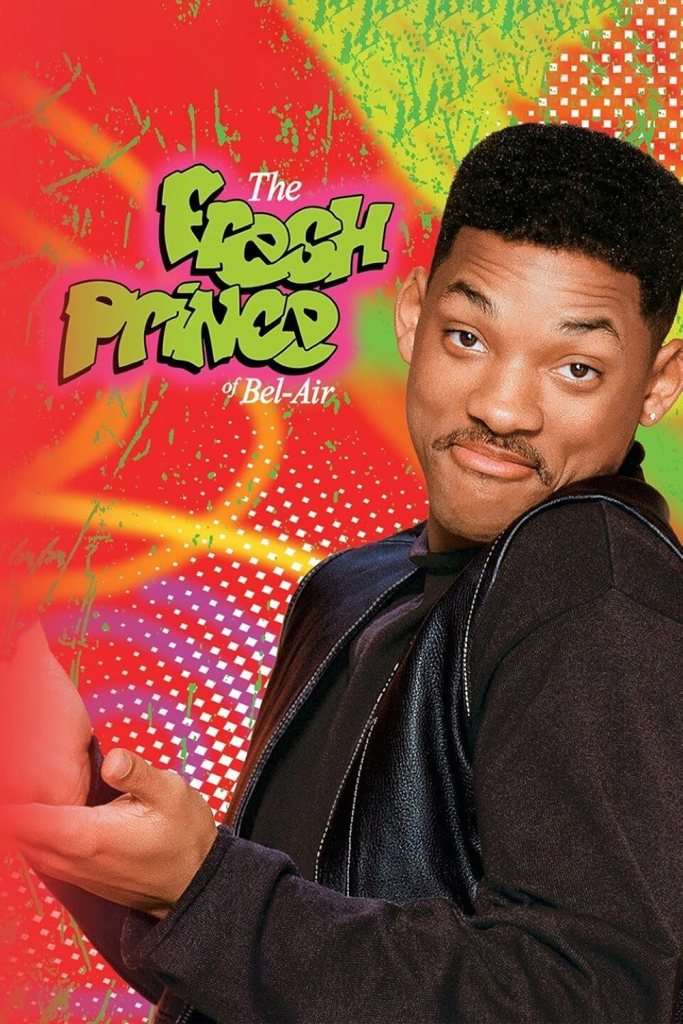
The Fresh Prince of Bel Air (1990)
Will Smith’s sitcom became a fixture of television schedules and reruns. The theme song alone was enough to make the show recognizable to people who had barely watched an episode.
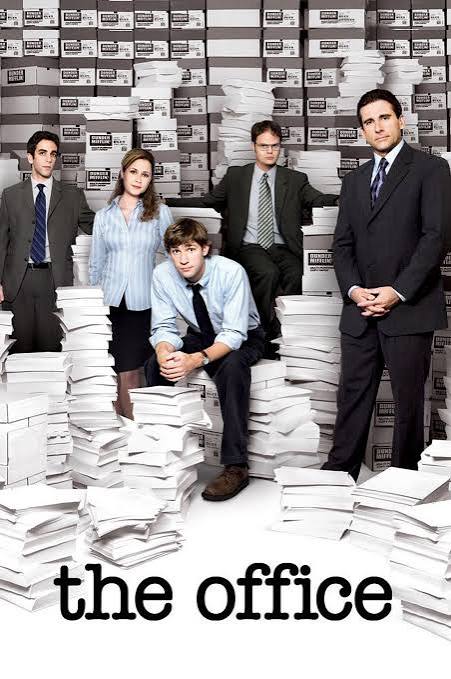
The Office (2005)
Once The Office became widely syndicated and later exploded through streaming, it seemed to be playing somewhere constantly. Michael Scott’s behavior, Dwight’s eccentricities, and the show’s endless collection of memes made it particularly hard to avoid online.
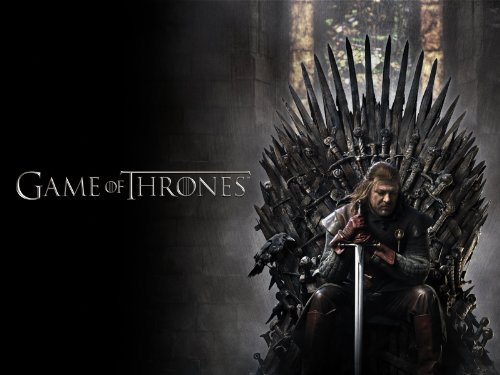
Game of Thrones (2011)
During its peak, Game of Thrones dominated conversations every week. Spoilers became a genuine concern, while social media filled with theories, reactions, memes, and arguments about what had just happened.
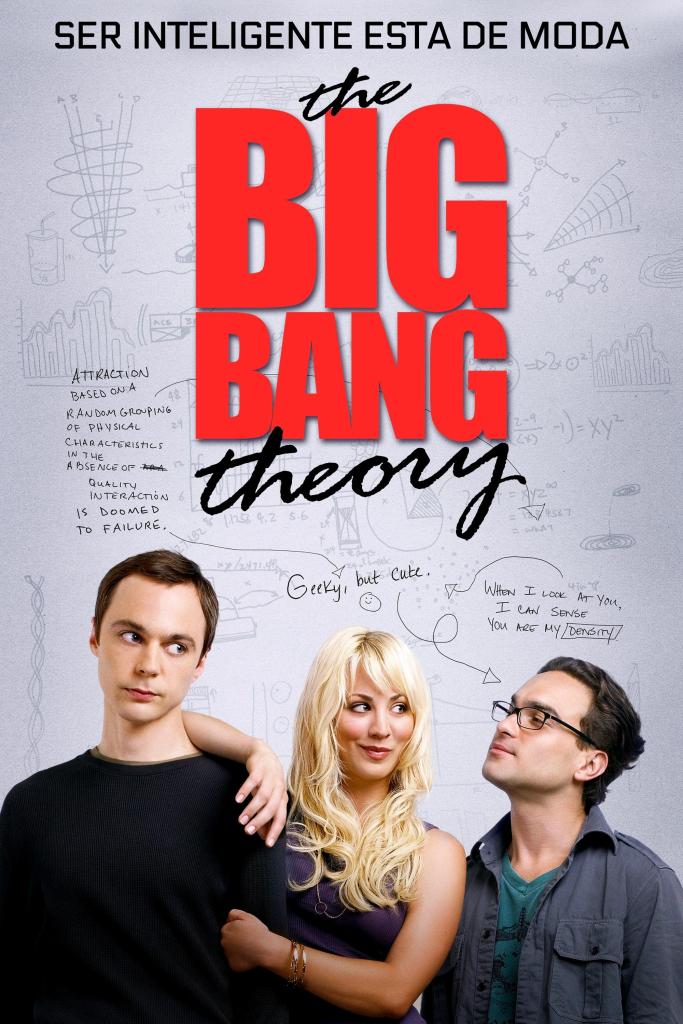
The Big Bang Theory (2007)
The Big Bang Theory became one of those sitcoms that seemed to occupy every available rerun slot. Even people who never followed the original broadcasts could easily encounter Sheldon and the gang while flipping through channels.

Lost (2004)
For several years, Lost seemed to generate a new mystery every week and a new theory everywhere else. Friends, coworkers, websites, and message boards all had something to say about what was happening on the island.
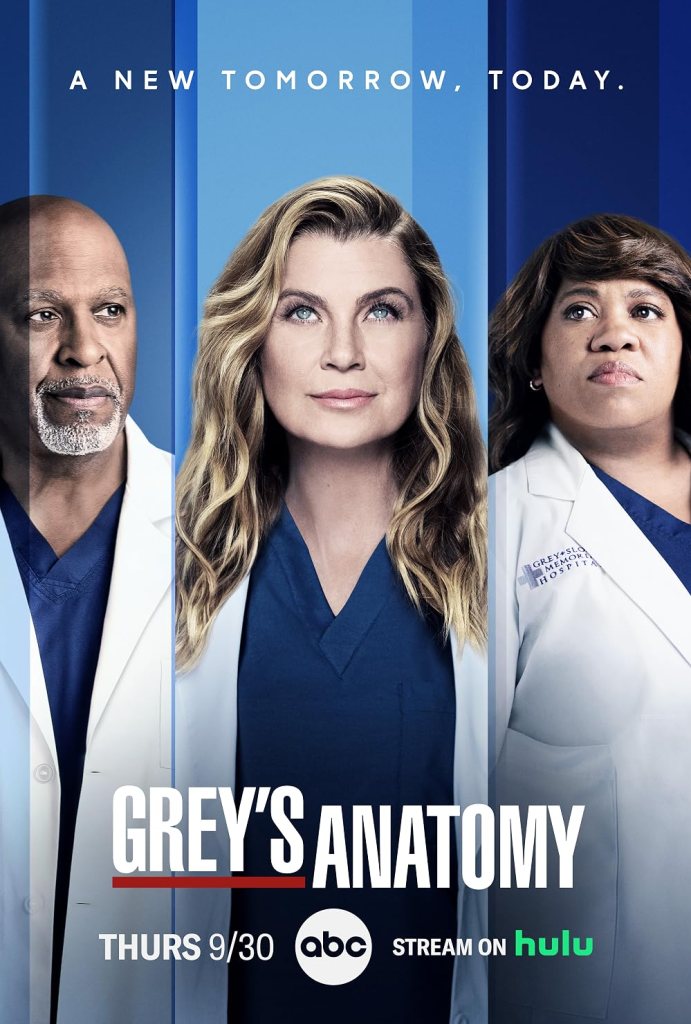
Grey’s Anatomy (2005)
Grey’s Anatomy became a television institution that seemed to be permanently present. Its enormous episode count, constant reruns, and long running popularity made Meredith Grey’s world difficult to completely avoid.
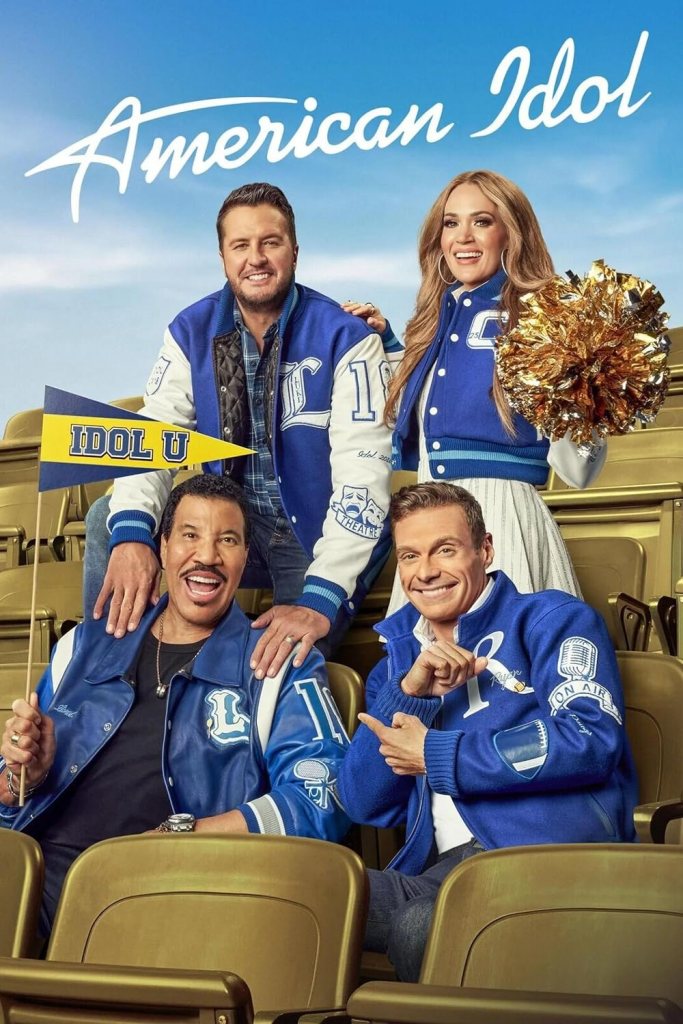
American Idol (2002)
During its peak, American Idol was practically a national event. Performances were discussed the next day, contestants became celebrities overnight, and the show’s enormous audience made it one of the most visible programs on television.
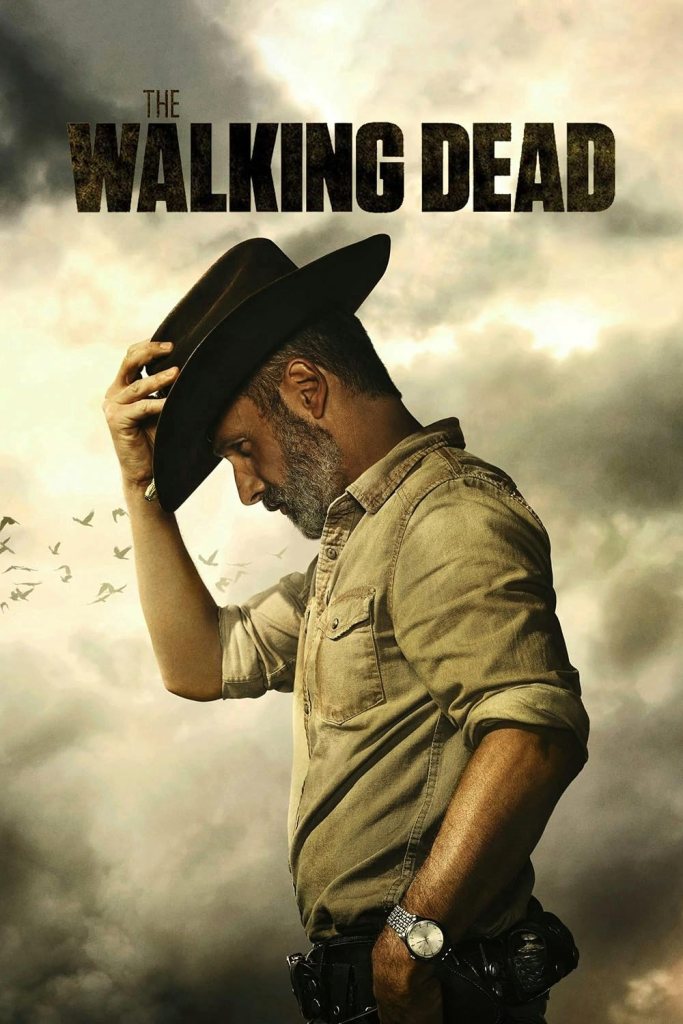
The Walking Dead (2010)
Zombie culture exploded alongside The Walking Dead, and the show became one of television’s biggest conversation pieces. Even people who never watched it were familiar with its characters, deaths, memes, and endless references.
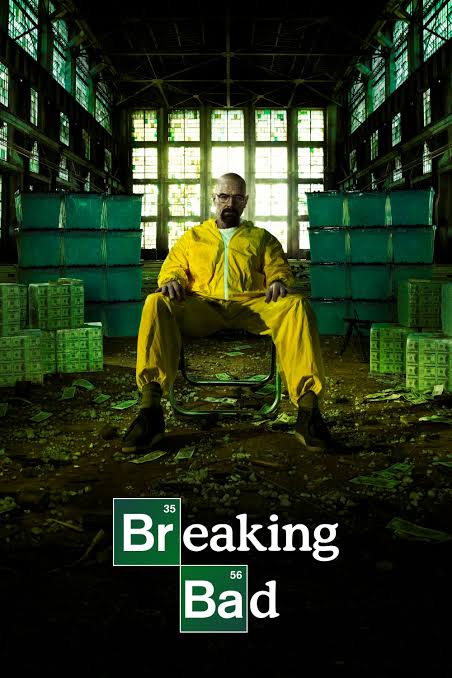
Breaking Bad (2008)
Once Breaking Bad became a cultural phenomenon, Walter White and Jesse Pinkman seemed to appear everywhere. Memes, quotes, Halloween costumes, parodies, and constant recommendations made the series difficult to ignore.
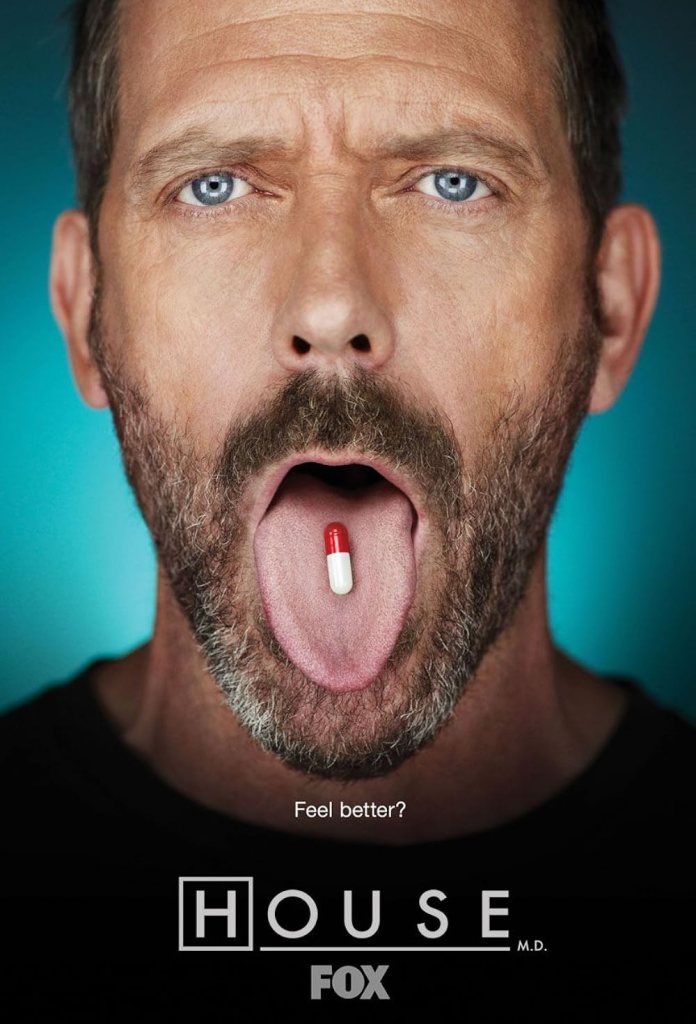
House (2004)
Dr. Gregory House became one of television’s most recognizable characters, and the show’s procedural format made it perfect for endless reruns. It seemed to be playing somewhere almost every time you turned on a television.
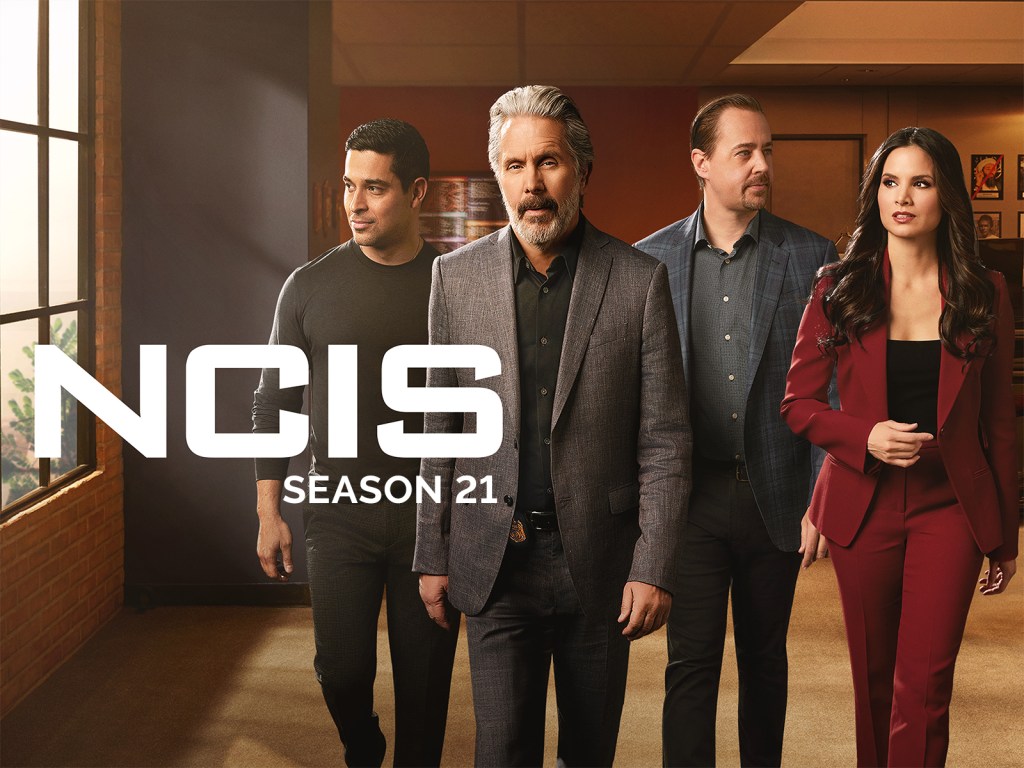
NCIS (2003)
NCIS became one of those shows that could seemingly be found on television at any hour of the day. Its enormous episode count and popularity turned Gibbs and his team into familiar faces even for viewers who had never intentionally watched an episode.