15 ‘Dark’ Photos and Facts from American History

Old photographs can make American history look surprisingly familiar until you learn what was actually happening when the camera clicked. A smiling crowd might be standing somewhere with a disturbing past, an ordinary-looking building might have played a strange role in a national crisis, and a cheerful publicity shot can hide a story that aged terribly. That’s what makes digging through historical photo archives so interesting. The darker side of the past isn’t always obvious from the picture itself. Sometimes, the unsettling part only appears once you know the context. These 15 photos and facts capture some of the stranger, more uncomfortable chapters of American history without needing anything graphic to tell the story.
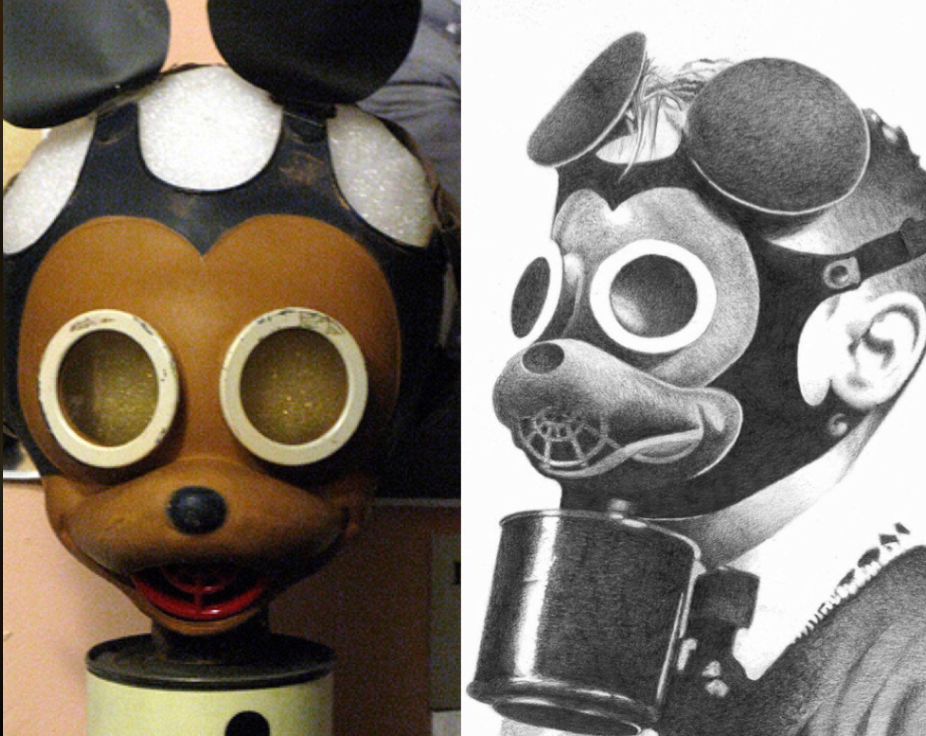
The Gas Masks Made for Mickey Mouse
During World War II, American officials worried that children might panic if they had to wear gas masks. A prototype inspired by Mickey Mouse was developed to make the equipment seem less frightening, creating an object that looks considerably creepier today than anyone probably intended.
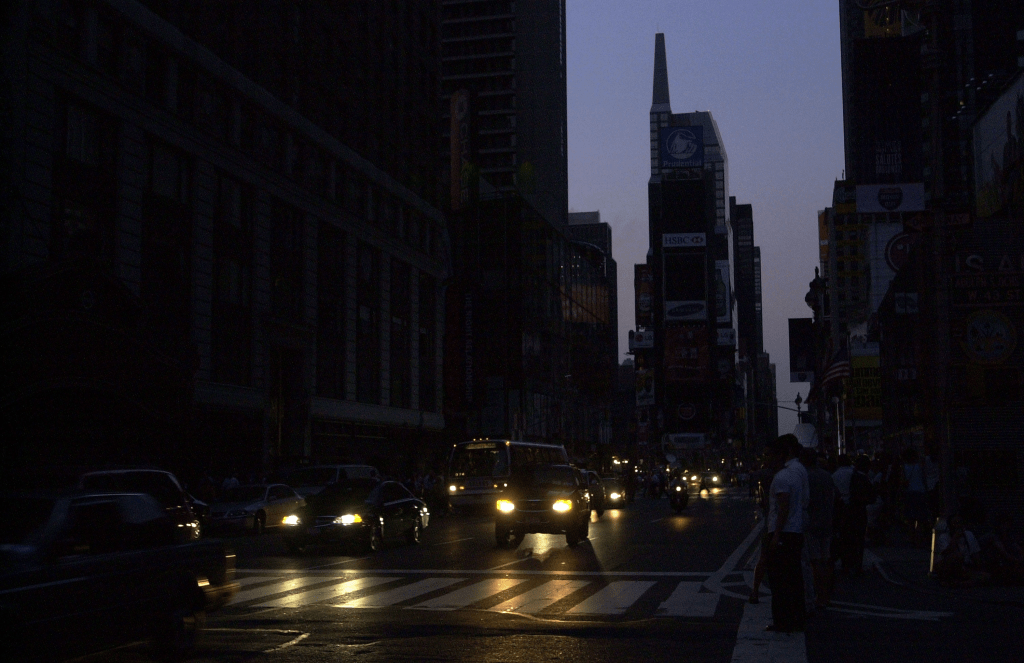
Times Square Went Completely Dark in 2003
The massive Northeast blackout of August 2003 left tens of millions of people without power across parts of the United States and Canada. In New York City, even the famously bright signs of Times Square went dark, creating an unusually eerie view of one of the world’s most illuminated places.
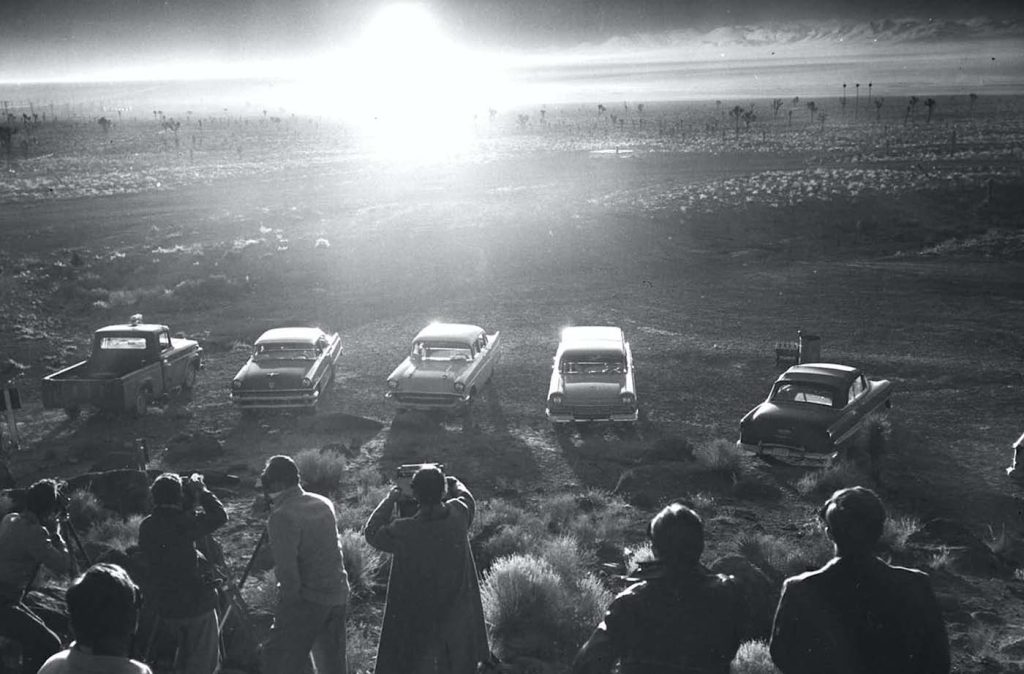
Las Vegas Tourists Watched Nuclear Tests
In the 1950s, atomic tests conducted in Nevada became an unlikely tourist attraction in Las Vegas. Hotels promoted viewing opportunities, and visitors could sometimes see mushroom clouds rising in the distance from the city.
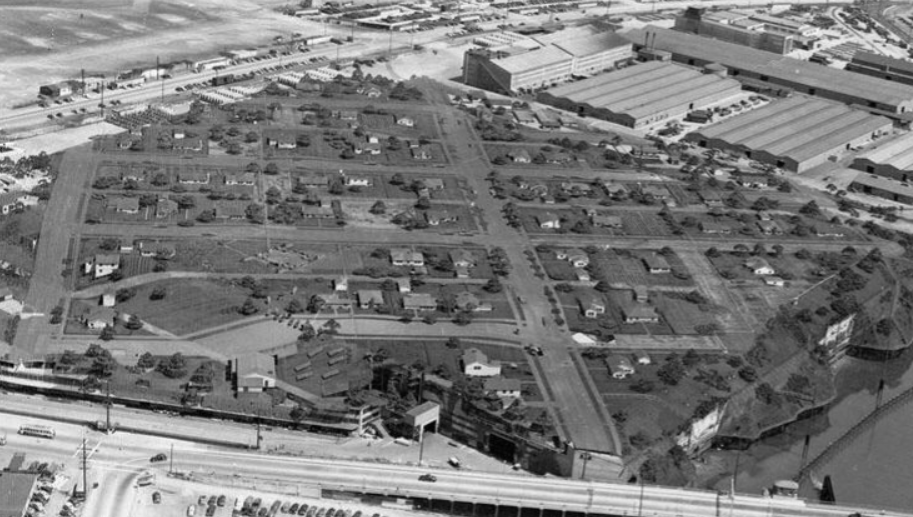
The Government Built Fake Rooftop Neighborhoods
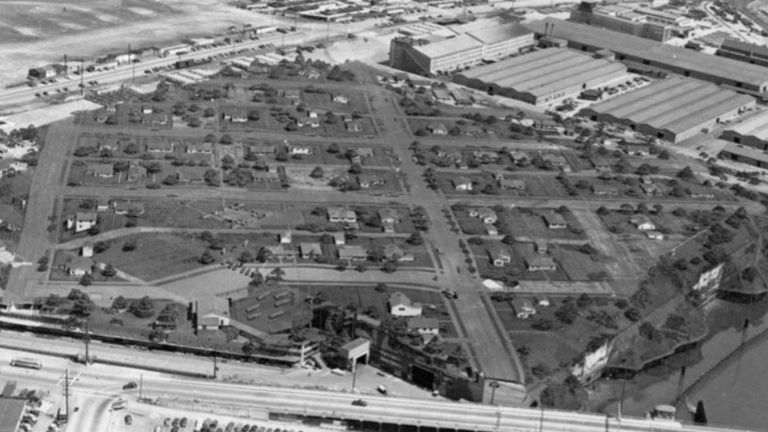
During World War II, some American aircraft factories were camouflaged to hide them from potential aerial attacks. Boeing’s Seattle plant was covered with fake houses, streets, and trees, making the enormous industrial complex look like an ordinary neighborhood from above.
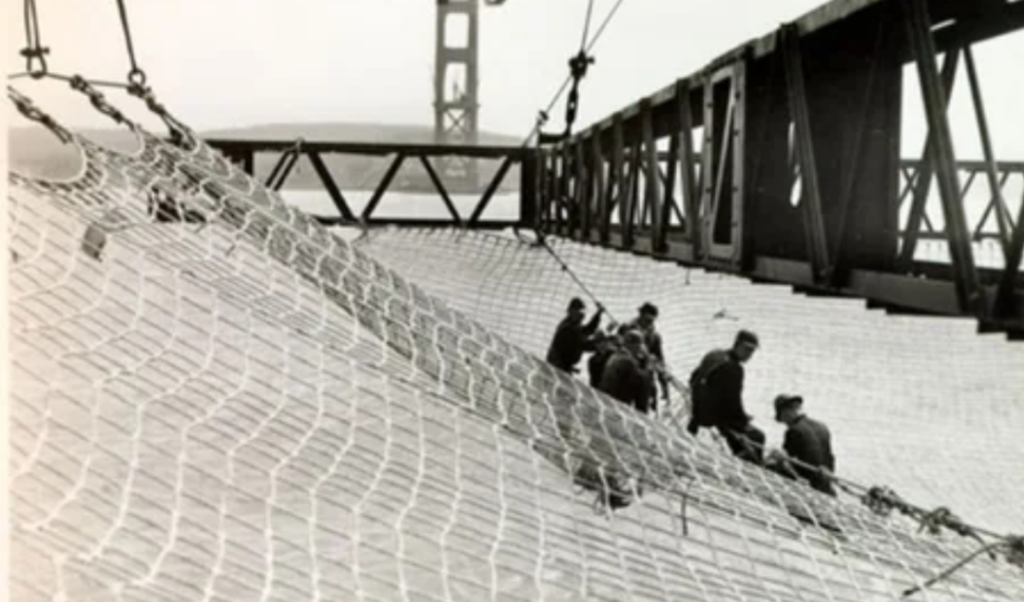
The Golden Gate Bridge Once Had a Giant Safety Net
Building the Golden Gate Bridge was enormously dangerous, so workers suspended a large safety net beneath sections of the construction site. The net saved the lives of workers who fell and became an unusual sight beneath one of America’s future landmarks.
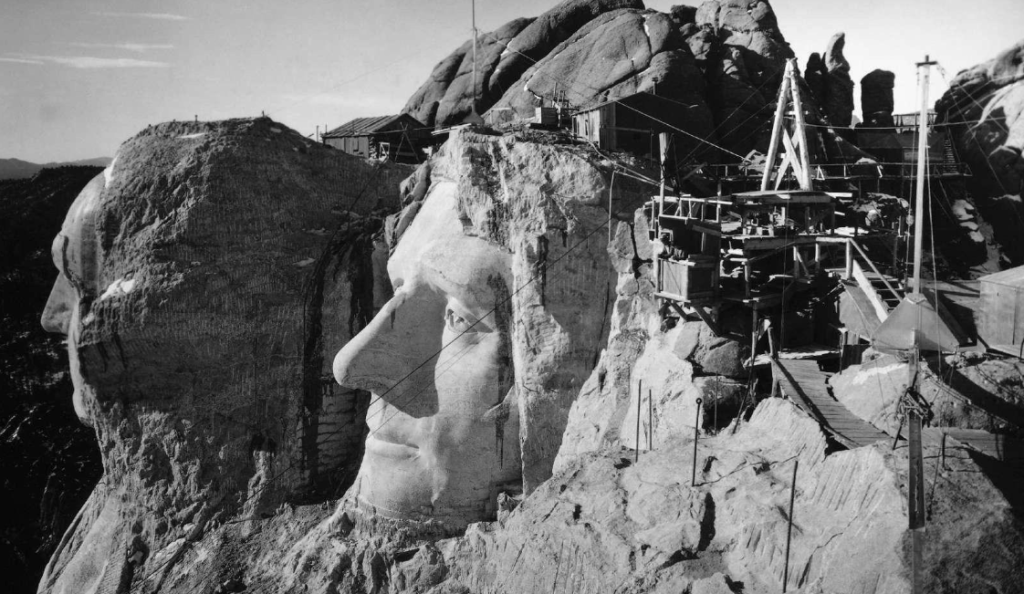
Mount Rushmore Looked Very Different Under Construction
Before it became one of America’s most recognizable monuments, Mount Rushmore was a massive construction site covered in cables, scaffolding, and workers suspended against the mountain. Vintage photographs make the scale of the project look especially intimidating.
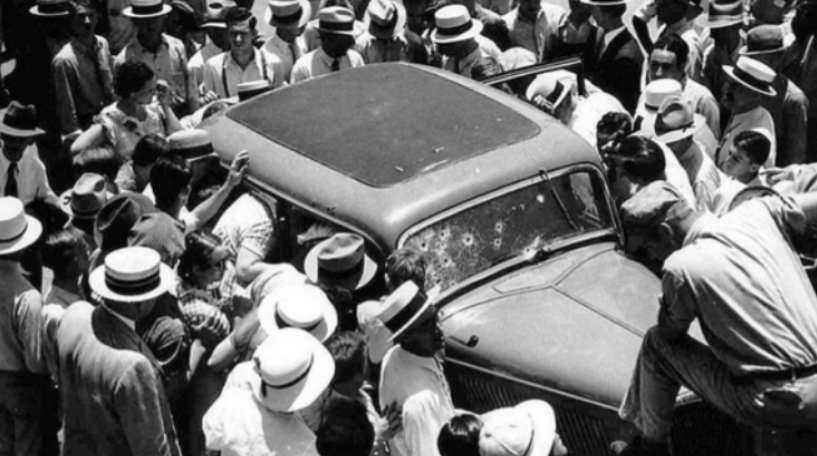
People Lined Up to See Bonnie and Clyde’s Car
After Bonnie Parker and Clyde Barrow’s crime spree ended in 1934, the bullet-damaged Ford they had been driving became a public attraction. Crowds gathered to see the vehicle, turning a violent chapter of American history into a spectacle.
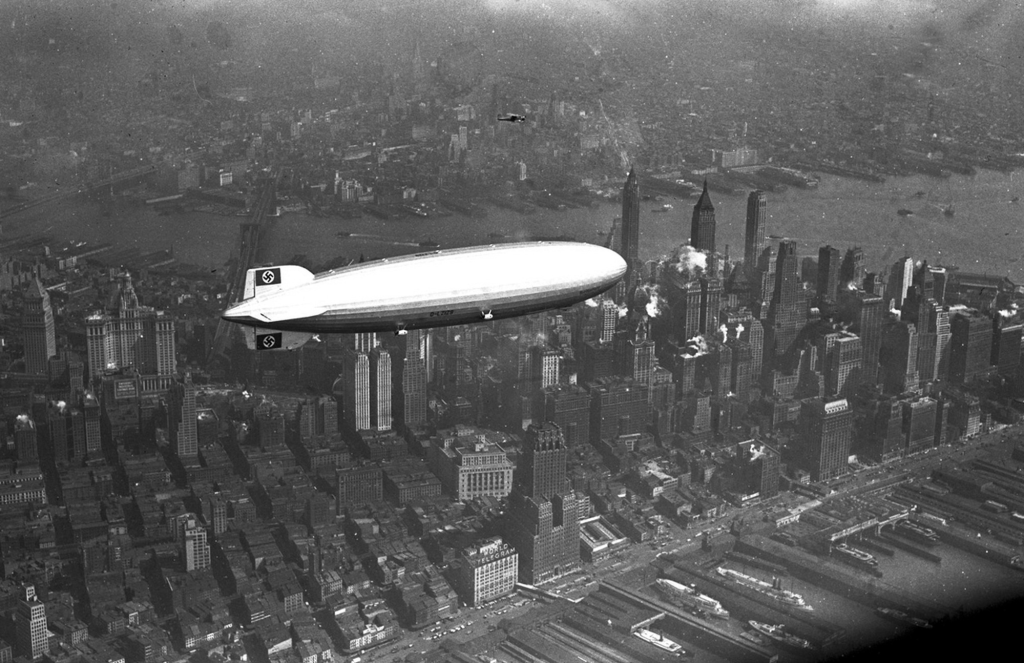
The Hindenburg Flew Over New York Before Disaster Struck
Before its infamous 1937 disaster in New Jersey, the Hindenburg made flights over American cities, including New York. Photos of the enormous airship floating peacefully above Manhattan look especially eerie knowing how its story ended.
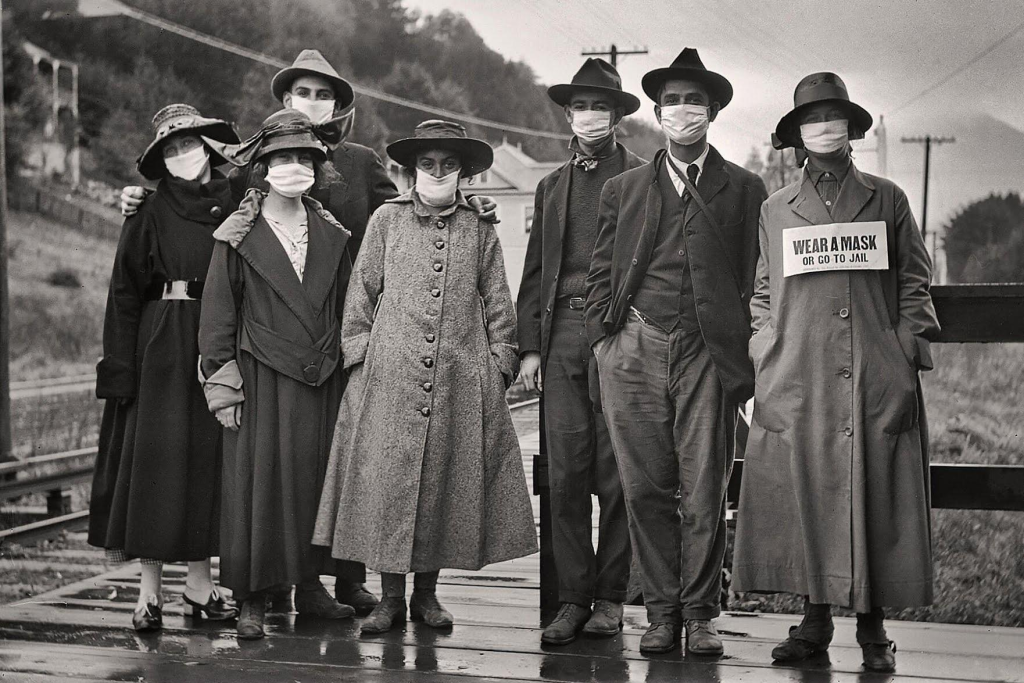
New Yorkers Wore Masks During the 1918 Flu Pandemic
Photographs from the 1918 influenza pandemic show Americans wearing masks, public health workers distributing supplies, and signs warning people about infection. A century later, many of those images suddenly looked much less distant.
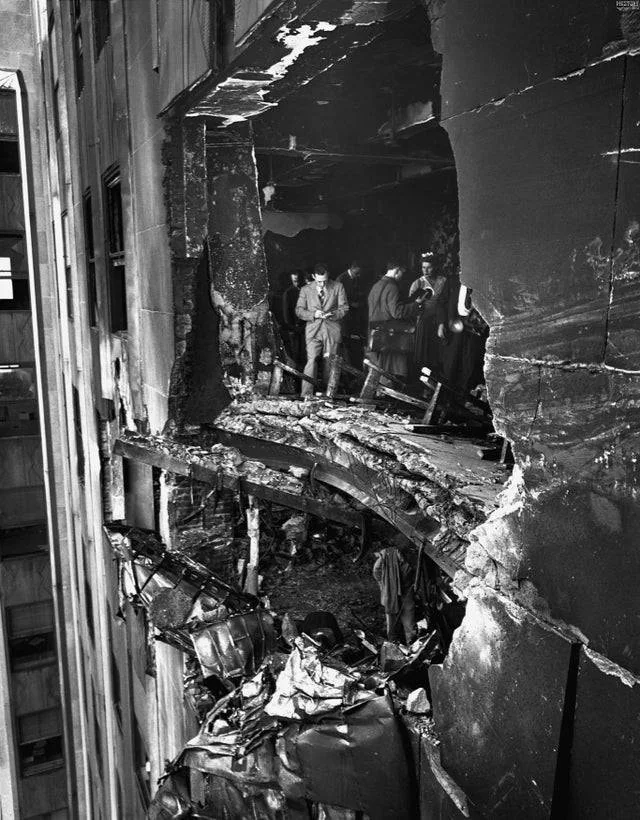
The Empire State Building Was Hit by an Airplane
In 1945, a B-25 bomber became disoriented in heavy fog and crashed into the Empire State Building. The skyscraper survived, and photographs taken afterward show damage to a building that many people today assume has always been practically untouchable.
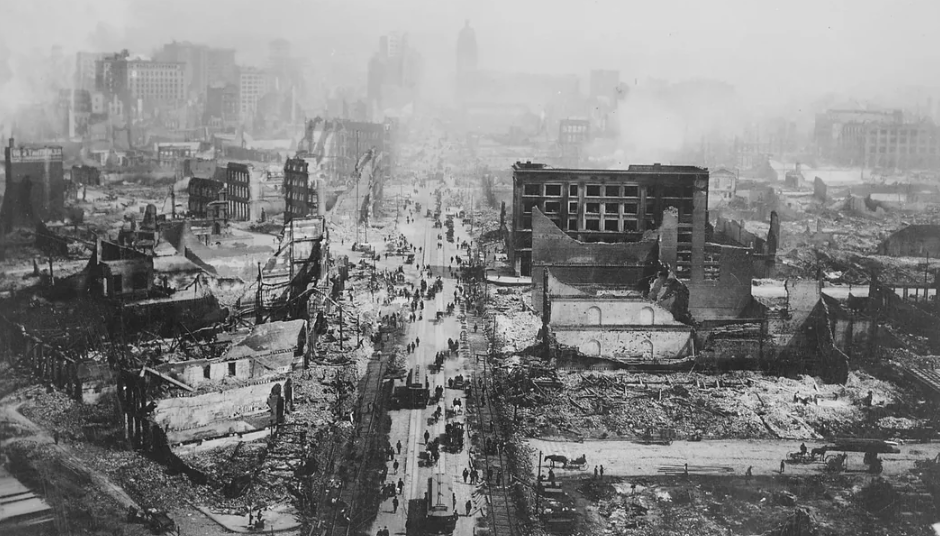
San Francisco Was Left in Ruins After the 1906 Earthquake
The earthquake and fires that struck San Francisco in 1906 destroyed huge sections of the city. Panoramic photographs taken afterward show blocks of buildings reduced to ruins while recognizable landmarks stand in the distance.
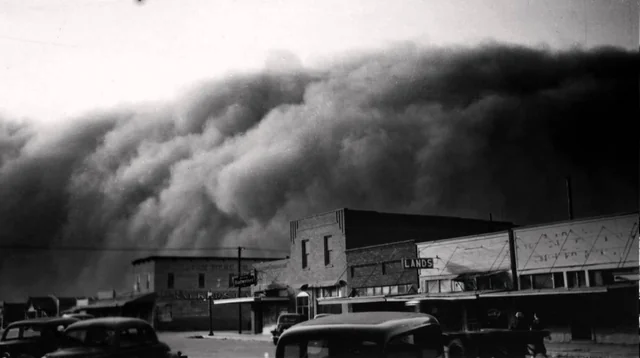
The Dust Bowl Could Turn Day Into Night
During the 1930s, enormous dust storms swept across parts of the Great Plains. Some were dense enough to block sunlight almost completely, producing photographs of giant walls of dust approaching towns and farms.
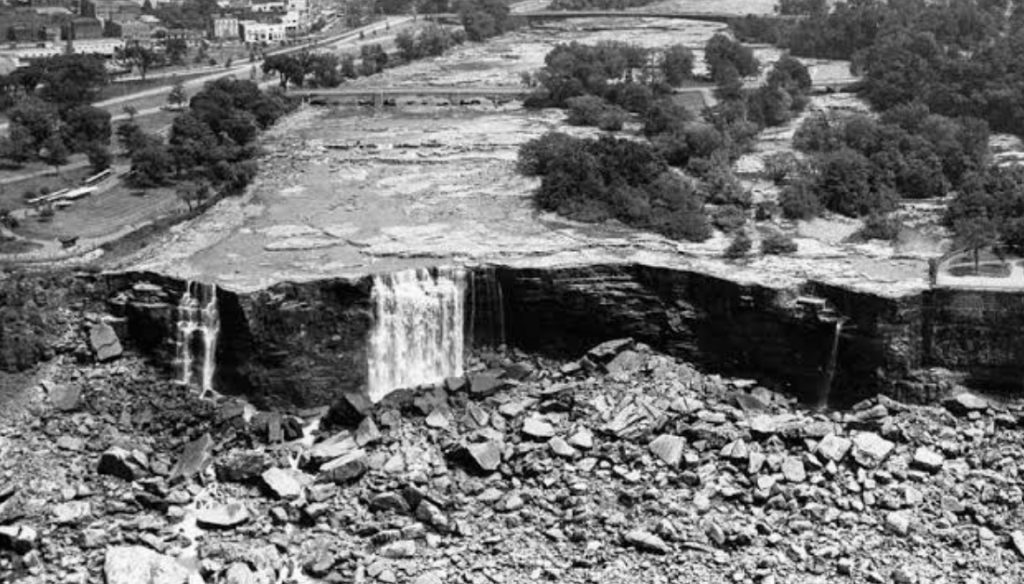
Niagara Falls Was Temporarily Stopped
In 1969, engineers diverted water away from the American Falls section of Niagara Falls to study erosion. For several months, visitors could see the normally roaring falls reduced to an almost dry cliff covered in rocks.
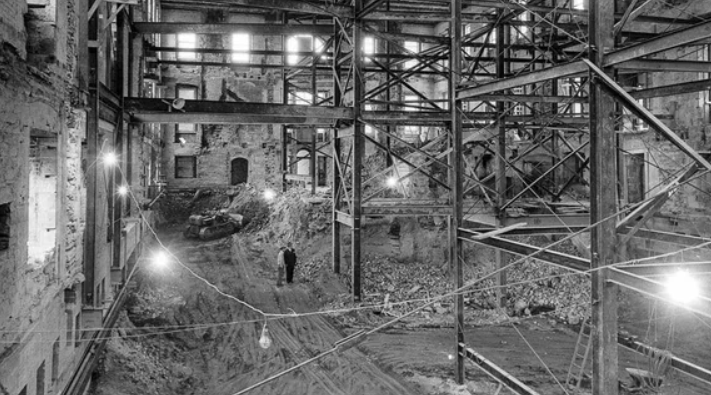
The White House Was Completely Gutted
By the late 1940s, the White House had developed serious structural problems. During a massive renovation, almost the entire interior was removed, leaving little more than the exterior walls standing around a huge empty shell.
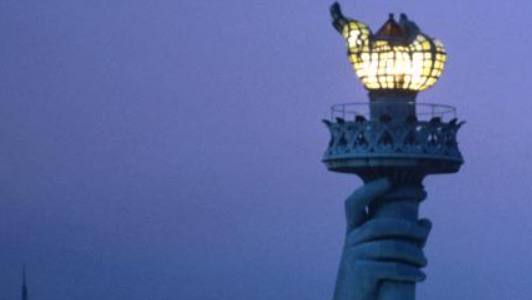
The Statue of Liberty’s Torch Was Once Open to Visitors
Visitors were originally allowed to climb all the way into the Statue of Liberty’s torch. Access ended after an explosion in 1916 damaged the area, and the torch has remained closed to the public ever since.