15 Movies That Accidentally Predicted the Future

Think about how many movies imagine what the future might look like. Most get it completely wrong, but every now and then one gets surprisingly close. Years before certain technologies, social trends, or global events became part of everyday life, a few filmmakers happened to imagine something remarkably similar. They weren’t trying to predict the future, but looking back now, some scenes feel almost unsettling because of how familiar they’ve become. Whether they guessed advances in technology or simply understood where society was heading, these movies ended up being far more accurate than anyone expected.
Here are 15 movies that accidentally predicted the future.
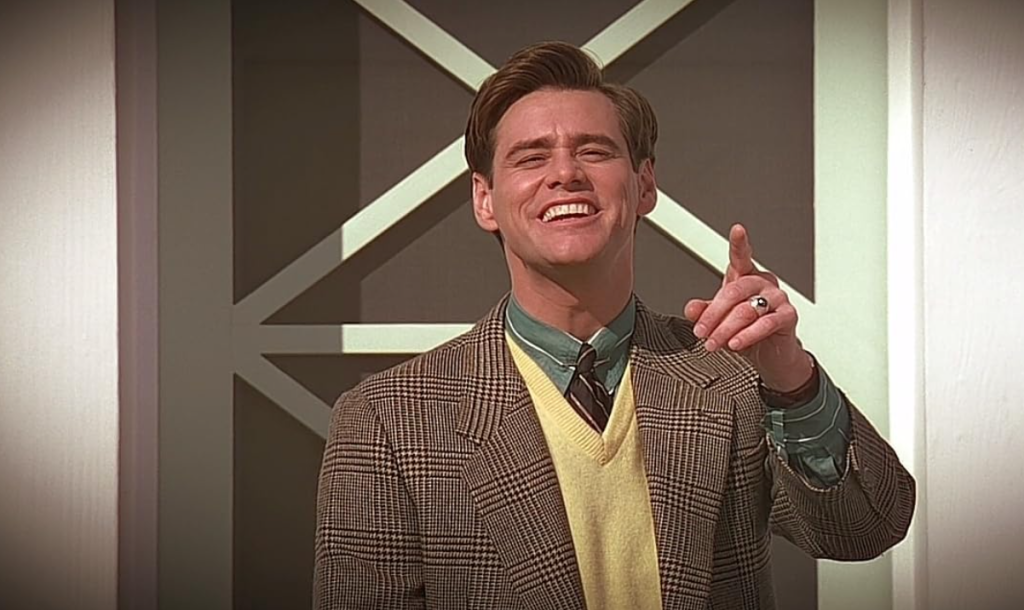
The Truman Show (1998)
The film imagined a man whose entire life was turned into entertainment years before reality TV exploded with shows like Big Brother.

The Cable Guy (1996)
Jim Carrey’s character casually describes a future where one device is used for shopping, education, entertainment, and communication, sounding remarkably similar to today’s connected world.
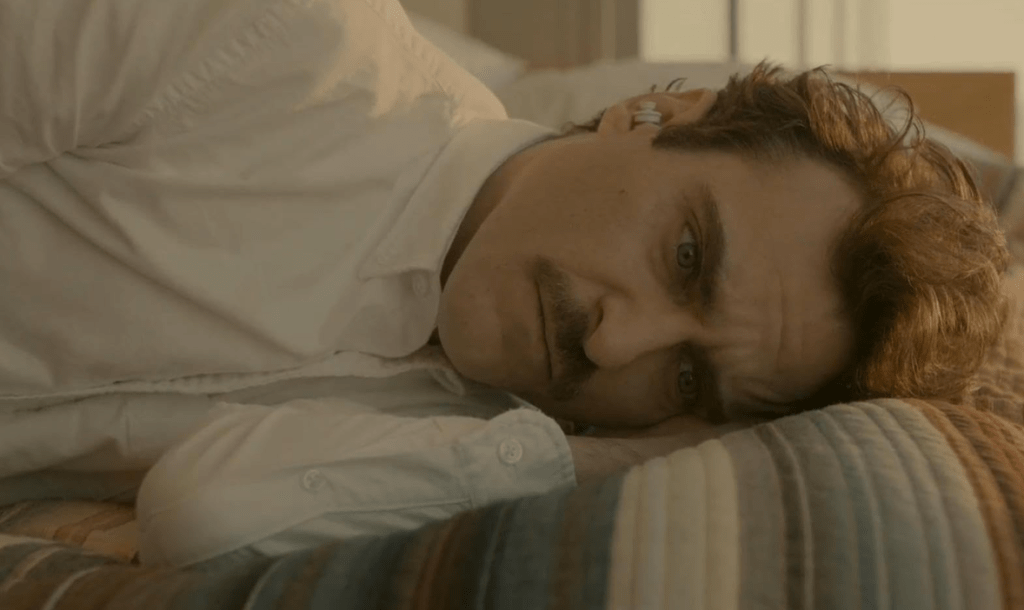
Her (2013)
Long before AI assistants became part of daily life, the film imagined people developing genuine emotional connections with intelligent software.
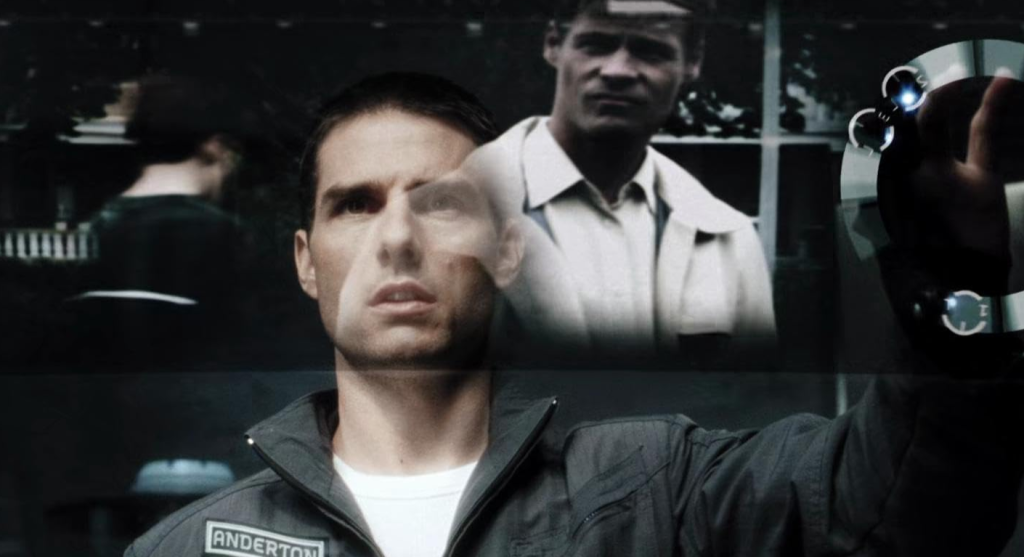
Minority Report (2002)
The movie featured personalized advertisements that recognized individual shoppers, something that now feels surprisingly close to targeted digital marketing and facial recognition technology.
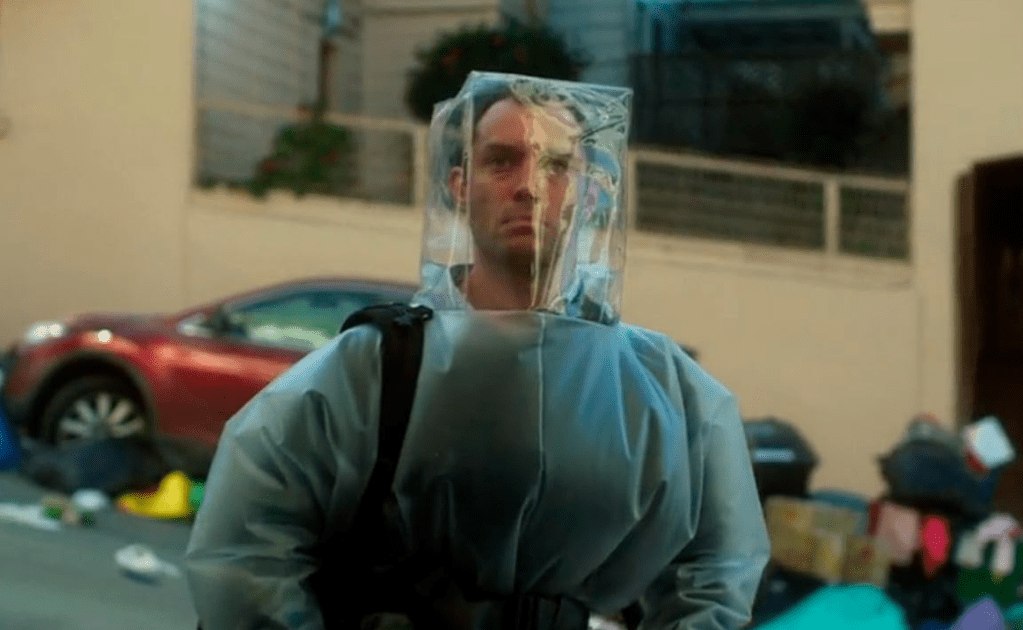
Contagion (2011)
Its realistic portrayal of a global pandemic, misinformation, lockdowns, and vaccine development became eerily familiar less than a decade later.
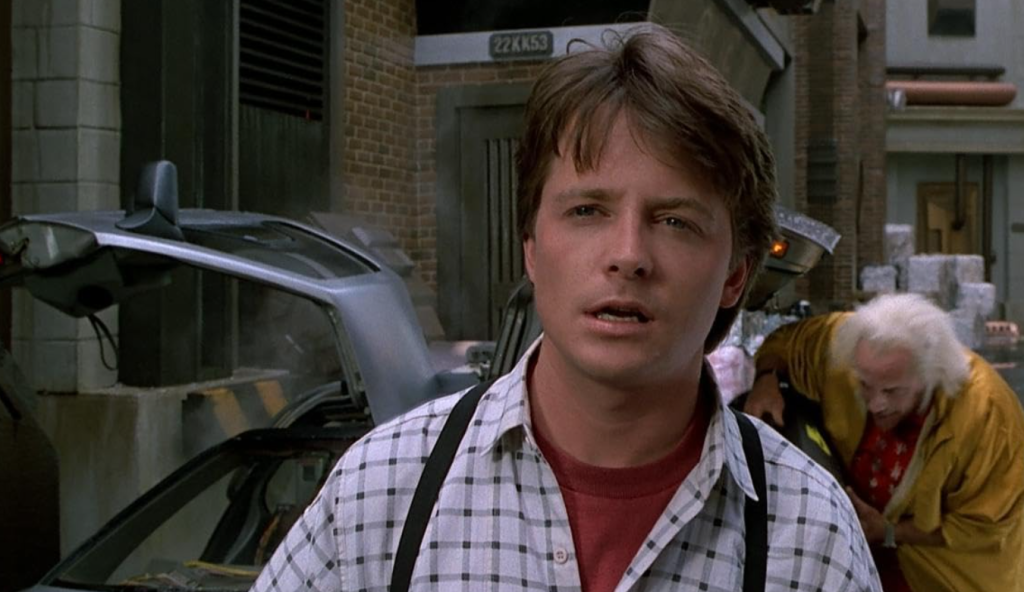
Back to the Future Part II (1989)
While flying cars never arrived, the movie correctly anticipated video calls, wearable tech, smart homes, and biometric payment systems.
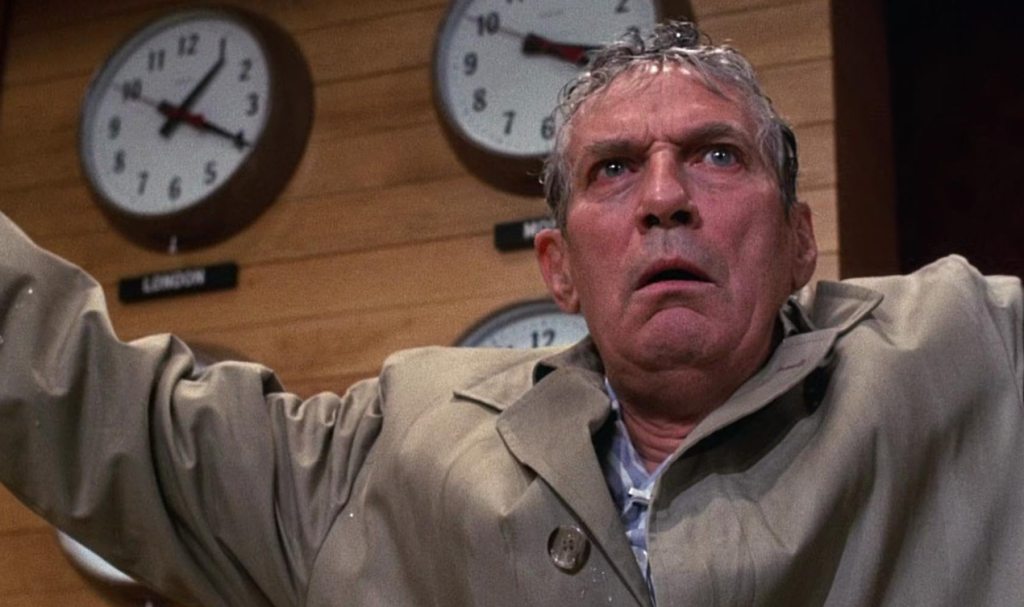
Network (1976)
The film warned that television would become increasingly driven by outrage, spectacle, and ratings, a prediction many feel applies even more in the age of social media.
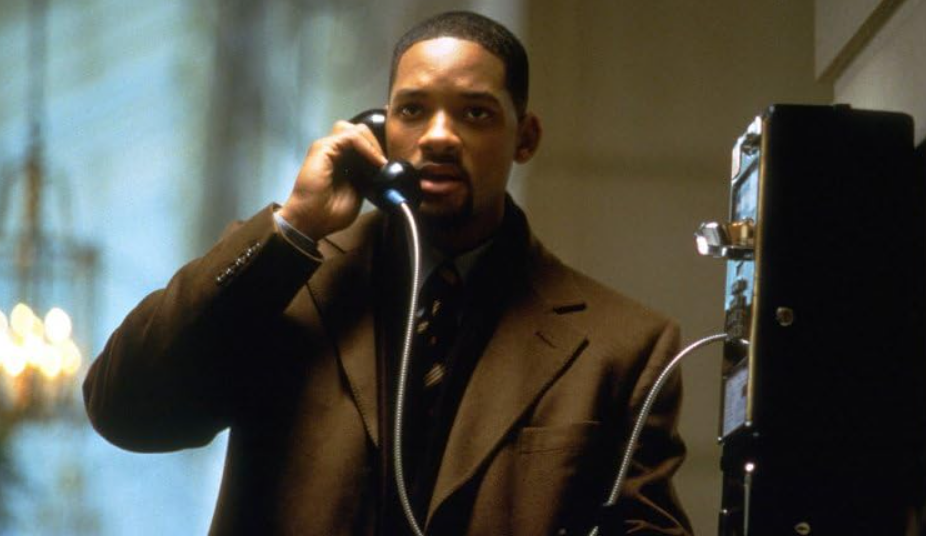
Enemy of the State (1998)
Mass surveillance through phones, cameras, and digital tracking sounded extreme at the time but later became a major public concern.
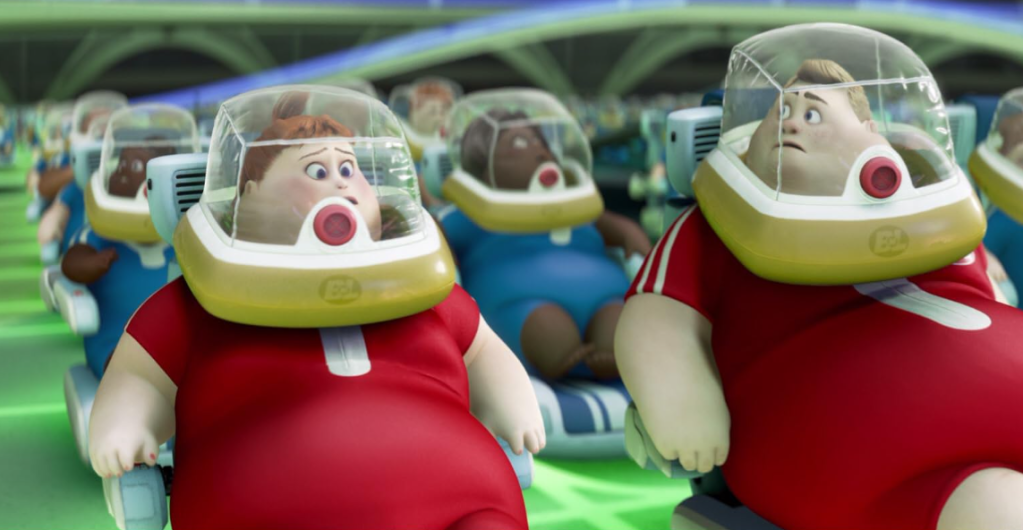
WALL-E (2008)
Its vision of people spending their lives glued to screens, relying on automation, and shopping without leaving home looks far less exaggerated today.
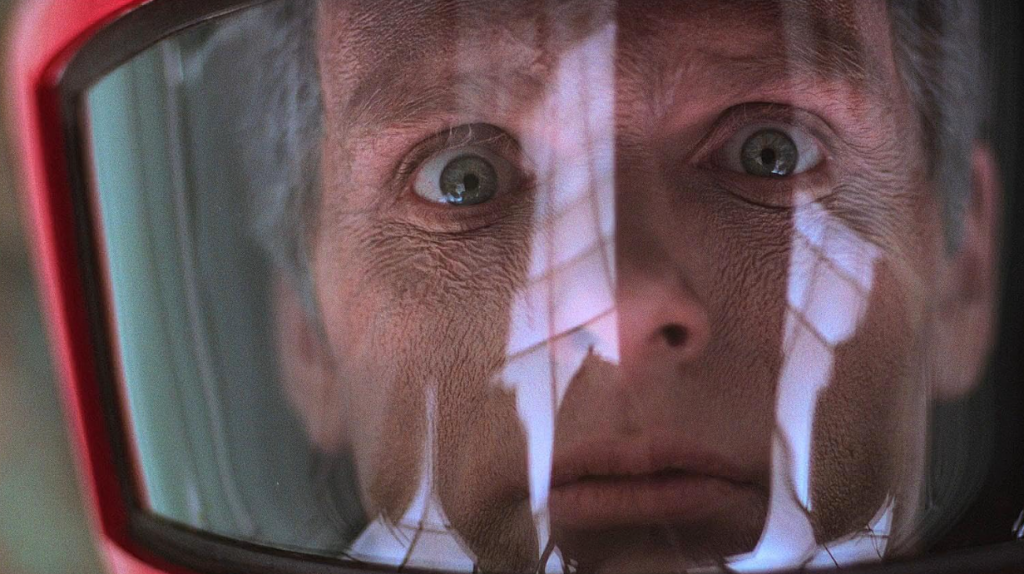
2001: A Space Odyssey (1968)
HAL 9000 anticipated the idea of conversational artificial intelligence decades before voice assistants and AI chatbots became reality.

Gattaca (1997)
The film explored genetic screening, designer babies, and DNA-based discrimination long before gene-editing technologies became real ethical debates.
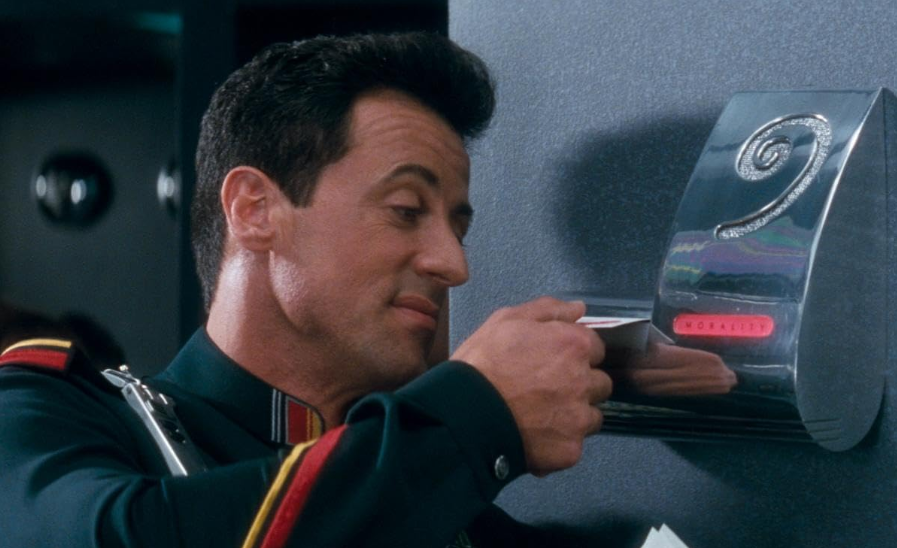
Demolition Man (1993)
Video calls, autonomous vehicles, virtual reality, and even contactless payments all appeared in the film years before becoming common technologies.
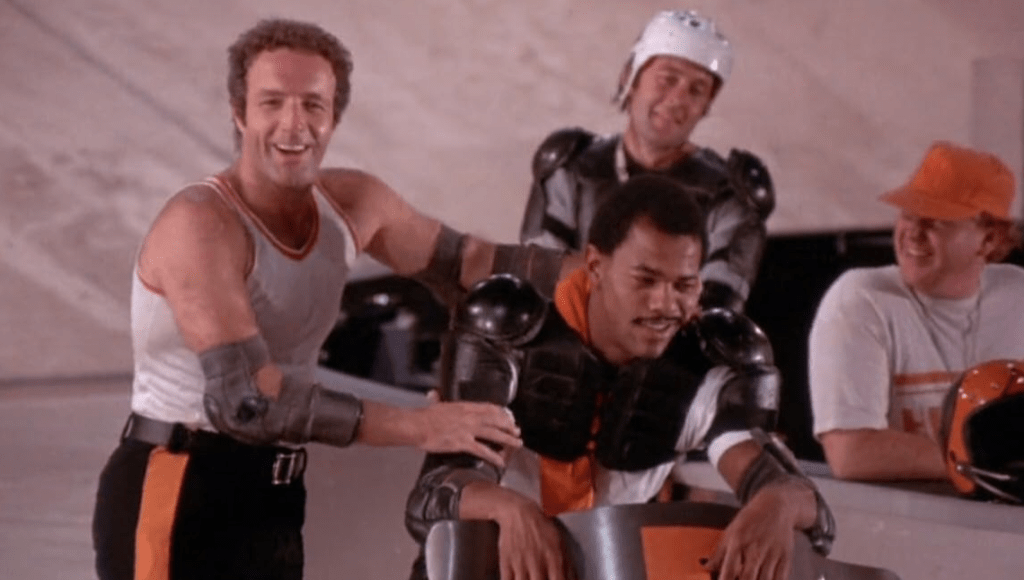
Rollerball (1975)
Its story imagines multinational corporations becoming more powerful than governments, an idea that feels increasingly relevant in today’s economy.
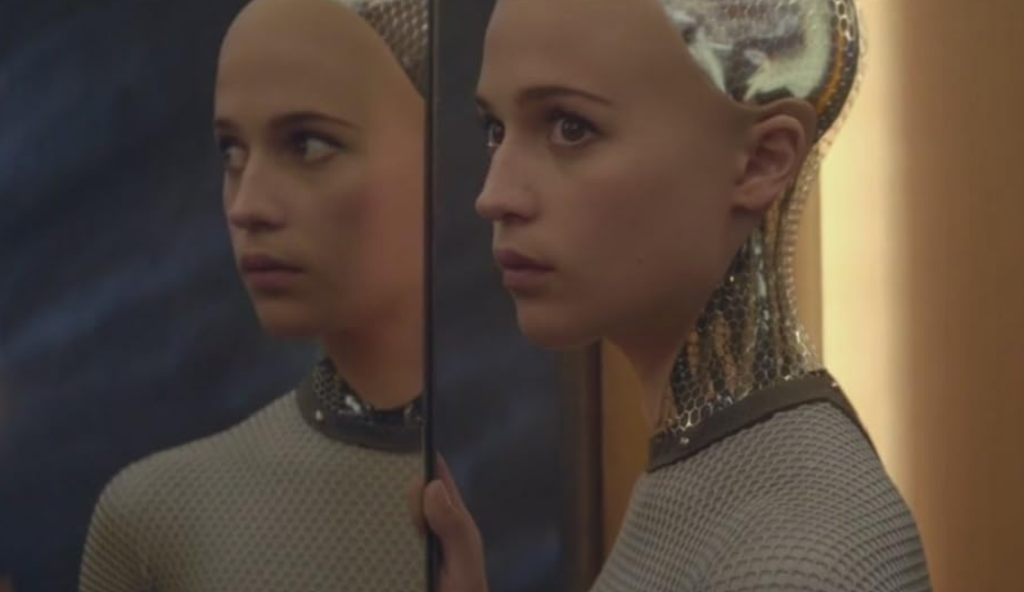
Ex Machina (2014)
As conversations around artificial intelligence accelerated, the film’s exploration of AI consciousness, manipulation, and ethics became more timely than ever.
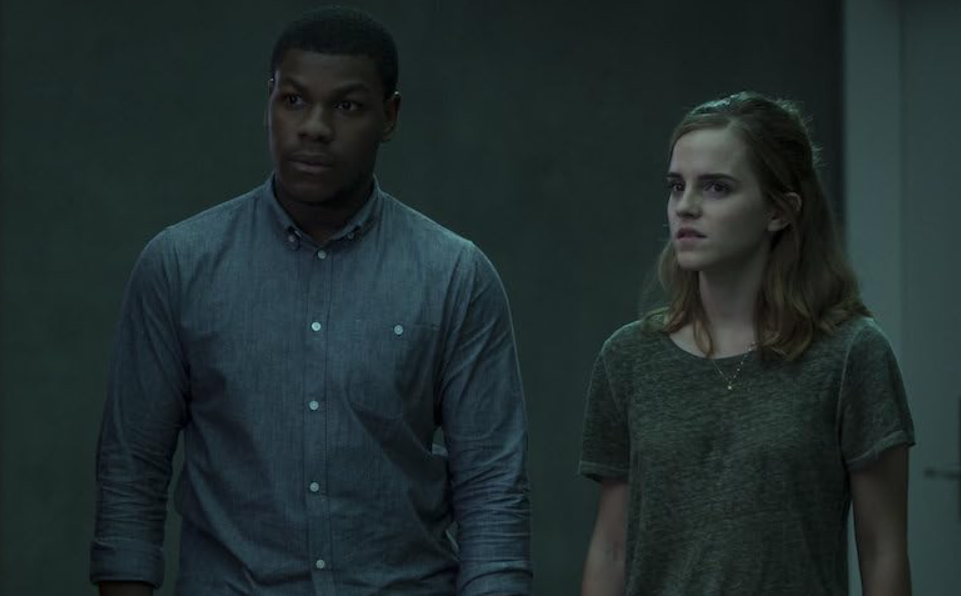
The Circle (2017)
Although released after social media had already transformed daily life, the movie anticipated growing concerns about constant surveillance, digital privacy, and the pressure to share every aspect of life online.