14 Franchises That Could Be Added To D&D Universes Beyond

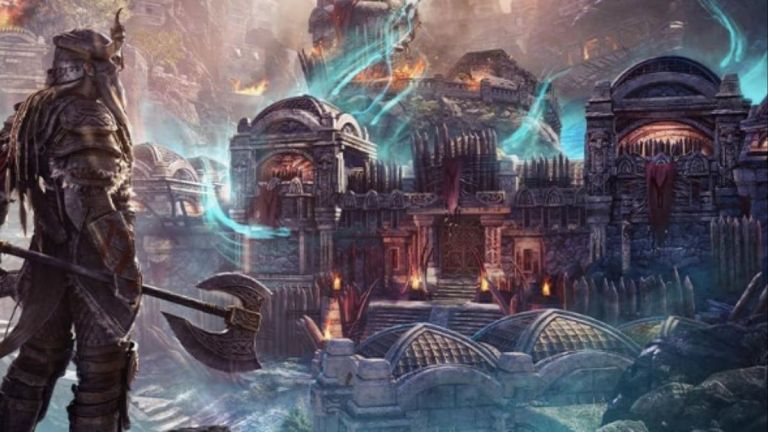
With World of Warcraft and Star Wars officially kicking off Dungeons & Dragons’ new Universes Beyond line, it’s clear Wizards of the Coast is ready to let players explore worlds beyond the traditional D&D settings.
The possibilities are almost endless, especially when it comes to fantasy franchises already filled with everything you want out of a D&D campaign. These settings seem practically built for tabletop adventures, with many already being homebrewed into existence. Here are the franchises we’d most like to see receive the official D&D Universes Beyond treatment.
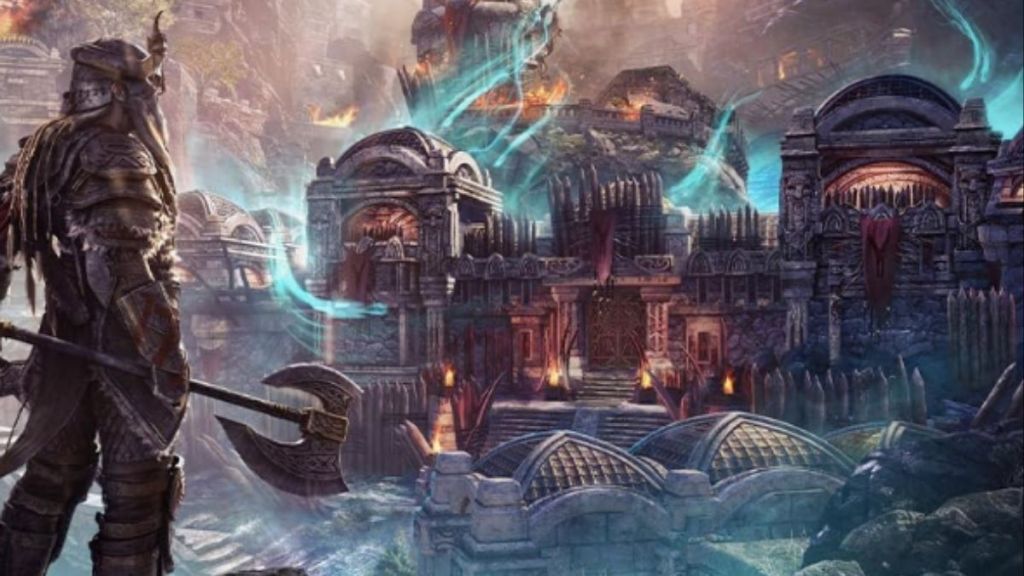
The Elder Scrolls
Tamriel already feels like a D&D campaign brought to life. Between its countless guilds, Daedric Princes, sprawling dungeons, and diverse playable races, The Elder Scrolls could become one of the easiest and richest Universes Beyond settings.
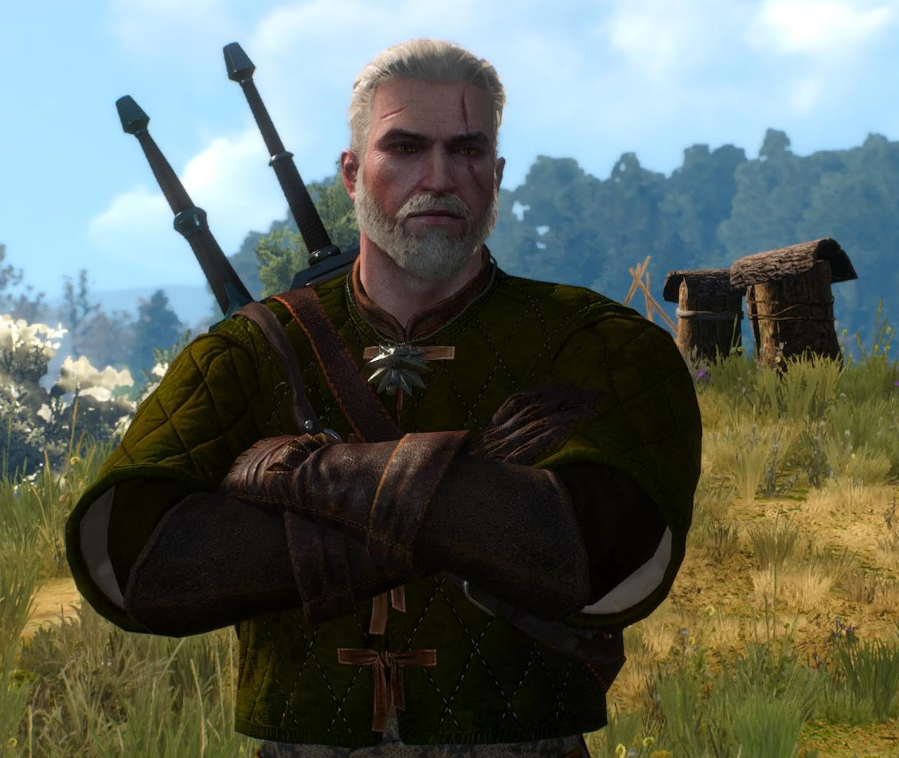
The Witcher
Monster hunting, political intrigue, and morally gray adventures define The Witcher’s world. A D&D adaptation could introduce Witcher schools, contracts, powerful magic, and iconic creatures while capturing the franchise’s darker fantasy atmosphere.

Elden Ring
The Lands Between are packed with unforgettable bosses, ruined kingdoms, and mysterious lore. Although its storytelling is deliberately cryptic, the setting’s incredible locations and enemies would make for unforgettable high-level D&D adventures.
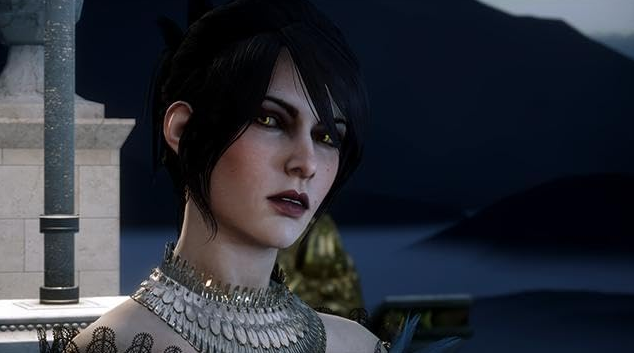
Dragon Age
Dragon Age practically runs on party-based adventuring. Mages, Grey Wardens, Templars, Qunari, and the ever-present threat of the Blight already resemble the kinds of factions and conflicts D&D campaigns thrive on.
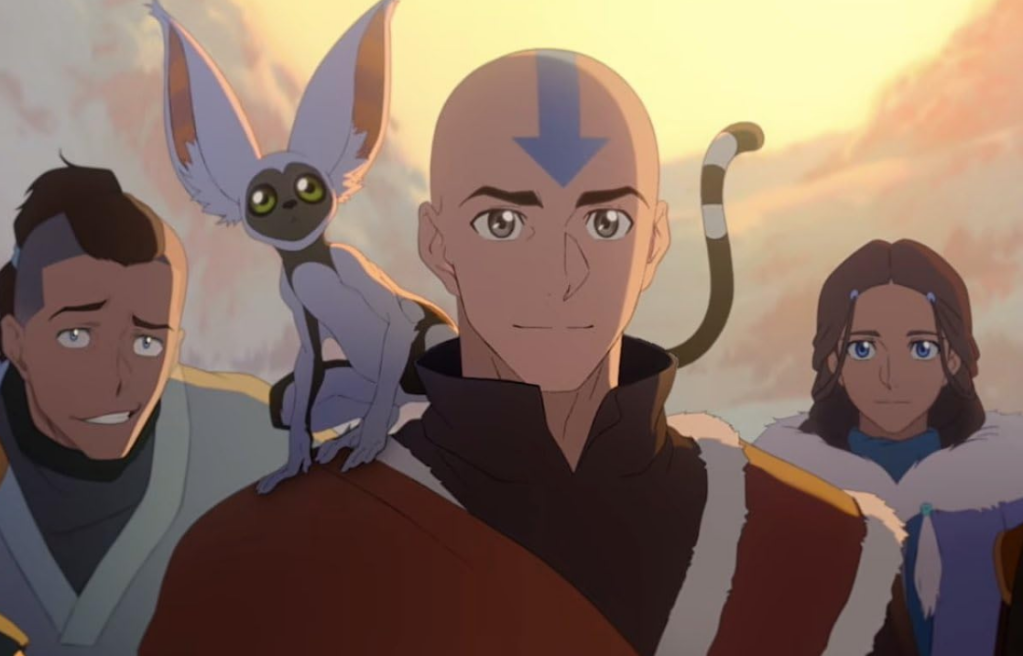
Avatar: The Last Airbender
A dedicated bending system would be the biggest challenge, but Avatar’s world offers fantastic opportunities for exploration, diplomacy, and elemental combat. The Four Nations provide an ideal foundation for an official campaign setting.
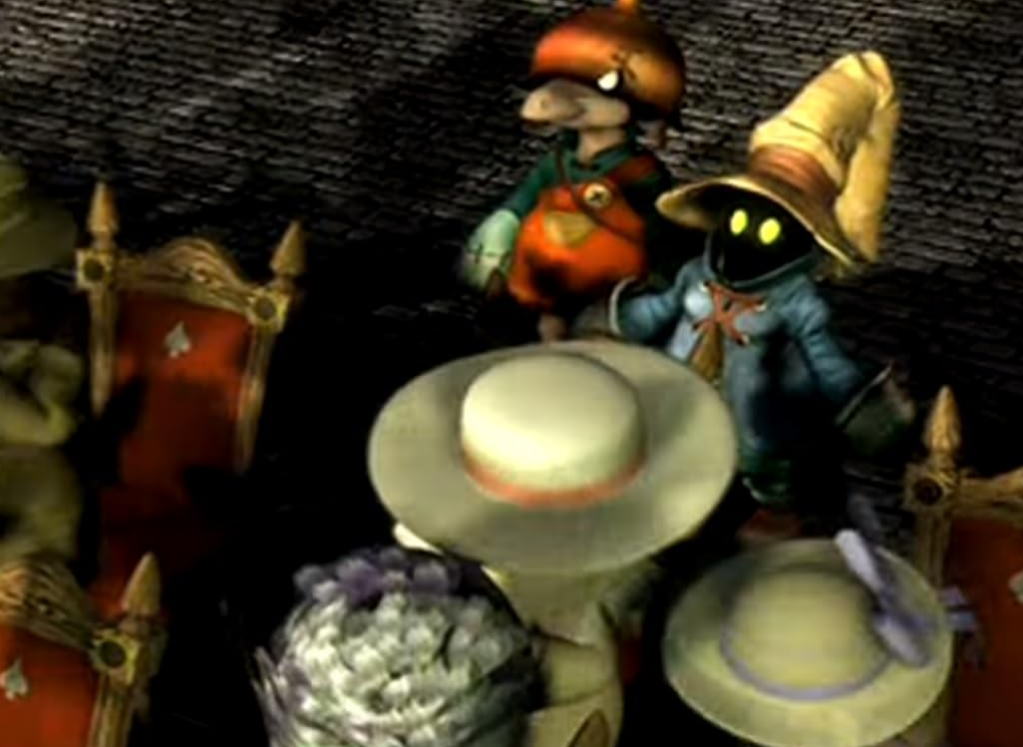
Final Fantasy
Rather than focusing on one game, a Universes Beyond book could celebrate the franchise as a whole. Jobs, summons, Chocobos, airships, and classic monsters would provide enough material for countless unforgettable adventures.
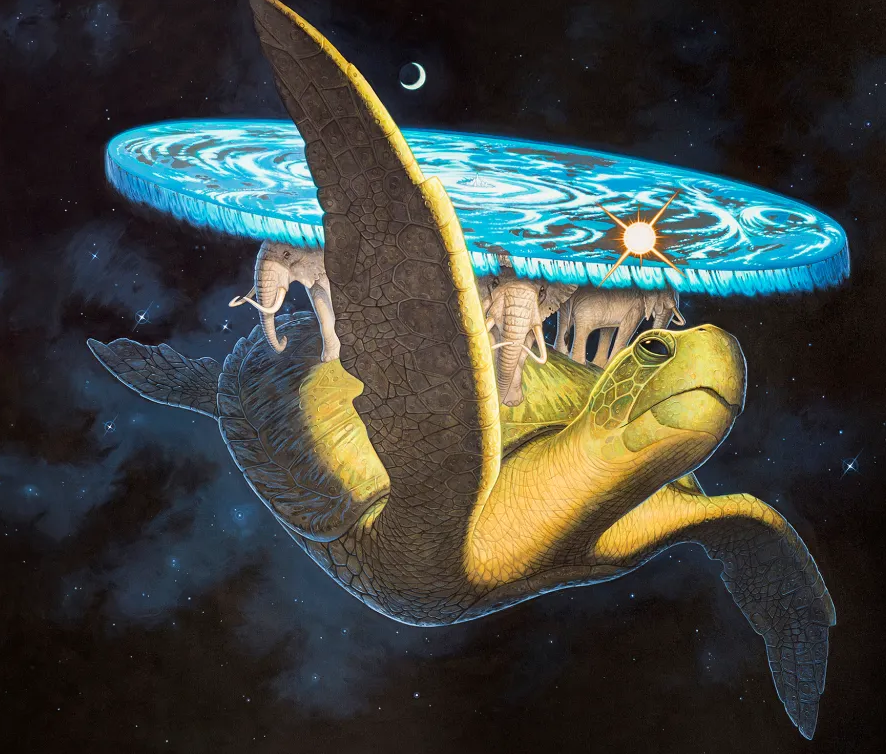
Discworld
Terry Pratchett’s Discworld would offer something completely different from traditional fantasy settings. Equal parts comedy and adventure, it could encourage creative roleplaying while still featuring magic, monsters, and memorable quests around Ankh-Morpork and beyond.
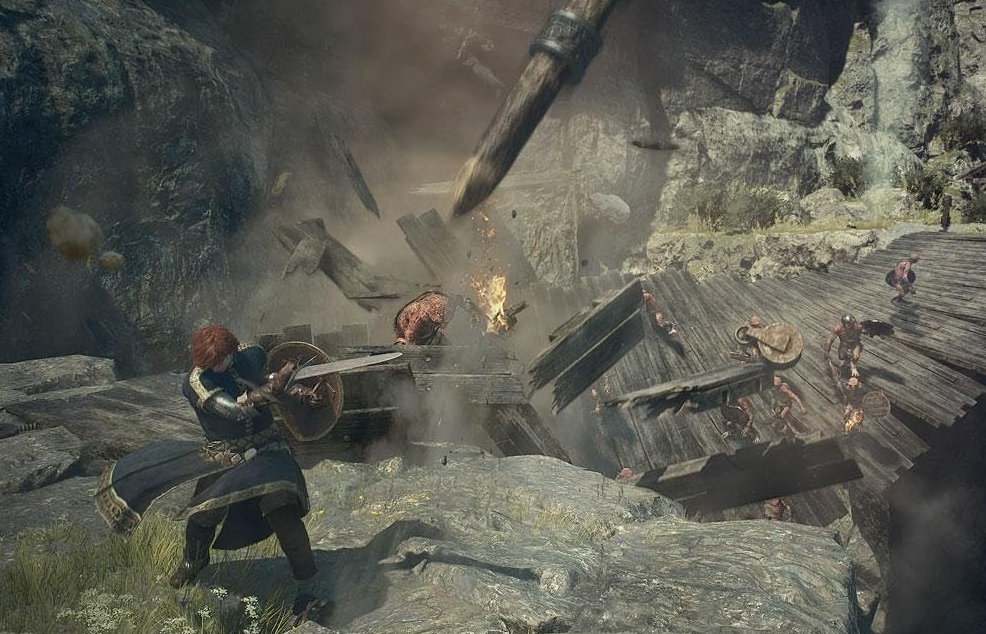
Dragon’s Dogma
Dragon’s Dogma already shares many design philosophies with D&D. Adventuring parties, dangerous monsters, vocation-based progression, and sprawling wilderness exploration make Gransys a natural fit for tabletop campaigns.
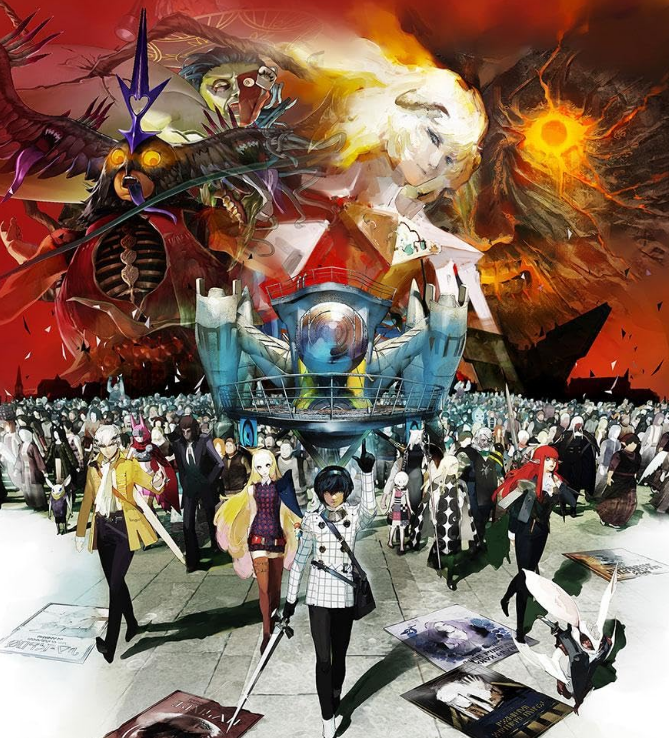
Metaphor: ReFantazio
Atlus created a fascinating fantasy world built around political conflict, strange magic, and customizable Archetype powers. Its blend of classic fantasy and modern RPG mechanics would translate surprisingly well into Dungeons & Dragons.
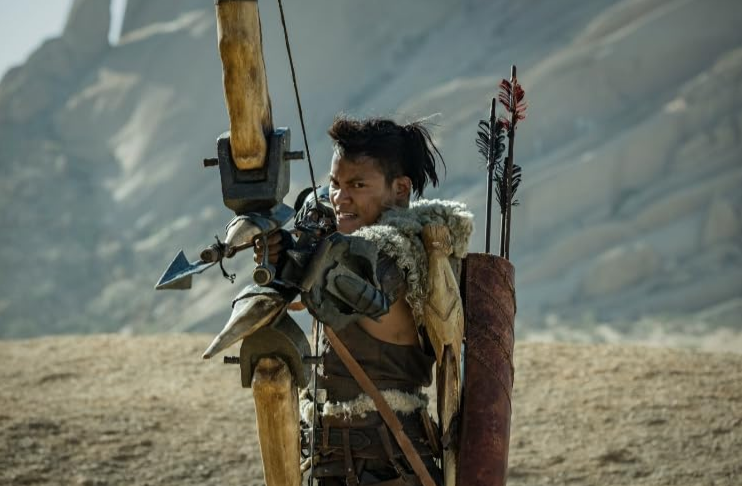
Monster Hunter
Instead of dungeon crawling, this setting would revolve around tracking enormous creatures, crafting equipment from defeated monsters, and surviving dangerous ecosystems. Monster Hunter could offer one of the most unique campaign styles in the entire line.
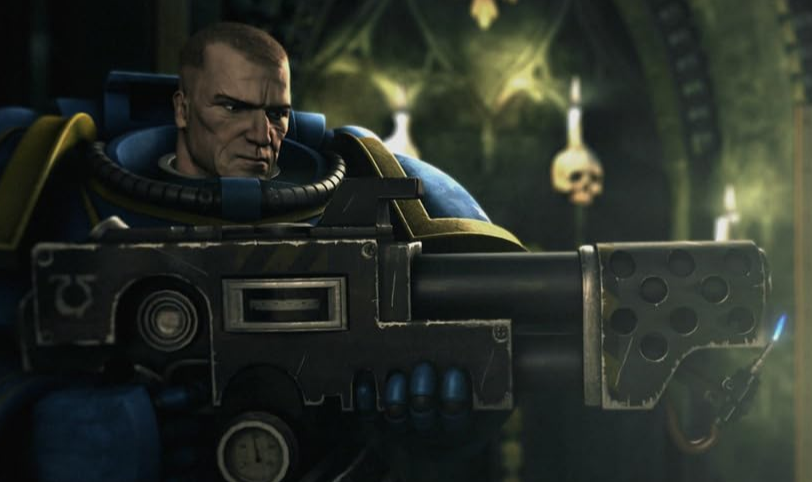
Warhammer Fantasy
Warhammer Fantasy’s grim world is filled with corrupted magic, terrifying Chaos forces, and endless warfare. Although darker than traditional D&D, its rich lore and iconic factions would make an incredible crossover setting.

The Legend of Zelda
Hyrule has everything a fantasy campaign needs: ancient ruins, magical relics, memorable dungeons, colorful races, and legendary monsters. Players could easily imagine embarking on adventures long before or after Link’s famous quests.
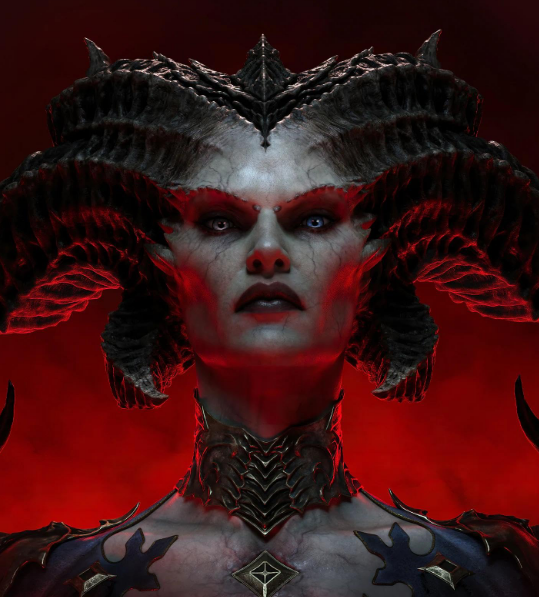
Diablo
Sanctuary offers endless opportunities for demon hunting and dungeon delving. Angels, Prime Evils, cursed artifacts, and sprawling catacombs would fit naturally into D&D while giving players a darker, more gothic style of adventure.
A Song of Ice and Fire
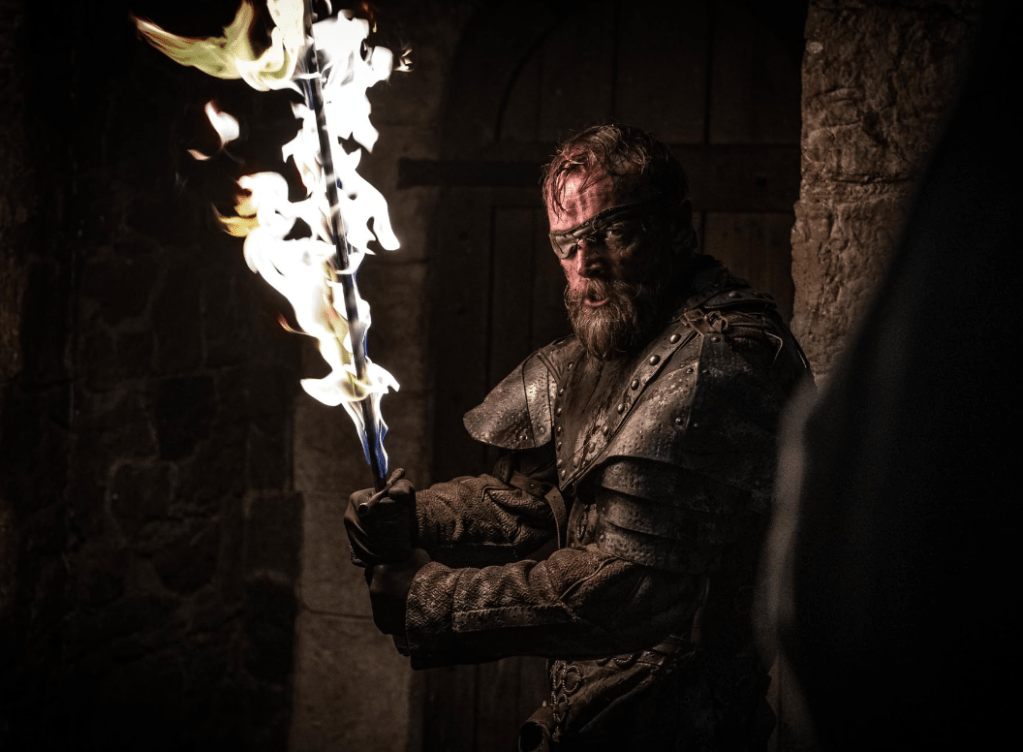
While less focused on magic than most fantasy worlds, Westeros excels at political intrigue, noble rivalries, dangerous wilderness, and morally complex storytelling. An official setting could support everything from courtly drama to battles beyond the Wall.