14 of the Strangest Stonehenge Theories

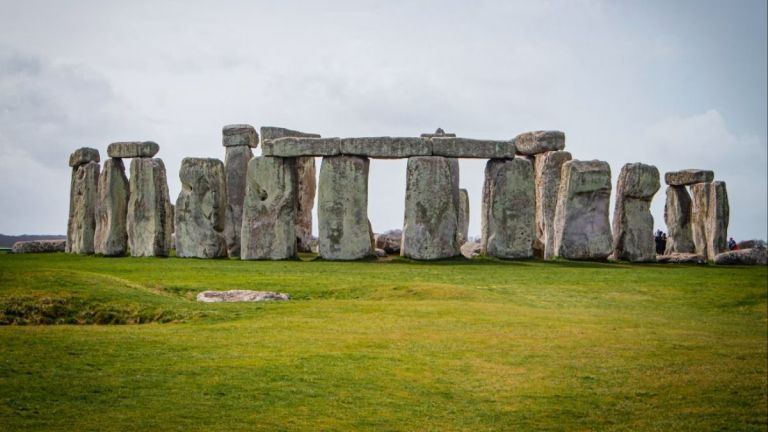
Few ancient monuments have inspired as much speculation as Stonehenge. The more you look into it, the more puzzling it is, since for a structure built about five thousand years ago, the logistics just don’t add up. It just doesn’t seem possible to move those rocks (from widely different origins mind you) to such a remote area.
Modern research has answered some questions, but many theories, especially the stranger ones, continue to capture the public imagination. While many have been thoroughly debunked or remain unsupported, each theory reveals something fascinating about our enduring desire to explain one of history’s greatest mysteries.
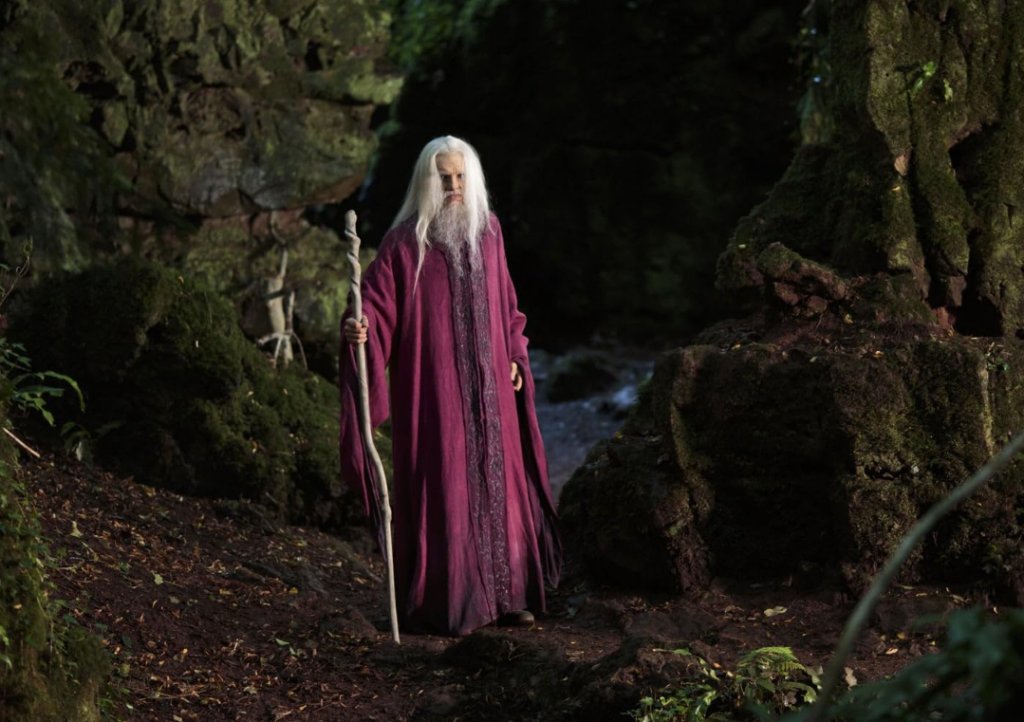
Built by Merlin’s Magic
One of the oldest legends comes from Geoffrey of Monmouth’s Historia Regum Britanniae, which claimed the wizard Merlin magically transported Stonehenge from Ireland using supernatural powers before rebuilding it on Salisbury Plain.
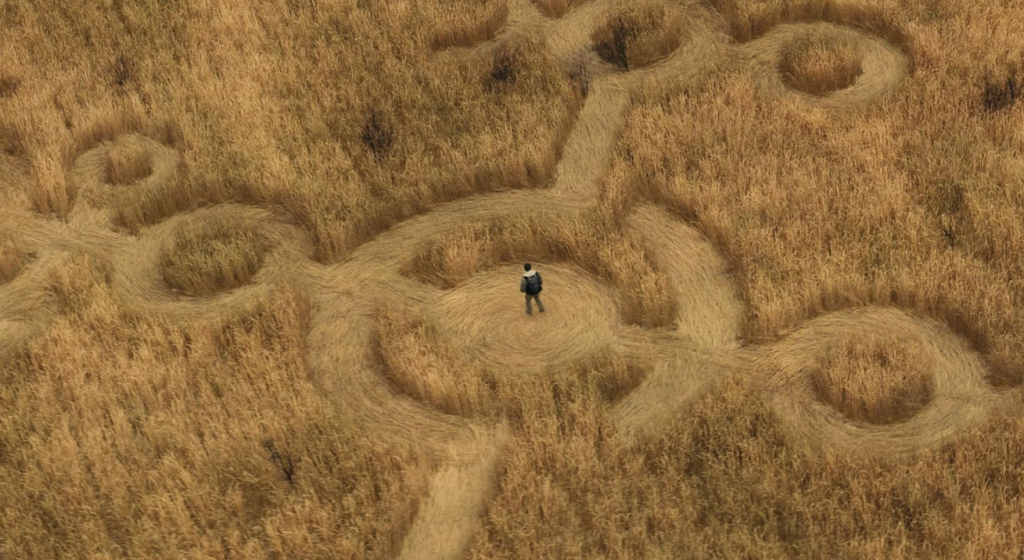
An Ancient Alien Landing Site
Perhaps the most famous modern fringe theory argues that extraterrestrials either built Stonehenge or used it as a landing marker. Supporters point to its engineering, though archaeologists have found abundant evidence of human construction.
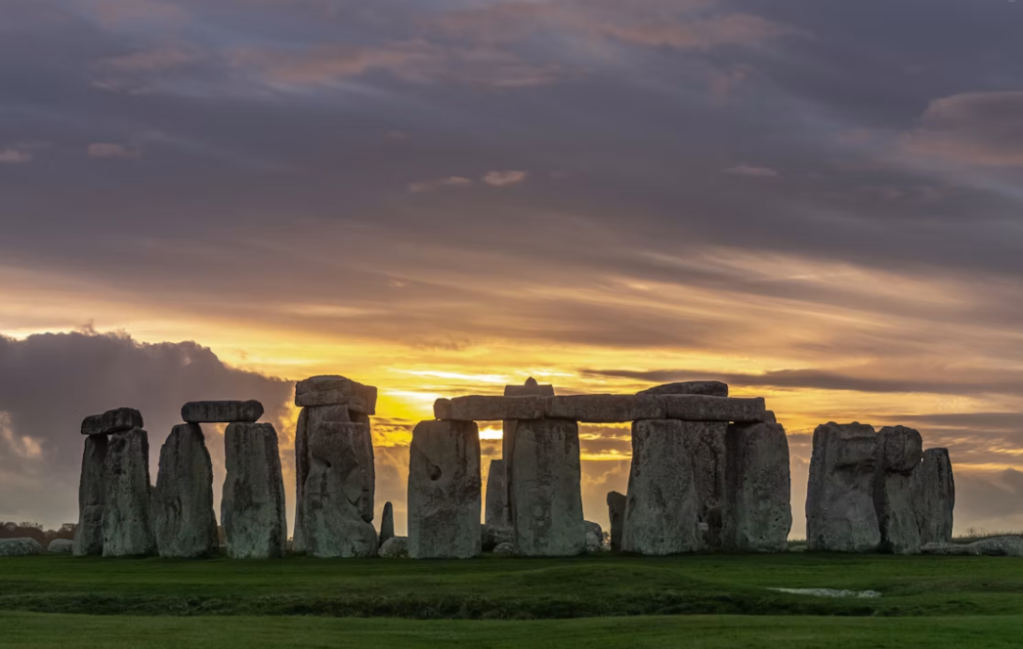
A Giant Healing Center
Some researchers have proposed that Stonehenge functioned as a prehistoric healing sanctuary. The idea stems partly from skeletons found nearby showing injuries, along with beliefs that the bluestones possessed restorative or magical properties.
A Portal Between Worlds
New Age traditions sometimes describe Stonehenge as a gateway connecting different dimensions or spiritual realms. While lacking archaeological support, the monument’s alignment with celestial events has helped fuel these mystical interpretations for decades.
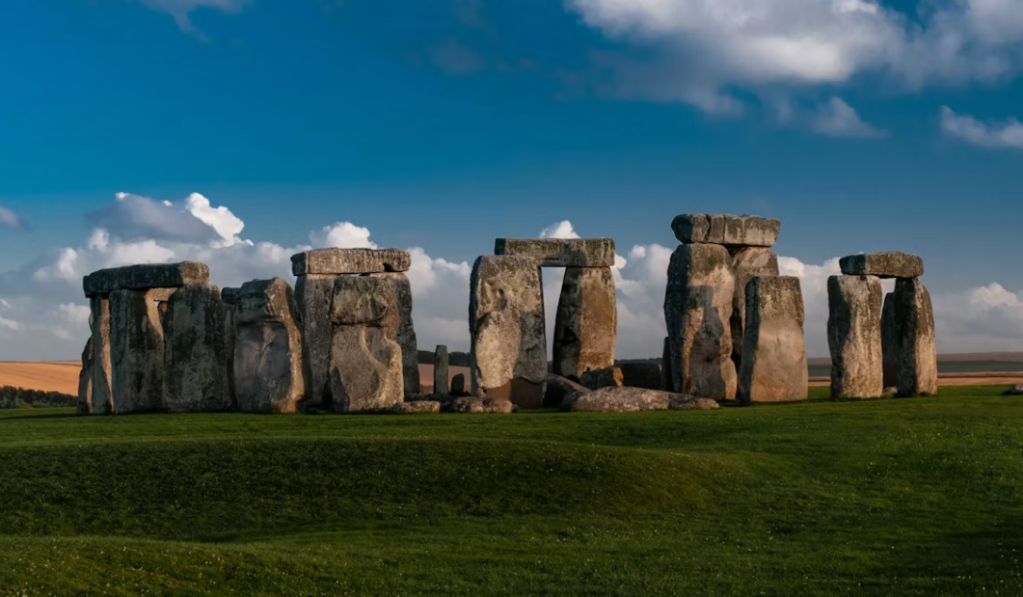
A Druid Temple
For centuries, many believed the Iron Age Druids built Stonehenge for religious ceremonies. Modern archaeology has shown the monument predates the Druids by roughly 2,000 years, though they may have later used the site.
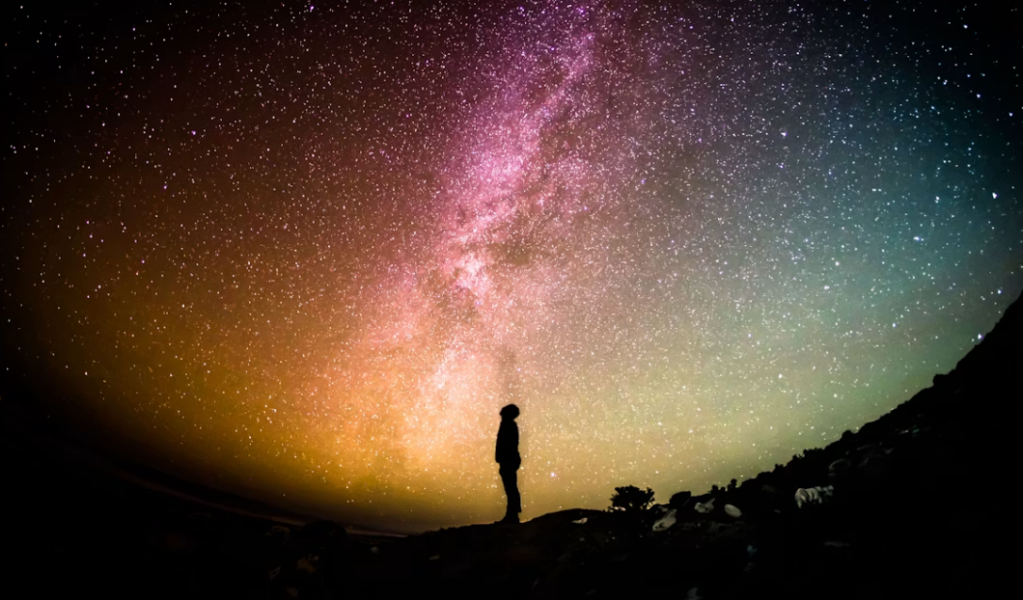
A Calendar Made of Stone
Some researchers have suggested Stonehenge functioned as a sophisticated solar calendar. Recent studies argue the monument may have represented a 365-day year, although not every archaeologist agrees with that interpretation.
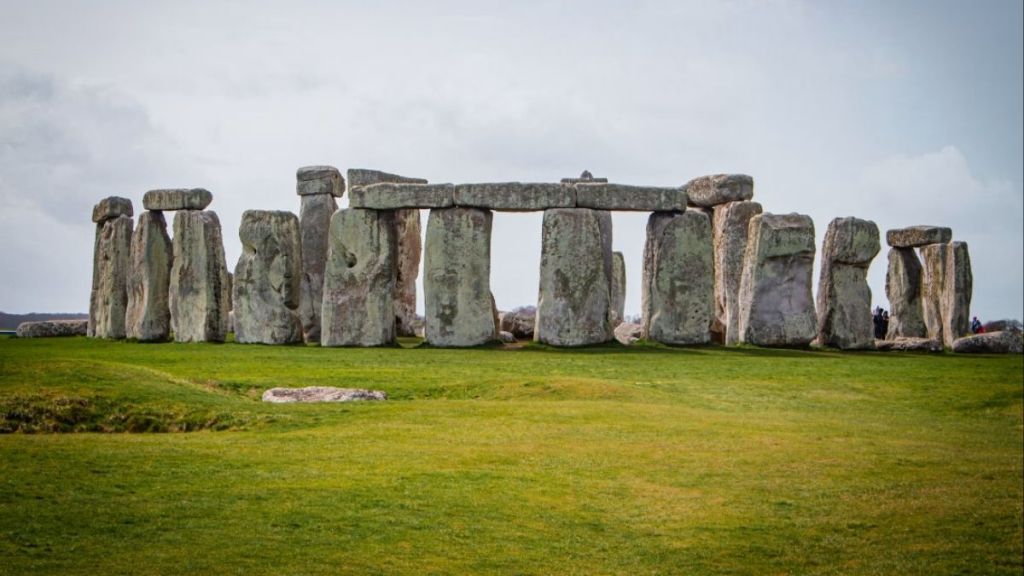
A Monument to Unify Britain
One theory suggests Stonehenge symbolized political unity among Britain’s early farming communities. The transportation of stones from distant regions may have represented cooperation between groups rather than purely religious or astronomical purposes.
A Sound Chamber for Rituals
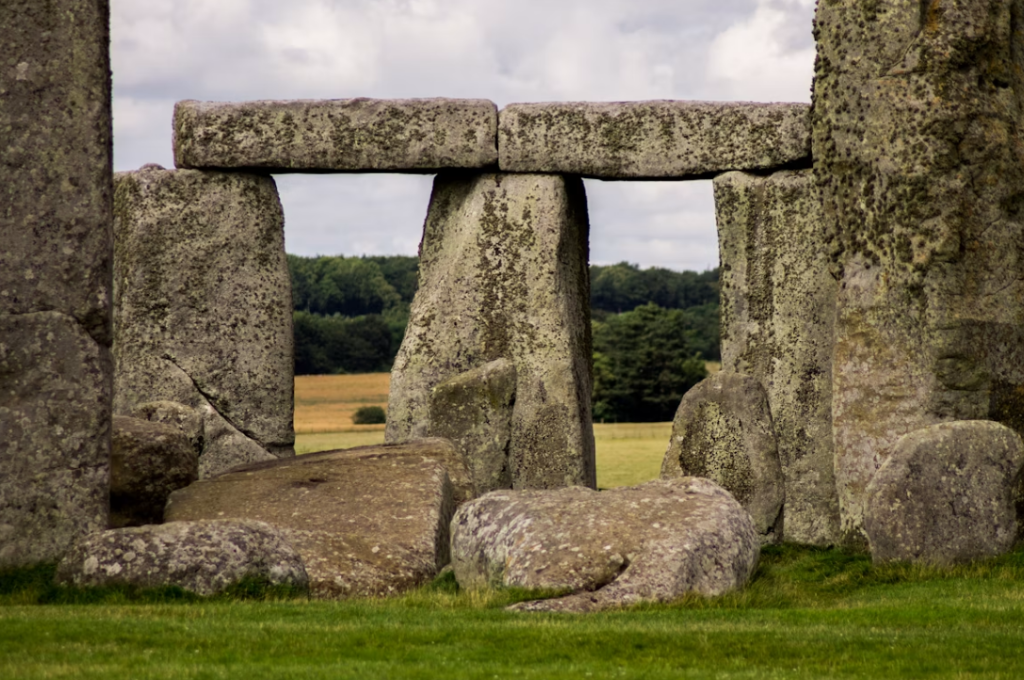
Acoustic researchers have noted Stonehenge produces unusual echoes and sound reflections. This has inspired theories that ceremonies involved chanting, drumming, or music designed to take advantage of the monument’s distinctive acoustics.

Built by Giants
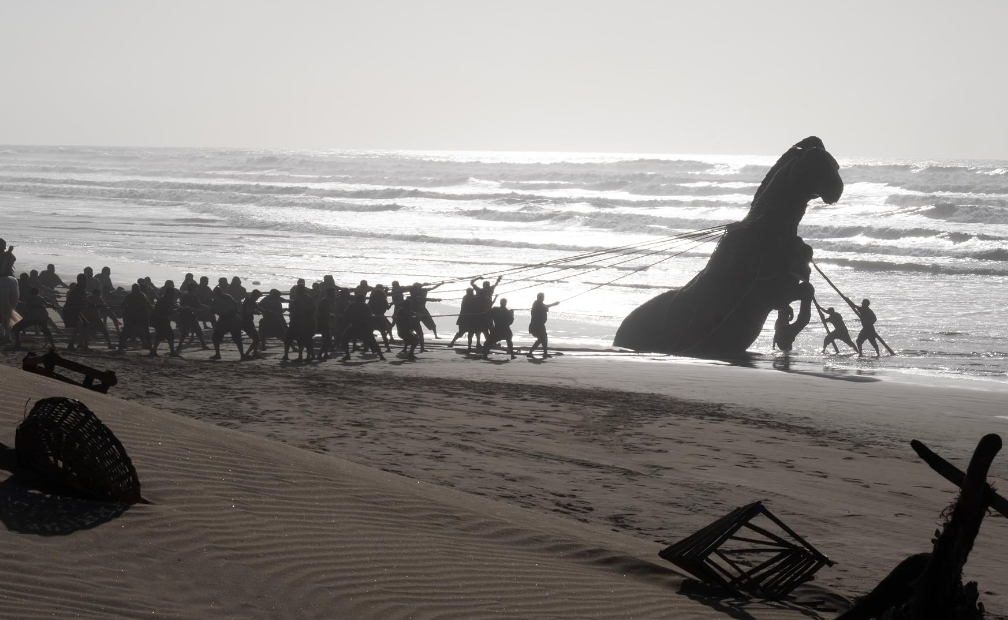
British folklore often credits Stonehenge’s enormous stones to giants rather than ordinary people. The legend persisted for centuries because many found it difficult to imagine prehistoric communities transporting such massive blocks without supernatural assistance.
A Monument to the Ancestors
Archaeologists Mike Parker Pearson and colleagues proposed Stonehenge was primarily associated with the dead. Nearby settlements appear linked to the living, while Stonehenge itself may have served as a ceremonial memorial landscape.
An Observatory for Eclipse Prediction
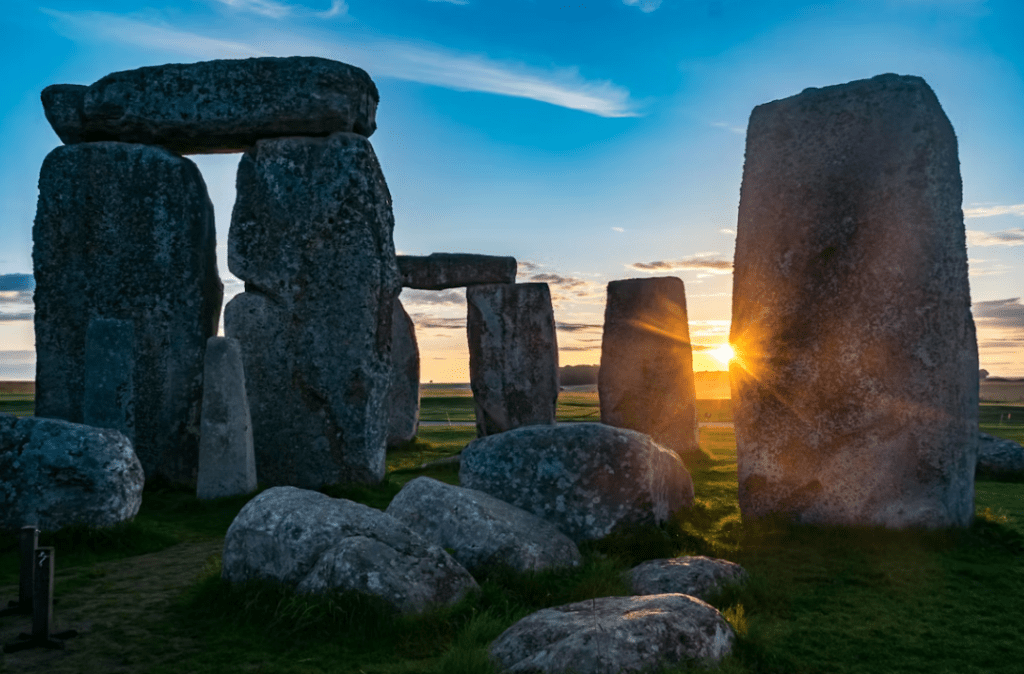
Because Stonehenge aligns with the summer and winter solstices, some have suggested it also predicted eclipses and other astronomical events. While celestial observations were likely important, evidence for precise eclipse forecasting remains limited.
A Place of Earth Energy
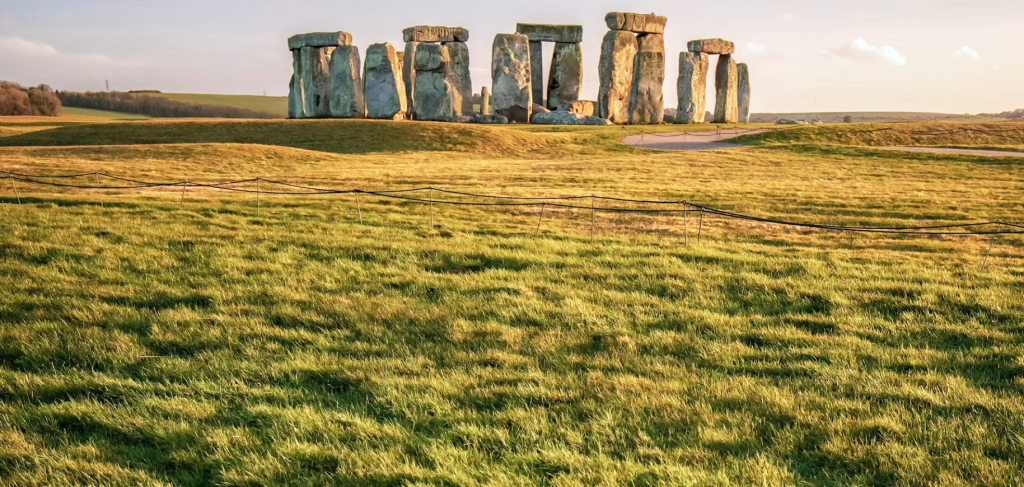
Many modern spiritual groups believe invisible energy lines, often called ley lines, intersect at Stonehenge. The concept remains popular in alternative history circles despite lacking scientific evidence for the existence of such energies.
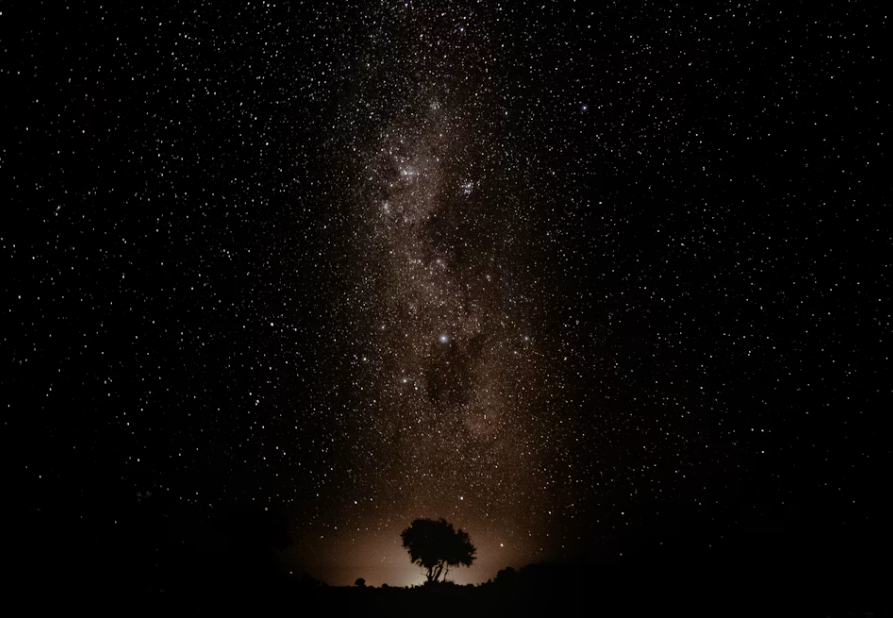
A Symbol of a Unified Cosmos
Rather than serving a practical function, some archaeologists argue Stonehenge represented the creators’ understanding of the universe. Its carefully planned geometry, orientation, and construction may have expressed cosmological beliefs through architecture.
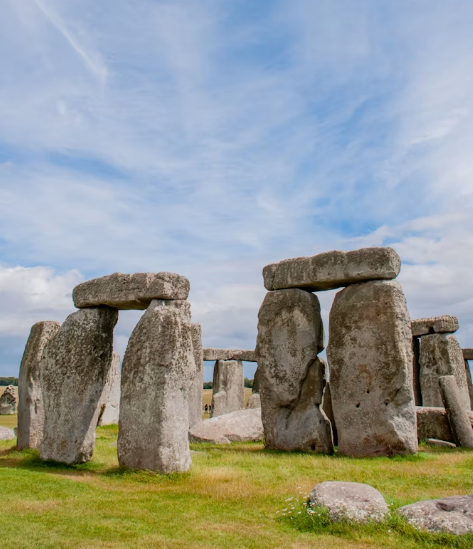
A Monument Inspired by Ancestors from Wales
Recent archaeological discoveries show Stonehenge’s bluestones originated in western Wales, leading to the intriguing theory that entire stone circles were dismantled there and ceremonially relocated to honor migrating ancestral communities in southern Britain.