14 Disney Movies That Got Everything Wrong

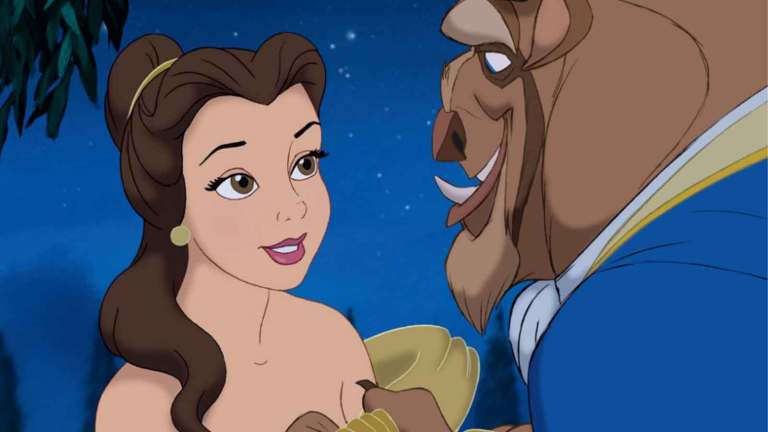
When we think of classic stories, we think of Disney, with their timeless princesses and tales larger than life. We need to remember, though, that their most famous stories are actually adaptations, and quite loose ones at that. These changes often make for entertaining movies, yet they’re not exactly lessons in history or mythology.
To adapt them for kids, the company sanitized folklore, but it also made wildly inaccurate historical settings, prioritizing memorable characters and happy endings over authenticity. That isn’t necessarily a bad thing, but if you learned these stories from Disney, you probably came away with a very different version than the original.
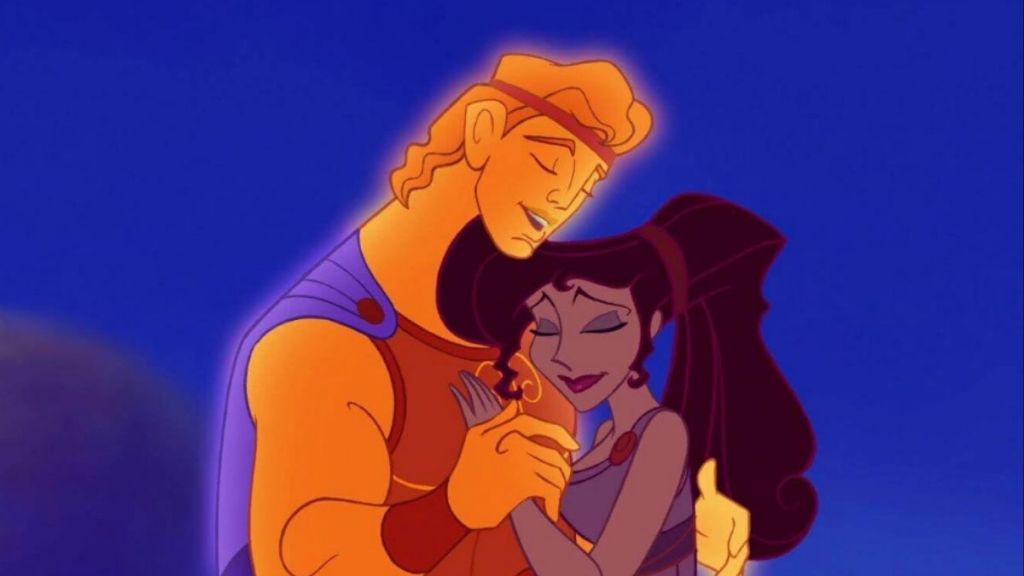
Hercules
Disney transformed Heracles into “Hercules,” made Hades the main villain, and gave him a happy ending with Megara. In Greek mythology, Hera caused many of his hardships, Hades was rarely malicious, and the hero’s life ended tragically.
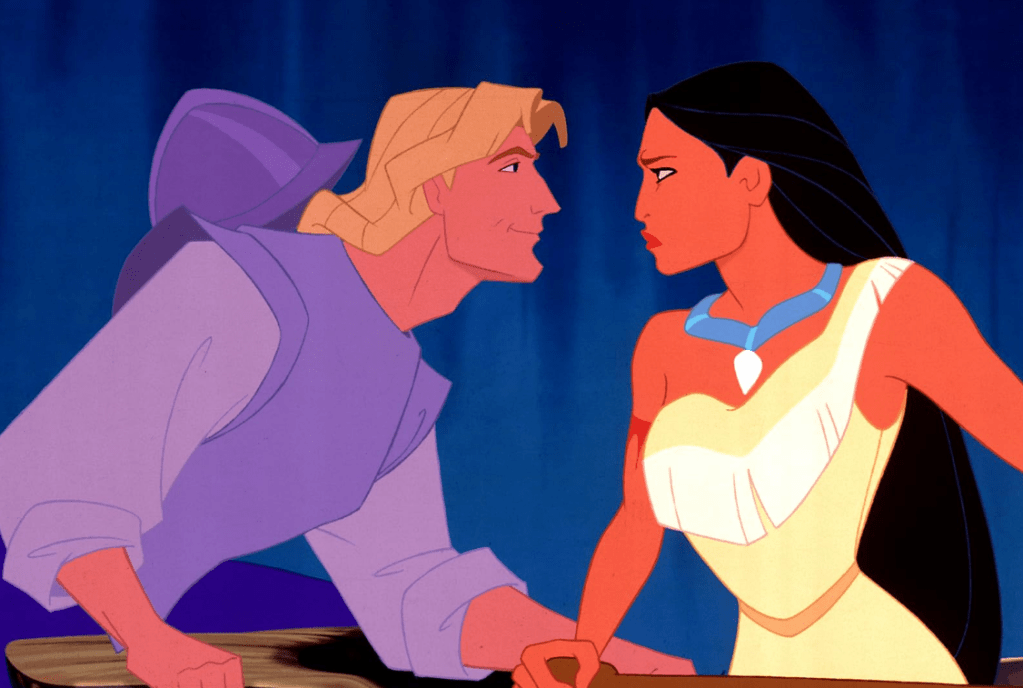
Pocahontas
The real Pocahontas was around eleven years old when she met John Smith, and there was no historical romance between them. Disney dramatically aged her up and created a love story that historians widely reject.
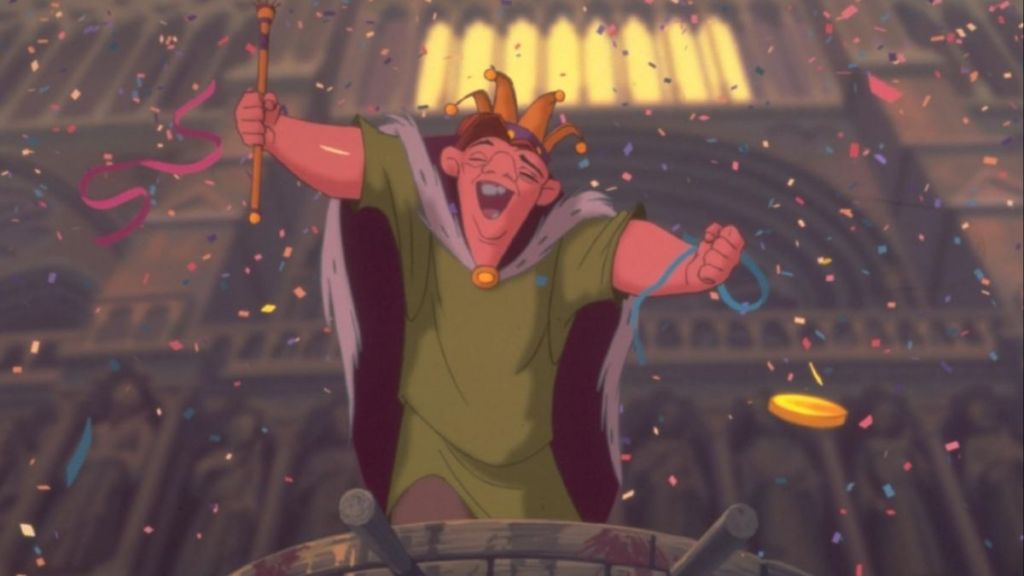
The Hunchback of Notre Dame
Victor Hugo’s novel is a bleak tragedy filled with obsession, injustice, and death. Disney softened nearly every aspect, giving major characters happier fates while toning down the book’s mature themes.
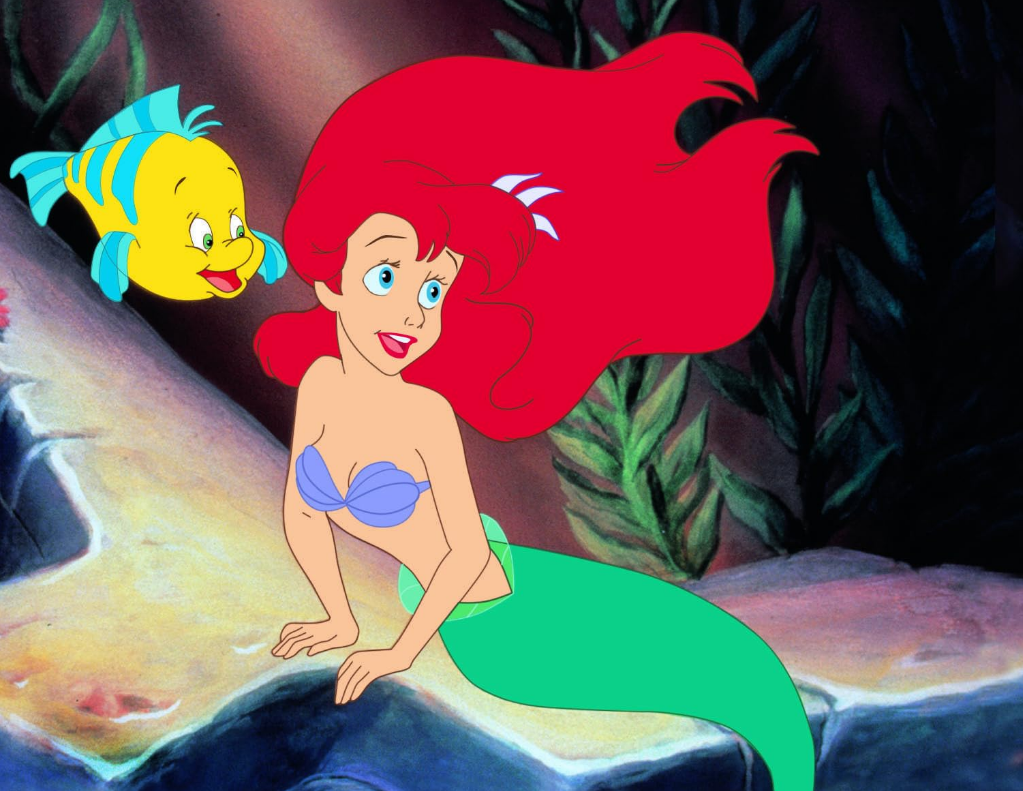
The Little Mermaid
Hans Christian Andersen’s original tale is far darker than Disney’s version. Rather than marrying the prince, the Little Mermaid dies after refusing to kill him, ultimately becoming a spirit of the air.
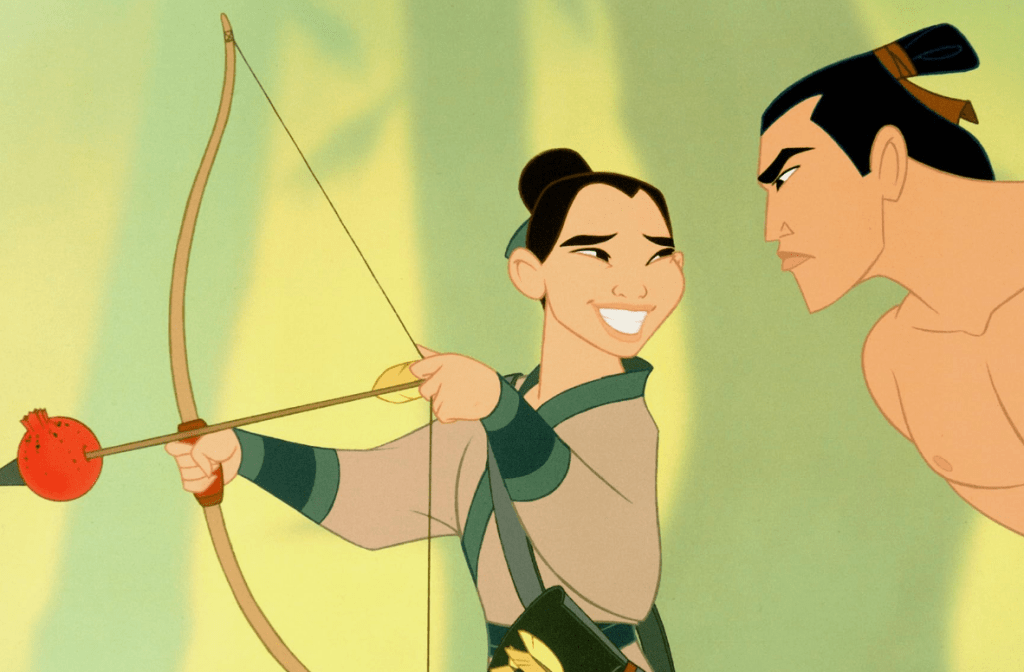
Mulan
While inspired by the Chinese legend of Hua Mulan, Disney introduced magical elements, Mushu, and numerous fictional events. The original ballad is much shorter and focuses primarily on duty and loyalty.
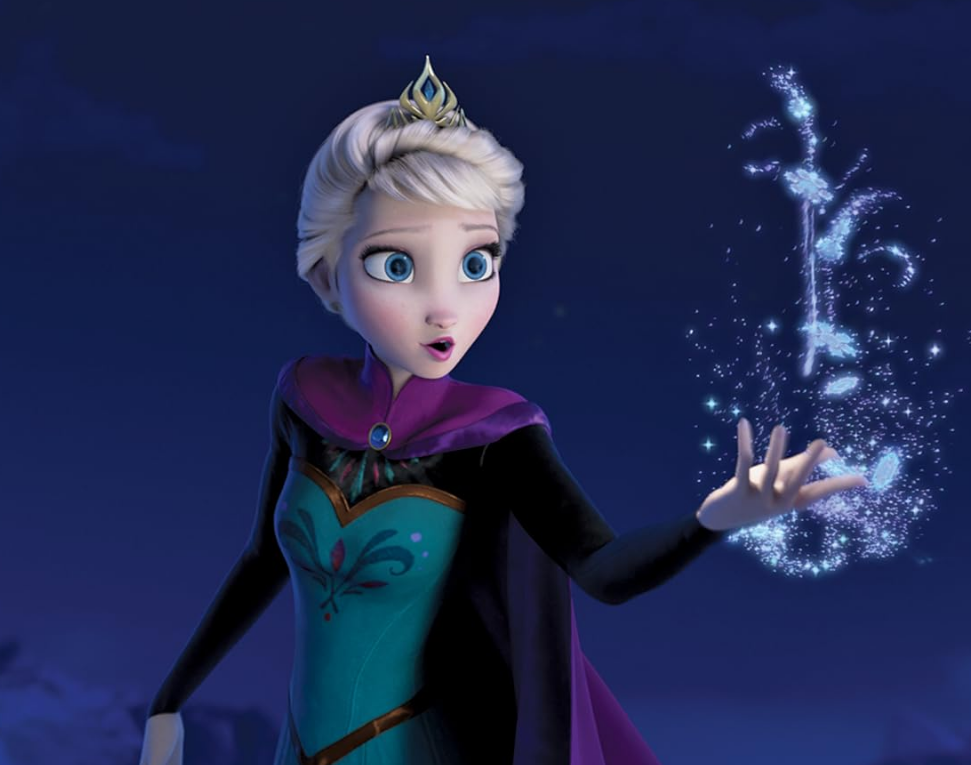
Frozen
Disney’s Frozen bears little resemblance to Hans Christian Andersen’s The Snow Queen. The original story centers on two childhood friends battling an icy enchantress rather than royal sisters discovering the meaning of family.
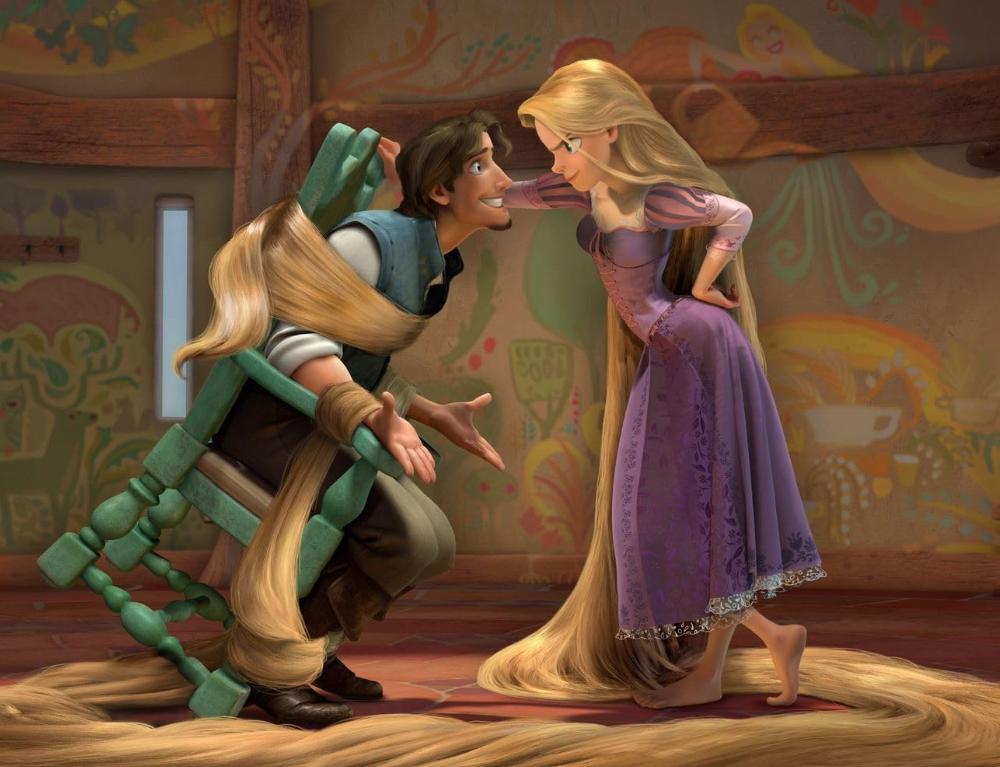
Tangled
The Brothers Grimm version of Rapunzel is considerably darker. Rapunzel becomes pregnant after secretly meeting the prince, and the witch blinds him before years of wandering finally reunite the couple.
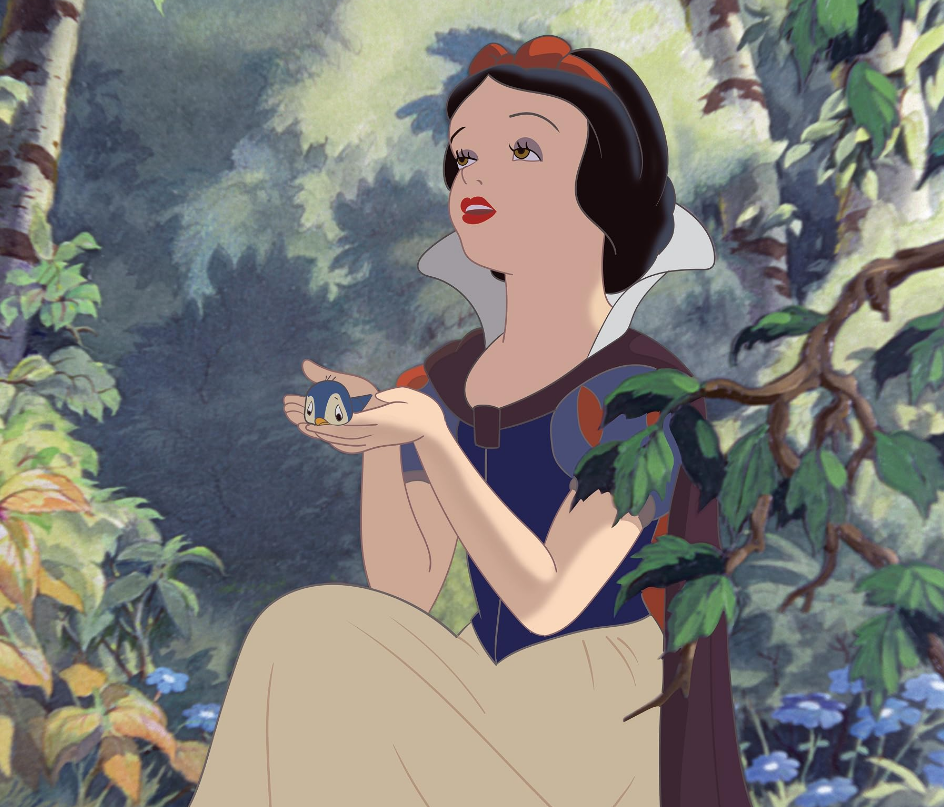
Snow White and the Seven Dwarfs
Disney’s first animated feature greatly softened the Grimm fairy tale. The Evil Queen originally met a gruesome end by dancing in red-hot iron shoes until she collapsed and died.
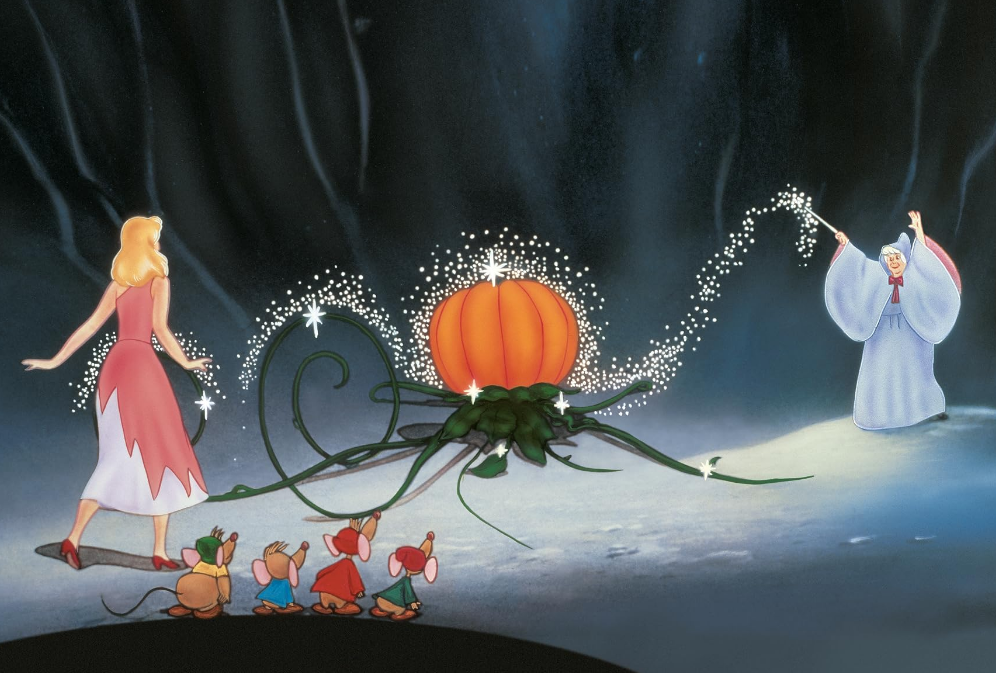
Cinderella
Disney combined several versions of the famous fairy tale while removing much of its brutality. In the Grimm story, Cinderella’s stepsisters mutilate their own feet trying to fit into the glass slipper.
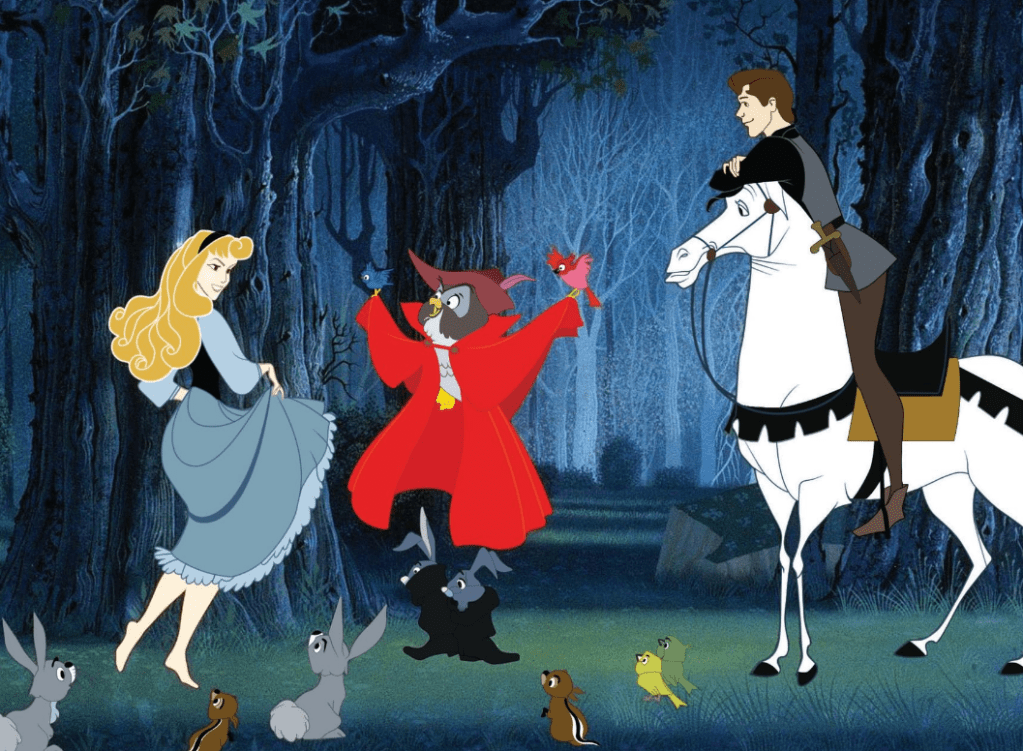
Sleeping Beauty
The original Sleeping Beauty tales are far more disturbing than Disney’s adaptation. In one early version, the sleeping princess awakens only after giving birth, making the story deeply unsettling by modern standards.
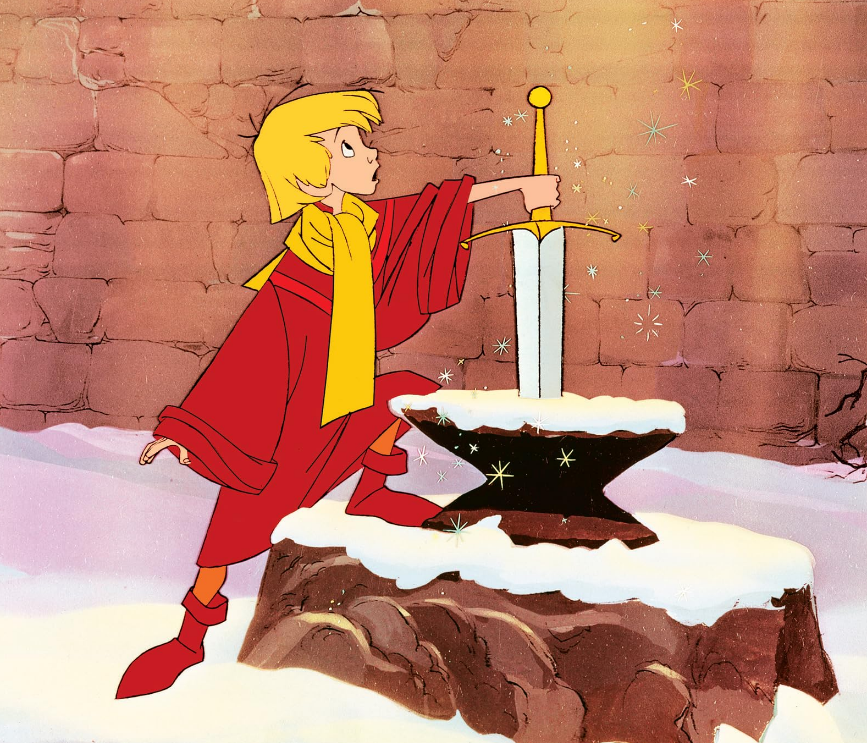
The Sword in the Stone
Disney presents a lighthearted coming-of-age story, but Thomas Malory’s Le Morte d’Arthur continues into betrayal, civil war, and the tragic collapse of Camelot after Arthur becomes king.
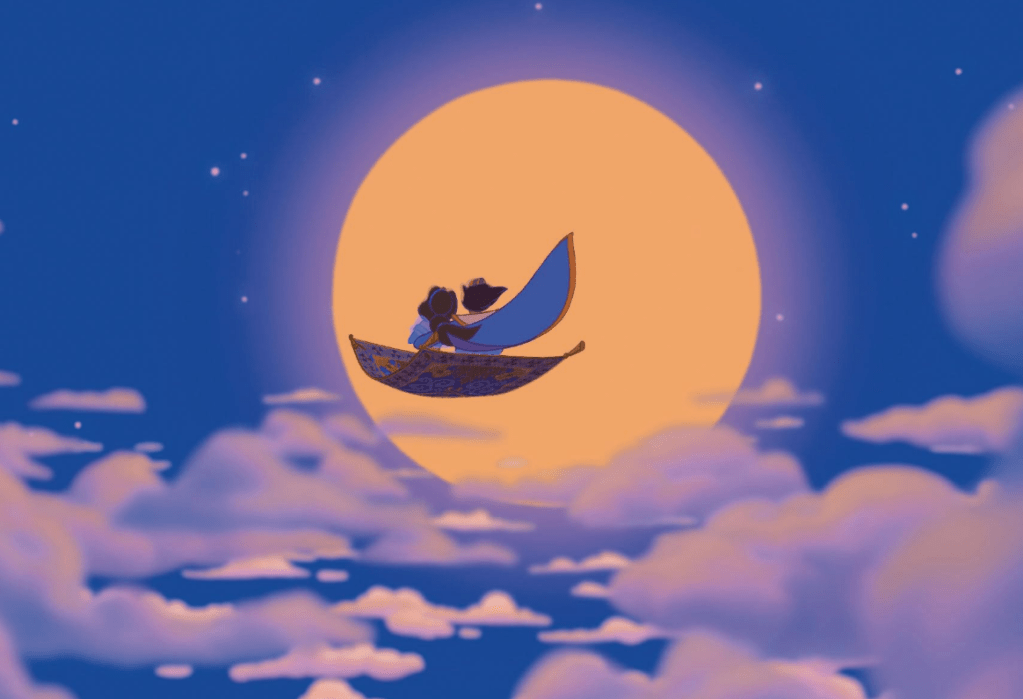
Aladdin
Disney’s version borrows loosely from One Thousand and One Nights but changes almost everything. The original story is set in China, includes two evil magicians, and features a far more resourceful Aladdin.
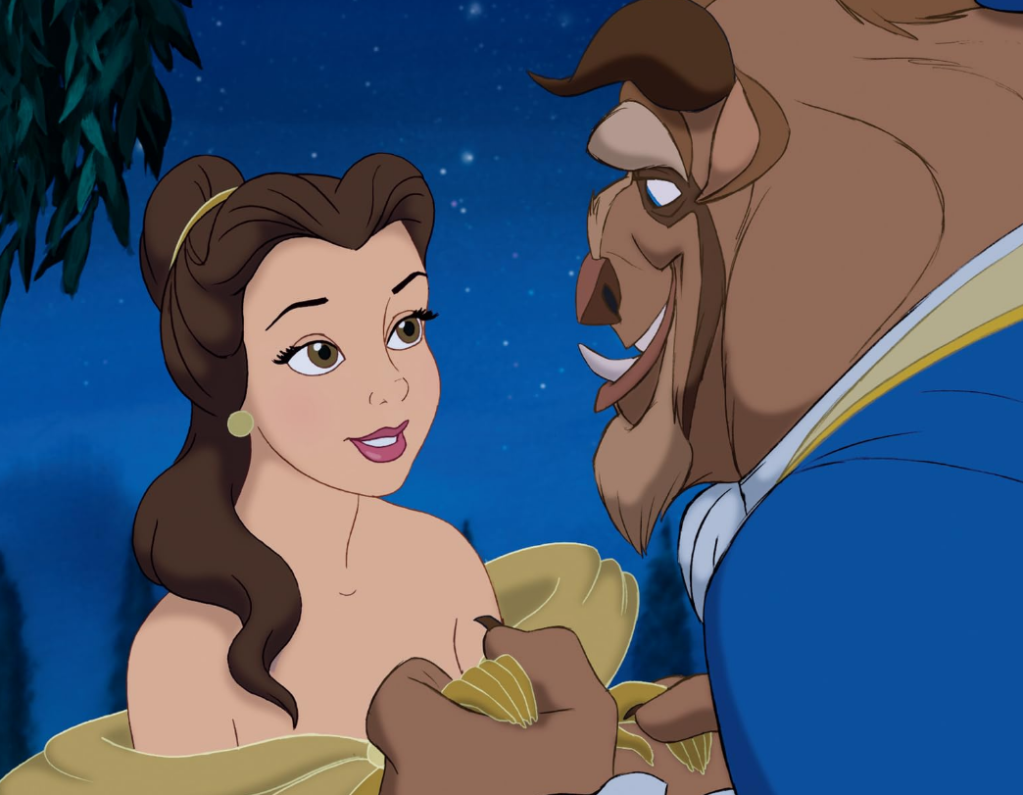
Beauty and the Beast
Disney’s adaptation streamlines a lengthy French fairy tale filled with elaborate subplots, magical relatives, and political intrigue. The original focuses more heavily on Beauty’s family and the curse’s complicated origins.
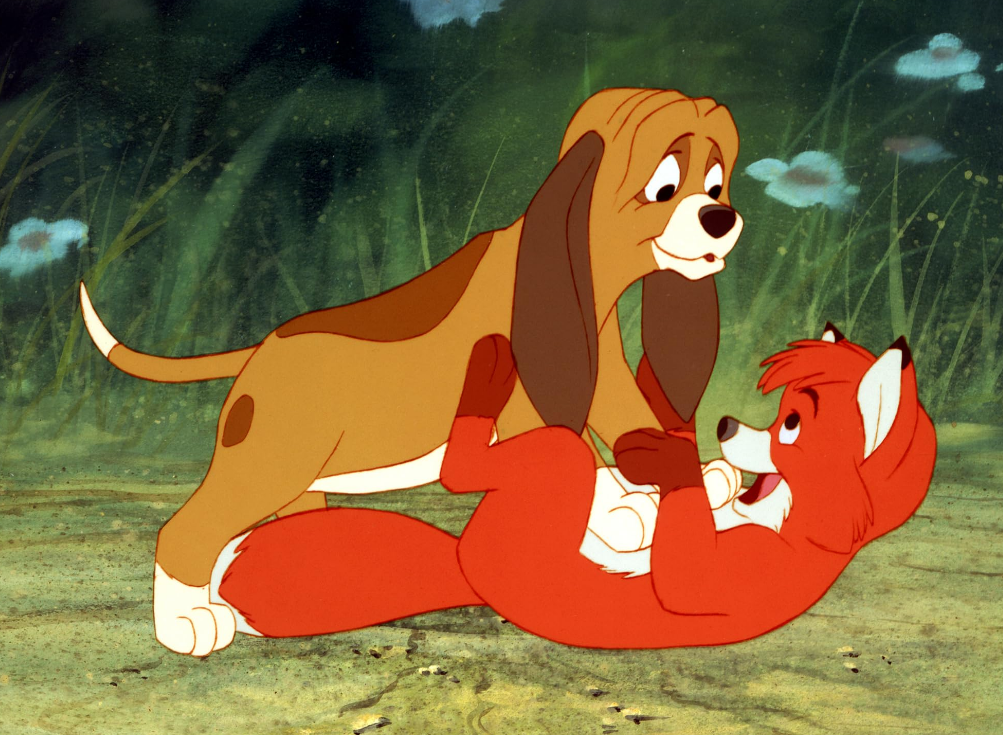
The Fox and the Hound
Disney transformed Daniel P. Mannix’s novel into a bittersweet friendship story. The original book is substantially darker, ending in tragedy while exploring hunting culture and humanity’s complicated relationship with nature.