15 Movies That Only Got Worse the More You Thought About Them


Not all movies are made for rewatches, even if they are intended to. This is because, the first time around, you can forgive a lot of mishaps or troubling details since you’re riding the enjoyment wave. Not knowing the plot or what comes next can easily distract you from the moment to moment scenes.
Rewatching these after the first time will certainly make you enjoy them less, since you’ll focus more on what each scene means. And that’s without mentioning that, knowing the ending, you’ll be judging the relevancy of each scene and where they lead. These are the movies that you’re better off watching once.

Star Wars: The Rise of Skywalker
The frantic finale introduces Force healing, resurrects Emperor Palpatine with little explanation, and constantly reverses previous plot developments. The longer fans examine its story, the more difficult its internal logic becomes to reconcile.

Now You See Me
The final reveal involving FBI agent Dylan Rhodes raises more questions than answers. Looking back, many of his earlier actions make little sense if he was secretly orchestrating the illusionists’ elaborate scheme all along.

Jurassic World
The film repeatedly emphasizes that trained professionals understand dinosaur behavior, yet nearly every major disaster stems from astonishingly reckless decisions. Once you start questioning the park’s safety protocols, the entire premise begins to wobble.
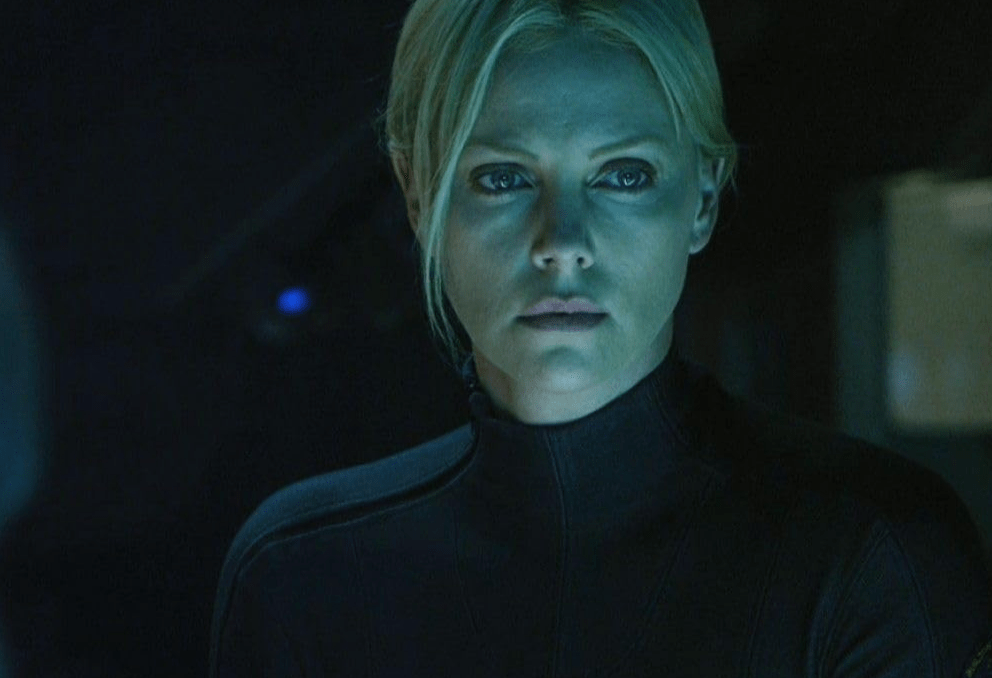
Prometheus
Ridley Scott’s visually stunning science-fiction epic frustrates many viewers because brilliant scientists repeatedly make baffling decisions. The deeper you analyze the characters’ behavior, the harder it becomes to accept the story’s central events.

The Butterfly Effect
The film presents time travel with emotional weight, but its rules shift whenever convenient. Each attempt to fix the timeline creates new inconsistencies, making the mechanics increasingly confusing upon closer examination.
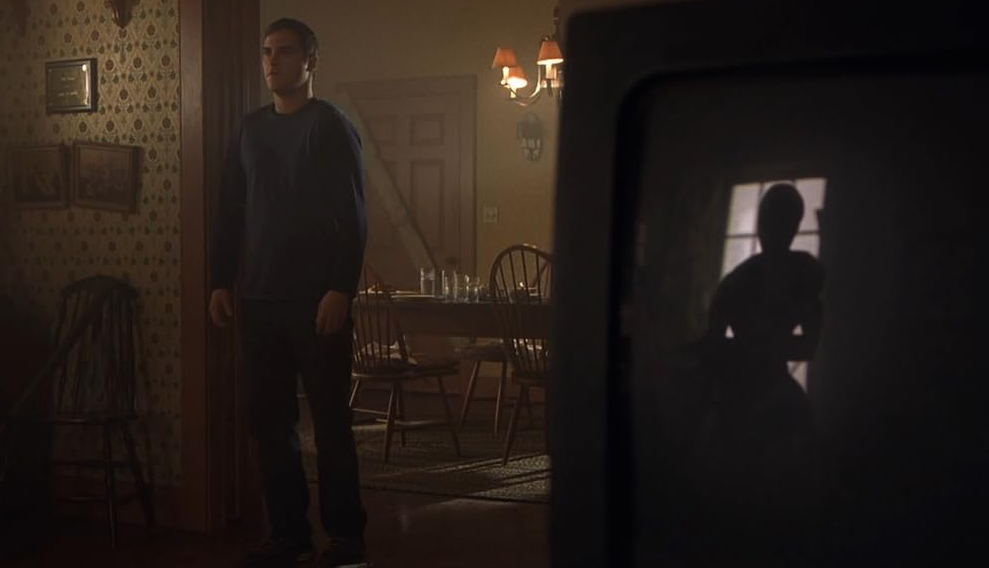
Signs
The revelation that Earth’s invading aliens are fatally vulnerable to water becomes increasingly difficult to overlook. For creatures defeated by such a common substance, choosing to invade a planet covered in it seems remarkably shortsighted.
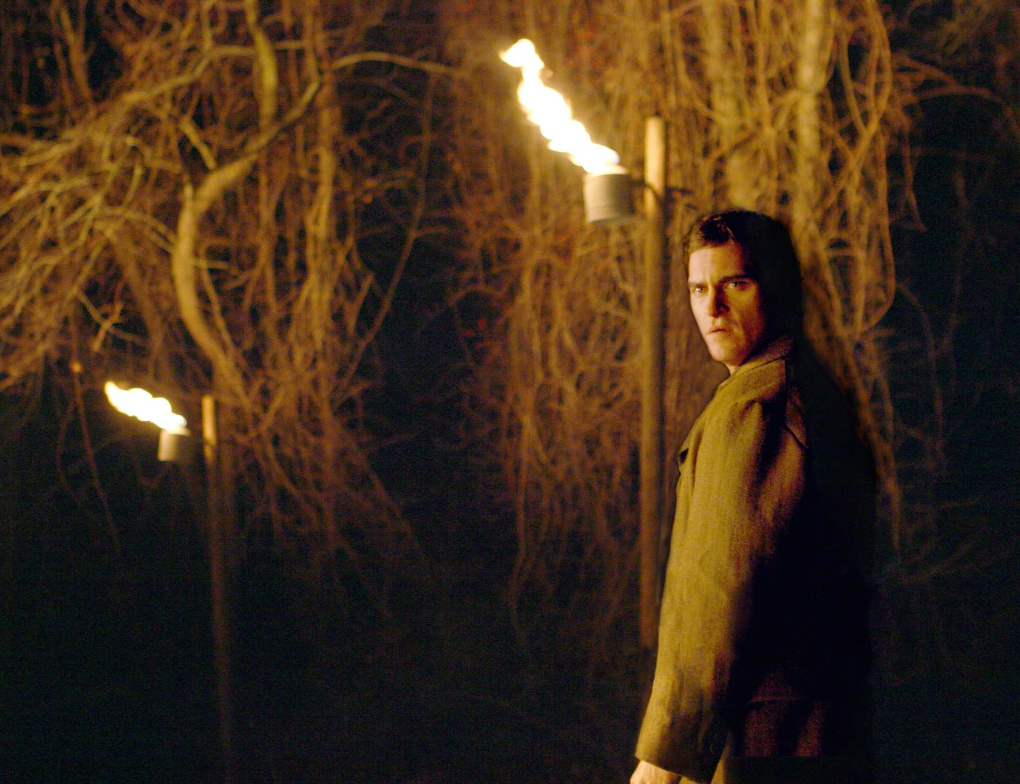
The Village
M. Night Shyamalan’s twist initially surprises many viewers, but thinking through the logistics raises difficult questions. Maintaining such an isolated community without modern society discovering it becomes increasingly implausible the longer you consider the details.
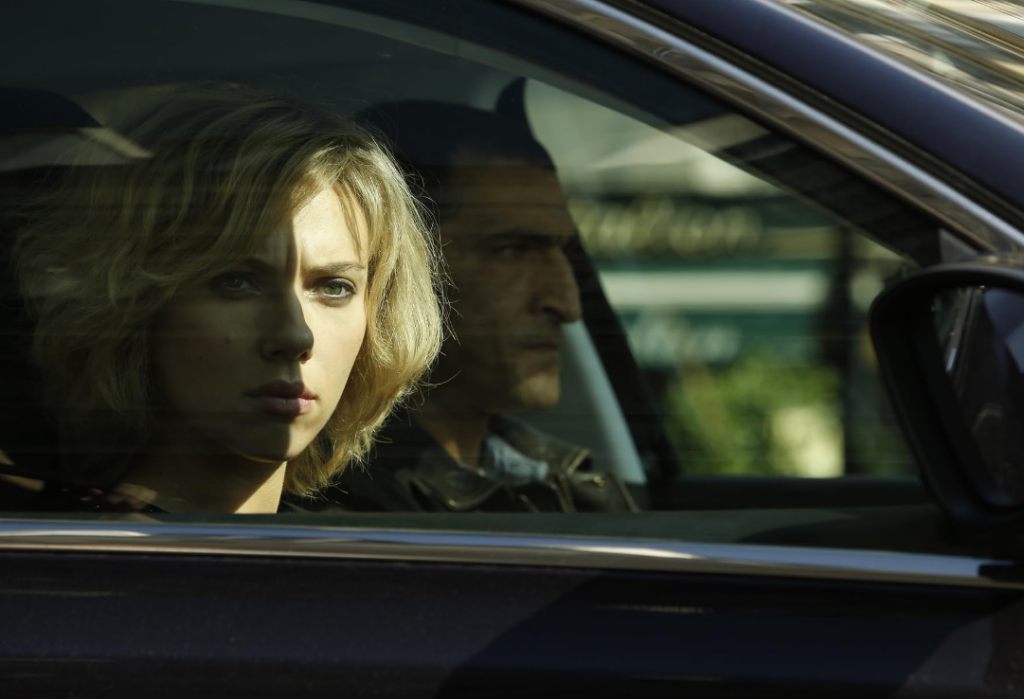
Lucy
As Lucy’s brain capacity supposedly increases, the film abandons science altogether in favor of speculative fiction. Its central premise relies on the long-debunked myth that humans use only ten percent of their brains.
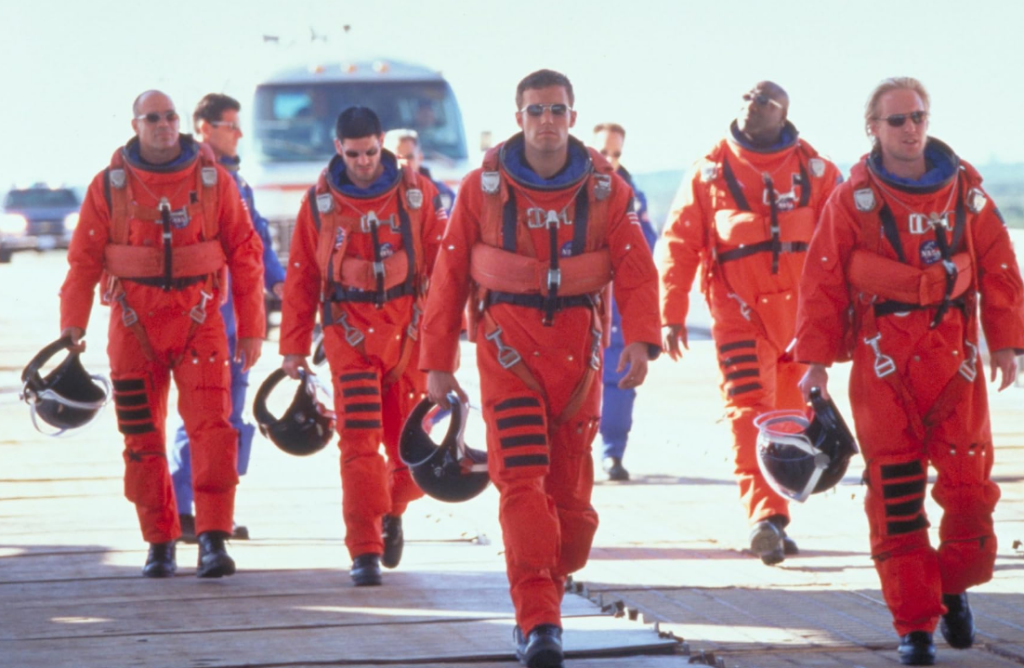
Armageddon
NASA trains oil drillers to become astronauts instead of teaching astronauts to drill. The movie acknowledges the criticism in dialogue, but that self-awareness doesn’t make the central premise any more convincing.

Crash
Paul Haggis’ Oscar-winning drama relies on a remarkable number of unlikely coincidences connecting strangers across Los Angeles. The more closely its interconnected stories are examined, the more contrived many of those encounters appear.

Passengers
The romance becomes considerably more unsettling when viewers reflect on Chris Pratt’s character intentionally awakening another passenger to avoid spending decades alone. Ethical questions quickly overshadow the film’s intended love story.
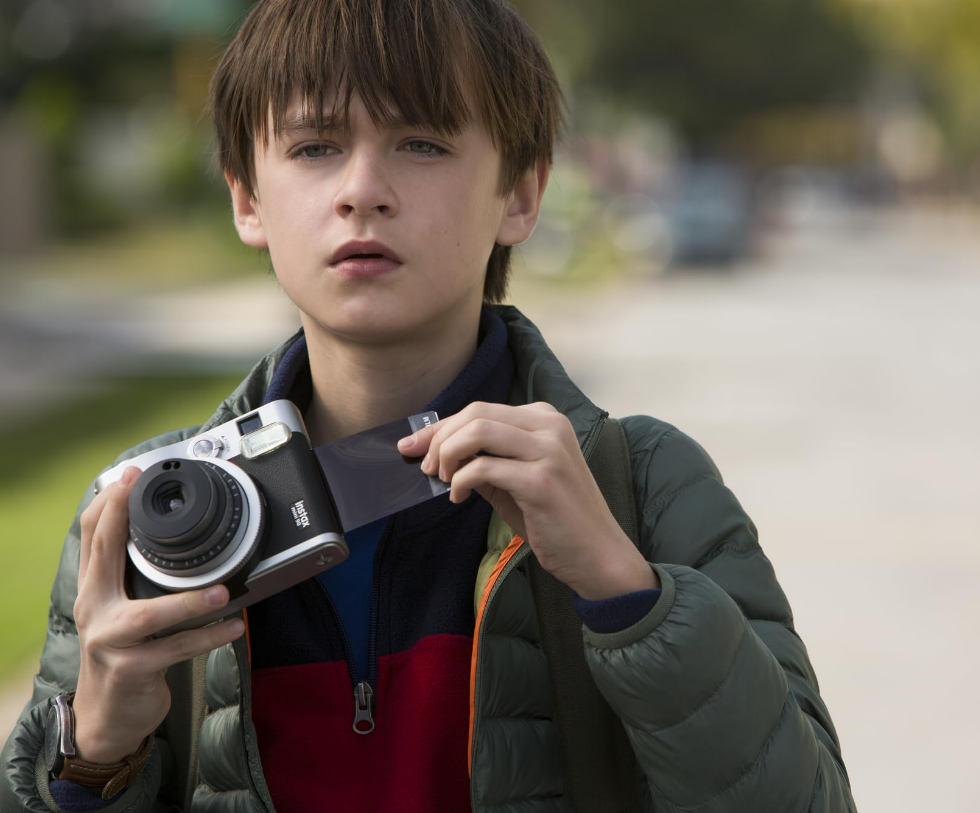
The Book of Henry
The film’s increasingly implausible plot shifts, ranging from child prodigy drama to vigilantism, have puzzled audiences since release. Reflecting on its escalating chain of events only highlights how wildly the story abandons believable human behavior.

Don’t Worry Darling
The central simulation concept raises numerous practical questions about logistics, technology, and participant consent. As viewers try to understand how the world actually functions, the mechanics become increasingly difficult to justify.
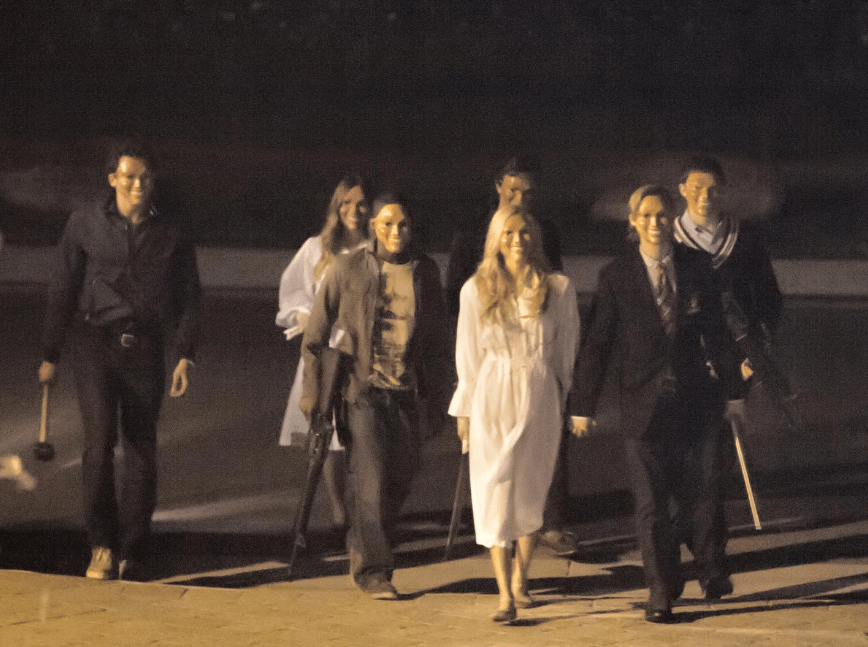
The Purge
The premise is undeniably compelling, but its societal implications unravel under scrutiny. The idea that all crime becomes legal for one night creates countless practical and economic consequences the film barely addresses.

Yesterday
After becoming the only person who remembers The Beatles, Jack Malik’s biggest challenge is supposedly fame. The longer you think about everything else erased from history, the stranger the world’s altered timeline becomes.